Author: Anna Ho

  • Makin’ Biscuits

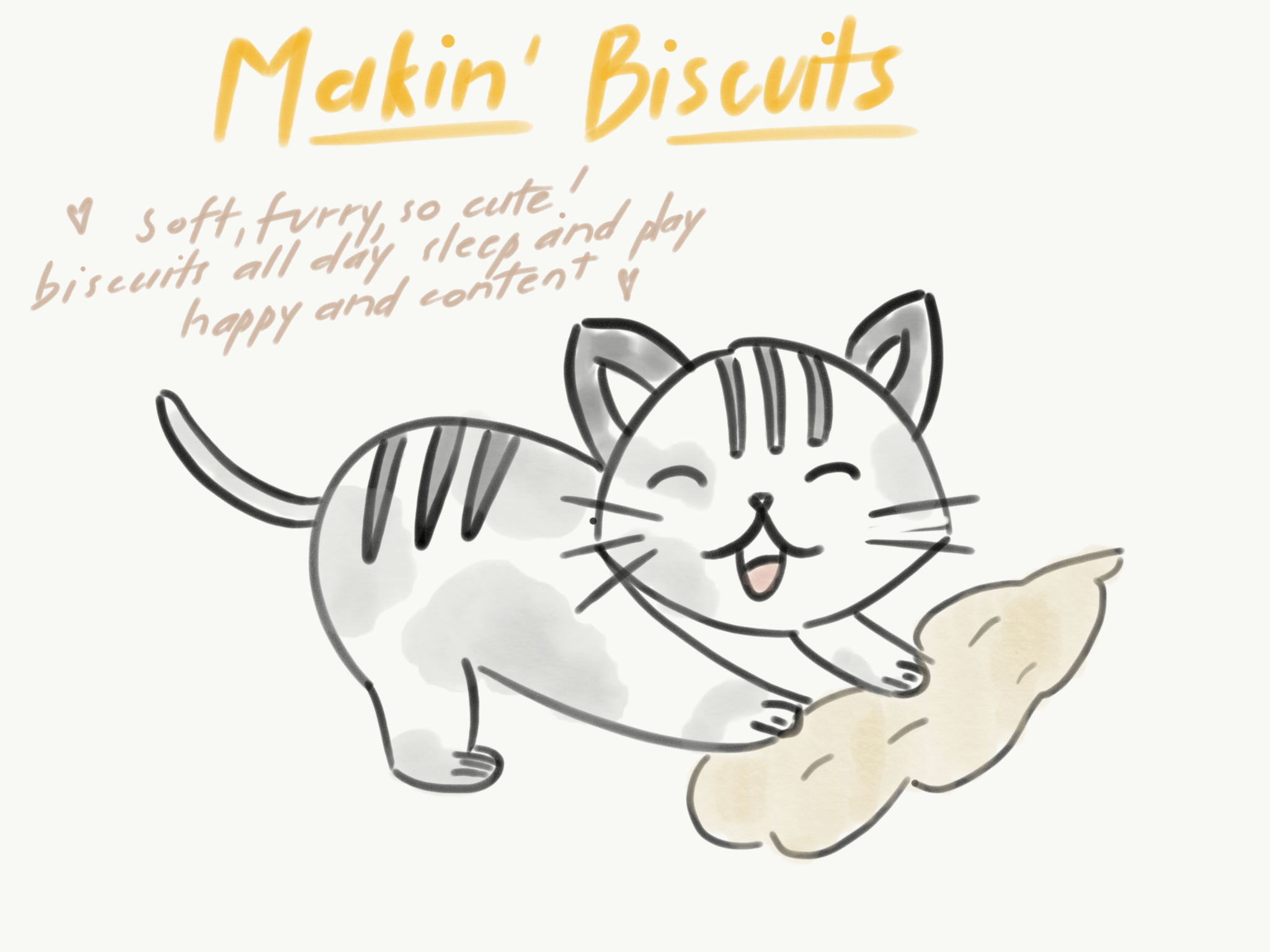
    Some cats are oftentimes seen engaging in a rhythmic motion of pushing their paws back and forth on a soft surface, which is referred to as “kneading.” This behavior is not universal across all cats and can be distinctive among cats (“Why Do Cats Knead?, n.d.). The exact reason behind this behavior is a mystery, but there are a few explanations to rationalize this behavior (Castro, 2013).

      1. Kittens knead their mother while nursing to stimulate milk flow. This behavior may be carried on into adulthood when cats are feeling happy, associating kneading with the comfort of its mother (Castro, 2013).
      2. Cats may be marking their territories with their scent (“Why Do Cats Knead?, n.d.).
      3. Female cats knead as a mating signal to males (“Why Do Cats Knead?, n.d.).
      4. Kneading is a form of stretching (“Why Do Cats Knead?, n.d.).

    Regardless of the reason why cats knead, we can all agree that they are super cute when they do so!


    References
    _______________________________________________________________________________________________________________

    Castro, J. (2013, October 18). Why Do Cats Knead? Retrieved from https://www.livescience.com/40548-why-do-cats-knead.html

    Why Do Cats Knead? (n.d.). Retrieved from https://www.petmd.com/cat/behavior/evr_ct_why_do_cats_knead

  • Butterfly Pea Flower Tea

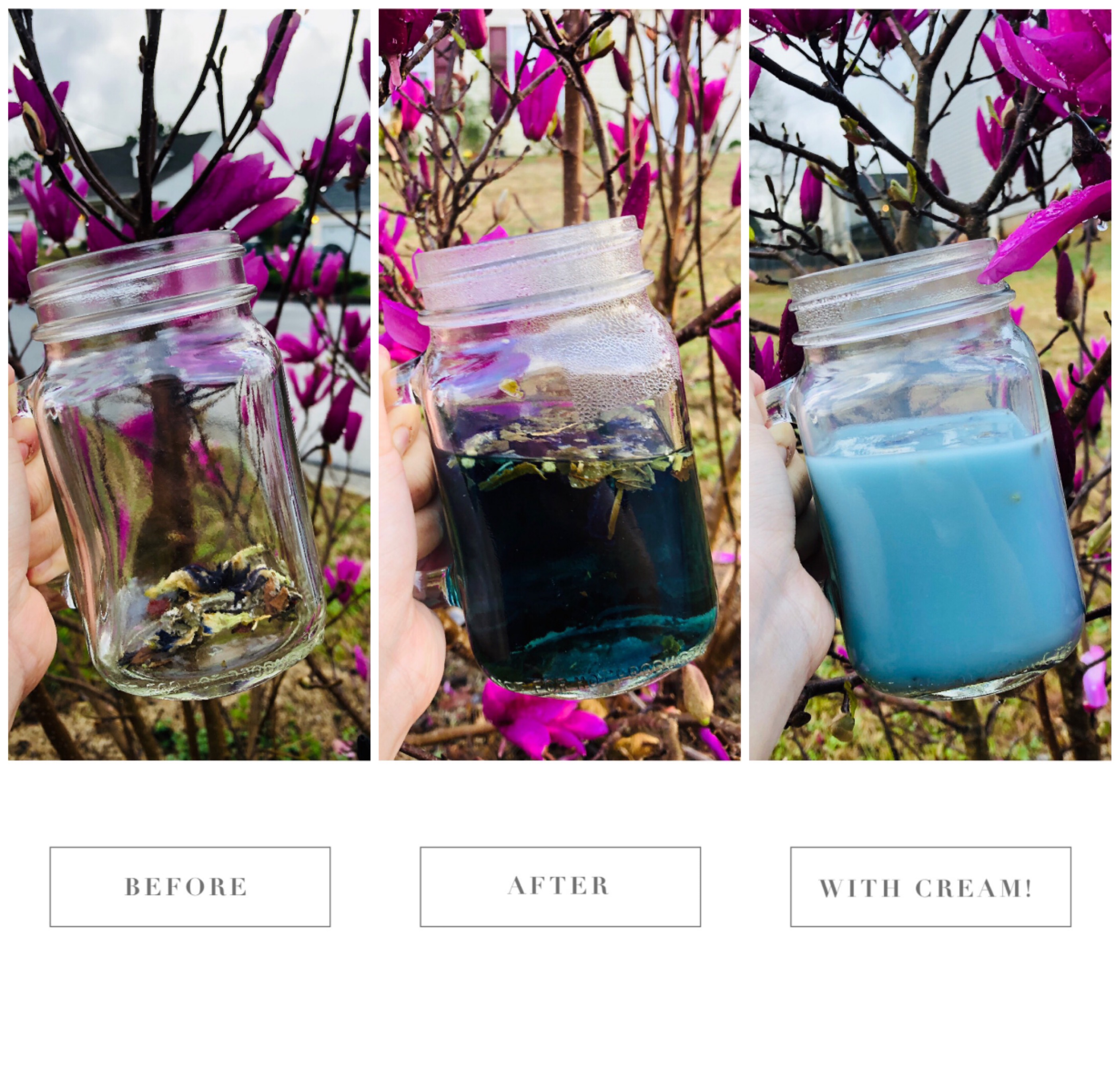
    A cup of tea brings feelings of peace and serenity to mind.  Whether it be a rainy day or cold evening, drinking a warm cup of tea has never failed to help me feel calm and happy.   There’s an amazing selection of tea for all types of different palates to choose from like your classic green, black, and white tea, but my personal, newfound favorite is butterfly pea flower tea!  Befitting its exquisite name, this tea also has an appearance like no other.

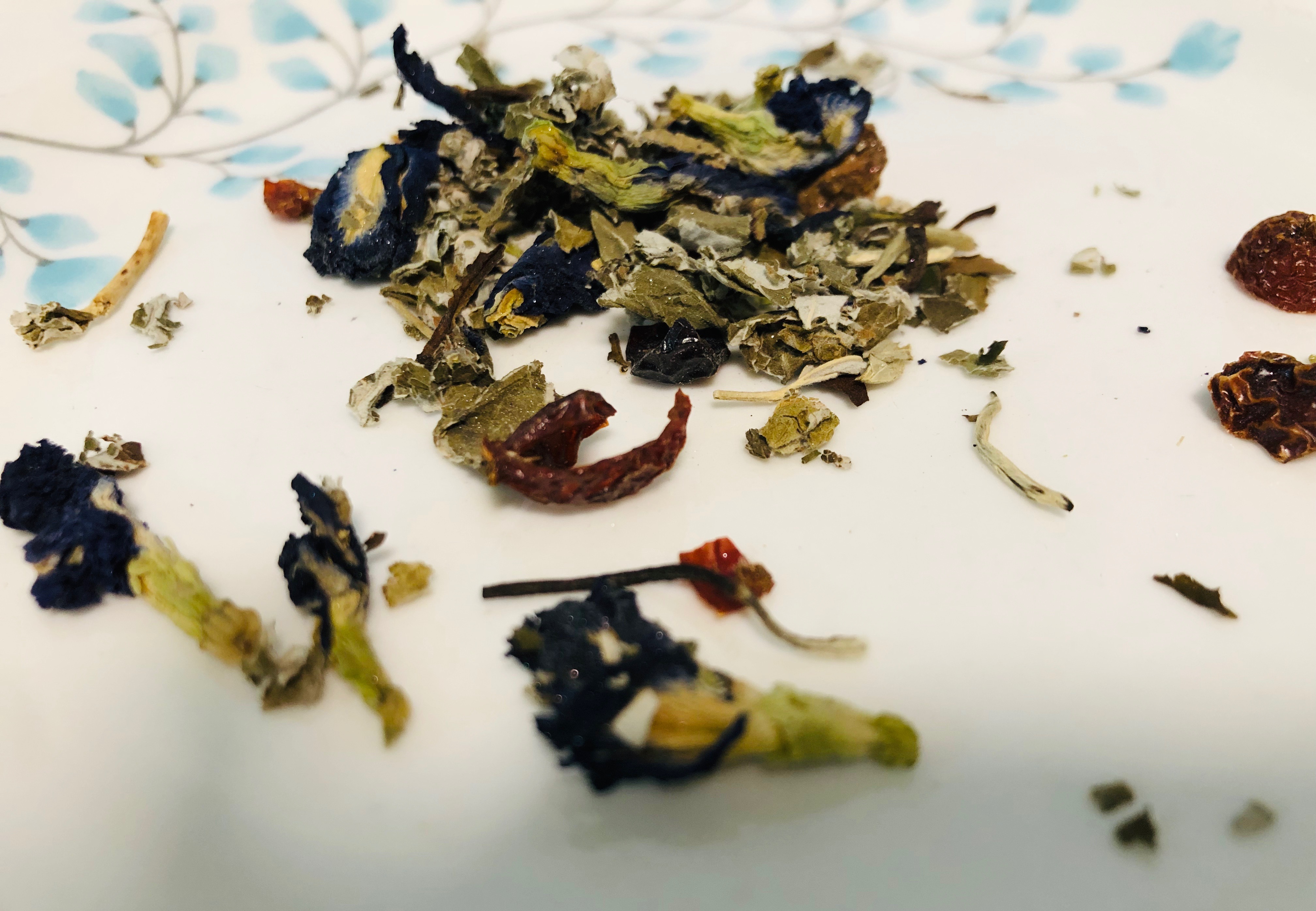
    Butterfly pea flower tea may seem like a new and recent addition to tea shelves, but this tea has been consumed in Southeast Asian countries like Thailand and Malaysia for centuries.  It is a caffeine-free beverage made from oftentimes dried lemongrass and blue flowers and leaves of a plant known as Clitoria ternatea (Centeno, 2018).  It is said to have an earthy taste similar to green tea despite its color (Goldberg, 2016).

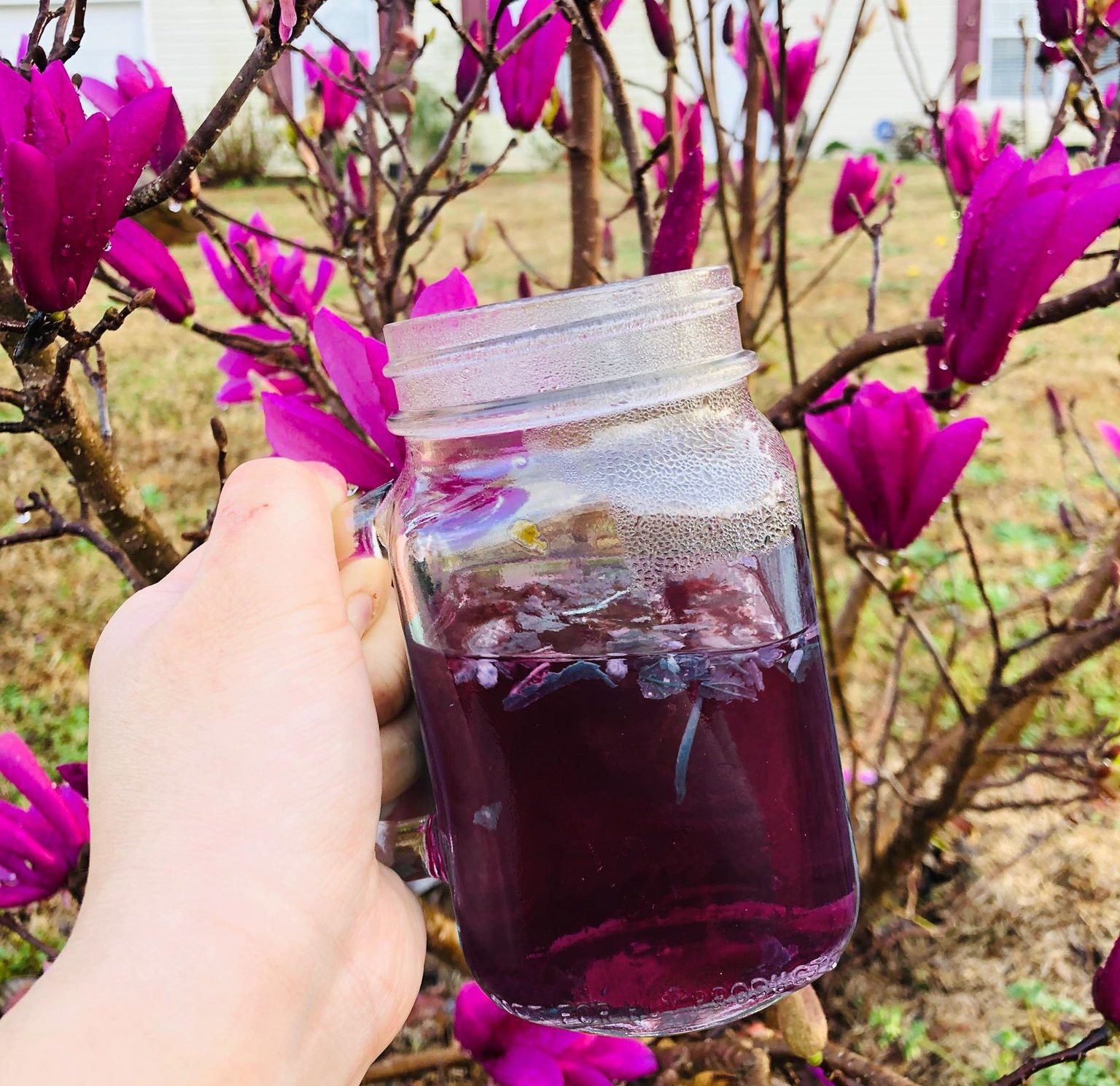
    What makes this tea unique, however, is not just its natural, blue color, but its ability to change color depending on pH.  Adding lemon will allow this beverage to take on a purple color (see below).  Add more and it’ll turn hot pink, adding a perfect and mesmerizing ombre. Like other plants that function as pH indicators, butterfly pea consists of anthocyanins, allowing it to change color.  The plant has been tested as a pH indicator to successfully differentiate pH levels between 2-12 (Amaolo, 2017).

    Anthocyanins also contain high amounts of antioxidants, making blue tea a common use in traditional medicine and a source of many health benefits (Kungsuwan, Singh, Phetkao, & Utama-ang, 2014).  Butterfly pea flower extract has been found to have anti-inflammatory and pain-relieving abilities (Kumar and Ishwar, 2012) as well as the potential to relieve diabetic complications caused by advanced glycation end products (AGEs).  AGEs are compounds that can clog vessels and form more often in diabetics when sugars combine with particular amino acids (Barone, 2017).  Clitoria ternatea extract has also been found to improve memory and acetylcholine levels (Taranalli & Cheeramkuzhy, 2011) and has anti-depressant, anti-stress, anti-convulsant, and anti-microbial properties (Jain et al., 2003).   Its antioxidant activity has also been applied in cosmetics (Kamkaen & Wilkinson, 2009).

    Try making your own tea by seeping 1-2 teaspoons of butterfly pea flower with a cup of water and add honey, lemon, juice, or milk for more flavor.  You can also make ice cubes with the tea to add color to any drink!


    References
    _______________________________________________________________________________________________________________

    Amaolo, A. (2017). The Butterfly Pea Flower as a pH Indicator. Retrieved from http://isjos.org/ISJOSv11p2-ButterflyPeaIndicator.pdf

    Barone, J. (2017, February 28). What Are AGEs (Advanced Glycation End-Products)? Retrieved from http://www.berkeleywellness.com/healthy-eating/food-safety/article/abcs-ages-advanced-glycation-end-products

    Centeno, E. (2018, July 03). What is Butterfly Pea Flower Tea? Retrieved from https://spoonuniversity.com/lifestyle/what-is-butterfly-pea-flower-tea-hint-it-changes-color

    Goldberg, E. (2016, January 31). The Science Behind This Mesmerizing Color-Changing Tea. Retrieved from https://www.bonappetit.com/drinks/non-alcoholic/article/butterfly-pea-flower-color-changing-tea

    Jain, N. N., Ohal, C. C., Shroff, S. K., Bhutada, R. H., Somani, R. S., Kasture, V. S., & Kasture, S. B. (2003, June). Clitoria ternatea and the CNS. Retrieved from https://www.ncbi.nlm.nih.gov/pubmed/12895670

    Kamkaen, N., & Wilkinson, J. M. (2009, November). The antioxidant activity of Clitoria ternatea flower petal extracts and eye gel. Retrieved from https://www.ncbi.nlm.nih.gov/pubmed/19367668

    Kumar, S. & Ishwar, B. (2012, March 19). Anti Inflammatory, Analgesic and Phytochemical Studies of Clitoria Ternatea Linn Flower Extract. Retrieved from https://irjponline.com/admin/php/uploads/935_pdf.pdf

    Kungsuwan, K., Singh, K., Phetkao, S., & Utama-ang, N. (2014). Effects of pH and anthocyanin concentration on color and antioxidant activity of Clitoria ternatea extract. Retrieved from https://www.tci-thaijo.org/index.php/fabjournal/article/view/77397

    Taranalli, A., & Cheeramkuzhy, T. (2011, January 10). Influence of Clitoria Ternatea Extracts on Memory and Central Cholinergic Activity in Rats. Retrieved from https://www.tandfonline.com/doi/abs/10.1076/1388-0209(200001)3811-BFT051

  • Strange Cat Things

    Cats are one of the most popular choices as human friends, and I absolutely adore them! I hope to have a feline friend in the future and hopefully, you will too if you don’t have one already. Among all the cute actions that these creatures engage in daily, there are some anomalies that make their human friends ponder. These fun facts may answer a question or two you’ve had and enlighten you with the uniqueness and awesomeness of cats.
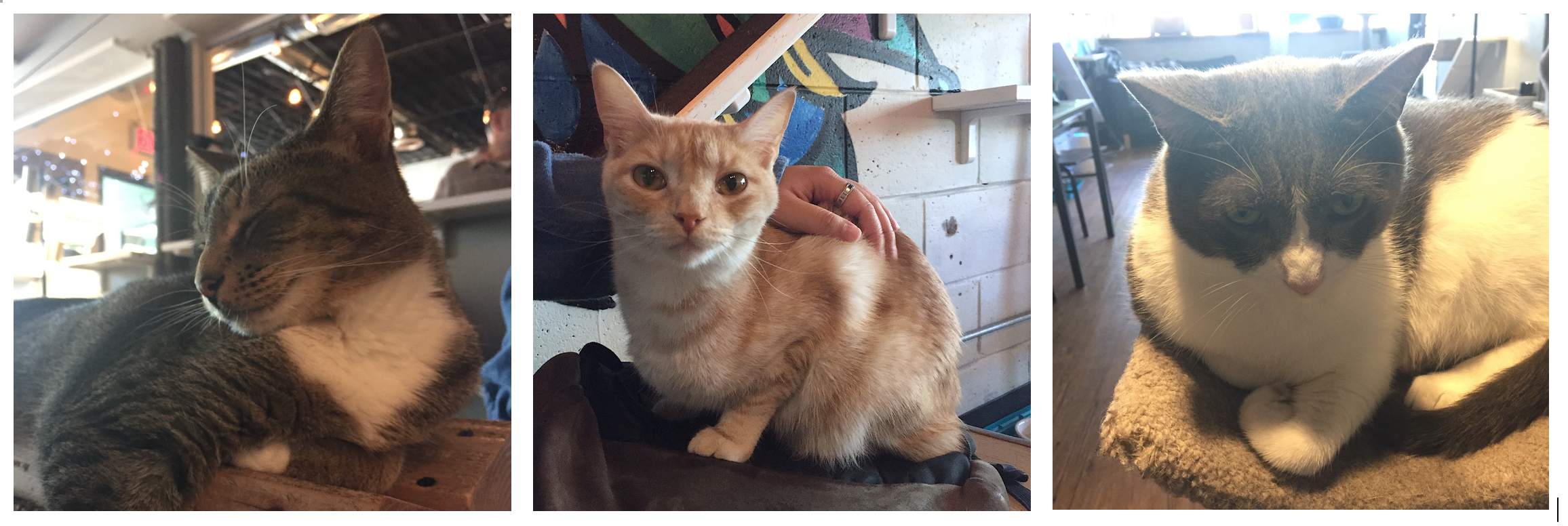
    The cats we have in our homes are really similar to wild cats!
    Compared to dogs, cats have been domesticated for only half as long and still engage in behaviors similar to wild, big cats such as lions and tigers. Their genes have not changed much from that of wildcats, except for one distinguishing factor: the coat patterns seen on the tabby cat (“Cats Domesticated Themselves, Ancient DNA Shows,” 2018).

    Cats cannot taste sweetness. 
    Like humans, cats are able to taste saltiness, bitterness, sourness, and umami! The genes Tas1r2 and Tas1r3 allow sweet tasting in mammals by encoding sweet sensing receptors. Cats have both of these genes, but their Tas1r2 gene, however, is a pseudogene, or nonfunctional copies of a functional gene (Li, Li, Wang, Bayley, Cao, Reed, Bachmanov, Huang, Legrand-Defretin, Beauchamp, and Brand, 2006).

    Why do cats kill unbelievable amounts of mice and birds?
    As natural-hunters, cats still carry unstoppable instincts that they’ve had thousands of years ago. Female cats are also found to engage in hunting more often to teach their young how to acquire food and feed (Palermo, 2013).

    Cats will bite in response to being overstimulated, not because they hate you!
    Overstimulation typically occurs in attention-seeking, friendly cats. When these felines are continuously being pet, it appears that there can be a buildup of stress for these animals leading to aggressive behaviors. Cats may give some warning signs before their impending aggression such as a continuous, whipping tail, flattened ears, and a tense body (“Overstimulation in Cats,” n.d.).

    Cats meow only to communicate with humans!
    Meows are usually found in kittens that need to communicate with their mother. However, communication between older cats consists of growling and hissing. Meowing is exclusively used by felines to tell their humans if they may be hungry, stressed, or needing attention (“Cats and Excessive Meowing,” n.d.).

    Cats sleep a lot, but why?
    Cats sleep up to 16 hours a day – that’s 67% of the day! This is because they need energy for hunting-like behaviors such as pouncing and chasing (Cespedes, n.d.).

    Cats are crepuscular, so their schedules are completely different from humans.
    They are most active at dawn and dusk, and often nap during the day while basking in the sun (Cespedes, n.d.). Though this is their natural schedule, cats may adjust their sleeping to fit their owner’s schedule.

    Why do cats bury their excretions?
    Burying waste is an instinct that cats have in order to mark their territory and avoid attention from predators (Melina, 2011). Their excretions have unique pheromones, making it possible for other cats to differentiate it from their own waste.

    _____________________________________________________________________________

    References

    Cats and Excessive Meowing. (n.d.). Retrieved from https://pets.webmd.com/cats/guide/cats-excessive-meowing#1

    Cats Domesticated Themselves, Ancient DNA Shows. (2018, April 24). Retrieved from https://news.nationalgeographic.com/2017/06/domesticated-cats-dna-genetics-pets-science/

    Cespedes, Y. (n.d.). Retrieved from https://www.petmd.com/cat/behavior/evr_ct_why_do_cats_sleep_so_much

    Li, X., Li, W., Wang, H., Bayley, D. L., Cao, J., Reed, D. R., Bachmanov, A. A., Huang, L., Legrand-Defretin, V., Beauchamp, G. K., … Brand, J. G. (2006). Cats lack a sweet taste receptor. The Journal of nutrition, 136(7 Suppl), 1932S-1934S.

    Melina, R. Why Do Cats Bury Their Poop? (2011, March 23). Retrieved from https://www.livescience.com/33147-why-do-cats-bury-their-poop.html

    Overstimulation in Cats. (n.d.). Retrieved from http://www.treehouseanimals.org/site/PageServer?pagename=caring_ccg_overstimulation

    Palermo, E. Why Do Cats Bring Home Dead Animals? (2013, March 29). Retrieved from https://www.livescience.com/34471-cats-dead-animals.html

    Surprising Things You Never Knew About Your Cat. (2015, December 03). Retrieved from https://news.nationalgeographic.com/2015/12/151203-cats-animals-science-communication-pets/


  • Raindrop Cake, Not a Cake?

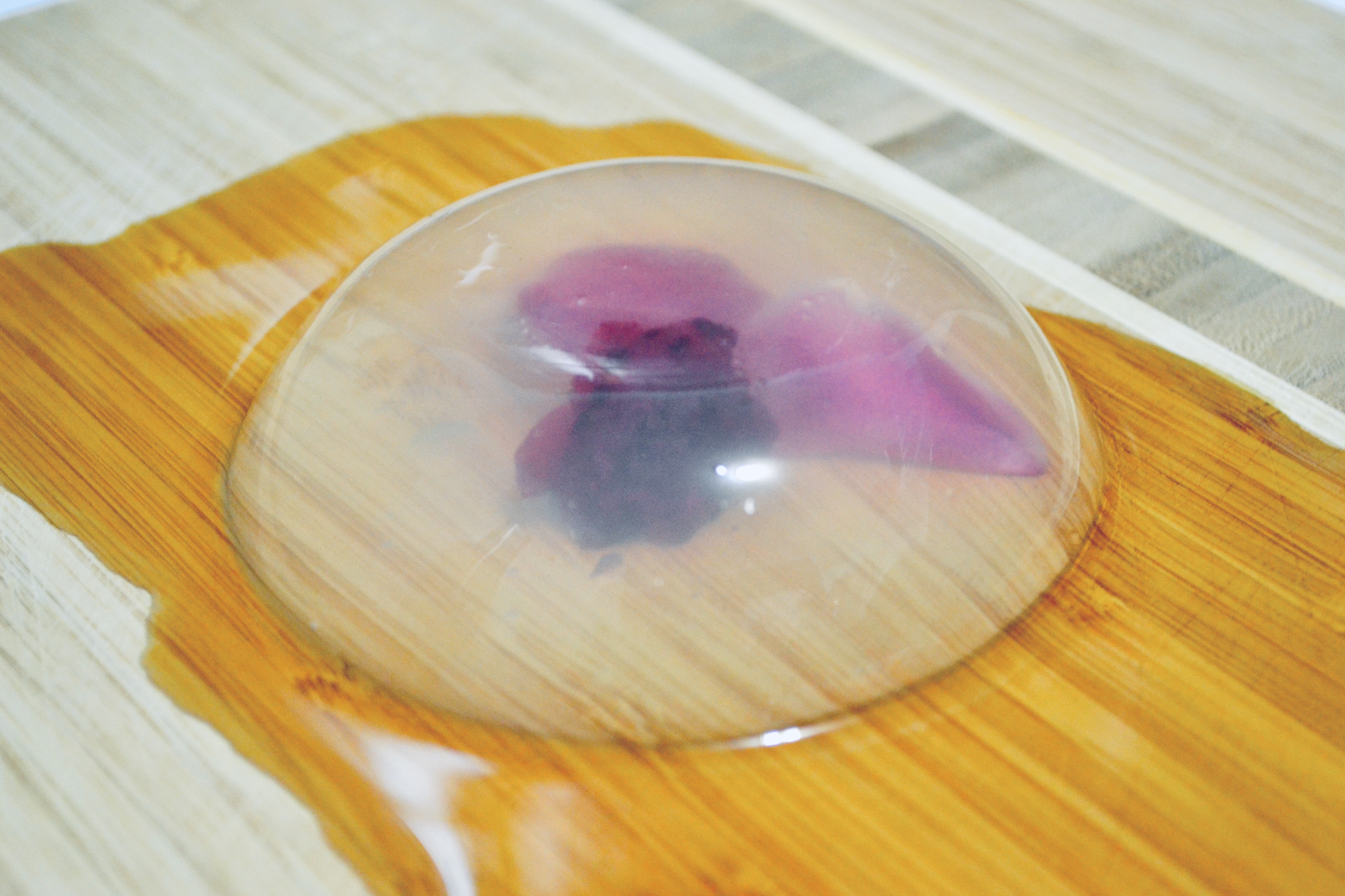
    Have you ever wondered what a raindrop would taste like if it was transformed into cake form? Look no further! Raindrop cake, albeit very different from your typical, traditional cake, will let you have a truly magical experience.

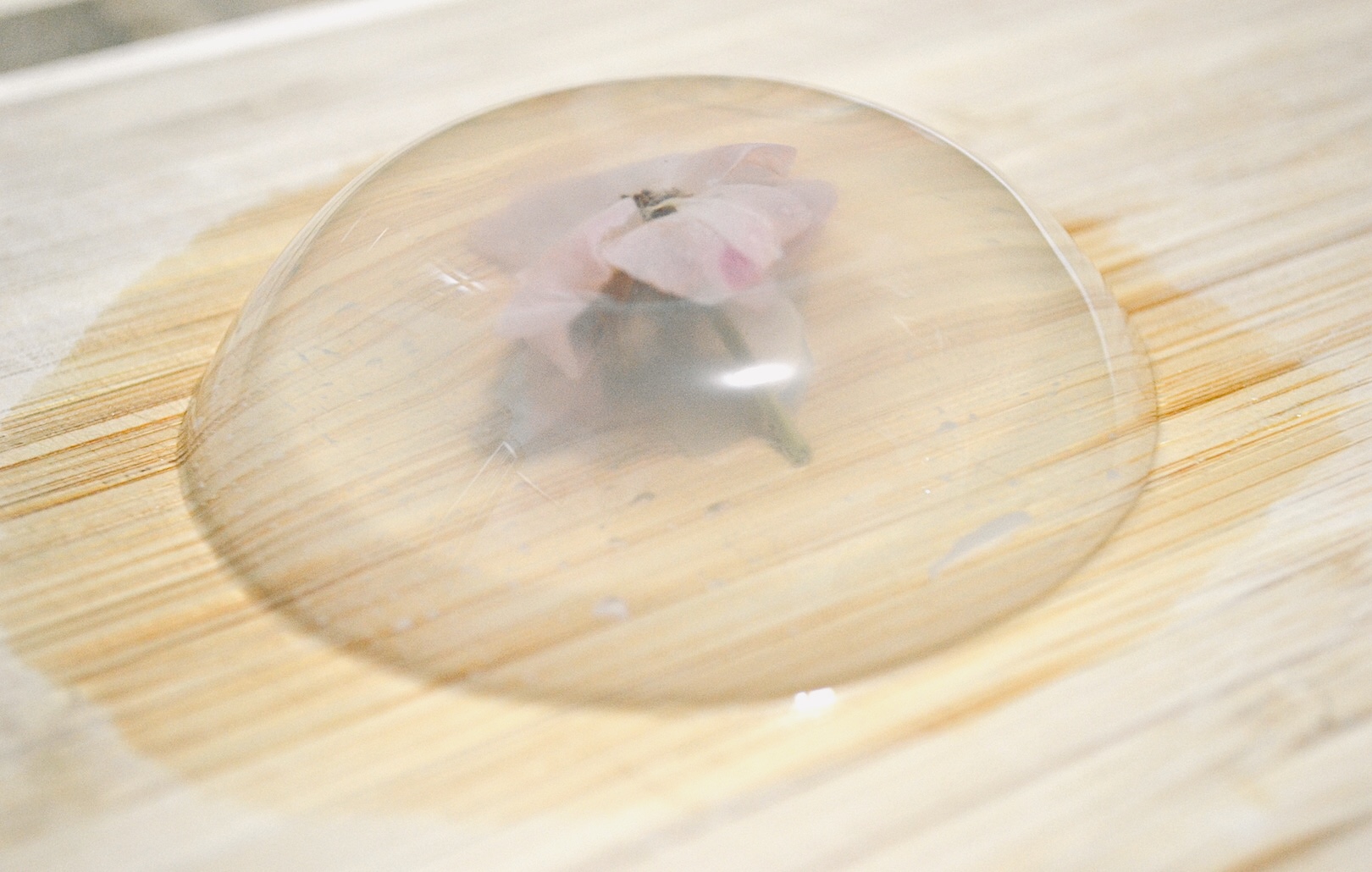
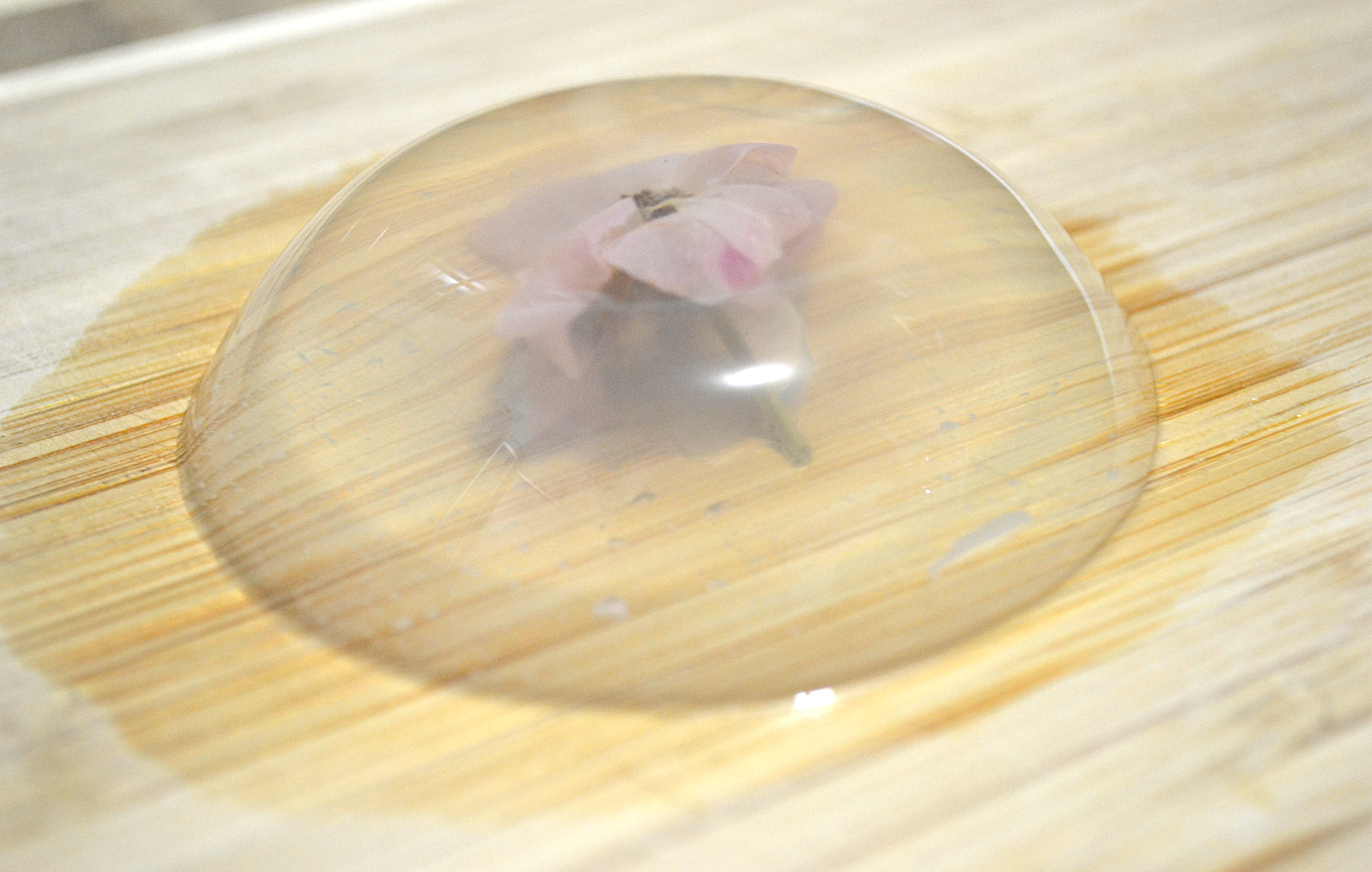
    IMG_1885                                                         My first attempt!

    Screen Shot 2018-11-01 at 8.50.37 PM

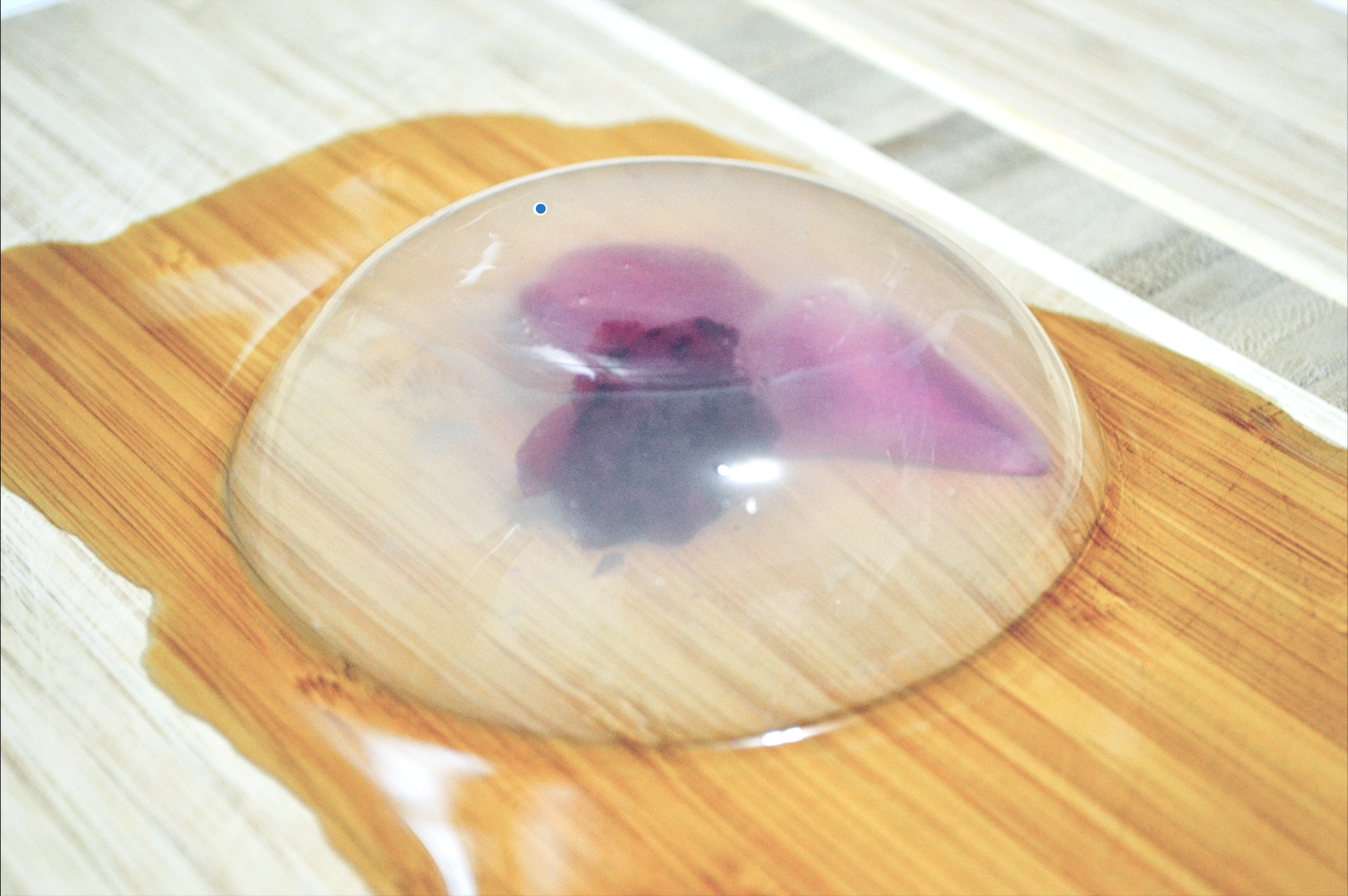
    My second attempt!

    I’ve always loved scrolling through food reviews and videos. One trend that emerged in recent years caught my eye. It was a clear, beautiful jelly bubble resembling a raindrop. It seemed so unique that I set out on a journey to try creating it myself, and it was definitely not an easy task. Being able to set the cake while trying to keep it light, soft, and bouncy and to where you’re able to feel like you’re eating a drop of water took many trials and errors. Keep reading to discover more about the secret ingredient and how you can make your own raindrop cake!

    Raindrop cake, also known as Mizu Shingen Mochi, was first created by the Kinseiken Seika Company in Japan, using two main ingredients: fresh, mineral water from the Japanese Alps and agar. This light, refreshing delicacy resembles a jiggly, blob of jello, but will melt in your mouth and fill it with a hint of sweetness and nuttiness when paired with brown syrup and roasted soybean flour. But beware! If not eaten immediately, this dessert will dissolve and vanish within 30 minutes as recipe calls for the minimal amount of agar.

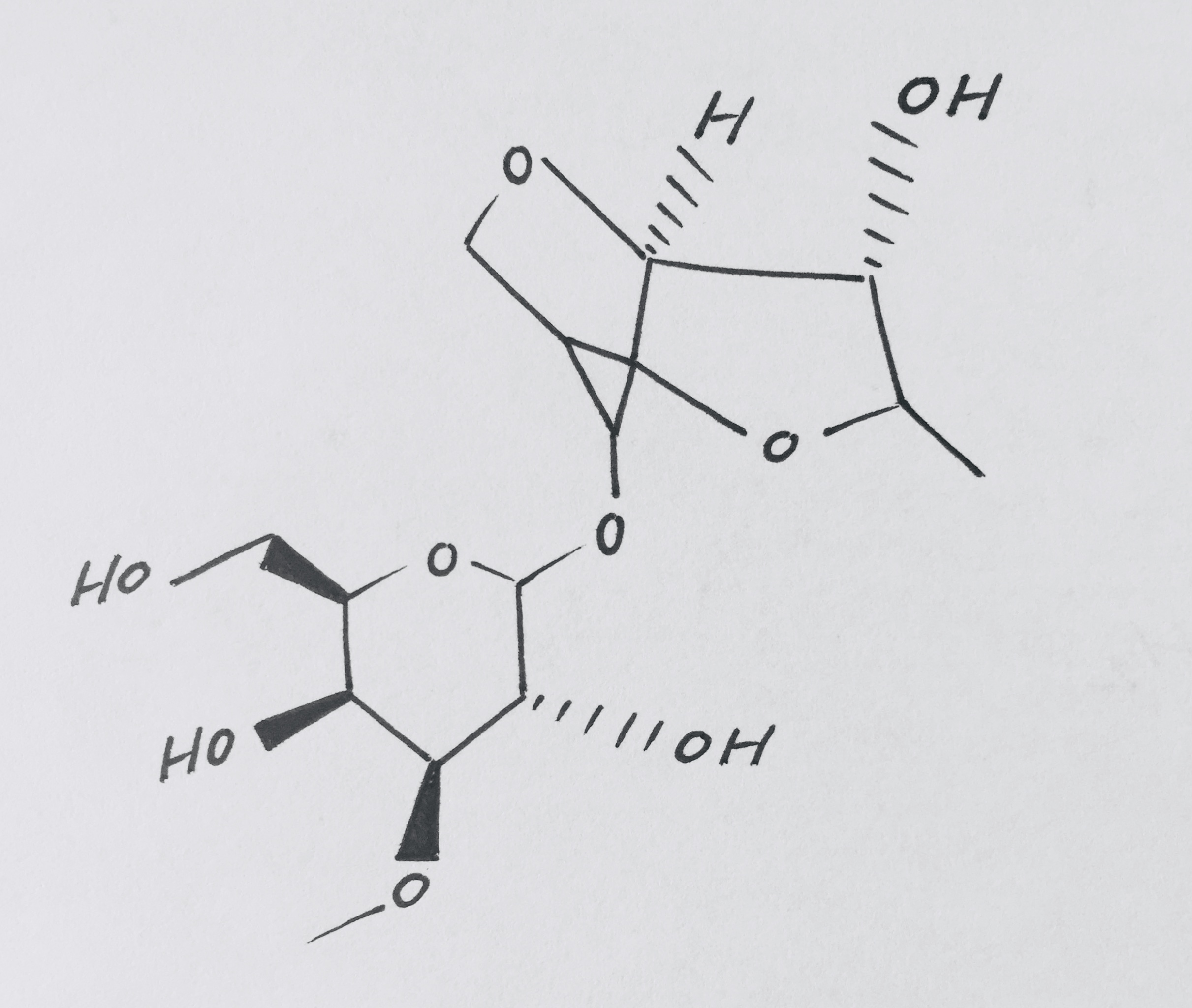
    The key ingredient that solidifies water into a raindrop cake is a polysaccharide known as agar-agar. Agar is made from seaweed or red algae, Gelidium amansii. It was first introduced in Japan over 350 years ago, in 1658, and is still commonly used to this day due to the hydrocolloid properties and agarose composition that allow it to form gel-like substances using hydrogen bonding in the presence of water. Agar is also unique in that its thickening properties are reversible; disintegration occurs when temperatures are varied.

    IMG_1883The structure of agar.

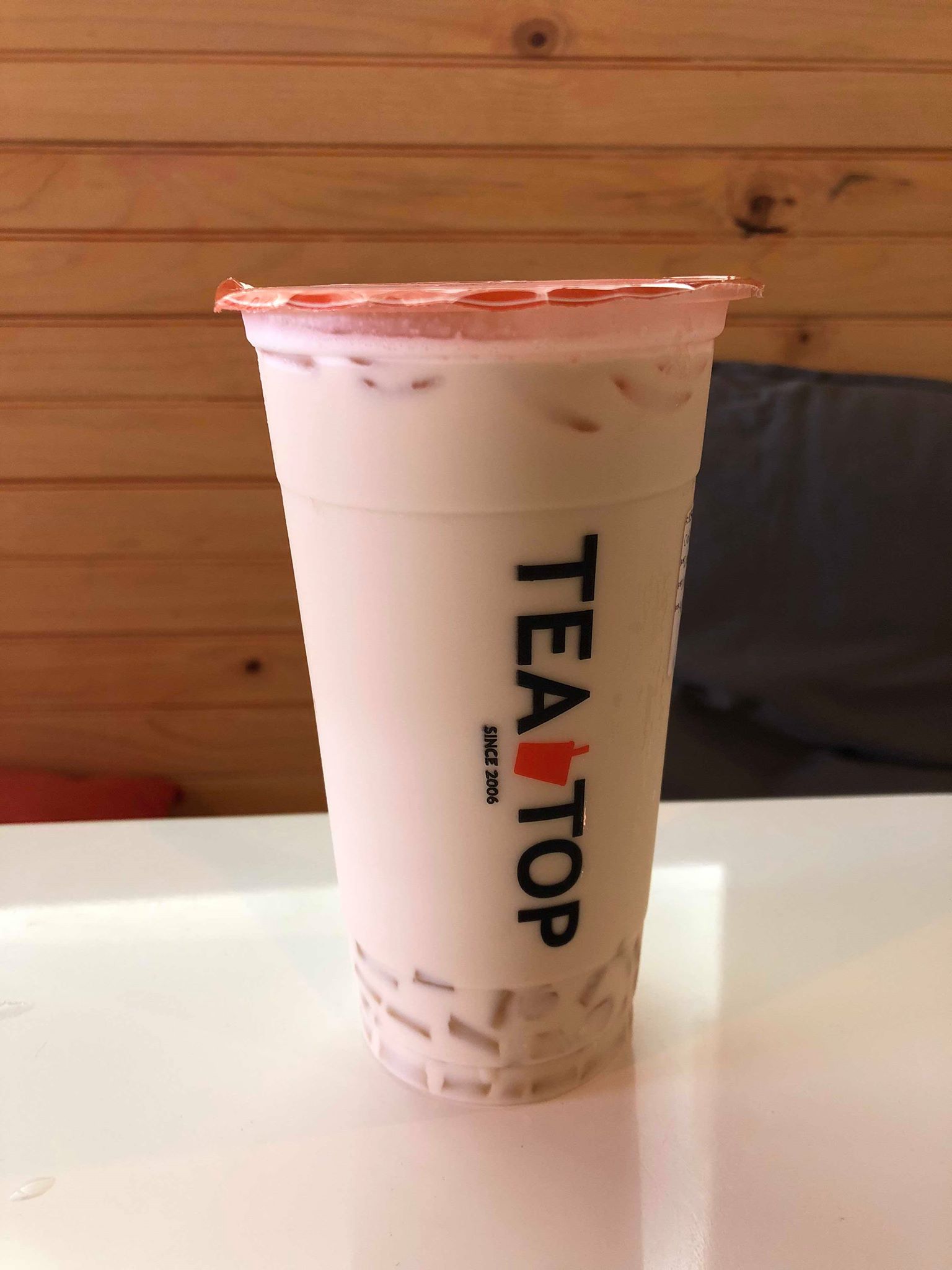
    Due to agar’s gelling ability and the ease at which substances can be gelled, melted, and reformed, agar has numerous uses. One of the most common applications of agar can be found in the food industry. Agar is used in canning foods and is also tasteless, making it a perfect addition to foods and desserts that need thickening such as ice cream, icings, puddings, cookies, jelly, and pie fillings. It can also be found as an agar jelly or as a crystal boba topping in many bubble tea drinks. It has also been used as a laxative and in diets due to its ability to stimulate fullness using low calories.

    bubbleAgar jelly used as a topping for bubble tea.
    This was the first time I’ve ever had agar jelly, and I haven’t looked back since! Yum!

    Application in biology labs as a medium to breed insects like silkworms and fruit flies or to culture bacteria and yeasts is also common.

    IMG_1118     Here an agar plate was used to culture Serratia marcescens, a Gram-negative bacteria. 
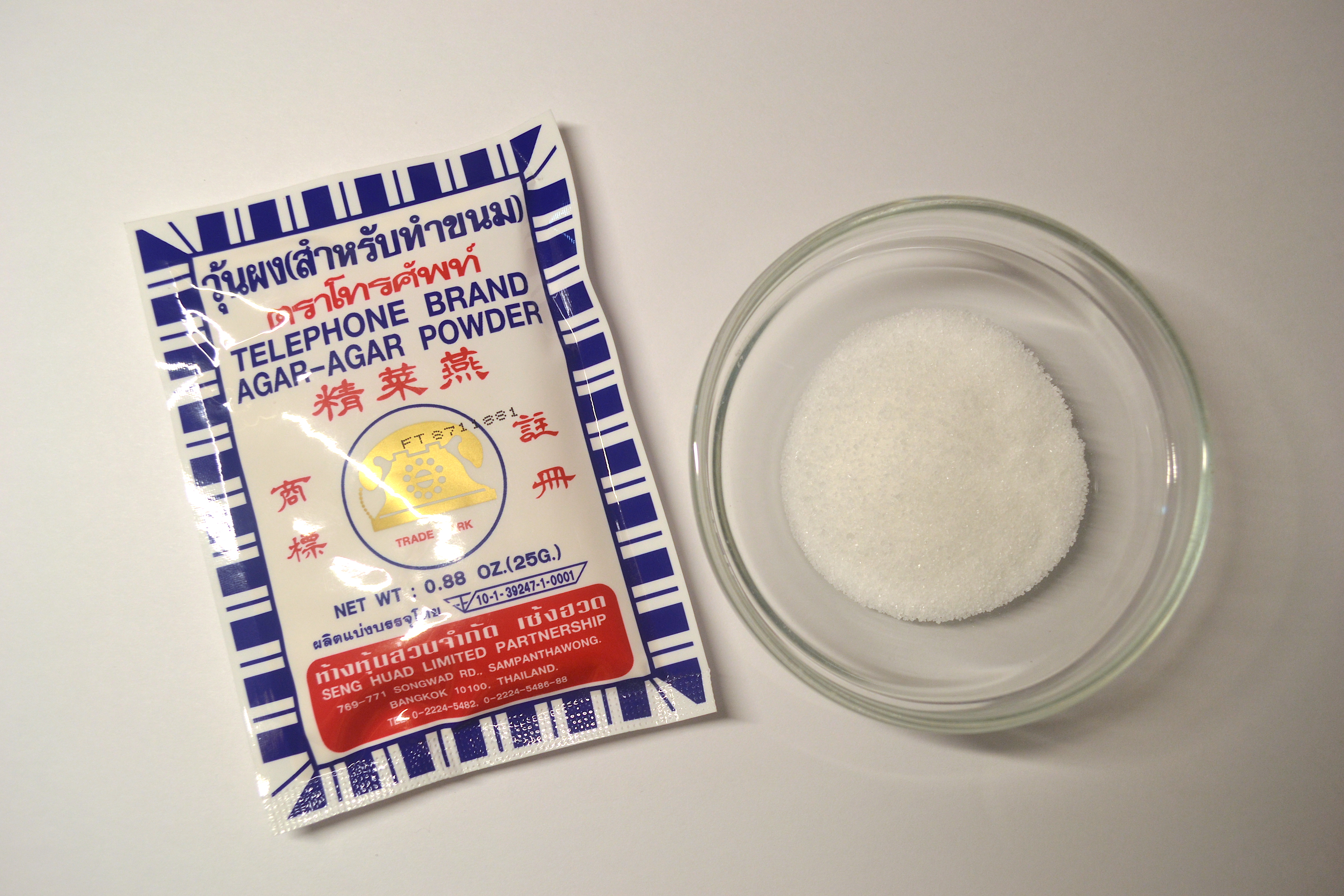
    Agar is a valuable ingredient for many reasons such as being extremely low in calories and containing fiber. Agar also does not require sugar to solidify, which is highly beneficial in food preparation for diabetics. It is also known as a vegan and vegetarian gelatin substitute, and best of all, it is an environmentally friendly product.

    Here’s how you can make your own raindrop cake that has swept the internet in recent years!

    Ingredients

    DSC_0452

    • 1 cup of mineral water
    • 1/4 tsp agar-agar
    • 3 tsp of granulated sugar (optional)

    Optional toppings

    • 1 tbsp roasted soybean flour
    • brown sugar syrup (1 cup of brown sugar + 1/2 cup of water)
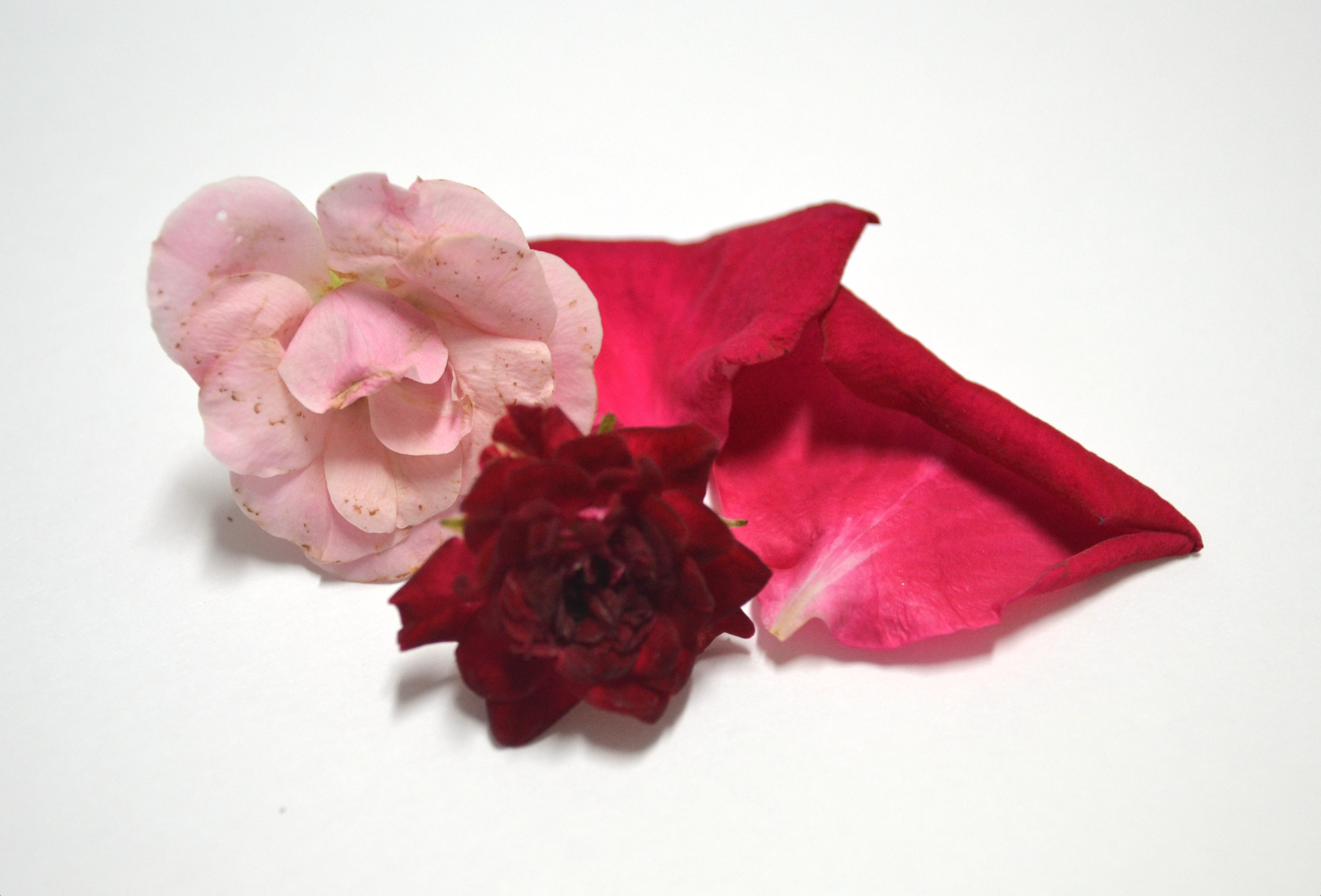
    • flowers, petals, fruits

    flowers

    1. Dissolve agar and water in a small pot.
    2. Allow mixture to come to a boil over medium-high heat. Continue boiling over a medium heat for 1-2 minutes.
    3. Pour mixture into any round-bottom mold. (Optional: Add light fruit/flower toppings to the mixture.)
    4. Let mixture cool and place in the fridge overnight or until it sets.
    5. To make syrup, dissolve the brown sugar in water over medium-high heat until mixture boils. Maintain a rolling boil for 1 minute.
    6. Remove mixture and let cool. Serve with raindrop cake along with optional soybean flour. *Consume your raindrop cake upon taking it out the fridge. May melt if left out for over 20-30 minutes.

    References

    Giant Raindrop Cake Recipe by Tasty. (n.d.). Retrieved from https://tasty.co/recipe/giant-raindrop-cake

    K. (2018, September 15). Raindrop Cake. Retrieved from https://kirbiecravings.com/raindrop-cake/

    Maitland, H. (2017, August 02). Everything You Need To Know About Raindrop Cakes. Retrieved from https://www.vogue.co.uk/article/everything-you-need-to-know-about-raindrop-cake

    National Center for Biotechnology Information. PubChem Compound Database; CID=71571511, https://pubchem.ncbi.nlm.nih.gov/compound/71571511 (accessed Sept. 28, 2018).

    Phillips, G.O. Williams, P.A.. (2009). Handbook of Hydrocolloids (2nd Edition).Woodhead Publishing. Retrieved from
    https://app.knovel.com/hotlink/toc/id:kpHHE00002/handbook-hydrocolloids/handbook-hydrocolloids