Author: Abby Sim

  • A Spotlight on Black Licorice and its Darker Side

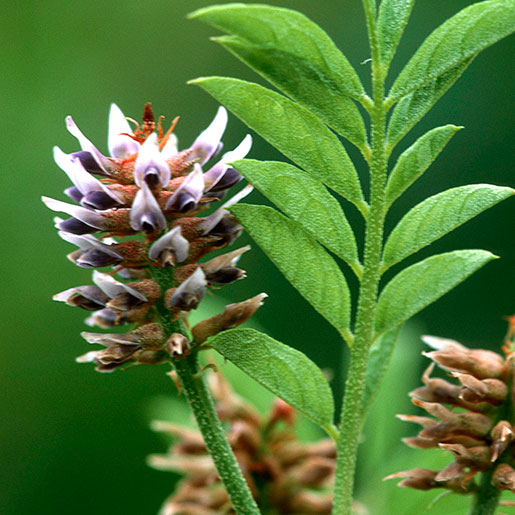
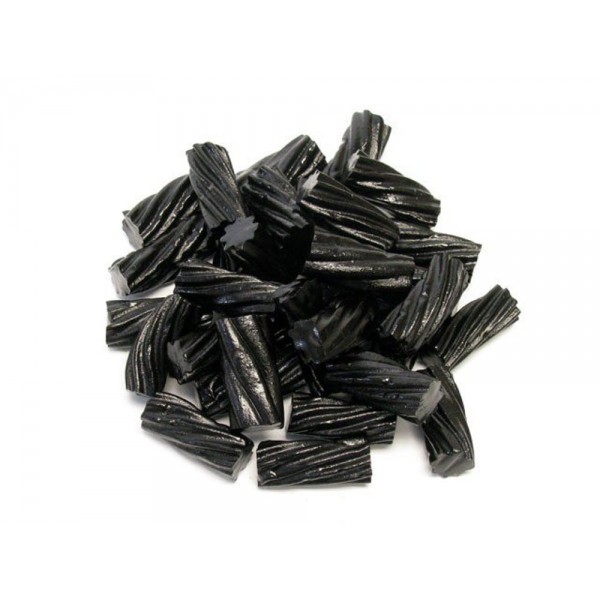
    Black licorice. You either love it or you hate it. Some delight in the intense spice flavor that comes with a bite of licorice and others find it repulsive and gag at the mere scent of it. As a divisive food and old-timey treat, black licorice has a long history of being a chewy confectionery and a popular flavor for drinks and tobacco in many parts of the globe. Licorice (scientifically referred to as Glycyrrhiza glabra) is a flowering plant that comes from the legume family. Its roots contain the flavor that we know as licorice and are commonly extracted for various uses. While it shares similar flavoring compounds, it is not related botanically to anise or fennel as some may think. (though sometimes they are used instead of licorice to evoke the same flavor profile)
    What makes black licorice so sweet?

    The iconic scent and flavor of licorice come from a mix of different compounds, but the one that gives it most of its sweetness is glycyrrhizin (a compound that is about 50 times sweeter than sugar!) This sweetness is different than regular sugar in that it more closely resembles sweeteners like Sweet ‘n’ Low which is comprised of saccharin. Some people vehemently dislike this type of sweetness which is also known to linger on the tastebuds for longer. Many people claim to dislike how “sickeningly sweet” it is and feel that it strongly dominates whatever you taste in your mouth for many minutes even after it is consumed. Others say that their aversion comes from the glycyrrhizin tasting more bitter than sweet.
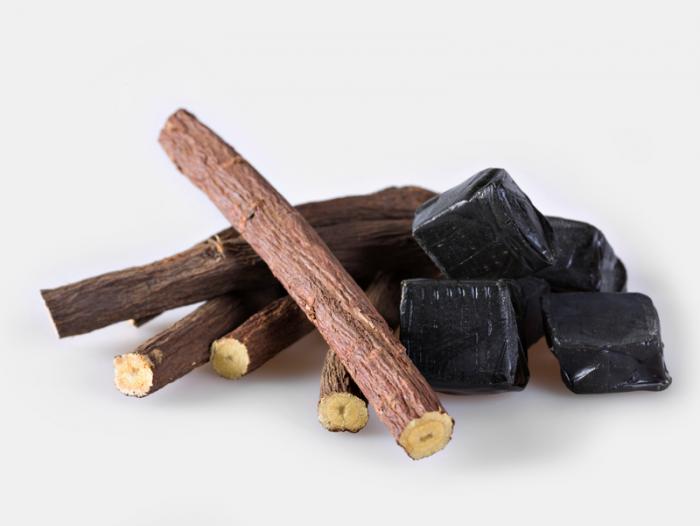
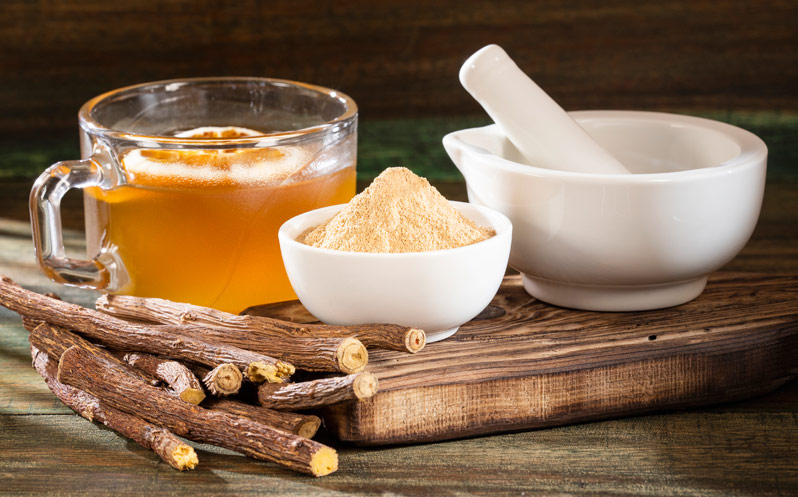
    This bitterness can be attributed to herbal medicine, which licorice is also known to be useful for. There are many patented licorice-based medicines in China, where its extract is used in the treatment of bronchitis, colds, cough, and upper respiratory diseases. Glycyrrhizin, glycyrrhizinic acid, isoliquiritin, and glycyrrhizic acid are the most notable substances used for health benefits as they possess anti-cancer, anti-microbial, and anti-inflammatory properties. Excessive consumption that allows for the build-up of these compounds, however, may lead to serious adverse health effects.
    Consequences of Overconsumption

    Like most things in life, licorice is best enjoyed in moderation, but for more sinister reasons than you may think. Eating more than 57g of black licorice a day for at least 2 weeks could potentially cause serious health problems, such as an increase in blood pressure and an irregular heart rhythm (arrhythmia). This happens because of an excess of glycyrrhizic acid in the body. Normally your body is able to process glycyrrhizic acid into glycyrrhetinic acid, which is relatively harmless in small amounts, but when larger concentrations are present in the body, it can inhibit an enzyme that assists in converting active cortisol (the hormone that controls adrenaline) into inactive cortisone. You can imagine what too much active cortisol might do to your body, and this imbalance like this can wreak havoc on your body. 

    Cortisol is a hormone that plays a role in your fight-or-flight response and is similar chemically and structurally to aldosterone, which during a stressful event can signal to the body to hold on to water if you’re dehydrated. It does this by binding to structures in the kidneys that cause sodium to be pulled from urine in order to trigger osmosis and cause water to stay in your cells. Sodium has a +1 charge, however, and if it’s taken from the urine, then another +1 charge must replace it. This is done by potassium which can then replace the sodium in the urine and be excreted from the body. Now, when cortisol is present in concentrations that are dangerously high, it can be concluded that it would cause your body to pull more sodium from your urine, and you would lose more potassium right? 



    Cortisol (left) & Aldosterone (right)

    This leads to hypokalemia or low potassium presence in blood, which can be detrimental to the muscles of your body especially one of your most essential muscles, your heart. Potassium is an ion in your body that signals a relaxation of your muscles after a contraction. If there isn’t enough potassium present in your blood, then your muscles will stay contracted, which can be especially bad for your blood vessels and your heart. This is where the increased blood pressure and arrhythmia can restrict proper oxygen flow throughout your body and cause your organs to shut down.


    No Need to Panic

    Now, of course, the chances of this happening to the average black licorice fan are very slim as long as the treat is enjoyed in moderation. Since most people wouldn’t eat 57g of black licorice every day, I think it’s safe to say that fearing death by licorice overdose won’t be found in anyone’s nightmares. All in all, black licorice is a novel sweet with an interesting chemical makeup that is loved (or hated) by many across the globe.
     

    Sources:

    Pastorino G, Cornara L, Soares S, Rodrigues F, Oliveira MBPP. Liquorice (Glycyrrhiza glabra): A phytochemical and pharmacological review. Phytother Res. 2018 Dec;32(12):2323-2339. doi: 10.1002/ptr.6178. Epub 2018 Aug 17. PMID: 30117204; PMCID: PMC7167772.

    Wahab S, Annadurai S, Abullais SS, Das G, Ahmad W, Ahmad MF, Kandasamy G, Vasudevan R, Ali MS, Amir M. Glycyrrhiza glabra (Licorice): A Comprehensive Review on Its Phytochemistry, Biological Activities, Clinical Evidence and Toxicology. Plants (Basel). 2021 Dec 14;10(12):2751. doi: 10.3390/plants10122751. PMID: 34961221; PMCID: PMC8703329.
    https://www.healthline.com/nutrition/black-licorice-death

    https://www.youtube.com/watch?v=qg76qIZ4BQ8 

  • A Reflection On Divisive Foods: Coconut Water

    Everyone’s relationship with food is a unique one and often changes and fluctuates over time. For some, it’s simply a means of survival, and for others, it can be what they most look forward to during the day. I personally fall into the latter category and enjoy indulging in a large variety of foods whenever possible. But even with my open and adventurous nature towards different foods, I’ve always wondered why there are some foods that I strongly dislike but are otherwise loved by my friends and family. What is it about our relationship with food that causes us to love or hate certain dishes or ingredients? These “divisive foods”, as I’m choosing to call them, can be very polarizing in society, and over the past few months, I’ve found myself thinking about why these foods evoke this black-and-white response.


    Food is multidimensional

    Foods possess a variety of traits (besides the taste) that define them. Some have different chemicals that can react with compounds in our body, others have unique textures that can satisfy or disgruntle us, and others still can hold special memories associated with them through experiences. I believe these additional traits are the key to understanding why foods can be so polarizing. I hope to create a series out of several different popularly divisive foods, but for now, I’d like to discuss in particular the properties of coconut and coconut water.

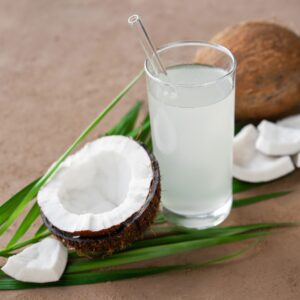
    Coconut. You either like it or you don’t. While coconut itself has a laundry list of traits that might cause polarization over it, I’m particularly interested in what’s inside them– coconut water.


    My First Impressions of Coconut Water

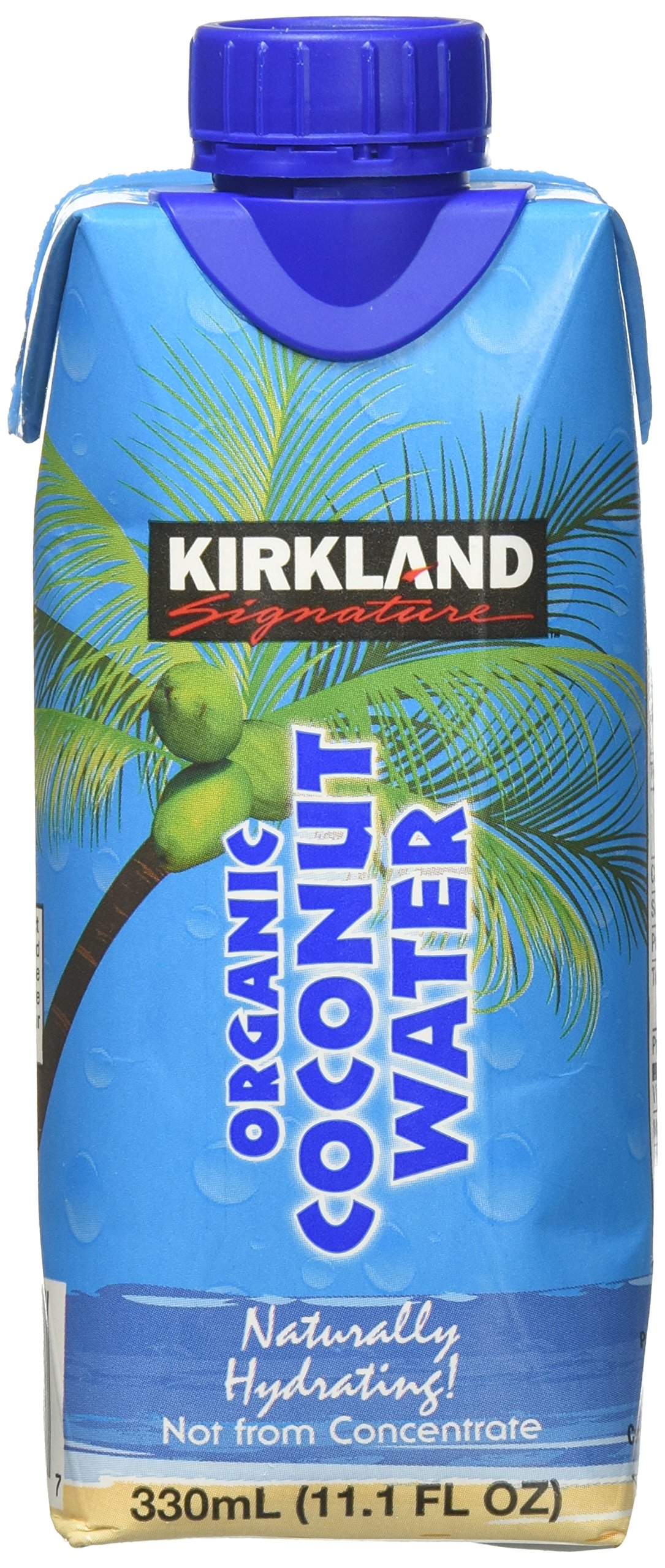
    To start off with a little anecdote, I recently tried coconut water for the first time ever. I’m personally not a huge fan of coconut to begin with, (the texture of desiccated coconut shavings is especially not my favorite), but my significant other enjoys it so much that I decided I would give it a try to see what all the fuss was about. Long story short, I absolutely hated it and was completely disgusted by the taste immediately after it hit my tongue. I spent the next 20 minutes scrambling to eat or drink anything that would get the taste of it out of my mouth and was baffled at how anyone could stand to drink a whole glass of it. As you can imagine my s/o was quite offended and shocked by my violent reaction and quickly began an interrogation as to why I disliked the coconut water so much. 

    My first impression was that it somehow tasted spoiled. We knew for sure that the coconut water was not expired, but to me, it somehow tasted like how watered-down sour milk might taste. This came as a surprise to my s/o as he interprets the taste as pleasantly sweet and refreshing– the very opposite of what I tasted. Were we really drinking the same beverage? How is it that two people can have such different experiences tasting the same thing? These thoughts lingered in my mind for weeks following my taste test.


    The Truth Behind the Taste

    After some research, I found out that pasteurization may be to blame. Pasteurization is the partial sterilization of a product, typically milk or wine, that makes it safe for consumption and gives it longer shelf life. This is done by heating up the product and subsequently denaturing all enzymes in the product that may cause future spoilage. While this sounds like a great mechanism for sterilizing coconut water, it also greatly alters the flavor. In particular, this type of pasteurization can introduce a burnt-like flavor to the drink, which may explain why it tasted so funny to me. Fresh coconut water apparently tastes very different from packaged and pasteurized coconut water and is widely enjoyed in many South Asian cultures. This difference can also be compared to the contrast in taste between store-bought orange juice and freshly squeezed orange juice. While the ingredients used are practically the same, they taste different due to one being pasteurized with most claiming that the freshly squeezed juice tastes better.

    Why is it that this flavor detraction is so strong in coconut water, but is less noticeable in products like milk? This is likely due to the long history of milk pasteurization that has allowed cultivators to perfect the level of pasteurization that both sterilizes the product to make it safe for consumption and preserves the flavors that we know and love. Coconut water pasteurization is a bit more difficult to strike a balance with, mostly because so much of its flavor profile is because of the enzymes that get removed during the process. It certainly makes sense then for people to swear by fresh coconut water and enjoy its natural properties for the tradeoff of shorter shelf life.


    The Verdict

    After exploring the properties of pasteurized coconut water, it can be easier to see why it’s so divisive among people. While some enjoy the flavor of coconut, others strongly dislike it, and whether that be due to pasteurization or simply an aversion to the flavor profile and aftertaste can vary from person to person. Reflecting on my experience with coconut water has inspired me to try fresh coconut water to see if I might enjoy the raw, unaltered flavor of the tropical fruit, but until then, I think I’ll elect to keep coconut out of my fried shrimp and away from my pastries.