Author: Devianni Connor

  • The Science Behind Dyeing My Hair (with cool pics!)

    Ten years ago, if you told me that I was going to dye my hair red when I was 21 years old, I would have told you that you were absolutely lying! I would never (according to 11-year-old me). But according to 22 year old me, yes — I absolutely did dye my hair red, and it’s here to stay for the next few years because I absolutely love it!

    The first time I dyed my hair, it was in the Fall of 2022. I wanted a big change (for personal reasons I will not delve into), but I wanted to do something I never did before. Something that will make me feel new. It did not come for cheap, however. It was worth it nonetheless. This lovely thing I’m talking about is hair dyeing!!

    So, what exactly goes behind hair dyeing? It all boils down to chemistry! The process is different depending on the type of hair dye you get: temporary/semi-permanent, demi-permanent, and permanent. Since I decided to get permanent red hair dye, I will discuss about the permanent hair dye process. Permanent color is what is needed for a more significant hair color change (i.e. from black to red or blond).

    Your natural hair color depends on the quantities and ratios of 2 main proteins: phaeomelanin and eumelanin. Eumelanin causes hair to be brown or black while phaeomelanin causes hair to be blond and red shades. My hair is jet black, so that means my hair is mostly composed of eumelanin.

    My natural hair color –> jet black.

    Both ammonia and hydrogen peroxide are used. Ammonia and peroxide act to lighten the hair’s natural color to form a new base color that will allow the permanent hair dye to stay.

    The cuticle, or outer layer, or the hair strand must be opened before permanent hair color can be applied into the hair. Once the cuticle is open, the dye reacts with the cortex of the hair to deposit or remove color. The cortex is the part of the hair that is the middle layer of the hair shaft which provides the strength, color and texture of a hair strand. There is usually a two-step process for permanent hair coloring: first to remove the original color of the hair, and then the second to apply a new color. 

    The anatomy of a hair strand.

    The alkaline chemical of ammonia is used to open the cuticle to allow the hair color to enter the cortex of the hair. Additionally, it is a catalyst when the permanent hair color combines with the peroxide. Hydrogen peroxide is used as an oxidizing agent, or a developer to remove pre-existing color (it removes the melanin in the hair). Peroxide breaks chemical bonds in the hair, which releases sulfur. This is why there is such a strong odor when dying hair. As the melanin is removed from the hair, the new permanent color is bonded to the cortex of the hair. 

    The result of hydrogen peroxide on my hair (to lighten it)!

    And voila! The hair dresser then washes your hair and styles it. I opted for a haircut and a blowout hairstyle. Shoutout to my talented hairdresser Christi at Cherry Blossom Salon! 
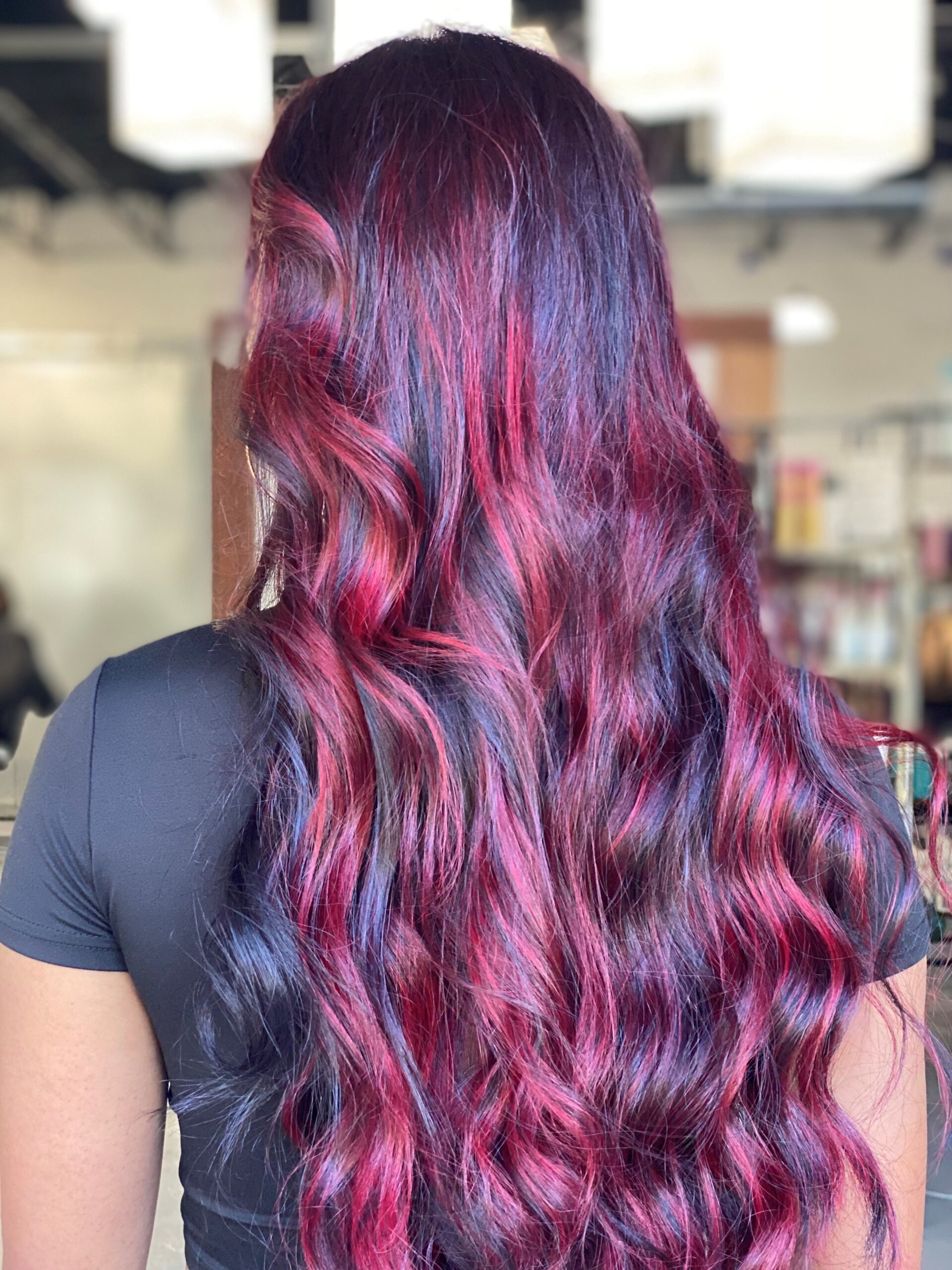
    Finished product!! I’m still so in love

    Have you ever wondered what dyed hair vs non-dyed hair looks like under a microscope?

    Well look no further! With the help of Dr. Leavey, a classmate and I were able to look under the microscope of the molecules of our hair. The picture on the left is mine (red dyed hair) and the one on the right is my peer Claire’s hair (undyed black hair). As you can see, my hair cuticle and cortex are much more jagged and rough, compared to Claire’s smooth strand. This is a result of the chemical reactions that occurred to my hair – the ammonia and peroxide chemically and physically damaged my hair to allow the red color to deposit into my strands.
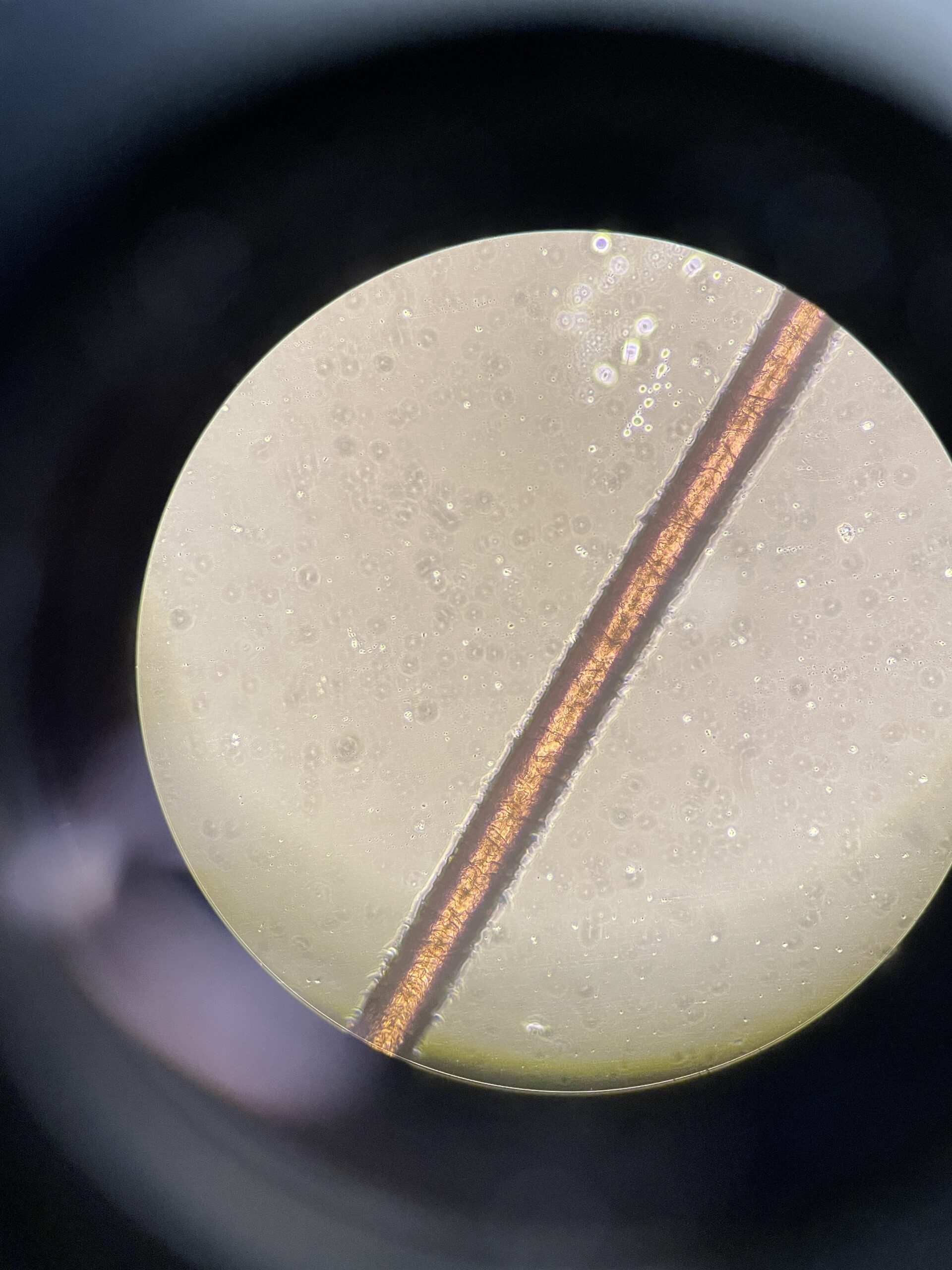
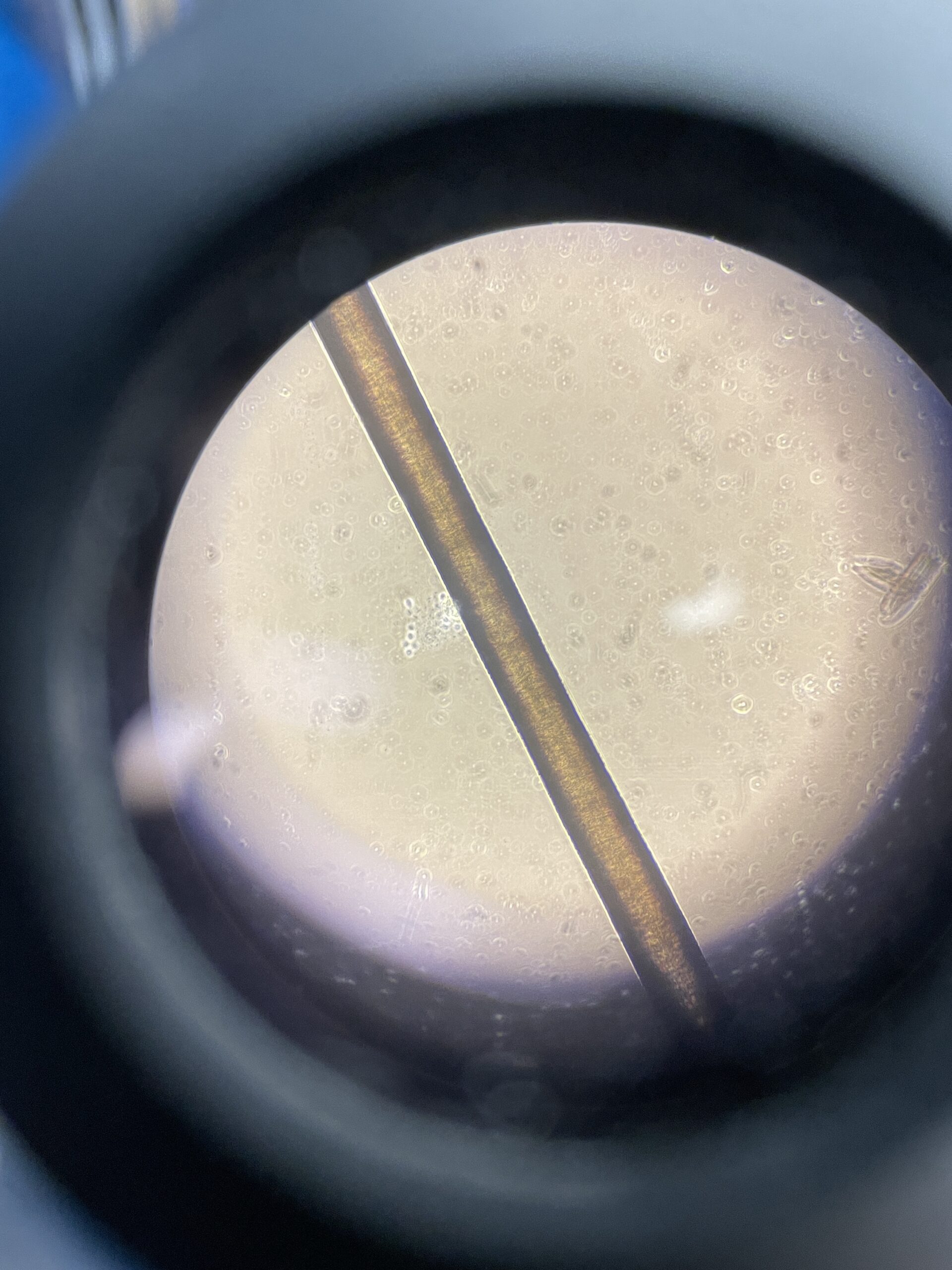
    My red dyed hair.
    Claire’s undyed black hair.


    What is wild is that my dyed hair is essentially permanently damaged. I will have to grow out my original black hair if I want to revert back to my undamaged hair. For now, I think I will stick with damaged dyed hair! 🙂


    Sources:

    Anne Marie Helmenstine, P. D. (2019, July 14). The science behind how hair coloring works. ThoughtCo. Retrieved April 26, 2023, from https://www.thoughtco.com/salon-hair-color-chemistry-602183

    Brain, M. (2023, March 8). How hair coloring works. HowStuffWorks Science. Retrieved April 26, 2023, from https://science.howstuffworks.com/innovation/everyday-innovations/hair-coloring3.htm

  • The Science Behind Makeup & 5 Things You May Not Know That Were Used as Makeup 

    Makeup has been around for several hundreds of years, the earliest records date back to around 3000 BC when ancient Egyptians used natural products such as soot to enhance their looks. Just like how a peacock shows off his feathers, women can show off their features as well to convince the opposite gender that they are a great choice for a mate. Makeup helps to exaggerate or even fully fabricate signs of fertility and sexual availability, thus making them seem more appealing. A researcher at Gettysburg College in Pennsylvania discovered that the darker the eyes are in relation to the rest of the face, the more attractive a woman appears – thus eye makeup such as eyeliner comes in handy to make eyes seem larger and more youthful (Wilcox, 2010)! Furthermore, cosmetics are luxury items that are designed to make the user feel better, irrespective of whether they have lasting impacts on the skin (Sinclair, 1999). Numerous natural substances have been used in history as makeup. Read along further to see some of the odd beauty products throughout history that humans have used and some are still in beauty products used today!

    1) Wax 

    Wax is a common ingredient in many face, body, and hair products used today. However, people in ancient Egypt used wax more creatively, such as sticking a cone of scented ointment on top of their head, which would melt over time from their body heat, to give off a pleasant scent. 

    2) Carmine 

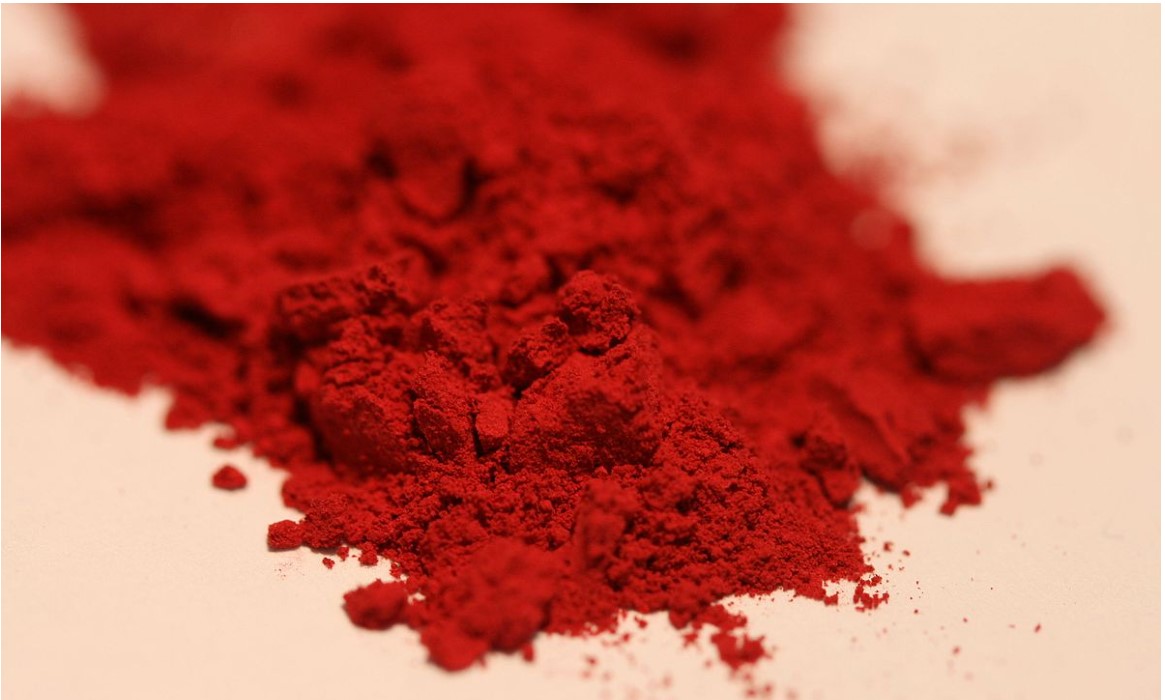
    Carmine is a vibrant red dye from the carminic acid that cochineal bugs produce. These bugs can be found predominately in the cacti in places like Chile, Mexico, and Peru. Carmine is a common ingredient in makeup products such as eyeshadow and lipstick.


    3) Guanine

    Guanine is a substance made from fish scales and guano (which are the excrements of sea birds and bats)! The crystals from guanine refract light in a pearly, shiny way, which gives beauty products such as nail polish, eyeshadow, shampoo, and lotions their glittery look!

    4) Londinium Powder 

    Londinium is a lead-based powder that was used by Japanese women in the Heian era (around A.D. 800-1200), and it was mixed with water to create a thin paste that was applied to their faces. This powder was dangerous to use, for lead is easily absorbed by the body and can lead to severe health problems inlcuding death. 

    5) Ambergris 

    Before the 18th century, women and men create ambergris into beads that were worn as aromatic necklaces. Ambergris is a highly flammable, waxy substance with a sweet, earthy aroma. Whales excrete ambergris (A.K.A whale barf), but synthetic ambergris is used today to prevent the slaughter of whales.


    Sources:

    Sinclair R. (1999). How credible is the science behind cosmetic skin creams?. The Western journal of medicine, 171(1), 35–36.


    Editors of Publications International, L. (2007, September 19). 12 odd beauty products throughout history. HowStuffWorks. Retrieved March 9, 2023, from https://lifestyle.howstuffworks.com/style/makeup/face/12-odd-beauty-products-throughout-history.htm 

  • Seven Computer Science Jobs that Aren’t Coding Heavy!

                     Do not worry, you’re not alone! Graphic drawn by Devi Connor.

    Are you majoring in computer science or already have a degree in computer science, but find yourself not passionate about coding 8 hours a day for the rest of your career? Do you crave more other than software coding, such as using your people skills or artistic skills? Well, look no further! I have researched about 7 different jobs that you, as a major in computer science, can apply for that are not coding-heavy. This is definitely not an exhaustive list of all the jobs you can apply to as a computer science major that aren’t coding heavy, but it’s just enough to get you thinking of all the endless options out there! Tell your other computer science friends who also feel the same way as you do! Your options are never limited. Your skills are so versatile, take a look at some of the jobs below.

    1) Project Manager

    Do you like planning ahead and prefer to be a leader in group projects? A project manager job might just be what you’re looking for! Project managers plan, execute, and complete projects by overseeing team members (such as a group of computer scientists) to make sure that they are performing their duties sufficiently. Project managers formulate benchmarks and deadlines for their team to complete, and work to meet regulatory and company standards.

    • Average Annual Salary in U.S: $88,907


    2) IT Support Specialist 

    IT Support Specialists are responsible for responding to technical issues and they work with IT departments, computer manufacturers (such as Dell or Apple), and retail stores. They assist customers and employees with software, network, and hardware issues.

    • Average Annual Salary in U.S: $58,332


    3) Graphic Designer

    If you have a talent or passion for visual design, graphic designing might be for you! Graphic designers are responsible for using design software such as (e.g: Adobe Photoshop or GIMP) to create logos, images, and other visual representations for clients and various companies. You may be responsible for creating web page designs, logos, and flyers.

    • Average Annual Salary in U.S: $47,334


    4) Technical Recruiter

    Technical recruiters utilize their people skills to recruit, interview, and present potential employees for IT positions. Technical recruiters have strong communication and interviewing skills, and are knowledgeable of the fundamental responsibilities of certain IT positions that candidates may apply for. 

    • Average Annual Salary in U.S: $56,747


    5) Data Analyst

    Are you a detail-oriented person? Well, a data analyst might be the job for you! Data analysts analyze data sets and identify departmental trends. They use data software along with market research and statistic to report their findings and predications to shareholders and executives to help guide their decision-making.

    • Average Annual Salary in U.S: $70,353


    6) Technical Writers

    If you like writing, this job is suited for you! Technical writers are responsible for writing technical materials such as resource guides, user manuals, and publications. Technical writers must possess a deep knowledge of their industry, and must know certain writing guidelines, grammar, and spelling.

    • Average Annual Salary in U.S: $68,555


    7) Software Testing Engineer

    As a software test engineer, you will be responsible for creating the methodologies used for testing software programs and conducting automated and manual tests to find bugs and determine software output. You will run reports and analyze the testing results to make recommendations for improvements on the software.

    • Average Annual Salary in U.S: $ 87,110


    Sources:

    https://www.glassdoor.com/Salaries/index.htm 

    https://www.indeed.com/career-advice/finding-a-job/computer-science-jobs-without-coding 

  • Mindcraft: The Science of Flowers & Flower Pressing

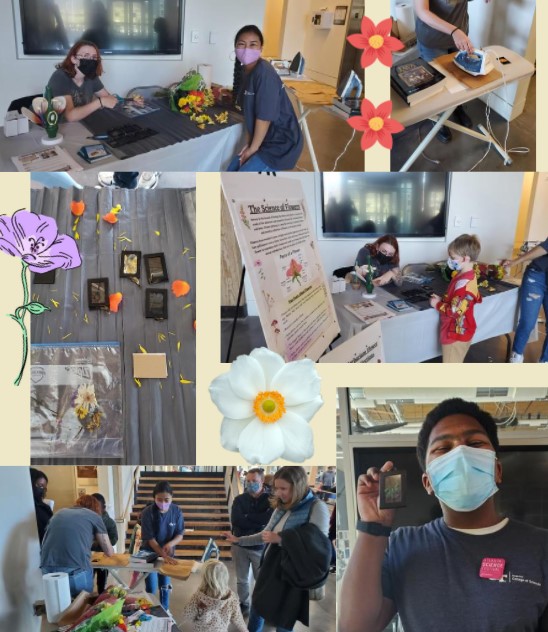
    On March 12th, 2022, STEMComm hosted a science crafting event in the Atlanta Science Festival (ASF), called “Mindcraft”. My focus was on flower pressing and the science behind flowers. I was lucky enough to be able to partner with Hannah, who helped with the workshop and had vast expertise about flowers, for she works at a native wildflower nursery (how cool is that?!). Our job was to demonstrate how to flower press a flower using three simple tools: an iron, a book, and parchment paper. In addition, we explained the parts of a flower and what each part serves in the sexual reproduction of flowers. Mindcraft as a whole was such a successful event! Many children and their parents attended, and students from Georgia Tech and other schools also attended.

    There were an endless amount of people that came to our flower pressing table. The look of children’s and their parents’ faces when they learned how to flower press their own flower was priceless! We ran out of supplies nearly right when the event ended!

    The Science of Flowers:

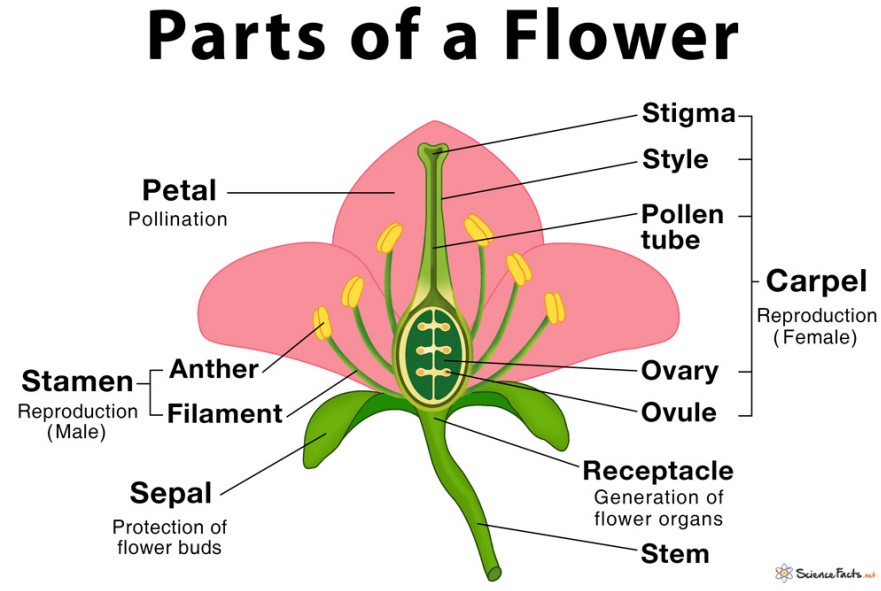
    Botany is the branch of biology that deals with plants. It involves the study of the structure and properties of plant life, including flowers and trees. Flower pressing is a way for scientists to preserve flowers and record a collection of flowers as the seasons change. Flowers have evolved to have a bright and colorful appearance so that they can lure pollinators such as birds, butterflies, bees and wasps. Pollinators help the flower to reproduce itself. Flowers are made up of many parts that allow for sexual reproduction. The parts of a flower are in the picture below. The female parts of a flower are located in the pistil, which contains the stigma, style, ovary, and ovule. The male parts of a flower are the stamen, which includes the anther and filament. 

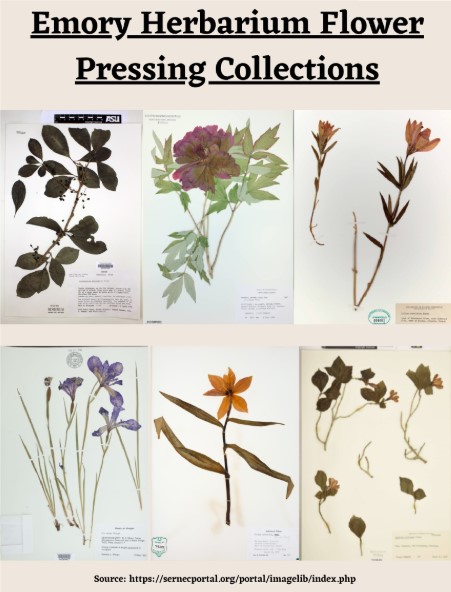
    Emory Herbarium hosts a wonderful collection of flower pressings. According to their website, they are home to more than 21,000 plant specimens, dating back to the late 1800s! The majority of their collection is composed of plants from the southeast USA, but new collection efforts are expanding our reach as far as the Mediterranean and Australia. Here are a few pictures of their collections. Click here to view their website!

    How exactly do you press a flower? It is quite simple, actually! Take a look at the infograph below that delineates the steps using a clothes iron. In addition, below there are some pictures and footage of what our tabling looked like at the ASF Mindcraft event! Feel free to take a look.


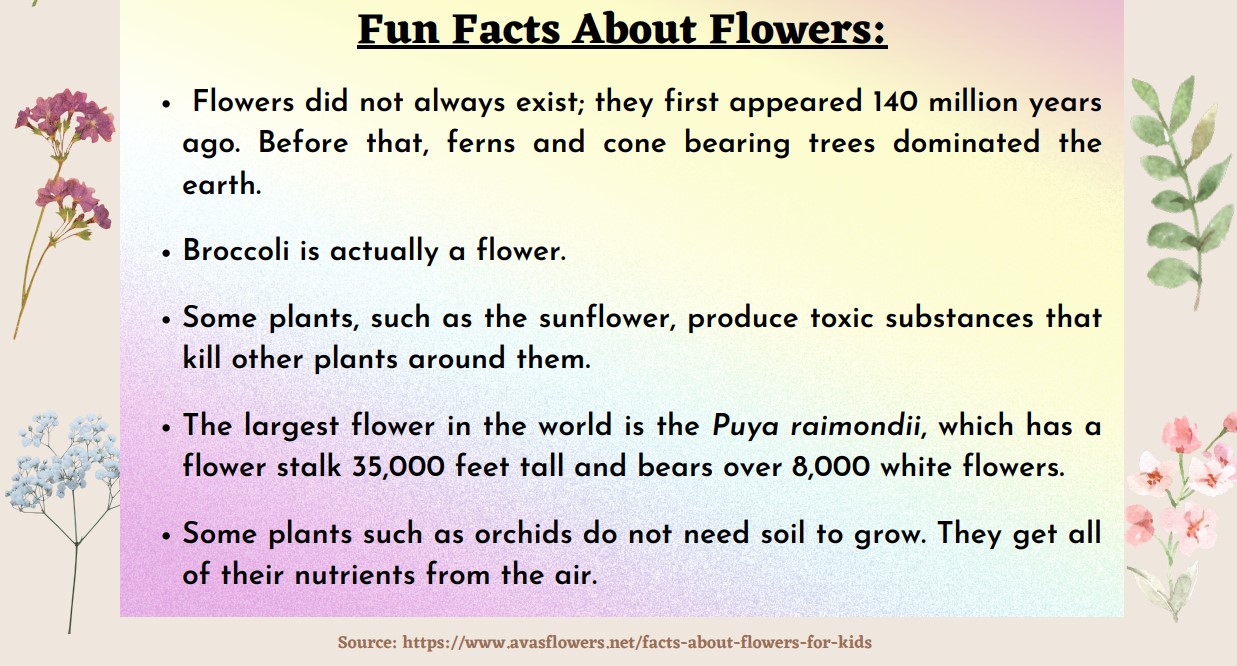
    If you would like to learn more fun facts about flowers, take a look at the list below! 


  • Self-Care and Mindfulness Tips

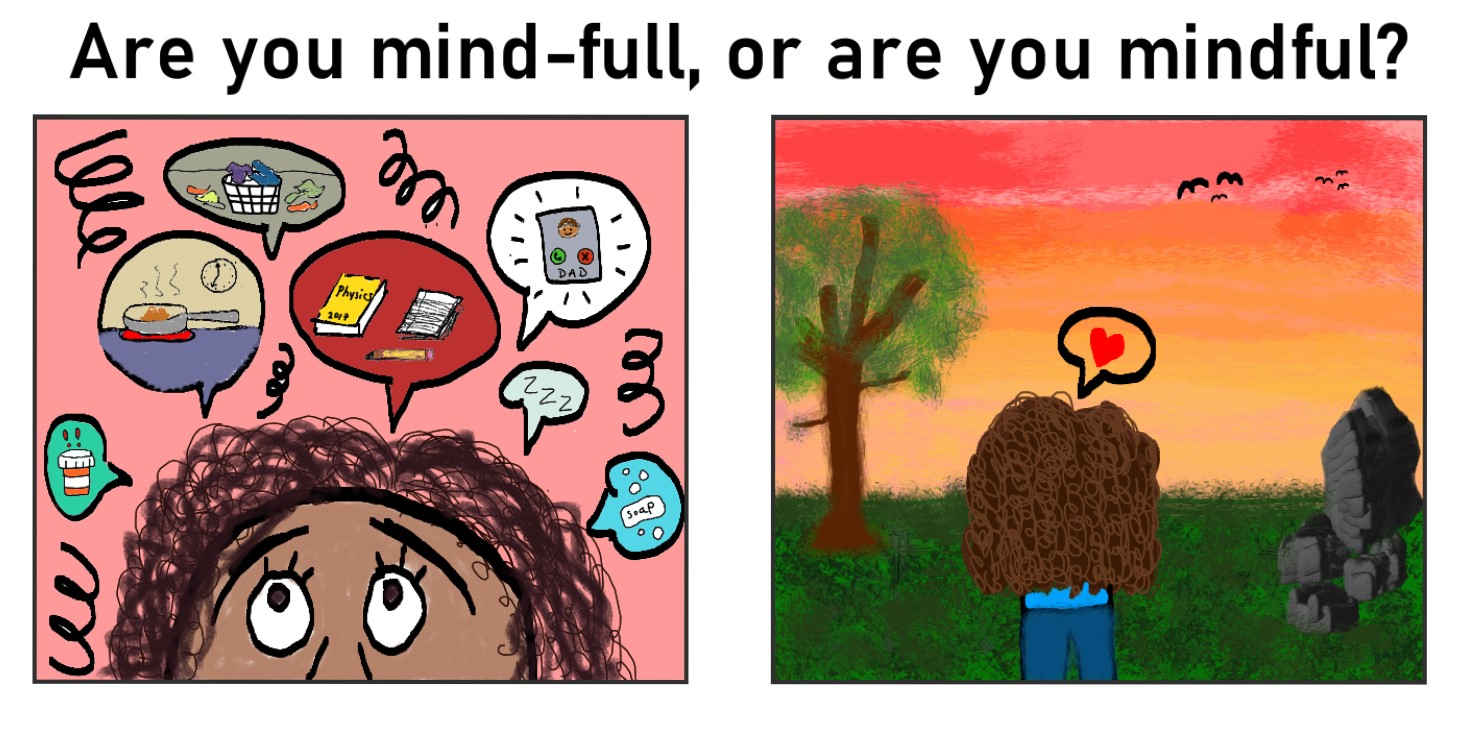
    There is a difference between being mindful and being mind-ful! Illustration by Devi C.

    Self-care and mindfullness go hand-in-hand, are things that we all need, especially in the midst of the COVID-19 pandemic. Self-care is a way to keep yourself healthy mentally, physically, emotionally, and spiritually. But why is self-care so important? According to Matthew Glowiak, a counselor at Southern New Hampshire University, self-care is often the first thing that we neglect when we find ourselves in difficult situations, whether it be failing a class, financial stress, or family and friend drama (Glowiak, 2020). Mindfulness means maintaining a moment-by-moment awareness of our thoughts, feelings, bodily sensations, and surrounding environment, through a gentle, nurturing lens (Berkeley, 2021). That is why it is important to continuously practice self-care and mindfulness, even in challenging times. By scheduling some time every day or every week to engage in self-care and be mindful, you better equip yourself to handle the things life may throw at you. You will be able to reset yourself into a healthy point so that you can carry on doing the things you need to do and prevent burnout.

    By not practicing self-care or being mindful, you are more likely to develop anxiety, depression, irritability, resentment, and whole bunch of other negative effects. Having a self-care routine and being mindful have been scientifically proven to reduce or get rid of anxiety, stress, depression, and frustration and anger, and has been proven to improve happiness, concentration, sleep quality, energy, and many other positive implications (Glowiak, 2020). They have been proven to reduce physical health illnesses such as heart disease, cancer, and stroke.

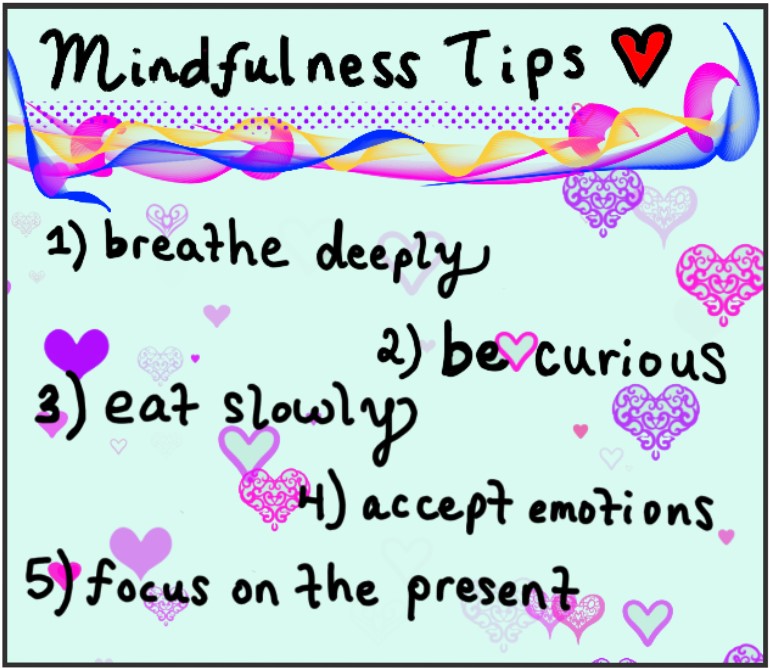
    One of the biggest excuses for people who do not engage in regular self-care or mindfulness is that they do not “have enough time”. Everyone has lots of things going on in their lives, but it is essential to carve out even just a mere 5 minutes of self-care – it does not have to cost a thing! Instead of scrolling on Instagram or TikTok, here are some simple & quick ways to implement self-care into your daily regime and practice more mindfulness.

    Five easy ways to practice minfulness. Illustration by Devi C.
    1. Practice affirmations
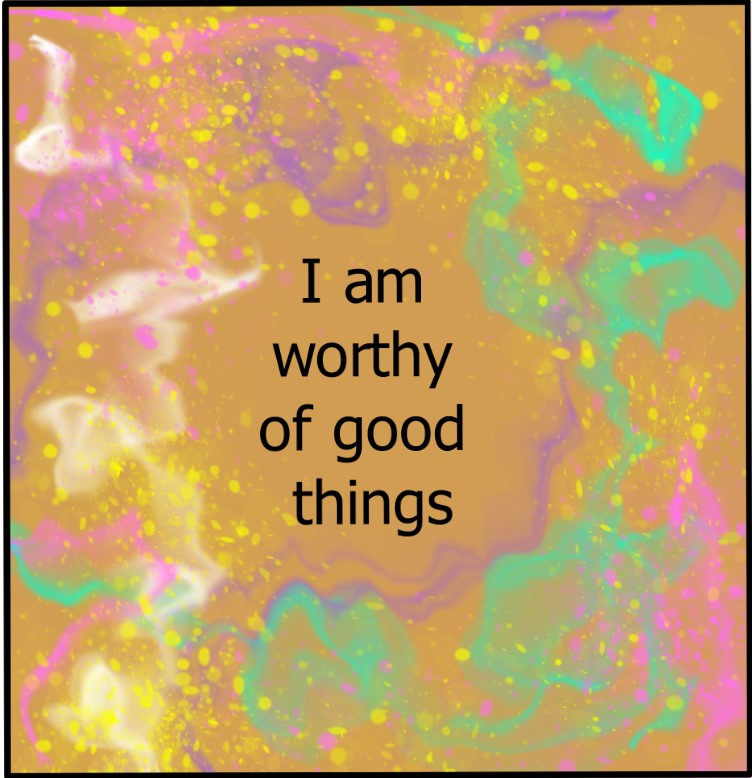
        • Affirmations serve as “integrity boosters”, raising a person’s sense that they are a coherent, moral, and adequate individual. Many people wish to view themselves as compassionate, worthy, and capable individuals, but sometimes their behaviors, attitudes, and intentions don’t always align with that ideal (Critcher, 2015). By practicing affirmations aloud repeatedly, one can allow themselves to truly feel that they are who they ideally view themselves to be. Repeat this with me 5 times:
      Read this alound to yourself — “I am worthy of     good things”. Repeat. Illustration by Devi C.

    2.  Drink a cup or two of water first thing in the morning. Your body will thank you and this will help prevent you from feeling groggy from dehydration upon waking up from a night’s sleep.

    3.  Have a little dance party in your room/home. Blast on your favorite songs and dance like nobody is watching!

    4.  Move your body for at least 30 minutes a day. This can be as simple as walking to all your classes in the day, instead of opting for the bus or scooters.

    5.  Get a plant. Nurturing plants is very therapeutic and they are lovely to look at!

    6.  Stop to smell the flowers – literally. This only takes a few seconds, but is very helpful in helping ground you in the moment and connect you with the very present.

    7.  Say no. It is important not to overextend yourself – you need to take care of you first before you can take care of others. You are more important than your to-do list. Prioritize you wellbeing above little tasks you might think or feel you need to do!

                   Ribbert the frog says hi! Illustration by Devi C.


    References:

    Berkeley. (2021). Mindfulness definition: What is mindfulness. Greater Good. Retrieved March 18, 2022, from https://greatergood.berkeley.edu/topic/mindfulness/definition#:~:text=Mindfulness%20means%20maintaining%20a%20moment,through%20a%20gentle%2C%20nurturing%20lens.

    Critcher, C. (2015). Self-Affirmations Provide a Broader Perspective on Self-Threat. Retrieved March 17, 2022, from https://journals.sagepub.com/doi/pdf/10.1177/0146167214554956 

    Glowiak, M. (2020, April 14). What is self-care and why is it important for you? Southern New Hampshire University. Retrieved March 18, 2022, from https://www.snhu.edu/about-us/newsroom/health/what-is-self-care 

  • Interstellar’s Movie Depictions: Real or Unreal?

    Produced in 2014, Interstellar is an all-star classic space movie, a favorite for many space lovers! Director Christopher Nolan’s Interstellar movie is a science-fiction film that occurs in the future where a severe drought has resulted in dust-storms, destroyed most of Earth’s crops and caused humans to die of disease and famine. Cooper (played by Matthew McConaughey) and a team of NASA scientists are tasked with saving humanity by going through a wormhole that bends space and time, in hopes to find a habitable planet. This inter-galactic drama is full of suspense and mind-blowing scientific concepts. But how much of Interstellar depictions about space are true? Let’s play a little game of true or false to find out!

    True or False?

    Time moves more slowly in a black hole than it does for people on Earth.

    ANSWER: TRUE 

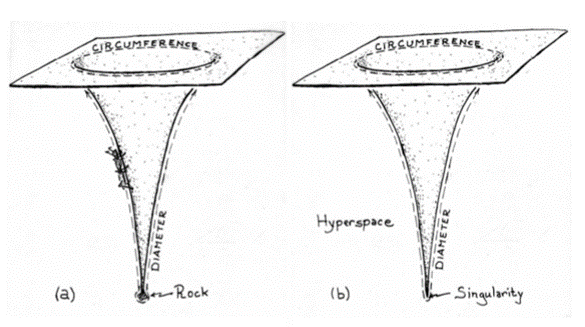
    A blackhole is essentially a place in space with an “infinite gravitational pull” that not even light can escape. The slowing of time is humungous near a black hole’s horizon, where the pull of gravity is humungous. Likewise, because the flow of time ceases at the horizon, the pull of gravity is infinite. Time still flows inside the horizon of a black hole; however, the flow of time is in a spatial direction – toward the singularity at the hole’s center (Thorne, 1986). If you were to reach down near a black hole’s horizon and stay there for a few days before returning home to Earth, you would find that millions of years have elapsed on Earth; while you only aged a few days, your family and friends are long gone (Thorne, 1986).

    a) A trampoline with a rock at its center and an ant exploring its shape. The ant finds that the diameter of the circle is much larger than the circumference of the circle b) Space around a black hole, as viewed from a higher dimensional hyperspace that is not part of our Universe. Source: http://www.its.caltech.edu/~kip/scripts/PubScans/BlackHoles-Thorne-Starmus.pdf

    True or False?

    If a wormhole were to appear in space, it would provide a short cut from one side of the universe to another.

    ANSWER: TRUE (for the most part)

    The theory of general relativity supports the possibility of wormholes and their ability to create space-time shortcuts to other universes (Tillman, 2022). Einstein’s theory of general relativity mathematically predicts the existence of wormholes, where there is a black hole at the mouth of each wormhole (Tillman, 2022). However, a wormhole is not created solely by when a dying star collapses to form a naturally occurring black hole. According to Princeton cosmologist J. Richard Gott, “It takes a massive object to generate a gravity field sufficient to fold space-time in half, and the one in the movie would have to be the equivalent of 100 million of our suns” (Kluger, 2014). In addition, ‘negative energy’ or an energetic state that is less than zero, is required to create the portal of a wormhole and keep it open (Kluger, 2014).

    Wormholes bend space and time, literally “folding” space in half to create a shortcut. Source: https://www.reddit.com/r/starterpacks/comments/95n6x9/scientist_in_a_movie_explaining_how_a_wormhole/

    True or False?

    You could survive the leap into a black hole.

    ANSWER: FALSE

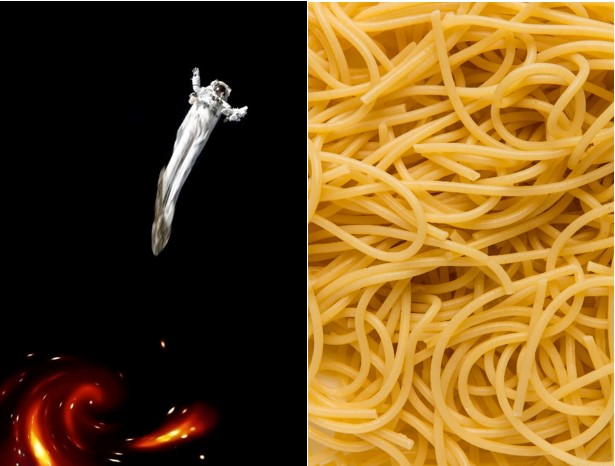
    What happens when you enter a black hole? One word: Spaghettification. A black hole would stretch your body into a thin ribbon (ESO Supernova, 2022). Ultimately, you will get shredded by extreme gravity. In reality, Matthew McConaughey should have been spaghettified. Not in the yummy, savory way, though.

    Oooh, spaghettification!

    True or False?

    Planets surrounding a black hole (like in Interstellar’s “Gargantua”) could be inhabitable.

    ANSWER: FALSE

    Planets that surround a black hole are highly unlikely to be able to harvest life because they are so close to the black hole, making them unstable (Phillips, 2020). An important factor in determining whether a planet is inhabitable or not is how its planetary system associated with it is like. For that to happen, a Sun-like star needs to be there. However, a planet near a black hole most likely had its “Sun” sucked into the black hole, thus the planets would deem uninhabitable.


    References:

    ESO Supernova. (2022). What happens if you fall into a black hole? ESO Supernova Exhibition -. Retrieved February 17, 2022, from https://supernova.eso.org/exhibition/1205/#:~:text=The%20gravitational%20attraction%20of%20a,even%20light%20can%20escape%20it.&text=Spaghettification%3A%20A%20black%20hole%20would,stronger%20than%20on%20their%20head

    Kluger, J. (2014, November 7). What ‘interstellar’ got right and wrong about science. Time. Retrieved February 17, 2022, from https://time.com/3572988/interstellar-science-fact-check/

    Phillips, P. (2020, May 15). Times Interstellar Got Science All Wrong. Looper.com. Retrieved February 17, 2022, from https://www.looper.com/210013/times-interstellar-got-science-all-wrong/

    Thorne, K. (1986). Black Holes. Black Holes The Most Luminous Objects in the Universe, But No Light! Retrieved February 17, 2022, from https://vdocuments.mx/black-holes-thorne.html

    Tillman, N. T., & Harvey, A. (2022, January 13). What is wormhole theory? Space.com. Retrieved February 17, 2022, from https://www.space.com/20881-wormholes.html


  • 2021’s Partial Lunar Eclipse (With Photos!)

    2021’s Partial Lunar Eclipse:

    A lunar eclipse occurs when Earth’s shadow block the sun’s light, that reflects off the moon. Lunar eclipses are categorized into three types: 

    1) partial – When the Earth moves between the Full Moon and the Sun, but they are not perfectly aligned. Instead, only part of the Moon’s surface moves into the Earth’s shadow.

    2) penumbral – When the Earth, Sun, and Moon are imperfectly aligned in such a way that the Earth’s outer shadow falls on the Moon’s surface. 

    3) total – When the Earth, Moon, and Sun are in complete alignment to where Earth’s shadow completely falls on the Full Moon. This causes the Moon’s surface to completely darken or redden.   

    This year’s partial lunar eclipse was considered the longest one in a millennium (one thousand years)! It took about 3 hours, 28 minutes, and 23 seconds for the partial ellipse to occur. The last long partial eclipse happened on February 18th, 1440 – which clocked to about 3 hours, 28 minutes, and 46 seconds. This partial lunar eclipse will remain the longest one for 648 years until February 8th, 2669 – which is predicted to clock to about 3 hours, 30 minutes, and 2 seconds!

    So why what the eclipse of 2021 so long? Well, the eclipse was long for two main causes: (1) the Moon’s orbital speed and (2) the near-totality of the eclipse (even though it is still considered a partial eclipse). The Moon’s orbit around the Earth is not a perfect circle. In actuality, the Earth is not in the center within the orbit, so sometimes the Moon is closer to the Earth, and other times it is farther. This variation in distance effects the Moon’s orbital speed (father = slower; closer = faster). Thus, the Moon is at a farther point in its orbit around the Earth, and as a result, it moves slowly through Earth’s shadow (which is indicated by the darkening or reddening of the Moon’s surface). Since the eclipse is almost-total, the Moon takes a longer time in the Earth’s shadow than a typical “partial” eclipse.

    Are you curious of when the next lunar eclipse will happen? Well, the next total lunar eclipse (A.K.A.: “blood moon”) will happen May 15-16, 2022. It will be visible from North and South America, Africa, Europe, and parts of Asia. Stay tuned to space news to stay updated!


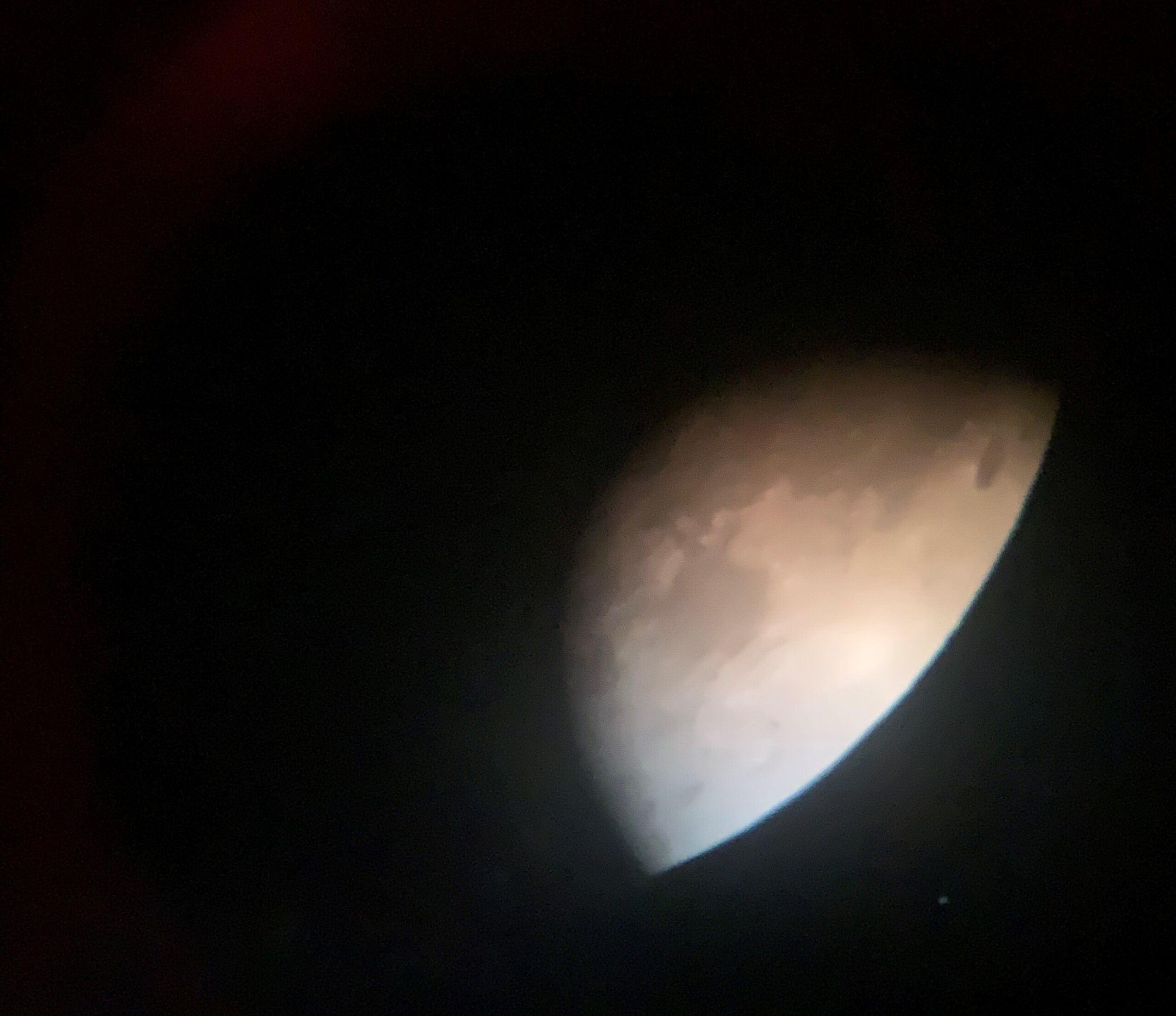
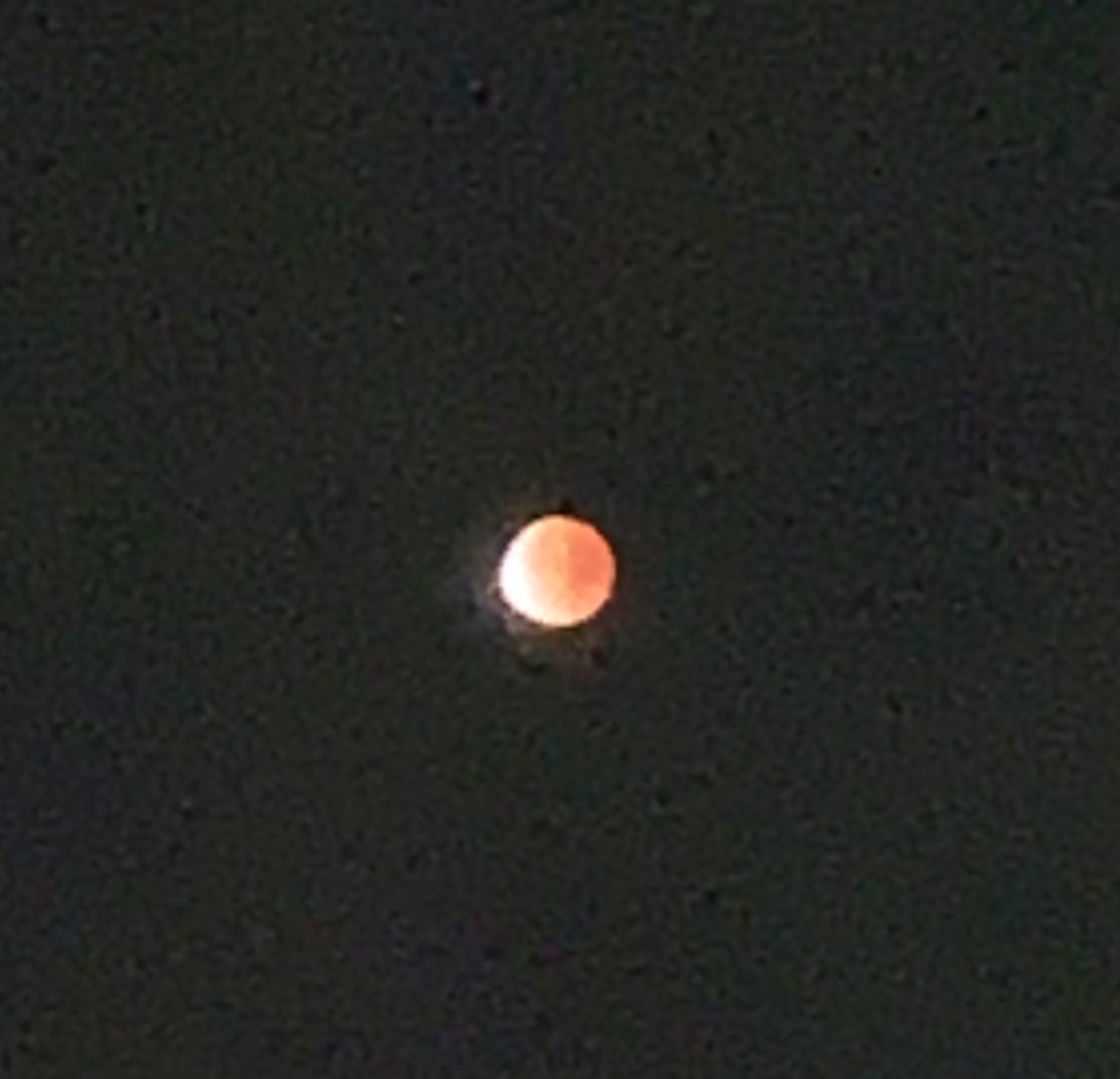
    Below are pictures that I took with my iPhone of the raw partial lunar eclipse that occurred on Friday, November 19th. I stayed up until 4am to watch it happen! I was able to take these pictures while standing on Howey’s Physics Observatory! One of my friends even got to take a picture through the telescope of the moon during the eclipse. Here are the pictures below.

    Picture while at Howey Physics Observatory on                  Friday, November 19th at 3:39 am.
    Picture of the eclipse through a telescope at 3:49 am.
    Picture of the eclipse at 4:02 am. Notice the                              reddening of the moon.


    Sources: 

    https://moon.nasa.gov/news/168/an-almost-total-lunar-eclipse/ 

    https://www.space.com/15689-lunar-eclipses.html 

  • Stress Tapping: What it is & How to do it

    STRESS TAPPING

    Are you looking for a new method to coping with stress, pain, and anxiety? Well, “stress tapping” is one of many ways that can be added to your techniques for maintaining your mental health and wellness. Stress “tapping” is also known as EFT (Emotional Freedom Techniques) and is a combination of ancient Chinese acupressure and modern psychology.

    People who use stress tapping believe that it can create a balance in your energy system in your body and treat pain, whether physical or emotional. Although EFT tapping is still being researched, it has been used to treat people with anxiety and post-traumatic stress disorder (PTSD).

    EFT is compared to acupuncture in how they both focus on using “meridian points” (or energy hot spots) around the body. Based on Chinese medicine, meridian points are areas of the body that energy flows through and any imbalance can influence disease or sickness. Unlike acupuncture that uses needles to apply pressure to these meridian points, EFT tapping uses simply your fingertips to apply pressure.

    Although there are 12 major meridians that mirror each side of the body and correspond to an organ in your body, EFT focuses mainly on the following nine:

    Emotional Freedom Technique (EFT) | Cigna
    Diagram: https://www.cigna.com/individuals-families/health-wellness/hw/emotional-freedom-technique-acl9225
    • beginning of the collarbone: kidney meridian
    • under the arm: spleen meridian
    • karate chop (outermost side of hand): small intestine meridian
    • top of head: governing vessel
    • eyebrow: bladder meridian
    • side of the eye: gallbladder meridian
    • under the eye: stomach meridian
    • under the nose: governing vessel
    • chin: central vessel

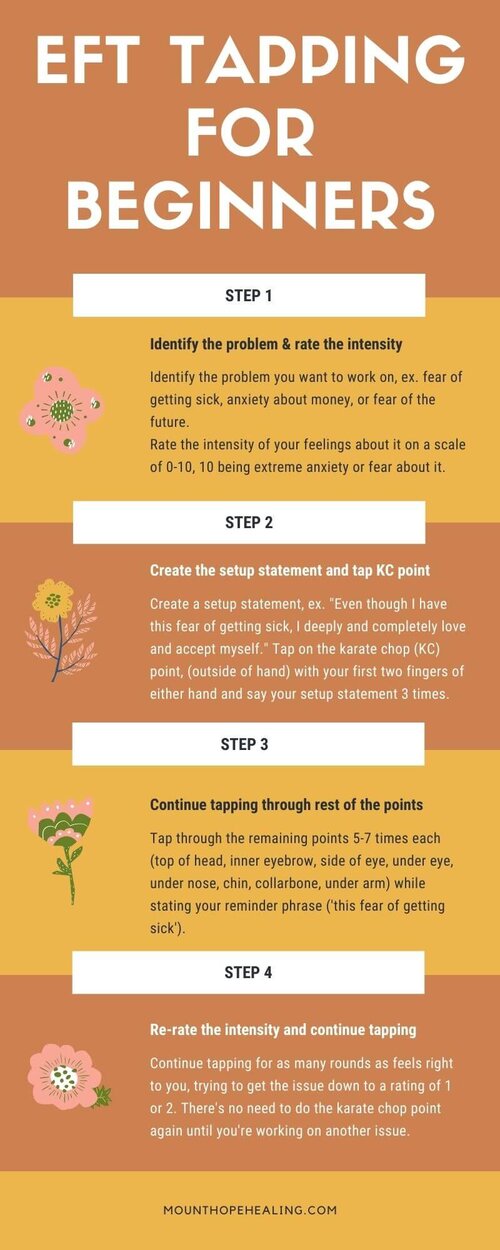
    Below is an easy guide for how to navigate stress-tapping for beginners:

    EFT Tapping for Beginners with Autoimmune Disease — Mount Hope Healing
    Infrograph: https://mounthopehealing.com/blog/eft-tapping-for-beginners


    Source(s)

    Anthony, K. (2018, September 18). EFT Tapping. Healthline. Retrieved November 4, 2021, from https://www.healthline.com/health/eft-tapping#treatment

    Ortner, N. (2021). The Tapping Solution: A Revolutionary System for Stress-Free Living by Nick Ortner (2-Apr-2013) Paperback. Hay House UK (2 April 2013).

  • Unusual Units of Measurement

    Unusual Units of Measurement

    As early as kindergarten, we are taught to measure things here in the U.S. using inches, feet, and centimeters. Later we are taught that volume is measured in cubic meters (m^3), and that time is measured in hours or minutes in a day.

    Have you heard that there’s such thing as a measurement of “cow’s grass”? Or how about a “shake” of time? Discover some unusual measurements of length, area, volume, and time below!


    LENGTH:


    Siriometer
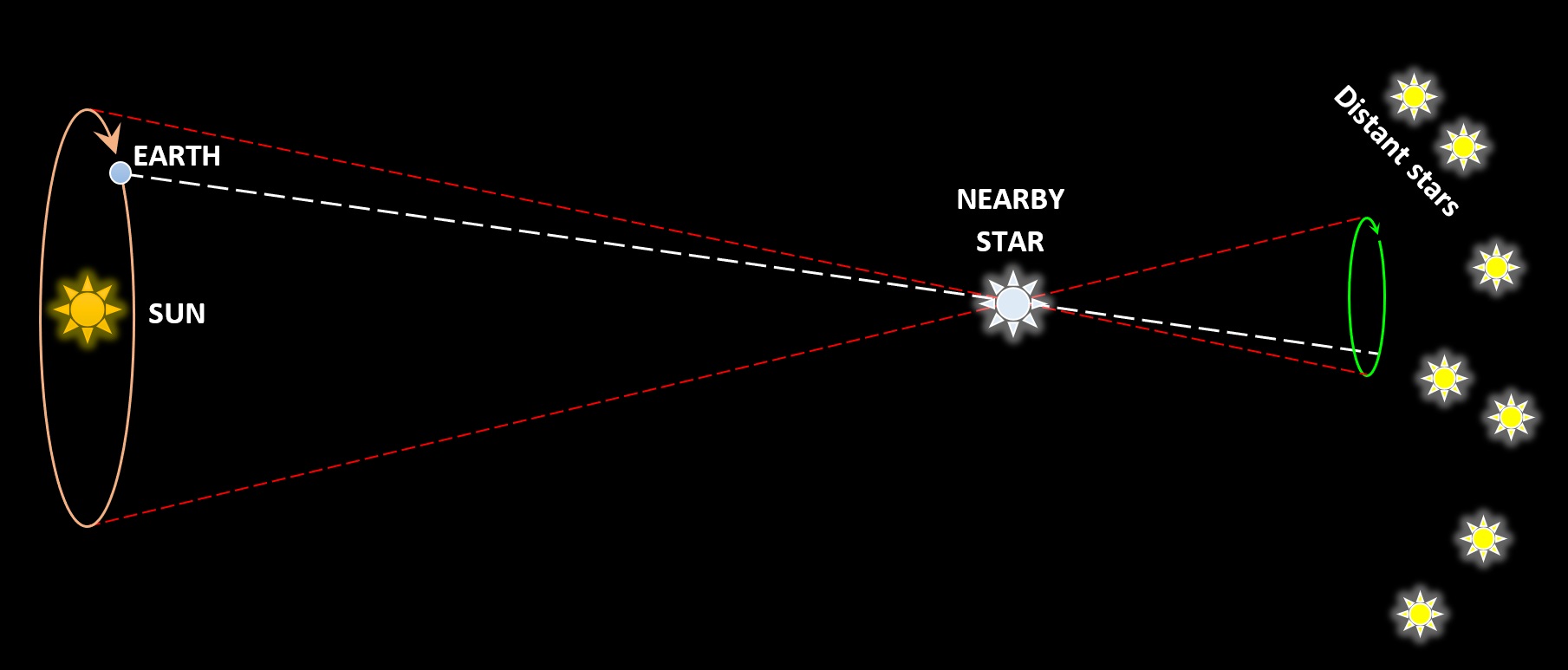
    A diagram measuring the distance between earth and a                                           nearby star.

    The siriometer is a rarely used astronomical measurement. It is equivalent to 1 million astronomical units — which is equivalent to 1 million times the average distance between the Earth and the Sun. This distance measures to about 15.8 light years, or 4.8 parsecs, and is roughly twice the distance from Earth to the star Sirius.


    Horse
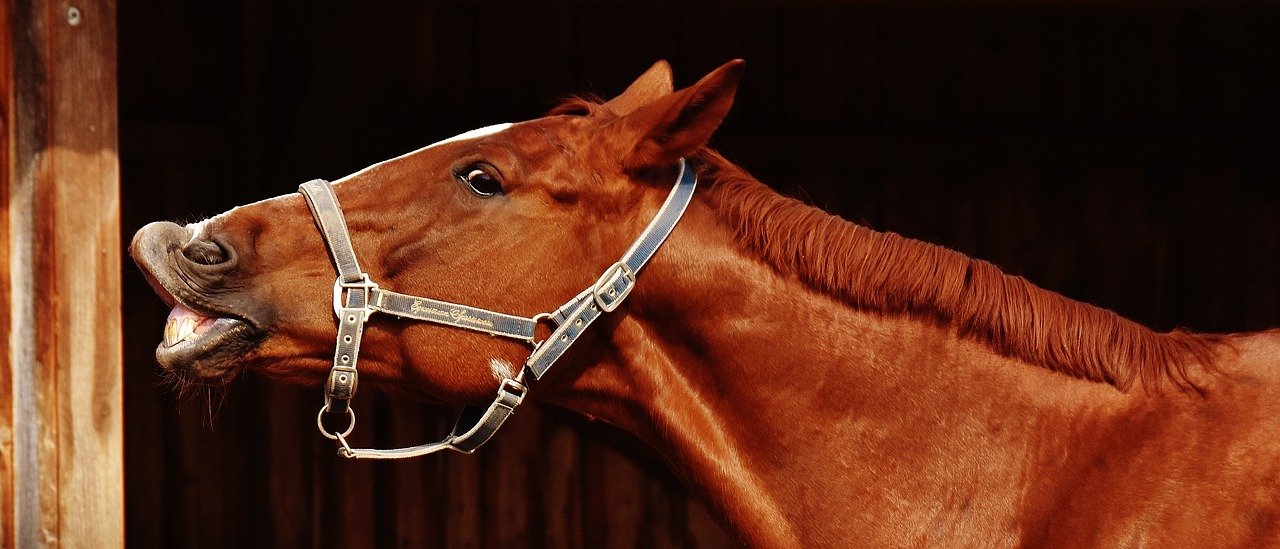
    A smiling horse.

    Horses are used to measure distances in horse racing. A “horse” length is equivalent to 8 feet (or 2.4 meters). When measuring shorter distancing, they are measured in fractions of “horses”, and other common measurements are that of a full or fraction of a “head”, “neck”, or a “nose”.


    AREA:

    Cow’s grass
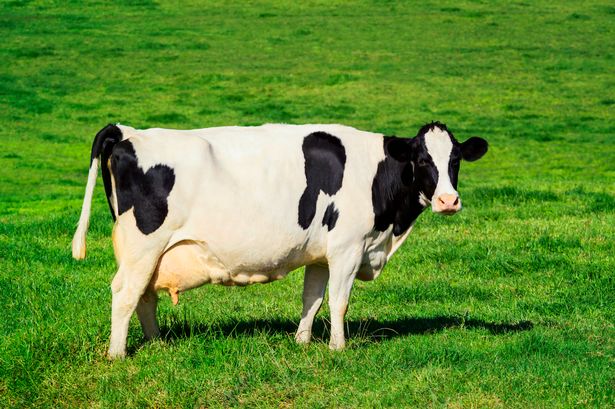
    A lovely cow in a luscious, green field.
    Before the 19th century in Ireland, a “cow’s grass” was a measurement used by farmers to specify the size of their fields. It was equivalent to the amount of land that contains enough grass for a cow to sustainably munch on.


    Barn
    A red barn.

    No, not that kind of barn! One barn is equivalent to 10−28 square meters, which is roughly the size of the cross-sectional area of a uranium nucleus; definitely much smaller than a barn pictured above. The name “barn” for this measurement likely comes from early neutron-deflection experiments, when the uranium nucleus was described as being “big as a barn” and the phrase “hit a barn door” were used. Barn measurements are typically used for cross sections in particle and nuclear physics.


    VOLUME:

    Cord and rick
    A cord of wood.

    The cord is a unit of measurement used in the US and Canada for dry volume to measure things such as pulpwood and firewood. A cord is equivalent to such an amount of wood that when the arranged to be aligned, parallel, and touching and compact, has a volume of 128 cubic feet. Correspondingly, this yields a well-stacked woodpile that is 4 feet deep by 4 feet high by 8 feet wide. A “rick” is an even more unusual measurement for firewood, and it is stacked 16 inches deep by 4 feet high by 8 feet wide — which is typically 1/3 of a cord.


    TIME:

    Shake
    A delicious-looking                shake!

    Wait, not that kind of shake! In term of measurements, the shake is used in astrophysics and nuclear engineering. It is defined as 10 nanoseconds. Call that a shake in time!


    Jiffy
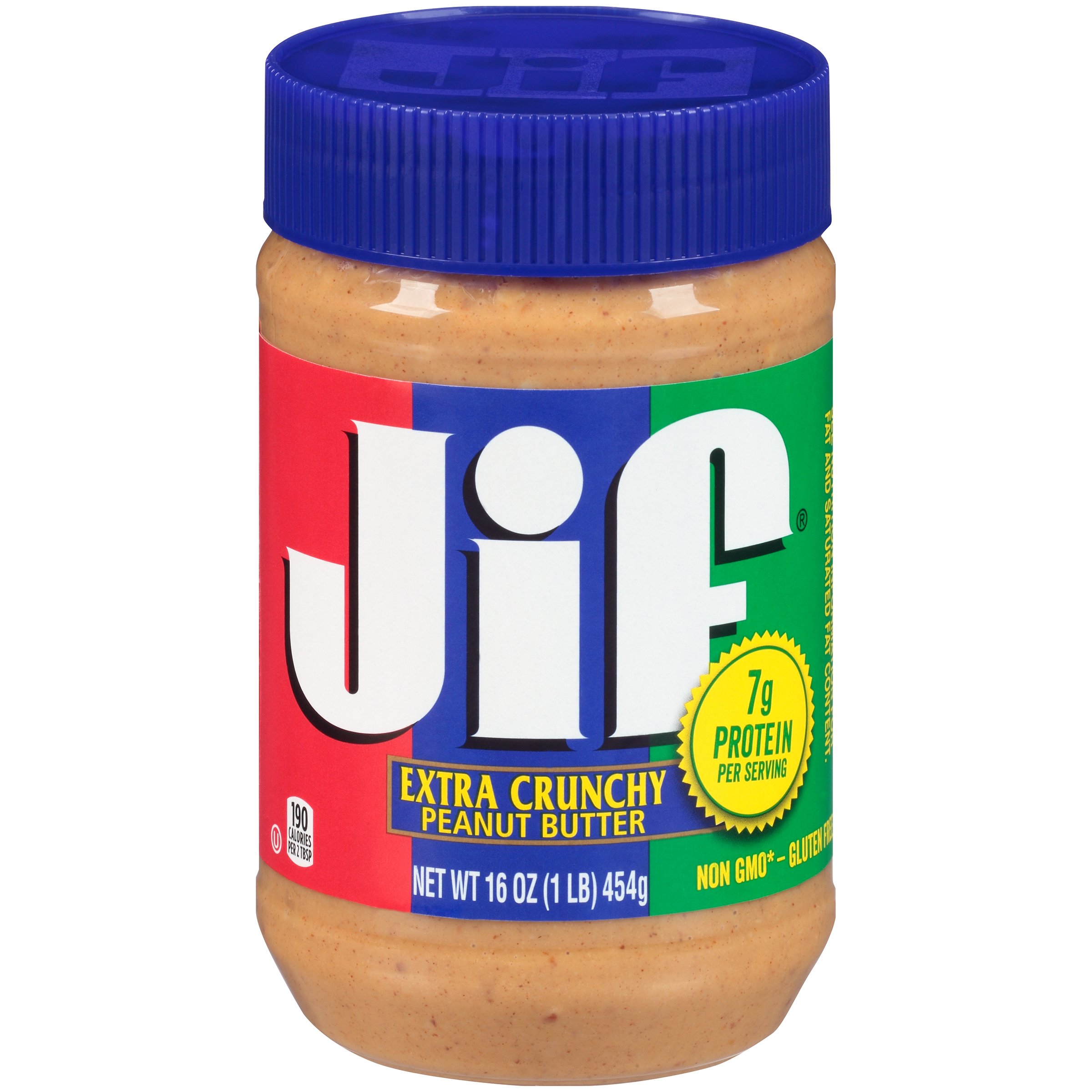
    Mmmm, peanut butter..

    Sorry, we are not talking about peanut butter in this case! The “jiffy” is used in computing, and is the duration of one tick of the system timer interrupt. This is usually equivalent to 0.01 seconds.


    I hope you enjoyed learning about those abnormal units of measurement. There are plenty others that are used, such as dog years! Hmmm.. Which makes me wonder, is there such thing as cat years?


    Sources:

    https://en.wikipedia.org/wiki/List_of_unusual_units_of_measurement

  • Psych Comic Interlude

    Psychology Comics Interlude

    Psychology is one of the most relevant and interesting science fields that pertain to humans. Psychology is the science of mind and behavior, and it includes the study of conscious and unconscious phenomena, as well as our individual feelings and thoughts. Enjoy these entertaining comics that consist of a definition of the specific psychology concept being portrayed!

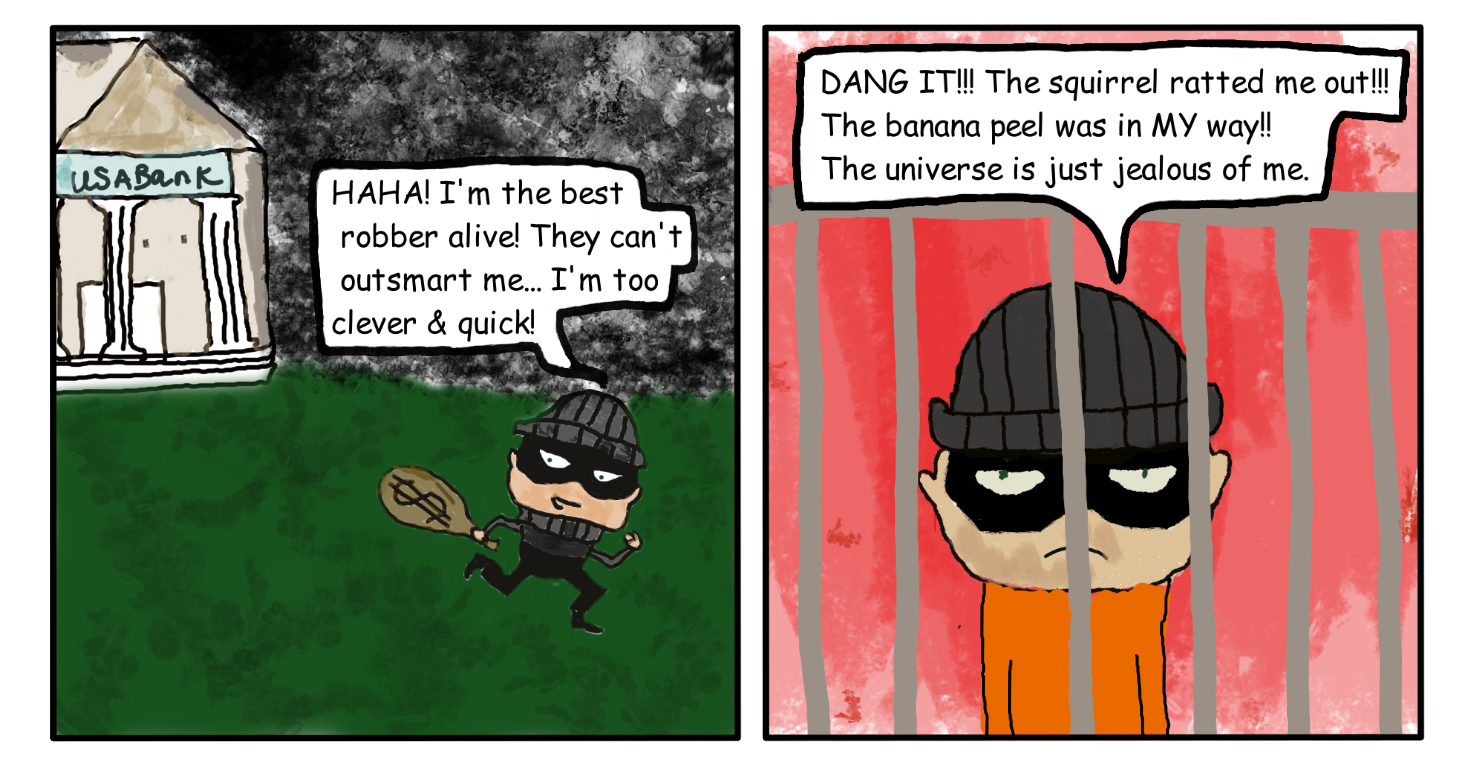
    Self-serving Attributional Bias– The tendency to attribute failure and other unfortunate events to external circumstances (i.e.: bad weather) and to attribute success and fortunate events to oneself (i.e: “I’m so smart!”).

    When it comes to self-serving attributional bias, the locus of control (LOC) comes into play. The concept of locus of control refers to a person’s belief system about the causes of events, and their attributions. The two categories of LOC are: internal and external.

    If a person has an internal LOC, they’ll assign their success to their own hard work, talent, effort, or persistence. However, if they have an external LOC, they’ll credit any success to luck, their zodiac sign, or something external of themselves. Those who are more likely to display self-serving bias, especially when it comes to achievements, are people with an internal LOC.

    Illusory Correlation– The belief that two variables are correlated when in fact they are not

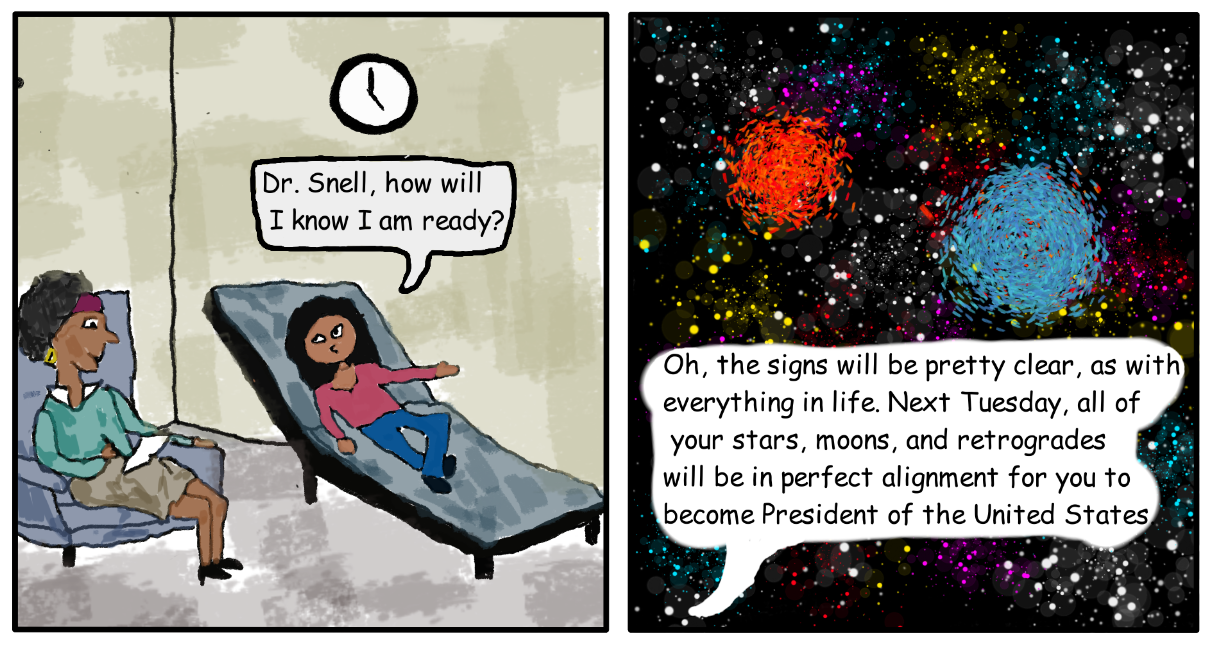
    When it comes to illusory correlation, this is our tendency to use information that comes to mind quickly and easily when making decisions about the future. The availability heuristic is the pairings of two variables that come to mind easily and are seen as correlated. For example, gluten intolerance and ice cream are mentioned together often, so this might cause us to think they are correlated when they aren’t. The comic above makes light of how horoscopes can sometimes be attributed to the reasons or events that occur to people.


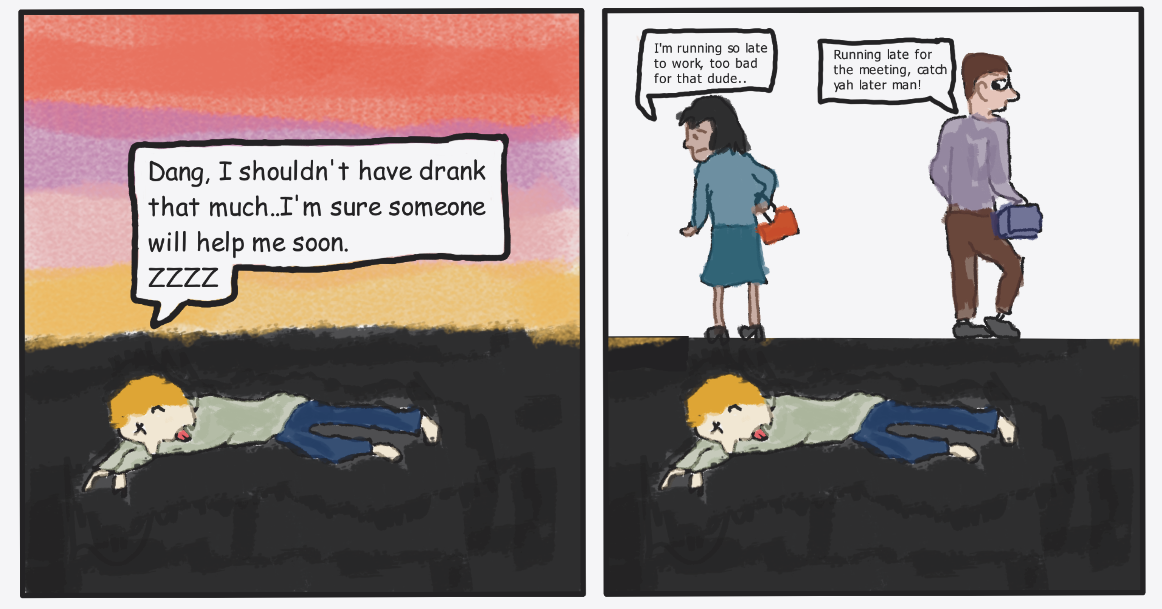
    Good Samaritan Effect– Time (especially under pressure) is one external factor that prevents people from helping another person.

    The Good Samaritan Effect in psychology shows us that time is an example of one external factor that prevents people from stepping in and helping another person. If you are under pressure to be somewhere or do something, you are less likely to help someone. 


    Source(s)

    Gilovich, T., Keltner, D., Chen, S., & Nisbett, R. E. (2015). Social Psychology (5th ed.). WW Norton & Co.

    Herndon, J. (2018, May 31). Self-serving bias: Examples, definition, and experiments. Healthline. Retrieved October 1, 2021, from https://www.healthline.com/health/self-serving-bias.