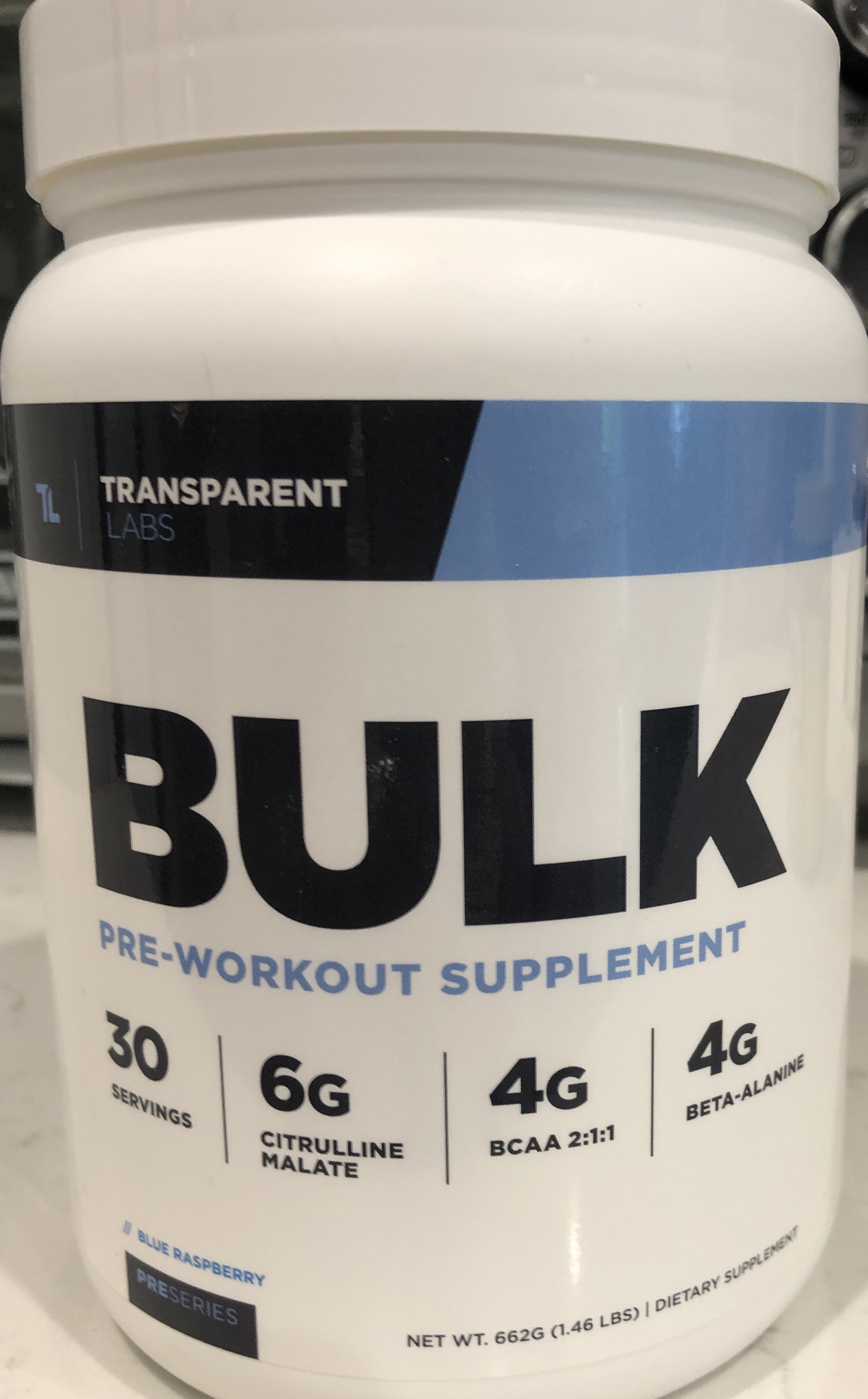
 In the fitness community, novice and expert athletes alike, are continually searching for supplements that will give an athletic edge in their workouts. There are many athletes, especially newer and younger ones, that are ingesting supplements without actually understanding what the supplements are doing to their bodies. Since workout supplements are not regulated by the US FDA, manufacturers are able to put whatever they want into their supplements – even ingredients that toe the line between legal and illegal, including some ingredients that are amphetamine derivatives. These manufacturers hide these ingredients in what they call “proprietary blends”. So that you can be informed, here are the three most common and generally accepted to be safe workout supplements:
1) Creatine
2) Caffeine
3) Beta-Alanine
Additionally, these are two ingredients in popular supplements today that you should NOT be taking:
1) DMAA
2) DMHA

Supplements Generally Accepted to be Safe
Creatine
Creatine is one of the most popular supplements used by athletes looking to build lean muscle mass, maximize athletic performance, and increase strength. Typically, creatine is in the form of creatine monohydrate, a nitrogen-containing compound that can be obtained in the food we eat – from sources like meat and fish – or formed endogenously (or inside the body), from three specific amino acids: glycine, arginine, and methionine.
Creatine helps in the production and recycling of ATP. Adenosine Triphosphate, or ATP, is an organic compound responsible for being the main source of energy for essentially all bodily processes. Whether you’re running, lifting weights, or even carrying groceries inside, your body is consistently using ATP to produce energy. After your body uses ATP for energy, the chemical bi-product produced is adenosine diphosphate, or ADP. Your body then begins the process of recycling ADP back into ATP.
With the help of creatine, ADP recycling is exponentially increased, improving muscular endurance and power. There have been over 300 scientific studies highlighting the effectiveness of creatine. In fact, over 70% of these studies show statistically significant results in muscle growth and performance while taking creatine over an 8-week period of time. In the fitness world, fitness experts advise taking 20mg of creatine monohydrate for about 1 week to saturate your cells with creatine. From there, you can reduce your intake to 5mg per day. Although supplementing with creatine doesn’t guarantee muscle growth and athletic improvement, it can certainly help with overall energy production in the body, if you supplement correctly. A potential drawback to creatine is that it has been shown to be hard on kidneys, especially in people with pre-existing conditions. However, as always, you should consult your physician before starting new supplements. If you consult with your physician and supplement correctly, you can gain the benefits of using creatine in your workouts!
Caffeine
Ahh, caffeine – a familiar word to pretty much every student on a college campus (and probably to high school students). Caffeine takes many forms, whether you imbibe yours with coffee or espressos, or you take yours in a pill form. Caffeine is the world’s most popular central nervous system stimulant and performance-enhancing supplements. It has become such a prolific supplement that it seems the world runs on caffeine.
In fact, supplementing with caffeine has been scientifically proven to have significant ergogenic effects on aerobic and anaerobic activities (think endurance and sprinting, respectively).
Caffeine is able to give you that desired jolt of energy by activating adenosine receptors in your brain. Consequently, dopamine floods your brain and causes increased neuron firing. The pituitary gland senses this activity and stimulates your flight-or-fight response, causing your body to release adrenaline. This chemical cascade is why caffeine makes you feel awake and energized. Caffeine acts as a muscle and chemical stimulant as well as a brain stimulant.
While working out, caffeine can empower your body to push through even the hardest workouts, while keeping you focused on getting your next weightlifting or running personal record. Most workout supplements will have 120 – 180mg of caffeine per serving. Taking caffeine in the appropriate amounts can push you through your workout. However, since workout supplements are not FDA regulated, some supplements will include over 500mg of caffeine, claiming to give you the best workout of your life. However, healthy adults should not consume more than 400mg of caffeine per day – actually, it’s quite unsafe and unhealthy to consume more. So, when you go to take your next workout supplement, make sure to check the nutrition label for how much caffeine it includes and be sure that taking it doesn’t interfere with your morning cup of coffee or tea!
Beta-Alanine
If you use workout supplements, especially pre-workout supplements, you’ve most likely heard of Beta-Alanine. Beta-Alanine is a non-essential amino acid that is produced naturally in the body. In the body, Beta-Alanine aids in the production of carnosine. Carnosine is important for many normal body functions including the proper function and development of your muscles, heart, liver, kidneys, brain, and other organs. The exercise world focuses on carnosine’s role in muscle endurance in high-intensity exercises, such as weightlifting.
Since Beta-Alanine helps in the production of carnosine, supplements typically include Beta-Alanine in pre-workouts geared for weightlifting or other high impact exercise activities. Because carnosine is specifically linked to muscle endurance, it is thought to help create longer weightlifting workouts, in turn leading athletes to true muscle exhaustion, consequently leading to muscle growth.
Although science generally supports Beta-Alanine’s support in the creation of carnosine, there is still quite a bit of research that needs to be undertaken to verify the efficacy of the supplement. In general, the recommended effective and safe dose for Beta-Alanine is around 3-6 grams. Taking more is not advised as the safety effects of taking more have not been proved to be more effective nor safe. Interested readers should be cautious, however, when taking this supplement. Beta-Alanine can cause a tingling sensation in their body, called paresthesia. This tingling sensation stems from central nervous system stimulation and muscle stimulation. Though completely harmless, people that are sensitive to these kinds of body effects should either reconsider taking Beta-Alanine or take it in lower doses to assess tolerance.
In general, Beta-Alanine is a great, generally safe supplement to use in sports and weightlifting. As always, consulting your physician is always smart before starting any new supplement. However, users in good health are generally safe and benefit from taking Beta-Alanine in supplementing for their workouts.
Supplements you should not be taking:
DMAA
1,3 Dimethylamylamine (a.k.a. 1,3-DMAA or DMAA) is a substance made synthetically in laboratories. Surprising, it was originally used as a nasal decongestant in medicines from around the 1960s. Today, 1,3-DMAA is sold as a dietary supplement for a myriad of reasons including ADHD, weight loss, and improving athletic performance, as DMAA is classified as a stimulant. Many athletes take 1,3-DMAA to improve performance, without understanding the effects on the body.
However, it was determined that DMAA is chemically too close to drugs and controlled substances like certain amphetamines – it even causes failures on drug tests for drug-tested athletes. Consequently, DMAA was added to the World Anti-Doping Agency’s prohibited substances list in 2010. Its use has been linked to several reports of serious, life-threatening side effects. You definitely should stay away from any workout supplement that includes this in their proprietary blend or ingredient list!
DMHA
Like DMAA, 1,5-Dimethylhexylamine (DMHA) was originally used as a drug for nasal congestion, similar to drugs such as pseudoephedrine, etc. Today, DMHA is included as an ingredient in dietary supplement products to supposedly boost workout performance or for weight loss. DMHA is very close to DMAA, but unlike DMAA, DMHA is currently not illegal. However, because of its close relation with DMAA and other amphetamines and controlled substances, many professional athletic communities actively advise against using any supplement with DMHA (i.e. NCAA for US college sports). While DMAA is a very potent stimulant that will definitely make even the hardest workouts feel ‘easy’, there are no studies to show the safety of DMAA, and there have even been reports of severe side effects from ingesting DMAA. If you see a workout supplement that includes DMAA, you should definitely not take it!
NSF label
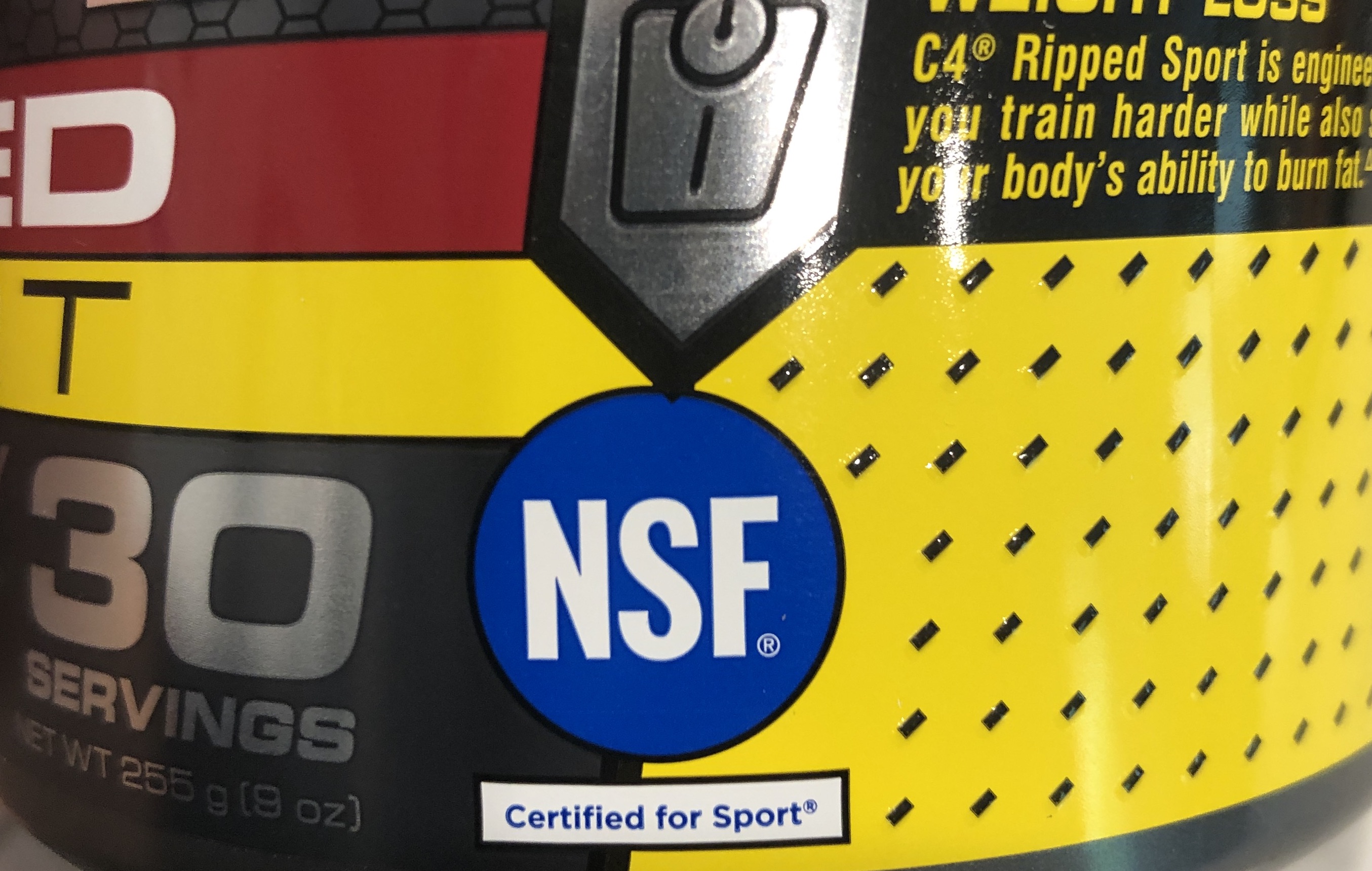
If you doubt your ability to check a supplement’s ingredient list, it’s always a good idea to check if the product has an NSF label. NSF is the National Sanitation Foundation which was established to standardize food safety requirements. This organization is composed of chemists, biologists, nutrition experts, doctors, and more, who test and validate sports supplements (among other products) for their safety and efficacy. In fact, the U.S. NCAA mandates that athletes only take workout supplements with the NSF label, as this ensures the product does not contain any banned or harmful substances. If you choose a product that has the NSF label, you can be sure that the supplement is scientifically proven to be effective, generally accepted to be safe to use, and will not have any banned substances of any kind.
Ask your physician and go crush your workout
Now that you are aware of the more popular “generally accepted to be safe” supplements, as well as the supplements that you shouldn’t take, I hope that you are more informed when it comes to decisions about the supplements you take. In general, you should not begin taking new supplements until you have consulted with your physician. This article is by no means seeking to give advice; this article only seeks to bring awareness. Now get out there, be safe with your supplements, and crush your next workout!
Notice: Pictures featured in this article are not to be considered an endorsement of that specific product.
Sources:
Kreider, R. (2003, February). Effects of creatine supplementation on performance and training adaptations. Retrieved November 01, 2020, from https://pubmed.ncbi.nlm.nih.gov/12701815/
Grgic, J., Trexler, E., Lazinica, B., & Pedisic, Z. (2018, March 5). Effects of caffeine intake on muscle strength and power: A systematic review and meta-analysis. Retrieved November 01, 2020, from https://www.ncbi.nlm.nih.gov/pmc/articles/PMC5839013/
Ratini, M. (2019, January 30). Beta-Alanine: Uses and Risks. Retrieved November 01, 2020, from https://www.webmd.com/vitamins-and-supplements/beta-alanine-uses-and-risks
NIH. (2019). Paresthesia Information Page. Retrieved November 01, 2020, from https://www.ninds.nih.gov/Disorders/All-Disorders/Paresthesia-Information-Page
WebMD. (2018). 1,3-Dmaa: Uses, Side Effects, Interactions, Dosage, and Warning. Retrieved November 01, 2020, from https://www.webmd.com/vitamins/ai/ingredientmono-1258/1-3-dmaa
WebMD. (2018). Dimethylhexylamine (Dmha): Uses, Side Effects, Interactions, Dosage, and Warning. Retrieved November 01, 2020, from https://www.webmd.com/vitamins/ai/ingredientmono-1538/dimethylhexylamine-dmha