Even though I have been involved with the STEMComm VIP team for almost four full years now, I have never taken the time to learn about science communication properly and ways to go about it. Taking a communication class has been long overdue for me because it’s something that I’ve always been interested in improving about myself and my skill set as a graduate student and as a budding scientist. So, I finally leaped into MSE 8200: Advanced Presentation Skills.
The Warm Up
MSE 8200 had six students in a classroom meant for 40, so I needed to connect with my classmates to go through the class. We started with some surprisingly deep icebreaker questions about where we came from and what drove us to become engineers. From there, we began our warm-up exercises, where we went over problems of writing in science and how we can improve our communication. We all related to the feeling when we finally found an article with a title that might help us with our projects, but then we came to find out that the paper was impossible to understand. Since writing is the most significant thing that non-scientists see, it’s one of the things that should be practiced to be understandable and intriguing!
After discussing the basics of science writing, we reviewed different science stories, what they did well in communicating their science, and what could have been done better. We finished the warm-up also talking about how to communicate with younger audiences, reading some different stories from well-known scientists, and how we can improve on explaining technical issues to a non-technical audience (with some pretty cool Ted Talks). After writing our versions of how to explain some of the foundations of our research, it was time to make our presentations!
Speaking Up
After the warm-up, we switched between learning about different methods of presentations and creating presentations for the class with peer and instructor feedback. Our first style (and probably the easiest for me) was the elevator pitch, where we gave a short 90-second pitch on the research we do, why it matters, and what we learned from our work. It was an easy assignment since I love telling people what I do, whether they’re other materials scientists or a friend who wants to listen. The 3 Minute Thesis presentations were also fun to practice, summarizing my work and learning more about what my classmates do. It also gave me a fun challenge to take my research from my summer internship and condense seven research slides into one slide that explains three months of work!
My most challenging communication style was long-form oral presentations for a technical audience. Essentially, they were presentations a researcher would give to other scientists at an academic conference. I realized that I’ve never attended an academic conference, so I wasn’t sure what would be the best information from my internship to explain further or delete. I also realized that since my Master’s research experience is from my internship, it was difficult to talk about my work for 15 minutes when I’ve been used to presenting it for 3-5 minutes. We closed out the course with a poster presentation, where we gave a brief pitch of our work once more, with some final comments on our experience in the class.
Did Jalen learn to communicate better?
Yes. 1000%. Absolutely (and any other words you can think of). Even though I have a good amount of experience creating science-related content, what I learned in this class will make me a better communicator. With the help of my instructor and my peers, I got a lot of feedback on what I could improve on in my presentation style and what I could do better. I learned that even though my long-form presentations were shorter than I would have liked, I did a great job presenting my work’s complicated terms and concepts in a way for both technical and non-technical audiences to understand and engage. With the use of animations and analogies in my work, I could put a clear image in the audience’s mind of what I was doing and put a lot more emphasis on the why; if a scientist cannot explain why their work matters, then it becomes even more challenging to engage with a non-technical audience, especially in fields like renewable energy, electric vehicles, and artificial intelligence.
What I want to work on and improve is including more conciseness in my presentations. Though my explanations were clear, I spent more time elaborating on small details than I probably needed to, especially for a non-technical audience. I think if I improve on this, then I will be able to create more accessible presentations. I also hope to practice with more resources like “Academics Suck at Writing” to learn more ways that I can improve my STEM communication skills.
MSE 8200 has been one of the most enjoyable and engaging experiences of my Master’s. Not only did I learn skills to make me a better science communicator, but I also realized that my communication style is more robust when it includes visuals or oral presentations. It also gave me a path to move forward with my STEM communication journey as I prepare to graduate and move on to the next career step. I plan to attend a science communication conference in the spring and use the lessons from this class to grow even further. If you can take a science writing or presentation class in your program or work, I highly recommend it!
Note: If you want to see my research (and my communication skills in action ), I posted my 3 Minute Thesis presentation from my class below.
In my stress over grad school and figuring out what my life will look like, I’ve been asking myself questions about my goals and my thoughts about existing as an underrepresented minority in academia. Hopefully, putting my thoughts out there will help other students in a similar place feel less alone and reflect on their role as a scientist. You could call this the first public entry of my diary or a grad student’s soliloquy (without the dramatics of a theater show).
What made me think about writing this in the first place was realizing that I’ve been losing a lot of motivation to finish this first semester of grad school. Even though I put in a ton of work to get to this point and still have big career goals to fill, I keep being reminded of the people who told me that I would fail. The professors that told me, “I’d get kicked out in the first semester,” or “I’m not adequate enough to be a graduate student,” are still stuck in my brain every day that I go to lab and class, and I can’t seem to shake those doubts away in my highs and lows of the semester.
To get that motivation back, I started to think about how I’ve been doing everything I can to survive and push to the next day, but I haven’t been doing the work to make myself thrive. It brought me back to the question of why I love science. What pushes me not just to do what I need to finish my Master’s but to enjoy every day of it? Looking back to how others in positions of power treated me during my undergrad journey, throughout the grad school application process, and even now, I mainly had been forcing myself to finish everything I could out of spite to prove the doubters wrong. I would not only show them that I did it and finished it even when I thought I couldn’t but also tell the little voice in my head that I didn’t have to worry about anything. I am intelligent, capable, and a real scientist, even when they made me feel like I wasn’t. But now that I’ve become a grad student and I don’t have to see these people anytime soon (hopefully, it’s a small campus, after all), I’ve started making solid strides toward prioritizing my mental health and fighting the imposter syndrome and negative thoughts that come in my head.
My most significant step was to begin counseling, which felt like I was going into an unknown world. It was something I wanted to start during my undergrad, but I didn’t have the time or resources for it, so now, as a grad student with a consistent income, I decided it was time to take that leap! With my counselor, I’ve had more profound reflections and conversations about some of the roots of my imposter syndrome. Not only have I gained a better perspective on how I view the world around me, but I’ve also been able to treat myself better than I have in the last few years.
There are so many things that my counselor and I have talked about that I could use to show the depth of what I learned, but I think these questions I was asked can give a glimpse of how I’ve been able to grow and move forward. If you’re reading this and have been trying to push yourself to complete your thesis, degree or even get up in the morning, I urge you to reflect on some of these questions. If you have the resources, I would suggest expanding on these questions and ones you’ve been asking yourself in some mental health counseling.
How can I better support myself as I finish my M.S. and begin to hit roadblocks in my research?
What is the bigger picture of my work? Does it excite me to go to the lab and work towards completing my thesis?
How can I take ownership of my thesis and create a story that will bring new knowledge and understanding to the communities my work will reach? Another question I ended up asking myself while reflecting on this is how can I take myself out of my comfort zone in my project, and have I ever taken myself out of this comfort zone?
These questions and my responses to them will likely change throughout my program (as my career goals and my thesis grows). Still, they have reminded me why I became a grad student in the first place and what drives me to become a better researcher and science communicator. I’ve been able to recenter myself, and I’m proud to say that I’m proud of the work I’ve put in so far, and I’m excited for what the next year will hold for me.
Since my first year at Georgia Tech, I’ve loved the campus’s architecture. There’s a perfect blend of old highlights that are the landmarks you think of when you think of GT, like Tech Tower and the Einstein statue, to newer buildings that represent the modern and futuristic side of campus, like the Kendeda Building for Innovative Sustainable Design and the renovated Price Gilbert Library and Crossland Tower.
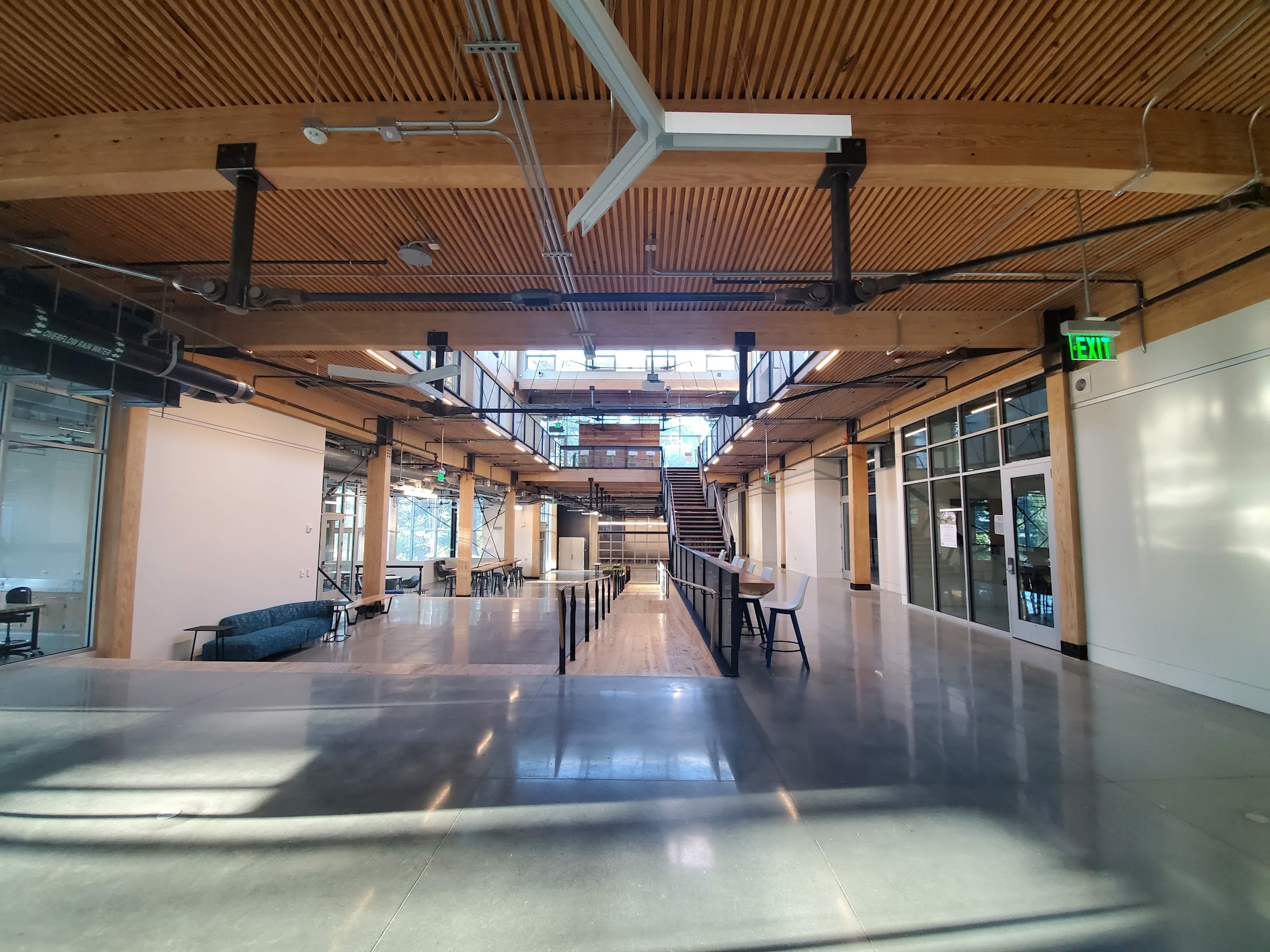
Inside the Kendeda Building for Innovative Sustainable Design.
When I lived in 8th Street Apartments last year, I noticed some exciting designs on each building’s entrance. Outside of 8th Street East, where I lived, there is a model of our solar system with the word “EXPLORATION” under it. I felt that the image was a beautiful tribute to the discovery of how the concept of our solar system developed since 1543. When I was walking near my old apartment a few weeks ago, I rediscovered that etching, and I wanted to take a deep dive into how many similar etchings were on campus. So with my friend, fellow Charged Magazine writer, and uber-talented photographer Steven Yang, we took a fun walk around West Campus, documenting everything we could find.
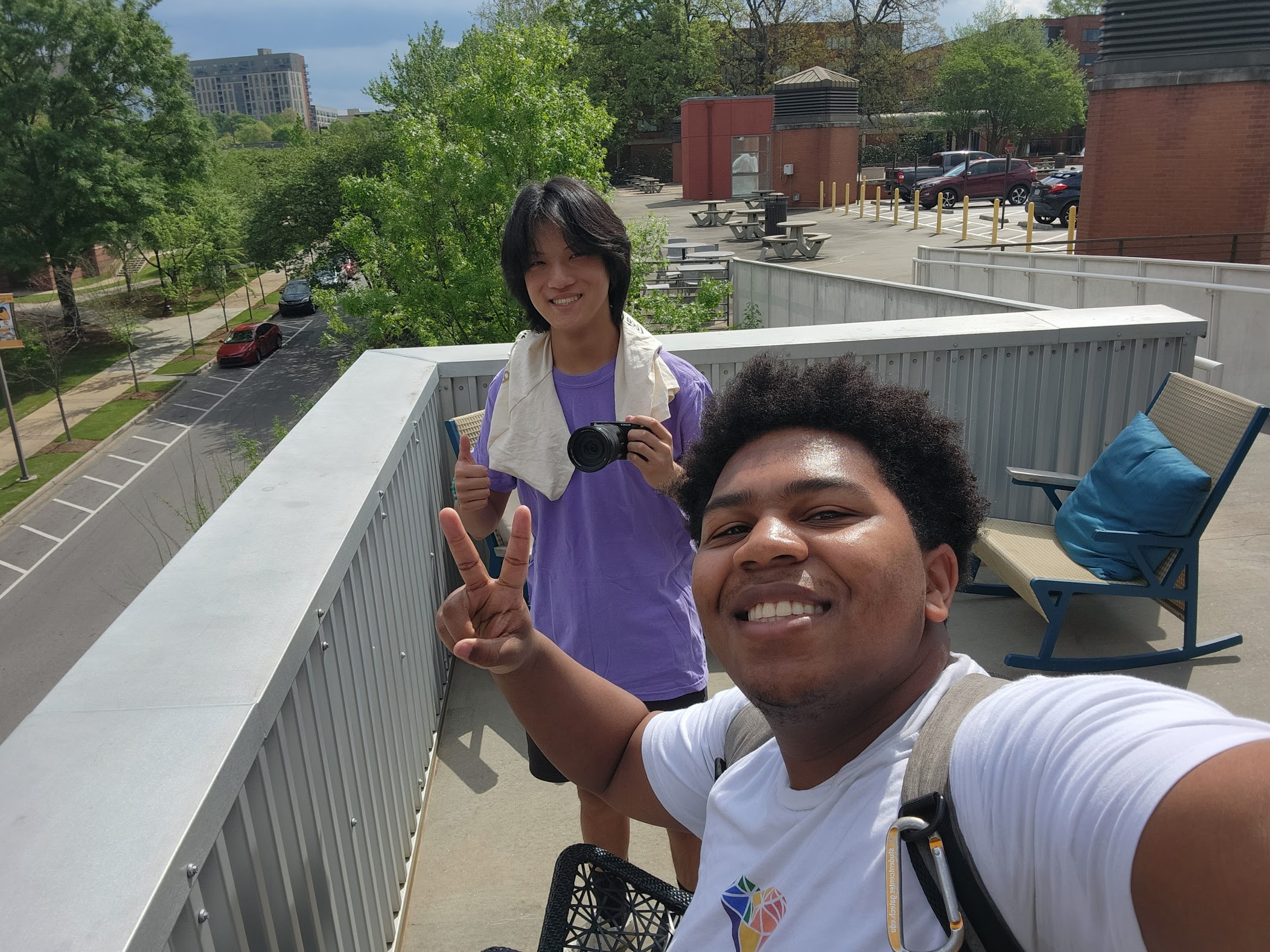
The Charged Dream Team, Steven Yang (back) and Jalen Borne (front) ready to explore GT’s campus.
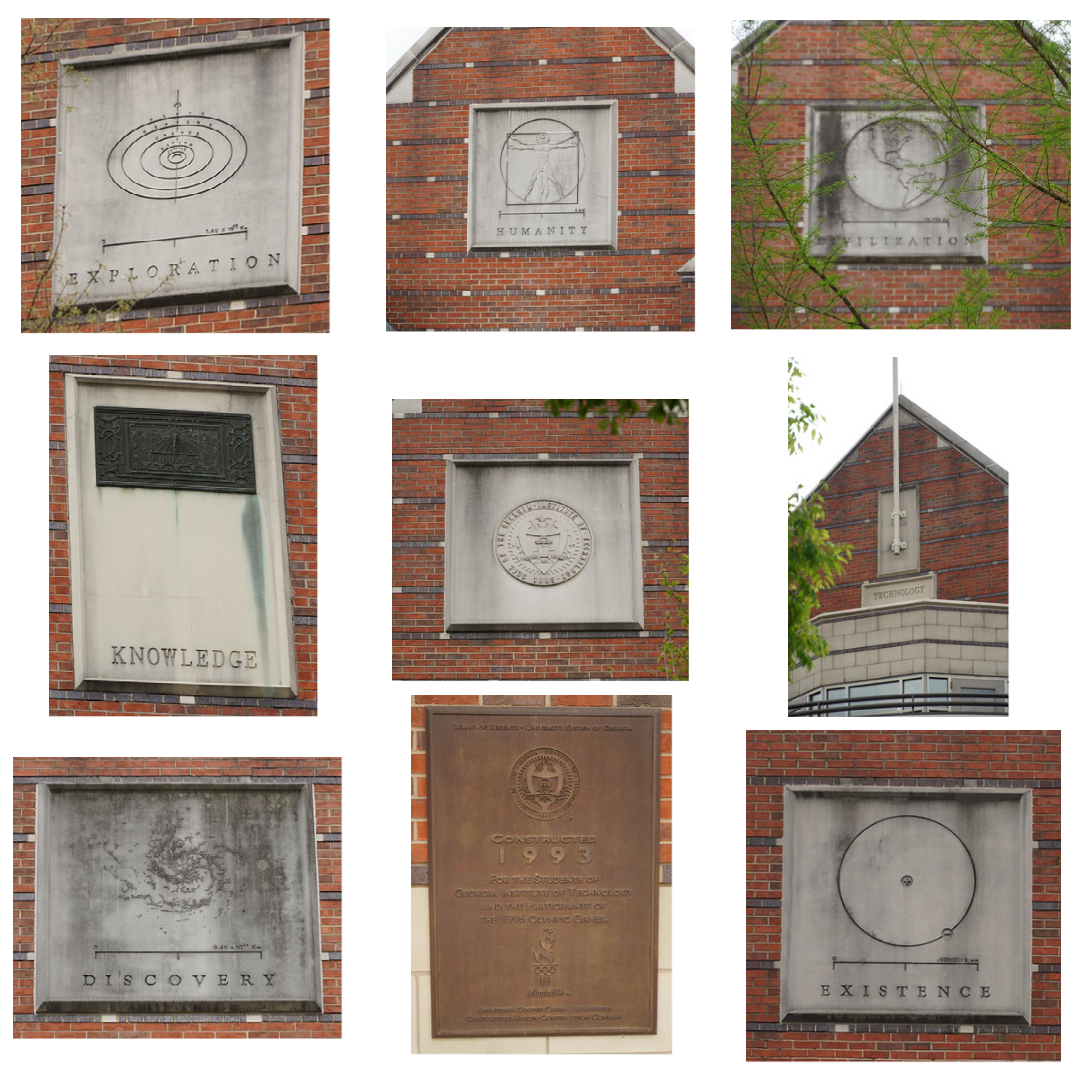
During our journey, we found six different etchings at the entrances and the backs of student apartments on West Campus. Included were the solar system model mentioned earlier, the Georgia Tech seal, Leonardo da Vinci’s Vitruvian Man (with the word “HUMANITY”), the Earth representing “CIVILIZATION,” the Milky Way for “DISCOVERY,” and a beautiful but simple model of the atom, with “EXISTENCE.” At the Nelson-Shell apartment, there weren’t drawings, but the words “KNOWLEDGE” and “TECHNOLOGY” were marked. Finally, we found a plaque showing when Nelson-Shell was constructed for the 1996 Olympic Games.
What I loved about this adventure was discovering all of the etchings and gaining a deeper appreciation for what the pieces all together mean to me as a growing scientist. The etchings represent all the discoveries that have become the foundations of almost every STEM field and what they mean to society. Including knowledge and technology in the apartments perfectly complements the other buildings by considering the Georgia Tech motto: Progress and Service. We take the knowledge of the past, build new technology that improves the world, and further the values shown in the other campus etchings.
Campus etchings that Steven and I found throughout West Campus. Top row (left to right): Eighth Street East (back), Eighth Street South (front), Eighth Street South (back) Middle row: Nelson, Eighth Street West (back), Shell (back) Bottom row: Eighth Street East (back), Shell (front), Eighth Street West (front)
If you ever walk around campus and see a weird or cool sculpture or marking on the building, don’t just think about why it was added there, but what it means to you as a student. The etchings have become my favorite place to reflect on just how much campus has changed to become a place where its students work to bring the next generation of computer science, medical devices, and energy technology, all pushed by the motto of Progress and Service.
Last year I thought that I was 100% certain about what I wanted to do when I graduated. My initial plan was to graduate with my bachelor’s and then find a career in the battery industry. I thought “Oh, I don’t need a job that is super involved, doing something simple will make me happy and satisfied”.
That changed after Summer 2021 when I took part in an internship at Los Alamos National Laboratory (LANL) in New Mexico. With the help of the Office of Energy Efficiency and Renewable Energy in the Department of Energy, I was connected to LANL to work in their Materials Synthesis group on a project to create metal complexes that can be used as a powerful source of liquid energy through hydrazine. To give a quick summary, Even though I wasn’t able to complete every part of the project over the summer, my time at LANL gave me confidence in myself as a scientist. I learned a ton of new skills and techniques and got feedback from the other interns and my mentors throughout the semester (big shoutout to my mentors Ben and Andrew, and my other friends in MPA-11, y’all rock <3). In addition to the new skills I learned, taking advantage of my time at a national lab allowed me to mess up and understand why things went wrong, go to research talks about topics I had no idea even existed, and ask questions about the field we work in to think about how we can improve.
This is one of the reactions I did at LANL. Essentially, the molecule on the left undergoes an electrochemical reaction to lose its positive charge. Then nitrogen gas is added, allowing this molecule to form more bonds. This can react further to form hydrazine (N2H4), an energy-dense liquid.
Okay cool, great, awesome, why am I raving so much about working in a national lab? Couldn’t I just write a whole article about it? Yes, I could, and hopefully, that’ll come soon! It’s important to me because this internship gave me a new perspective on the different career options that are possible in energy storage, and it became the building block to why I decided to apply for graduate school. I realized that I wanted a career that would allow me to do more in-depth research on energy storage systems. The field is interesting to me because energy generation research, though researched and well understood, doesn’t have a variety of fully commercialized energy storage systems. This makes it harder to use these systems when their demand is the highest. Energy storage research also involves the collaboration of engineers, scientists, and policymakers to promote the research and development of these systems. There is high potential in most of these systems, in my opinion, to become commercialized and integrated into the energy grid. Specifically, I want to do research on batteries and fuel cells because the chemistries of how they work are interesting to me, where changing the material of one part of a battery is a tradeoff on their overall energy efficiency and safety, among many other factors.
When I thought about all the cool things I could do and take part in (and maybe even lead (; ), I got even more excited to dive into the industry right after I get my degree. Then, as I started talking to group scientists and researchers (as well as a few disappointing searches through the LinkedIn job portal), I learned that those dreams I had in mind for my career could not be easily done with a bachelor’s degree. And then I thought, “Welp, what am I going to do now?”
As someone who often talks about being ready to graduate, the realization that pursuing graduate school would very likely be my next option made me a little complacent and frustrated at first. “I thought I would be done by now, and I gotta do MORE WORK?!” was one of the many thoughts that went through my mind. But as I thought about it more, I realized that there were more reasons why I wanted and needed to go to grad school. For the areas of energy storage research that I’m interested in, I need more experience working with different characterization and spectroscopy techniques to understand what’s happening on the nanoscale to better understand why they are happening and what can be done to improve them.
Scanning Electron Microscope (SEM) image of graphite used in batteries. SEM is one of the many characterization techniques that I hope to learn how to use in graduate school.
Additionally, there are many new projects in energy storage that up-and-coming scientists want to get to work on, and of course, I want to be a part of the next generation of energy storage research. The biggest roadblock that is keeping me from easily joining these with only a Bachelor’s is that in order to be the ideal employee in the energy storage industry, I need to work on more projects that will build my understanding of different systems. I hope that by achieving these goals, I’ll be prepared to work with batteries, fuel cells, supercapacitors, and whatever technology will be waiting for me.
Okay, so now that y’all know why I applied to grad school, next up is how. It may or may not be surprising, but preparing my applications and doing them was definitely the hardest and most involved part of the process. I want to start with a few disclaimers before I go over the things I did while completing my applications. First, this journey and how it “ends” are still up in the air, as I haven’t gotten any decisions yet. How all that goes will hopefully be updated later on during the spring semester. Second, my process doesn’t reflect how everyone should do it. Keeping to a timeline is difficult, and changes are bound to happen. Don’t stress if when you decide to apply for grad school you submit things close to the deadlines and you aren’t done weeks early. Lastly, you can take all these tips how you want, if you have any opinions, let me know what you think! I’d love to discuss more things that I may have missed.
And with that out of the way, let’s get started!
Step 1: Deciding where you want to go.
There’s no better step than the first step! This is where you think about what you want to focus on for the next two or more years. If you want to do energy research, then find universities that work with that, and if you wanna work on biochemistry, then find schools that fit in that area. If you have a more specific area of research you want to focus on, once you find a school that has the coursework and facilities you want, you should search for professors who have projects in that area. In my case, I want to research batteries or fuel cells, so I looked for professors who have similar projects. I tried to have at least four professors that I could see myself working with.
Of course, along with the research and coursework available at the universities you’re interested in, there are other factors that may be important to look into:
Fellowships: I could write a lot about fellowships and why they’re so good to apply to. For one, there are a number of opportunities to apply for that will support you whether you’re pursuing a Master’s or Ph.D. (or even both), especially as a minority in STEM. Some examples include the NSF Graduate Research Fellowship Program, the GEM Consortium, Sloan, Hertz, and many more. These fellowships usually help balance the cost of tuition, as well as provide stipends, networking opportunities, and even opportunities for internships.
Weather: It may or may not be self-explanatory, but wherever you decide to go, make sure you know how the weather is throughout the year. If you can’t survive in the Southern heat, then Texas or Georgia may not be the best spot to be in. If you love the mountains, then Colorado or New Mexico could be the place for you.
School Demographics: The biggest factor to me when looking at where to apply was the statistics about my class. What I look at is the percentage of students that identify as Black or African American. I also looked into the work that the schools have done to provide spaces and student organizations for their different identities. I applied to Georgia Tech (my current university) because I know that the black community there is strong and I applied to the University of California San Diego because they have a number of initiatives to support black students and the school provides fellowship opportunities for minority students.
City Life: Whether you’re social or you’re an introvert, it’s good to live in a city where you can have some extra fun. No matter how dedicated you are to your work, we deserve to treat ourselves to some fun! Most colleges and universities are in a place that has some good food spots and cool attractions.
Testing Requirements: Because of COVID, we’re starting to see a new look at the graduate school application process. This year, the GRE test at most schools is either optional or not required. If a program requires the GRE, then I recommend taking some thought and maybe asking your advisors if it’s worth it. I can’t say much on this because none of the programs I applied to required it.
Step 2: Organize, organize, organize!
There are a lot of different things to organize before starting your applications that will you in the long run. First off, get your recommenders in mind ASAP. I always think it’s best to have 4 people you can reach out to because even though many schools will only ask for 2-3, it’s good to have multiple people who can be ready to write a recommendation for you in case someone else is no longer able to. You should have recommenders that can speak to your future goals and how you think you’ll be able to achieve them, your ability to do research well, and if you will be successful in and out of the classroom. For my applications, I asked my academic advisor, my research advisor that I worked with for two semesters, my internship supervisor, and my professor that I’ve worked with for a few years.
It’s also good to have information for them that will help them while they write about you. With some help and advice that I got from my advisor, I made a spreadsheet that shows the information about the schools that I’m applying to, the deadlines, plus additional info like the submission process and links to learn more about specific programs. Another document I made to help my advisor was a “motivations document”. I used this to make it clear to my recommenders my short and long-term goals, why I want to pursue a Master’s to reach those goals, and what draws me to certain schools and their research labs.
Lastly, for myself, I kept a larger document that has the application information for each school and fellowship. This helps to keep me organized on any deadlines when I should send out recommendations, what I should think about when writing my statements, and supplemental questions.
Step 3: WRITING TIME!
So this is the part that will take a lot of time, but the details aren’t too extensive. It really is just sitting down and thinking hard about how you’re going to talk about who you are, what you’ve done, and how you’re going to be an incredible and successful scientist that any university would love to have. It’s very important to talk about why you want to pursue a graduate degree, any relevant research experiences, what about the school is attractive to you, who you would like to work with. Some additional points that may be good to address are your background (race, ethnicity, financial, etc.), any low grades, and coursework (this is best if your undergrad institution has limited STEM courses or if the field you’re going into is very specific). There are many videos and websites that talk about what makes a good personal statement.
After you finish your first drafts of your statements, don’t be afraid to send it over to people you know for review. Whether it’s from your friends, your teachers, or your siblings, every little comment given will help make your statement even better. Others will likely notice more minor (or even major) things that could be edited, and once they’re finished I highly recommend reading it out loud to make sure it makes sense to you.
Step 4: Submit and Wait
When everything looks right, you don’t see anything else wrong with your statement, and you feel confident and happy with your statement, go ahead and hit submit! After the application, most schools will ask for an application fee, but depending on the school and your situation, you can apply for a fee waiver that covers it! In my case, because of the GEM Consortium Fellowship and some diversity and inclusion events I attended, I was able to get fee waivers for 4 of the 5 universities I applied to.
The waiting game can be hard to deal with if you’re a little impatient like me and want to know the decisions ASAP, but it provides time and space to reflect and prepare for anything that might come next. Some programs, if they’re exclusively coursework with no research, may ask to interview you, but most will contact you once they reach a decision. If you get that acceptance, amazing, you just have to decide where to go, who to work with, all the fun details. If you don’t get the results you’re hoping for, that’s fine too!! By this point, you will have put in such hard work and dedication towards these applications, and no matter the result, I can be 100% sure that you will have learned something about yourself.
So to finish things out, I want to give some more perspective on how the process was on my mental health. Overall, the process of applying made me so much more confident in myself. Looking back at my experiences made me realize just how much I’ve done and how incredible it really is. At first, I felt like it would be difficult to talk about myself well and how I would be a great fit, but I learned how to hype myself up while also proudly noting what I was lacking and ready to learn in grad school.
I also won’t lie when I say doing grad apps while in one of the heavier semesters in my academic career was STRESSFUL. Working to balance my classes and clubs led to some weeks being quite draining. Many of my other friends who were applying to grad school in this cycle also agreed that there were definitely weeks where our mood was “Yaay, we have a free week to spruce up my application!”, and others where the mood was “Wow, I’m tired from all these classes and meetings, I just wanna take a 37-hour nap.” No matter how we felt though, we stayed strong and pushed through to the end, because we knew that once we finished all of our applications, we were now one step closer to the future that we see ourselves in.
Hope you enjoyed this article! It’s a lot of information as I wanted to give an honest and helpful look at what I did and what might help others out that might be a bit scared and unsure about applying for grad school. It was terrifying to me when I started, but it’s only thanks to the help of my brother, who’s a grad student now, my friends applying with me, and all the advisors and recommenders, that I felt confident I had done something that I’m proud to share with the world. I can’t wait to see what will happen next, and I’ll keep y’all posted on how things go!
No better way to end this post than with a beautiful nature pic! This is from the Bandelier National Monument in Los Alamos, New Mexico, taken around the time I decided to take the big step to apply to grad school!
References
Sponsored by Thermo Fisher Scientific. (2020, January 28). Determining battery structure and composition using SEM. AZoM.com. Retrieved March 5, 2022, from https://www.azom.com/article.aspx?ArticleID=15475
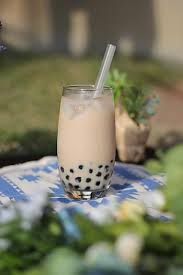
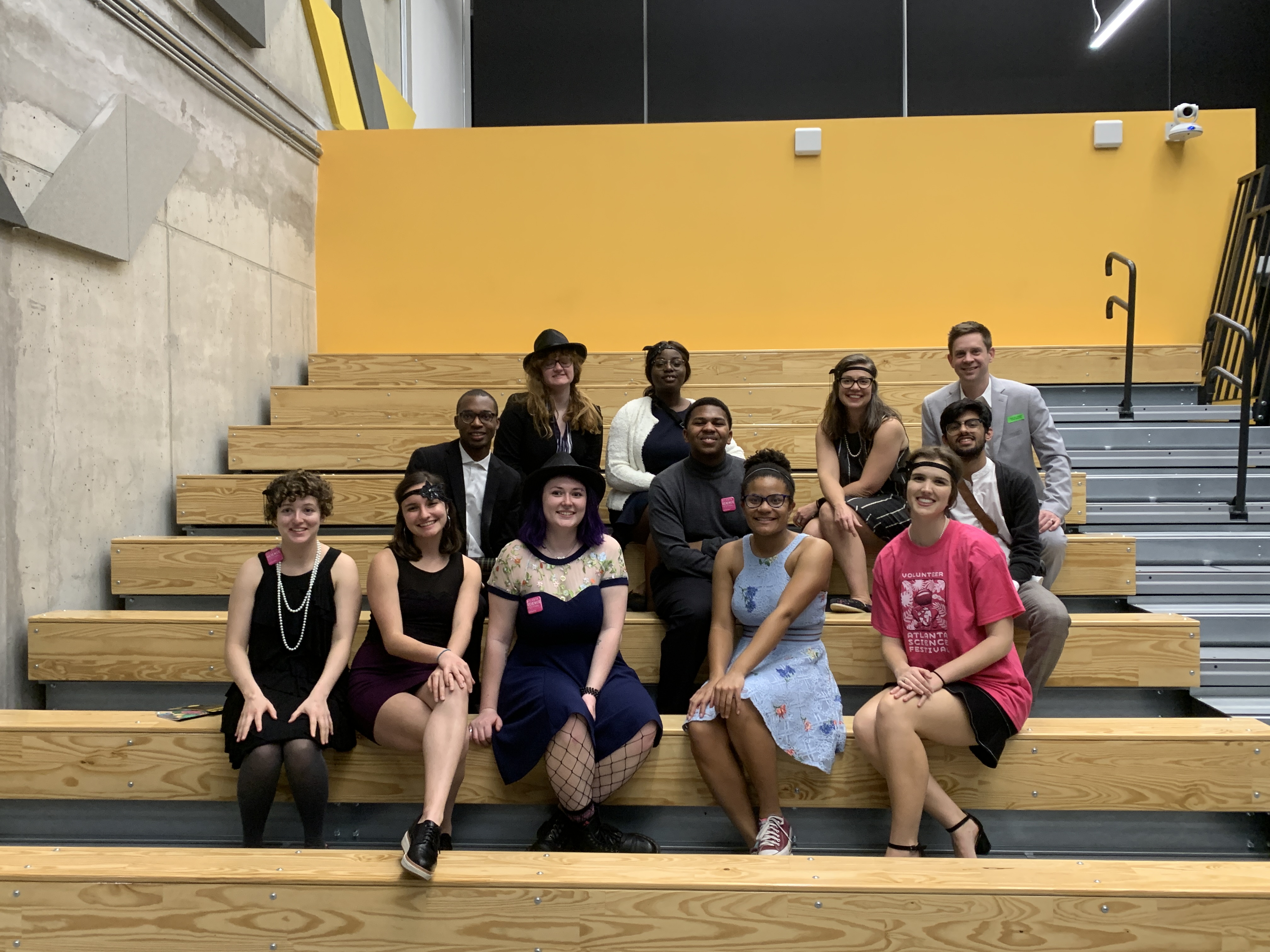
Last month on March 12th, the STEMComm VIP team had the pleasure of hosting the Sober Science Speakeasy, where we had several booths serve delicious mocktails and a jazz band playing some active music during the night, all while the drink makers each had unique demonstrations to show the science behind the drink. We had a variety of drinks from a drink carbonator, butterfly pea flower tea, a mixed density drink, and many more. It was an amazing experience to be a part of, and it was a great event to hold for the Atlanta Science Festival and for Georgia Tech before we had to transition to online classes. Me and my teammate Nadia (who is a very passionate lover of puns and polymers!) helped to make bubble tea, and I’d like to share that recipe for anyone interested in making their own.
Note: This recipe makes about 10-14 servings.
Cinnamon Honey Boba Tea
10-12 bags of Black Tea (Preferably Twinnings)
1-3 tablespoons of cinnamon
⅓ cup of honey (or more depending on your preferred level of sweetness
12 cups of water (for tea) & 8 cups of water (for tapioca pearls)
Here’s the Tea:
Put water over high heat until it reaches a rolling boil.
Place the tea bags in the pot, and follow the instructions given on the packet (normally about 3-5 minutes)
When the tea is finished cooking, turn off the heat and mix in the cinnamon and honey
Set aside to let cool while you cook the tapioca pearls
Putting the Boba in Boba:
Put the water over high heat until it reaches a rolling boil.
Pour the tapioca pearls into the pot, lightly stirring until they float to the top.
Cover the pot and let the pearls cook for about 10-15 minutes, stirring every 5 minutes.
Turn off the heat and scoop the pearls into the bowl of cold water for about 1 minute.
Drain the water, put the pearls in a container, and pour the cup of water and brown sugar over the tapioca pearls to create a brown sugar syrup.
Bringing it All together:
After finishing making the tea and the boba, it’s time to put as much boba as you like into your cup of tea! How you want it after that is all up to you! You can add your favorite type of milk, colorful jellies, puddings, fresh fruit, and even some red beans (it’s sweet and lovely). It’s a very easy recipe to make that gets even better and better as time goes on, so I highly encourage practicing this recipe over and over again, and who knows? You might be the next Sweet Hut or Kung Fu Tea. Good luck!
To close off for the Spring semester, I’d love to thank everyone involved with the creation of the Sober Science Speakeasy, from our faculty advisors Dr. Leavey, Dr. Evans, Dr. Greco, and Dr. Mendelson, all of our teammates, my boba buddy Nadia, all the clubs, sponsors, and musicians that made this night great! Bye for now, good luck to all the students taking finals, wash your hands, and stay at home!
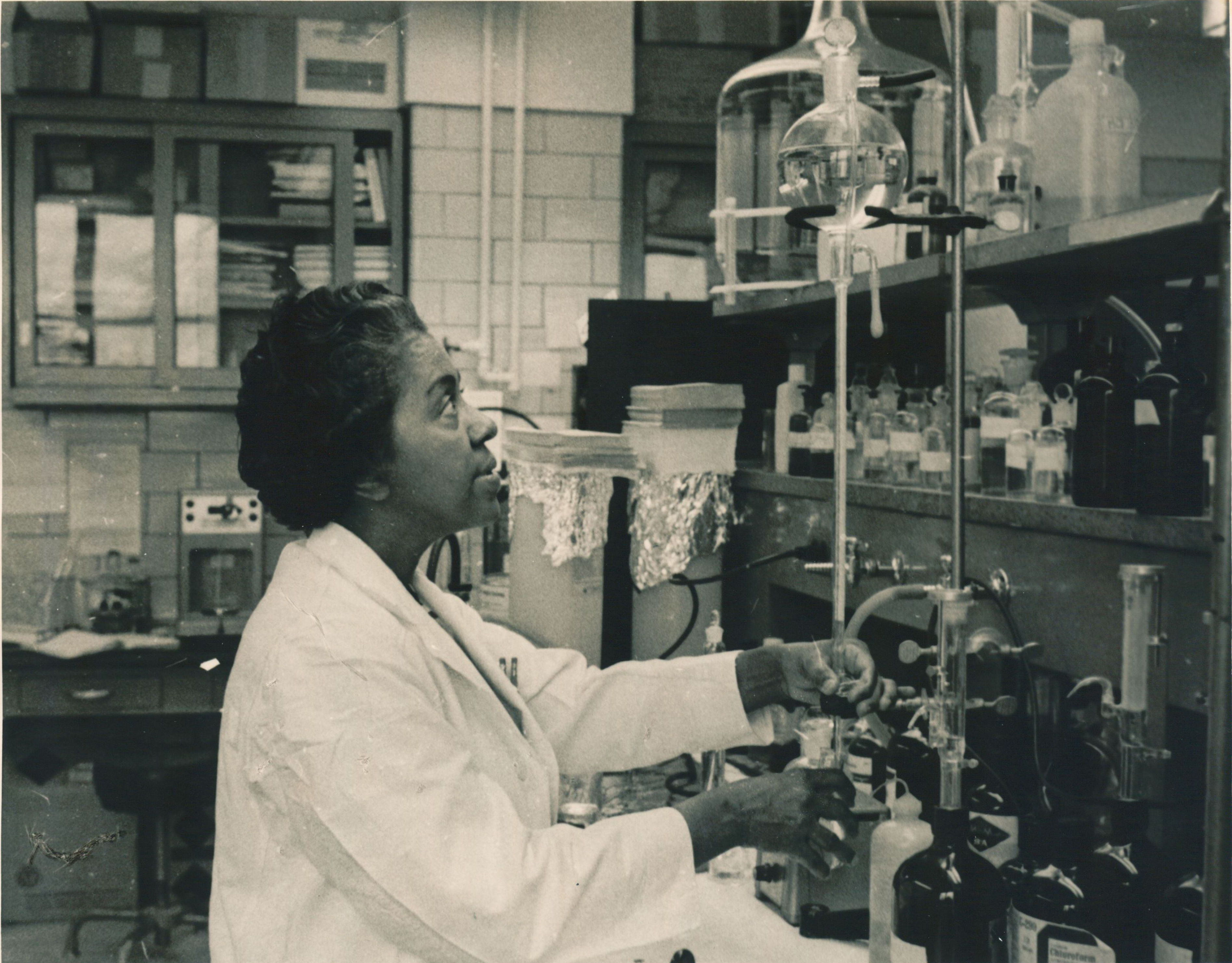
How would you feel if you knew your work inspired hundreds, maybe even thousands of rising scientists to pursue the career that was meant for them. If you knew that some young kid would look at your research, your pictures of you working in a lab, and says “ I want to be just like them one day!”, wouldn’t you feel overjoyed, proud, or even grateful that you were able to get this far in your career? Even though there is little recorded history to how Marie Maynard Daly felt, I think these would be her feeling for being one of the most impactful African-American scientists that paved the way for many scientists from behind the scenes. Welcome to the second installment of my series, Hidden Figures Beyond, where I talk about scientists in underrepresented groups that made an important impact on the world of science. Today’s article is one I’ve been excited to write about since I joined this group. Today I’ll be talking about Marie Maynard Daly, the first African-American woman to earn a Ph.D. in chemistry. I will admit I’m biased writing this as I am an African-American chemist, but I believe that writing to spread more information about Daly because many do not know about her impact and how far it reached, from her time during her undergraduate career, to her careers after earning her doctorate, she helped pave the road for many scientists, especially underrepresented minorities.
Marie Daly was born to Ivan C. Daly, an immigrant from the British West Indies, and Helen Page in New York City. Her family always encouraged her to pursue higher education, her biggest influences being her father and her grandparents. Her father had attended Cornell University to become a chemist, but due to financial issues, he couldn’t complete his education. Her grandparents had a large library where Daly read books about science, her favorite book being Paul de Kruif’s The Microbe Hunters, a dramatization of scientists who helped discover the microbes necessary to create vaccines for many different illnesses (“Marie M. Daly”, 2020). This book was an important influence because it celebrated the achievements of scientists for their work and how it helped people. She attended Queens College, where she graduated in 1942 in the top 2.5% of students in the school (Brown, 2012). While working on her master’s and Ph.D. in chemistry at New York University and Columbia University, respectively, she worked as a lab assistant and a chemistry tutor at Queens College. Daly’s mentor was Mary Caldwell, who helped her learn what chemicals are produced in food digestion. Her thesis was titled, A Study of the Products Formed by the Action of Pancreatic Amylase on Corn Starch, earning her Ph.D. in 1947.
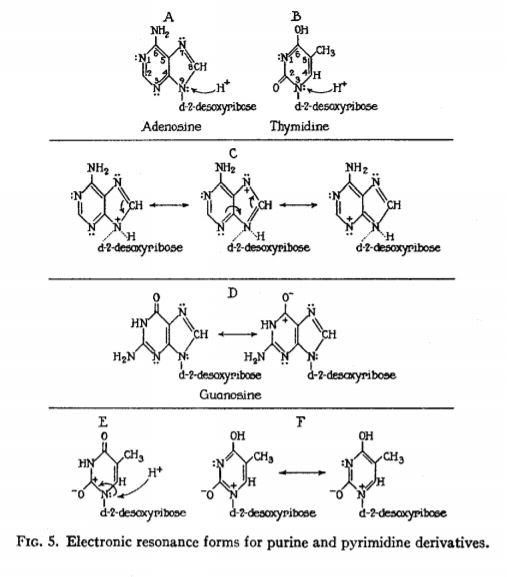
Resonance Structures of Purine and Pyrimidine Used in Daly’s Research.
After receiving her doctorate, she did postgraduate research in four areas, in multiple locations, including the Rockefeller Institute, Columbia University, and Albert Einstein College of Medicine. At Rockefeller Institute from 1948 to 1955, Daly worked with A.E. Miskey, studying the cell nucleus and its contents, back when its structure and function weren’t understood yet (Daly, Allfrey, & Mirsky, 1950). They analyzed the contents of nucleic acid and compared it to purine and pyrimidine molecules. In 1955, she studied arterial metabolism while being a biochemistry professor at the Albert Einstien College of Medicine. She also studied protein synthesis, the uptake of creatine in muscles (Daly & Seifter, 2004), and the impact of hypertension on the circulatory system. Some other impressive pursuits to mention include being funded by the American Cancer Association to study the cell nucleus, researching and creating an animal development model to evaluate the effects of cigarette smoking on lung structure to identify what parts of the lungs and neck are impacted, especially in chronic smoking (Park, Kikkawa, Goldring, Daly, et. al, 1977). For six years (1958 to 1963), she served as an investigator for the American Heart Association, working specifically on stroke research. She attended a conference where she and 30 other minority women discussed the challenges that they face in STEM (Science, Technology, Engineering, and Math) fields, leading to a report titled The Double Bind: The Price of Being a Minority Woman in Science (Malcom, Hall, & Brown, 1976).
Most importantly, she loved meeting minority medical students, being a mentor to them or encouraging them to pursue the careers of their dreams. She was inspired by her father’s journey to pursue an education she started a scholarship to Queen’s College for African-American chemists and physicists in honor of her father. I hope after reading this, you understand why writing this felt so important to me. As an African-American chemist, reading and learning about scientists like Marie Maynard Daly have inspired me to not just be the best chemist I can be, but they have inspired me to be a successful scientist that can inspire others. The idea of being the catalyst that makes a kid think, “Hey, maybe I can do what he or she’s doing when I grow up”, honestly makes me more happy and excited than anything else in this world. Thank for reading this, and let me know what you think.
References:
Allfrey, V et al. “Synthesis of protein in the pancreas. II. The role of ribonucleoprotein in protein synthesis.” The Journal of general physiology vol. 37,2 (1953): 157-75. DOI:10.1085/jgp.37.2.157
Brown, J. E. (2012). African American women chemists. New York: Oxford University Press.
Daly, M. M., Allfrey, V. G., & Mirsky, A. E. (1950). Purine And Pyrimidine Contents Of Some Desoxypentose Nucleic Acids. The Journal of General Physiology, 33(5), 497–510. DOI: 10.1085/jgp.33.5.497
Malcom, S. M., Hall, P. Q., & Brown, J. W. (1976). The Double Bind: The Price of Being a Minority Woman in Science. Washington, DC: American Association for the Advancement of Science.
Park, S. S., Kikkawa, Y., Goldring, I. P., Daly, M. M., Zelefsky, M., Shim, C., . . . Morita, T. (1977). An Animal Model of Cigarette Smoking in Beagle Dogs. American Review of Respiratory Disease, 115(6), 971-979. DOI:10.1164/arrd.1977.115.6.971
We’ve come a very long way in the way we perceive medicine and how we use it. We’ve grown from studying the humors of medieval times and performing brain lobotomies in the 1900s to the most complex surgeries and medicines that can save millions of lives. But sometimes the question that isn’t asked is, what was the cost of this new knowledge? Were the decades of long, painstaking research and repeated experiments worth it when some subjects were put through experiments that ended in permanent injury or their death? There has always been a long and dark history to the cases of medical bases, especially in the case of race, sex, and gender. In this article, I want to focus on racial bias, discussing the story of the Tuskegee Syphilis Experiment, why it is an example of medical bias and the impact that this bias made on history and future research.
What Started This?
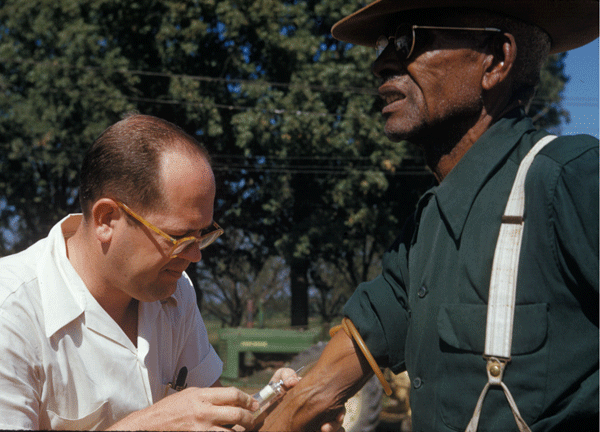
In 1932, a study was started by the Public Health Service to study the natural history of syphilis to justify treatment programs for black males. The experiment was meant to build upon a similar study on untreated syphilis in Norway in 1928. The initial goal of the study was to follow the disease in black men for six to nine months, and have a treatment phase for the subjects after. The study took place at the Tuskegee Institute in Alabama and the subjects were recruited from Macon County, which is part of the Black Belt, a region with rich soil and black sharecroppers. The participants were mostly poor and illiterate, signing up mainly for the benefits described to them. About 600 participants were recruited, 399 who had untreated syphilis and 201 who acted as control subjects.
What Went Wrong?
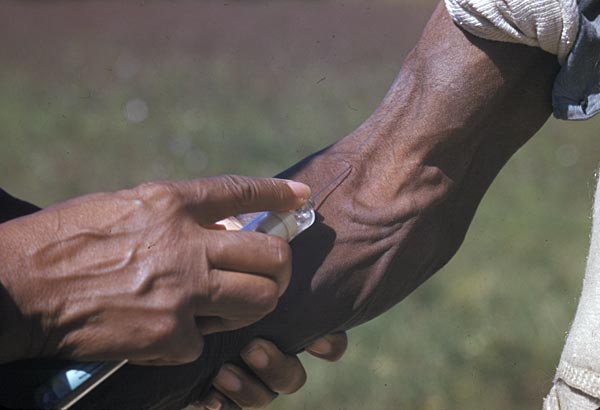
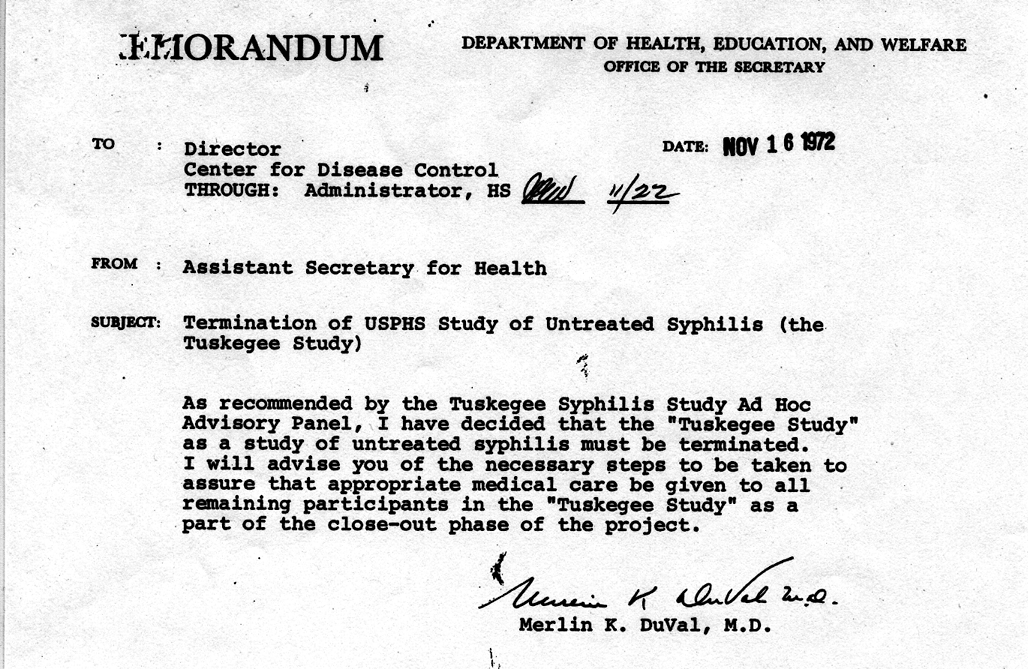
The problem with this study that caused so much controversy was what the research participants were told about the study and what would happen to them. The participants were told that they were being treated for bad blood, which was used to describe issues like fatigue, anemia, and syphilis. They were told that they would receive medical exams, rides to and from the clinics, meals on examination days, free treatment for minor ailments and guarantees that provisions would be made after their deaths in terms of burial stipends paid to their survivors. The participants were told that the study would last for six months in 1932, but it went on until 1972. Another problem with the ethics of the study was the fact that the participants gave no written or informed consent to be experimented on. There was no evidence to show they had an option to leave the study, and the treatment they were given was slightly effective and highly toxic. After years of research and generations of unknown diseases transferred to spouses, children, and many affected, a report by the Associated Press was released in 1972 about the experiment, which was then forced to shut down a month after. Even though a class-action lawsuit led to nine million dollars given to the participants and an apology was given by President Clinton, the consequences brought to the participants and their families couldn’t be undone. The last survivor of the experiment passed away in 2004, and the last widow receiving benefits from the Tuskegee Health Benefit Program passed away in 2009.
A memorandum from the Department of Health, Education and Welfare in November 1972 requiring the Tuskeegee Syphillis Study to be terminated, and for all remaining “participants” to be given the cure.
How Has It Affected Research & Medicine Today?
Despite the heartbreaking story of the Tuskegee Syphilis Study, it has helped to change how researchers approach studies similar to it. The study led to the creation of the National Commission for the Protection of Human Subjects of Biomedical and Behavioral Research and the National Research Act, as well as the establishment of institutional review boards, or IRBs for institutions receiving federal support. Since the end of the study, IRBs require that all participants in a study are willing and voluntary patients. In the end, because of the syphilis study, the U.S. was able to become a more ethical place for research, even creating the Tuskegee Bioethics Center, a national center for research and health care.
Sources:
About the USPHS Syphilis Study. (n.d.). Retrieved October 25, 2019, from https://www.tuskegee.edu/about-us/centers-of-excellence/bioethics-center/about-the-usphs-syphilis-study.
Brown, D. N. L. (2019, August 26). ‘You’ve got bad blood’: The horror of the Tuskegee syphilis experiment. Retrieved October 25, 2019, from https://www.washingtonpost.com/news/retropolis/wp/2017/05/16/youve-got-bad-blood-the-horror-of-the-tuskegee-syphilis-experiment/.
CDC. (2015, December 22). Tuskegee Study – Timeline – CDC – NCHHSTP. Retrieved October 25, 2019, from https://www.cdc.gov/tuskegee/timeline.htm.
Heller, J., Burns, L., Merritt, C., Corine, Thompson, M., Sam, … Bryant, D. (2018, April 13). Generations later, the effects of the Tuskegee syphilis study linger. Retrieved October 25, 2019, from https://www.statnews.com/2017/05/10/tuskegee-syphilis-study/.
Jones, J. H. (1993). Bad blood: The Tuskegee Syphilis Experiment. New York: Free Press.
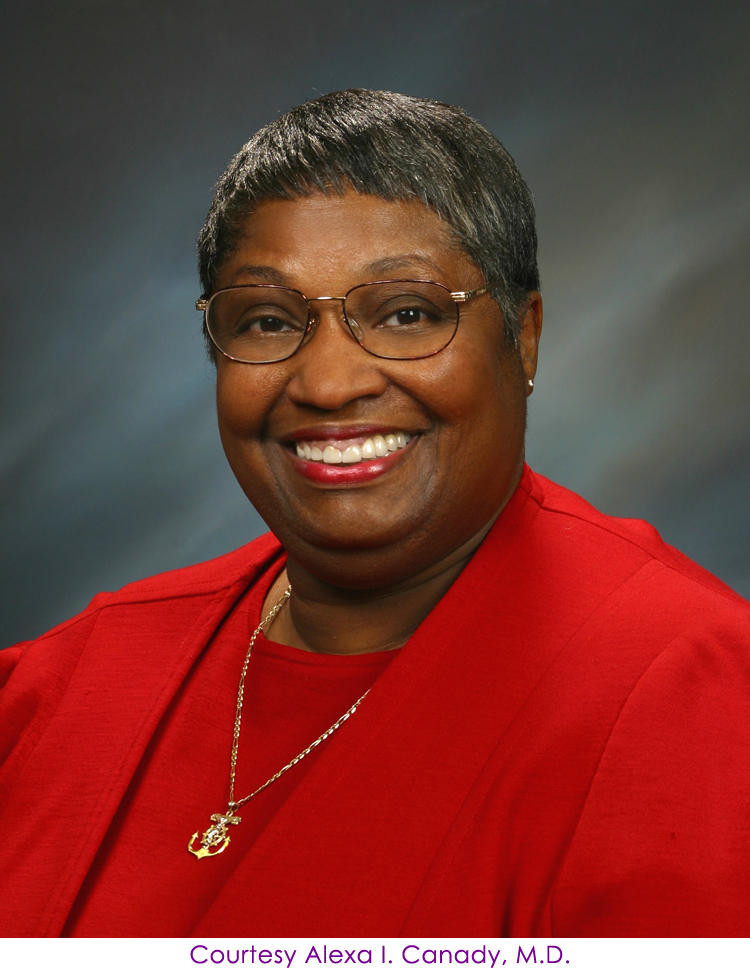
This article will be the first of a series of articles I hope to continue called Hidden Figures Beyond. The goal of this series is to go beyond the movie Hidden Figures, highlighting more scientists that are underrepresented minorities whose research and studies continue to make an impact on the discovery of knowledge today. The first scientist that I will be highlighting is the first African-American neurosurgeon in America, Alexa Canady. She is retired now, but I would like to discuss her history with neurosurgery and the research that she focused on and its impact.
To give a quick description of her early life, Alexa Canady was born in Lansing, Michigan to Elizabeth Hortense Canady and Clinton Canady Jr. Her mother was an educator and her father was a dentist, so she and her brother grew up in an education-based environment. Her family always emphasized the importance of education, especially as an African-American woman, which motivated her to graduate from her high school with honors and to attend the University of Michigan to earn. However, like most college students, she had her fair share of struggles as well. As a mathematics major, she had a ‘crisis of confidence’, questioning her place at the University of Michigan. When she learned about a minority scholarship for medicine, she felt an instant connection and decided to pursue it, thus switching her major to zoology and earning her bachelor’s degree in 1971, then graduating cum laude from medical school there in 1975. After graduating, she interned at Yale-New Haven Hospital for a year, where she still faced discrimination, being told on her first day, “You must be our new equal opportunity package.” Despite this, she continued to strive and be voted as one of the top interns by the physicians on her staff.
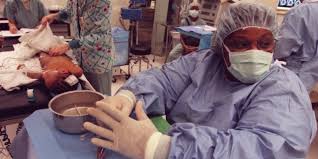
After her internship, she had her residency at the University of Minnesota from 1976 to 1981, when she started a fellowship at Children’s Hospital in Philidelphia. In 1982, she completed her fellowship and was soon hired onto the faculty of Detroit’s Henry Ford Hospital. She worked there until she was hired as the chief of pediatric neurosurgery at the Children’s Hospital of Michigan in 1987. Canady specialized and researched in life-threatening illnesses, congenital spinal abnormalities, and other brain injuries like hydrocephalus, trauma and brain tumors. She performed many life-saving treatments on thousands of patients, most of her patients being ten years or younger. During her time in Detroit, she researched at Wayne State University to improve neurosurgical technology with two other neuroscientists. This research led to the development of an antisiphon shunt that helps to treat hydrocephalus, an abnormal accumulation of fluid inside the brain. She continued this work until her partial retirement in 2001, retiring to Florida. During this time, she worked as a part-time surgeon until her complete retirement in 2012. Even though Canady is retired, she is still a full-time role model for African-Americans interested in STEM, and working on the issues of medical bias of African-American patients.
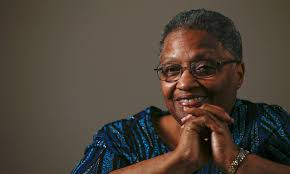
As I learned more and more about Alexa Canady and what an amazing scientist she is, I was also a little sad about the fact that she really isn’t very well known, even though she has done so much and has saved the lives of so many people. She’s stated that she doesn’t want the attention, but she is an inspirational role model and now that I know about her story, I don’t think I ever want to forget about her and her legacy. I’d like to leave this quote from a recent interview of hers when she was asked why young students should pursue neuroscience to perfectly define her life and legacy.
“It’s fun to make people better… It’s intellectually challenging, you get kind of a high when everybody says ‘Ah the neurosurgeon is here.’”
-Alexa Canady, 2017