Author: Jennifer Leavey

  • Microbes You Can Eat Vol. 1: Kombucha and Jun Tea

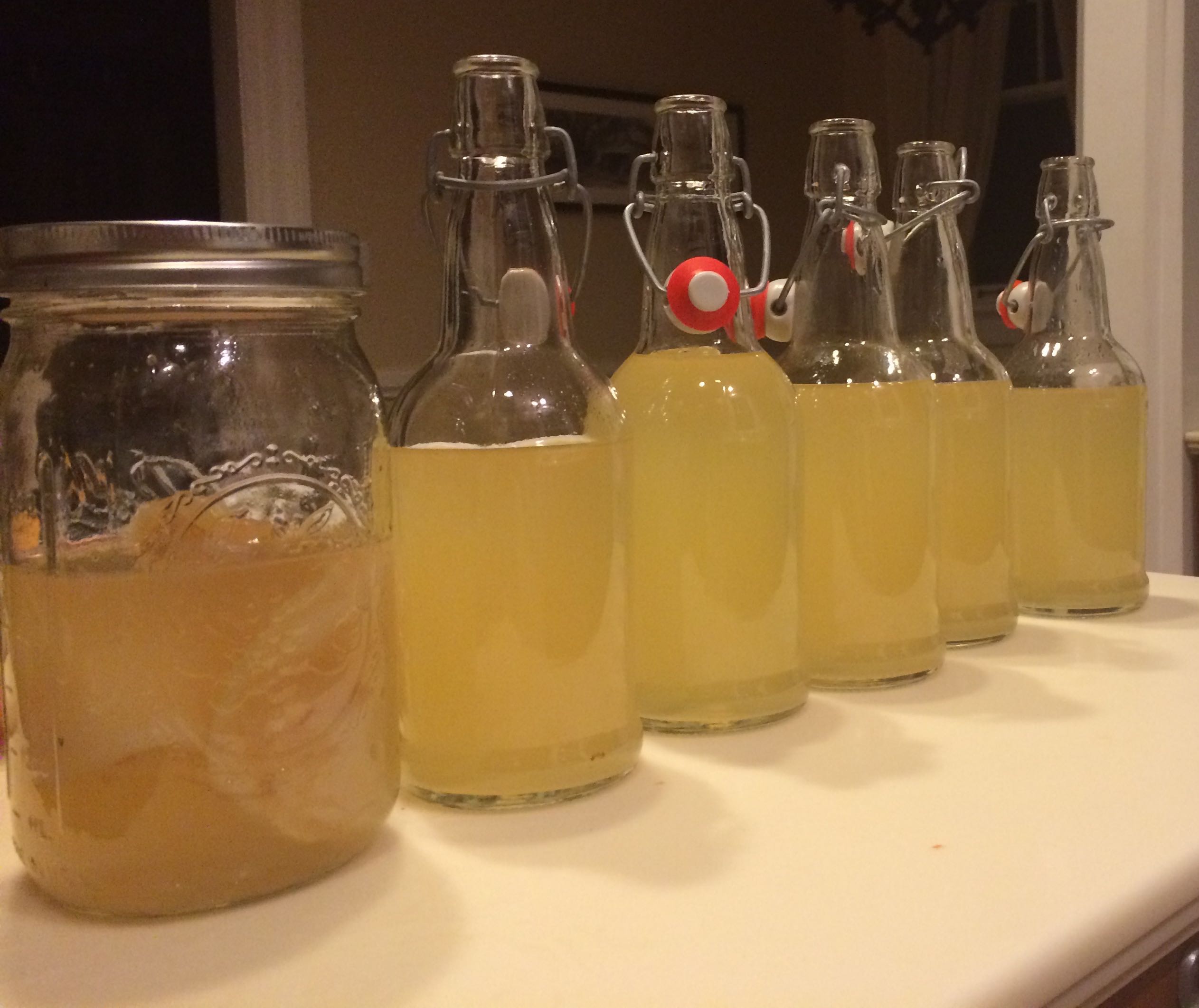
    Mother and child - A Jun SCOBY with finished Jun tea.
    Mother and child – A Jun SCOBY with finished Jun tea.

    If you’ve browsed the refrigerated section of your local natural foods store lately, you probably noticed a big case full of kombucha where the bottled water used to be.  Kombucha is a fermented sweetened black tea that comes in lots of flavors including some slimy varieties that are full of chia seeds.  What is kombucha, anyway?  Is it really good for you? Why is this drink exploding all over my car?  This, dear reader, is what we hope to answer with this article.

    Kombucha is made by adding a symbiotic culture of bacteria and yeast (SCOBY) to sweetened black tea and allowing it to ferment.  The SCOBY breaks down the sugar and produces organic acids like acetic acid and gluconic acid that lower the pH (Sreeramulu, Zhu, & Knol, 2000). Different parts of the culture carry out different steps in this process and quite a lot of research has been done to identify exactly which species of bacteria and yeast are present in kombucha.  Recently scientists used high-throughput DNA sequencing technology (the same technology used to sequence the human genome) to show that Gluconacetobacter is the primary bacterial species and Zygosaccharomyces is the primary yeast species.  There are also significant levels of Lactobacillus in kombucha. (Marsh, O’Sullivan, Hill, Ross, & Cotter, 2014).  This information can be used to help researchers develop more efficient cultures and understand the ways the microbes break down sugar better.

    kombuchameme

    The bacteria and yeast in kombucha transform sweet tea into something entirely different, more akin to a tangy soda.  Zycosaccaromyces ferments the sugar, producing carbon dioxide and ethyl alcohol (ethanol).  The carbon dioxide dissolves in water and makes the tea fizzy (and explode all over your car), while the ethanol is converted into acetic acid by Gluconacetobacter.  Acetic acid is the active ingredient in vinegar and gives kombucha its slightly sour, tangy flavor. A small amount of the ethanol does not get used, and so most kombucha is about 1% alcohol.  For comparison most beers are around 5% and wine is around 12%.

    So is kombucha good for you?  There are plenty of websites out there that will tell you that kombucha can do everything from cure cancer to make you shit on a regular basis, but well validated research on the topic is sparse.  There is something in kombucha that inhibits the growth of food poisoning like Salmonella, E. coli, and Shigella (Sreeramulu et al., 2000), but exactly what it is has not been worked out yet.  The antibacterial effect is not due to the pH of the tea, and the culture does not need to be alive to work.  There is also other good stuff in kombucha like caffeine (Kallel, Desseaux, Hamdi, Stocker, & Ajandouz, 2012) and antioxidants (Jayabalan, Marimuthu, & Swaminathan, 2007).   Antioxidants are awesome.  EGCG, one of the antioxidants in tea, has been found to inhibit the development of skin cancer (Lu et al., 2002) and the brain plaques that cause Alzheimer’s disease. (Rezai-Zadeh et al., 2005).

    Kombucha is also a guilt-free soft drink option.  Microbes break down most of the sugar in kombucha during the fermentation process, and the finished tea usually only has about 30 calories and 2g of sugar per serving.   Because it is low calorie, kombucha is a good alternative to sugar sweetened beverages like soda, which have been associated with weight gain and obesity. (Malik, Schulze, & Hu, 2006)

    There may even be a future for parts of the kombucha culture that we don’t consume.  During fermentation, the kombucha SCOBY produces a floating microbial mat, or pellicle, made of cellulose that looks remarkably like a jellyfish. We usually associate cellulose production with plants (paper is made of cellulose from trees), but bacterial cellulose is special.  It has long, fine fibers, is strong, and can be molded to any shape.  It is currently being studied for use in a variety of biomedical applications including cartilage replacements (Svensson et al., 2005).

    Pellicle floating in tea
    Pellicle floating in tea

    Kombucha has a relative in Jun tea, a fermented beverage made with green tea and honey.  Jun may even be more healthy than kombucha because green tea and honey both have well documented benefits. (Crespy & Williamson, 2004)(Alvarez-Suarez, Tulipani, Romandini, Bertoli, & Battino, 2009) Because I keep bees and have a lot of surplus honey, I have been making jun tea for the last couple months.   To make it, I just brew 4 cups of strong green tea, dilute it with two quarts of water to cool to room temperature, stir in a cup of honey, add a SCOBY (I got mine online), and allow it to culture for 5-7 days.  Then I remove the pellicle along with a cup of the tea to use in the next batch.  I usually bottle the finished tea with a little fruit juice or cut-up fruit for flavor (although it is delicious without it).  The juice adds some extra sugar so the microbes can generate more carbon dioxide for an extra fizzy drink (just don’t open it in the car!).  Making fermented tea has been a fun and delicious experiment for me, so I say we raise a glass to Gluconacetobacter and Zygosaccharomyces…….microbes you can eat!

    The author samples Jun tea with fictional talk show hosts Kat Lovejoy and Olive Brandywine:


    References:

    Alvarez-Suarez, J. M., Tulipani, S., Romandini, S., Bertoli, E., & Battino, M. (2009). Contribution of honey in nutrition and human health: a review. Mediterranean Journal of Nutrition and Metabolism, 3(1), 15–23. doi:10.1007/s12349-009-0051-6

    Crespy, V., & Williamson, G. (2004). Nutrition , and Cancer A Review of the Health Effects of Green Tea Catechins in In Vivo Animal Models 1.

    Jayabalan, R., Marimuthu, S., & Swaminathan, K. (2007). Changes in content of organic acids and tea polyphenols during kombucha tea fermentation. Food Chemistry, 102(1), 392–398. doi:10.1016/j.foodchem.2006.05.032

    Kallel, L., Desseaux, V., Hamdi, M., Stocker, P., & Ajandouz, E. H. (2012). Insights into the fermentation biochemistry of Kombucha teas and potential impacts of Kombucha drinking on starch digestion. Food Research International, 49(1), 226–232. doi:10.1016/j.foodres.2012.08.018

    Lu, Y., Lou, Y., Xie, J., Peng, Q., Liao, J., Yang, C. S., … Conney, A. H. (2002). Topical applications of caffeine or ( ؊ ) -epigallocatechin gallate ( EGCG ) inhibit carcinogenesis and selectively increase apoptosis in UVB-induced skin tumors in mice.

    Malik, V. S., Schulze, M. B., & Hu, F. B. (2006). Intake of sugar-sweetened beverages and weight gain : a systematic review 1 – 3. American Journal of Clinical Nutrition, 84(2), 274–288.

    Marsh, A. J., O’Sullivan, O., Hill, C., Ross, R. P., & Cotter, P. D. (2014). Sequence-based analysis of the bacterial and fungal compositions of multiple kombucha (tea fungus) samples. Food Microbiology, 38, 171–8. doi:10.1016/j.fm.2013.09.003

    Rezai-Zadeh, K., Shytle, D., Sun, N., Mori, T., Hou, H., Jeanniton, D., … Tan, J. (2005). Green tea epigallocatechin-3-gallate (EGCG) modulates amyloid precursor protein cleavage and reduces cerebral amyloidosis in Alzheimer transgenic mice. The Journal of Neuroscience : The Official Journal of the Society for Neuroscience, 25(38), 8807–14. doi:10.1523/JNEUROSCI.1521-05.2005

    Sreeramulu, G., Zhu, Y., & Knol, W. (2000). Kombucha Fermentation and Its Antimicrobial Activity, 2589–2594.

    Svensson, a, Nicklasson, E., Harrah, T., Panilaitis, B., Kaplan, D. L., Brittberg, M., & Gatenholm, P. (2005). Bacterial cellulose as a potential scaffold for tissue engineering of cartilage. Biomaterials, 26(4), 419–31. doi:10.1016/j.biomaterials.2004.02.049
  • Varicella-Zoster Strikes Again

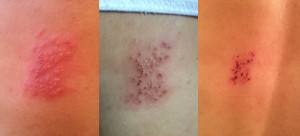
    Shingles on day 3, 6, and 11
    Shingles on day 3, 6, and 11

    I had chicken pox when I was 8 years old. This was before there was a vaccine for varicella zoster, the virus that causes chicken pox. When I was growing up everyone got the virus and it made you feel like crap and gave you sores all over (most people wound up with at least a few scars) and then you got better. In fact, when the vaccine was introduced in 1995 many people thought it wasn’t necessary because the disease was relatively mild. The 10,000 people hospitalized each year in the US because of complications and 100 people who died every year probably didn’t agree.

    And you know what? I don’t agree either. Varicella or Herpes zoster is a tricky virus that goes latent in nerve cells, much like its cousin Herpes simplex virus. Basically this means that when you recover from your infection, some virus hides out, waiting for your immune system to get weak from stress, old age, other infections, or whatever and then it attacks again! I don’t know what triggered it in my case, but a few days ago I got shingles. Shingles is a yucky, sometimes terribly painful, outbreak of the same virus that causes chicken pox. This time I didn’t get a fever and sores all over, just a cluster of sores along one of the nerves on my back. The scary thing about this, though, is that I am infectious. I could actually give chicken pox to someone who hasn’t had a chance to be vaccinated (a newborn baby for example), a pregnant woman, or anyone who is immunocompromised for some other reason like HIV disease or because they’ve had a transplant.

    I could also give chicken pox to people whose parents chose not to vaccinate them. These could be children or adults. Unfortunately, they didn’t get a chance to decide whether they wanted to get a life threatening illness because their parents thought it would be “healthier” than getting a vaccine. They also won’t get to choose when they get shingles, and will put other completely helpless populations at risk when they get infected.

    Some anti-vaccine people perpetuate the myth that being infected and recovering from a natural infection provides better immunity than getting a vaccine. This is simply not true. Viruses have evolved sly ways of manipulating our immune system, and often the immunity you develop from natural infections will not protect you very well from being reinfected or from the reactivation of latent viruses.

    You know, if I had been born a decade later, I would have been able to get the chicken pox vaccine and I wouldn’t have this icky rash on my back. If I were older, my doctor would have recommended the shingles vaccine for me.  Unfortunately I am stuck in the middle and got sick, but you don’t have to.  Go get the varicella vaccine, and get your children vaccinated.

  • Creepy costumes: radioactive Madame Curie

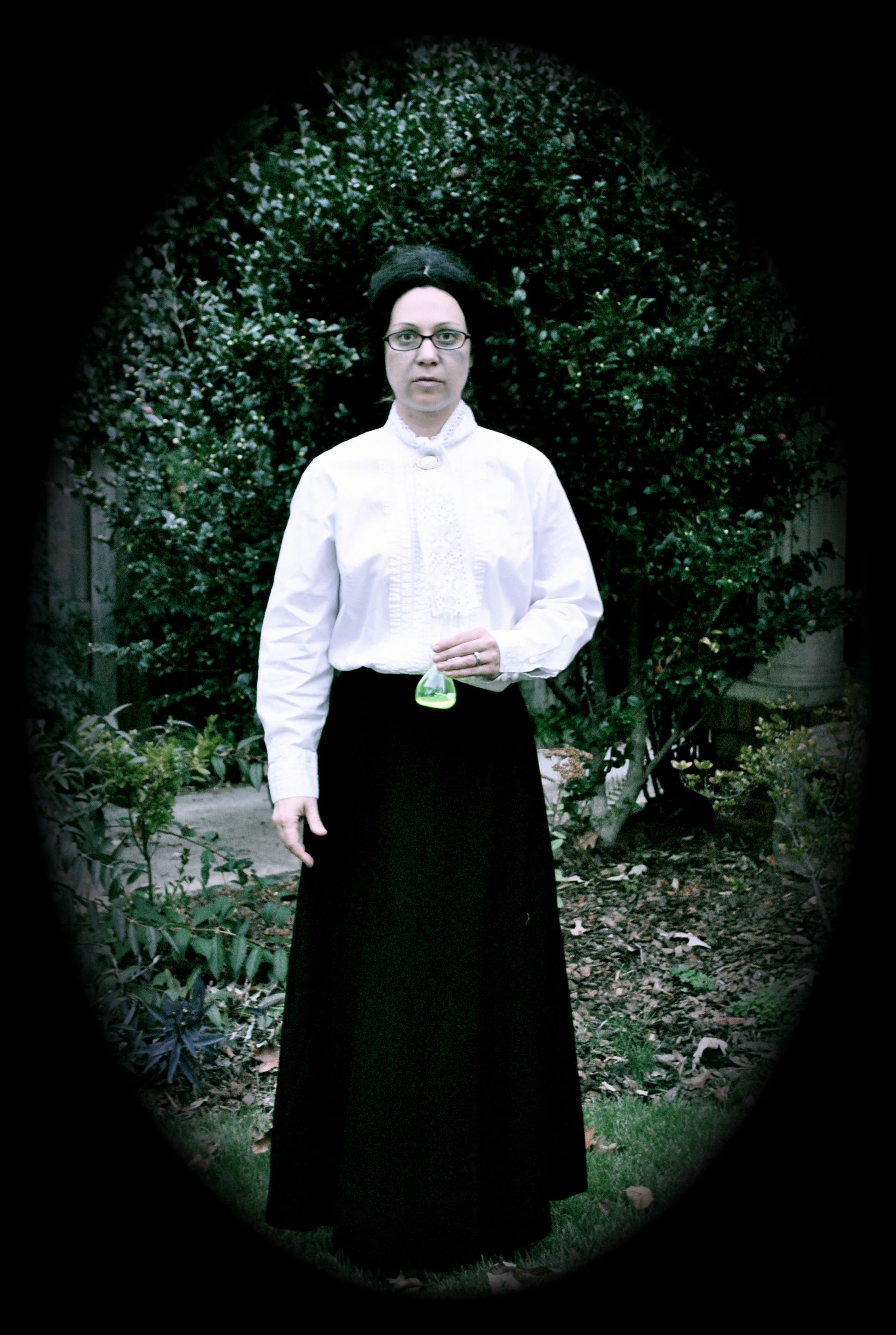
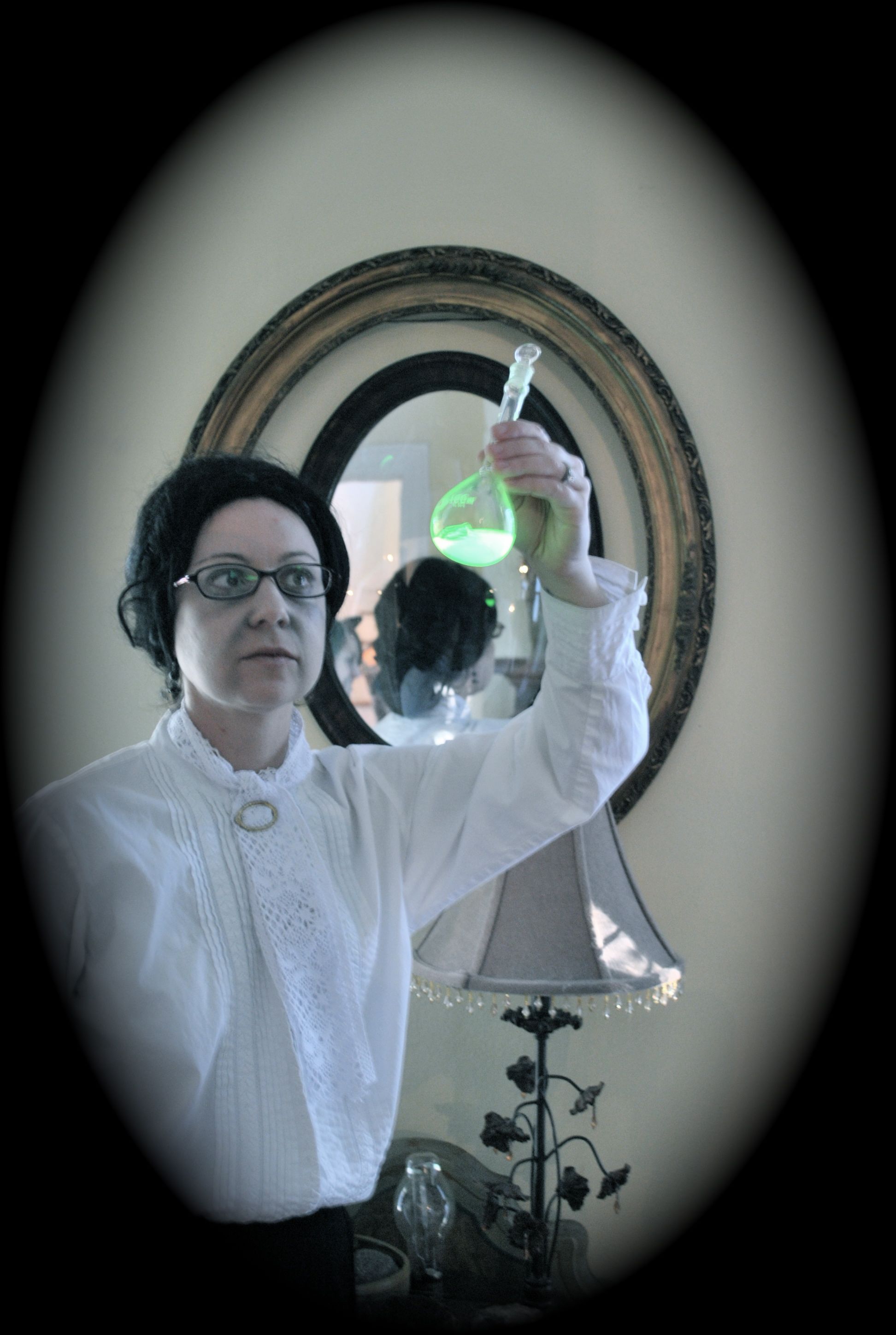
    This year for Halloween, why not celebrate Marie Curie, the first woman to win the Nobel Prize?  The good news (for you, not for her) is that she died a gruesome death as a result of exposure to the radioactive chemicals she studied so she makes for a spooky costume.  Even now, her lab notebooks are so radioactive that researchers that want to look at them have to wear lead aprons!  Madame Curie’s official cause of death was anemia, so a little yellow or gray makeup would be appropriate.  You can mimic radium by cutting open an activated glow stick and pouring it in a test tube or flask (she used to like to carry her chemicals around in her pocket).  I found a Victorian-era skirt at a vintage clothing store, but any dowdy dress will do….creepy AND geeky! Happy Halloween!!!

  • The movie “Contagion” is so realistic it’s boring

    I have been looking forward to seeing the movie Contagion since it came out last year and I finally got to see it last night. I am a big fan of outbreak/apocalypse/zombie-type movies and, since I’m an immunologist, I thought this would be right up my alley. Boy, was I wrong. The problem with the movie wasn’t with the premise (a new flu-like virus makes the jump from an animal reservoir to humans and starts spreading rapidly), the casting (Gwyneth Paltrow, Matt Damon, Jude Law, Kate Winslet, Laurence Fishburne), or the science (mostly spot on). The problem was that the movie was way too realistic.

    Hmmm, let’s see, we’ve got politicians and public health officials trying to keep the public from freaking out, a corrupt blogger/homeopathic proponent trying to get people to take an herbal remedy to recover from the virus (while he’s invested in the company that makes it), a protective father/widower (Matt Damon better watch out or he’s going to be typecast soon!), mass riots and looting, a dedicated scientist who makes a vaccine in no time, and the ultimate recovery of the country and the economy.

    Wait, huh? Where are the zombies? Where are the ghost towns? Where’s the blood oozing from eyeballs? This is just like what would happen in real-life if a virus wiped out 1% of the population of the Earth. People would be scared. People would lose loved ones. People would get sick and recover and then we’d move on. I don’t need a movie for this! There are way more dramatic things happening in the world right now! I think some character development could have saved the movie, but there were so many story lines going on at the same time it was impossible to get invested in any one character and the story lines never really converged.

    SCIENCE CRITIQUE: the screenwriters of contagion mostly did a good job with getting the science right and the set designers made things look pretty good. Only a few things stuck out. In one scene they were rotating a ribbon diagram of what was supposed to be the virus and its human receptor and they were describing four proteins, but it only looked like there were two on the screen.  It also didn’t make a lot of sense that Kate Winslet’s character, a CDC EIS officer, was explaining basic epidemiology to a group of state health department officials (don’t they have degrees in public health?). But the labs looked good and the CDC really looked like the CDC (although I’ve never been in a BSL4 lab).

    The bottom line: see the movie if you want a preview of what the next terrible outbreak will be like, but stay away if you’re looking for zombies …

  • Whale Fall

    Normally, the term “dead whale” reminds me of long, tedious hours slogging through Moby Dick or sad images of beached or slaughtered animals, but a “whale fall” is a whole ‘nother beast.

    When dead whales fall to the bottom of the deep sea, their bodies become food for some of the creepiest creatures out there. Normally there’s not a lot to eat down where the sun don’t shine, but whales are a mess of meaty goodness. And where there’s meat, there’s scavengers.

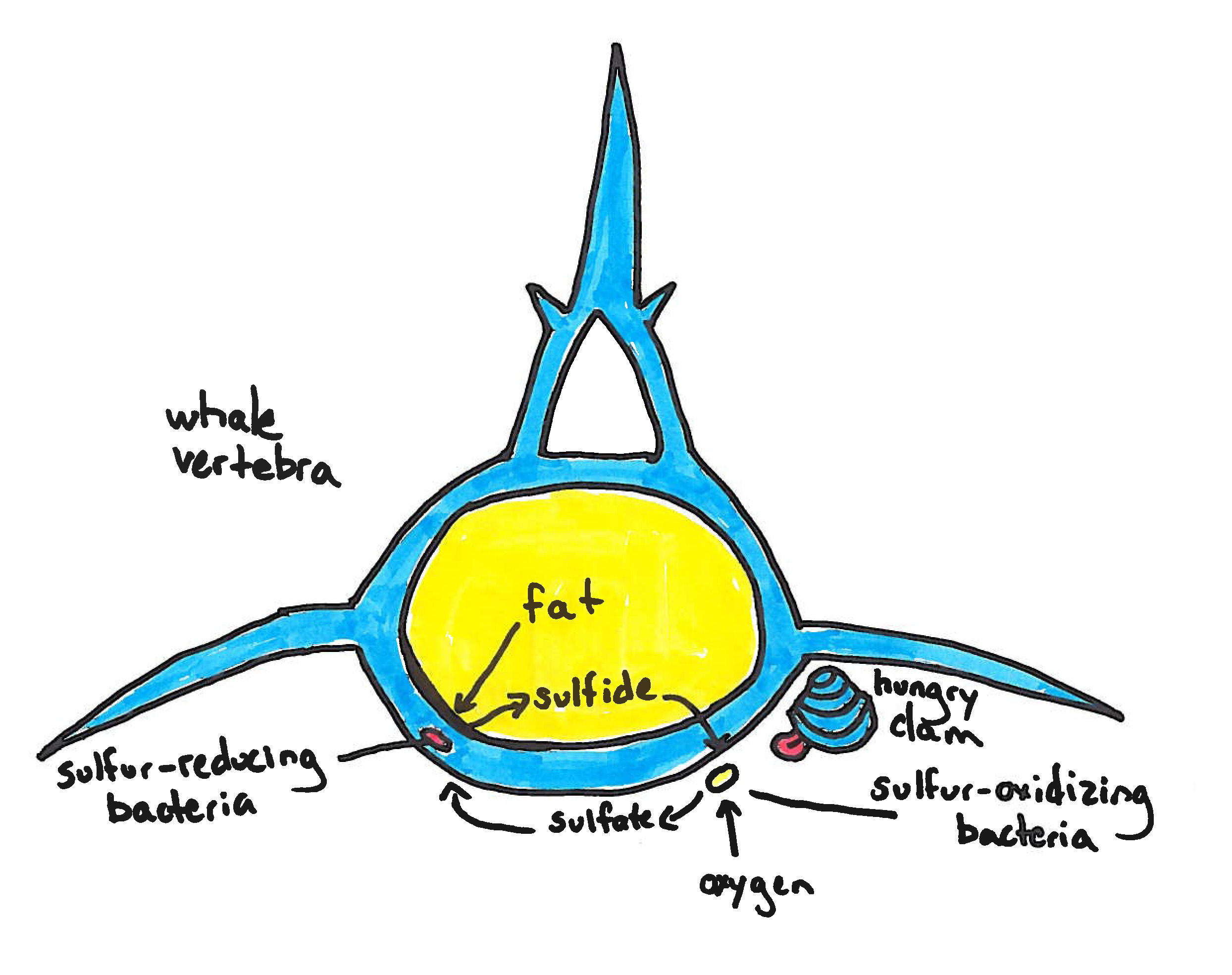
    During the first stage of the whale fall scavengers like hagfish and sleeper sharks chew all the meat off the bones of the whale and poop all over the place. That poop makes good food for things like clams and mussels, who hang around during what is called the “enrichment opportunist stage”. But the weirdest and most awesome stage of the whale fall succession comes next, the “sulfophilic” stage. Yep, you read that right, these critters love sulfur the way an anglophile loves Downton Abbey. And they don’t just love sulfur, they breathe it like oxygen. Sulfate-reducing bacteria eat the fat that is left in the whalebones and breathe sulfate, turning it into hydrogen sulfide in the process. Then sulfur-oxidizing bacteria use the sulfide to make sugar, just like plants use sunlight to make sugar. And who eats that sugar? More clams.

    So you’ve got whales feeding bacteria feeding clams feeding bacteria, all at the bottom of the sea, which is normally a cold dark void. The whole process can take over 50 years; so one whale fall can sustain a lot of critters for a long time.

    Whale falls are really beautiful, too, and inspire some beautiful art. Here is a lovely stop-motion film depicting the life of a whale fall directed by Sharon Shattuck and Flora Lichtman.


    Whale Fall (after life of a whale) from Sharon Shattuck on Vimeo.

  • Celebrate DNA Day with a Chocolate Smoothie!

    Celebrate DNA Day with a Chocolate Smoothie!

    Happy DNA Day!!!!

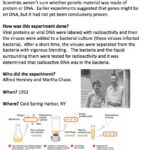
    So, it’s April 20th and you want to celebrate DNA day, but aren’t sure how?  What about making chocolate smoothies in honor of Alfred Hershey and Barbara Chase, the rockin’ scientists whose experiment finally convinced everybody that the information for your traits (i.e. genes) was contained in DNA rather than in protein, which was the other contender .  They made their discovery 60 years ago so now’s a good time to call them out.

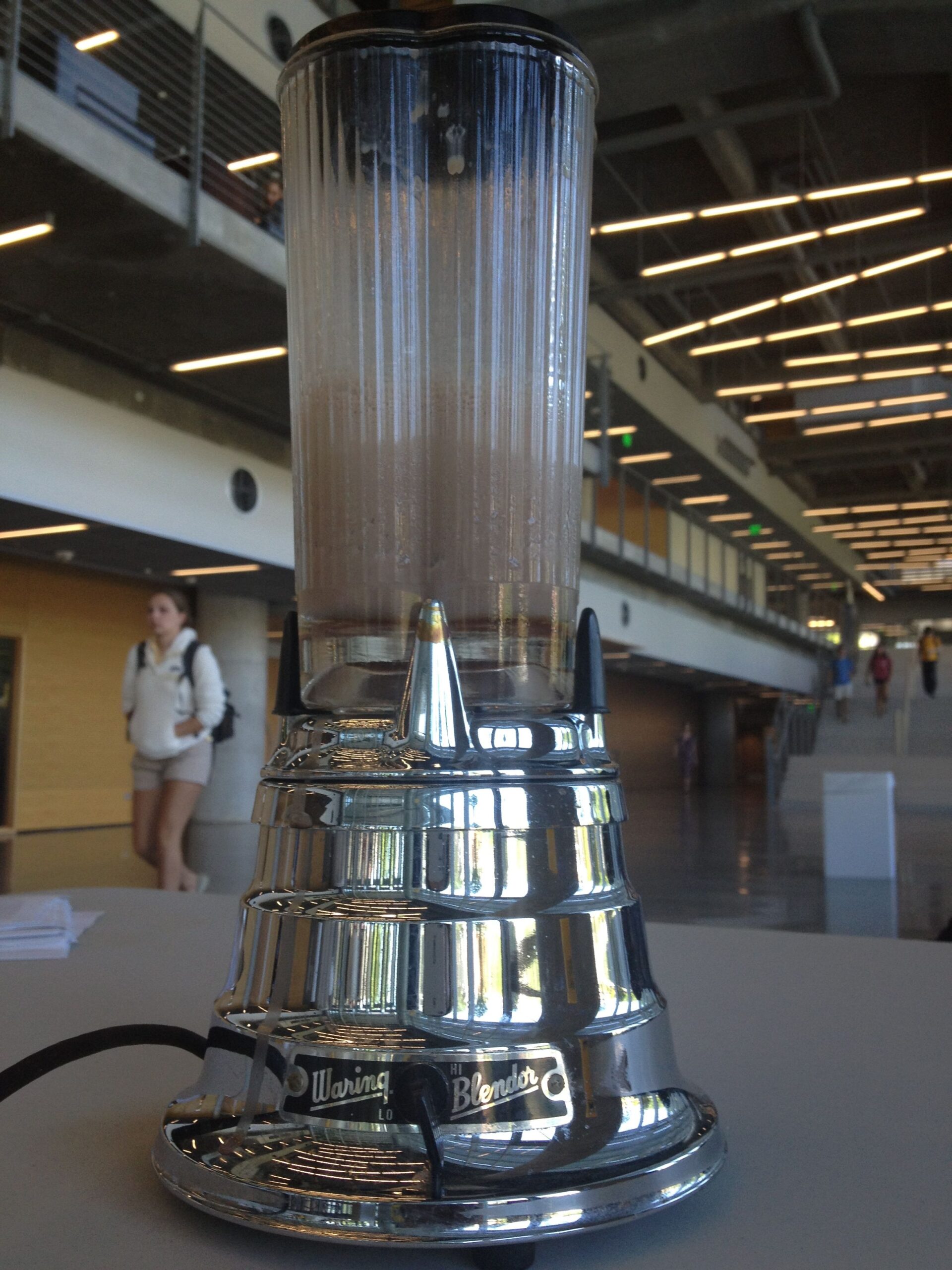
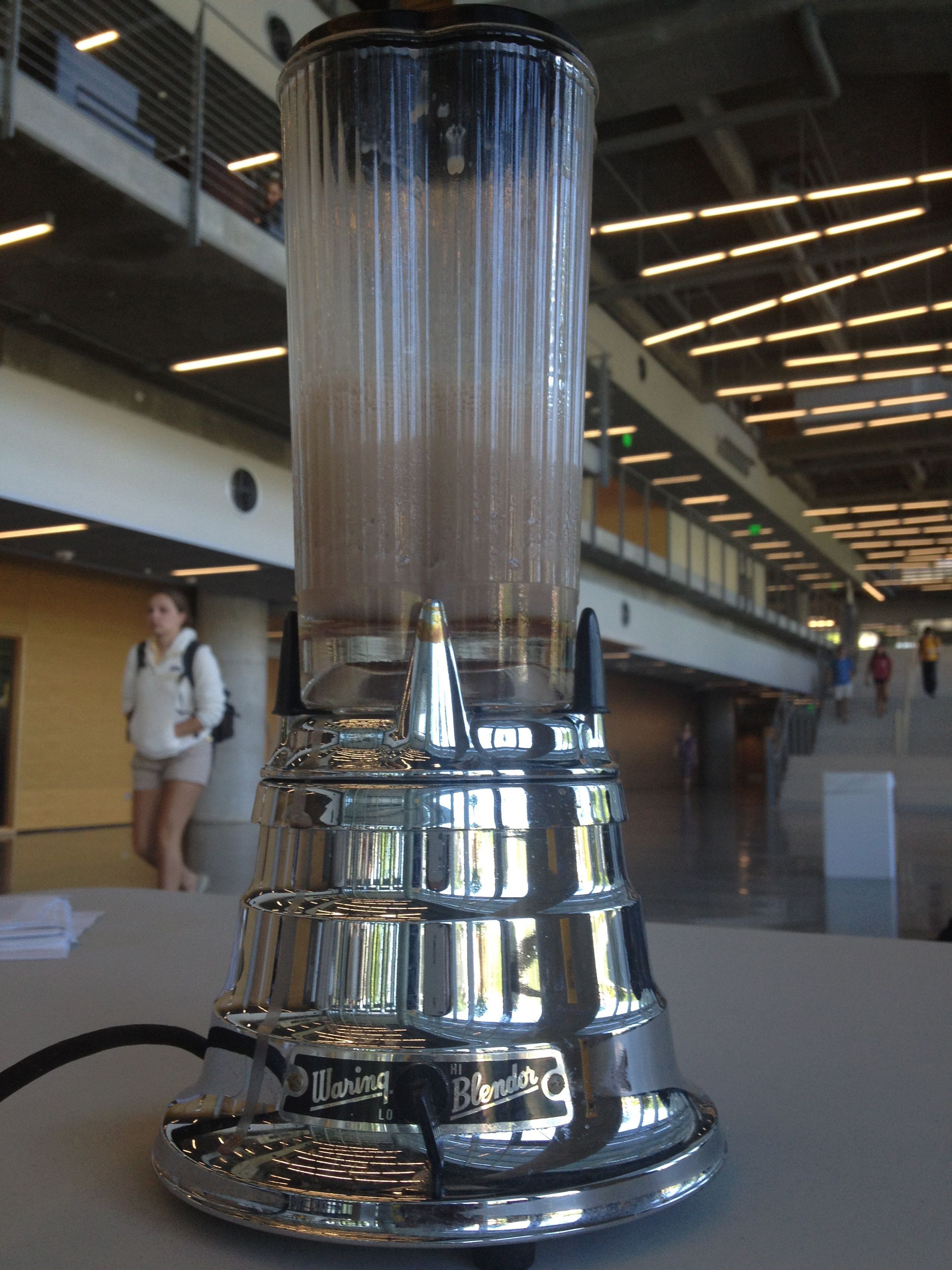
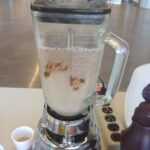
    Now, 1952 was a prosperous time in America and while folks were makin’ babies, watching TV and buying $0.20/gallon gasoline to fuel their big, beautiful cars, Hershey and Chase were hanging out on Long Island at the Cold Spring Harbor Laboratory, mixin’ up phage (bacteriophage) and E. coli.  Phage are viruses that infect bacteria and when they do that they bring genetic information along with them.  Hershey and Chase had the genius idea that if they labeled the different parts of the phage with radioactivity and then tracked which parts went INTO the bacteria, they could figure out what genes were made of.  So, they labeled the phage protein with radioactive sulfur or the phage DNA with radioactive phosphorous and added it to the bacteria for a little while.  Then they used a blender (like the vintage Waring blender pictured here) to knock off any parts of the phage stuck to the outside of the bacteria and, lo and behold, the radioactive DNA was inside the cells carrying the genes and the radioactive protein got knocked off of the cells and floated away.

    The results of the Hershey Chase experiment paved the way for the golden era of molecular biology and actually made people care about the big paper Watson and Crick put out the next year that proposed the structure of DNA.

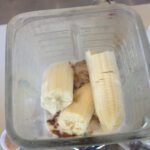
    So, HAPPY DNA DAY! Here’s how you can use YOUR blender to pay delicious tribute to these important scientists.

  • Cholera cookies, delicious or gross?

    Cholera cookies, delicious or gross?

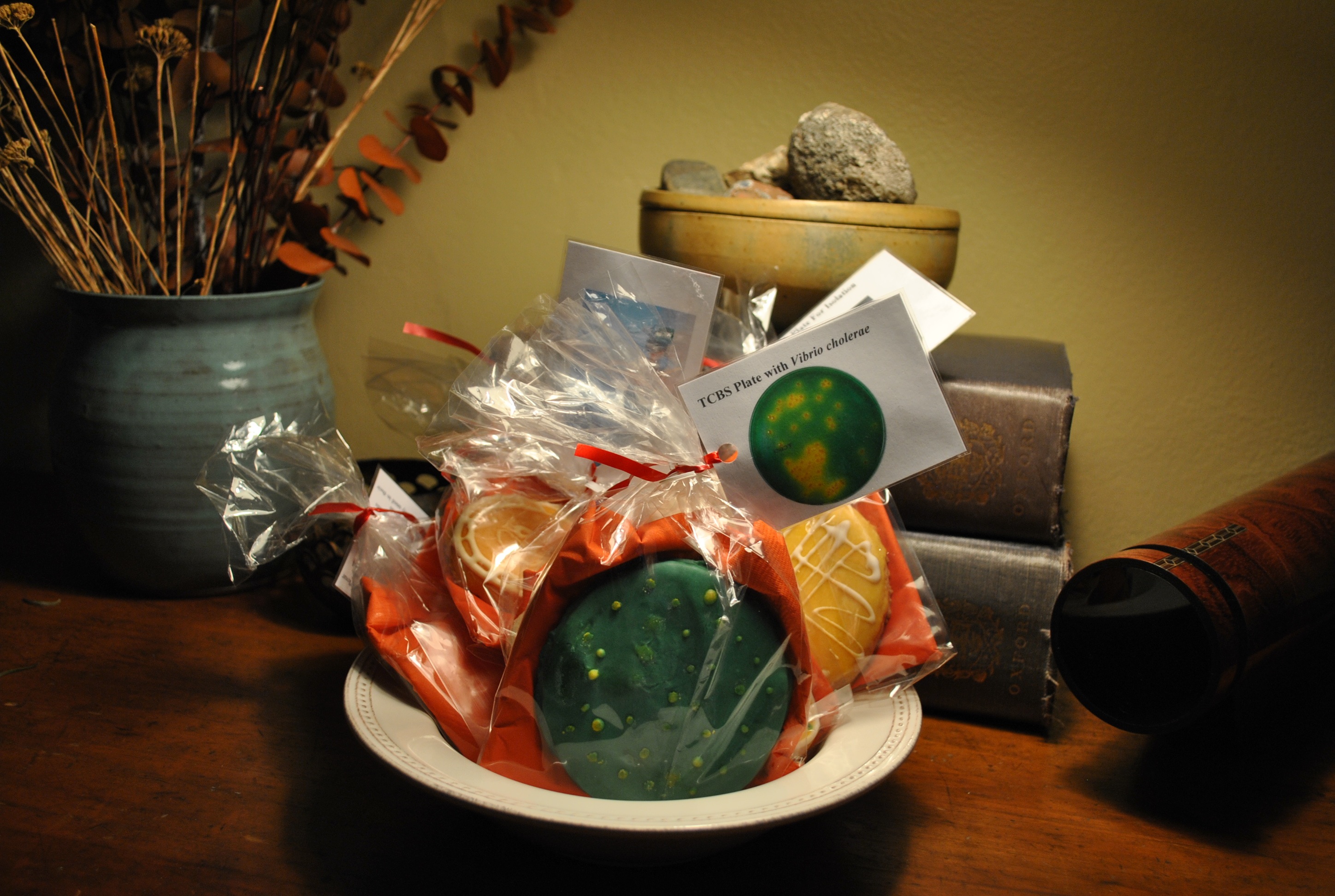
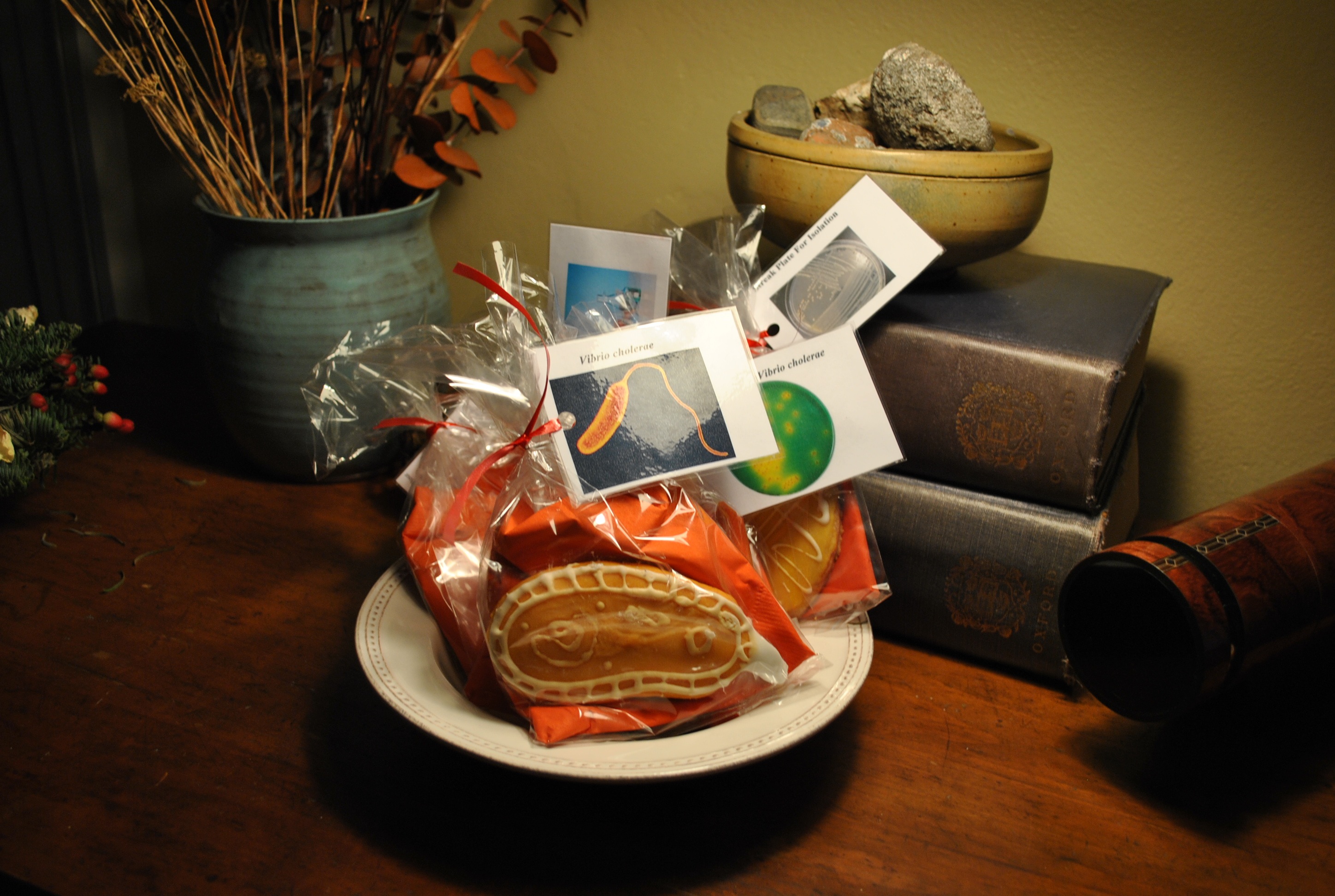
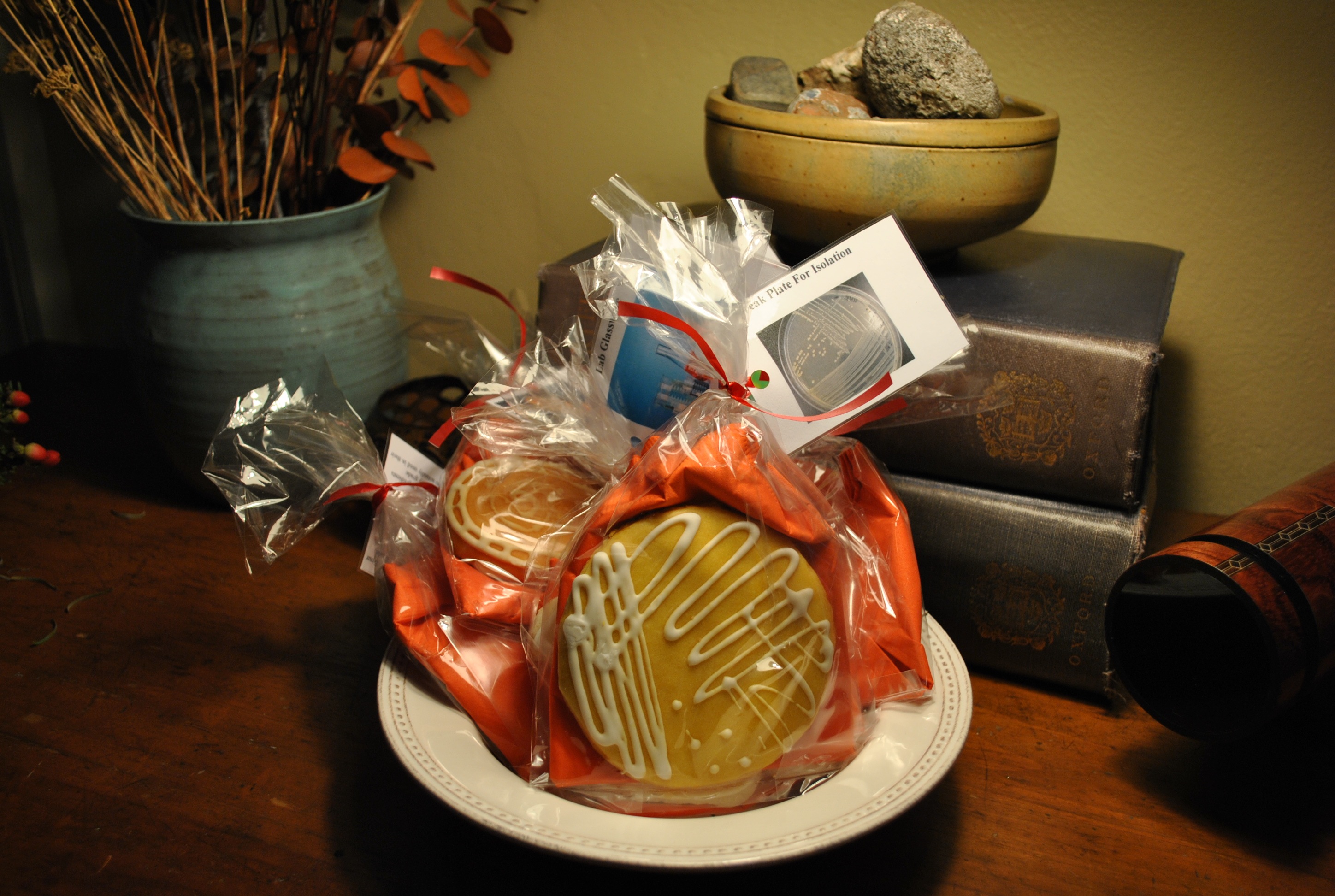
    TCBS is a selective medium for Vibrio cholerae, but this cookie didn't make me sick!


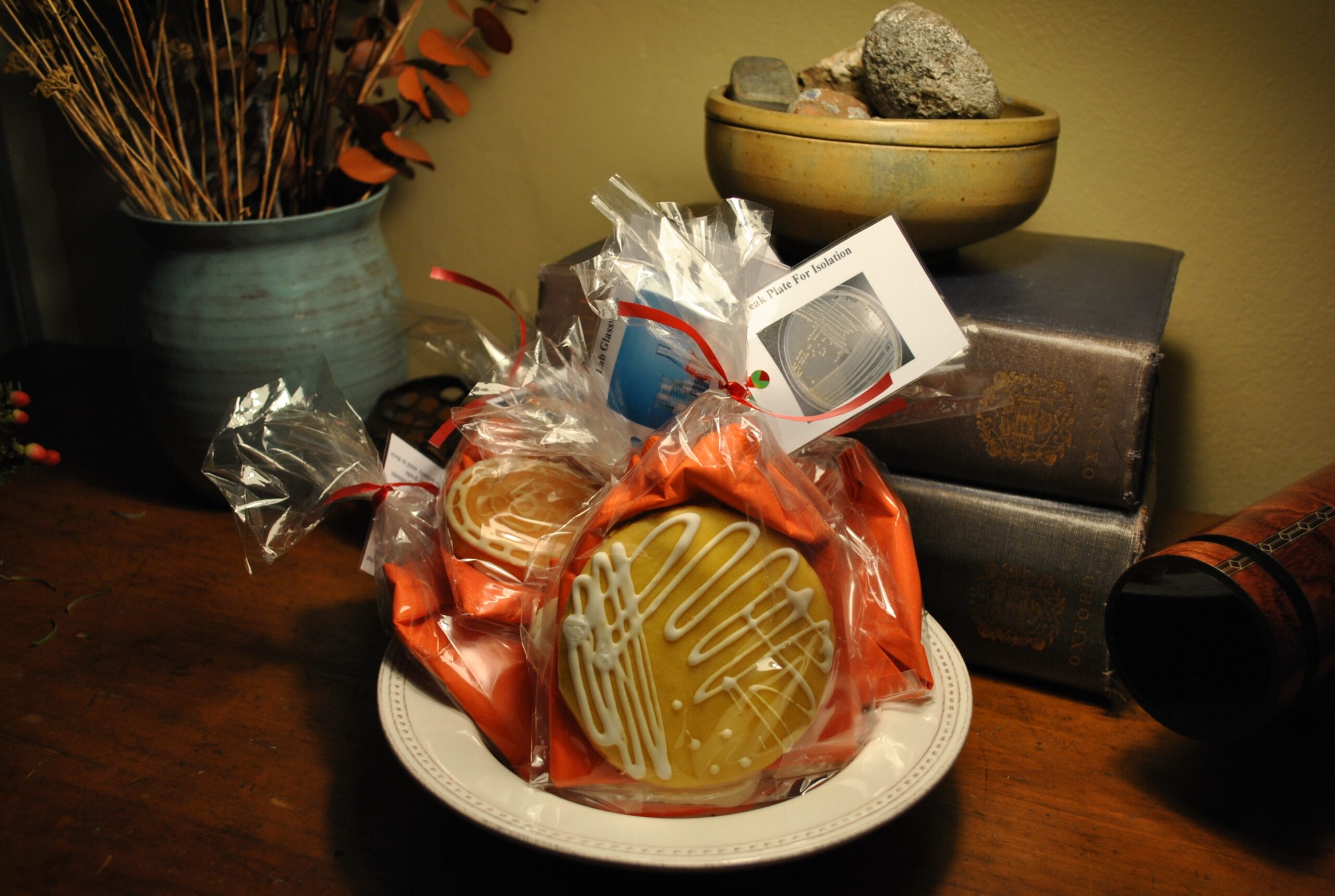
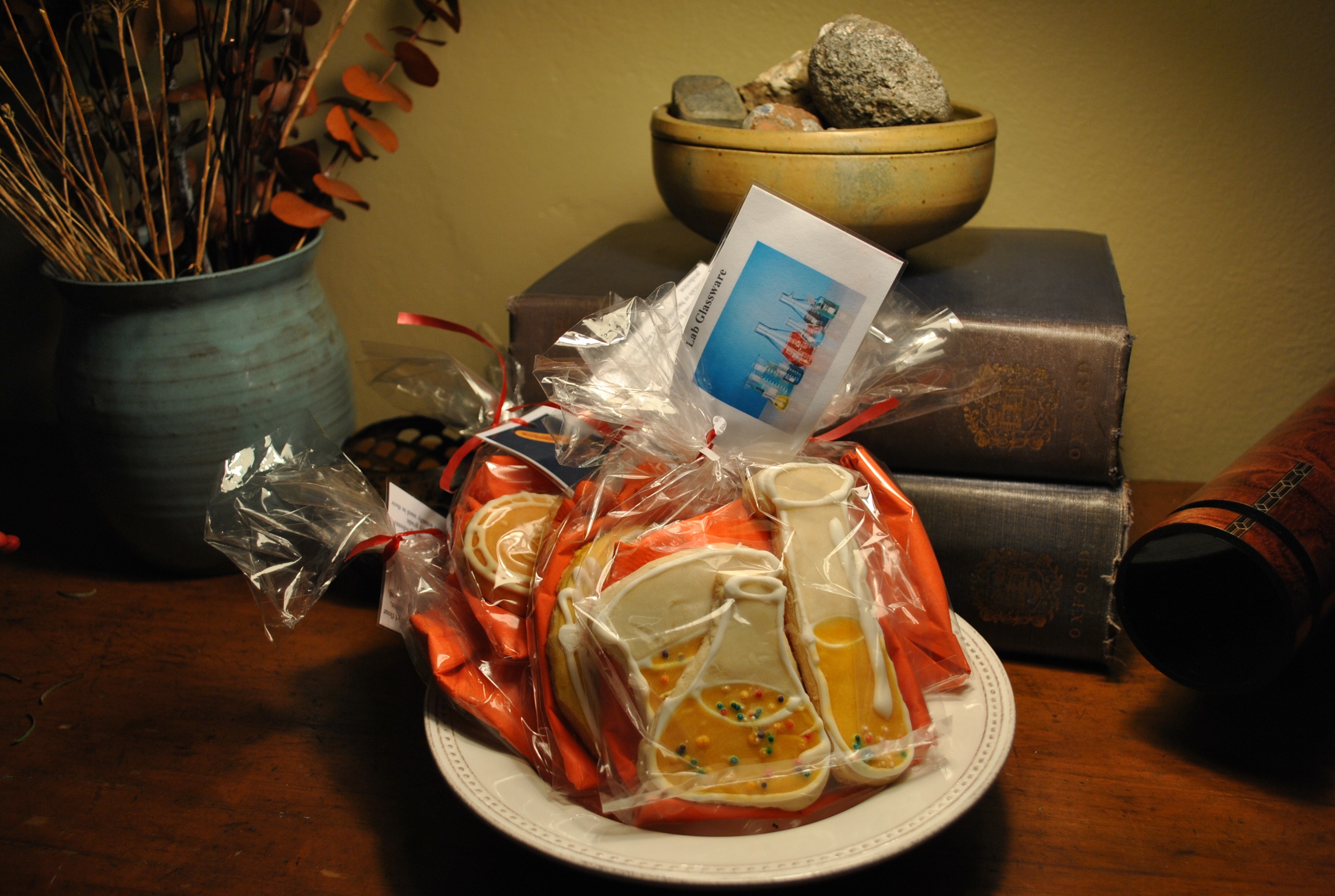
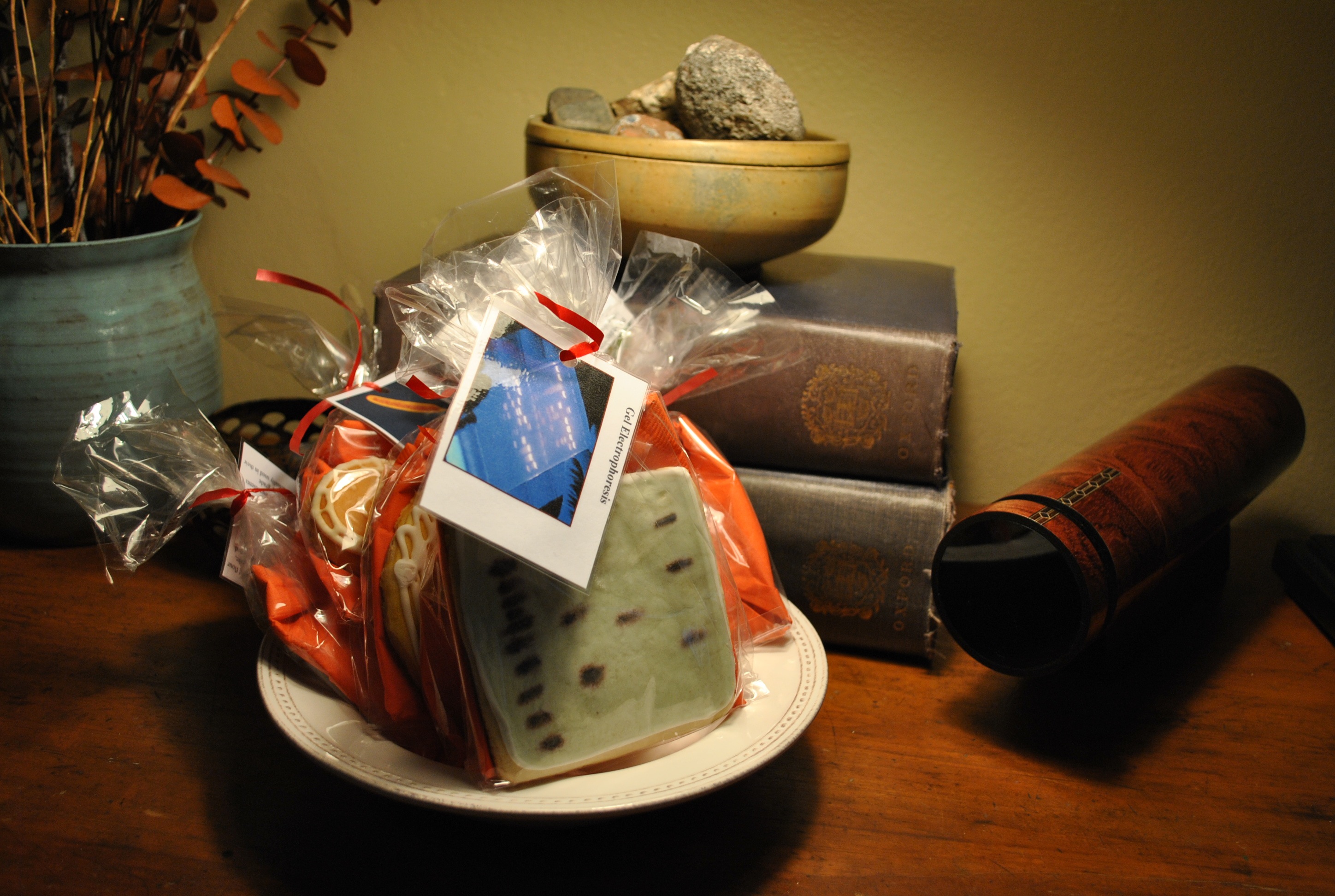
    Every December the Georgia Tech School of Biology has a holiday party with one of those never ending gift swaps.  Most of the presents are silly, and you never know if you are going to wind up taking home a ramen noodle cookbook or a puka shell necklace.  This year, every time I had a present I liked it was stolen and ulitmately I was left with the decision of whether to open the last unwrapped gift or make the game go on for another round.  I took the last gift, ending the game, and to my delight found it was filled with hilarious homemade science cookies!  Maria Nellessen, an Emory University biology major doing research in Dr. Brian Hammer’s lab at Georgia Tech made the cookies.  I recently asked her about herself and the cookies.  Read on to learn more about this budding microbiologist with a sweet tooth!

    A beaker, an erlenmeyer flask and a test tube. All edible!


    1) I understand that you go to Emory and are graduating this semester. What are you studying and what are you planning on doing after graduation?

    Yes, I am a senior biology major at Emory.  I have spent this year in Brian’s lab at Tech doing research in order to write and defend a thesis, ultimately graduating from Emory with honors.  I was initially planning on pursing a Ph.D. in Molecular Genetics immediately after graduation, however, I recently decided to act on my desire to obtain a medical education.  Part of the reason I found and fell in love with science is because of all its implications in medicine.  I truly want to make a contribution to the medical field using a strong scientific background.  Therefore, I am planning to enter a MD or a MD/PhD program in the fall of 2013.  In the meantime, I hope to find a job to keep me occupied (maybe I should add cookie making to my CV).

    This cookie looks like an agarose DNA gel. Hope there's no ethidium bromide in there!


    2) What inspired you to make decorated cookies depicting one of the most dangerous bacteria in the world, the causative agent of cholera? What about the other cookies? Could you describe the mice?

    To promote eating cholerae. Okay, not really.  Actually, I was in a grant writing course at Emory with a mix of both science and humanities students, and we were asked to give a creative presentation based on the project we were working on.  Since not everyone in the class was a biologist, or scientist for that matter, I was reminded of my first time learning about microbiology in my intro course and I distinctly remembered the proud feeling that came along with doing a streak plate for isolation.  To this day, I get that same proud feeling when I come into the lab the next day to see my plates with isolated colonies (success…I’m a scientist!).  I really wanted to share that feeling with my classmates, but I was limited by the fact that I couldn’t allow them to work with bacteria.  So I thought I would teach them the streak plate method and let them enjoy “results” through a cookie.

    I started getting practice making the streak plate cookies by making them for science related events (such as lab meetings and for my microbiology students).  I really didn’t want to go out and buy anything for the Christmas party (because I’m a poor college student), so I decided to make some science cookies, even branching out to new designs in efforts to brighten a fellow science nerd’s day.  Choosing to do a TCBS plate with Vibrio cholerae was easy because I work with V. cholerae in the lab and we use this green media (called TCBS) that causes V. cholerae to turn a bright yellow on the plate.  In a way, V. cholerae is actually quite pretty on the plate and I wanted to represent that in a cookie.  The other designs were just me thinking of other scientific designs I could do, as well as searching the internet for other ideas.  Sure enough, other people also make science cookies  I got a lot of inspiration from Not So Humble Pie (she makes streak plate cookies too!).  While I don’t research on mice, I thought they were cute, so I gave them a try.

    Uh oh, looks like one of those mutations is lethal!


    3) How did you make the cookies? Do you have any tips for the novice baker?

    For the record, I do not in any way consider myself a baker.  I don’t even have the tools that most bakers have, which would actually make decorating these cookies a whole lot easier.  I’m not going to pretend I have a secret recipe (let’s be honest here…I’m in college!).  For the cookie, I just follow the roll-out cookie recipe on a sugar cookie mix (I prefer Krusteaz) and use a cup to cut out the circle shape. Since I only made a few of the other designs, I just cut them out with a knife.  Then I throw together a powder-sugar based frosting to decorate my cookies.  I know….no big secret, right?  Anyone can make and decorate cookies.  Each time I make them, I may modify something to perfect my “recipe,” but getting the signature cookie takes time and practice.  The good thing is that your mess-ups are usually still edible and delicious!

    It must be hard to make a cookie flagellum.


    4) Have you ever made any other strangely decorated cookies or do you have plans to?

    My busy lifestyle rarely leaves time for me to bake for fun, but sometimes I’ll come across something (usually science-related) and think to myself “that’d be a cute cookie.”  I honestly have thought about perfecting recipes and publishing them along with information/instructions as I often do when I make my streak plate cookies for students.  When I made a batch of cookies for the Christmas party, I attempted to make a V. cholerae bacterium but it ultimately looked like some kind of squash.
    I’m sure my future medical education will provide me with plenty of opportunities to make all sorts of weird (and probably disturbing to most people) cookies.  I’d love to try to create a complete skeleton, where each bone is a cookie.
    Perfect technique!


    – So, it turns out making weird cookies is not as hard as I thought.  Maybe I’ll make some T cell cookies this weekend!