Author: Julia Raver

  • A Future of Painless Tattoos

    Introduction: A Breakthrough in Tattooing

    In a groundbreaking scientific advancement, researchers at the Georgia Tech have introduced painless and bloodless tattoos using microneedle patch technology. This innovative approach aims to make medical tattoos more accessible and create new possibilities for cosmetic tattoos, all while eliminating the pain associated with traditional tattooing methods.

    Microneedle Technology (Prausnitz et al., 2023)

    Microneedle Patch Tattoos

    Traditional tattoos involve large needles and painful, time-consuming processes. The Georgia Tech team has redefined tattooing with microneedles smaller than a grain of sand, made of tattoo ink encased in a dissolvable matrix. These microneedles are designed to efficiently deposit ink in the skin, eliminating the need for repeated punctures and offering a painless tattooing experience.

    Tattooing Technique

    Microneedle patch tattoos employ a unique technique, imprinting designs using microneedles arranged in specific patterns. Acting like pixels, each microneedle contributes to creating intricate tattoo images. The process involves applying a patch containing tattoo ink-filled microneedles to the skin for a few minutes, after which the microneedles dissolve, leaving the ink embedded in the skin without bleeding.

    From Medicine to Cosmetics

    Medical Tattoos

    Microneedle patch tattoos have diverse applications in the medical field, from covering scars and guiding radiation treatments to serving as medical alerts for conditions like diabetes and epilepsy. The technology not only improves accessibility to medical tattoos but also offers a potential avenue for physiological monitoring and encoding complex health information.

    Pain-Free Aesthetics

    The painless nature of microneedle patch tattoos opens new doors for cosmetic applications. Beyond medical use, these tattoos can be self-administered for cosmetic purposes, providing an easy and painless alternative to traditional tattooing. The technology even includes privacy features, such as tattoos visible only under ultraviolet light, enhancing personal choices.

    A Painless Tattoo Revolution

    Long-lasting and Permanent

    Research indicates that microneedle patch tattoos can last for at least a year, offering a permanent option for those seeking aesthetic tattoos without the associated risks. The technology provides a canvas for creativity while minimizing infection risks and discomfort.

    Encoded Information and Animal Identification

    Microneedle patch tattoos aren’t limited to humans; they can be used to encode information in the skin of animals, offering a painless and discreet alternative to traditional identification methods. This development has implications for sterilization status indications in pets and could revolutionize how we care for our animal companions.

    Conclusion

    The science behind microneedle patch tattoos represents a fusion of technology and creativity, offering painless and accessible alternatives for medical and cosmetic purposes. While respecting the artistry of traditional tattoos, this scientific innovation opens new opportunities for patients, pets, and individuals seeking a pain-free tattooing experience.

    References

    Georgia Institute of Technology. (2022, September 14). Researchers develop painless tattoos that can be self-administered. ScienceDaily. https://www.sciencedaily.com/releases/2022/09/220914141006.htm

    Li, S., Kim, Y., Lee, J. W., & Prausnitz, M. R. (2022). Microneedle Patch tattoos. iScience, 25(10), 105014. https://doi.org/10.1016/j.isci.2022.105014

  • AI’s Attempt at New Yorker Cartoons

    Artificial Intelligence (AI) has made remarkable strides in generating jokes, but the burning question remains: Can AI truly comprehend humor? In this exploration, we delve into the scientific challenges posed to AI models through tasks derived from the New Yorker Cartoon Caption Contest, aiming to uncover the depth of AI’s understanding of humor.

    The Experiment: Testing AI’s Wit

    Task 1: Matching Jokes to Cartoons

    The first challenge involved matching jokes to cartoons, a task requiring a grasp of the intricate relationships between visual elements and textual humor. The study included both multimodal models, which directly analyzed cartoon images, and language-only models, which relied on descriptions of visual scenes to simulate human-level visual understanding.

    Task 2: Identifying Winning Captions

    The second task tasked AI models and human participants with identifying winning captions from a pool of entries. Humans consistently outperformed AI across these tasks.

    Task 3: Explaining the Humor

    The pinnacle of the experiment was explaining why a winning caption was funny. Here, they explored the depth of understanding required to decipher the often indirect and playful allusions to human experience and culture present in New Yorker cartoons.

    Results: AI’s Struggle with the Punchline

    Findings revealed that both multimodal and language-only models struggled across all three tasks. Even the best multimodal models lagged 30 accuracy points behind human performance in matching jokes to cartoons. Moreover, when provided with ground-truth visual scene descriptors, human-authored explanations consistently outshone the best machine-authored ones, showcasing the existing gap in humor comprehension.

    Implications and Future Possibilities: The Role of AI in Humor Creation

    While machines may not fully “understand” humor, they display impressive capabilities. The question of true understanding remains debatable, but AI’s proficiency in these tasks is undeniable. The study opens doors to the potential use of AI as a collaborative tool for humorists, offering a fresh perspective on ideation and creativity in the realm of humor.

    References

    Cornell University. (2023, July 31). That’s funny — but AI models don’t get the joke. ScienceDaily. https://www.sciencedaily.com/releases/2023/07/230731122233.htm

    Hessel, J., Marasovic, A., Hwang, J. D., Lee, L., Da, J., Zellers, R., Mankoff, R., & Choi, Y. (2023). Do androids laugh at Electric Sheep? humor “understanding” benchmarks from the New Yorker Caption Contest. Proceedings of the 61st Annual Meeting of the Association for Computational Linguistics (Volume 1: Long Papers). https://doi.org/10.18653/v1/2023.acl-long.41

  • The Mechanics of Oreo Twisting

    Oreo cookies, beloved for their delicious combination of creamy filling and wafer layers, have become the subject of a scientific study exploring the mechanical mysteries behind their unique properties. Researchers at MIT have delved into the science of Oreo cookies, investigating the distribution of their creamy center, the torque required to twist them open, and the fascinating behavior of the cream under stress.

    Torque Measurements and Cream Texture

    The researchers measured the torque needed to twist open an Oreo, revealing similarities to turning a doorknob and only a fraction of the force required to open a bottle cap. The cream’s failure stress, the force per area needed to deform it, was found to be twice that of cream cheese and peanut butter, resembling the stress magnitude of mozzarella cheese. The cream’s texture was classified as “mushy.” Adding milk into the equation revealed another layer of scientific wonder. Dunking Oreos in milk resulted in a decline in the elastic modulus of the wafer due to swelling. 

    Cream Distribution Mystery

    Despite variations in filling levels and flavors, the study found that the cream tends to separate onto one wafer rather than evenly between both. The researchers mapped this distribution and observed a tendency for the cream to stick to the inward-facing wafer, suggesting a post-manufacturing environmental effect.

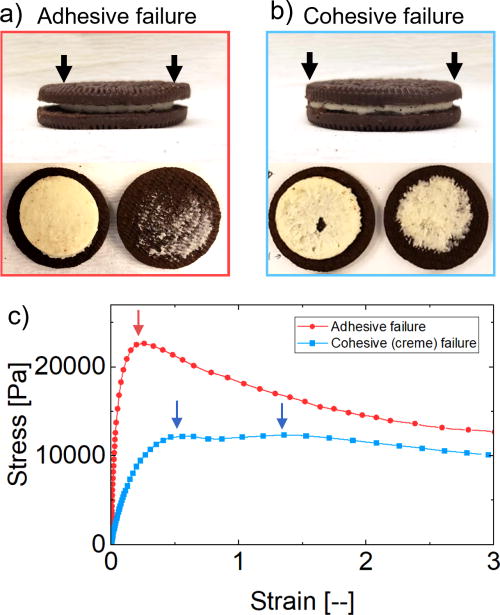
    FIG. 7. (a) While most creme layers failed adhesively in boxes of new cookies, (b) cookies exposed to adverse conditions may cause creme to spread from its initial manufactured state, and then cohesive failure was typical for most cookies in the box. These visual signs of changing creme fill levels (indicated by the black arrows in (a) and (b) are typical but not deterministic predictors of failure mode. (c) Failure tests also distinguished between cases in the computed stress–strain curves resulting from the measured torque as a function of imposed rotation angle. There was a single peak stress for adhesive failure, which occurs as a single delamination step, and two or more maxima in stress for cohesively failing creme layers due to the more complex dynamics of cohesive failure propagation along nonplanar surfaces. Cohesive failure was also typically observed to result in a higher failure strain and lower failure stress, as shown here.

    Manufacturing Process Influence

    Videos of the manufacturing process revealed that a slight time delay in placing the cream between wafers may contribute to better adhesion to the first wafer, influencing the subsequent distribution during twisting.

    FIG. 1. (a) What happens when you twist an Oreo? (b) Eventually it splits into two parts, exposing the creme. (c) and (d) We observed that in a typical failure profile for Oreos from newly opened boxes, the creme most often tends to remain on one side, “wafer 1,” with a consistent orientation per box. In this case, wafer 1 faces to the left side of the upright box for a standard size package of regular Oreos. The creme occasionally splits between sides, often due to defects or small fractures in one or both wafers. (e) This is consistent for cookies with different creme levels, with a strong bias toward wafers facing one side of the box rather than the other, facing left for regular, right for double, and up for mega (where rows are oriented vertically rather than horizontally) in standard size packages.

    The Oreometer

    To make the study accessible and interactive, the researchers even designed a 3D-printable device called the “Oreometer,” allowing precise control over the twisting force applied to an Oreo. This device can be used for tabletop experiments and provides an opportunity for hands-on exploration of Oreo mechanics.

    A 3D printed Oreometer is used to perturb cookies with scientific precision by applying a known and controlled torque. (a) In this device, (1) the cookie is mounted first into one half and then (2) the second half of the rubber band-powered clamps, which are then (3) placed into the vertical assembly mount. (4) “Penny castles” are mounted on the wings, and coins are successively loaded to one side to apply controlled torque until (5) the creme yields. (b) Results replicate values measured by the laboratory rheometer. (c) Photographs demonstrate the same tool, also including the rubber bands in two different arrangements designed to apply different levels of gripping strength in the clamps.

    Confectionary Insights

    The study not only provides a scientific investigation into the mechanics of Oreos but also opens possibilities for further exploration into the design of food materials. The researchers suggest that adding texture to Oreo wafers might enhance cream adhesion, leading to a more even split when twisted open.

    In conclusion, Oreos offer more than just a delightful treat—they serve as a fascinating canvas for exploring the intricate science behind food materials and rheology.

    References

    Massachusetts Institute of Technology. (2022, April 19). Engineers introduce the Oreometer. ScienceDaily. https://www.sciencedaily.com/releases/2022/04/220419124037.htm

    Owens, C. E., Fan, M. R., Hart, A. J., & McKinley, G. H. (2022). On Oreology, the fracture and flow of “milk’s favorite Cookie®.” Physics of Fluids, 34(4). https://doi.org/10.1063/5.0085362

  • Secrets of Animal Immortality


    Senescence and Telomeres

    Biological aging, scientifically known as senescence, involves changes in an organism’s biology after maturity. Telomeres, repetitive DNA sequences at chromosome ends, play a crucial role in preventing DNA damage during cell division (Urdaneta, 2023). Imagine them as protective caps at the end of our chromosomes.


    Our cells start with a healthy supply of telomeres, but each year we lose around 31 of them due to cell duplications. This loss limits the number of times cells can divide, impacting tissue repair and contributing to the aging process. Interestingly, animals with longer telomeres tend to enjoy longer lifespans (Urdaneta, 2023).


    Lobsters

    Lobsters, those crustacean wonders of the ocean, possess a remarkable ability to regenerate even in their old age. Lobsters owe their longevity to the presence of telomerase enzymes scattered throughout their organs. Telomerase helps maintain the conditions of youthful cells for an extended period, showcasing nature’s ingenuity in the battle against aging (Joseph, 2013).

    Hydras

    Enter the hydra, a mesmerizing eukaryotic organism that breaks all the rules of biological aging. Hydras continually divide on a cellular level, effectively “editing” flaws in their DNA during the replication process. What sets them apart is their ability to produce and maintain telomeres, rendering them biologically immortal. The hydra challenges our understanding of senescence, offering insights into potential pathways for extending lifespan (Joseph, 2013).

    Hydra (genus) - Wikipedia

    Jellyfish

    The immortal jellyfish, scientifically known as Turritopsis dohrnii, dances through the ocean with a unique strategy for perpetual life. When faced with threats, disease, or aging, this petite creature undergoes transdifferentiation. It transforms into an earlier life stage, the polyp stage, essentially hitting the reset button on its life cycle. This process not only rejuvenates the jellyfish but also allows it to clone itself, perpetuating its genetic code in an awe-inspiring display of biological immortality (Joseph, 2013).

    Telomeres: A Summary

    In the intricate dance of life, telomeres emerge as central players, orchestrating the rhythm of aging and regeneration. From lobsters’ telomerase-powered longevity to hydras’ defiance of senescence and jellyfish’s transdifferentiation ballet, animals present a captivating narrative in the exploration of cellular immortality. These creatures beckon scientists to unravel the mysteries of telomeres, hinting at potential breakthroughs in understanding and potentially manipulating the aging process.


    References

    Joseph, A. (2013). Senescence, cancer, and immortality. Young Scientists Journal, 6(13), 9. https://doi.org/10.4103/0974-6102.107611

    Urdaneta, I. (2023, July 28). The “biological immortality” in certain animal species. Resonance Science Foundation – Explore the Connected Universe. https://www.resonancescience.org/blog/the-biological-immortality-in-certain-species

  • A SAM-e Self-Experiment

    The SAM-e Supplement: say goodbye to depression? TBD.

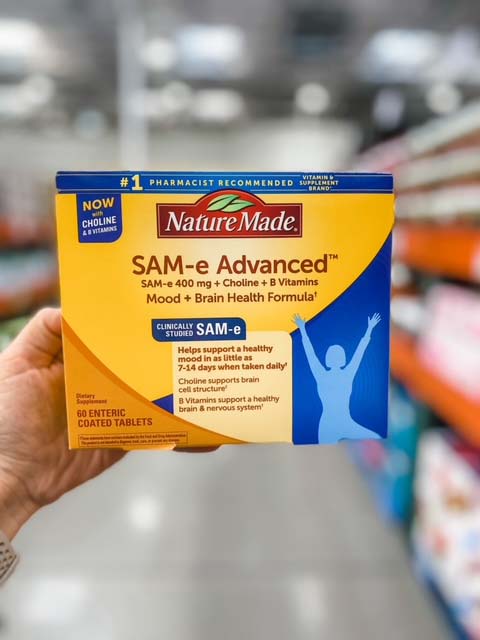
    One year ago, as I was browsing the supplement aisle of Costco, a woman approached beside me. She started to fill her cart with boxes of SAM-e Complete. I was clearly contemplating whether or not to purchase some myself because she turned to me and told me that her daughter’s mood and mental health improved drastically after taking it. She couldn’t recommend it enough. Being easily swayed by others’ suggestions, I threw a couple in my cart. I took 400mg of SAM-e for 120 days — every morning before breakfast. It was with me through some of the darkest times of the semester, but looking back, I wouldn’t say it made much of difference (other than to my wallet). It might not have worked for me, but there’s a chance it could work for you.

    Understanding Depression

    Affecting more than 300 million people worldwide, depression is a common mood disorder that can strike at any age. Its symptoms can range from a lost of interest in activities and sleep problems to feelings of worthlessness and suicidal ideation (“Depression: Types of Depressive Disorders and Their Causes,” 2021). Depression impacts many aspects of an individual’s life and may require medication to treat. However, even with antidepressants, people continue to experience minimal responses to them. Or, they might suffer from one of its many side effects, driving them away from sticking to their medication. Situations like these have sparked the interest in natural remedies for treating depression. Research is still limited, but the over-the-counter supplement S-adenosyl-l-methionine (SAM-e) shows promise and an encouraging future.

    A Little History

    In Italy, Spain, and Germany, SAM-e has been available by prescription for decades. Only recently has the US started to sell it on its shelves. Still, only a handful of psychiatrists and clinicians have recommended it due to the uncertainty of its safety and effectiveness. Hopefully we’ll see more evidence come to light since many patients might be interested in an OTC option (D’Epiro, 2000).

    How It Works

    SAM-e is a methyl-donor molecule involved in metabolic pathways. It is found naturally in the body as a common amino acid in the blood. Amino acids are molecules that combine to make proteins, which are essential in supporting the growth and repair of tissue (Farnsworth, 2022). Unfortunately, the form of SAM-e found in food isn’t stable and our bodies can only generate a small amount.

    SAM-e helps to produce and regulate hormones as well as maintain cell membranes (“SAMe,” 2020). Since it plays such an important in regulating key functions in the the body’s cells, abnormal levels can lead to depression and liver disease (“S-adenosyl-L-methionine (same): In depth,” 2017).

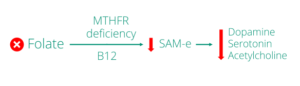
    SAM-e levels in the body are dependent on Folate and B12. Depression is linked to deficiencies of these vitamins, which suggests that they could be linked to reduced SAM-e. 

    Simply put, a deficiency in folate → not able to metabolize folate properly → lower levels of SAM-e → less synthesis of neurotransmitters such as dopamine, serotonin, and norepinephrine. 

    With the help of SAM-e, depression symptoms can be reduced by stimulating the synthesis of these key neurotransmitters (Mischoulon, 2018).

    The Evidence

    SAM-e trials to test efficacy have ranged from 2 to 12 weeks and doses of 200mg to 3200mg. In a number of controlled experiments, SAM-e has been found to be more effective than placebo and just about equal to antidepressants when administered into veins or muscles. (Less evidence is available to support the use of oral SAM-e.) Data also suggests that SAM-e can be useful when taken in addition to antidepressants (Papakostas, 2009).

    Current findings highlight the need for larger and longer studies to truly understand the value of SAM-e.

    Why Could SAM-e Be Better For Me?

    SSRIs, a widely used antidepressant, blocks the reabsorption of serotonin, leaving more available for the neurons to use for signaling. SAM-e aids with the actual synthesis of serotonin (Majeed, 2022).

    One of the major benefits of SAM-e is its minimal list of side effects. These include digestive problems, mild insomnia, irritability, and anxiety, which tend to resolve after a couple of weeks. Typical antidepressants can cause weight gain, sexual dysfunction, sedation, or cognitive interference (“SAM-e”, n.d.).

    Antidepressants typically take 6 to 8 weeks before they begin working, while SAM-e seems to begin in as little as 2 weeks time (“S-adenosylmethionine,” n.d.). Tablets can also be combined safely with other drugs since it doesn’t have many interactions.

    How Is SAM-e Not More Popular?

    SAM-e has been shown to have a positive effect on depression treatment, but many of those studies were poorly designed or had a small sample size. Data on long-term safety has been limited as well. The perfect dose hasn’t been established either. 

    Should You Take SAM-e?

    Patients who would benefit most from SAM-e are those with mild to moderate depression who would prefer not to see a doctor, are taking a treatment that isn’t working, or wish to avoid the adverse side effects of common antidepressants. The cost, unfortunately, may turn some away from trying out the supplement — one 400mg pill can cost between $.75 and $1.25. Although SAM-e is available as a safe and effective supplement, it is not recommended to treat major depression without advice from a doctor and it should not be considered a replacement for prescribed medication (D’Epiro, 2000).

    Even though SAM-e supplements didn’t have a noticeable effect on me, it changed the daughter of the woman at the grocery store’s life. If you are considering an OTC supplement to relieve mild depression symptoms, it could be worth a try!


    Resources

  • The Cost of Cutting Your Crusts

    https://giphy.com/gifs/oprah-yW0PaUqJszRUk

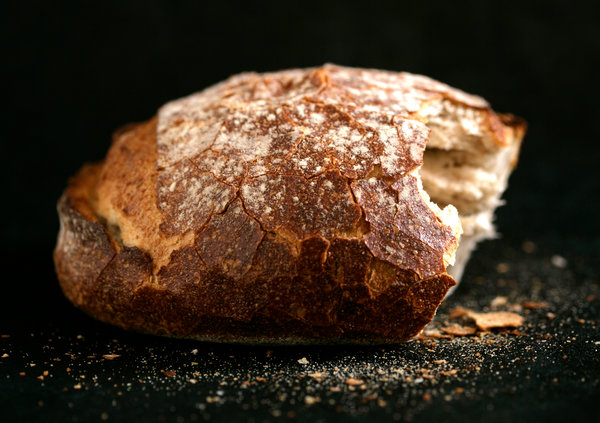
    I’ve eaten toast for breakfast or sandwiches for lunch since I discovered bread’s existence. Not once, in all these years, have I ever cut the crusts off a single slice. There’s a lot to be learned from those delightful, overlooked edges.


    Bread Crust’s “Roll” Against Cancer?

    The nutritional value of bread crust often goes unappreciated because not enough people take the time to recognize it. Bread crust actually contains compounds that have cancer-fighting potential. Researchers in Germany have found that the crust is rich in antioxidants (“Bread Crust And Stuffing Rich In Healthy Antioxidants,” 2002). The reason these compounds become concentrated in the crust is all in the baking.

    https://www.sciencefocus.com/science/what-is-the-maillard-reaction/

    Maillard Reaction: Delicious Chemistry

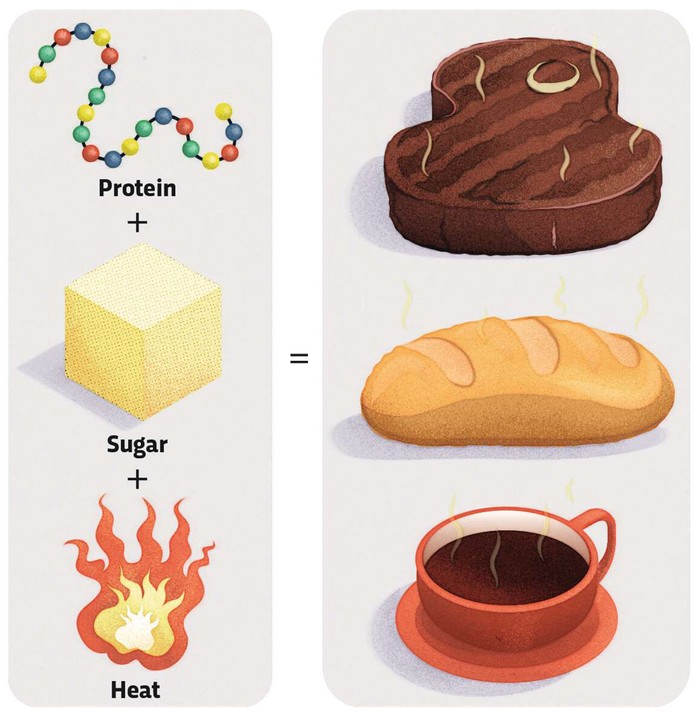
    The crust forms as a result of the Maillard Reaction, in which amino acids and reducing sugars react from heat. What follows from these chemical reactions are the formation of enticing aroma components, the distinct brown surface, and an enhanced flavor. The interaction between the protein-bound amino acid L-lysine and reducing sugars at high temperatures is what gives us pronyl-lysine (“Maillard reaction,” n.d.).

    Darker breads like pumpernickel and wheat contain higher amounts of these antioxidants than the typical white loaf (“Bread Crust And Stuffing Rich In Healthy Antioxidants,” 2002). However, burning your toast to a crisp won’t increase the levels because eventually, the Maillard reaction just becomes…well, burning.

    Proving Bread Crust’s Worth

    In the sourdough mixture used by the researchers, this novel antioxidant was 8 times more abundant in the crust than in the crumb! It wasn’t present in the flour mixture either, which suggests that the crust of the bread may provide stronger health benefits than any other part. 

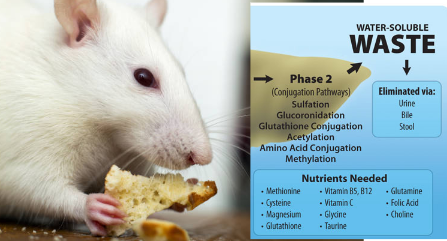
    Veronika Fasit, Ph.D., demonstrated that this antioxidant raised the level of phase II enzymes in human intestinal cells. Phase II enzymes defend against carcinogens and toxic chemicals (Zhang, 1970).

    Annamalai University in India examined the effect pronyl-lysine had on the development of precancerous lesions in rats — eating bread seemed to reduce the development of these lesions by up to 72 percent (“Bread Crust And Stuffing Rich In Healthy Antioxidants,” 2002)!

    Bread is also known as a great source of fiber, a nutrient important for digestion and for lowering the risk of heart disease, diabetes, and certain cancers (“Dietary fiber: Essential for a healthy diet,” 2022). What isn’t as well known is that the crust is where most of the fiber accumulates!

    https://dinnerthendessert.com/easy-cube-stuffing/

    Thinking Outside the Loaf

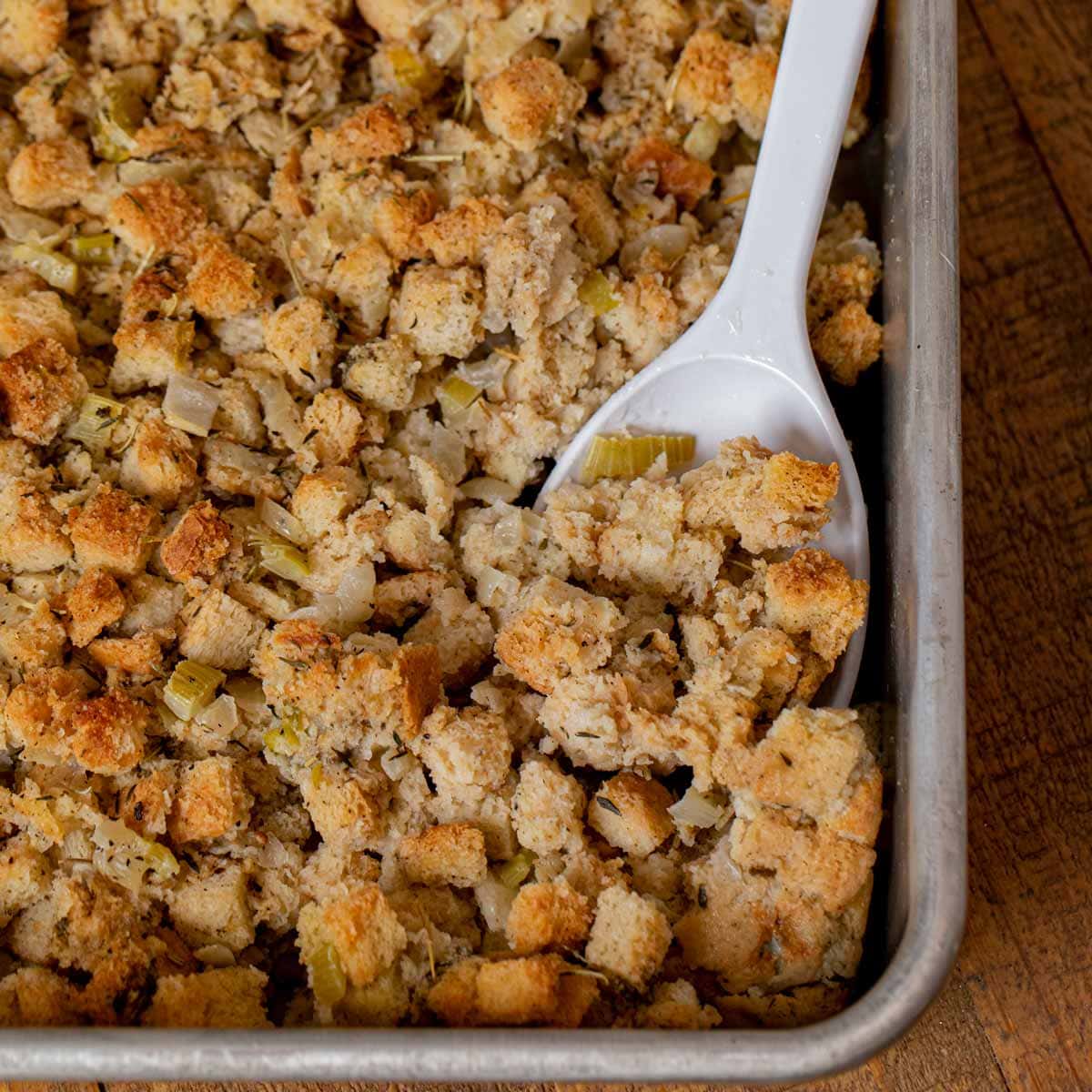
    These experiments don’t mean you can never cut your crusts again — it just means that you should put the scraps to good use. In fact, the antioxidant might be even more abundant when you make something with several small pieces. When you bake broken down bits in a stuffing or bread pudding, increased surface area means more reactions can occur!


    Crust Me, It’s Delicious!

    I’ve never understood the hate bread crusts received. To me, it felt completely undeserved when that’s where the best flavor is! A study with French baguettes even confirmed this.

    Tasting the Difference From Crust to Crumb

    This bread study evaluated the connection between the bread crumb vs. the crust on volatile release and aroma perception.

    https://cooking.nytimes.com/recipes/1018203-simple-crusty-bread

    Volatiles are substances that evaporate easily and are released from food when changes take place. Processes like hydration with saliva and the increase in surface area are then sensed in the nose. These flavor volatiles give us a window into the sensory properties of food while it’s being eaten (Taylor, 1996).

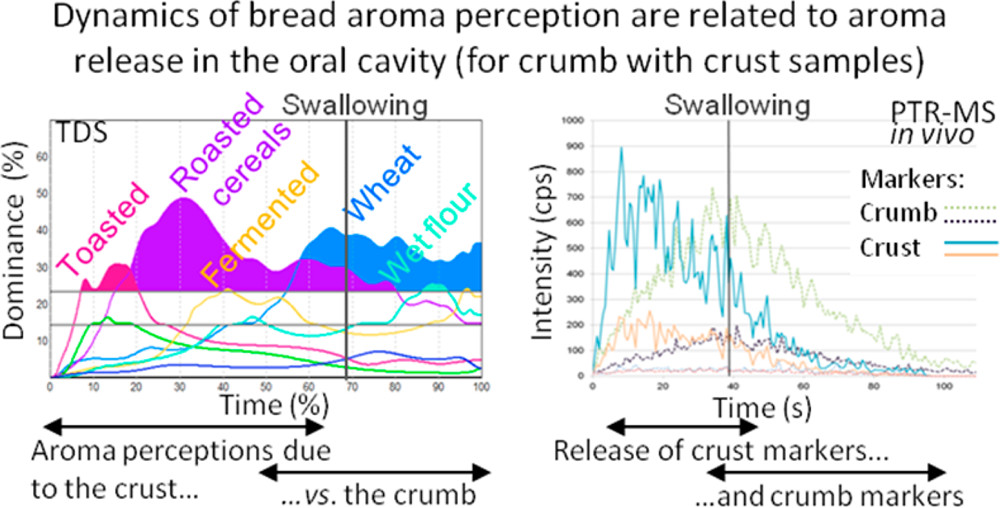
    Participants in the study consumed different samples of crusts and crumbs. The researchers measured their chewing behavior, perceptions, and volatile release. Results revealed that the volatiles, or markers, of the crust were released more quickly. This led to perception dynamics that differed from those of the crumb. There are several contributions to this observation. The crust’s firmness, which requires greater muscular activity to chew, released more volatiles. It’s placement on the surface and brittle structure lead to the crust being broken down more rapidly and thus a faster release of markers (Jourdren et al., 2017). 

    Aroma perception had some pretty noticeable differences, too. When food is eaten, the compounds from the aroma released into the oral cavity, where it interacts with olfactory receptors to allow the consumer to perceive the dimensions of flavor of their food (Jourdren et al., 2017).


    Slice of Life

    https://lovefoodhatewaste.co.nz/ultimate-guide-childs-leftover-food/

    Parents of crust-haters might be relieved that their child eats any part of the bread at all. As a former picky eater, I would never guilt anyone into eat a certain food. But at the same time, I’d never leave the crust out of the experience of a crunchy slice of toast or a hearty sandwich. A loaf of bread doesn’t just appear without it’s crust. Crust is evidence of the cascade of reactions that allowed it to form and protects the delicate crumb lying inside.

    A Toast to the End of Bread Waste

    A crust thrown away is a small representation of the 119 billion pounds of food wasted each year (“Food Waste and Food Rescue,” n.d.). Most of this waste is bread, with over 240 million slices tossed annually. Even if you are adamantly anti-crust, a gentle reminder: bread freezes well and stale bread can be transformed into croutons, breadcrumbs, bread pudding and plenty more. 


    Resources

  • Should I Quit Chewing Gum?

    In 24 days, or a little over 3 weeks, I chewed 171 pieces of gum. That’s between 10 and 12 packs of gum (depending on whether it was a 14 or 16 count). Sure, that doesn’t seem like much, but during these three weeks, I was trying to cut down. On a bad day, I could tear through an entire pack in an afternoon. I wish I could say that with age, I learned how to control my gum-chewing as a result of witnessing the dent my wallet takes after every trip to the grocery store, but to be completely honest, it shows no sign of stopping.

    You hear a lot about the benefits of chewing gum to relax your mind or help you remember what you’ve studied (Sasaki-Otomaru et al., 2011), but I’ve always wondered — can an excessive amount of something that’s supposedly good for your health be harmful?

    The NHS describes addiction as “not having control over doing, taking or using something to the point where it could be harmful to you… it’s possible to be addicted to just about anything” (“Addiction: what is it?,” n.d.). By that definition, “too much of a good thing” applies to every activity you could dream up.

    Investigating Ingredients

    Several artificial sweeteners are added to gum — xylitol being at the top of the ingredient list. Xylitol is a sugar alcohol, used to replace sugar, that naturally occurs in vegetables and fruits (Hester, 2022).
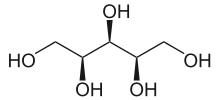
    • Xylitol is behind why gum chewing is recommended 30 minutes after a meal — it can’t be broken down into the acids that wear away teeth.
    • Although xylitol is easily absorbed by bacteria like sugar, once absolved, the bacteria will use their energy to expel the xylitol instead of reproducing, making it less able to stick to your teeth and causing them to die off. (Hester, 2022)
    • By neutralizing acids in the mouth, acid reflux and erosion of enamel, the hard mineralized substance that protects the surface of the teeth, are minimized.
    • Chewing gum also boosts saliva production, helping to wash away food particles from the teeth as well as digestive acids. (“Sugar-free gum – is it bad for me?,” 2012)
    • The saliva produced when you chew gum is stimulated saliva, which has a higher concentration of the proteins your teeth need to defend against the erosive acids in food and drinks (Hester, 2022).
    • To summarize, xylitol doesn’t spike blood sugar or insulin, starves the plaque-producing bacteria, and feeds microbes in the digestive system (Gunnars, 2018).

    But how do the rest of the ingredients line up?


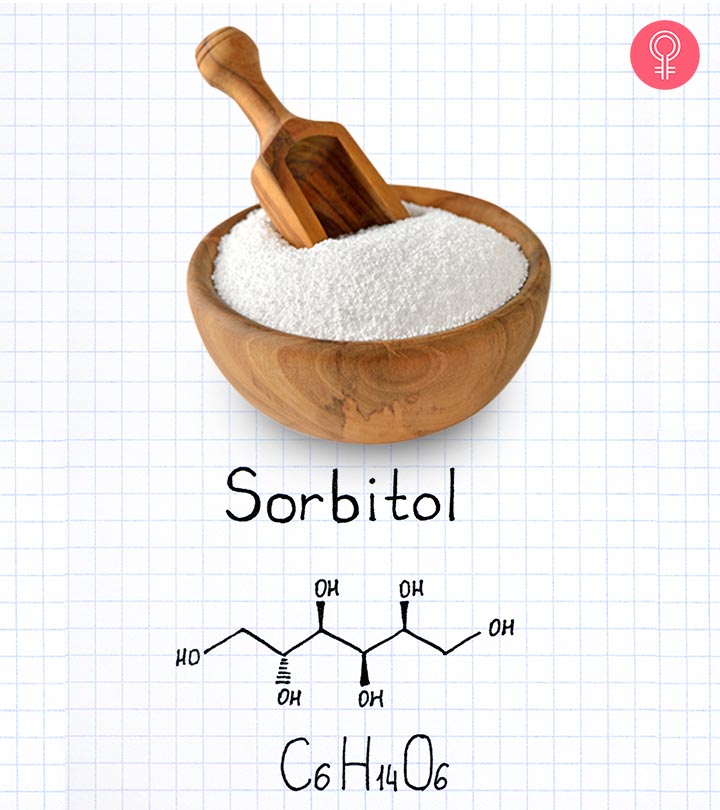
    Next on the list is sorbitol.
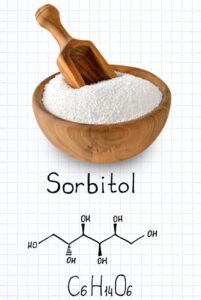
    • Similar to xylitol, sorbitol is a naturally occurring sweetener extracted from glucose. Consuming sorbitol is what gives you that cooling sensation in the mouth. 
    • Sorbitol has been declared safe by a number of studies. However, the suggests that if daily intake exceeded 30g, it may result in nausea, vomiting, or abdominal pain.
    • In larger quantities, sorbitol actually acts as a laxative. It does not get completely digested — the small intestine absorbs sorbitol in small amounts, which are then converted to fructose. The presence of excess remaining sorbitol may result in diarrhea, gas, bloating, and cramping (“Sorbitol research and safety,” 2022).
      • As it moves through the GI tract, it acts as a sponge by pulling water out of the intestinal walls, creating an excess of fluid in the bowels and these unpleasant symptoms (Johnson, 2010). 

    As you can probably guess, the other main ingredients like mannitol & maltitol, have almost identical descriptions — a sugar alcohol recognized as safe by the FDA that may cause bloating, gas, or diarrhea when overconsumed.


    Finally, I’ll discuss a bit about maltodextrin, a highly processed artificial sweetener made from corn, rice, potato starch, or wheat.
    • Maltodextrin’s high glycemic index means it can cause spikes in blood sugar.
    • Studies have suggested that it can change your gut bacteria composition in a way that makes you more susceptible to disease. 
      • Maltodextrin can suppress the growth of probiotics in your digestive system, increasing the growth of bacteria such as E.coli, which is associated with autoimmune disease.
      • It may also impair intestinal mucus release, raising the risk of colitis (inflammation of the large intestine).
    • However, there’s also evidence that maltodextrin is effective for preventing colorectal cancer and had positive effects on overall digestion (Shaefer, 2022).
    A Conclusion That’s Hard to Swallow

    Well, it seems the health effects of chewing gum are pretty insignificant. After all, a piece of gum is usually no more than a couple of grams.

    But you know what isn’t? The residue it leaves behind. Chewing gum is made of “non-biodegradable hydrophobic polymers together with artificial sweeteners” (Roy, 2011). Since gum is an oil base synthetic polymer, it’s remnants are just like plastic. Gum products, then, are not broken down by natural processes, which produces pollution destined to exist for much, much longer than the amount of time it took to chew (Jones, 2019). Unsurprisingly, valuable time and money must be spent to clean up unsightly and bacteria-saturated chewed gum from the streets.

    As gross as it sounds, all the gum we’ve chewed probably still exists somewhere. It’ll be near excruciating to curb my chewing, but I’d like to think that the environment (and my wallet) will thank me.


    Resources

    Gunnars, K. (2018, October 4). Xylitol: Everything you need to know. Healthline. Retrieved April 1, 2023, from https://www.healthline.com/nutrition/xylitol-101#bottom-line

    Hester, J. (2022, June 17). Surprising dental health benefits of sugar-free gum. Dental Depot. Retrieved April 1, 2023, from https://dentaldepot.net/surprising-benefits-of-sugar-free-gum/

    Johnson, C. (2010, July 26). Too much sugarless gum can hurt you. UF Health Podcasts. Retrieved April 1, 2023, from https://podcasts.ufhealth.org/too-much-sugarless-gum-can-hurt-you/

    Jones, D. (2019, November 16). Chewing gum – 100,000 tonnes of plastic pollution every year. Just One Ocean. Retrieved April 1, 2023, from https://justoneocean.org/chewing-gum

    NHS. (n.d.). Addiction: what is it? NHS choices. Retrieved April 1, 2023, from https://www.nhs.uk/live-well/addiction-support/addiction-what-is-it/

    Roy, A. S. (2011, November 30). Improper disposal of non-biodegradable chewing gum is one of the biggest threats to our ecology: A Review. Current World Environment. Retrieved April 1, 2023, from https://www.cwejournal.org/vol16no3/improper-disposal-of-non-biodegradable-chewing-gum-is-one-of-the-biggest-threats-to-our-ecology–a-review

    Sasaki-Otomaru, A., Sakuma, Y., Mochizuki, Y., Ishida, S., Kanoya, Y., & Sato, C. (2011). Effect of regular gum chewing on levels of anxiety, mood, and fatigue in healthy young adults. Clinical practice and epidemiology in mental health : CP & EMH. Retrieved April 1, 2023, from https://www.ncbi.nlm.nih.gov/pmc/articles/PMC3158435/

    Shaefer, A. (2022, September 23). Is maltodextrin bad for me? Healthline. Retrieved April 1, 2023, from https://www.healthline.com/health/food-nutrition/is-maltodextrin-bad-for-me#alternatives

    Sorbitol research and safety. News. (2022, December 29). Retrieved April 1, 2023, from https://www.news-medical.net/health/Sorbitol-Research-and-Safety.aspx

    Sugar-free gum – is it bad for me? Go Ask Alice! (2012, December 7). Retrieved April 1, 2023, from https://goaskalice.columbia.edu/answered-questions/sugar-free-gum-it-bad-me/ 

  • Pet Sounds (Literally): Music Made for Cats

    Music and cats — the only two consistent things in my life that bring me joy, and possibly yours too. And perhaps, you too have tried to share your love of music with your cats as a form of affection only to be met with a scowl and pinned back ears.

    There’s now a solution in the form of species-appropriate music: Music for Cats by composer and scientist David Teie.

    It’s well established that listening to music reduces anxiety and blood pressure, while improving sleep quality, mood, and mental alertness (Keep Your Brain Young with Music, 2022). The question many pet owners ask is whether music has the same effect on them as it does for us. 


    The Ex-purr-iment

    Researcher Ronald Koh wondered the same — how do cats physiologically and behaviorally respond to music? In his experiment, cats were randomly assigned to 20 minutes of either cat-specific music, classical music, or no music. Cat stress scores were recorded before and after a physical exam at a veterinarian’s office: pretests showed no difference in stress levels between the three stimuli; however, scores significantly decreased after the examination for those who listened to music made for them! The team even observed less stress-related behavior in those who listened to music incorporating features relevant to cats (Hampton et al., 2019). Beats similar to their resting hear rate, cat-related sounds like purring and suckling, and frequencies within their vocal range most effectively reduced stress levels (Solis-Moreira, 2022).

    Mew-sic to their Ears

    Much like white noise, it would make sense that cat music mimics the calming sounds of the womb. However, the size of a newborn cat’s brain is a mere ⅛ of its full size, whereas a newborn baby’s brain is ¼ of average adult size. Therefore, a more relevant sound to developing cats would be suckling. David Teie — the father of species-specific music — designed Music for Cats on the basis that each species responds to sounds in an intuitive, biological way. As a highly experienced composer and dedicated cat lover, he used the sounds of relevant stimuli which kittens would have heard as they were developing (The Science: Music For Cats: David Teie, n.d.).

    Con-claw-sions

    A study conducted at the University of Wisconsin supported his premise, concluding that cats did indeed show a significant preference for their customized music. 

    Response latencies were significantly shorter to the music composed for cats than to human music. Cats showed significantly more orient and approach responses to music composed for them compared to music composed for humans.

    The Journal of Feline Medicine and Surgery also confirmed that Music for Cats has the ability to decrease cats’ stress levels and in turn improve the care received by vets in clinics.

    What do you Pre-fur?

    Music can even be designed to include structures that elicit approach, or be arousing or calming. It’s especially important to understand cats’ pitches, calls, and specific features to compose music that will obtain a certain behavioral effect. To make your cat more active, you can select sounds of alert calls and the environment. To calm an agitated animal, you can choose melodic vocalizations and rewarding sounds (Snowdon et al., 2015).

    From Paw McCartney to Meowly Cyrus

    If you’re planning to take your cat to the vet soon, do yourselves a favor and tune in to a Teie album on your drive.

    Music for cats is just one piece in the puzzle that is environmental enrichment for cats. It might just work to reduce stress and aggression related to new people and places (Solis-Moreira, 2022).

    Here, have a listen (Warning: Not for Human Consumption): David Teie – Music for Cats