Author: Katie Lee

  • Going Crazy in Quarantine? You’re Not Alone!

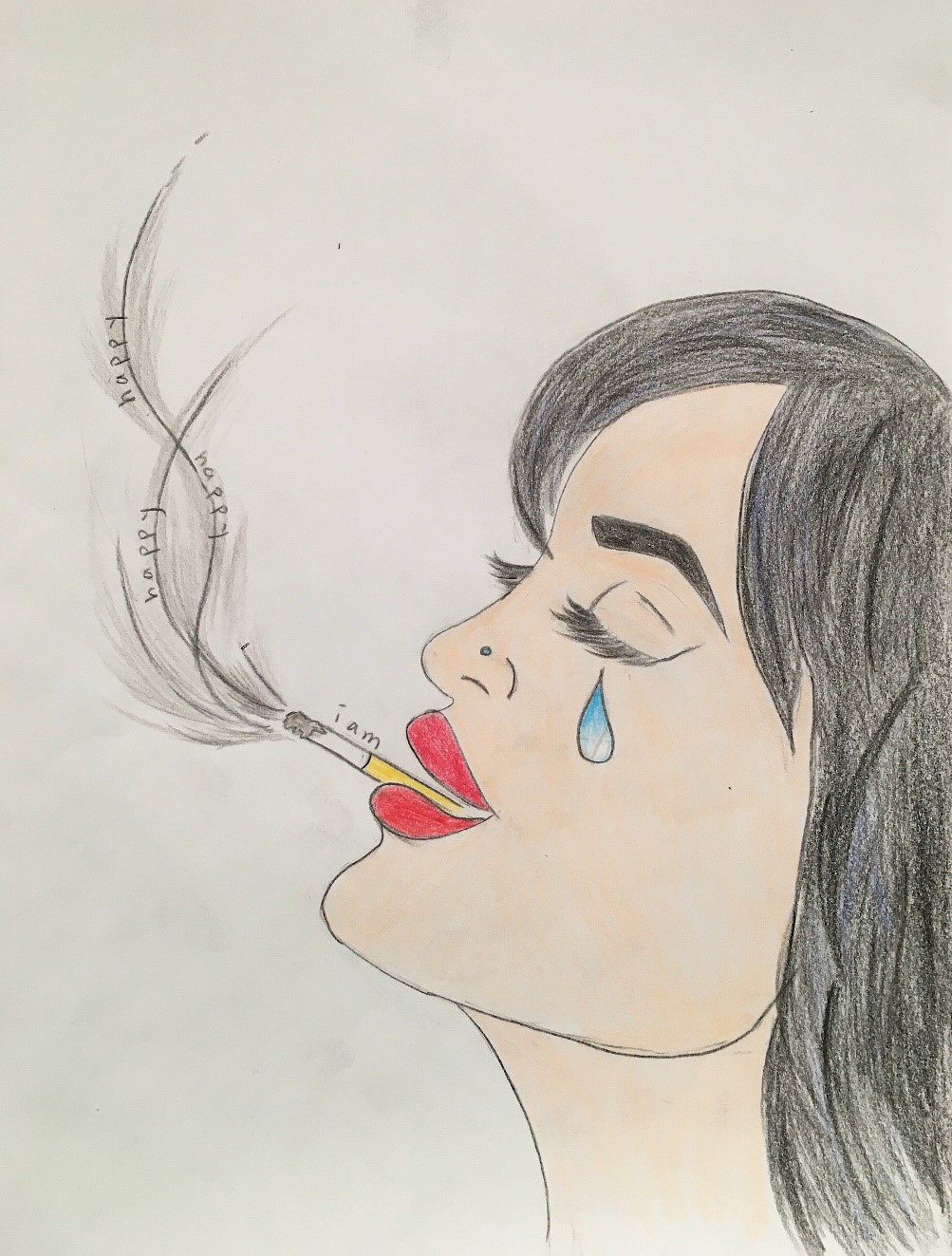
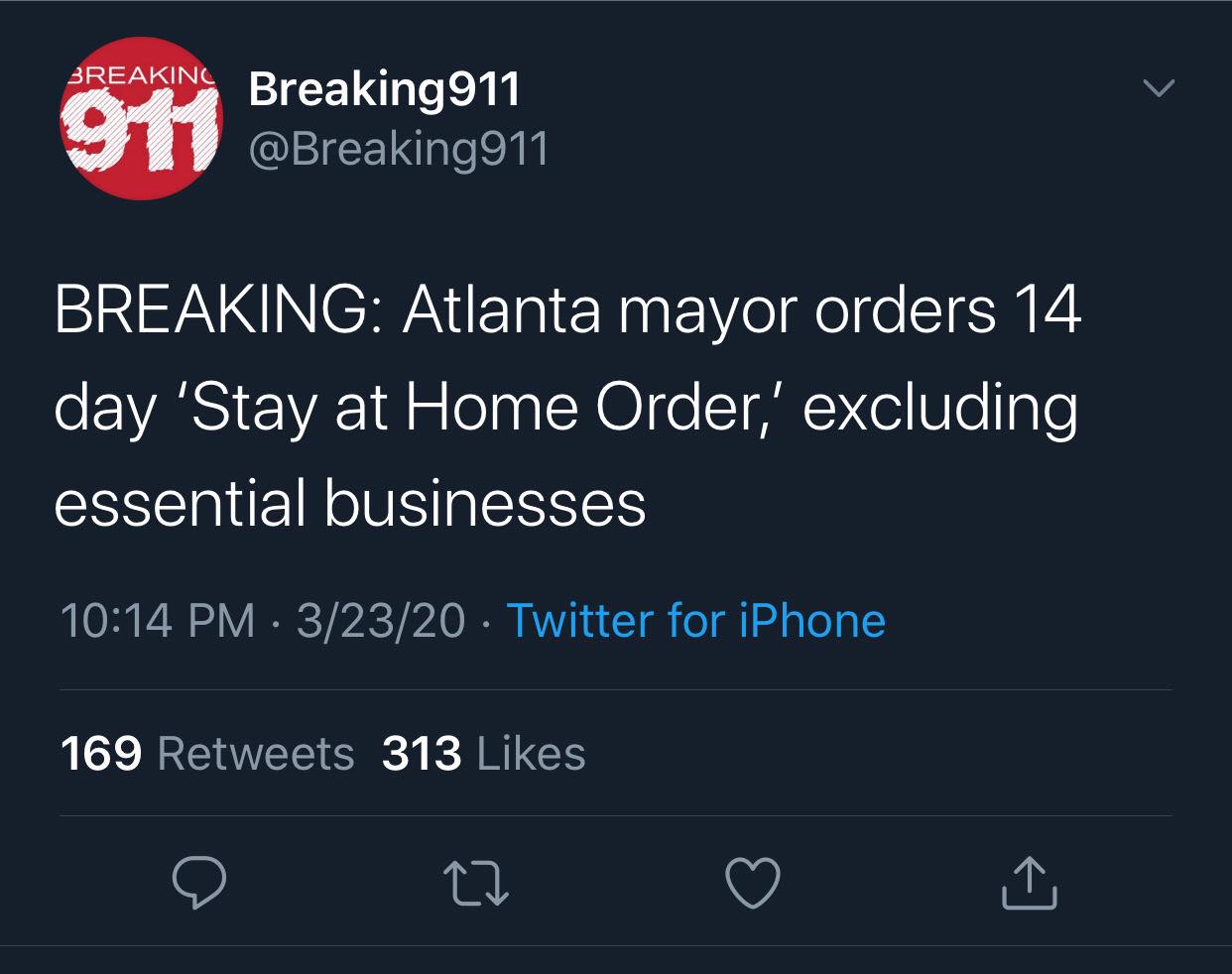
    Due to the increasing numbers of people being infected with COVID-19 in the United States, many states have ordered a mandatory shelter-in-place. Most of these orders state that people cannot leave their homes except for essential reasons, such as grocery shopping and medical trips. All non-essential businesses, such as restaurants, gyms, and shopping centers, have also been temporarily closed. It is now week 3/4 of quarantine for many people and I have noticed, both in myself and others, that we’re going a little stir-crazy. Due to the common effects I’ve noticed, such as increased anxiety and depression and decreased motivation. I decided to look into the research behind isolation on the human brain.

    In a study done in hospitals, researchers examined the impact of isolation on patient psychological well-being. It was found that isolation caused a negative impact on patient behavior and psychology; after isolation, patients scored higher for depression, anxiety, anger, fear, and loneliness. Specifically, patients scored higher for depression and anxiety on day 7 of isolation, compared to controls. This is in-line with what I’ve seen from family and friends, as the first week of quarantine seemed to have little effect, but afterwards, around week 2, did the negative effects I stated earlier appear. The researchers also found that loneliness, anger, and boredom were the most prominent emotional effects.

    Another study looked at the effects of isolation on prisoners in long-term solitary confinement and found similar results; their findings revealed that those in forced isolation for extended periods of time exhibited appetite and sleep disturbances, anxiety, panic, anger, paranoia, and loss of control. In some cases, the effects of isolation lasted even after the isolation period ended, and resulted in prisoners engaging in more violent and harmful acts.

    These negative consequences seem to make logical sense, as humans are naturally social creatures and our survival depends on social interactions every day. Out of curiosity, I also looked into the effects of isolation on other animals, such as rats, to see if there is a similarity. There indeed was: a study done on isolation of Fawn Hooded and Wistar rats found that Basal loco-motor activity and related anxiety was higher in isolated subjects of both types of rats in low light conditions. However, the study also found that Wistar rats were less anxious under low light conditions, which may imply that certain genetic predispositions may cause an animal to be more or less tolerant of isolation and its negative effects.

    Ultimately, the literature supports the idea that humans and many animals alike are not meant to be kept in isolation for an extended period of time. If you find yourself becoming restless, agitated, and feeling down as this quarantine continues, know that your response is completely normal and valid, given the circumstances. When you are experiencing a bad day, don’t be afraid to reach out to family and friends about how you’re feeling. We can and will get through this together.


    References

    Abad, C., Fearday, A., & Safdar, N. (2010). Adverse effects of isolation in hospitalised patients: a systematic review. Journal of Hospital Infection, 76(2), 97–102. doi: 10.1016/j.jhin.2010.04.027
    Hall, F. S., Huang, S., Fong, G. W., Pert, A., & Linnoila, M. (1998). Effects of isolation-rearing on locomotion, anxiety and responses to ethanol in Fawn Hooded and Wistar rats. Psychopharmacology, 139(3), 203–209. doi: 10.1007/s002130050705
    Haney, C. (2003). Mental Health Issues in Long-Term Solitary and “Supermax” Confinement. Crime & Delinquency, 49(1), 124–156. doi: 10.1177/0011128702239239
  • Do You Live in a Kind Area?

    When I went home to Kansas over Christmas break, we had a particularly nasty snowstorm, and my family and I happened to be out driving while it hit. Our car got stuck while trying to make a turn. This caused traffic to be held up and while in the car, I found myself getting worried, as in Atlanta, when someone holds up traffic, they are usually met with honks and curse words. So, when several people got out of their cars to help push our car out of the snow, to say I was surprised was an understatement. This caused me to wonder if there was a difference in helping behavior between a small town and a big city.

    It turns out there indeed is. A study done in Queensland and New South Wales collected a list of local areas with different population sizes, which were all split into categories of rural area or urban area. They had an investigator stationed in each area who randomly chose every 3rd pedestrian on the street to ask for help on posing as a college student and then recorded the pedestrians’ responses. The results of this study showed that people in rural areas were more willing to stop and help than those in urban areas. There have been many studies done on altruism in urban vs. rural areas and most of their conclusions are similar to that of the study discussed above and show that there is a difference in altruism levels, with levels being higher in rural areas.

    What might cause this difference in helping behavior? There are a few possibilities that may explain it. One is the bystander effect: the more the number of bystanders, the less likely it is for any of them to provide help, as they think there are other people can do it. In big cities, there are more people, whereas in small towns, there are less people, so people in small towns experience less bystander effect. Similarly, it has been shown that people are more willing to help if the situation catches their attention; in big cities, there is constant noise and activity and people’s senses are constantly being overwhelmed, so the chances that they notice a particular individual in need are smaller than in a small town. Finally, another reason may be that people are more willing to help people who are similar to them (e.g. race); in big cities, there is more diversity than in rural areas, which may also impact people’s levels of altruism.

    Ultimately, it seems like there is certainly a difference in helping behavior in urban versus rural areas. This difference does not mean people in urban areas are less helpful or compassionate people, as the reasons for the difference are not intentional and more situational. But it may be good knowledge to know if you are traveling to a new area or if you want to live in an area that has higher levels of altruism.


    References

    Amato, P. R. (1983, January 1). [PDF] Helping behavior in urban and rural environments: Field studies based on a taxonomic organization of helping episodes.: Semantic Scholar. Retrieved February 3, 2020, from https://www.semanticscholar.org/paper/Helping-behavior-in-urban-and-rural-environments:-a-Amato/fdefe7e1b6bec82d5fa99617566dbeb4b410cecf

    Bridges, F. S., & Coady, N. P. (n.d.). Urban Size Differences in Incidence of Altruistic Behavior – F. Stephen Bridges, Neil P. Coady, 1996. Retrieved February 3, 2020, from https://journals.sagepub.com/doi/abs/10.2466/pr0.1996.78.1.307

    Kolm, S.-C., & Ythier, J. M. (2006). Handbook of the Economics of Giving, Altruism and Reciprocity. Retrieved February 3, 2020, from https://books.google.com/books?hl=en&lr=&id=AoT1Lt6uJ7IC&oi=fnd&pg=PR3&dq=reasons+for+altruism&ots=GCTqJC56wb&sig=uaAr1kPDM6yXHPeoec8K0C2JOn8#v=onepage&q=reasons for altruism&f=false

  • Overcoming Depression at the Level of the Brain

    Depression is a common but serious mood disorder that causes persistent feelings of sadness. Many people, ranging from young to old, suffer from depression. It is especially prevalent in young adults and college students. Those suffering from depression often have trouble doing every day activities and sometimes may feel that life is hopeless.

    However, since depression has been around for so long and is so common, the good news is there are numerous treatments for it that have been proven successful. Two of the most common treatments are antidepressant medication (SSRIs) and cognitive-behavioral therapy. Here, we take a closer look at how these two treatments work in battling depression at the level of the brain.

    Levels of serotonergic neurotransmission play an important role in determining mood. Depression is said to caused by low levels of serotonergic neurotransmission. SSRIs counter these low levels by interfering with the serotonin transporter 5-HTT—it causes slower reuptake of serotonin. This causes the low levels of serotonin in the brain to be elevated, thus relieving depression. Like antidepressant medication, cognitive-behavioral therapy also produces changes in the brain when treating depression. In those suffering from depression, their hippocampus decreases in size by the constant release of glucocorticoids due to stress. This, in turn, creates more stress and depression. It has been found that after completing CBT, those with depression show significant improvement in their depression, which is associated with significant increases in the hippocampus. Both antidepressant medication and CBT are successful in treating depression, however how they affect the brain in different ways to achieve this.

    Those who struggle with depression also face risk of relapse after discontinuing treatment. In terms of preventing relapse, it has been shown that CBT has significantly less risk of relapse than medication. In one study, it was found that the percent of relapse after treatment was 30% for CBT versus 76% for antidepressant medication. A reason for this disparity may be that CBT teaches patients how to change the way they think and in turn, how they feel and act, so that even after they discontinue therapy, they can continue to apply the skills they have learned in therapy. Medication only changes the serotonin levels in the brain with no conscious effort on the person’s part, so it is harder to prevent depression after discontinuing the medication.

    In conclusion, both antidepressant medication and cognitive-behavioral therapy relieve depression by altering the brain. Medication works by inhibiting serotonin reuptake, which elevates the low levels of serotonin in people with depression. CBT helps patients change the way they perceive thoughts, which has been associated with increased hippocampus size, which helps prevent stress and depression. However, when discontinuing treatment, those who completed CBT are at a much lower risk of relapse than those who took medication, as CBT teaches people skills they can apply even after treatment ends. It is often recommended to those suffering from depression a combination of medication and therapy, so that they have the most promising outlook on overcoming their depression.


    Goldapple, K. (2004, January 01). Modulation of Cortical-Limbic Pathways in Major Depression. Retrieved January 16, 2019, from https://jamanetwork.com/journals/jamapsychiatry/fullarticle/481941
    Hollon, S. D. (2005, April 01). Prevention of Relapse Following Cognitive Therapy vs Medications in Moderate to Severe Depression. Retrieved January 16, 2019, from https://jamanetwork.com/journals/jamapsychiatry/fullarticle/208447
    Schafer, W. R. (n.d.). How Do Antidepressants Work? Prospects for Genetic … Retrieved January 16, 2019, from https://www.cell.com/cell/fulltext/S0092-8674(00)80042-2
  • Are All-Nighters in College Actually Beneficial?

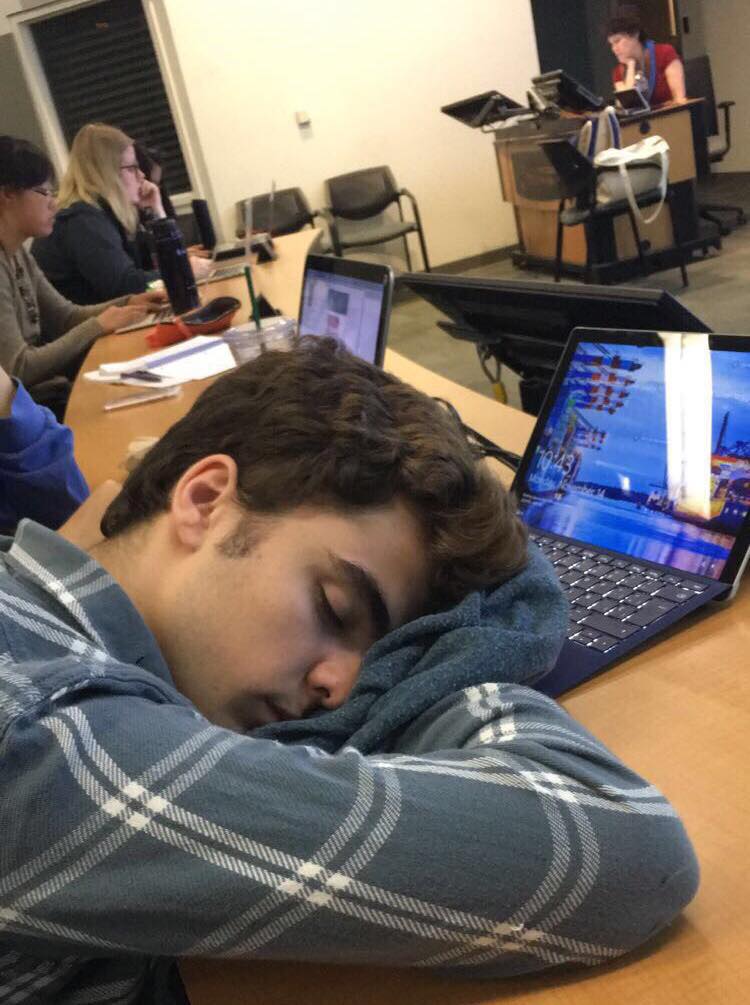
    In college, it’s hard to balance sleep and studying. Many students sacrifice sleep in the hopes that that time spent studying instead will positively impact their grades. However, lack of sleep has many negative consequences, such as negatively impacting learning, memory, and performance.

    Some students (yourself included) may “pull an all-nighter” (24 hours or more without sleep) before examinations in the hopes of better grades. However, many studies suggest otherwise. For instance, in one study, subjects were given the task to identify the presence of a “T” or “L” and the orientation of 3 diagonal bars. Participants that went 30 hours without sleep showed no improvement in performance, even after 2 days of post-recovery sleep. In another study, subjects were taught a motor task and then tested either after 12 hours of no sleep or 12 hours that included sleep; subjects tested with 12 hours of no sleep showed no significant change in performance. However, their performance improved by 18% after a night of sleep. Those tested within the 12 hours that included a sleep period also showed improvement in performance Another study found the average amount of sleep per night was found to be significantly correlated with GPA—students who slept for more hours each night tended to have better grades. Also, the average number of days per week that students got less than 5 hours of sleep was found to be negatively correlated, although weakly, with GPA. This supports the concept that sleep is required for learning and memory consolidation.

    In conclusion, sleep is vital in aiding learning and memory consolidation. So next time you’re considering pulling an all-nighter to study for a test, reconsider doing so. Those few extra hours you’d spend studying would be better spent sleeping so you can consolidate the information you’ve learned and perform better on the next day’s test!


    References

    Lowry, M., Dean, K., & Manders , K. (2010). The Link Between Sleep Quantity and Academic Performance for the College Student.
    Hershner, S. D., & Chervin, R. D. (2014, June 23). Causes and consequences of sleepiness among college students. Retrieved October 16, 2019, from https://www.ncbi.nlm.nih.gov/pmc/articles/PMC4075951/.
    Thacher, P. V. (2008, January 10). University Students and the “All Nighter”: Correlates and Patterns of Students’ Engagement in a Single Night of Total Sleep Deprivation. Retrieved October 16, 2019, from https://www.tandfonline.com/doi/abs/10.1080/15402000701796114.


  • Why Rejection Hurts

    When people describe the feelings that result from social estrangement, they often use words that typically are used for describing physical pain, such as “hurt feelings” and “a broken heart” and with good reason. Research has shown that physical pain and social pain share common neutral mechanisms, which are responsible for detecting cues that might be harmful to survival, such as physical danger, but also social estrangement, as humans have relied on group living to survive for centuries.

    There is evidence to suggest that the anterior cingulate cortex (ACC), specifically the dorsal subdivision (dACC), is involved when humans become distressed when responding to both physical and social pain. The dACC has also been shown in other mammals to play a part in distress from social pain. One of the few studies done on this subject examined the neural components of social pain in humans. The study recruited participants to play a ball-tossing game on the computer, while their brains were being neuroimaged. The game was played with two other “people” and the participants were ultimately excluded from the game. Their neutral activity when they were excluded from the game, compared to when they were included, showed increased activity in the dACC. Afterwards, participants were asked to report their levels of social distress during the exclusion. The degree of dACC activity had a strong correlation with the self-reports of social pain.

    One of the hypotheses derived from the physical–social pain overlap is that factors that enhance sensitivity to one type of pain also enhances sensitivity to the other type of pain as well. Conversely, factors that downregulate the sensitivity to one type of pain should downregulate the sensitivity to the other type of pain. For example, when shown video clips of people in physical pain, rejection-sensitive people, compared with non-rejection-sensitive people, report more distress. On the other hand, those with a lot of social support, are shown to experience a reduction in chronic pain situations, such as during cancer and during childbirth.

    In conclusion, since humans have evolved to live in groups to survive, that need for social acceptance seems to have produced a sense of distress when social connections are threatened or broken. So next time you lose a friend, a romantic partner, or are excluded from a social situation and you feel that your feelings are hurt, or your heart is broken, know that that is completely normal.


    References

    Eisenberger, N. I., & Lieberman, M. D. (2004, June 17). Why rejection hurts: a common neural alarm system for physical and social pain. Retrieved from https://www.sciencedirect.com/science/article/pii/S1364661304001433

    Eisenberger, N. (2008). Understanding the Moderators of Physical and Emotional Pain: A Neural Systems-Based Approach. Retrieved from https://www.tandfonline.com/doi/abs/10.1080/10478400802608855?journalCode=hpli20

    Eisenberger, N. I. (2012, May 3). The pain of social disconnection: examining the shared neural underpinnings of physical and social pain. Retrieved from https://www.nature.com/articles/nrn3231


  • The Guinea Pig as a Pet

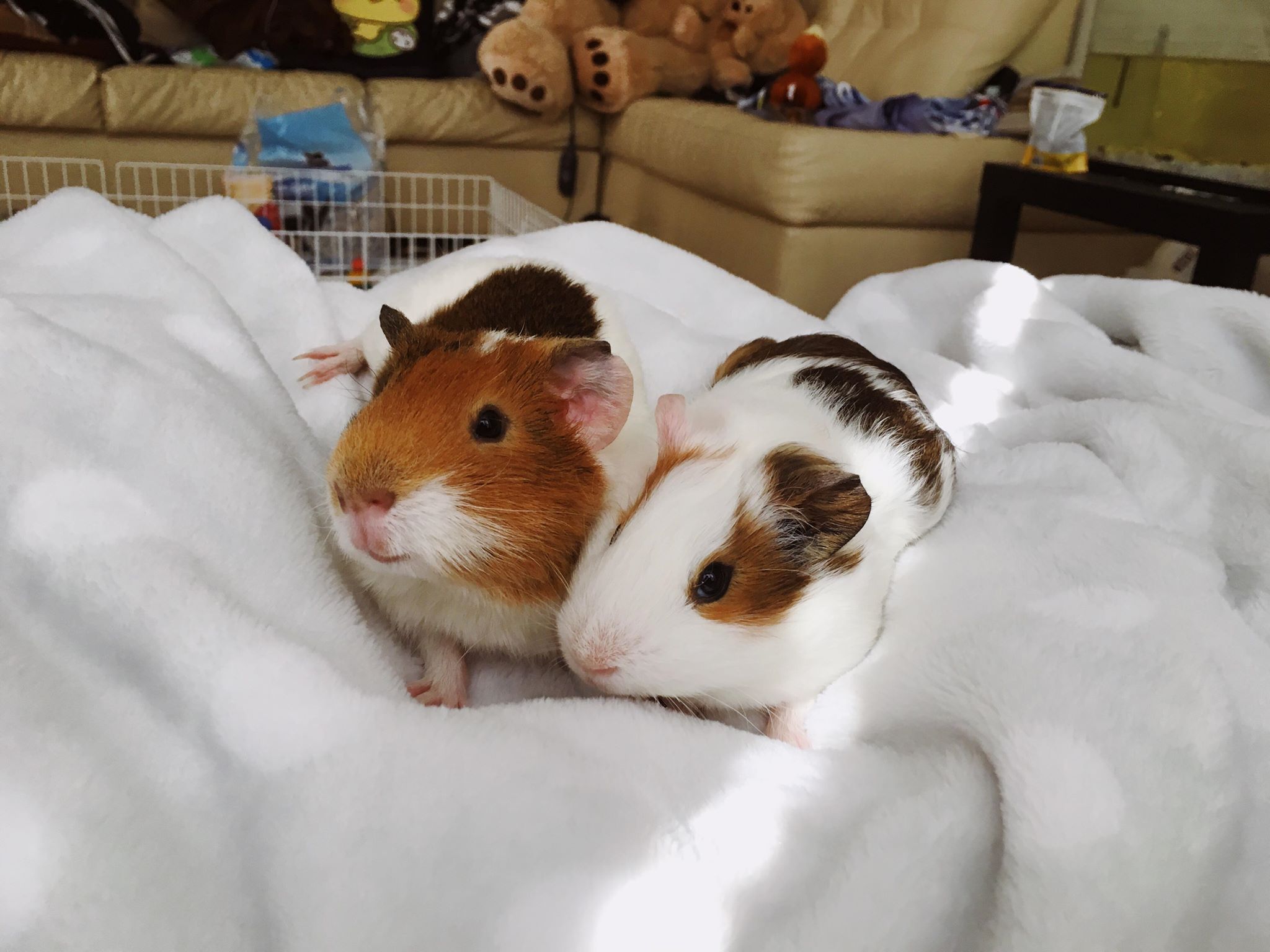
    The author’s guinea pigs- Peanut (left) and Mocha (right)


    Guinea pigs are one of the most popular small house pets and for good reason! Cute and communicative, they can form close bonds with their owners. However, owning a guinea pig means making the commitment to provide it a good life. There are many misconceptions about what guinea pigs need to live a healthy life and this article is here to debunk them!


    Guinea Pigs are Social Animals

    Guinea pig are social animals—a pair of guinea pigs is better than just one. In the wild, guinea pigs travel in large herds. Many people do not know this or think their pig will be fine on its own. However, without a friend, most guinea pigs will become depressed, which can develop into physical issues as well. Living in groups decreases levels of aggression and stress in guinea pigs. They also get the physical exercise they need by playing and chasing each other around. Overall, social activity among pigs increases their health and longevity. When adopting multiple pigs, it is best to adopt the same gender. For boars (males), it is recommended to house them in pairs. However, since soes (females) have greater social adaptability and weaker hierarchy structures, they can be kept in larger groups.

    Adequate Cage Space

    Most cages sold in pet stores are not large enough for guinea pigs to live a happy and healthy life. The minimum cage size for a pair of guinea pigs is 10.5 square feet and this number increases with the number of pigs owned. Even a single pig requires at least 7.5 square feet. This is so they have plenty of room to explore and play around in. Just because they are small animals does not mean they do not need space just like a cat or dog would. In their cage, proper bedding should cover the bottom. In addition to bedding, the cage should contain some boxes and tunnels that they can hide under and feel safe.

    Vitamin C

    Guinea pigs, just like humans, do not produce Vitamin C on their own! Because of this, their diet must supplement it for them. Dark, leafy greens like kale and fruits like oranges are great sources of Vitamin C. Other foods include red peppers, parsley, and broccoli. Be careful when feeding them fruit, however, since fruit is high in sugar and they should be limited to a few small pieces a day to prevent developing diseases in the long run. It is essential that guinea pigs get a sufficient amount of Vitamin C, as it has been shown to decrease protein oxidative damage, reduce hearing loss, and help maintain a healthy liver.

    Are Guinea Pigs Rodents?

    Although labeled as a rodent, research has shown that the guinea pig is in fact not and never has been a rodent! Previous studies of rodents were based on more limited comparisons of certain genes or proteins. However, in a recent study, the guinea pig’s genetic pattern was compared not only to rodents, such as mice and rats, but also other mammals, such as humans, chimpanzees, and opossums. Through some complex statistical computations, the scientists constructed phylogenetic “trees”. These trees linked animals that were genetically most closely related. Their calculations revealed that while rats and mice are close cousins, guinea pigs fall on a distant branch and deserve their own order. When it comes to DNA, guinea pigs are clearly not rodents.


    References
    Angier, N. (1996, June 13). Guinea Pigs Not Rodents? DNA Weighing In. Retrieved April 1, 2019, from https://www.nytimes.com/1996/06/13/us/guinea-pigs-not-rodents-dna-weighing-in.html
    Dietary vitamin C decreases endogenous protein oxidative damage, malondialdehyde, and lipid peroxidation and maintains fatty acid unsaturation in the guinea pig liver. (2003, January 15). Retrieved April 1, 2019, from https://www.sciencedirect.com/science/article/pii/0891584994901082
    Dietary vitamin C supplementation reduces noise-induced hearing loss in guinea pigs. (2004, December 07). Retrieved April 1, 2019, from https://www.sciencedirect.com/science/article/pii/S0378595504003478
    Lee, H. (2019, January 15). Can Guinea Pigs Live Alone? – Find Out More About Solitary Pigs. Retrieved April 1, 2019, from https://squeaksandnibbles.com/can-guinea-pigs-live-alone/