Author: Mingyuan Zhou

  • I don’t know it when I see one

    In Fig. 1, which line is longer?

    Fig. 1 Müller-Lyer illusion

    Our eyes will tell us that the first line seems longer than the second, but in fact two lines are the same. This famous image consisting of stylized arrows is called Müller-Lyer illusion. When we see the picture, though we are asked to place a mark on the figure at the midpoint, our perception will automatically place our vision more towards the “tail end”. Illusions are situations when human’s perception differs from generating stimulus in a meaningful, even misleading way.

    Optical illusions are fascinating, and sometimes even challenging because they demonstrate that what we see is just what we perceive through eyes: we receive the information, interpreted it and yielded the internal representation of the world.

    Psychologists and evolutionary biologists have researched the proposition of illusory perceptual discrepancies. The direction of these researches has been changed throughout history, from purely concentration on the phenomena to the predicted analysis. With enough knowledge of the nervous system, detailed researches of neural structure and function in perspectives of the behavioral research proceed to geometrical and physical directions.

    We can classify illusions into six categories: Luminance and contrast, Motion, Geometric or angle illusions, 3D interpretation (impossible figures), Cognitive effects and Color. Here are some examples related with some of these categories.

    Luminance and contrast
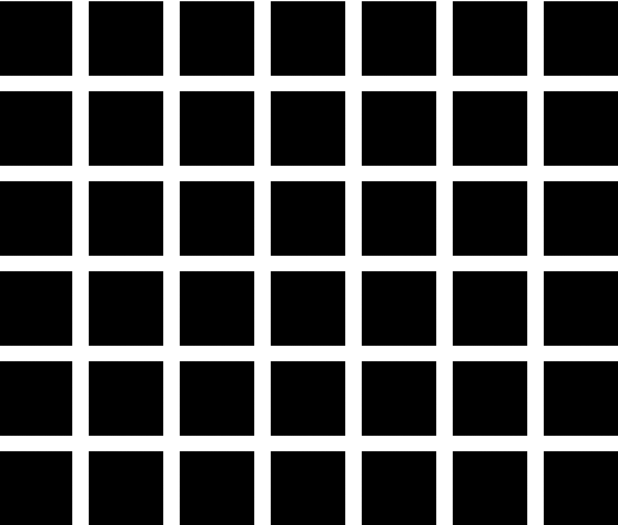
    Fig. 2 Hermann Grid

    The “Hermann Grid” (Fig. 2) is that if you examine the picture, you will see gray dots at the intersections of the white “streets”. This was explained on the concept of lateral inhibition. We see the worlds as our retinal ganglion cells encode and thereby compress it. Moreover, the appearance of gray patches highlights the additional role of cortical processing, i.e. orientation selective neurons.

    Motions
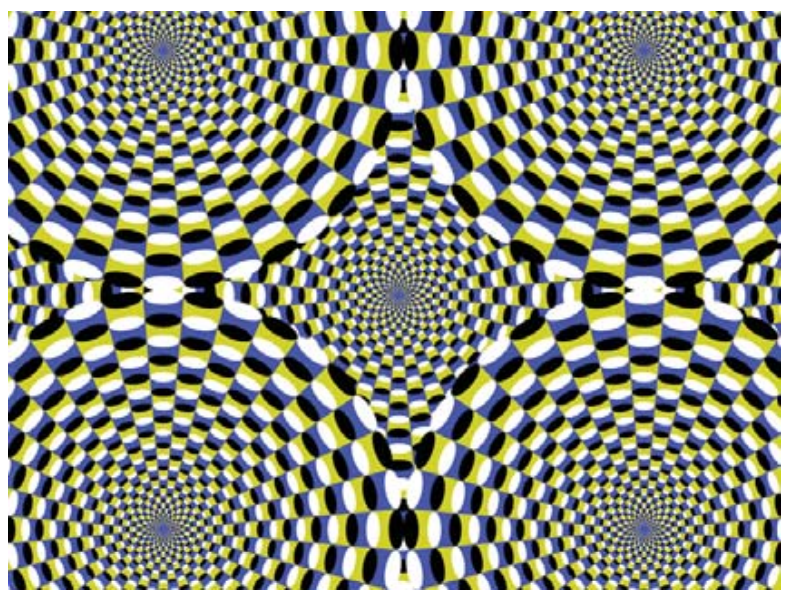
    Fig. 3 Kitaoka’s illusion

    In Fig. 3 the disks seem to expand slowly. One explanation is that when the asymmetric luminance (black to gray to white) appears, we will perceive the asymmetric luminance steps drive motion detectors. Meanwhile, human’s eye movements affect the modulation with our automatic adaptation or possible suppression.

    Geometric or angle illusions
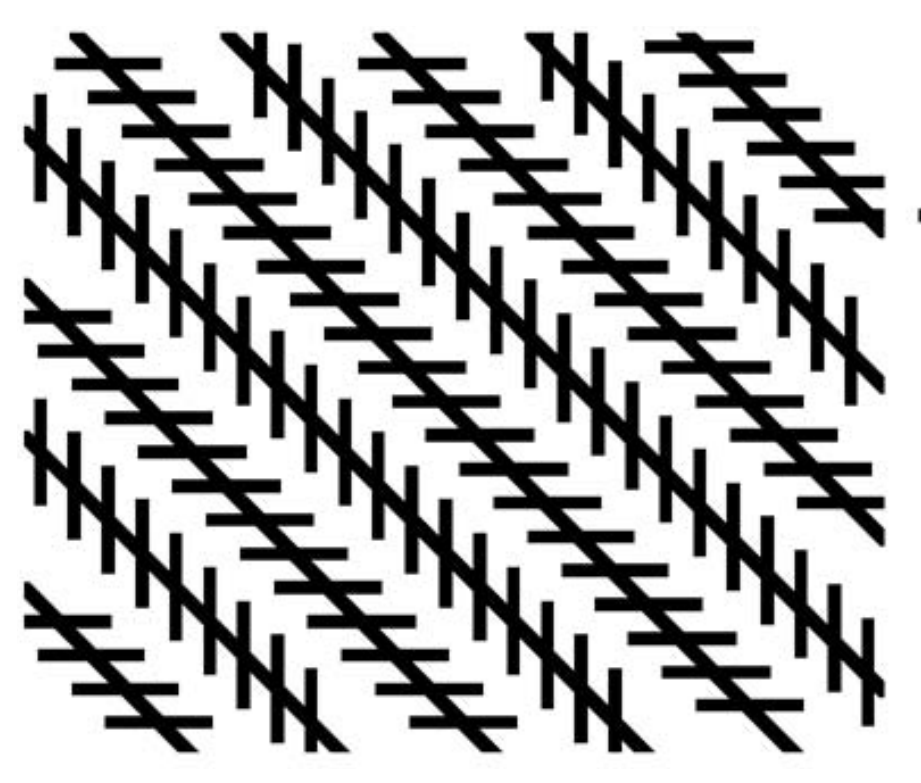
    Fig. 4 J Zöllner illusion

    As J Zöllner discovered in 1860 (Fig. 4), the parallel lines intersected by short lines with right angles appear to be unparalleled. One illustration was that we feel like these parallel lines appear to be closer because we overestimated the small angles affected by the crossings of short lines.

    Impossible figures
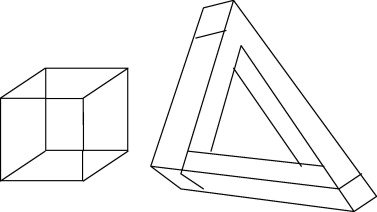
    Fig. 5 Penrose illusion

    As Gerald mentioned (2, Gerald), compared with common cube, figures of the Penrose (Fig. 5) and Escher type require specific parsing of the figure’s components and deductive reasoning to reveal the impossibility of their physical realization. These so-called “impossible figures” require human beings to imagine a physical world, take time to simulate and get a perception, but in fact neglect some other sensory. Basically, they can be created through illusory contours, time discrepancies and perspective drawings.


    Reference:

    Bach, Michael, and Ch M. Poloschek. “Optical illusions.” Adv Clin Neurosci Rehabil 6.2 (2006): 20-21.

    Westheimer, Gerald. “Illusions in the spatial sense of the eye: Geometrical–optical illusions and the neural representation of space.” Vision research 48.20 (2008): 2128-2142.

    Coren, Stanley, and Joan S. Girgus. Seeing is deceiving: The psychology of visual illusions. Lawrence Erlbaum, 1978.

  • Are Sunscreen products reliable?

    What?

    Sunscreens contain diverse active ingredients. Some use the inert inorganic mineral pigment, such as zinc oxide and titanium dioxide, primarily to reflect or scatter UV radiation. Others use organic chemicals or a mixture because chemicals can absorb UV rays. For instance, sunscreens also contain carbon-containing molecules that absorb light, such as oxybenzone, octinoxate, octisalate and avobenzone.

    The Scientific Committee on Consumer Products (SCCP) has reviewed 27 UV filters approved for Cosmetic Directive, each processes a designation, by which they should be declared on product packaging.

    Each sunscreen product has a sunscreen products factor (SPF). It is misleading to interpret SPF as the strength of protection. In fact, SPF refers to the time for the UVB rays to redden the skin with the product compared to that without product. For instance, 15 SPF means using this sunscreen will take 15 times longer for the skin to burn than without using it.


    How?

    Most sunscreen products work by blocking, absorbing, reflecting and scattering UV rays through physical and chemical approaches. Physical method uses particles like titanium dioxide or zinc oxide mentioned above to reflect UV rays away from skins. Meanwhile, many complicated ingredients have chemical reaction with radiation as they contact, absorbing the UV rays, prevent the radiation harming the skins.

    Specifically, sunscreens can combat with two types of damaging UV rays: UVA and UVB. Recent researches show that both UVB and UVA radiation will cause sunburn and skin cancer, while UVA rays will also deeply penetrate the skins and cause faster aging, wrinkling and eye damaging.

    However, most sunscreen products on the market only block UVB rays while overlook the damage caused by UVA rays. Focusing on efficient UVA protection has a significant prospect in the future.


    Safety?

    Besides SCCP inspections, ingredients used in sunscreen products also must be approved by the Food and Drug Administration (FDA). The FDA has reviewed 17 ingredients that can be used in UV products, including oxybenzone, titanium dioxide and zinc oxide mentioned before.

    To guarantee the safety of ingredients, FDA conducts extensive inspections on the ingredients and moreover, regulates the safety and effectiveness of the ingredients until reaching the best performance. For instance, FDA has approved the use of zinc oxide in over-the-counter skin protectants and sunscreen products at concentrations up to 25 percent; active ingredients in sunscreen such as titanium dioxide protect our skin form the harmful UV rays.


    Experiment!

    Now let’s do something interesting using the nature print paper. The nature print paper will become very pale blue after exposure to the sunlight. We can use it to test the effectiveness of UV product by comparing the color.

    Step 1: Take one piece of Nature print paper and put it on a piece of corrugated cardboard for support.

    Step 2: Smear some sunscreen on part of the paper (the small circle). I used the Shiseido UV product with SPF 50, PF+++.

    The paper without exposure to sunlight

    Step 3: Expose the paper under sunlight until the blue paper turns very pale blue.

    Step 4: Check the resulted paper.

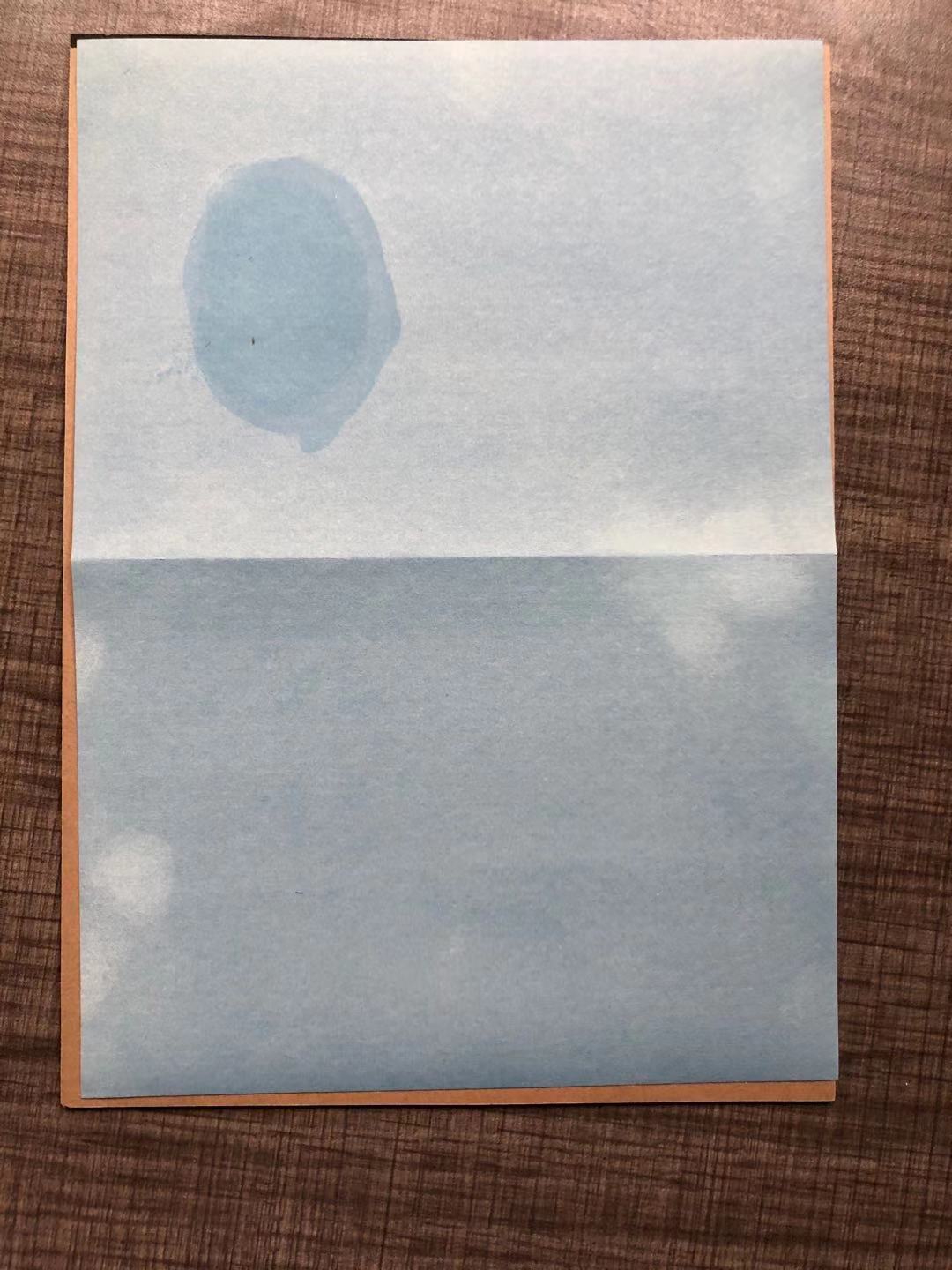
    After exposure to sunlight for 2 hours

    We can discover that the whole paper became light blue, except the circle with sunscreen barely changed after 2 hours of exposure. We can see that the sunscreen products do have intensive effect and we can surely believe that sunscreen products can protect our skins against the harmful UV light.


    Binks, Bernard P., et al. “How the sun protection factor (SPF) of sunscreen films change during solar irradiation.” Journal of Photochemistry and Photobiology A: Chemistry 333 (2017): 186-199.

    Holman, Dawn M., et al. “Patterns of sunscreen use on the face and other exposed skin among US adults.” Journal of the American Academy of Dermatology 73.1 (2015): 83-92.

    Saini, Ritu, and Andrea Szemplinski. “How to choose the right sunscreen for your skin type.” (2016).

    Wahie, S., J. J. Lloyd, and P. M. Farr. “Sunscreen ingredients and labelling: a survey of products available in the UK.” Clinical and Experimental Dermatology: Clinical dermatology 32.4 (2007): 359-364.

    Gasparro, Francis P., Mark Mitchnick, and J. Frank Nash. “A review of sunscreen safety and efficacy.” Photochemistry and photobiology 68.3 (1998): 243-256.

  • Face the Trauma

    Post-traumatic stress disorder, so-called PTSD, is a psychiatric disorder that can occur in people who have experienced or endeavored a traumatic event. Commonly we heard many violent tragedies happened because of the criminals’ former unpleasant experiences, for example, rape or any personal assault.

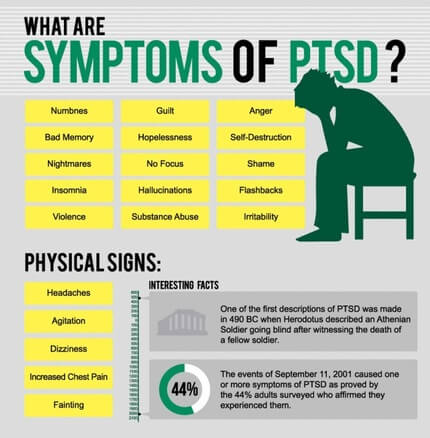
    The pathological environment of abuse fosters the development of a post-traumatic disorder. Past experience of abuse, especially in childhood, appears to be a major factor of becoming a psychiatric patient. Those survivors came back to normal life with a large number and variety of complaints. Bryer, studying psychiatric disorder, reported that women with historical physical abuse have significantly higher scores of depressions, stress, sensitivity, etc. (Bryer, 1987) Moreover, Briere reported that survivors of childhood abuse suffer significantly more in insomnia, drug addiction, alcoholism and so on. (Briere, 1988) Herman concluded that the symptoms can be categorized into somatic, dissociative and affective sequelae of prolonged trauma. (Herman, 1922)

    https://www.betterhelp.com/advice/ptsd/possible-signs-of-ptsd-why-do-i-avoid/

    For PTSD treatment, the very first step is to access personal symptoms. The psychometric properties of the PTSD checklist (PCL), a brief and self-reported instrument, were on research based on 40 motorcycle accident victims and sexual assault victims. All the participants need to complete the PCL and take the interview as feedback. For the PCL the PTSD symptoms are evaluated on a scale indicating how much had the respondents been bothered by a particular symptom from 1 to 5. The results supported the value of PCL as an accessing device for the possible presence of PTSD. (Blanchard, 1996)

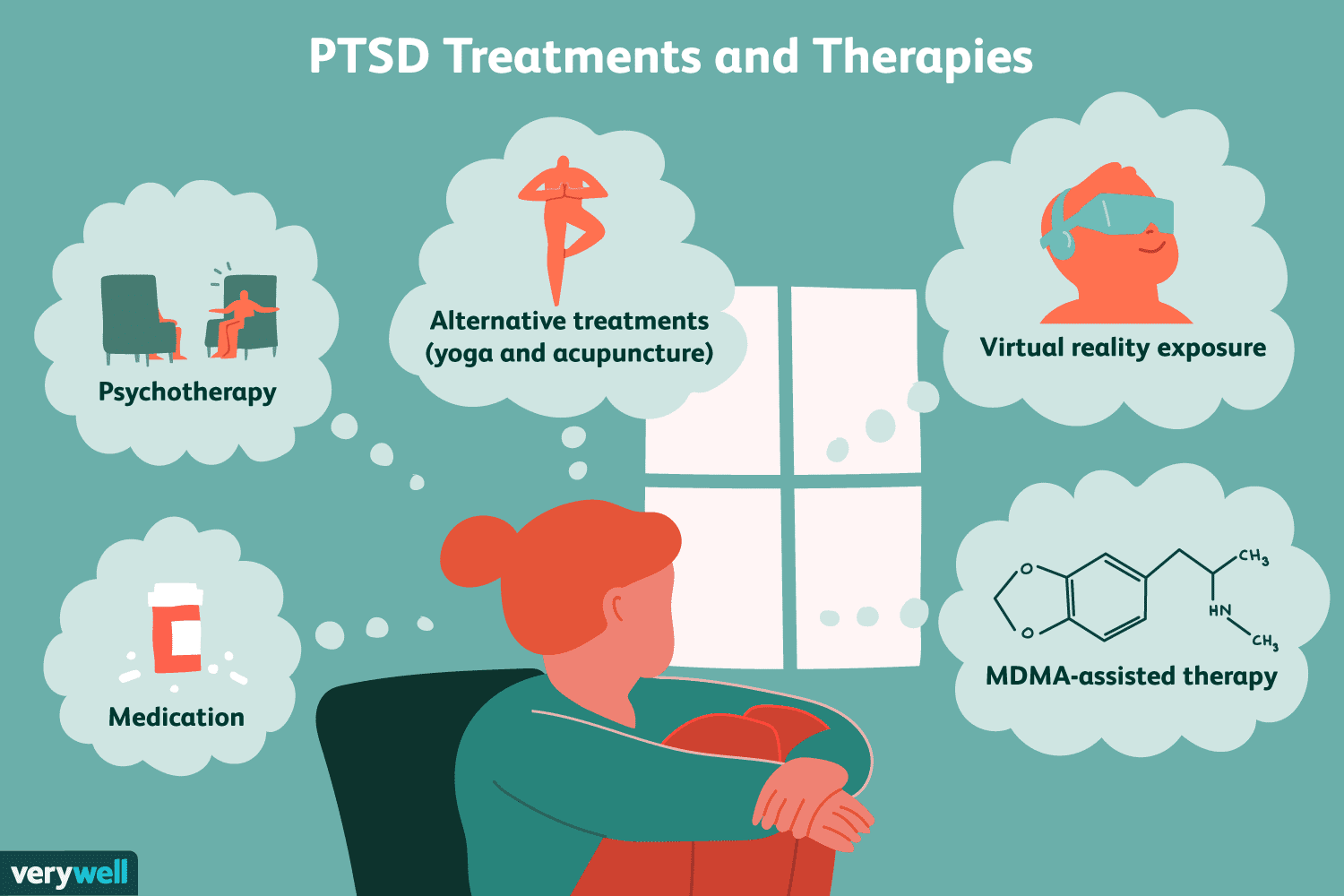
    https://www.verywellmind.com/thmb/SbtJky-uv56Z2DdkNtlgtdPAknE=/1500×0/filters:no_upscale():max_bytes(150000):strip_icc():format(webp)/ptsd-treatment-2797659_FINAL-5c12be374cedfd00010f866a.png

    Prolonged exposure is an effective treatment for post-traumatic stress disorder, no matter what type of trauma the patients endeavored. The PE therapy includes four main components: psychoeducation, in vivo exposure, imaginal exposure and emotional processing. (Rauch, 2012) Psychoeducation focuses on the PTSD symptoms and the former experience. Confronting trauma-related memories can actually reduce post-traumatic disorder. In vivo exposure means confronting trauma-related environment, including people and places as a reminder. Then during imaginal exposure, patients will go through the memory with all the thoughts, emotions and trauma he or she experienced. Finally, emotional processing includes the therapist moving through an open-ended discussion of trauma and thoughts, comparing with the past.

    To be honest, PTSD happens to everyone, from small effect to tremendous causes. Some aspersion can make me self-abased, especially trauma in childhood. While facing those symptoms, just be confident and optimistic to access the level, and take a trauma-related prolonged exposure. It is a golden therapy.


    Bryer, J. B., Nelson. B. A., Miller, J. B., and Krol. P. A. (1987). Childhood sexual and physical abuse as factors in adult psychiatric illness. Am. 1. Psychiafry 144: 1426-1430.

    Briere, J. (1988). Long-term clinical correlates of childhood sexual victimization. AnnaL New York Acad Sci 528: 327-334.

    Herman, J. L. (1992). Complex PTSD: A syndrome in survivors of prolonged and repeated trauma. Journal of traumatic stress, 5(3), 377-391.

    Blanchard, E. B., Jones-Alexander, J., Buckley, T. C., & Forneris, C. A. (1996). Psychometric properties of the PTSD Checklist (PCL). Behaviour research and therapy, 34(8), 669-673.

    Rauch, S. A., Eftekhari, A., & Ruzek, J. I. (2012). Review of exposure therapy: a gold standard for PTSD treatment. Journal of rehabilitation research and development, 49(5), 679-688.

  • Detect True Feelings

    After watching the drama series, ‘Lie to Me’, I got curious about facial micro-expressions. Facial micro-expressions are rapidly involuntary facial expressions which reveal disguised feelings. They can be significant for understanding humans’ deceitful behaviors.

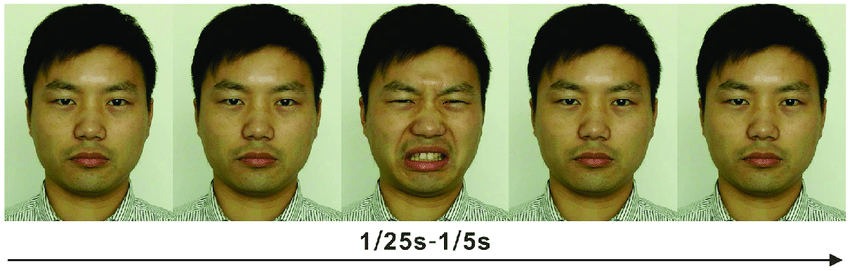
    Micro-expressions were first found by Haggard and Issacs in 1966. (Haggard, 1966) They examined the video taken of a patient, who lied to her doctor to conceal her plan to commit suicide. She pretended to be happy in the video but indeed, when cautiously checking frame by frame, they detected a concealed facial look of anguish within 1/12 second. Generally, these so-called micro-expressions happen rapidly (1/3 to 1/25 second) so that researchers need to examine the process extremely carefully. (Ekman, 2003)

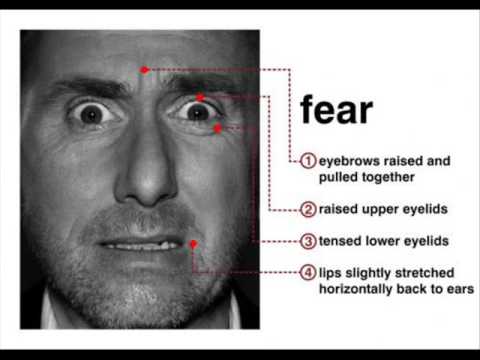
    In analyzing facial expressions, the main focus is basically to detect the six basic emotions and hence to provide facial expression unit being labeled. Different people have their own unique facial expression for each emotion. As a result, researchers have been asked to first give ordinary questions about testers’ daily life to get a baseline of different emotions (not limited to six basic emotions). (Pfister, 2011) For instance, in research done at the University of Oxford, they asked a participant about his attitude toward the murderer and he appeared to be angry since his eyebrows got down and together and his eyes glared.

    micro-expression of anger

    Then changing to the question about cheating, he gave that similar facial expression as feedback. Researchers concluded that they can superficially assess that the participant never been engaged in cheating before since he should return a facial reaction of fear if he did so. (Li 2013)

    micro-expression of fear

    Compared with previously gathered micro-expression criteria, experts can better decide if the participant deceived or not.

    The field of micro-expressions is interesting in psychological research. Experts can get clues about whether someone has committed a crime. Moreover, police can quickly figure out whether the suspects deceive or not. Detecting true feelings can make life much easier.

    Pfister, T., Li, X., Zhao, G., & Pietikäinen, M. (2011, November). Recognising spontaneous facial micro-expressions. 2011 international conference on computer vision (pp. 1449-1456). IEEE.

    Haggard and K. Isaacs, “Micromomentary facial expressions as indicators of ego mechanisms in psychotherapy,” Methods of research in psychotherapy. New York: Appleton-Century-Crofts, pp. 154–165, 1966

    Ekman, P. (2003). Darwin, deception, and facial expression. Annals of the New York Academy of Sciences, 1000(1), 205-221.

    Li, X., Pfister, T., Huang, X., Zhao, G., & Pietikäinen, M. (2013, April). A spontaneous micro-expression database: Inducement, collection and baseline. In 2013 10th IEEE International Conference and Workshops on Automatic Face and Gesture Recognition (FG) (pp. 1-6). IEEE.

  • How To Cope With Depression

    Depression refers to a swing in mood and a feeling of sadness. It is a common problem in every age group, especially in college students, and consequences of depression can be serious. Generally, when people are depressed their feelings are often accompanied by hopelessness in every aspect of their life.

    There are many causes of depression that are not easy to find. Some people might get depressed because they are unable to understand changes in their life, like death of loved ones or ending of relationships. Depression differs in men and women and between age groups (Hyde 2008) and their effective, biological and cognitive factors contribute to vulnerabilities to depression. Moreover, one research study showed that 53% of people suffering from depression experienced depression beginning in college, with 9% reporting that they had considered committing suicide while in college (Furr 2001). Thus, suggestions for college mental health practitioners related to programming, prevention, and psychoeducation are crucial.

    To cope with depression, it is important to reach out for depression support first. As long as you are aware of getting depressed, you should try to seek out some help from people who make you feel safe and cared for. In college, you can join any support group or reach out your counselor to express your feelings. Being with others who have dealt with depression can go a long way in reducing your sense of isolation and loneliness. The very first step to cope with depression is to reach out and stay connected with social environment so that you can better handle with emotional conflicts promptly.

    There are more specific emotion-focused therapies for depression. Trying to keep yourself in a safe environment is crucial in the first step (Greenberg 2006). Breathing fresh air, reading a book you love, taking a long hot bath and listening to a harmonic music can all be effective for emotional cure.

    This is an example of comfortable environment to release stress.
    This is an example of comfortable environment to release stress.

    Besides cognitive and behavioral therapy, there are pharmaceutical therapies to cure depression.  Studies have shown that with a combination of scheduled office visits and telephone calls, pharmacists working closely with psychiatric liasons were effective in providing medication comanagement for depression (Brent etc. 2008). Above all, eating a healthy  diet, especially boosting Vitamin B has a direct impact on the way you feel.

    In conclusion, instead of worrying, you should stay optimistic about recovering from depression. First you need to find out both emotional and biological causes and prevent them. Then by using emotional, behavioral and pharmaceutical therapy, you can gradually cope with depression effectively.

    References

    Hyde, J. S., Mezulis, A. H., & Abramson, L. Y. (2008). The ABCs of depression: integrating affective, biological, and cognitive models to explain the emergence of the gender difference in depression. Psychological review, 115(2), 291.

    Furr, S. R., Westefeld, J. S., McConnell, G. N., & Jenkins, J. M. (2001). Suicide and depression among college students: A decade later. Professional Psychology: Research and Practice, 32(1), 97.

    Greenberg, L. S., & Watson, J. C. (2006). Emotion-focused therapy for depression. American Psychological Association.

    Brent, D., Emslie, G., Clarke, G., Wagner, K. D., Asarnow, J. R., Keller, M., … & Birmaher, B. (2008). Switching to another SSRI or to venlafaxine with or without cognitive behavioral therapy for adolescents with SSRI-resistant depression: the TORDIA randomized controlled trial. Jama, 299(8), 901-913.