Author: Rebecca Hong

  • Matcha: More Than Just a Trend

    After going viral on social media in the early to mid 2020s, matcha – a traditional Japanese green tea drink – now has a ubiquitous presence in many cafes and even bakeries. Popular for its aesthetic green color and unique earthy taste, matcha’s global market has exploded over a short period of time and was estimated to be worth 5.07 billion USD in 2025 (Grand View Research, 2023). Along with its popularity, there has been growing interest in its potential health benefits. 

    In fact, recent research has suggested that matcha may actually have several health benefits – such as increasing cognitive performance, decreasing stress and anxiety, and even reducing inflammation. 

    What is matcha exactly?

    Matcha is the powdered form of Japanese green tea and has been mostly consumed in traditional settings as well as incorporated into many food items. Originating from the Camellia sinensis plant, it has been traditionally cultivated by shielding the tea bushes from the sun using bamboo mats and steamed afterwards to prevent oxidation (Sokary et al., 2023). This process allows for higher production of amino acids and compounds like chlorophyll, which gives matcha its dark and vibrant green color as well as umami flavor (Sokary et al., 2023). 

    In addition, matcha’s chemical composition consists of polyphenols (aka very powerful antioxidants), catechins, caffeine, and phenolic acids. It also contains theanine, which is a non-protein amino acid that is known to have anti-stress effects (Baba et al., 2021). Notably, it is believed that the combination of theanine and caffeine in matcha, which is not found in coffee, helps improve attention (Baba et al., 2021). 

    Benefits of Matcha

    A recent study researched the effects of matcha on executive functioning such as attention (Baba et al., 2021). The participants were randomly assigned to three groups, which were placebo, caffeine, and matcha (Baba et al., 2021). They consumed 9 pills – either placebo, caffeine, or matcha – for 12 weeks every morning and afterwards, were tested on several skills (i.e., memory, facial expression recognition, attention, etc.) using a set of cognitive tests (Baba et al., 2021). The results from this experiment found that the matcha group demonstrated significantly lower reaction times and increased perception of emotion (Baba et al., 2021). In addition, the same group conducted another experiment to observe the effects of matcha under mildly stressful conditions. They found that continuous consumption of matcha helped improve performance under stress (Baba et al., 2021).

    Another study conducted an experiment that examined matcha’s effect in mice exposed to air pollution. All mice were exposed to particulate matter before the experiment. The experimental group of mice were given 20 or 40 mg/kg of matcha, which was based on body weight (Jong Min Kim et al., 2021). Afterwards, it was found that matcha helped to alleviate inflammation (Jong Min Kim et al., 2021). The researchers also found that the experimental (matcha) group was protected from antioxidant deficits in several tissues of the body (Jong Min Kim et al., 2021).

    Conclusion

    Beyond its trendiness and aesthetic, matcha can be described as a delicious concoction of various nutrients, ranging from antioxidants to amino acids that help prevent inflammation and even reduce stress. So the next time you find yourself stressed or need to sharpen your attention skills, head on to a nearby cafe and try a matcha!

    References

    Baba, Y., Inagaki, S., Nakagawa, S., Kobayashi, M., Kaneko, T., & Takihara, T. (2021). Effects of Daily Matcha and Caffeine Intake on Mild Acute Psychological Stress-Related Cognitive Function in Middle-Aged and Older Adults: A Randomized Placebo-Controlled Study. Nutrients, 13(5), 1700. https://doi.org/10.3390/nu13051700

    Grand View Research. (2023). Matcha Market Size, Share | Global Industry Trends Report, 2018 – 2025. Www.grandviewresearch.com. https://www.grandviewresearch.com/industry-analysis/matcha-market

    Jong Min Kim, Jin Yong Kang, Seon Kyeong Park, Jong Hyun Moon, Min Ji Kim, Hyo Lim Lee, Hye Rin Jeong, Jong Cheol Kim, & Ho Jin Heo. (2021). Powdered Green Tea (Matcha) Attenuates the Cognitive Dysfunction via the Regulation of Systemic Inflammation in Chronic PM2.5-Exposed BALB/c Mice. Antioxidants, 10(12), 1932–1932. https://doi.org/10.3390/antiox10121932

    Kochman, J., Jakubczyk, K., Antoniewicz, J., Mruk, H., & Janda, K. (2020). Health Benefits and Chemical Composition of Matcha Green Tea: A Review. Molecules, 26(1), 85. https://doi.org/10.3390/molecules26010085

    Sokary, S., Al-Asmakh, M., Zakaria, Z., & Bawadi, H. (2023). The therapeutic potential of matcha tea: A critical review on human and animal studies. Current Research in Food Science, 6, 100396. https://doi.org/10.1016/j.crfs.2022.11.015

    Uchida, K., Meno, K., Tatsumi Korenaga, Liu, S., Suzuki, H., Baba, Y., Tagata, C., Araki, Y., Shuto Tsunemi, Aso, K., Inagaki, S., Nakagawa, S., Kobayashi, M., Tatsuyuki Kakuma, Asada, T., Ota, M., Takanobu Takihara, & Arai, T. (2024). Effect of matcha green tea on cognitive functions and sleep quality in older adults with cognitive decline: A randomized controlled study over 12 months. PLoS ONE, 19(8), e0309287–e0309287. https://doi.org/10.1371/journal.pone.0309287
  • Why You Shouldn’t Go To Bed at 4 AM

    Why You Shouldn’t Go To Bed at 4 AM

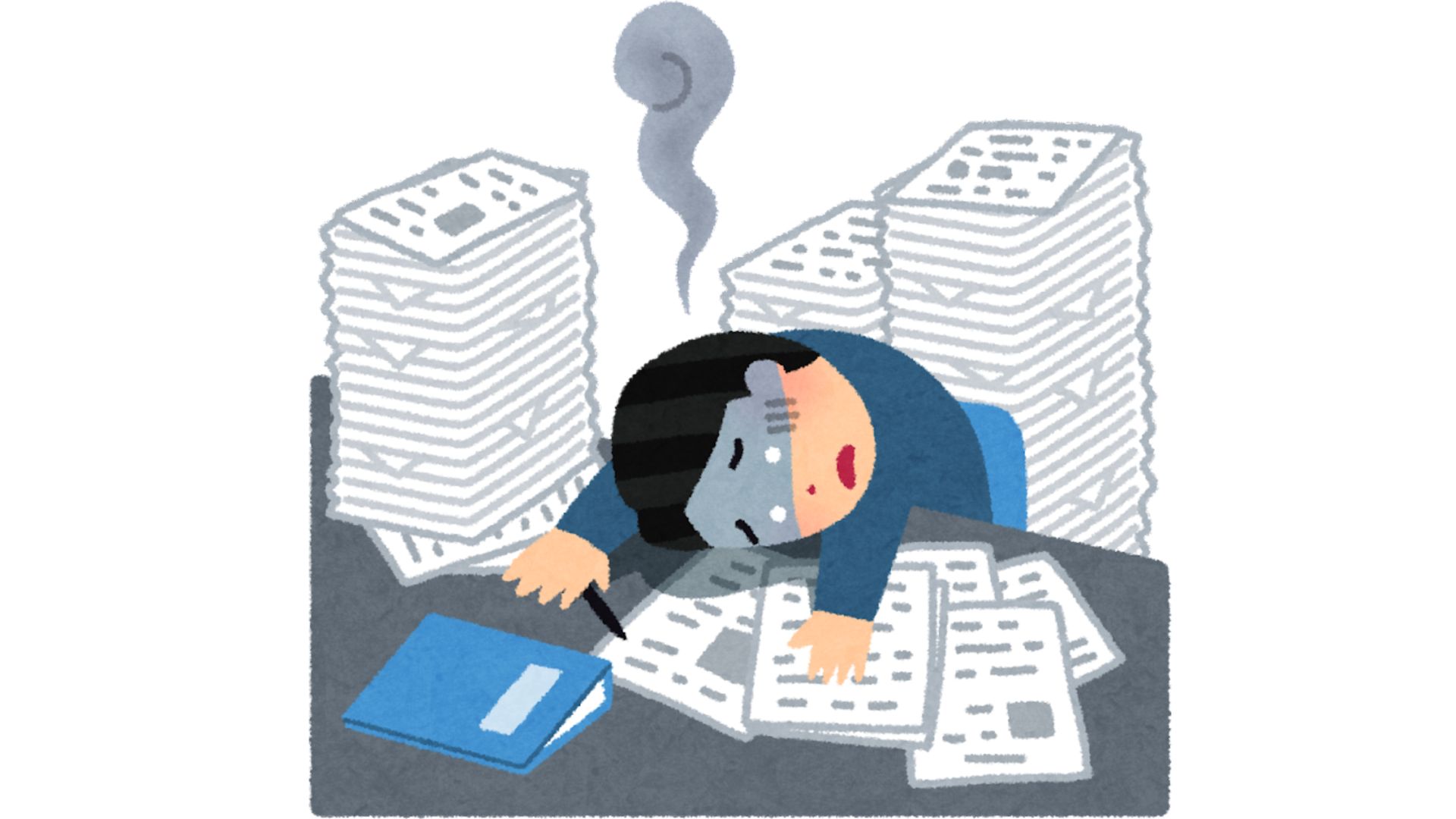
    Imagine the following scenario – it’s 2:15 am and you’re furiously typing away a final paper that is due before your 8 AM class tomorrow. With dark circles under your eyes, you take another sip of your iced Americano and promise yourself that you will go to bed soon. You don’t and end up staying up til 4 AM. The next day, you walk around campus with just three hours of sleep – you have bloodshot eyes, are unable to think properly, and just feel like passing out. 

    Under the pressure of school, work, or whatever it may be, we all have been tempted to compromise our sleep. In the face of such situations, sleep seems like something that can wait, or worse, be ignored completely. However, that is a large and even dangerous misconception because sleep is incredibly important for the functioning of our bodies. One of its crucial goals is to be restorative for many physiological, cognitive, and psychological processes. Without the restorative effects of sleep, the body can begin to experience issues in various areas of health. In extreme cases with chronic sleep deprivation, there can be serious consequences, which can include even a shortened lifespan. 

    What is sleep?

    Sleep is described as a state that is easily reversible and also characterized by changes in consciousness and decreased responses to sensory stimuli. In other words, you are able to relatively easily enter a state of sleep and vice versa, come out of that sleep, which is known as wakefulness. In addition, you are not actively tuned into your environment during sleep, which explains why you do not use much of your senses (e.g., vision, hearing, touch, etc.) while you sleep.   

    In addition, sleep is regulated and controlled by our bodies, specifically the brain, by “biological clocks” called circadian rhythms. The specific part of the brain that is responsible is called the suprachiasmatic nucleus (SCN) and helps control sleep as a 24 hour cycle, which includes wakefulness. Moreover, sleep is divided into four primary stages: N1, N2, N3, and REM sleep (Baranwal et al., 2023). Specifically, the N1 stage is responsible for light sleep while the N2 stage is when our heart rate and body temperature decrease (Baranwal et al., 2023). The N3 stage, also known as slow wave sleep, is characterized as deep sleep and is believed to be when body repair/restoration occurs (Baranwal et al., 2023). Lastly, REM sleep or the N4 stage is when dreaming occurs (Baranwal et al., 2023). 

    Impact of Sleep on the Body

    As it was previously emphasized, sleep is restorative in many ways – for instance, physiological processes, such as regulation of homeostasis and secretion of growth hormone, work more efficiently during sleep (Irwin, 2015). Specifically, homeostasis can be described as how the body maintains a balanced internal environment. Disruptions in homeostasis due to sleep deprivation can negatively impact the body, such as causing a weakened immune system (Baranwal et al., 2023). In addition, research has shown secretion of growth hormone increases during slow-wave sleep, or the N3 stage of sleep (Baranwal et al., 2023). As a result, not sleeping well, especially for children and teenagers, can have negative effects on growth. 

    Its importance is not limited to just physiological processes, but also cognitive processes such as learning, memory, executive functioning, and regulation of emotions (Hyndych et al., 2025). It is already well known in the scientific field that sleep is crucial for learning and memory in which sleep deprivation can cause serious disruptions. Hence, it seems ironic – especially from a student’s perspective – because the purpose of pulling all nighters is to cram information and speed up the learning process – however, its effects are actually the very opposite. 

    Research continues to be ongoing and has linked sleep deprivation to many health issues in many areas such as metabolic, cardiovascular, etc. For example, it is associated with impairment in muscle repair (metabolic), hypertension (cardiac), increased stress levels, and reduced production levels of antibodies (immune), etc (Baranwal et al., 2023). As you can see, sleep is vital to our daily functioning and health overall!

    So what?

    So, the next time you feel tempted to stay up to finish work or pull an all-nighter – just don’t. Sleep is not something we “just do” but plays a crucial role in that it restores your body and mind, helping to reset you for the next day. Missing out on hours of sleep can cause dysfunction and leave you feeling worse than better. In the long run, sleep deprivation can cause serious health issues and a few all-nighters are simply not worth that. 

    References

    Baranwal, N., Yu, P. K., & Siegel, N. S. (2023). Sleep physiology, pathophysiology, and sleep hygiene. Progress in Cardiovascular Diseases, 77(1), 59–69. https://doi.org/10.1016/j.pcad.2023.02.005

    Dang-Vu, T. T., Schabus, M., Desseilles, M., Sterpenich, V., Bonjean, M., & Maquet, P. (2010). Functional Neuroimaging Insights into the Physiology of Human Sleep. Sleep, 33(12), 1589–1603. https://doi.org/10.1093/sleep/33.12.1589

    Harvard Medical School. (2021, October 1). Science of Sleep: What is Sleep? Harvard.edu. https://sleep.hms.harvard.edu/education-training/public-education/sleep-and-health-education-program/sleep-health-education-47

    Hyndych, A., El-Abassi, R., & Mader, E. C. (2025). The Role of Sleep and the Effects of Sleep Loss on Cognitive, Affective, and Behavioral Processes. Cureus, 17(5). https://doi.org/10.7759/cureus.84232

    Irwin, M. R. (2015). Why Sleep Is Important for Health: A Psychoneuroimmunology Perspective. Annual Review of Psychology, 66(1), 143–172. https://doi.org/10.1146/annurev-psych-010213-115205