Author: Rachel Weng

  • How Ink Becomes Art

    A Brief History of Tattooing

    Tattoos have been part of history for thousands of years, serving as cultural markers, expressions of identity, and art. There are many methods of tattooing, such as stick and poke with a mallet and needle and machine tattoo guns. While styles and meanings have changed, one question many people may have is how do tattoos actually work?

    The Permanence of Tattoos

    The nature of tattoos lies in the body’s response to injury and pigment. In essence, tattoos are an open wound when first done. When a tattoo needle pierces the skin, it inserts pigment into the dermis, the second layer of skin that lies beneath the outer epidermis, which is composed mainly of the cell called keratinocytes. Unlike the epidermis, which renews itself every few weeks, a process called skin turnover, the dermis remains relatively stable, allowing ink to stay in place (Magnum Tattoo Supplies, 2024).

    Macrophages, a type of immune cell, rush to the area to absorb the foreign ink particles. Some of these macrophages remain in the dermis with the ink trapped inside, while others die, releasing the pigment again and restarting the cycle. This immune response is important for the tattoo’s visibility and permanence (Mimzi Pma, 2023).

    Skin Layers and Needle Depth

    Tattooing requires precise depth control. The epidermis, which sheds over time, cannot hold ink permanently. If the needle deposits pigment too shallowly, the ink will fade as the skin regenerates. On the other hand, if the needle penetrates too deeply into the hypodermis (subcutaneous fat layer), it can cause a “blowout”. This is a smudged or blurry effect as ink disperses into fat tissue and can cause scarring (Mykhalevych, 2025).

    Daemon, a practicing tattoo artist, explains: “Needle depth is kind of complex depending on the type of skin you’re tattooing and how thick the skin is in certain types of the body… you can tell when you’re going too deep when you see the ink starts to bleed into the vein.” In hand-poked methods, she relies on feeling and auditory cues like a soft “pop” to gauge correct penetration depth.

    Pigment Chemistry: What’s in Tattoo Ink?

    Tattoo inks are composed of pigments in a carrier solution. Black ink commonly contains carbon or iron oxide. White inks may use titanium dioxide, which can cause allergic reactions in some people. Lastly, colored pigments vary widely. Red often contains mercury sulfide or azo dyes, while greens and blues may include copper-based compounds (Miranda, 2019).

    Some inks use organic pigments, especially in vegan or eco-conscious formulations. These pigments can be less stable and may break down faster. Moreover, different skin tones and types can influence how pigments appear and heal. As Daemon notes, “Certain ink might not show up as well on darker skin types… and sometimes ink or healing products can cause mild skin reactions.”

    Healing and Aftercare

    A fresh tattoo is an open wound, vulnerable to infection and irritation. The aftercare process is crucial to both healing and the tattoo’s long-term appearance. As Daemon emphasizes, “Don’t touch it, don’t scratch it… [because] you’re going to pick the scab off and the ink is going to fall out with it.”

    She recommends gentle cleansing with unscented soap, using a thin layer of ointment, and limiting sun exposure. New technologies like second skin bandages offer a breathable barrier during the healing process but must be used with care to avoid excess moisture buildup. Additionally, moisturizing remains important even after healing, as dry skin can cause fading and distortion.

    Aftercare is not only about preventing infection but preserving the artwork. “It’s a piece of art,” Daemon says. “Taking care of it and taking care of yourself will make it look super good.”

    Concluding Remarks

    Tattooing is a combination of biology, chemistry, and craftsmanship. From understanding skin anatomy to mastering pigment behavior and immune responses, both science and skill are important aspects in the art of tattooing. As tattoos continue to grow in popularity and cultural significance, so too does our scientific appreciation for them.


    Sources Cited

    Mykhalevych, Alina. (2025). “Physico-Technical Basis for Needle Depth Control in Fine Line Technique”, Universal Library of Innovative Research and Studies; 2(1): 01-06. DOI: https://doi.org/10.70315/uloap.ulirs.2025.0201001.

    Kapoor, Sky. (2021, October 31). From machines to macrophages: Breaking down the science of tattooing. The Varsity. https://thevarsity.ca/2021/10/31/science-of-tattooing/

    mimzipma. (2023, July 5). The science of tattooing—Mimzipma. https://mimzipma.com/science/

    Miranda, M. D. (2019). Tattoos and tattoo inks: Forensic considerations. WIREs Forensic Science, 2(1), e1360. https://doi.org/10.1002/wfs2.1360

    The science behind why and how are tattoos permanent. (2024, February 12). Magnumtattoosupplies. https://www.magnumtattoosupplies.co.uk/blogs/article/the-science-behind-why-and-how-are-tattoos-permanent

    Weiß, K. T., Schreiver, I., Siewert, K., Luch, A., Haslböck, B., Berneburg, M., & Bäumler, W. (2021). Tattoos – more than just colored skin? Searching for tattoo allergens. JDDG: Journal der Deutschen Dermatologischen Gesellschaft, 19(5), 657–669. https://doi.org/10.1111/ddg.14436


  • A Tiny Frog with a Mighty Voice – The Puerto Rican Coqui

    On my spring break trip to Puerto Rico, I had the opportunity to explore El Yunque National Forest and listen to the calls of the coquí. Afterwards, I began to become more aware of their calls while exploring Puerto Rico, particularly hearing them in less city-like areas. These tiny frogs are not only common in Puerto Rican rainforests, but are also an important part of the island’s cultural identity. 

    The Puerto Rican coquí (Eleutherodactylus coqui) is a small arboreal frog, typically brown, yellow, or green in color, and they measure about one to two inches in length (National Wildlife Federation, n.d.). Despite their size, coquíes are well known for their loud and distinctive nighttime calls, which sound like “co-kee.” These calls produced by males are used to attract females and establish territory among competing males. According to researchers, the “co” part of the call is intended to repel males, while “quí” serves to attract females (Discover Puerto Rico, n.d.).

    Native to Puerto Rico, the coquí lives in the island’s forests, particularly in El Yunque. The coquí’s reproductive method is different from other amphibians. Unlike many frog species that lay eggs in water, coquís lay their eggs on land, often in moist leaf litter or bromeliads. The male coquí plays an important role in parental care by guarding the eggs and keeping them moist through his moist skin. This is vital for their development as it prevents the frogs from drying out or desiccation. In addition, these frogs do not undergo a tadpole stage. Instead, they hatch directly into tiny frogs with short tails (National Wildlife Federation, n.d.). 

    While the coquí seem harmless and are beloved in Puerto Rico, their introduction to other regions, such as Hawaii in the late 1980s, has caused ecological disruption due to their high population density and loud calls. In Hawaii, the absence of natural predators and favorable climatic conditions have allowed coquí populations to reach densities three times the estimates reported from native populations in Puerto Rico (Woolbright, 2006). This overpopulation has led to the consumption of many native invertebrates, and as a result, disrupting local ecosystems and threatening endemic species (Beard & Pitt, 2005). Additionally, the loud calls of male coquíes, reaching up to 100 decibels, have become a source of noise pollution, affecting the life for residents and impacting property values (Beard et al., 2005). There are also 13 species of coquí, each with its own unique call, and they sing at different times throughout the day. As you might imagine, the constant chorus can become quite loud and even overwhelming at times.

    In Puerto Rico, coquíes have profound cultural importance that goes beyond their biological characteristics. They are often honored in mythology, song, and art, and many Puerto Ricans identify the sound of coquíes with home. It’s clear the Puerto Rican coquí is far more than a small frog. Whether heard echoing through the rainforest or symbolized in island art, the coquí continues to be a defining voice of Puerto Rico.

    Video of Coqui Sounds Taken from Puerto Rico


    Sources cited

    Beard, K. H., & Pitt, W. C. (2005). Potential consequences of the coqui frog (Eleutherodactylus coqui) invasion in Hawaii. Diversity and Distributions, 11(5), 427–433. https://doi.org/10.1111/j.1366-9516.2005.00178.x

    “Coquí in the Rainforest.” Discover Puerto Rico, https://www.discoverpuertorico.com/coqui. Accessed 2 Apr. 2025.

    “Puerto Rican Coqui.” National Wildlife Federation, https://www.nwf.org/Educational-Resources/Wildlife-Guide/Amphibians/Puerto-Rican-Coqui.

    “The Sounds of the Coquí Explained!” Discover Puerto Rico, https://www.discoverpuertorico.com/article/sounds-coqui-explained. Accessed 2 Apr. 2025.

    Westrick, S. E., Laslo, M., & Fischer, E. K. (2022). The big potential of the small frog Eleutherodactylus coqui. eLife, 11, e73401. https://doi.org/10.7554/eLife.73401

    Woolbright, Lawrence & Hara, Arnold & Jacobsen, Christopher & Mautz, William & Benevides, Francis. (2006). Population Densities of the Coquí, Eleutherodactylus coqui (Anura: Leptodactylidae) in Newly Invaded Hawaii and in Native Puerto Rico. Journal of Herpetology – J HERPETOL. 40. 122-126. 10.1670/79-05W.1. 

  • Atlanta Science Festival – The Amazing Race

    It’s interesting that my journey with STEMComm began with a reflection on the Atlanta Science Festival, and now, as I wrap up my final semester, I find myself doing the same. This time, I’m writing from the perspective of a two-time coordinator of this event. It’s been a full-circle moment: challenging, rewarding, and meaningful.

    This semester, our VIP team decided to theme the event around The Amazing Race, a reality show where teams compete in various challenges across the globe. We adapted the concept to create a science-themed race, where participants completed interactive challenges that taught them about various scientific topics such as light, conductors, and encryption. The idea was to make learning fun through friendly competition.

    I worked with Christie and Qiaoni on our subteam, Speed of Light, to design a physical and mental activity based on light and color. Our physical challenge, Prism Effect, introduced participants to concepts in optics, specifically refraction and dispersion. Refraction is the bending of light as it moves from one medium to another and dispersion is where different wavelengths bend differently (Biggs, 2024). Using laser pointers and glass prisms, participants had to manipulate the light to create a path hitting a certain number of prisms. Along the way, they learned how white light splits into a spectrum of colors as it bends through different media, and how laser beams, being monochromatic, behave differently.

    Our mental challenge focused on the Stroop Effect, a psychological phenomenon that reveals how our brains process conflicting information, referring to a delay in reaction times between congruent and incongruent stimuli (MacLeod, 1991). Participants had to name the color of a word, not the word itself, which became surprisingly difficult when the two didn’t match. For instance, the word “purple” written in green ink, showing an example of incongruent stimuli. On the other hand, congruent stimuli is when the two aspects align, like seeing the word “blue” written in blue ink (Ruhl, 2023). This task demonstrated how cognitive interference affects reaction time, and it opened up conversations about how the brain, like the anterior cingulate cortex, manages conflict.

    Example of congruent stimuli
    Example of incongruent stimuli

    Like any large event, it came with challenges such as managing multiple teams, and directing participant flow. However, our team adapted quickly and it was cool to see how enthusiastic participants were, especially with the hands-on activity involving prisms. I also learned how to tailor communication styles when interacting with younger children, making the experience both educational and fun for a wide range of ages. Through this event I felt fulfilled watching people engage with our activities. Seeing kids light up as they bent laser beams or raced against the Stroop challenge timer reminded me why we coordinate events. It’s about sparking curiosity, making science engaging, and creating meaningful experiences.


    Sources Cited

    Davidson, Douglas J., et al. “Stroop Interference, Practice, and Aging.” Neuropsychology, Development, and Cognition. Section B, Aging, Neuropsychology and Cognition, vol. 10, no. 2, June 2003, pp. 85–98. PubMed Central, https://doi.org/10.1076/anec.10.2.85.14463.

    Biggs, Kelvin. “Understanding Optical Prism Types, Functions & Uses – UQG.” UQG Optics, 11 Nov. 2024, https://www.uqgoptics.com/understanding-optical-prism-types-functions-and-uses/.

    MacLeod, Colin M., and Penny A. MacDonald. “Interdimensional Interference in the Stroop Effect: Uncovering the Cognitive and Neural Anatomy of Attention.” Trends in Cognitive Sciences, vol. 4, no. 10, Oct. 2000, pp. 383–91. ScienceDirect, https://doi.org/10.1016/S1364-6613(00)01530-8.

    Okayasu, Moe, et al. “The Stroop Effect Involves an Excitatory–Inhibitory Fronto-Cerebellar Loop.” Nature Communications, vol. 14, no. 1, Jan. 2023, p. 27. www.nature.com, https://doi.org/10.1038/s41467-022-35397-w.

    Prism | Definition, Refraction, Types, & Facts | Britannica. 6 Feb. 2025, https://www.britannica.com/technology/prism-optics.

    Stroop Effect Experiment in Psychology. 2 Oct. 2023, https://www.simplypsychology.org/stroop-effect.html.

  • The Science Behind Pickled Vegetables and Their Longevity

    Pickled vegetables have a long shelf life, which is achieved through a combination of preservation techniques and science. Acidity, salinity, and microbial activity in the pickling process enable longevity in the product. Depending on the time, temperature, and quality of the pickling process, these can significantly affect the flavor, texture, and color of the final product. For instance, higher temperatures tend to fasten the process which may not allow much complex flavor development, unlike lower temperatures. 

    How Pickling Works

    Pickling typically involves submerging vegetables in a solution of vinegar (acetic acid) or saltwater brine. Sometimes salt can be used as a pretreatment in order to create safe lactic acid fermentation (Sawada 2021). A key factor in the pickling process is fermentation, particularly lactic acid fermentation which results in the tangy flavor of the product. Fermentation is a metabolic process where microorganisms, such as bacteria or yeast, convert sugars into acids, gases, or alcohol (Sato 2023). 

    The acid or high-salt environment prevents the growth of spoilage-causing bacteria while encouraging the activity of beneficial microbes, particularly lactic acid bacteria. The vegetable is also placed into an airtight container because the presence of oxygen can encourage the growth of beneficial bacteria and promote undesirable microorganisms. The airtight container enables lactic acid bacteria to thrive due to lack of oxygen, thus allowing fermentation to occur. These microbes convert natural sugars into lactic acid, further lowering the pH and creating a hostile environment for pathogens. The result is a flavorful product that remains safe for consumption over extended periods.

    Key Factors Contributing to Longevity

    The low pH achieved during pickling is important for preservation. The optimal pH range is typically between 3.4 and 4.6 for pickling (Sato 2023). Fermentation-based pickling allows lactic acid bacteria to produce lactic acid over time. This method ensures the environment is inhospitable to harmful microorganisms. In fermentation-based pickling, salt concentrations between 2-5% are optimal for promoting the growth of lactic acid bacteria (Sawada 2021). This balance ensures both preservation and the development of the tangy flavors. Lastly, sealing the pickling container reduces oxygen levels, which is important for anaerobic microbes like lactic acid bacteria to grow. This prevents the growth of aerobic spoilage organisms and helps the fermentation process.

    Example of Pickled Vegetable

    When asked about what pickled foods there are, one might think cucumbers. However, there are many foods other than cucumbers that are pickled. A common example of pickled vegetables seen in Korean cuisine is kimchi. Some raw vegetables used for kimchi are cabbage, parsley, perilla leaf, green pepper leaf, garlic, and red pepper. This has many complex flavors and a crispy texture due to the numerous biochemical changes during kimchi fermentation. Kimchi not only tastes good but also brings nutritional value such as dietary fiber and vitamins from the B group, β-carotene, and ascorbic acid (Montaño 2016).

    Why Pickled Foods Last

    The longevity of pickled vegetables arises from a combination of microbial inhibition, acidification, and proper storage. When stored in cool, dark places, pickled foods can last for months or even years. This makes pickling a great technique for food preservation. Next time you visit the grocery store, take a moment to explore the variety of pickled products and you might just discover a new favorite!


    Sources Cited

    Encyclopedia of food and health. (n.d.). ScienceDirect. Retrieved November 25, 2024, from http://www.sciencedirect.com:5070/referencework/9780123849533/encyclopedia-of-food-and-health

    Pickling—An overview | sciencedirect topics. (n.d.). ScienceDirect; Encyclopedia of Food and Health. Retrieved November 24, 2024, from https://www.sciencedirect.com/topics/food-science/pickling

    Sato, T. (2023). The science behind food pickling: Understanding the fermentation process. 7(4), 190. https://www.alliedacademies.org/articles/the-science-behind-food-pickling-understanding-the-fermentation-process.pdf

    Sawada, K., Koyano, H., Yamamoto, N., & Yamada, T. (2021). The effects of vegetable pickling conditions on the dynamics of microbiota and metabolites. PeerJ, 9, e11123. https://doi.org/10.7717/peerj.11123

  • Navigating the Side-effects of Gel Nail Polish

    Rise to Popularity

    Gel nail polish has become popular through the internet and social media platforms such as TikTok for its durability and easy application. It is relatively new to the market so there is not much research done on the side effects. Online, users have easy access to do it yourself (DIY) gel nail polish kits. However, the improper application of these products, particularly when DIY-ing, can lead to severe allergic reactions due to the exposure of uncured chemicals. This could lead to allergic contact dermatitis and ultraviolet-induced lesions. While it may appear to be a faster, cheaper, and easier manicure method than other options, it is important to know the health implications of using gel nail products and how user informed choices can protect nail health and prevent adverse effects.

    UV/LED Lamps

    Gel nail polish is a type of nail polish that is made up of oligomers and ultraviolet (UV) catalysts. After application of the polish, it is hardened or cured under a UV or LED lamp for a period around 2 minutes or 30 seconds depending on the lamp and the strength of energy emitted. The lamp causes oligomers in the polish to change their structure, hence curing the liquid and leading to polymerization (Putek 202). While this may seem harmless, in reality, cumulative exposure to UV light may cause ocular toxicity (cataracts, macular degeneration) and UV lamps can emit 4.2 times more energy than the sun (Litaiem 2022).

    Nail Lesions 

    The usage of gel nail polish is also associated with various nail lesions. These include pterygium inversum unguis (a triangular wedge of tissue), pseudoleukonychia (white spots on the nail surface), lamellar splitting, brittle nails, thinning of the nail plate, yellow discoloration, pincer nail deformity, and ridged nails (Litaiem 2022). Such damage can result from both the application and removal processes, which often involve mechanical peeling, soaking in acetone, or exposure to other harsh chemicals. During the removal process, oftentimes the nail is often wrapped in aluminum soaked with acetone and then a cuticle pusher and nail buffer are used to remove the remaining gel. Hence, exposing the nails to harsh chemicals.

    Allergic Contact Dermatitis

    Additionally, gel nail polish may cause allergic contact dermatitis due to its chemical components, particularly methacrylates like 2-hydroxypropyl methacrylate (HPMA) and 2-hydroxyethyl methacrylate (HEMA) (Litaiem 2022). These acrylic monomers, responsible for many acrylate-induced allergic reactions, are polymerized under UV or LED lamps during curing. However, incomplete polymerization, especially in DIY setups without professional-grade equipment, can leave methacrylates on the skin. As a result, increasing the risk of allergic reactions. Once allergic contact dermatitis develops, there is no cure, only avoidance of products containing the triggering compounds. Studies suggest that improper application techniques and removals, such as at-home gel manicures performed by non-professionals, may further increase the risk of side effects. 

    Takeaways

    Making sure one is informed about the potential risks of side-effects associated with gel nail polish, such as nail damage and allergic reactions, is critical to making safer and more conscious decisions. However, it is disheartening that despite these risks, many people feel compelled to prioritize beauty standards over their health and would continue to get gel manicures. This reflects how societal pressures and cultural norms often place appearance above well-being, perpetuating choices that may lead to long-term harm. Greater awareness and education are important to challenge these norms.


    Sources Cited

    Litaiem, N., Baklouti, M., & Zeglaoui, F. (2022). Side effects of gel nail polish: A systematic review. Clinics in Dermatology, 40(6), 706–715. https://doi.org/10.1016/j.clindermatol.2022.07.008

    Putek, J., Przybyła, T., Szepietowski, J. C., Baran, W., & Batycka-Baran, A. (2020). Side-effects associated with gel nail polish: A self-questionnaire study of 2,118 respondents. Acta Dermato-Venereologica, 100(18), 5931. https://doi.org/10.2340/00015555-3684


  • Blind Box Culture and Its Appeal

    What is it?

    The first time I heard about what a blind box is, I was skeptical about the appeal. The first blind box I ever got was gifted to me and they came from the Sonny Angel series. I wondered what about these mostly naked babies with their butt cheeks out could be cute and desirable by the masses. Little did I know that this would be the beginning of my blind box figurine collection.

    The idea of blind boxes originated in Japan around the 1980s where the earliest form is called fukubukuro, also known as “lucky bag” (Tse 2023). Blind boxes contain collectable figurines that come packaged in a box where the buyer does not know what character they will receive. The figurine designs are often centered around different themes. Within each theme, there are secret figurines that are rare and there are often less than 1% manufactured out of the entire series (Nguyen 2024). This article explores the psychology behind a consumer’s motive on buying blind boxes and how it makes them feel.  

    Why do people buy blind boxes?

    Places that sell blind boxes often have many options for customers to choose from. Due to the various selections possible, consumers are overwhelmed by curiosity and excitement surrounding which character they could pull. This is one of the biggest incentives for people to want to buy a blind box. When they open the box, they either feel happy for getting what they want or disappointment for getting a duplicate or feeling of wanting to buy another one to test their luck (Nguyen 2024). Consumers often want to obtain secret figurines or complete the series collection, which results in feeling the need to buy more. The act of purchasing a blind box draws upon the concept of sunk cost fallacy, where the amount already spent increases one’s commitment to continue buying until they achieve the desired result (Ronayne 2021). 

    The sunk cost fallacy effect is attributed to high-stakes decisions which can be applied to various scenarios such as the decision on whether to buy a blind box or not. In a research conducted by Harvard on the sunk cost fallacy, participants were tested with eight different scenarios on their decision making. The finding from this was that “those with above average susceptibility scores (10 or higher) were almost three times as likely (36% vs 13%) to fall prey to the effect than those scoring below the average (9 or lower) when money was on the table” (Ronayne 2021). This relates to consumers’ motive for buying blind boxes as the fallacy manifests when they continue buying blind boxes because they’ve already invested money, rather than evaluating each new purchase decision independently. Specific triggers for the sunk cost fallacy in blind box purchases include, trying to complete a collection, attempting to get rare or secret figurines due to its scarcity nature, wanting to “make up for” previous disappointing pulls, and the desire to keep trying after getting duplicates.

    The uncertainty factor in blind boxes is attributed to positive emotion, information gap theory, uncertainty resolution, and innate optimism theory (Zhang 2022). Due to uncertainty in what character the buyer could obtain, it enables a higher arousal state in turn increases physiological arousal. This causes people to experience their emotions more intensely and so positive uncertainty increases consumers’ positive feelings when making purchase decisions (Zhang 2022). In terms of information gap, this theory explores the idea of “an information gap between the known information of a person and the unknown and desired information” (Zhang 2022). As a result, increasing one’s desire to know the information. This ties into the uncertainty resolution theory where “human beings are born with an inherent desire to solve uncertainty” (Zhang 2022). Furthermore, the innate optimism theory enables people to subconsciously perceive themselves as lucky, estimating outcomes optimistically, which drives their motivation to desire or logically believe they need to buy a blind box. These all contribute to consumer’s action and motive behind their purchases as they perceive the product’s value as beneficial. 

    Lastly, blind boxes build anticipation for its consumers. With the combination of uncertainty, dopamine is released when the consumer opens the box. The anticipation and surprise cause the release of dopamine, a neurotransmitter associated with pleasure and reward. Additionally, opening the blind box triggers the brain’s reward circuitry, particularly pathways in the mesolimbic system that generate feelings of reward and enjoyment. (Nguyen 2024). 

    Expansion and Influence

    Not only are consumers driven to buy blind boxes due to the overwhelming nature of displays when shopping in-person, but also the community it builds. Online, social media platforms feature communities dedicated to blind box culture. Collectors share unboxing videos, showcase their finds, and discuss their collections. These platforms allow consumers to connect with others who share their passion. As the popularity of blind boxes continues to rise, companies are finding new ways to innovate within this trend. Some examples are advent calendars or mystery items that come along with purchases, such as cosmetics. It is interesting to see how blind boxes have transformed today, and I’m excited to see how it continues to grow whether that is in popularity, influence, or in design concepts.


    Sources cited

    Nguyen, P. (2024, March 21). What psychological factors influence consumers’ decision about buying blind boxes? Cognitive NeuroEconomics @ UCSD. https://medium.com/cognitive-neuroeconomics/what-psychological-factors-influence-consumers-decision-about-buying-blind-boxes-a3440992273b

    Ronayne, D., Sgroi, D., & Tuckwell, A. (2021, July 15). How susceptible are you to the sunk cost fallacy? Harvard Business Review. https://hbr.org/2021/07/how-susceptible-are-you-to-the-sunk-cost-fallacy

    Tse, A. (2023, March 24). Diving into blind box culture. Generasian. https://generasian.blog/2023/03/24/diving-into-blind-box-culture/

    Zhang, Y., & Zhang, T. (2022). The effect of blind box product uncertainty on consumers’ purchase intention: The mediating role of perceived value and the moderating role of purchase intention. Frontiers in Psychology, 13, 946527. https://doi.org/10.3389/fpsyg.2022.946527


  • Atlanta Science Festival After-Party Event Reflection

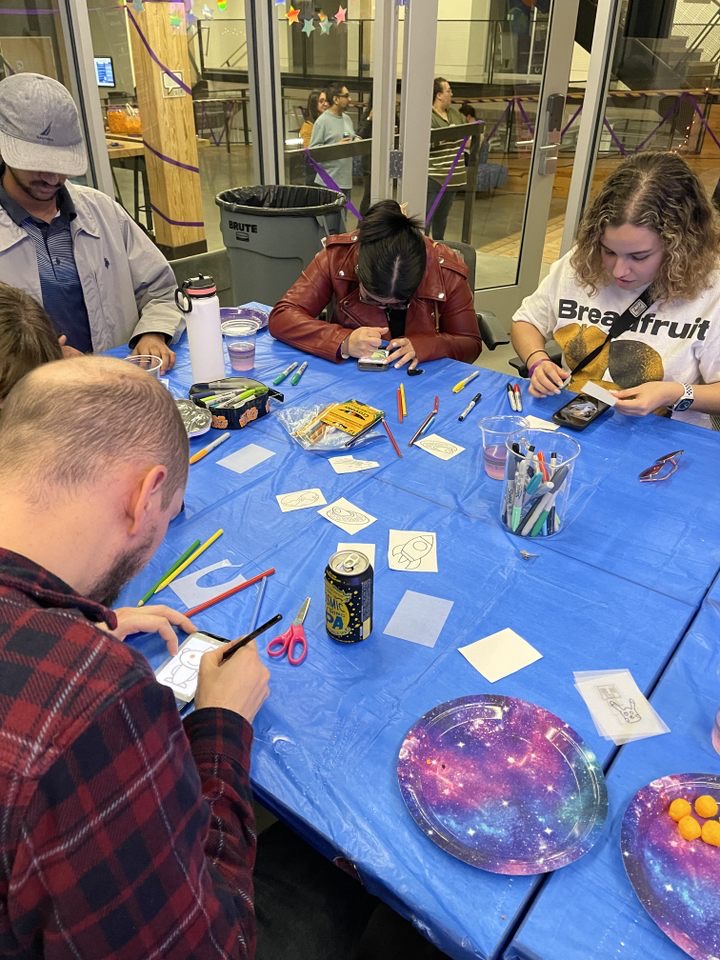
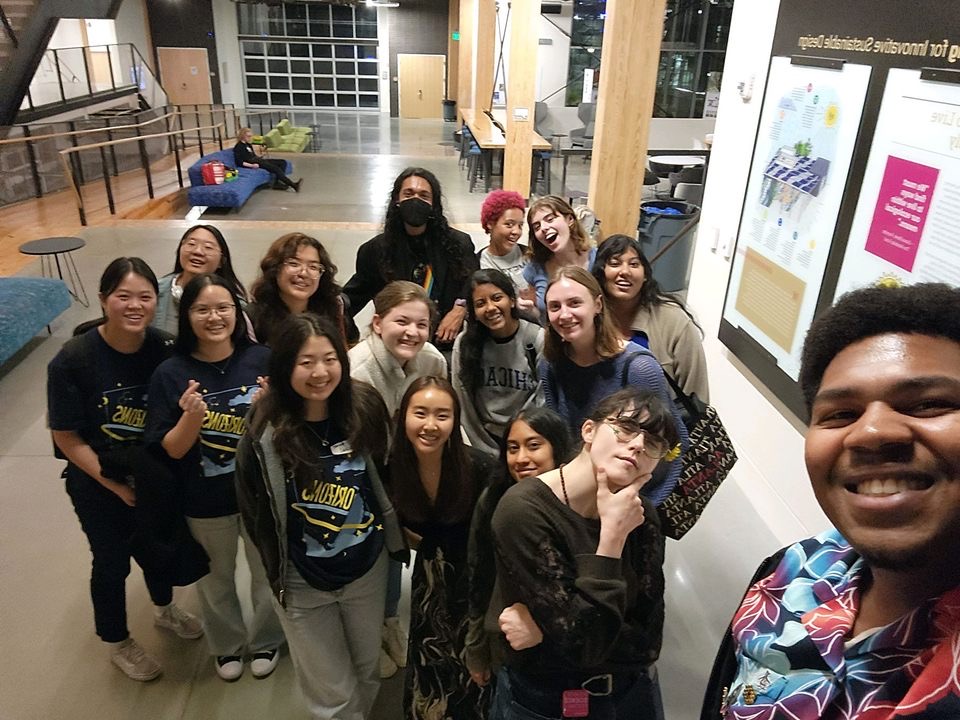
    I joined STEMComm this semester because I was interested in writing articles centered around science and helping out with coordinating events. This semester I got the opportunity to work on the Atlanta Science Festival event after-party, particularly with the shrinky dink activity. I had a lot of fun throughout the entire process, starting with ideation to the final product. Initially, my group and I were uncertain what we wanted to do that would be scientific and fun. However, during the brainstorming, we decided to host a shrinky dink workshop. This turned out to be engaging and didn’t cost too much money. 

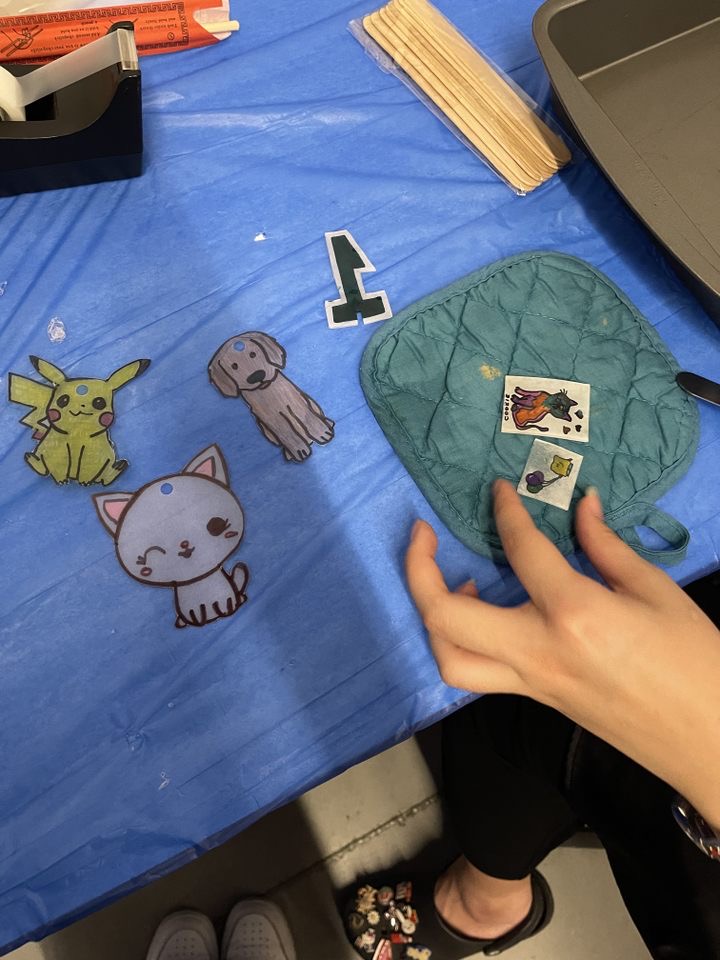
    A shrinky dink is a toy that was invented in 1973 and was super popular in the 1980s. The process involves drawing one’s design on thin, flexible sheets of polystyrene (a type of thermoplastic), cutting it out, and then heating it thus shrinking it into a thicker, more rigid form (Gelfand). Polystyrene is a common plastic and is considered similar to recycled plastic #6 (Magazine). These sheets are created by extrusion, where the material is melted and die-cut into the final product (Gelfand). By heating the plastic, the long polymer chains in the plastic that are stretched out go back to their original state. As a result, the design “shrinks” to around a third of its size and is marketed as magic.

    In our workshop, we cut the plastic sheets into smaller sections for the participants and had a variety of art materials. These included colored pencils, sharpies, markers, hole punchers, and scissors. The product options we decided on were keychains, pins, and magnets. To maintain a safe environment for everyone, we had some team members stationed with heating guns to do the shrinking process. This ensured no participants were harmed in the heating process. Additionally, we had resin that hardened under the UV lamp to create a more secure encasing and fun gloss layer if anyone wanted. The UV light cures the resin through a photochemical reaction. This process does not take too long, depending on how much resin is needed to harden. 

    Before the event started, we also created several examples to display as well as posters and slideshows to explain the process of shrinky dinks, and resin. Once the event started, the workshop received many curious participants and positive feedback. All the participants were surprised and intrigued by the shrinking process. It was fascinating to see how small the designs became when heated up. While some designs became too small or shrunk a little funky, after a few tries, participants were able to grasp how large they should go with the design before shrinking. 

    The workshop was a big success and many participants came back to make more than one item. I enjoyed the setup process and seeing the participant’s faces light up in delight during the event. Running the event and seeing the final product of all the planning come together was a rewarding experience. I am looking forward to helping coordinate and run more events in the future!

    Sources Cited

    Magazine, Smithsonian. “The Science of Shrinky Dinks.” Smithsonian.Com, Smithsonian Institution, 14 Oct. 2010, www.smithsonianmag.com/science-nature/the-science-of-shrinky-dinks-36715644/. Accessed 16 Apr. 2024.

    University, Carnegie Mellon. “Shrinky Dinks – Gelfand Center – Carnegie Mellon University.” Shrinky Dinks – Gelfand Center – Carnegie Mellon University, www.cmu.edu/gelfand/lgc-educational-media/polymers/molecular-rearrangement/shrinky-dinks.html#:~:text=Prior%20to%20heating%2C%20the%20thin,while%20retaining%20the%20colored%20design. Accessed 16 Apr. 2024.