Author: Rakiya Winton

  • Meal Planning

    Like many other college students, eating a healthy meal is difficult to do when we are so consumed with our studies. In fact, results of the 1993 Survey of American Dietary Habits show that 82% of respondents evaluated nutrition as being modestly imperative, and only 27% of respondents considered themselves knowledgeable about dietary rules. To improve dietary consumption, consumers need to be informed on how developing good nutrition habits can be practical and simple. The Plate Model offers a simple approach to meal planning, and using the model decreases cholesterol and protein consumption.
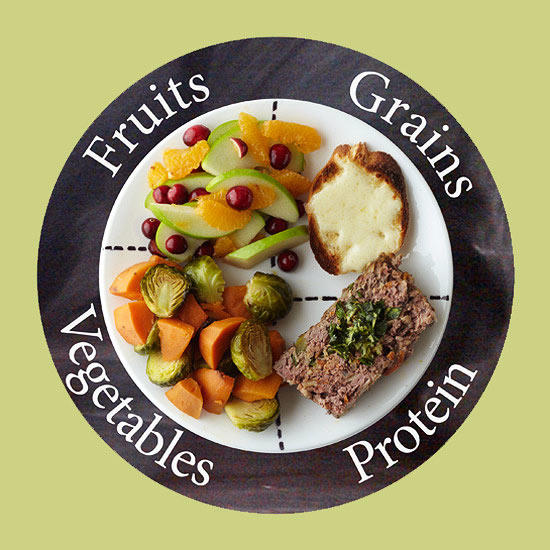
    MyPlate-Opening-Image

    The Plate Model fills is a visual technique for filling a dinner plate. Portions of foods and appropriate food choices can be depicted for meals and snacks in assorted forms. The Plate Model offers a meal planning approach that is straightforward and flexible. The Swedish Diabetic Association has depicted the model as a plate that is isolated into 3 segments with 25% of the plate secured by meat and fruits, and the rest of between grain items (egg, bread, rice, pasta, and potatoes) and vegetables.

    The underlying methodology is to show the divisions of the plate to be secured by specific nourishment. Many consumers need to decrease meat, fish, and poultry segments and increase vegetable intake. Although exact control of portion sizes may not be reflected in the model, improvements in proportions of foods relative to each other on the plate can correct major nutrient imbalances. People who retain the 3 segments of the dinner plate can apply this learning at home or at restaurants. For IMG_3034customers who aren’t knowledgeable about food portioning, visual portrayals compel them to consider portioning without fundamentally knowing about proper measurements.

    The United States is sensitive to a shared objective of building more beneficial American eating methodologies; individuals still need to figure out how to execute proper nutrition. The Plate Model can be used to aid in this improved execution. The model fills in as an as a plan for showing nutrition with straightforward approaches that result in healthy practices for diet. Many individuals believe that great nutrition takes excessive time. Such misguided judgments can keep them from accomplishing better diets. Even college students can improve their nutrition using the plate model in their on-campus cafeterias. Eating suggestions should be sure, handy, and noteworthy, and the plate model can help achieve this goal.


    Morreale, S. J., & Schwartz, N. E. (1995). Helping Americans eat right: developing practical and actionable public nutrition education messages based on the ADA Survey of American Dietary Habits. Journal of the Academy of Nutrition and Dietetics, 95(3), 305-308.

    Camelon, K. M., Hådell, K., T JÄMSÉN, P. Ä. I. V. I., Ketonen, K. J., Kohtamäki, H. M., MÄKIMATILLA, S., … & DAIS PROJECT GROUP. (1998). The Plate Model: a visual method of teaching meal planning. Journal of the American Dietetic Association, 98(10), 1155-1158.

     

  • Anxiety

     Exams……projects……homework assignments, it never ends! In turn, the anxiety begins to manifest. According to the National Institute of Mental Health, an estimated 19.1% of U.S. adults had any anxiety disorder in the past year.

    Sadly, for many yellow jackets, anxiety has become a normality. This emotional response is mostly associated with the fear of not doing well academically at Georgia Tech. Most of us don’t know why we can’t stop worrying. Many of us look past our anxiety and think this is normal, especially when you hear other students complaining about the same things you are. However, when it gets to the point of where the anxiety interferes with your life, it’s time to take action and understand your neurological chemistry.

    Anxiety AnxiousEmojiis a feeling that lingers ling after a stress (external stimulus that signals danger often by causing pain) has lifted and the threat has passed. The factors that trigger anxiety grow out of a response that is hardwired in our brains. For example, thinking you won’t be successful if you don’t do well and pass a class. When in reality, one class doesn’t determine our future. But why do we think this way? Are we born this way or do our experiences cultivate our thinking?

    Kenneth Kendler, a psychiatric geneticist, decided to approach this question by studying groups of identical twins who share virtually all their genes, and fraternal twins, who, like any other siblings, share only some of them. What Kendler’s group found was that both identical twins were somewhat more likely than both fraternal twins to suffer from generalized anxiety disorder, phobias or panic attacks. The correlation isn’t 100%, however. “Most of the heritability is in the range of 30% to 40%,” Kendler says. That’s a fairly moderate genetic impact, so your genes set your general vulnerability. But your upbringing and your experiences still have a major role to play.

    Being that we have no control over our genetic makeup, how can we turn their negative anxiety into positive anxiety? Using it as a tool to focus the mind. Think about it, when you’re worried, anxious, or fearful, whatever you’re associating these feelings with consume your thoughts and you can only focus on that discomfort. To change this, one would need to explore their amygdala and hippocampus. The amygdala tells the body what to do while the hippocampus is a cluster of nerves that help the brain learn and form new memories. These new memories will activate the prefrontal cortex which sends out an “everything is ok,” message, and lets the amygdala know that there is no reason to worry or cause anxiety. So instead of thinking negatively, think something positive no matter the situation or circumstance. Just like any habit, it’s easier to stop than it is to start, so it will require intentional effort to clear your mind of negativity. Understanding this neural circuitry can be the key to reduce the anxiety of students at Georgia Tech and increasing the jubilation of students.

    Gorman, C. (2002). The science of anxiety. Time Magazine, 47-54.

  • Rethink Your Workout

    Would you believe me if I told you that you didn’t have to spend countless hours in the gym daily to see results? Well, it true. Statistics show that more 80% of people do not get enough physical exercise to meet health guidelines. Why? Time and Inconsistency. However, introducing slow-motion strength training to your lifestyle once or twice or week for  at least 20 minutes has been proven to help improve fat loss and improve cardiovascular health.

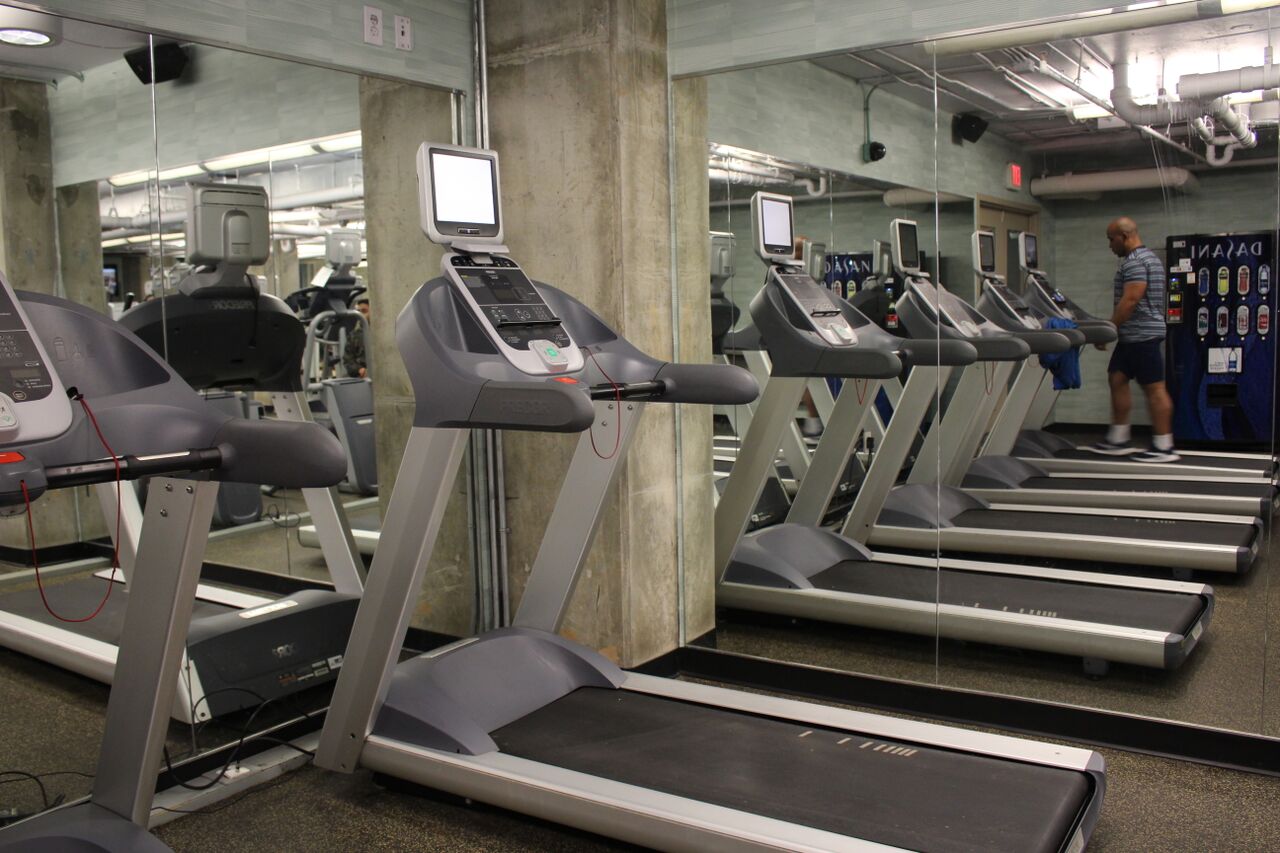
    I’m sure you’re wondering why slow-motion strength training and not aerobics. Slow motion strength training focuses on intense muscle training for a brief period of time to stimulate the best resulttreadmills from the muscles. Essentially, slow motion strength training focuses on putting as much stress on the muscles as possible following days of rest. The human body needs enough time to recover and grow stronger between weight training, which is why many people fail to see results due to over working their muscles. Sometimes more is not better.

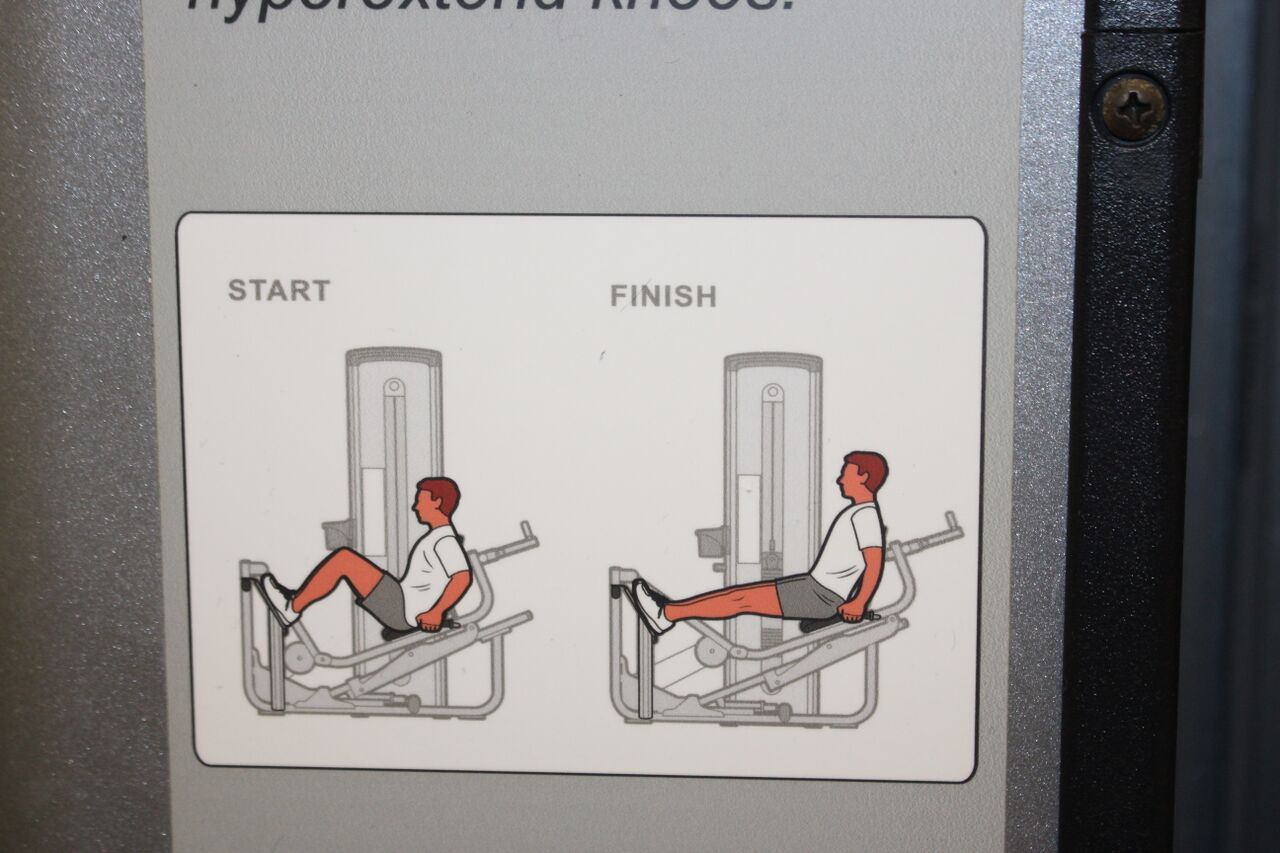
    Researchers conducted an experiment with untrained men and women who trained two to three times per week for eight to 10 weeks on a 13 exercise Nautilus circuit performing one set of each exercise. Participants exclusively trainIMG_2901_previewed using regular speed repetitions for 8 to 12 repetitions per set at 7 sec each (2 sec lifting, 1 sec pause, 4 sec lowering) or a Super Slow training protocol where they completed 4 to 6 repetitions per set at 14 sec each (10 sec lifting, 4 sec lowering). All of the participants were tested for either the 10 repetition-maximum (RM) weightload (regular-speed) or the 5-RM weightload (slow-speed group).

    The results indicated that slow-motion strength training caused about 50% greater increase in strength for both men and women than regular speed training. Hence, if you do slow motion strength training, maintain and healthy diet, and drink a substantial amount of water, research shows you will see results.


    Westcott, W. L., Winett, R. A., Anderson, E. S., & Wojcik, J. R. (2001). Effects of regular and slow speed resistance training on muscle strength. Journal of sports medicine and physical fitness, 41(2), 154.

  • The Science Jokester Quiz

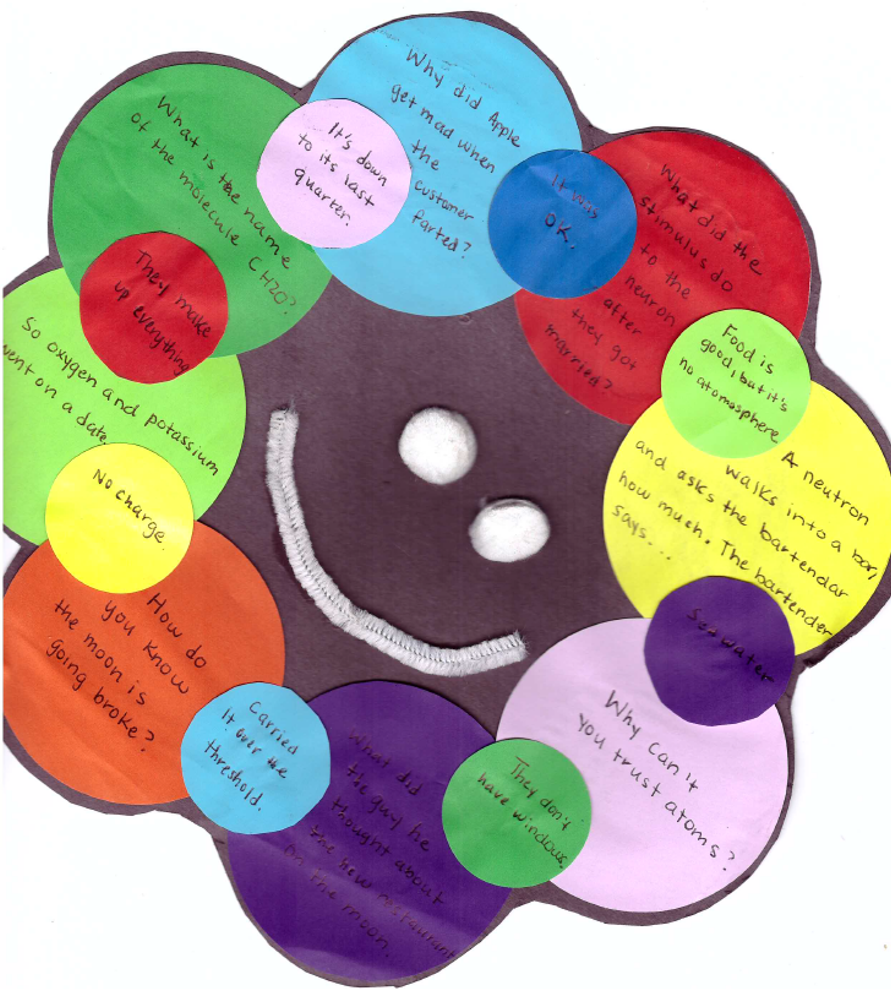
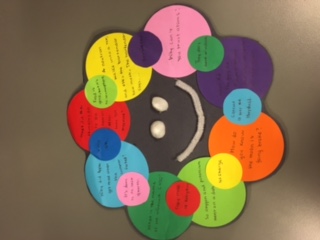
    Directions: Match the correct answer to each science joke.

    Picture1
    a. It’s down to its last quarter      b. It was OK      c. Food is good, but it’s no atmosphere d.Seawater        e. They don’t have windows        f. Carried it over the threshold                   g. No charge       h. They make everything up

    1. Why did Apple get mad when the customer farted?
    2. What did the stimulus do to the neuron after they got married?
    3. A neuron walks into a bar, and asks the bartender how much. The bartender replied….
    4. Why can’t you trust atoms?
    5. What did the guy say he thought about the new restaurant on the moon?
    6. How do you know the moon is going broke?
    7. So oxygen and potassium went on a date…..
    8. What is the name of the molecule CH20?
  • The Black Dot vs The Highlighter

    As college student, we have all had that one class that is required for graduation that we aren’t the most interested in. Most of us have a hard time retaining information for that particular subject. So, what would you consider the most effective way to retain the information you need to be successful throughout the course? There have been many research studies conducted on study habits and IMG_9773.JPG the effects a study habit has on the student’s ability to retain the information. Perhaps, the worst study habit a student can partake in is highlighting, and the best would be studying information in intervals along with adequate rest. But are these practices beneficial for a Georgia Tech Yellow Jacket? I decided to find out.

    Many students at GT are seen in class highlighting or using a bullet point method when taking notes, but which is the most beneficial and how do they affect the student’s ability to retain information if they are not interested in the subject matter? I’m sure any student at GT would agree that lectures are 50 to 75 minutes of information overload that result in sleepless nights to complete homework assignments. What if the reason we can’t retain the information is because of the way we organize the important aspects of the information given?

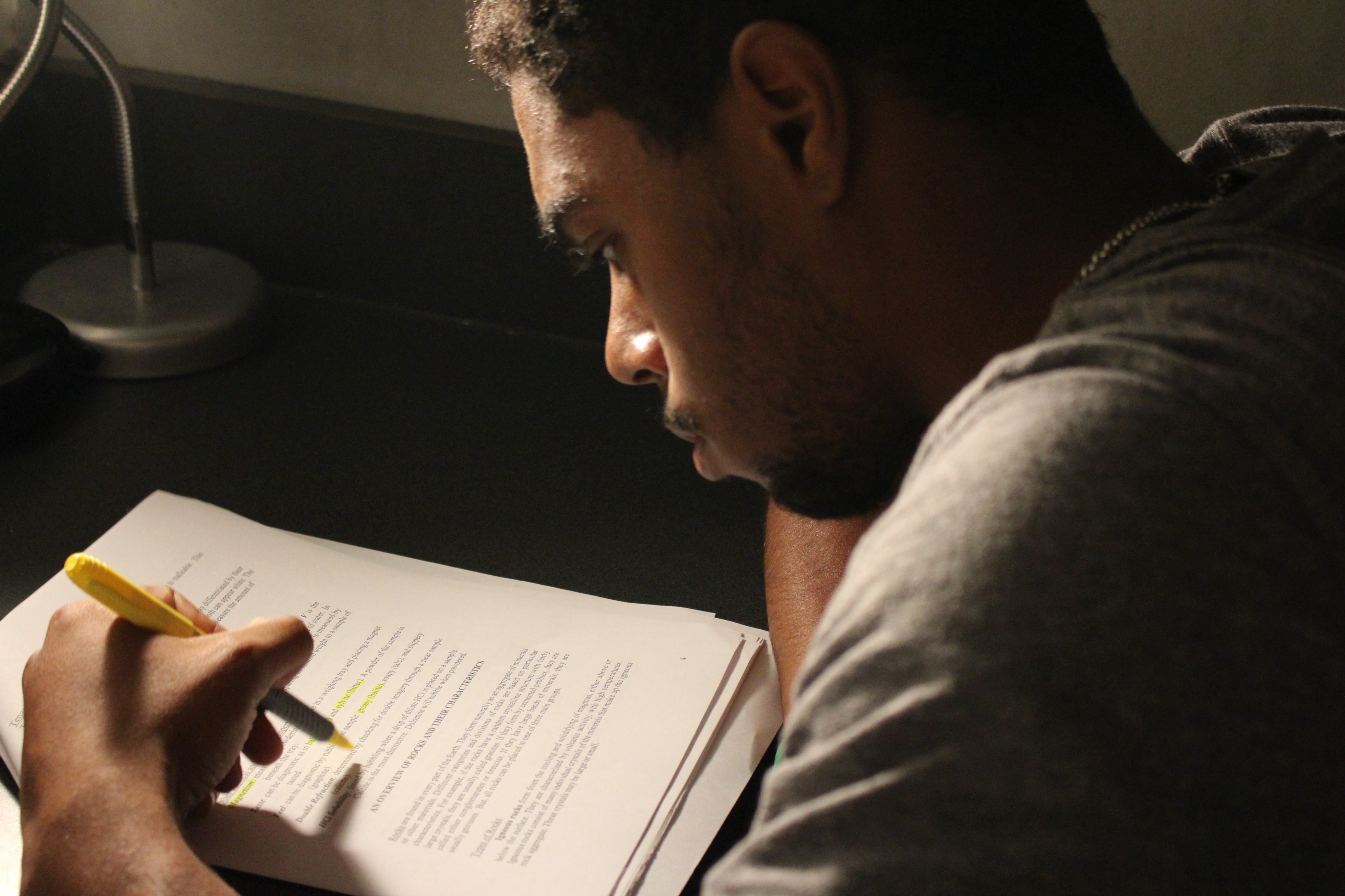
    IMG_9781.JPG I gave two GT students the same packet of information to learn over the course of two days. One student was instructed to highlight all the important information within the packet, and the other student was instructed to use the bullet point method. Exactly one week later, the two students were given an additional packet with new information to learn using their same methods of organizing the important information. At the end of week 2, the students were asked to provide as many facts as they could from packet one. Both students could recall a great sum of information, but the student who used a highlighter could only summarize. The student who used the bullet point method could recall more detailed information. When asked why he thought this may be the case, he said it was more repetition. He claimed that using the bullet point method allowed him to read, recite, determine what was important to remember, and write the information, and that made the information stick with him. Clearly, my two person study needs to be replicated, but in the meantime my advice to kick the highlighter to the curb and use the bullet point method.

    Dunlosky, J., Rawson, K. A., Marsh, E. J., Nathan, M. J., & Willingham, D. T. (2013). Improving students’ learning with effective learning techniques: Promising directions from cognitive and educational psychology. Psychological Science in the Public Interest, 14(1), 4-58.

    Photos by Rakiya Winton