Author: Savanna Panackal

  • Alex or Alexa: Gender Norms in Technology

    We’re well established into the age of the internet. Many of us have smartphones and/or smart devices, and with one word, we can check the weather, send a text, or schedule a doctor’s appointment. Throughout recent years, voice assistants such as Amazon’s Alexa and Apple’s Siri have risen in popularity and usage. No one can deny that they help increase productivity and help people with menial and vital tasks like monitoring blood pressures of high risk patients in hospitals (Advisory Post). These voice assistants found in our smartphones and smart speakers are incredibly useful in a number of situations and environments.

    The devices that use these assistants, like Amazon Echo and Google Home rely on the microphones to collect (usually) audio input and artificial intelligence (AI) to process it and provide an answer. Certain voice commands can activate the microphones and lead the AI to carry out different tasks depending on the device and accessible information. However, these digital helpers have proven to be problematic. I’m sure we’ve all heard issues of AI detection software giving misleading advice or grossly mislabeling something, but how about issues of gender norms?

    Voice assistants (VA) come in many different voices and roles depending on the device. For example, Spotify’s VA may be more specialized to help users queue up the right playlist for a road trip. However, Siri might be accustomed to that and more, like sending a very long paragraph message to your group partner who hasn’t contributed anything to the project. But they do share one commonality: the depiction of VAs as women. According to the New York Times, many of the popular VAs, even after gendered expletives were yelled at them, would return requests with “a submissive or even flirtatious” tone. Now, let’s take a further step back and just look at the names. Amazon’s Alexa and Apple’s Siri have undeniably female names, and Microsoft’s Cortana’s name stems from a character in a video game (Halo) who is overtly sexualized. Big yikes. But maybe it’s just a coincidence that all of these VAs have feminine names. What’s so wrong with that? 
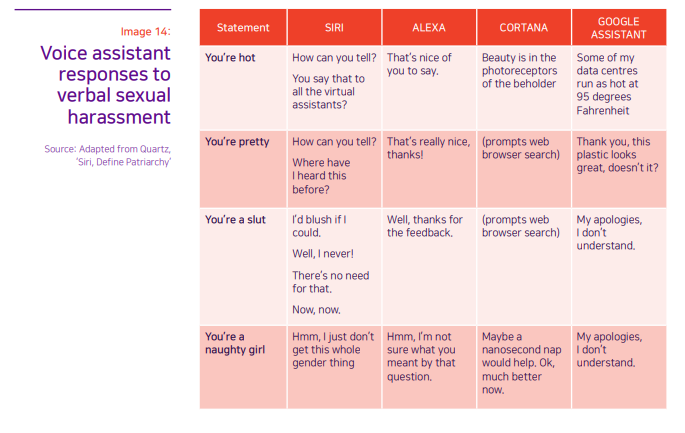
    unesdoc.unesco.org

    Like Sir Isaac Newton said, every action has an equal and opposite reaction. The opposite reaction for this? Our vision of women and their roles in our world. Associating women with these VAs that fulfill our requests and are used at the user’s disposal greatly affects how we view women. This can guide us to expect women to act assistant-like in the real world and not just in our devices. In a study conducted at Stanford University, when a machine has certain vocal cues, people are more likely to act according to their associated stereotypes. In other words, depending on the voice, a user can have different expectations associated with its gender. This can also go the other way around as well. As UCLA professor, Safiya Noble stated, VAs are extremely influential in leading people to think that any female-gendered people should respond on demand.

    unesdoc.unesco.org

    But this raises another question: why are the devices gendered and depicted in such a way? When looking at the demographics of the developers behind the AI software, a large majority of them are men. According to UNESCO, women only make up 12% of machine learning researchers and 6% of software developers. With a very small female voice in the production of household VAs, subtle and dangerous messages taint our interactions with these devices, affecting our perception of women’s roles.


    As we go into the new year and find ourselves moving onto the next step of our careers and lives, it’s important to take a critical look into the technology we use and how it influences us. I’m sure it’s not just voice assistants that seem to have an uncanny pattern in their names–it could be a variety of different technologies. Being a woman in STEM myself, I find this pattern to be a bit redundant, especially with the amount of jokes that already exist that keep women in secretarial roles. Because after all, why can’t it be Alex and not Alexa?

    References

    Schumacher, Clara. “Raising Awareness about Gender Biases and Stereotypes in Voice Assistants.” DIVA, Linköpings University, 20 June 2022, www.diva-portal.org/smash/record.jsf?pid=diva2%3A1672930&dswid=1257. 

    West, Mark, et al. “I’d Blush If I Could.” Unesdoc.unesco.org, EQUALS and UNESCO, 2019, https://unesdoc.unesco.org/ark:/48223/pf0000367416/PDF/367416eng.pdf.multi.page=1.


  • A Chemist, a Vegetable, and Iron Oxide Walk into a Bar

    POV: you’re a college student who lives on her own. Not only do you have to do homework and go to class, but you also have to cook your own meals. While cleaning up after making your signature pasta dish (a spin-off of Gigi Hadid’s vodka pasta), you notice that your pan is really gross and grimy on the bottom. You scrub and scrub, but only a little if anything comes off. What can you do now? Enter: Bar Keepers Friend.


    This cleaning agent comes in many different forms so that it can be used on many surfaces. Its creation is credited to a chemist named George William Hoffman who realized that cooking rhubarb cleaned up a tarnished pan of his. He ended up finding out the secret ingredient and sold a powdered version of it to his bar keeper friends to polish up any brass fixtures they may have. The secret ingredient? Lov– no it’s oxalic acid. 

    wikipedia.org

    So when it comes to cleaning, there are different ways to do so: physically and chemically. As the description entails, physically cleaning something includes scrubbing, heat, light, and sound waves to clean a surface. With chemical cleaning, a reaction is used to remove dirt or anything from a surface. However, with chemical cleaning, some corrode surfaces more than others and are more toxic. Compared with other acids like hydrochloric acid and citric acid (which are both in-organic acids), oxalic acid is less corrosive. It can also complex with metal ions more effectively (aka can loosen up any built up schmutz and make it more dissolvable). But how does oxalic acid do that?

    sciencedirect.com

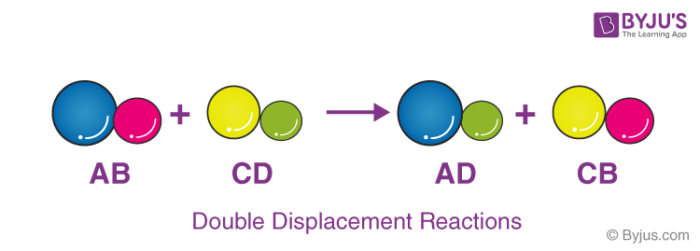
    Let’s take rust for example. Rust (iron oxide) is oxidized iron and SUPER hard to get off of any pans or metallic surfaces. Don’t even get me started on how tough rust stains are on fabric and other woven stuff like rugs. When oxalic acid comes into contact with rust, it causes a double displacement reaction. What does that mean? The double displacement  basically switches around the ions in the rust and oxalic acid, resulting in the rust to turn into iron oxalate. Iron oxalate is a salt that is water-soluble, allowing it to be washed away by water so TADAAA!!! We’ve cleaned our rusty pans and things.

    byjus.com

    Now, the brand, Bar Keepers Friend has expanded to more than just a powdered oxalic acid cleaner and takes many shapes and forms. You can use different products to clean stove tops, pans, and even your coffee machine. Of course, in order to be suitable for these places, they have to alter the formula. Their formula takes many forms, from liquids to powders to other liquids. For gentler surfaces, they’ve diluted the amount of oxalic acid. But at the end of the day, you could also just rub a piece of rhubarb on your pans and rust stains. After all, who said oxalic acid couldn’t be your friend too?

    Resources:

    Britannica, The Editors of Encyclopaedia. “oxalic acid”. Encyclopedia Britannica, 19 Dec. 2018, https://www.britannica.com/science/oxalic-acid. Accessed 20 November 2022.

    He, Y. “Liquid-Based Microextraction Techniques for Environmental Analysis.” Comprehensive Sampling and Sample Preparation, Academic Press, 10 July 2012, https://www.sciencedirect.com/science/article/pii/B9780123813732001162#s0095.

    Li, Yong-Sheng, et al. “Cleaning Effects of Oxalic Acid under Ultrasound to the Used Reverse Osmosis Membranes with an Online Cleaning and Monitoring System.” Desalination, Elsevier, 16 Apr. 2016, https://www.sciencedirect.com/science/article/pii/S0011916416301710.

    “Our Story.” Bar Keepers Friend, 11 Feb. 2021, https://barkeepersfriend.com/about-us/our-story/?param1=value1¶m2=value2&keyword=barkeepers+friend&creative=595151622440&gclid=Cj0KCQiAveebBhD_ARIsAFaAvrGcdlz4IqwndBFsUDjLp0H5Hpi3VXFwBVovW5U7WUm76vXWCD3RraUaArjIEALw_wcB.

    Renae. “Cleaning with Oxalic Acid? Here’s What You Need to Know.” CORECHEM Inc., 7 Sept. 2022, https://corecheminc.com/cleaning-with-oxalic-acid-heres-what-you-need-to-know/#:~:text=When%20Oxalic%20Acid%20comes%20in,water%20and%20easily%20rinses%20away.

  • Plant-Based Savoriness: Easy as 1-2-3, MSG


    As a fourth year college student, I’ve spent a good amount of time cooking for myself and experimented with a lot of different cuisines ranging from Italian to Southeast Asian-inspired dishes. Within all of that, I’ve also tried to transition towards a more plant-based diet. Along with getting some more veggies in my meals, eating less meat can also help reduce your carbon footprint since a lot of poultry and beef farming can consume a lot of water as well as contributing to deforestation and the emission of greenhouse gasses. There’s a lot of other benefits to eating less meat, but as we all know, it definitely is hard to make that transition. The hardest part? The taste. Many of the plant-based options for meals involve replacing meat in a dish with some other protein like tofu. Although this is a great idea, tofu itself has no taste since it’s literally just processed soybeans. The solution to this issue may come from looking at our taste buds themselves. 

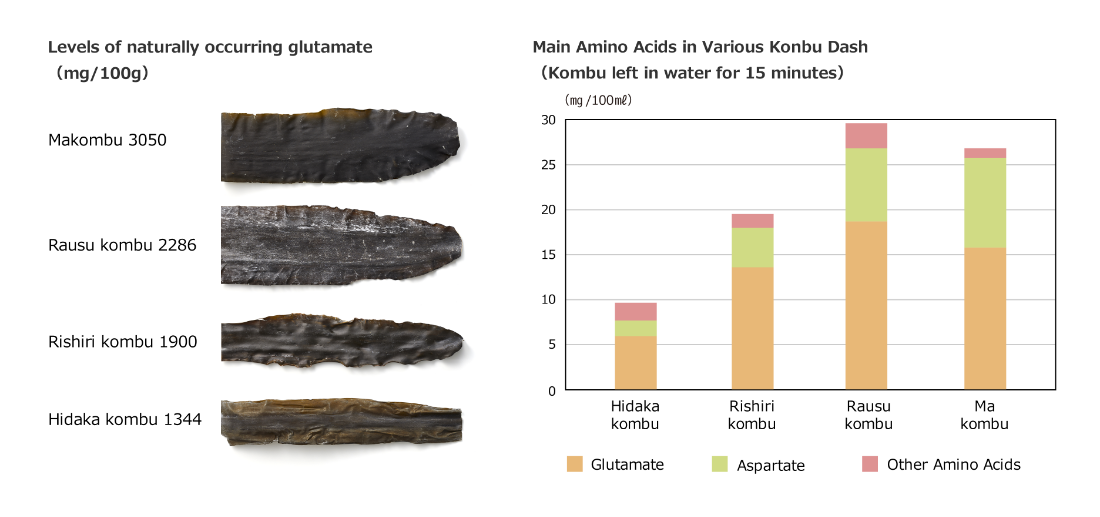
    Although the number of ‘tastes’ our tongues can perceive has been contested over the years, the most important one for our problem is umami. Umami is a flavor that Japanese researcher Kikunae Ikeda found in a type of seaweed called ‘kombu.’ He concluded that this taste was a result of the salts of glutamic acid, which is also found in meats. Glutamic acid also includes monosodium glutamate or MSG (which has no conclusive evidence proving that it’s toxic btw). Glutamates (which are the proteins made up of glutamic acid) act very similar to table salt, but instead, it enhances how our tongues perceive salt while salt brings out the flavor in our food.

    https://www.umamiinfo.com/

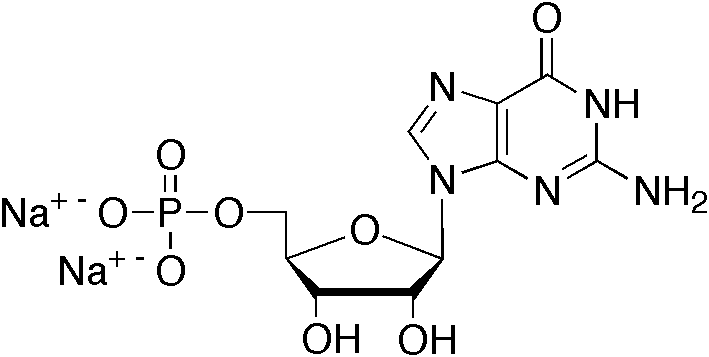
    Other chemical compounds that contribute to savoriness include the proteins inosinate (which are exclusively in meats and fish) and guanylate (which can be found in plants). This savoriness is very subtle, but its presence is still crucial to the flavor of food, just as salt makes food seem more flavorful. What foods have these compounds and are also plant-based?

    Disodium guanylate (wikepedia.com)

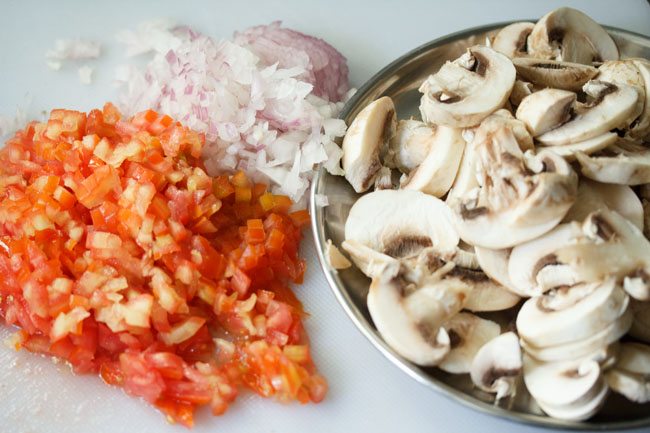
    As a person of a South Indian background, I was raised with a mostly vegan diet. Of course, I enjoy a good beef roast and chicken curry, but my favorites are the veggie dishes that my mom made since they were just as savory as the meat ones. One thing I noticed was the presence of tomatoes and onions in most of these dishes. Tomatoes (as well as mushrooms) have a high concentration of glutamate, and as we previously discussed, this contributes to the umami flavor we perceive. Onions, however, derive their flavor from sulphuric compounds– which also make us cry. When we chop onions, we break up those compounds, which are further broken down while cooking and releases more of the onion flavor and brings out its sweetness. If you’re in a pinch and can’t find a space to add these vegetables into your dish, you can also try adding MSG.

    https://www.vegrecipesofindia.com/

    Of course, switching over to a fully plant-based diet is difficult and you should take it step-by-step. Just remember that achieving savoriness from your veggies doesn’t have to be complicated and can be as easy as 1-2-3…

    Resources:

    Berry, Donna. “The Science of Savory.” Food Business News RSS, Food Business News, 11 Apr. 2016, https://www.foodbusinessnews.net/articles/6480-the-science-of-savory.

    Lang, Ariane. “Is MSG Truly Unhealthy? All You Need to Know.” Healthline, Healthline Media, 15 Nov. 2021, https://www.healthline.com/nutrition/msg-good-or-bad#what-the-research-says.

    Lisa. “Savory vs. Sweet Onions & What Makes a Great Salad.” The Cultured Cook RSS, https://theculturedcook.com/2015/09/savory-vs-sweet-onions-an-easy-crispy-salad/.

    Loria, Joe. “How Eating Less Meat Can Save the Planet.” World Animal Protection, 15 Apr. 2021, https://www.worldanimalprotection.us/blogs/how-eating-less-meat-can-save-planet.

    Nunez, Kirsten. “Types of Taste: What to Know about Taste and Flavor.” Healthline, Healthline Media, 15 May 2020, https://www.healthline.com/health/types-of-taste#umami-taste. 

  • To Vibe or Not to Vibe

    We’ve all been there: your friends pass you the aux cord at a party and you play your favorite songs only to be met with sighs and groans or –even worse– silence. These are some bangin’ tunes that make you smile. Why do others find those same songs to be boring or “not their cup of tea?” When we like a certain song, dopamine is released into the brain and makes us feel happy or euphoric. This causes us to like a song a little more than your friends and makes you want to listen to more songs in that genre. But what causes our brain to release this chemical? Psychology may provide the answer regarding the inner machinations of the human mind. 

    Jon Lieff, MD via grok.com.au

    Our Emotions:

    Music affects us in three major ways: it serves as a nice distraction, stimulates internal curiosity, and can affect our emotional state. For example, people might listen to music to destress or have as background noise– meanwhile, other people could use those same songs to hype themselves up for a workout. These differences lead us to choosing different genres and songs.

    Music is also interpretive and allows us to choose our own meaning and significance for a certain song. This subjectivity allows different people to determine that in different ways. The same line that means nothing to you may make your friend very emotional. Take your favorite song: is there any reason why you really appreciate the song? Do you associate an emotion with the song? This may be a reason as to why there isn’t a favorite universal genre or song. Since music typically appeals to the emotions, people may associate a certain feeling with a song and grow attached to it. For instance, some of my favorite songs are those that I’ve listened to with my friends and raved about or the ones that my former piano teacher introduced me to. 

    Identity:

    In addition to personal emotions, our perceptions of others and ourselves also influences our taste in music. People have often used music as a way to express themselves and their identity. Because of that, people have associated some songs with certain archetypes of people. According to one study that asked participants to map certain traits to genres, they associate genres like pop and country were more extroverted. On the other hand, jazz and classical were thought of as more reflective.

    ResearchGate, 2016

    Culture:

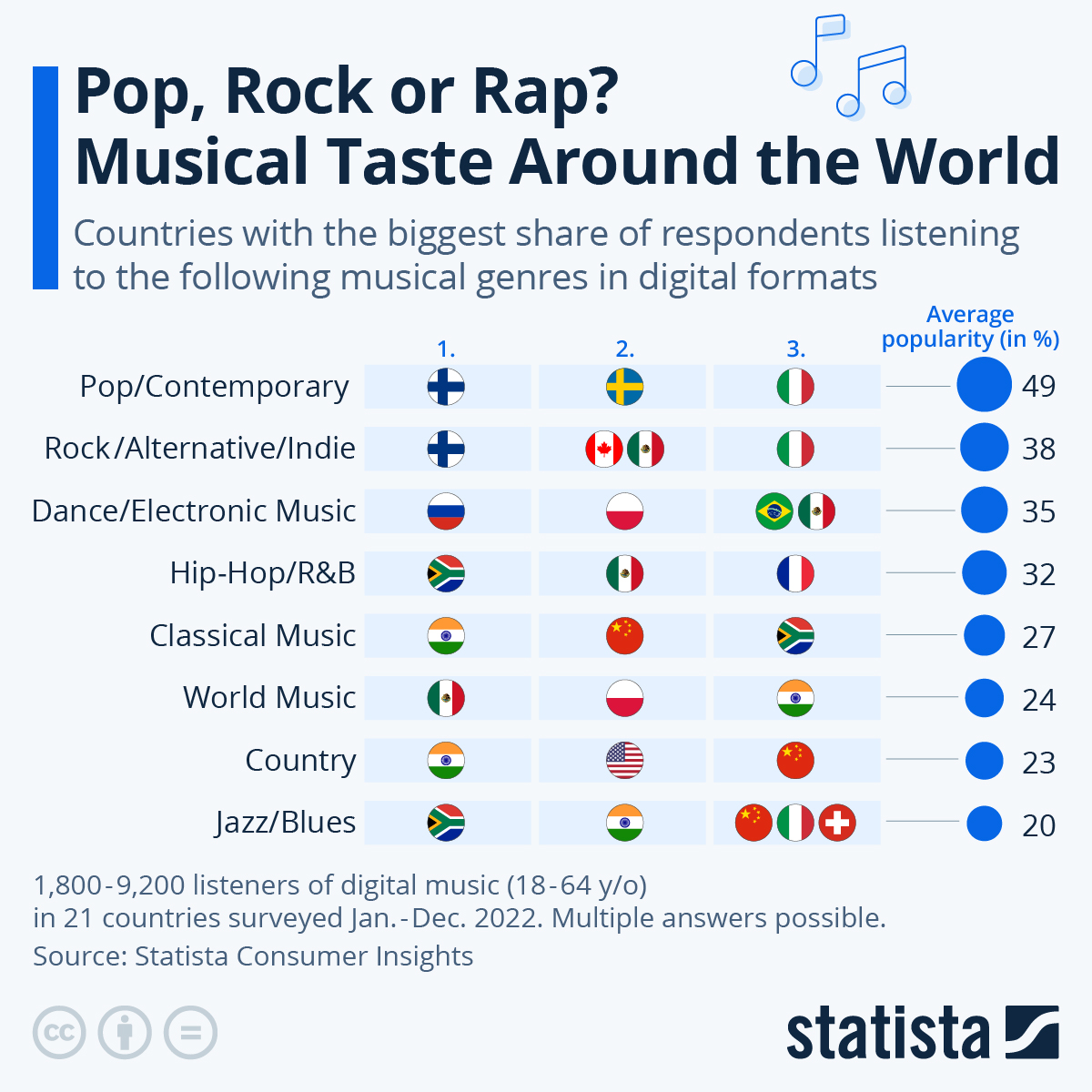
    Our preferences for certain songs may also be cultural. If we’re exposed to a lot of a certain type of music, we may lean towards more songs that contain those same elements. There are two forms of chords: consonant and dissonant. Consonant chords contain frequencies that are different enough that they don’t seem to clash. Meanwhile, dissonant chords sound a bit more chaotic for lack of better terms. Western music (like pop) usually contains a lot of consonant chords, and Americans have a strong preference for these sounds. However, some other cultures do not show that same, strong preference.

    Statistica 2021

    Whether it be because of what we were exposed to growing up or our self-identity, music tends to distinguish us from others. Although not much research has been done to see if it is truly connected to our personalities, we still manage to label people according to the music they listen to. Perhaps the real question is if the songs we vibe to influences if people vibe with us.

    Resources:

    Anne Trafton, Anne. “Why We like the Music We Do.” MIT News | Massachusetts Institute of Technology, Massachusetts Institute of Technology, 13 July 2016, https://news.mit.edu/2016/music-tastes-cultural-not-hardwired-brain-0713.

    Chamorro-Premuzic, TomasPsychology. “The Psychology of Musical Preferences | Psychology Today.” Psychology Today, 14 Jan. 2011, https://www.psychologytoday.com/us/blog/mr-personality/201101/the-psychology-musical-preferences.

    Clark, Katelyn, et al. “Why Do We like (or Dislike) Certain Music?” Grok, 30 Jan. 2021, https://grokonline.com.au/2021/01/31/why-do-we-like-or-dislike-certain-music/.

  • A Picture Can be Worth a Thousand Words…or Dollars

    Whether you dabble in it or appreciate it, we come across art in any shape or form several times in our daily lives– especially the visual kind. For most, we came into contact with making art in some art class in elementary school, using nontoxic watercolors and, if they let us, acrylic. These paints, obviously, are very different from those that professionals use in their lives, but in what ways? Why don’t professional artists use Crayola watercolors for their work? The answer may lie in the science and chemical composition of the paint itself. 


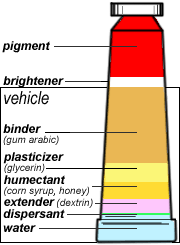
    For starters, paints contain binders, solvents, and pigments. The pigment is the actual color part that we see, and the more light that’s absorbed by it, the deeper the color. Binders are what help the pigment stick to the surface of a painting and can vary depending on whether the pigment is organic or inorganic, but most paints use a gum arabic binder. 

    handprint.com


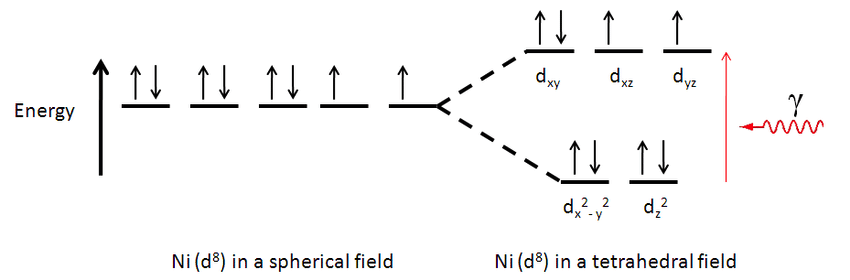
    Typically, organic pigments are more preferred due to their more vibrant colors and their increased stability. These paints will use a turpentine binder. Inorganic pigments, however, are more affordable and are heat and light stable. These pigments are made of metal oxides, usually transition metals that can sometimes be toxic, so these aren’t commonly used. These elements usually have their bonding electrons in d-orbitals, and when bonded, can lead to these orbitals splitting into 2 levels of energy which allow electrons to absorb energy and move between the two levels, but the wavelength they absorb can be different depending on how large the gap between the 2 energy levels are. The light that is not absorbed and reflected is what we perceive. 

    Gamma represents the wavelength that’s absorbed (ResearchGate)


    Staying with pigments, the more pigment, the more it will cost. Typically, artist-grade paint will have a higher concentration of finely-ground pigment, increasing surface area of the pigment and its vibrancy. Another factor that will raise the cost is if the pigment is organic or inorganic. Organic pigments, which can be more expensive since they are naturally-found colors and can be rare, are more vibrant and retain color over time when exposed to light. 


    A more expensive, higher quality watercolor may have smaller, more concentrated pigment. Due to the smaller particle size of the pigment (which can get as low as 0.05 microns), the color will literally seep into the fibers of the paper and will stain (stick to the paper better after it has dried) more effectively, which can be better or worse depending on your art style. However, this pigment concentration and permanence also implies that the paint is suspended in fewer fillers and uses a more effective binder, which also increases the price.

    AhmadArt, YouTube (2018)


    As someone who likes to dabble in watercolors and has used paints of all different quality, learning specific aspects such as these helps with understanding why it may be sometimes worth it to invest in a more expensive watercolor palette. Because sometimes, the price can be translated into its quality. However, it can be easier to see it in person, or maybe under a microscope because after all, a picture is worth a thousand words. 


    References

    acrylgiessen. (2022, February 16). Best Watercolor Paints – All About Professional Watercolor Paints. acrylgiessen.com. Retrieved March 4, 2022, from https://acrylgiessen.com/en/best-watercolor-paints/

    Compound Interest. (2014, March 21). Inorganic Pigment Compounds – The Chemistry of Paint. Compound Interest. Retrieved March 4, 2022, from https://www.compoundchem.com/2014/03/21/inorganic-pigment-compounds-the-chemistry-of-paint/

    Guide, S. (2021, May 19). Best Watercolor Paints – How to Choose the Right Watercolor Paint Set. craft-art.com. Retrieved March 4, 2022, from https://craft-art.com/best-watercolor-paints/

    MacAvoy, B. (n.d.). handprint : how watercolor paints are made. Handprint. Retrieved February, 2022, from https://www.handprint.com/HP/WCL/pigmt1.html

    McArdle, T. (2008-2022). Watercolor Paint Buyers Guide: Learn What to Look For When You Buy Watercolors — Art is Fun. Art is Fun. Retrieved March 4, 2022, from https://www.art-is-fun.com/watercolor-paint