Author: Siena Tetali

  • Nicotine is Dope: a poem on vaping and addiction

    What nice etiquette

    Not to be burning a cigarette.

    With flavors like Diet Coke

    Instead of plain old smoke.

    Youth claim to thrive

    On something that resembles a flash drive.

    But wait,

    Maybe we should take five.


    It seems vaping has strayed from its original intent.

    It is no longer used to prevent.

    And is now an addictive supplement.


    Without trying to overreact,

    Let me present some facts:

    With every juice pod that is drained,

    There are effects on the brain.

    Research shows detriments to the prefrontal cortex –

    An area so important for cognitive development…

    Especially during adolescence!


    This is what lower activity in this region can mean:

    Difficulty choosing between

    Or even troubles controlling the obscene…

    Things that, quite frankly, are already hard enough for teens.


    So make sure you look for the current research and stats.

    So next time one says it’s healthier than cigarettes,

    You can say, “Well maybe we should chat.”


    References:

    England L, Bunnell RF, Pechacek, et al. Nicotine and the developing human: A neglected element in the electronic cigarette debate. American Journal of Preventive Medicine. 2015;49(2): 286–293.

    Musso F, Bettermann F, Vucurevic G, et al. (2007). Smoking impacts on prefrontal attentional network function in young adult brains. Psychopharmacology. 2007;191(1): 159-169.

    Primack BA, Shensa A, Sidani JE, et al. Initiation of traditional cigarette smoking after electronic cigarette use among tobacco-naïve US young adults. The American Journal of Medicine. 2018;131(4): 443.e441-443.e449.

    Yuan M, Cross SJ, Loughlin SE, Leslie FM. Nicotine and the adolescent brain. Journal of Physiology. 2015;593(16):3397-412.


  • Battle of the Hands: Mittens vs. Gloves

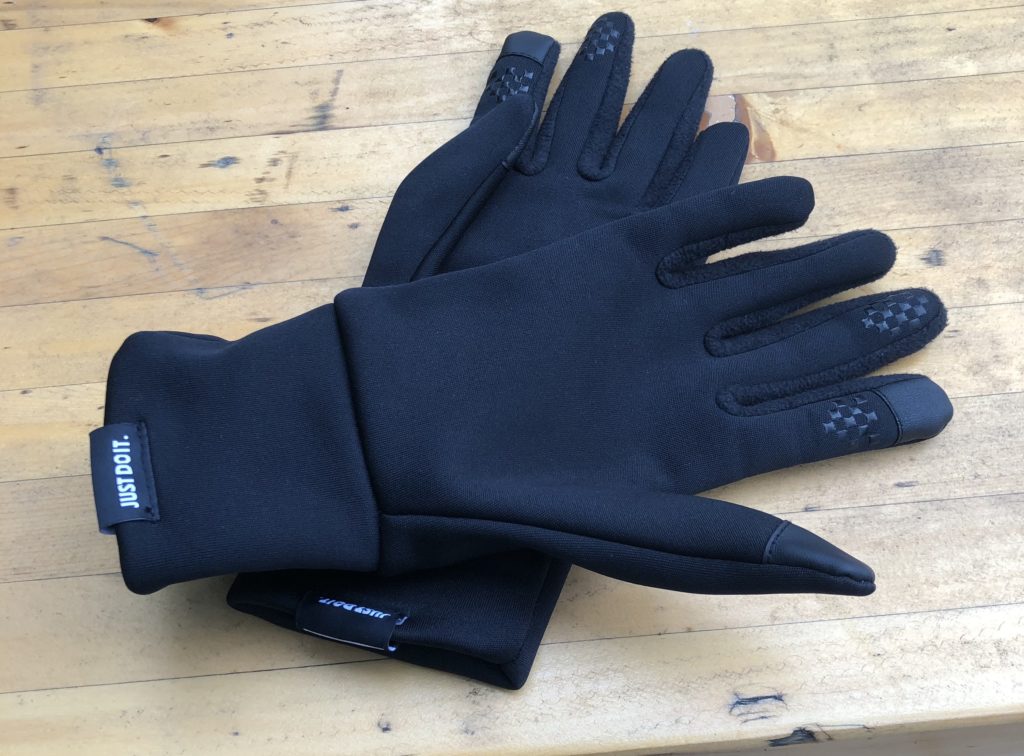
    Tis the season for frozen fingers and numb thumbs trying to type on a small phone keyboard. If you’re like me, you like We can wear puffy coats but our hands are unprotected from the wintry winds. So how should we keep our hands warm? Are gloves better at keeping our fingers warm or should we shift our attention to mittens? In order to answer these questions, we need to understand a few things about how the body and the world work.

    If you were to lose a part of your body, which part would you want to go first? Probably a toe, a finger… but probably not your head or heart. Our bodies have evolved to preserve the important parts (vital organs), so our appendages get cold first. This is great and all, you know, living, but it does mean we are faced with popsicles for fingers.

    And the winner is…

    Gloves provide individual protection for each finger, while mittens encase most of your fingers in one compartment. What are the advantages and disadvantages of these differences? Heat is continuously generated in the body through various metabolic processes (a topic for another time) and is exchanged within our body as well with our external surroundings. Generally, heat is transferred in four ways: conduction, convection, evaporation and radiation. In a system, heat cannot be created or destroyed: this is the First Law of Thermodynamics. So if our fingers are individually separated, like in the case of gloves, heat from our fingers is being transferred to the surface of the gloves themselves. Heat is moving to the gloves because heat will move from a hotter object to a cooler one. On the other hand (Ha!), mittens allow the fingers to come into contact with each other. This means that heat that is lost from one finger can be transferred to another finger. It’s a win-win-win-win, thank you physics! This heat can be “trapped” and provides insulation.

    So if you find yourself at a store asking yourself “Should I get mittens or gloves?” Here is your answer: Mittens if your goal is warmth, gloves if you want to be able to carry out complex tasks at hand and glittens (fingerless gloves with a mitten flap) if you are fancy! If going to a store is too much trouble, keeping your hands in your coat pocket will do the trick and your thumb can get in on the heat transfer party. 

    A Look Backstage (Sources)

    Fox, R.H., Wyatt, H.T. (1962). Cold-induced vasodilation in various areas of the body surface of  man. Journal of Physiology, 162, 289-297.

    Holmer, I. (1985).Heat exchange and thermal insulation compared in woolen and nylon    garments during wear trials. Textile Research Journal, 55(9), 511-518.

    Huizenga, C. (2004). Skin and core temperature response to partial and whole body heating and  cooling. Journal of Thermal Biology, 29(7), 549-558. 

    Iserson, K. (2016). Glove and mitten protection in extreme cold weather: an Antarctic study.   International Journal of Circumpolar Health, 75, 33564. 

    Thermopedia. Body (human) heat transfer. Retrieved from http://www.thermopedia.com/content/ 587/

  • One Piece of the Pie


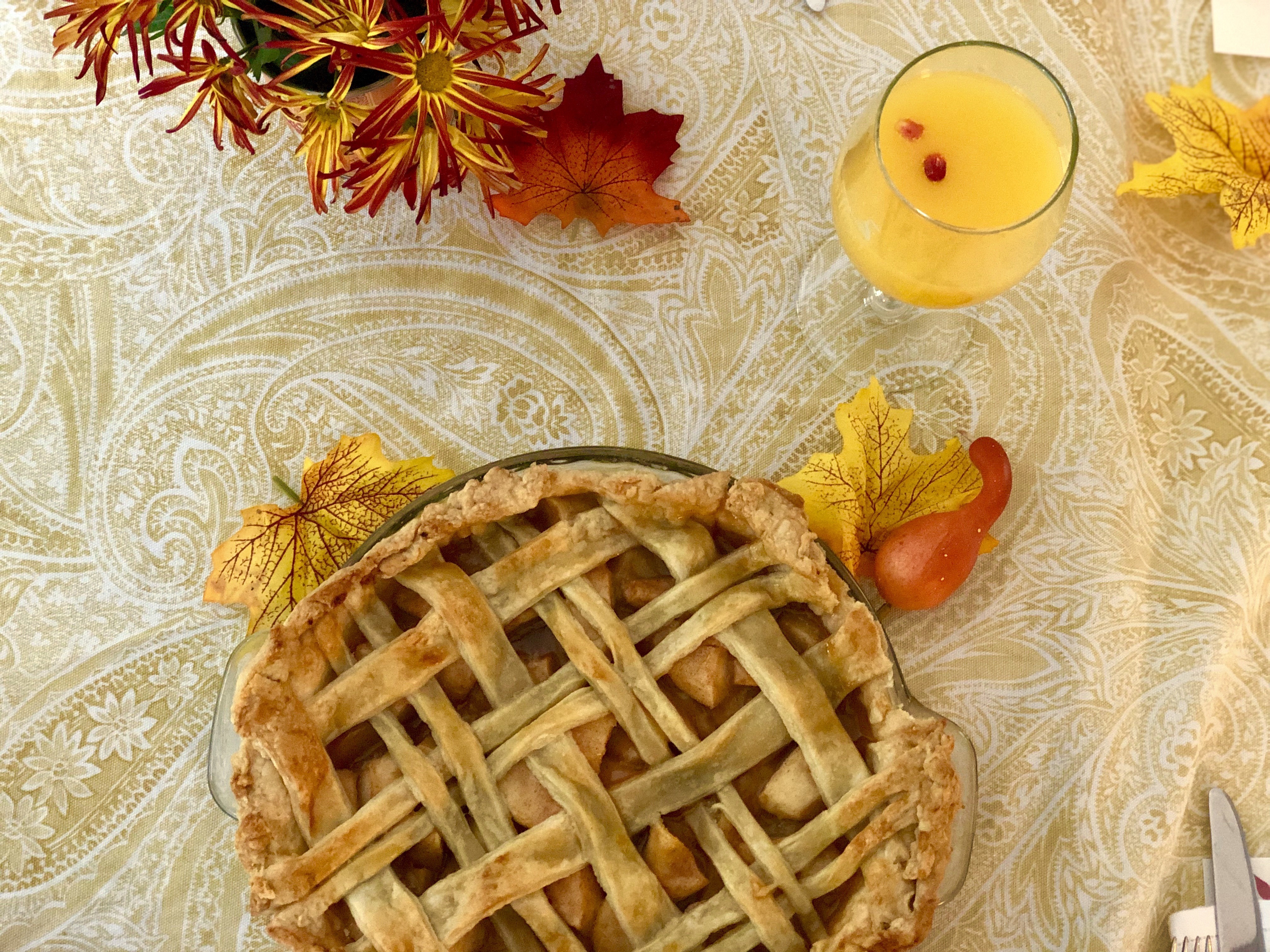
    Each year at Thanksgiving, I find myself with a heaping plate of absolutely everything available to me. Time and time again I work my way through the plate and end up full beyond belief. However, when the desserts start coming out, I can’t help but to snag a slice of sweetness. Despite what my stomach is telling me, and regardless of the fact that I could easily save a piece and eat it later, I still help myself to the sugary treat… but why?

    First let’s begin by distinguishing between hunger and appetite. There are several definitions in circulation among scholars, but, generally, hunger has been defined as the conscious sensation urging us to eat and appetite refers to food intake, selection, motivation and preference.

    Researchers traditionally break the neuroendocrinology of appetite into 3 parts: feeding and energy expenditure, glucose control and hedonic value. The first two parts factor in a model that looks at energy intake, energy expenditure and our body’s drive to keep our blood glucose levels in check. When I begin to fill my plate with food at the Thanksgiving table, this is due to the hormone ghrelin being released as a result of low blood glucose levels. Ghrelin is released from the stomach and stimulates hunger. As I’m eating delicious mashed potatoes, stuffing, and green beans, two other prominent hormones, cholecystokinin and peptide YY, detect the food and act on the hypothalamus and vagus nerve to start to suppress hunger. Leptin will then be released, further reducing appetite and even pleasure, causing the thought of more food consumption to be aversive. 

    However, these hormones are intertwined with another path: the reward circuit. Activation in the reward circuit, which has been linked to addictive drug use and compulsive behaviors, is involved when we eat particularly palatable foods, like a slice of pumpkin pie. Studies show that even the sight of foods high in sugars, fats and sodium activate our reward circuit. The main culprit scientists attribute these feelings of pleasure with is the neurotransmitter dopamine. Neurons in the part of the brain called the arcuate will project to orexin neurons, which are located in the lateral hypothalamus of the brain. These neurons project to two major areas of the reward circuit involved in dopamine release: the ventral tegmental area and the nucleus accumbens. So when the cookies and pies are assembled in front of me at the table, you best believe my brain is glowing with dopamine activity.

    It is possible to become addicted to the pleasure derived from eating sugary and fatty foods. Amazing right? You can get a rush from delicious foods! While this can be great in doses, overeating these types of foods can lead to a desensitization of the dopamine release. This is very similar to what occurs with drug addiction. Over-activation of these chemicals, whether it be dopamine or a substance that mimics it, will cause a reduction in the chemical receptors. This is our brain’s attempt at moderation, however, it means we don’t just want but require more of the substance to derive the same pleasure. The reward circuit could be why it is very difficult to stop eating the chips once we’ve dipped our hand into the bag once.

    So how do we combat our body and brain to prevent finishing the the family size bag of chips? The short answer is there is no magical solution. Scientists are looking into the role of gut microbiota and how this interacts with our hormones and appetite. It is possible that the foods we eat influence the microbiomes responsible for digestion, and this can affect the types of food we crave. Researchers have also found that when the body is in a fasting state, ghrelin levels are not only elevated, but we are also more sensitive to reward and impulsive feeding behaviors. This suggests we are more likely to reach for less nutritious foods on an empty stomach. Orexin is the primary player in the connection between reward and appetite. While knocking out receptors that sense this hormone prevent the temptation of eating high fat diets, it could also be the reason why we have five star restaurants and how they can even stay in business. All that to say, I think overdoing it one day of the year to make your brain (if not your stomach) happy can be worth it. 


    References:

    Berridge, K et al.“Food reward: Brain substrates of wanting and liking” Neuroscience and Biobehavioral Reviews vol. 20,1 (1996): 1-25. 

    Blundell, J et al. “Appetite control: methodological aspects of the evaluation of foods” Obesity reviews : an official journal of the International Association for the Study of Obesity vol. 11,3 (2010): 251-70.

    Choi, D.L et al. “Orexin signaling in the paraventricular thalamic nucleus modulates mesolimbic dopamine and hedonic feeding in the rat” Neuroscience vol. 210 (2012): 243-248.

    Hernandez, L et al. “Food reward and cocaine increase extracellular dopamine in the nucleus accumbent as measured by microdialysis” Life Sciences vol. 42,18 (1988): 1705-1712.

    Ralevski, E., et al. “Ghrelin is related to personality differences in reward sensitivity and impulsivity” Alcohol and Alcoholism vol. 53,1 (2017): 1-5

    Volkow, N et al. “Reward, dopamine and the control of food intake” Trends in Cognitive Sciences vol. 15, 1 (2011): 37-46.

    Wise, R. “Role of brain dopamine in food reward and reinforcement” Philosophical Transactions of the Royal Society B vol. 361,1471 (2006).
     

  • Learn How to Make Water Disappear

    Learning intricate card tricks and complex hand movements can be overwhelming and hard to execute in front of an eager audience, so here is a how to perform a magic trick that does not require any skill but, instead, just a little bit of science. Here is the premise of the trick: You tell an unassuming bystander to pour a glass of water into your magician’s hat. You wave your hands over the hat and chant a seemingly realistic spell. When you flip the hat over, no water pours out… not even a drop. So how did this happen?

    While the audience believes that the enchanting spell you cast over the hat made the water disappear, the real magic is rooted in the chemistry behind one particular item: the diaper. When we think of diapers, words like “ew” or “baby” or even “ew babies” come to mind. However, after reading this, you might have a new perspective on the amazing properties of diapers.

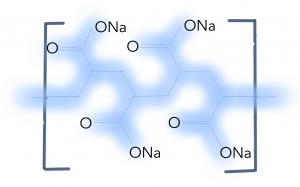
    We’re now going to do something no ordinary person would do: dissect the diaper. The magical substance that you will line your magician’s hat with can be found underneath the lining of a diaper. This substance is a water-absorbing chemical called sodium polyacrylate. Polyacrylate can absorb more than 200 times its own mass (which is extremely fortunate for those potty training and those who have to change the diapers of potty trainers). Although this superabsorbent polymer is now found in a wide variety of products like medical bandages, female hygiene products and diapers, the substance was originally manufactured for the U.S. Department of Agriculture in the 1970s. The original use for polyacrylate gel was to improve the water retention in soils in an effort to improve germination and plant growth (Liu, 2001).

    sodium polyacrylate
    This is the chemical structure of sodium polyacrylate. The molecule is a polymer, so this structure repeats beyond the bars in the diagram.

    Sodium polyacrylate is a network polymer that contains sodium ions. The key to the absorption process and this magic trick is understanding basic rules of diffusion, osmosis and bonding. Osmosis is the when molecules in a solvent move from a less concentrated solution to a more concentrated solution. In this magic trick, when the water comes into contact with the sodium-containing polymer, the sodium diffuses into the water. This results in the replacement of sodium atoms with water molecules in the complex network (Carnegie Mellon University, n.d.). The polymer is essentially a long chain of negatively charged molecules and bonds to water through hydrogen bonds. The bonds allow the network to swell and hold the water in place, which is why the resulting mixture is crystal-like, fluffy substance that does not spill out of the hat. Now that you know the secret to this trick you will now be able to hone and perfect your water vanishing skills!

    Hopefully now when you think of diapers you think “awesome, absorbent polymer.” That said, there are limitations to how amazing this polymer is. Although bunnies are about 70% water, please know a diaper will not make a bunny disappear.

    Here’s what you need for the trick:

    –       Hat

    –       Source of sodium polyacrylate (>2g)

    –       Glass of water (8 floz.)

    Start with some sodium polyacrylate at the base of the hat. You can tape a diaper to the bottom of the hat to conceal the water-absorbing polymer. Ask someone to pour a regular glass of water in the hat. Swirl the hat around and distract the audience while the water absorbs. The absorption time will depend on how much sodium polyacrylate you use and how much water is added, however, this process should occur within a matter of seconds to minutes. Once you are convinced everything has been absorbed, flip the hat over and watch the audience be amazed!


    References:

    Carnegie Mellon University (n.d.). Super absorbing polymer powder. Retrieved from https://www.cmu.edu/gelfand/education/k12-teachers/polymers/polymer-and-absorption/super-absorb-powder.html

    Foy, J. M., & Schnieden, H. (1960). Estimation of total body water (virtual tritium space) in the rat, cat, rabbit, guinea‐pig and man, and of the biological half‐life of tritium in man. The Journal of physiology, 154(1), 169-176.

    Liu, M., & Guo, T. (2001). Preparation and swelling properties of crosslinked sodium polyacrylate. Journal of Applied Polymer Science, 82(6), 1515-1520.

    Parks, L. R. (1981). Cross-linked sodium polyacrylate absorbent. U.S. Patent No. 4,295,987. Washington, DC: U.S. Patent and Trademark Office.