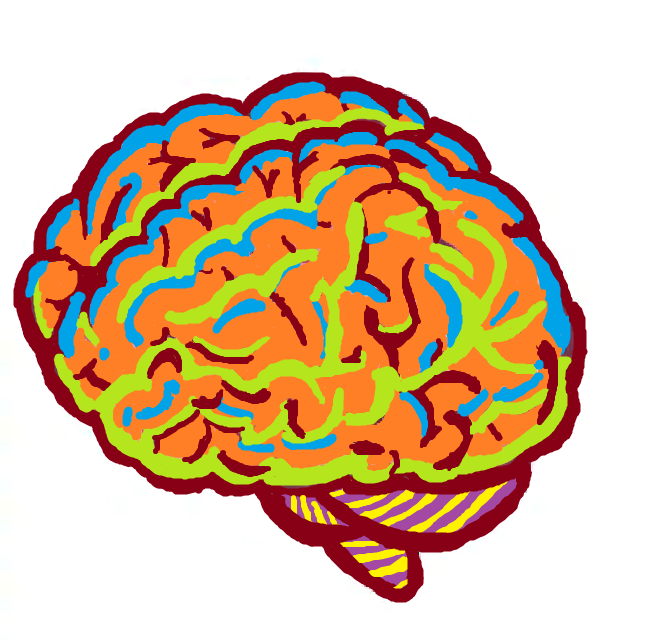
Microdosing is the use of micro amounts of psychedelic substances on a consistent basis (Anderson). Psychedelics, such as LSD and psilocybin (street names acid and shrooms), are “powerful psychoactive substances that alter perception and mood and affect numerous cognitive processes” (Nichols 266). Recent studies have shown that full-doses of these substances used for psychotherapy decreased depression and anxiety in cancer patients (Johnstad). The theory behind microdosing is that small amounts of psychedelics can help increase creativity and problem-solving abilities (Johnstad).
Psychedelics have been used for centuries sometimes as part of cultural rituals. After the discovery of serotonin in the brain, researchers believed that the effects of psychedelics were linked to serotonin. After studies were completed on rats, it turns out they were somewhat correct. Researchers, now, believe that psychedelics are agonists or partial agonists meaning they combine with receptors in the brain to achieve the psychological effects (Kenakin; Nichols). The brain receptor that’s affected is serotonin 5-hydroxtryptamine 2A (Nichols).
Studies:
Due to legal restrictions, psychedelic studies are limited. There are several self-reported studies from the US where people voluntarily reported how they feel when they microdose, and there was a singular study published in 2018 from the Netherlands that explored microdosing in a scientific setting.
In one of the self-reported studies, Microdosing psychedelics: personality, mental health, and creativity differences in microdosers, microdosers showed significantly lower scores on “dysfunctional attitudes. . . and negative emotionality” meaning they reacted more positively to life experiences (Anderson, et al. 731). Microdosers also had significantly higher wisdom, open-mindedness, and creativity scores which agrees with the theories stating that microdosing makes people more creative and better at problem solving (Anderson, et al.).
Another self-reported study, Powerful substances in tiny amounts: An interview study of psychedelic microdosing, looked extensively at 21 microdosers. These microdosers reported “improved mood, cognition, and creativity” (Johnstad), but some reported that they quit the practice due to cons outweighing the pros. Some people had issues with preforming tasks like driving or work, and others had issues like accidental overdosing (meaning that they experienced hallucinations and other aspects caused by a full dose of a psychedelic). Mushrooms, in particular, have varying amounts of psilocybin, so it’s hard to ingest an accurate amount when microdosing (Johnstad).
The study titled Exploring the effect of microdosing psychedelics on creativity in an open-label natural setting is the only study that tries to quantify the effects of microdosing on cognitive abilities. Before microdosing, participants completed three different tasks meant to test their convergent, divergent, and fluid thinking. The participants then consumed a small amount of psychedelics and performed the tasks again. The researchers concluded that convergent and divergent thinking where enhanced by the psychedelics while fluid intelligence remained the same. This was an extremely preliminary study with no placebo group, but the results suggest a need for further testing in this subject matter (Prochazkova).
Conclusion:
Although research has been done into microdosing, it’s hard to make a finite conclusion about its quantitative effects. There are possible pros to microdosing, but there are also negatives including accidental tripping and cost.
Sources:
Anderson, Thomas, et al. “Microdosing Psychedelics: Personality, Mental Health, and Creativity Differences in Microdosers.” Psychopharmechology, vol. 236, no. 2, 2019, pp. 731–740., doi:10.31234/osf.io/gk4jd.
Johnstad, Petter G. “Powerful Substances in Tiny Amounts.” Nordic Studies on Alcohol and Drugs, vol. 35, no. 1, 15 Feb. 2018, pp. 39–51., doi:10.1177/1455072517753339.
Kenakin, Terry P. “Agonist.” Agonist – an Overview, Science Direct, 2009, www.sciencedirect.com/topics/neuroscience/agonist.
Nichols, David E. “Psychedelics.” Pharmacological Reviews, vol. 68, no. 2, Apr. 2016, pp. 264–355., doi:10.1515/9781400878697-012.
Prochazkova, Luisa, et al. “Exploring the Effect of Microdosing Psychedelics on Creativity in an Open-Label Natural Setting.” Psychopharmacology, vol. 235, no. 12, 2018, pp. 3401–3413., doi:10.1007/s00213-018-5049-7.
To consider something toxic, it must produce “an adverse biological effect” to humans or other animals (“Basic Terminology”). For birds, several species have adverse effects on humans through touch or ingestion. The remainder of this article explores several of these species including quail, pitohui birds, and spur-winged geese.
Quail:
Sources from the Roman Empire and the Bible document epidemics caused by the consumption of quail. The disease, referred to today as coturnism, only affected humans during certain migration periods. As the birds travel west to Europe, their flesh becomes deadly, but when they returned east, the birds are no longer toxic. Scientists believe the toxicity in quails comes from their own diet. Early speculation of quail toxicity thought the birds ingested plants like hemlock or henbane, but recent researchers believe that the culprit is Stachys annua, a plant that exhibits toxicity at consistent intervals with the quail migration (Bartram & Boland).
Stachys annua
Pitohui Birds:
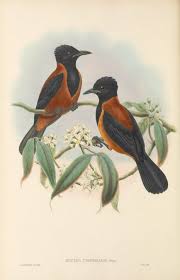
The pitohui birds, native to New Guinea, have a neurotoxin originally only thought present in poison-dart frogs (found in Columbia and Central America). The toxin, present on the bird’s feathers and bodily tissue, if touched, can cause nausea, numbness, burning, and sneezing. With more exposure, the neurotoxin can lead to severe symptoms such as convulsions and contractions. (Bartram & Boland). The concentration of poison in the pitohui birds is 3-times less than that of the poison-dart frog. Contact with a frog can lead to cardiac arrest and death, but these extreme issues are much less common after contact with the pitohui birds (Ligabue-Braun & Carlini). The neurotoxins found in both pitohui birds and poison-dart frogs can only develop with appropriate diet. Poison dart frogs, when raised in captivity, no longer have the neurotoxin, and scientists assume the same is true for the birds. The specific ingredient that causes the poisonous neurotoxin remains unknown (Bartram & Boland). The low concentration of neurotoxins in pitohui birds causes some scientists to believe that the toxin developed evolutionarily to deter against parasites. Research shows that these birds have one of the lowest rates of tick infestations compared to other species in the area (Ligabue-Braun & Carlini).
Pitohui Birds
Other:
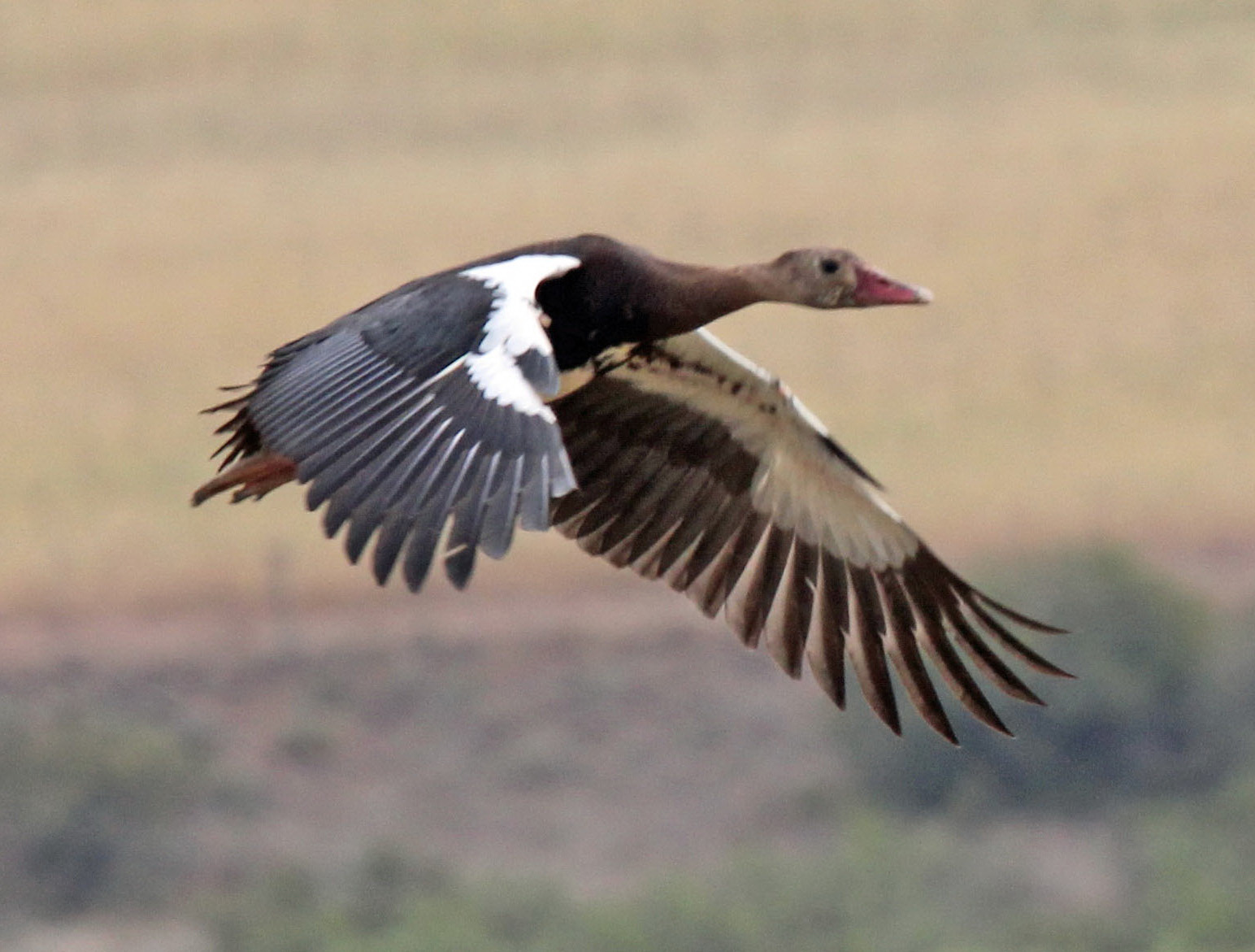
There are 13 other documented bird species that can harm or kill a human because of their own diet. Spur-winged geese, for example, eat a type of beetle that contains toxic material which causes severe skin blisters and death in humans (Bartram & Boland). More research is needed in the field of toxic birds to document reactions and determine causes of toxicity.
“Basic Terminology.” U.S. National Library of Medicine, National Institutes of Health, toxtutor.nlm.nih.gov/01-002.html.
Ligabue-Braun, Rodrigo, and Célia Regina Carlini. “Poisonous Birds: A Timely Review.” Toxicon, vol. 99, 2015, pp. 102–108., doi:10.1016/j.toxicon.2015.03.020.
Timothy Durham was convicted of rape when a test showed his DNA genotype matched the DNA recovered from a crime scene. Eye witnesses testified that Durham was in a different state at the time of the incident, but he wasn’t exonerated from his 3000 year sentence until follow up DNA analysis showed that the preliminary forensic analysis used in the trial was misinterpreted (Thomas et al.). DNA testing serves an invaluable part in our criminal justice system, but it comes with complications and bias that can lead to wrongful convictions and misinformed juries.
Background:
Blood testing:
Forensic genetics aims to identify the origin of a biological sample. Forensic testing started when Karl Landsteiner discovered human ABO blood groups. With blood groups, elimination of suspects based on their blood type became possible. For example, if a suspect had type A blood, but type B blood was left at the scene by the perpetrator, then the investigators could rule out the suspect. Unfortunately, the reverse is less helpful. If the suspect and perpetrator both had the same blood type, investigators couldn’t concluded the guilt of the suspect. Blood identifiers later evolved into 8 distinct categories which improved the ability to eliminate suspects but still couldn’t conclusively identify a suspect (Jobling and Gill).
DNA Testing:
The field evolved in the 1980s with the discovery of Minisatellites, lines of repetitive DNA. Minisatellite patterns in DNA create what we know today as the DNA fingerprint. The DNA fingerprint can specifically pinpoint individuals with a higher accuracy rate than previous methods (Augustyn et al.). Around the same time, scientists discovered a breakthrough for victims of sexual assault. Bodily fluids of both the victim and the assaulter can mix during an attack. A new process called differential lysis could selectively increase the concentration of sperm in a fluid sample thereby allowing for accurate DNA testing (Jobling and Gill).
Forensics evolved to use single-locus probe testing after several years because of its ease of interpretation. It looked at specific minisatellites that had high variability between subjects. This method became the first DNA-based method used in a criminal investigation. The first case used minisatellite patterns to link two murder homicides from several years apart. The DNA evidence then exonerated an innocent man, and implicated the guilty party when he tried to evade DNA testing. His guilt became reinforced when his DNA profiles matched the murderers, and he gave a full confession (Jobling and Gill).
Finding DNA at a crime scene can’t guarantee that you’ll find a murderer. Issues with non-pure samples and limited samples make DNA work difficult, and accreditation of facilities and new techniques can take time (Jobling and Gill).
Subjectivity of DNA Interpretation:
Subjectivity might influence lab based forensics in complex cases. For example, not all DNA found at a crime scene comes from a single individual. The sample could include a mixture of several individual’s DNA. A study published in 2011 looked specifically at this issue (Dror and Hampikian).
The Case:
After a gang rape in Georgia, investigators used a mixture of DNA to prosecute one suspect after another suspect took a plea bargain to testify against him. Forensic scientists can look at DNA mixtures and conclude one of the following: suspect excluded, suspect cannot be excluded, and inconclusive. If the suspect is excluded, it means that there’s little possibility that their DNA is part of the sample. If the suspect cannot be excluded, it means that there’s a possibility that their DNA is part of the sample. In the trial, the DNA examiners who knew the context of the case concluded that the suspect being prosecuted could not be excluded from the DNA mixture. To the jury, this meant that the forensic examiners concluded the suspects DNA matched DNA in the sample (Dror and Hampikian).
The Study:
The 2011 study gave DNA evidence from this case, including DNA profiles of the suspects, to 17 forensic examiners. These examiners had no context of the case, and they worked independently. Of the 17, only 1 came to the same conclusion as the original examiners who knew the context of the case. Twelve of the 17 concluded that the prosecuted and convicted suspect had no relation to the DNA found in the sample, and the remaining 4 deemed the test inconclusive. This not only shows that subjectivity occurs due to the context of the case, but the 17 examiners had three different conclusions based on their past experiences. This proves that not all DNA analysis is objective (Dror and Hampikian).
Some organizations like the Scientific Working Group on DNA Analysis Methods say that quantitative statistical evidence should be presented with every categorical conclusion, but this isn’t currently required by the US (Dror and Hampikian).
False Positives:
There are two categories that cause wrongful identification in a DNA report: coincidental matches and false positives. Coincidental matches are DNA matches between two unrelated people. The probability of these matches is about 1 to 500,000 for white individuals and about 1 to 350,000 for black individuals. This small probability of coincidental matches makes people feel confident in DNA evidence.
False positives, on the other hand, are matches between sample DNA and test DNA that result from issues in the forensics lab. In multiple cases forensic labs have accidentally switched victim and suspected rapist’s DNA leading to wrongful convictions. For other cases, forensic scientists misread or misunderstand a sample. In a case from 1993, a man became wrongly convicted of rape after someone interpreted a mixed sample of victim and perpetrator DNA as an individual sample. To prevent false convictions, retesting DNA is allowed, but it’s not an efficient solution. Many people are pushing for statistical information on the probability of false positives, so jurors can make accurate judgements based on DNA evidence (Thomas et al.).
Conclusion:
DNA analysis is a useful tool for the criminal justice system, but possible subjectivity raises issues in forensic testing. To combat wrongful convictions, organizations like The Innocence Project use DNA testing to free the innocent (“Help us put an end to wrongful convictions!”). But, forensic testing standards need reformation in order to prevent subjectivity and to ensure proper education of juries.
Citation:
Augustyn , Adam, et al. “DNA Finerprinting.” Encyclopedia Britannica , 26 Apr. 2018, www.britannica.com/science/DNA-fingerprinting#ref153186.
Dror, Itiel E., and Greg Hampikian. “Subjectivity and Bias in Forensic DNA Mixture Interpretation.” Science & Justice, vol. 51, no. 4, 2011, pp. 204–208., doi:10.1016/j.scijus.2011.08.004.
“Help Us Put an End to Wrongful Convictions!” Innocence Project, www.innocenceproject.org/.
Jobling, Mark A., and Peter Gill. “Encoded Evidence: DNA in Forensic Analysis.” Nature Reviews: Genetics, vol. 5, no. 10, Oct. 2004, pp. 739–751., doi:10.1038/nrg1455.
Thompson, William C, et al. “How the Probability of a False Positive Affects the Value of DNA Evidence.” Journal of Forensic Sciences, vol. 48, no. 1, Jan. 2003, pp. 1–8., doi:10.1520/jfs2001171.
I didn’t realize that birds were cool until I was a senior in high school (4 whole years ago). Just to be clear, this article is talking about the kind of bird that flies in the air, not the electric scooter that Georgia Tech students ride to class when they’re late. Ornithology is the study of birds, and I was lucky enough to take a class in high school that let me learn about them hands on. I’ve included some pictures at the end of experiences I’ve had with birds, but first, here are some of my favorite, more exotic, birds.
Cuckoo Birds:
Cuckoos are parasitic birds that lay their eggs in the nests of a different bird. The host can range depending on the location of the cuckoos and the specific cuckoo species, but most parasitic birds tend to pick hosts who are insectivores in order for their offspring to have a high protein diet (Payne).
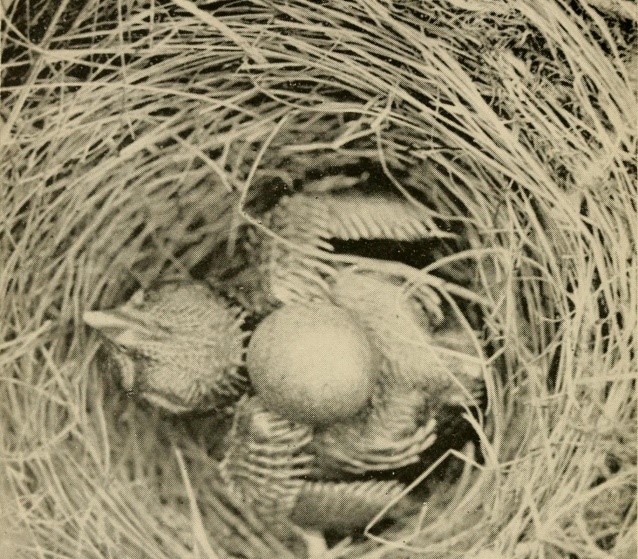
After the cuckoo lays its egg in the hosts nest, several events can occur. In some species of cuckoos, the cuckoo will hatch before the hosts eggs. This young cuckoo will then take the eggs of the host bird one at a time and eject them from the nest using its back. This allows the cuckoo nestling to receive all the attention, and food, from it’s host instead of splitting it with other nestlings. Other species of cuckoo won’t eject the hosts eggs, and the two species will be raised together by the host (Rothstein).
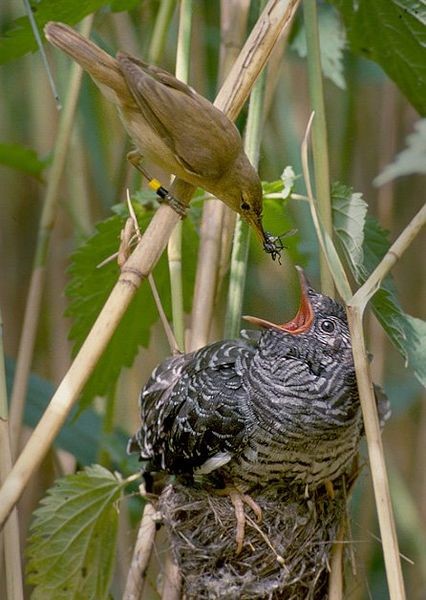
Cuckoos have some mechanisms to prevent suspicion from their host. Cuckoo’s eggs tend to mimic the eggs of their host in appearance and size, and the nestlings will tend to have similar feeding habits to their host. When the host’s nestling and the cuckoo are reared together, the young tend to resemble their nest mates at the beginning then grow significantly larger than their nestlings and possibly even larger than their host parents (Rothstein).
Pictured below is a cuckoo nestling ejecting other eggs from the host’s nest, and a cuckoo nestling being fed by its, much smaller, host parent.
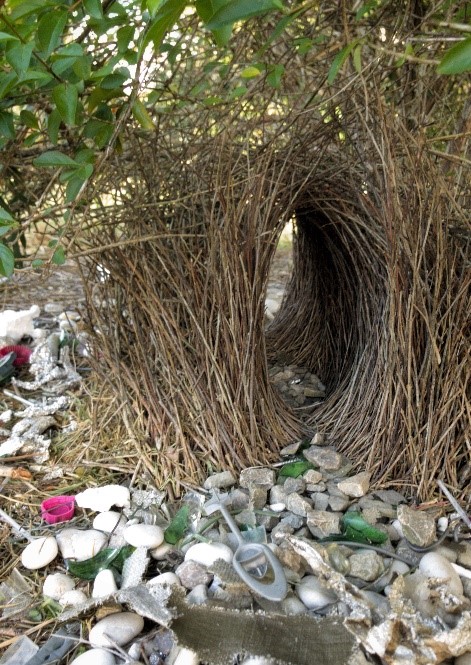
Bower birds have an aesthetic mating ritual. Male bower birds build intricate structures, called bowers, decorated with colored objects to impress a female bower bird. The bowers are created with twigs, and the objects used to decorate them can range from fruit and flowers to shells or grass. Birds near human contact will sometimes use flashy man-made pieces like jewelry or glass. The objects will be set in piles around the bower for the female to inspect. In at least one species of bower birds, the males will decorate their bowers with colors matching that of the intended female (Marshall).
The bower isn’t the only part of the birds’ mating ritual. The female will watch the bower being built and the collection of objects for multiple months. During this time the male displays dances and mimics calls of other birds. When there’s enough food in the environment for a female bower bird to rear young, she can mate with the male. The female then leaves to create a nest and raise the young without the help of the male. The male can stay at its bower and attempt to mate with other females. It’s not restricted to mating once per season (Marshall).
Below are two pictures of bowers each decorated with unique objects.
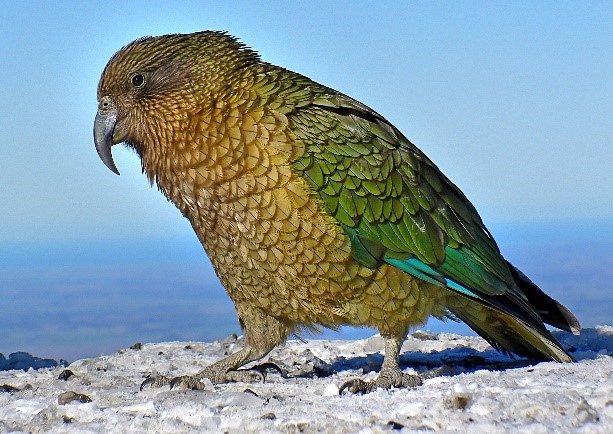
Kea, sometimes referred to as the sheep killers, are a native parrot of New Zealand. They’ve been protected by the New Zealand Wildlife Act for several decades, but many people find them to be a nuisance because of their curiosity. Human machines and buildings can be damaged or destroyed by the Kea’s sharp beaks and inquisitive attitudes (Brejaart).
Slightly after sheep were introduced to New Zealand, the kea received a reputation for killing even though early numbers suggested that less than 5% of sheep were affected by the parrot. The government and private citizens established bounties in the late 1800s requesting kea’s beaks and heads, and these bounties continued until 1971 by which time an estimated 150 thousand keas were killed. Many researchers suggest that the death of sheep by non-kea causes were attributed to kea which lead to their villainous reputation (Brejaart).
So how does a bird kill a sheep? Keas are known to land on a sheep’s back before picking at the outer wool until reaching flesh. They feed on the sheep while the animals are still alive, but the ultimate cause of death for the sheep would be blood poisoning or the like (Brejaart).
Kea don’t just feed on live stock. In fact, a majority of their diet when under observation in Craigieburn Forest Park consisted of nuts and fruit (Brejaart). Below is a picture of a Kea, but if you would like to see something more graphic, look up ‘Kea feeding on Sheep’.
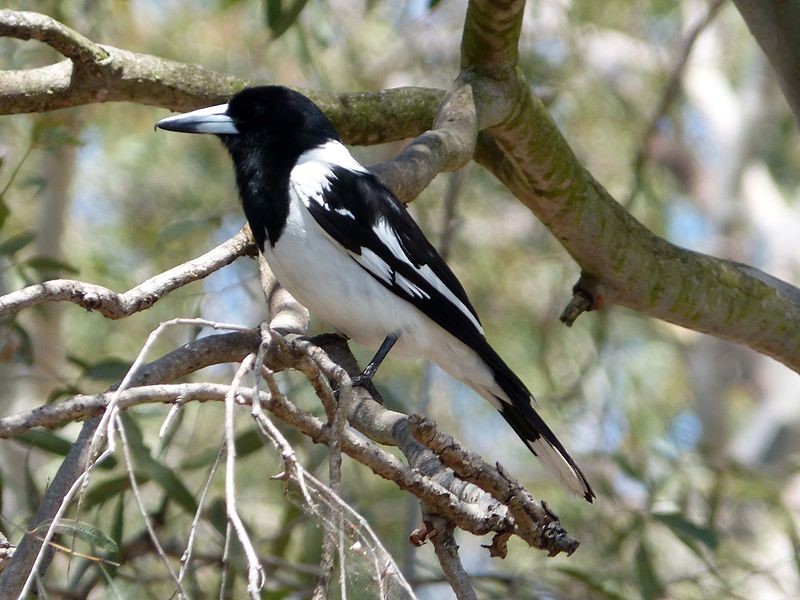
Butcher birds are another species with an especially interesting feeding habit. They take their prey which ranges from small fledglings to insects and kill them using tools before consumption. Some of their anatomy resembles that of other meat consuming birds including their beak, but they lack the talons to physically pull their food apart. This is where their unique actions come into play (Beal and Waldo).
Butcher birds take their prey and wedge it into the forks of branches (Marshall). This allows it to kill its prey or hold the prey in place while the bird pulls it apart with its beak. The most common prey are insects like grasshoppers and crickets with beetles coming in second. Depending on the species, the consumption of vertebrate (including birds, reptiles, and mammals) can range from 12% to 28% of prey (Beal and Waldo).
In times of plenty, some researchers suggest that the birds store extra food on sharp branches. The Australian counter part of the pied butcher bird is the Loggerhead shrike which impales its prey on wire and branches (Beal and Waldo).
Pictured below is a pied butcher bird, and you can also look up more graphic photos of their feeding habits.
Moas, sometimes referred to as the elephant bird, are a large flightless bird ranging in weight from 45 lbs to 550 lbs. Unfortunately, they went extinct after Polynesian colonists arrived in New Zealand. Besides their incredible size, Moas are interesting because of the impact they had on natural scientists and their incredibly fast extinction after humans were introduced to their environment (Anderson).
Early scientists heard tales of moas ranging in height to about 16 and a half feet, and they constructed the fossils found to support these myths. Moas actually range up to 8 feet tall, which is still a significant height. Research also shows that the birds were wingless (Anderson).
Some people say that the moas have been romanticized through the ages, but you can decide that for yourself. Below is a drawing of what the moas looked like before their extinction.
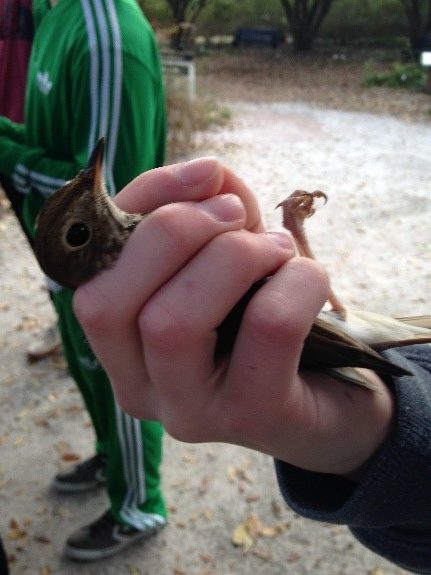
This is me when we took a red shouldered hawk to falcon. This means that we took the red shouldered hawk to a forest and released it—watching as it attempted to catch squirrels with its talons. Fun fact: you can use any bird of prey to falcon.
This picture is from when we dissected crows in the lab! It freaked me out a little at first, but once I opened the crow, it was really interesting.
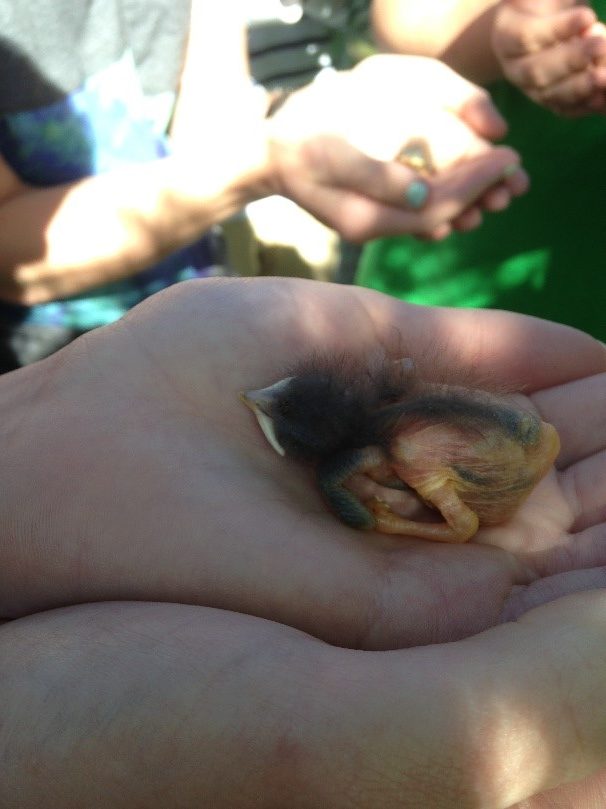
Blue birds make their nests in holes, so we had blue bird boxes around our campus. As a class, we would go around and periodically count the number of eggs in each box, and eventually we got to see the fledglings. It’s untrue that if you hold a baby bird or an egg that the mother will never come back.
Brejaart, Ria. “Diet and Feeding Behaviour of the Kea (Nestor Notabilis).” Diet and Feeding Behaviour of the Kea (Nestor Notabilis). 1998. Lincoln University, PhD disserataion.
Marshall, A. J. “Bower-Birds.” Biological Reviews, vol. 29, no. 1, Feb. 1954, pp. 1–45. doi:10.1111/j.1469-185x.1954.tb01395.x.
Payne, Robert B. “The Ecology of Brood Parasitism in Birds.” Annual Review of Ecology and Systematics, vol. 8, no. 1, Nov. 1977, pp. 1–28., doi:10.1146/annurev.es.08.110177.000245.
Rothstein, Stephen I. “A Model System for Coevolution: Avian Brood Parasitism.” Annual Review of Ecology and Systematics, vol. 21, 1990, pp. 481-508., doi:10.1146/annurev.es.21.110190.002405
 Introduction: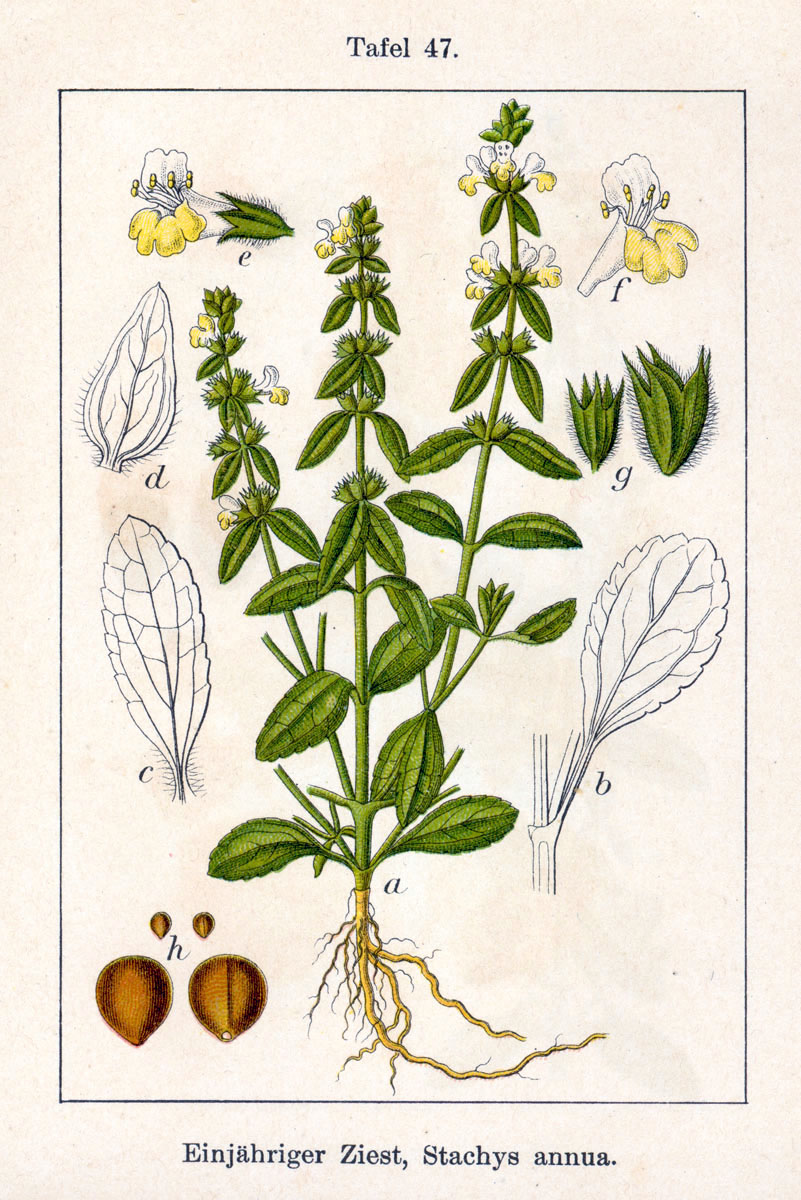





.jpg)
