Author: Veronica Sills

  • Beats to Cellularly Divide To

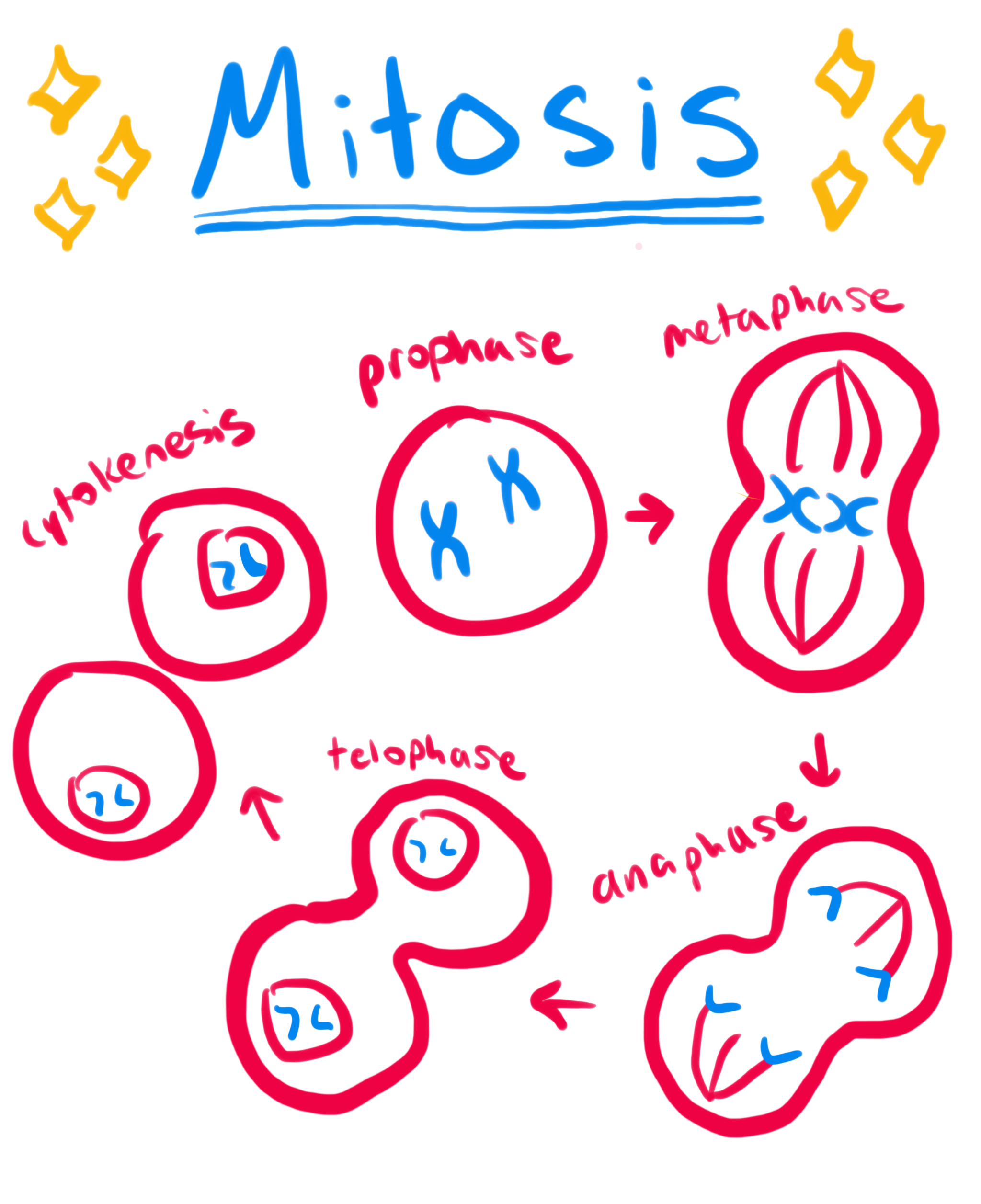
    When it comes to learning key biological concepts, it can be helpful to connect new material to something you’re familiar with or passionate about. In this vein, I chose to put together a short playlist that draws parallels between popular songs and the phases of mitosis by assigning each phase of mitosis to a song on the playlist. Linking this biological process with music can serve as a learning tool to help deepen a student’s understanding and memory of the cellular division process. With that said, here is my list of “Beats to Cellularly Divide To”:

    1. Prophase: Pompeii by Bastille

    This alternative song conjures a vivid image in the listener’s mind of the disruption caused to civilization by the volcanic eruption at Pompeii. Indeed, prophase can be thought of in a similar vein: it begins the resource-intensive process of mitosis, which will ultimately result in two daughter cells. The lyric “And the walls kept tumbling down in the city that we love” is particularly on the nose, as the nuclear envelope (analogous to the “walls” described in this lyric) disappears during prophase, as cellular division begins.  

    1. Metaphase: The Middle by Grey, Maren Morris, and Zedd

    This classic pop tune reiterates the phrase “why don’t you just meet me in the middle?”, the same sentiment reflected by the second phase of mitosis: metaphase. During this part of mitosis, the chromosomes align at the metaphase plate near the center of the cell, forming a line. Just like the song describes how you may want a friend to ‘meet you in the middle’ during a time of conflict, the chromosomes similarly meet in the middle during the second phase of mitosis. 

    1. Anaphase: Drift Away by Uncle Cracker

    “Drift Away” is a rock song which describes the feeling of enjoying a piece of music so much you seem to get lost in it, or ‘drift away’ from reality. In a similar manner, anaphase involves the separation of sister chromatids as they are pulled apart by kinetochore fibers, ‘drifting away’ from each other to opposite sides of the cell. 

    1. Telophase: We Are Never Ever Getting Back Together by Taylor Swift

    This Taylor Swift song describes a break-up, boldly declaring “We are never, evеr, ever gettin’ back togеther”. This aligns with the aims of telophase, as this stage of mitosis involves the cell permanently splitting into two new daughter cells. Reformation of the nuclear membrane takes place, and nucleoli reappear and remain in each of the two new cells. Both cells now contain a complete copy of the original cell’s genome. Thus, they are completely separate and ready to exist apart, similar to the speaker in the song “We Are Never Ever Getting Back Together” post-breakup. 

    This concludes my “Beats to Cellularly Divide To”. My hope is that this playlist can serve as a learning tool to help would-be students comprehend and remember the phases of mitosis and the process of cellular division. It also serves as a fun way to musically engage with the sciences. The full playlist can be found on Spotify at this link: https://spotify.link/0NoUZST4JIb. Happy listening!
  • Tactile Trivia: A Innovative Activity to Engage People with the Sciences

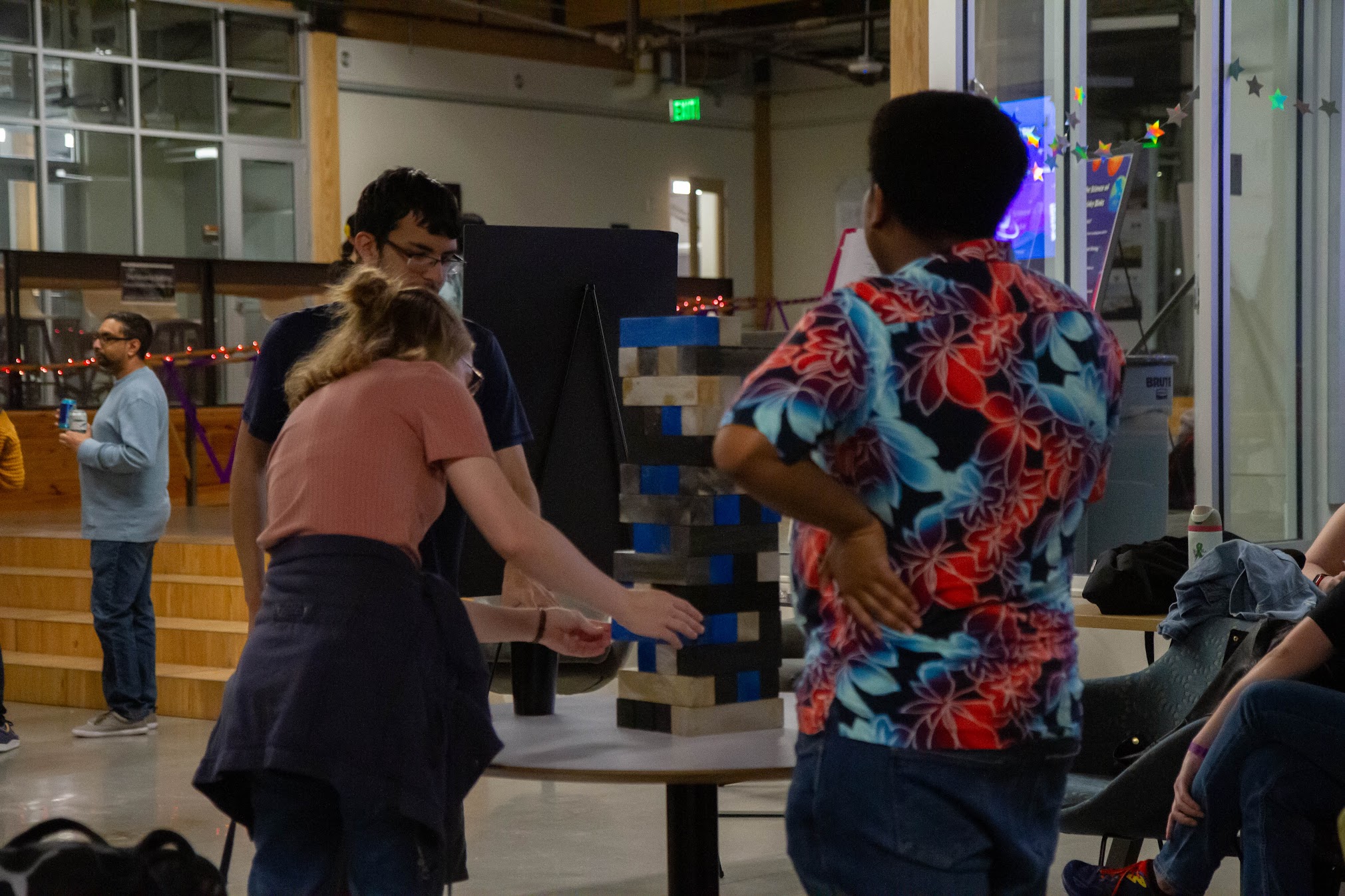
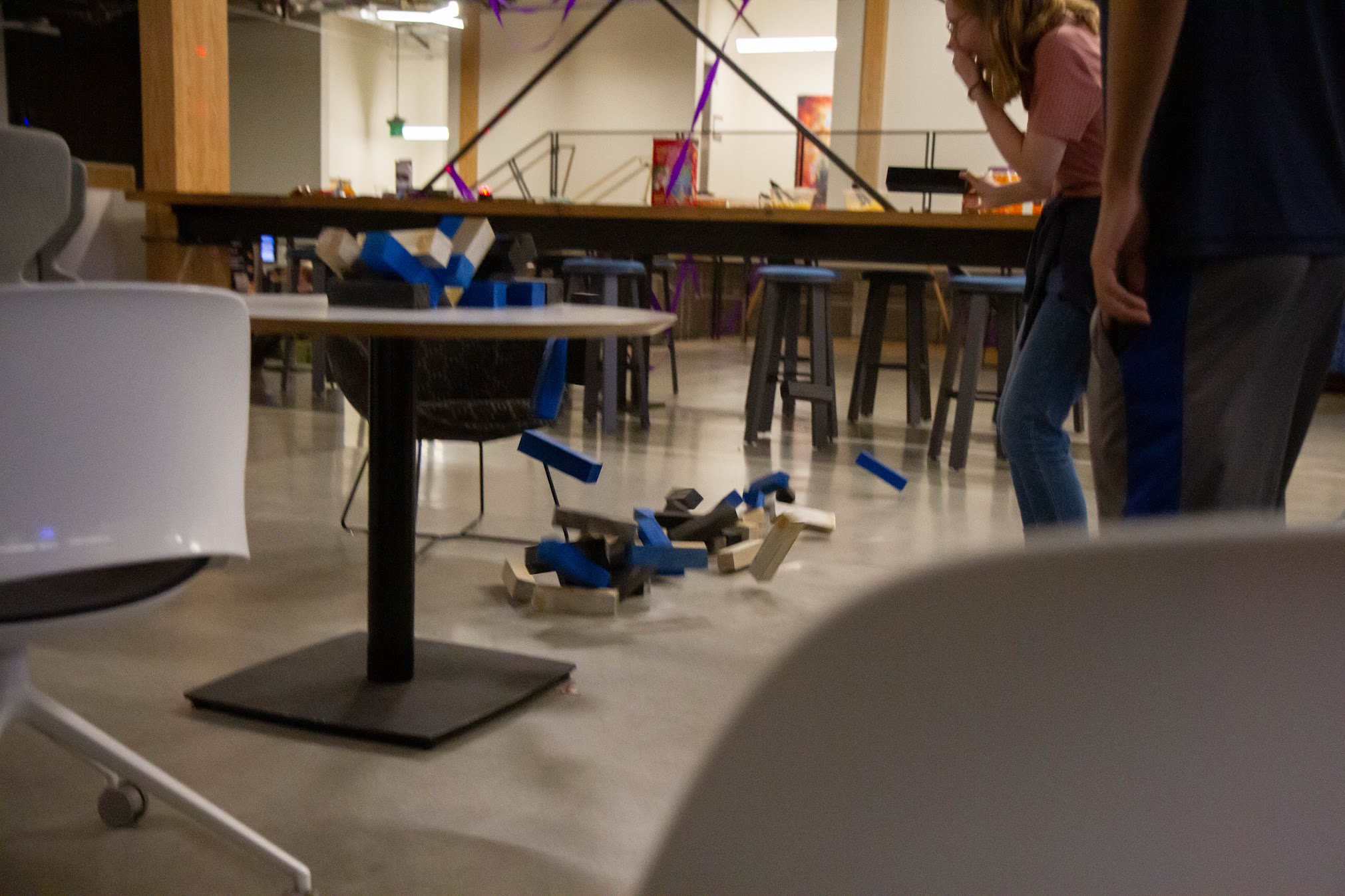
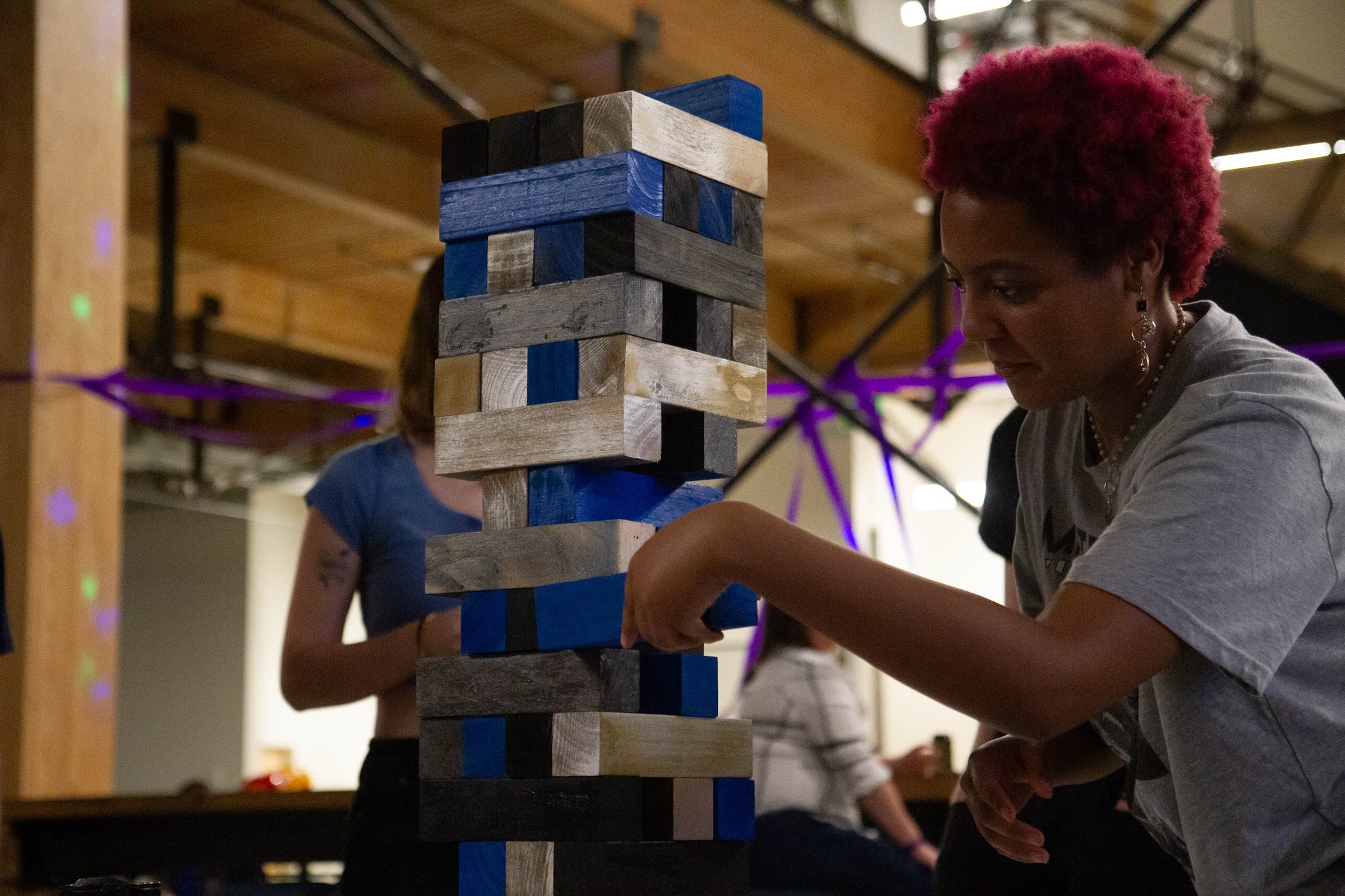
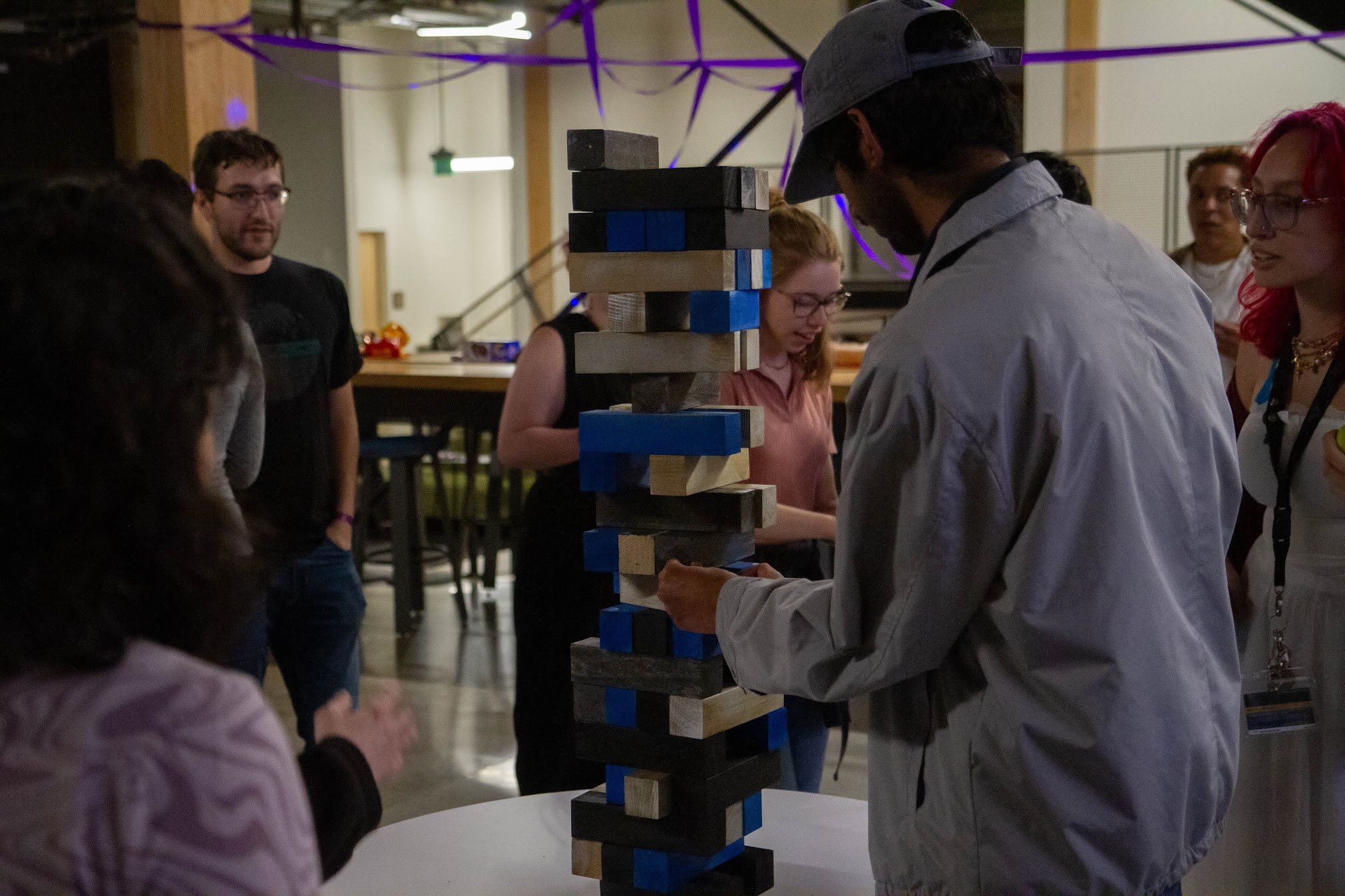
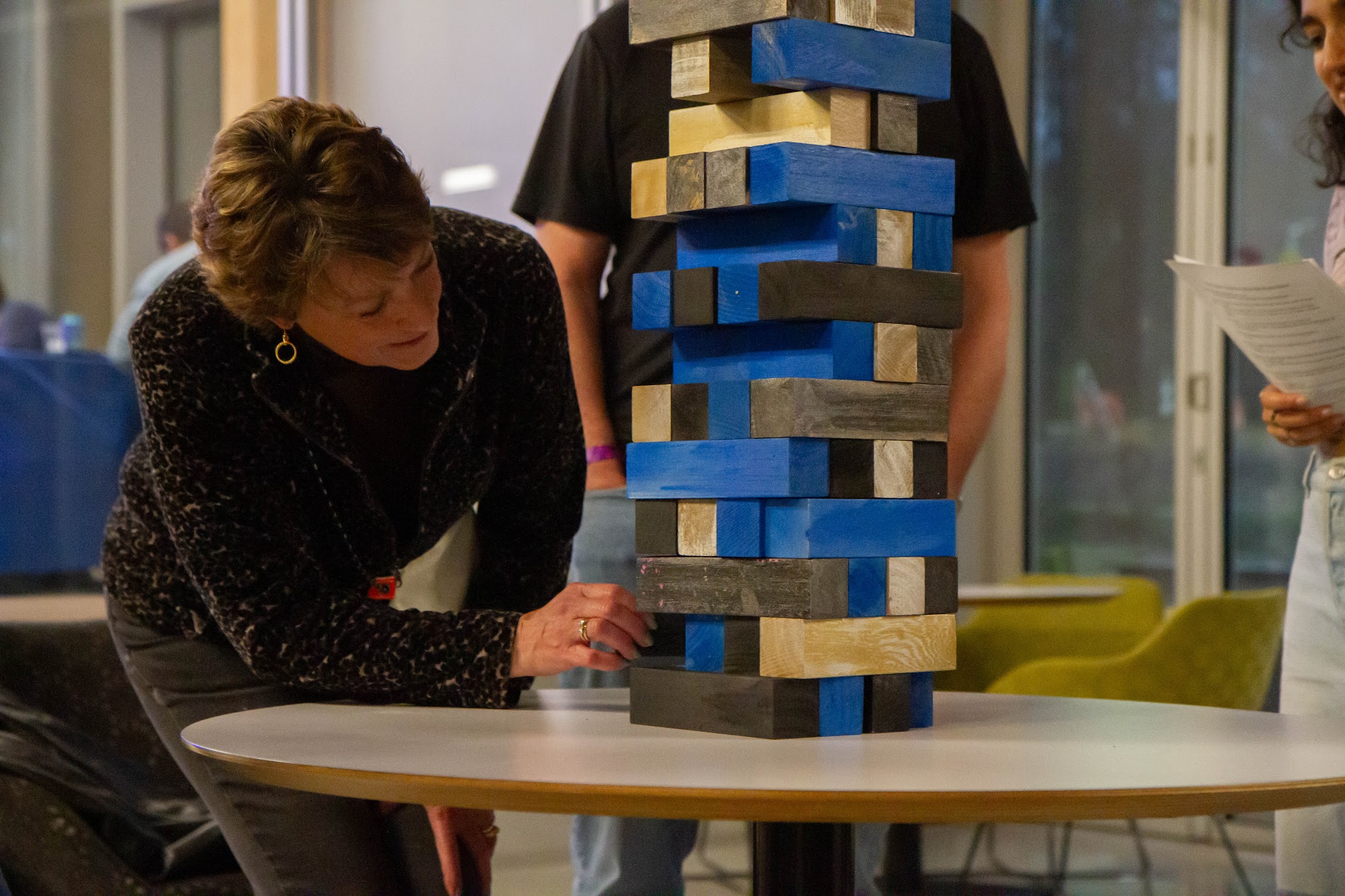
    Our team hosted a science-themed Jenga activity at the Atlanta Science Festival After-Party. The game served as an engaging activity to teach festival-goers about contemporary topics in astrobiology, astronomy, and other space-related science topics. Our team started by brainstorming different activities that could be used to engage people with scientific concepts. In the end, we decided that combining Jenga and Trivia would be an effective way to engage participants while retaining the space-theme of the Atlanta Science Festival. We drew on our class and research-related experiences to come up with fun trivia questions. One of my questions referenced phenolphthalein — the type of indicator used in my final titration for one of my lab classes — among other fun scientific tools and concepts. 

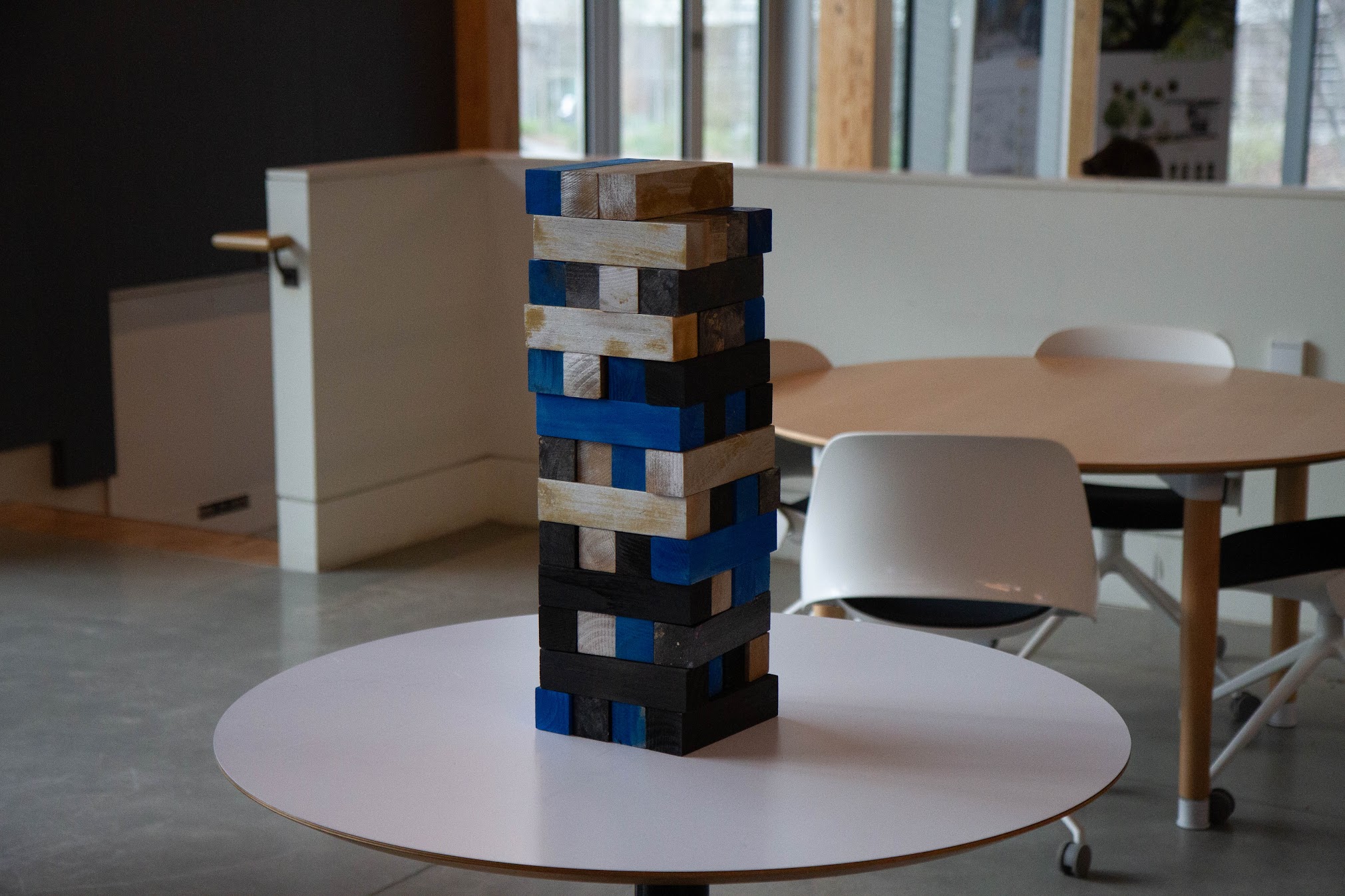
    First, a Jenga set was obtained from one of our members and the blocks were divided into three categories: “Dark Matter” (Chemistry and Astronomy), “Physics and Math”, and “Astrobiology”. Blocks corresponding to each category were painted a unique color (black, blue, and gold/silver respectively). Execution of the game itself involved first setting up the Jenga tower while ensuring that each layer contained a mix of blocks from multiple categories. Once setup was complete, players then took turns selecting a category of question to answer. If their answer was correct, it would be the next player’s turn. If their answer was incorrect, they would have to pull out a block of the color corresponding to their chosen trivia category. In typical Jenga fashion, the first player to knock over the tower was considered to have lost the game. 

    In this way, the unique mechanics of Jenga were utilized in a manner complimentary to the trivia format. If a player didn’t answer a question correctly, their penalty was to remove a block from the Jenga tower which matched the color of the category they had selected. This increased engagement with the game by adding another avenue of strategy for players; they would need to select what category of question to answer based not only on their personal knowledge base, but also based on which color block would be easiest to remove if they got the question wrong. This mechanic encouraged players to ‘switch up’ which category of questions they selected as they were incentivized to pick colors whose removal wouldn’t impact the structural integrity of the Jenga tower. 

    We also had to be mindful of the difficulty of the Trivia Questions we chose to ask participants. It took several rounds of revisions to get to our final question bank. In the end, it was key to make sure the difficulty of questions was appropriately balanced to our target audience. After all, our party attendees could be expected to have an above-average exposure to science, however questions would need to be easy enough that they could reasonably be answered by someone outside of that scientific specialty. I think we hit the right balance in the end, as partygoers were challenged by most questions, but were able to get enough right that they felt motivated to continue playing. 

    Overall, our activity seemed extremely effective when it came to engaging participants with scientific concepts. Afterwards, one participant made a comment that they felt “like [they] learned a lot” by participating in the game. Some expansions/improvements to consider making in future could include a larger question bank to help avoid repeats, or an automated system that would select questions for participants so that the game-master doesn’t have to keep track of which questions have already been asked. I look forward to expanding upon this activity in future science-outreach related events. 

  • ‘Fun’nett Squares: Gene-tic-tacs Activity Booth

    Recently, our project team ran an activity booth at a science-themed block party. The booth was a fun way to teach partygoers about the science behind genetics, phenotypes, and Punnett squares. Our team created an interactive activity that presented partygoers with three genetics-based puzzles at varying levels of difficulty. Because it was close to Halloween, we incorporated the use of candy into these puzzles, which served as an incentive for puzzle-solvers to challenge their scientific skills and learn something new.

    The easiest puzzle involved crossing two parents with an identical genotype in a single-trait Punnett square. In this example, taffy was used to represent the dominant allele and hard candy was used to represent the recessive. Two piles of candy were provided to participants, who used the sweets to complete the missing square in the puzzle. Afterwards, we asked a question on the phenotypes of the resulting organisms to ensure conceptual understanding on the part of the participant. The puzzle is included below:

    The second puzzle involved the evaluation of a sex-linked trait. In this case, unaffected X-chromosomes were represented by dark colored hard candy while affected X-chromosomes were represented by light colored candy. Taffy was used to represent the Y-chromosome. Participants were now asked to fill in two separate squares using the corresponding candy chromosomes. Two questions regarding the outcome of such a genetic cross were then posed. This puzzle helped to teach participants about why some diseases and conditions are more prevalent in one sex. The puzzle is included here:

    Lastly, the third puzzle challenged participants with a dihybrid cross, which involved analyzing two distinct traits using one Punnett square. This example analyzed the traits ‘color’ and ‘shape’. It took on a similar format as previous puzzles, but its complex nature resulted in participants needing more assistance when solving it. This reflects the idea that we were successful in varying the difficulty of the problems. Here is the final puzzle:

    Overall, this serves as a fun activity that helps partygoers to engage with some of the scientific concepts behind genetics. When we used them, these puzzles sparked conversations and inspired scientific interest in participants. This is a great activity to try if you’re doing a science-themed event, and it’s fun for kids and adults!

  • Kidneys: The Innocent Bystanders

    When we purchase over-the-counter medicines, there’s often an assumption of their relative safety and harmlessness. After all, most ‘dangerous’ compounds are protected behind a prescription, right? Surely, if the directions on the back of the box or bottle are followed, no long-term health risks are possible, right?

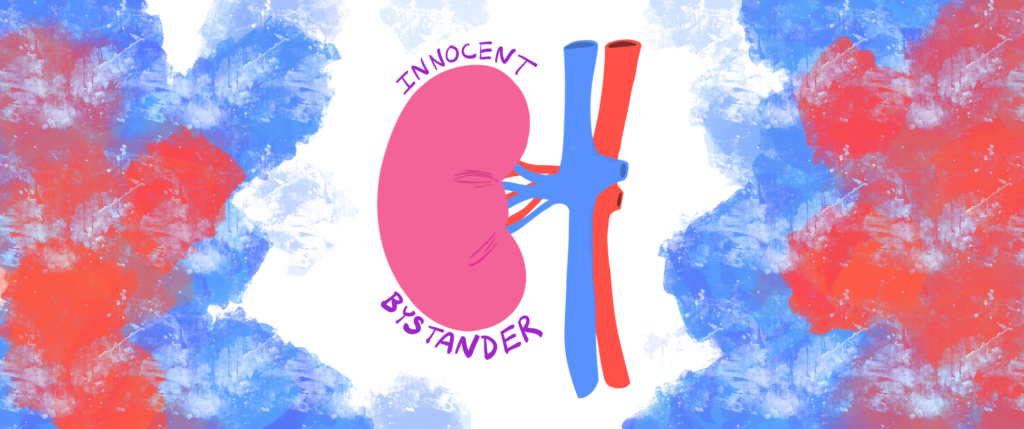
    Unfortunately, this is often not the case. Long term use of NSAIDs — a class of common anti-inflammatory drugs including aspirin and ibuprofen — is associated with an increased risk of acute kidney failure.[1] Previously healthy young people have developed kidney problems due to long-term NSAID use while being none the wiser; kidney injury thus represents a generally unknown side-effect of NSAID use. Indeed, this feeds into a much larger idea within the field of healthcare — the role of the kidney as an ‘innocent bystander’. Often, acute and even chronic kidney injury are iatrogenic — an unintended byproduct of treatments for other diseases or conditions. NSAIDs aren’t the only common treatment that can negatively impact kidney health; diuretics are associated with an increased risk of acute kidney injury and even surgical procedures like heart transplants have been linked to acute kidney failure.[2,3] The susceptibility of the kidneys to iatrogenic conditions is often attributed to the high rate of blood flow through them and the resulting increased exposure to potentially nephrotoxic drugs.[4] After all, the kidneys are the blood filtration system meant to remove waste from the body; it makes sense that the drugs that enter the bloodstream and are filtered out may put a strain on the kidneys. Not just treatments, but even diagnostic techniques can have an adverse effect on the kidneys. The iodinated contrast drugs often used in diagnostic imaging have also been linked to acute kidney injury, with few suitable alternatives available.[5]

    With all these harmful pitfalls, preserving kidney health may seem like an impossibility when tackling complex conditions and comorbidities. However, awareness is a crucial first step towards improving patient outcomes. The kidneys are often put on the back burner when managing other conditions; physicians may prescribe NSAIDs, diuretics, and similar drugs that harm the kidneys over time while treating other conditions, or order diagnostic imaging that utilizes contrast fluid that puts a strain on the kidneys. On their own, these small actions may not have a significant effect, but it’s critical to be mindful of how treatments and conditions may intersect to cause renal dysfunction. By spreading awareness of the susceptibility of the kidneys to damage in these ways, individuals at higher risk for developing renal issues may be mindful about their use of certain over-the-counter medications and can develop a better toolkit with which to advocate for themselves.

    References:

    1 Dixit, M., Doan, T., Kirschner, R., & Dixit, N. (2010). Significant Acute Kidney Injury Due to Non-steroidal Anti-inflammatory Drugs: Inpatient Setting. Pharmaceuticals (Basel, Switzerland), 3(4), 1279–1285. https://doi.org/10.3390/ph3041279

    2 Ejaz AA, Mohandas R. Are diuretics harmful in the management of acute kidney injury? Curr Opin Nephrol Hypertens. 2014 Mar;23(2):155-60. doi: 10.1097/01.mnh.0000441150.17202.be. PMID: 24389731.

    3 F. J. Romeo et al., Acute Kidney Injury After Cardiac Transplantation: Foe or Common Innocent Bystander? Transplantation Proceedings 50, 1489-1495 (2018).

    4 Davidman M, Olson P, Kohen J, Leither T, Kjellstrand C. latrogenic Renal Disease. Arch Intern Med. 1991;151(9):1809–1812. doi:10.1001/archinte.1991.00400090095017

    5 Andreucci, M., Faga, T., Serra, R., De Sarro, G., & Michael, A. (2017). Update on the renal toxicity of iodinated contrast drugs used in clinical medicine. Drug, healthcare and patient safety, 9, 25–37. https://doi.org/10.2147/DHPS.S122207