Tag: amazing

  • Mandai Bird Paradise: Asia’s Biggest Aviary Sanctuary

    The Mandai Bird Paradise is the biggest bird conservatory in Asia, inaugurated back in May 2023. As one of the six pillars of the Mandai Wildlife Reserve, the incredible sanctuary covers over 42 acres of land on Mandai Island in Singapore. The reserve houses around 3,500 birds encompassing over 400 different species. Mandai Nature is the conservation arm of the Mandai Wildlife Group, which is dedicated to providing a haven for all these species through the Mandai Bird Paradise and to preserving Southeast Asia’s incredible biodiversity through conservation efforts, with a focus on averting species extinction (Temasek Trust, 2024). 

    Such a variety poses a rather obvious question: How? In order to answer this question, we must chart our way through the science behind conservation, biodiversity and rehabilitation!

    Conservation

    Conservation, as defined by the Merriam-Webster dictionary, is to carefully preserve and protect something. In a wildlife context, it is orchestrated management of natural resources to prevent exploitation, destruction, or neglect. Conservation efforts to preserve biodiversity are not just about protecting animals in isolation, but in our context, it is about the creation of an entire ecosystem where species can thrive naturally.

    At Mandai Bird Paradise, conservation takes an approach similar to this article on biodiversity conservation by diversity (Ramón et al., 2020). In-situ conservation focuses on protecting species in their natural habitats, whereas, ex-situ conservation, which is practiced at Mandai, provides controlled environments where vulnerable or endangered species can be bred, monitored, and protected from immediate threats such as habitat loss or poaching.

    The sanctuary also participates in international breeding programs and collaborates with global conservation organizations to ensure genetic diversity is maintained among species. This is critical because reduced genetic diversity due to issues such as environmental changes from global warming can make populations more susceptible to disease. Through these coordinated efforts, Mandai Bird Paradise becomes more than just a sanctuary, but a cornerstone in the Mandai Wildlife Group’s stand as an active contributor to global conservation science.


    Biodiversity

    Biodiversity refers to the variety of life in a particular habitat or ecosystem, encompassing differences in species, genetics, and ecological roles. The presence of over 400 bird species at Mandai Bird Paradise highlights not only the richness of different avian life present but also the complexity of maintaining such diversity within a single environment. This maintenance is done by separating the 42-acre land into around 10 unique habitats that each suit a certain group.

    Each species then gets to play its unique role in its ecosystem, from seed dispersal to pollination and pest control. By housing a wide array of species, the sanctuary effectively simulates interconnected ecological networks, allowing researchers and conservationists to better understand how these systems function.

    Maintaining biodiversity in a controlled setting requires careful planning. Factors such as diet, climate conditions, nesting environments, and social groupings must all be tailored to meet the needs of different species. For instance, tropical birds such as the Andean cock-of-the-rock (yes, you read that right) require high humidity and dense vegetation, while others may need open spaces or specific nesting structures. This level of detail ensures that the birds are not only surviving but thriving in conditions that closely resemble their natural habitats.
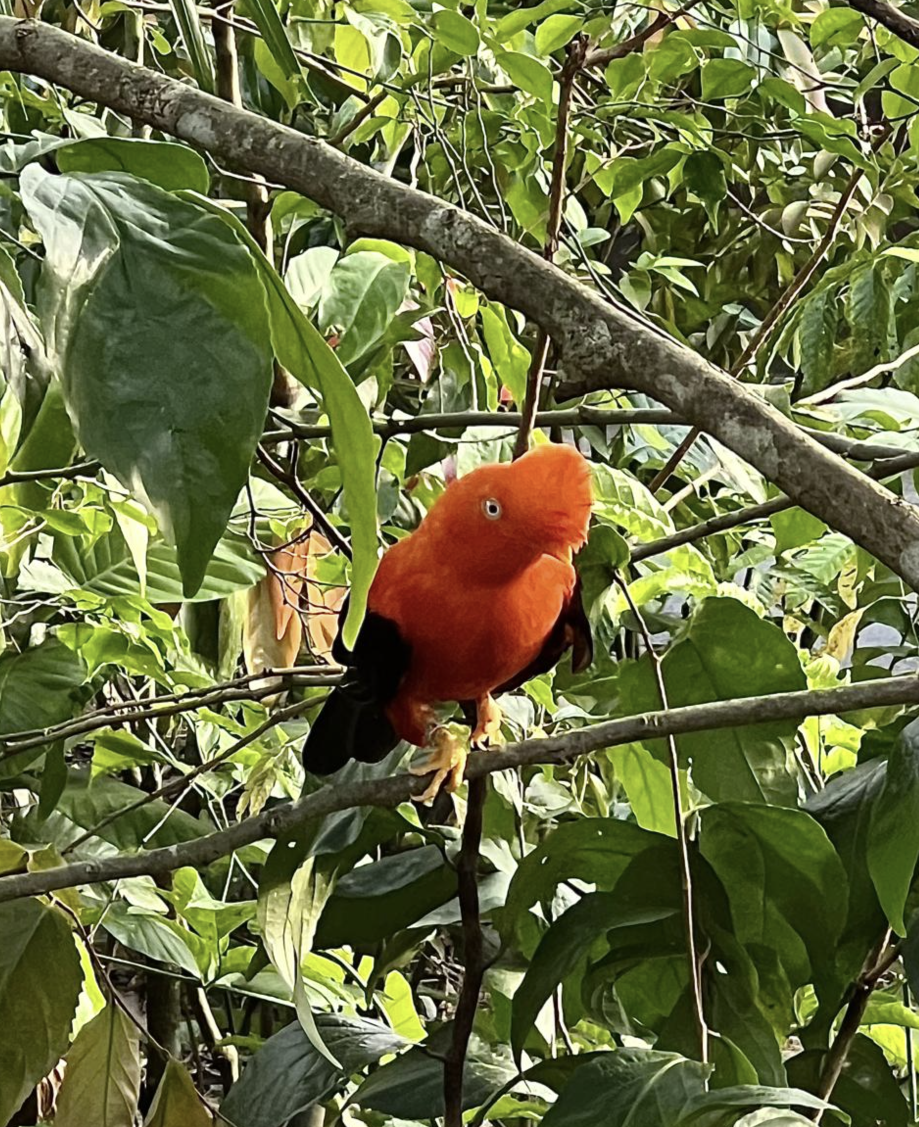
    Andean cock-of-the-rock


    Rehabilitation

    Rehabilitation is another crucial component that involves the care and recovery of injured, displaced, or trafficked birds with the goal of reintroducing them into the wild whenever possible.

    Birds that arrive at rehabilitation centers often suffer from injuries caused by habitat destruction, illegal wildlife trade, or human interference. At Mandai, veterinary teams and specialists provide medical treatment, nutritional support, and behavioral conditioning to help these birds regain their strength and natural instincts.

    One of the key challenges in rehabilitation is ensuring that birds do not become overly dependent on human care. To address this, caretakers minimize human interaction and design enclosures that encourage natural behaviors such as foraging and flight. Only when a bird demonstrates sufficient recovery and independence is it considered for release. Even when release is not possible, rehabilitation still plays an important role. These birds may become part of educational programs, helping to raise awareness about conservation issues and inspiring visitors to take action in protecting wildlife.


    Mandai Bird Paradise – Sanctuary & Conservation Magic

    Mandai Bird Paradise is more than the visually stunning attraction you see through my lens, it is a living example of how science, conservation, and education can come together to protect our planet’s biodiversity. By integrating conservation strategies, maintaining diverse ecosystems, and supporting rehabilitation efforts, this sanctuary embodies what modern wildlife preservation should look like. In doing so, Mandai Bird Paradise not only safeguards thousands of birds but also inspires future generations like yours and mine to value and preserve the delicate balance of life on Earth.
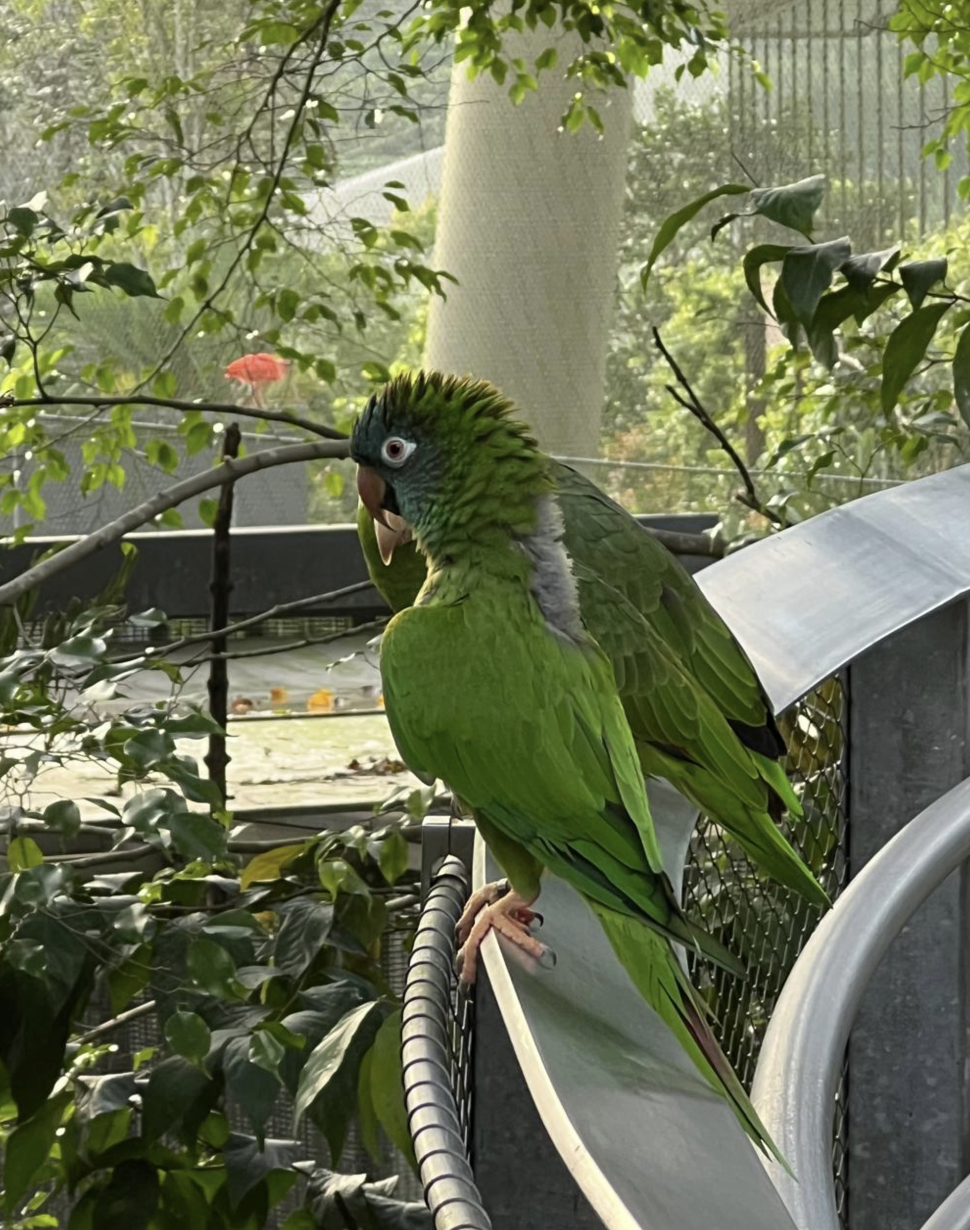
    Blue-crowned Parakeet

    Bits of My Time

    This reserve is one of the most beautiful places on Earth! Walking out into the Crimson Wetlands zone of the park felt like a scene straight out of a movie. There were colorful macaws soaring overhead, bright American flamingos dancing by the pond, Scarlet ibis carefully balancing on the hand rails and so much more. My exploration of the Mandai Reserve taught me so many fun facts about birds and this experience rekindled my love for all things nature. It truly gave me a fond memory to recall for the rest of my lifetime.

    References

    All Photography/Illustrations by Kristina Sarah Siju

    Mestanza-Ramón, C., Henkanaththegedara, S. M., Vásconez Duchicela, P., Vargas Tierras, Y., Sánchez Capa, M., Constante Mejía, D., Jimenez Gutierrez, M., Charco Guamán, M., & Mestanza Ramón, P. (2020). In-Situ and Ex-Situ Biodiversity Conservation in Ecuador: A Review of Policies, Actions and Challenges. Diversity, 12(8), 315. https://doi.org/10.3390/d12080315 

    Protecting Wildlife, Preserving The Future. (2023). Temasek Trust Revamp. https://www.temasektrust.org.sg/what-we-do/impact-hub/article-details/mandai-nature-impact-report-2023-2024

    Speiran S. I. M. (2025). The ‘Sanctuary Gap’: Reviewing the Research on Captive Wildlife Sanctuary Tourism. Animals : an open access journal from MDPI, 15(4), 496. https://doi.org/10.3390/ani15040496
  • Organoids: What are They and Why They’re Amazing

    I’m willing to bet you’ve never heard of Organoids. No worries if so, they’re a pretty niche part of biomedical sciences. This is such a shame however as they’re having a great impact on research and our world. Organoids are often defined as tissue samples embedded into 3D extracellular matrix (ECM) gels or clonal derivatives of cells grown without mesenchyme and derived from stem cells. Don’t worry if your eyes have already glazed over! Mine did too the first time I read that.

    In simpler terms, they are the growing of cells, taken from a patient, in a nutrient rich gel. While the field might seem niche at first, it has a long history and the potential to impact millions.

    Before Organoids, most human physiological research relied on in vitro 2D cell culture and animal models (O’Connell & Winter, 2019). These often fail at clinical trials due to oversimplification of or incompatibility with human systems. At the time, cell cultures were limited to growing single layers of cells in a petri dish with none of the 3D complexities of real biological systems. This all changed with Ross Harrison’s “Hanging drop Cell Cultures” in 1906 (Simian and Bissell, 2016). By creating a 2D cell culture and turning the petri dish upside down, gravity would cause the cells to clump together and form a cohesive 3D spheroid of cells that could intermingle and interact like normal. Think about that! 3D structures could form by simply turning them upside down with no other interference. This was the start of research into organoids which offered a new way to look directly at human biology without risking patient or animal lives.

    One key breakthrough was the discovery of 3D extracellular matrices first used in 1963 (Simian and Bissell, 2016). The gel provided a medium for natural scaffolding of cells rather than relying on gravity. This allowed for more complex 3D shapes and allowed for more types of organoids that more closely resembled complex real life systems. The gel also aided in providing the cells with nutrients required to keep them alive. Hence the “nutrient rich gel” from the definition above.

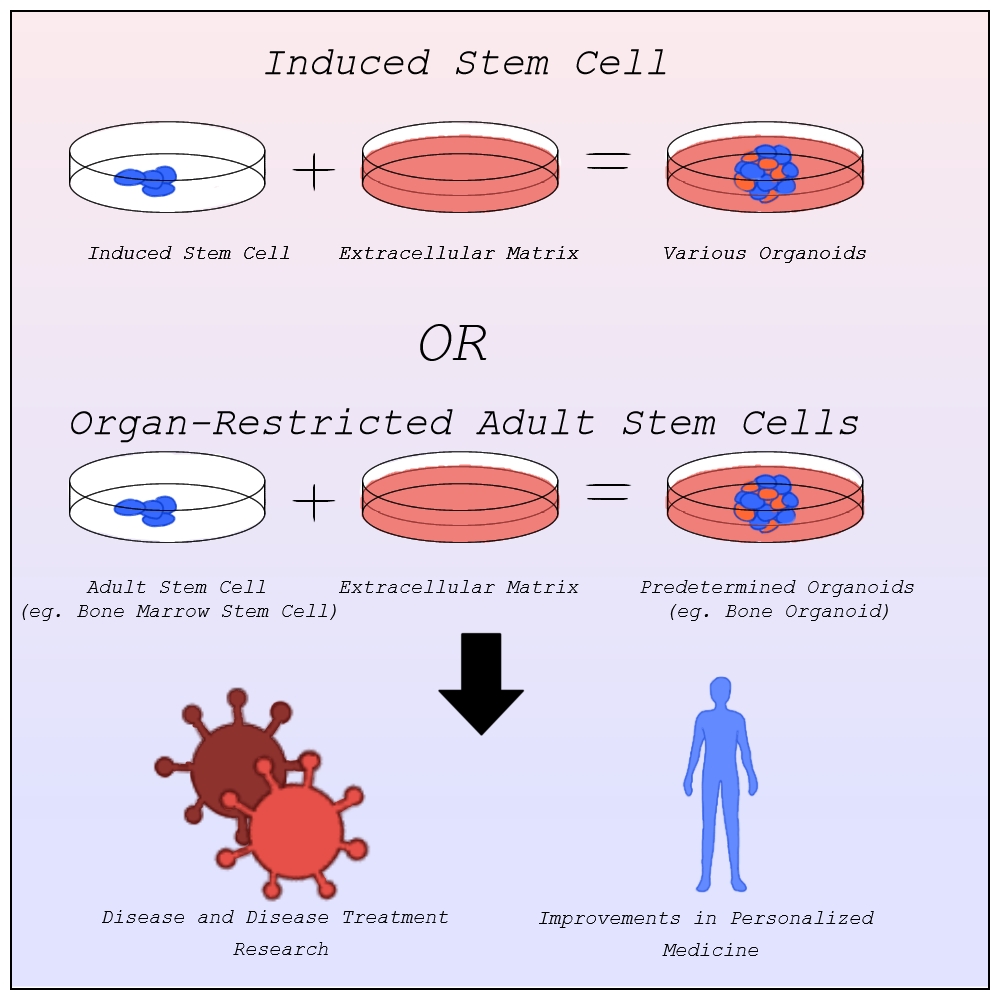
    Exploration into this new field was rather slow however. The human body is composed of roughly 200 distinct types of cells, each of which specialize in a different function such as blood or nerve cells. Despite this, organoids mainly rely on only two types of cells, pluripotent stem cells and organ-restricted adult stem cells (Bredenoord et al., 2017). Stem cells are unspecified types of cells, yet to differentiate, with the ability to become any type of specified cell. They often serve to repair the human body as they can replace any damaged cells no matter the type. This ability makes them highly valuable to organoids trying to model systems that rely on the cooperation of multiple cell types.

    Before the discovery of induced stem cells in 2006 by Dr. Shinya Yamanaka at Kyoto University, organoids were made from pluripotent stem cells as organ-restricted adult stem cells can be hard to access and are restricted to becoming cell types of their tissue of origin most commonly found in embryos (Agarwal et al., 2024). The line of when a zygote becomes a person, however, is blurry, raising many ethical concerns about the desecration of a person’s body. Induced stem cells allow for the change of specialized cells back into stem cells. Organoids can now be created from any tissue sample, entirely limiting the need for embryonic stem cells outside of studying early organ development (Frans Schutgens & Clevers, 2019).

    With better ways to develop organoids, scientists quickly realized their potential. Organoids offer unparalleled advancement in disease research and treatment, personalized medicine, and so much more that we simply don’t have time for here.

    Image by Alexandra Marshall

    Disease Research and Treatment
    One pivotal area of applications is understanding the development of diseases and disease treatment in humans. The lack of 3D structure in in vitro models lead to limited complexity and physiological relevance when studying diseases. Faulty predictions based on these studies can lead to treatments failing, with approximately 90% of clinical study drug candidates failing clinical trials and drug approval (Sun et al., 2022).

    Organoid models have none of these limitations. In 2013, the first human condition modeled using organoids, cystic fibrosis, was published. The model had “excellent predictive value” and became the first successful personalized treatment method for cystic fibrosis patients (Lancaster and Huch, 2019). The modeling of other diseases using organoids quickly followed from genetic diseases like Polycystic kidney disease and Alagille syndrome, to infectious diseases like Covid-19 and the Zika virus, to neurological diseases like Alzheimer’s and Parkinson’s, to multitudes of cancers, and more (Xu et al., 2018). The ability for organoids to be made of any human system means they can model any disease regardless of which systems they afflict.

    Organoids can be also grown co-culturally with bacteria allowing for bacterial infections and the diseases that arise from them to also be modeled and researched with organoids (Schutgens and Clevers, 2020). This has allowed for better understanding of bacteria like Helicobacter Pylori and Salmonella, aiding in detection and cures. As mentioned above, treatments can then be tested on these organoid systems without risking human lives or animal cruelty.

    Respiratory Syncytial Virus (RSV), a disease that is being modeled in airway organoids, causes around 66,000–199,000 deaths among children annually (Schutgens & Clevers, 2020). This is just one of the many diseases for which scientists are now better equipped to find viable treatments. Organoids have already saved millions of lives and their potential for future disease treatment has the potential to millions more.

    Personalized Medicine
    While these treatments work for many people, genetic and biological differences can impact treatment effectiveness and tolerance with some even leading to negative side effects (Breen, 2021). In such situations, personalized medicine that is specialized to fit these differences might be necessary. Personalized medicine, sometimes called precision medicine, challenges the idea that treatments that pass general trials will work for everyone, instead working to construct a treatment plan with a specific patient in mind best suited to their physiology.

    The idea of personalized medicine has been around for thousands of years, using one’s family’s history of diseases to diagnose the likelihood of that person having said disease. In the late 1900s the idea of evidence based medicine, the implementation of explicit reasoning based on a specific patient’s data, started being common practice when prescribing a patient (Visvikis-Siest et al., 2020). This opened the door for personalized medicine in modern science (Visvikis-Siest et al., 2020). This data was largely based on patients’ reactions to other treatments and family history however limited its effectiveness. The development of molecular biology and human genome mapping allows for a direct look at a patient’s physiology, aiding medical professionals in determining the biological reasons behind potential reactions to treatments before administration limiting adverse reactions.

    Organoids have greatly furthered this field. As mentioned above, organoids are made from a patient’s induced stem cells. This means that the organoid culture into a structure based on the patient’s DNA, containing all the same biomarkers and physiology that the patient would have at that level. Where other treatments could have varying effects from the tested population, organoids allow medical professionals to see the exact effects a treatment plan would have on the patient. The use of stem cells also allows organoids to grow much quicker than other models. This allows for quick and accurate testing of the effects of medication on a patient. One study published in Science involving gastrointestinal cancer therapies found that organoids would correctly detect when drugs would fail 100% of the time, and when the drug would succeed 88% percent of the time (Vlachogiannis et al., 2018). Once again, because of the diversity of systems that organoids can model, organoids can be used to model many different personalized medicine plans allowing for the variety of treatment testing needed to find the most optimal plan.

    Conclusion
    Organoids have had a monumental, yet widely unknown, impact on a wide variety of disease advancement and treatment developments and personalized medicine. These structures can then be used to model human tissues and organs with much higher accuracy and complexity than previously used non-human or in vitro models.

    Scientists use them to model disease development in humans and treatments designed for humans. This allows for a better understanding of the diseases and more effective treatments with fewer errors. They are also used to limit the risk of negative side effects from non-personalized medicine by furthering personalized medicine through the accuracy and speedy testing of many different treatment options.
    With continued and careful development of organoids, disease understanding and treatments, personalized medicine and so much more can continue to be improved, saving millions of lives.

    ————————————————————————————————-

    Work Cited:
    Agarwal, S., Saha, L., Sohani, A., Karri, U., Gor, R., & Ramalingam, S. (2024). The importance of niche in therapeutic strategies targeting normal and cancer stem cells. Cancer Stem Cells and Signaling Pathways, 15–33. https://doi.org/10.1016/b978-0-443-13212-4.00031-3

    Bredenoord, A. L., Clevers, H., & Knoblich, J. A. (2017). Human tissues in a dish: The research and ethical implications of organoid technology. Science, 355(6322). https://doi.org/10.1126/science.aaf9414

    Frans Schutgens, & Clevers, H. (2019). Human Organoids: Tools for Understanding Biology and Treating Diseases. Annual Review of Pathology Mechanisms of Disease, 15(1), 211–234. https://doi.org/10.1146/annurev-pathmechdis-012419-032611

    Generation and Cultivation of 3D Cell Models | ibidi. (2024). Ibidi. https://ibidi.com/content/1037-generation-and-cultivation-of-3d-cell-models

    Lancaster, M. A., & Huch, M. (2019). Disease modelling in human organoids. Disease Models & Mechanisms, 12(7). https://doi.org/10.1242/dmm.039347

    O’Connell, L., & Winter, D. C. (2019). Organoids: Past Learning and Future Directions. Stem Cells and Development, 29(5), 281–289.https://doi.org/10.1089/scd.2019.0227

    Schutgens, F., & Clevers, H. (2020). Human Organoids: Tools for Understanding Biology and Treating Diseases. Annual Review of Pathology: Mechanisms of Disease, 15(1), 211–234. https://doi.org/10.1146/annurev-pathmechdis-012419-032611

    ‌Simian, M., & Bissell, M. J. (2016). Organoids: A historical perspective of thinking in three dimensions. The Journal of Cell Biology, 216(1), 31–40. https://doi.org/10.1083/jcb.201610056

    Sun, D., Gao, W., Hu, H., & Zhou, S. (2022). Why 90% of clinical drug development fails and how to improve it? Acta Pharmaceutica Sinica B, 12(7), 3049–3062. https://doi.org/10.1016/j.apsb.2022.02.002

    Visvikis-Siest, S., Theodoridou, D., Kontoe, M.-S., Kumar, S., & Marschler, M. (2020). Milestones in Personalized Medicine: From the Ancient Time to Nowadays—the Provocation of COVID-19. Frontiers in Genetics, 11. https://doi.org/10.3389/fgene.2020.569175

    Vlachogiannis, G., Hedayat, S., Vatsiou, A., Jamin, Y., Fernández-Mateos, J., Khan, K., Lampis, A., Eason, K., Huntingford, I., Burke, R., Rata, M., Koh, D.-M., Tunariu, N., Collins, D., Hulkki-Wilson, S., Ragulan, C., Spiteri, I., Moorcraft, S. Y., Chau, I., & Rao, S. (2018). Patient-derived organoids model treatment response of metastatic gastrointestinal cancers. Science, 359(6378), 920–926. https://doi.org/10.1126/science.aao2774

    Xu, H., Jiao, Y., Qin, S., Zhao, W., Chu, Q., & Wu, K. (2018). Organoid technology in disease modelling, drug development, personalized treatment and regeneration medicine. Experimental Hematology and Oncology, 7(1). https://doi.org/10.1186/s40164-018-0122-9

  • Makin’ Biscuits

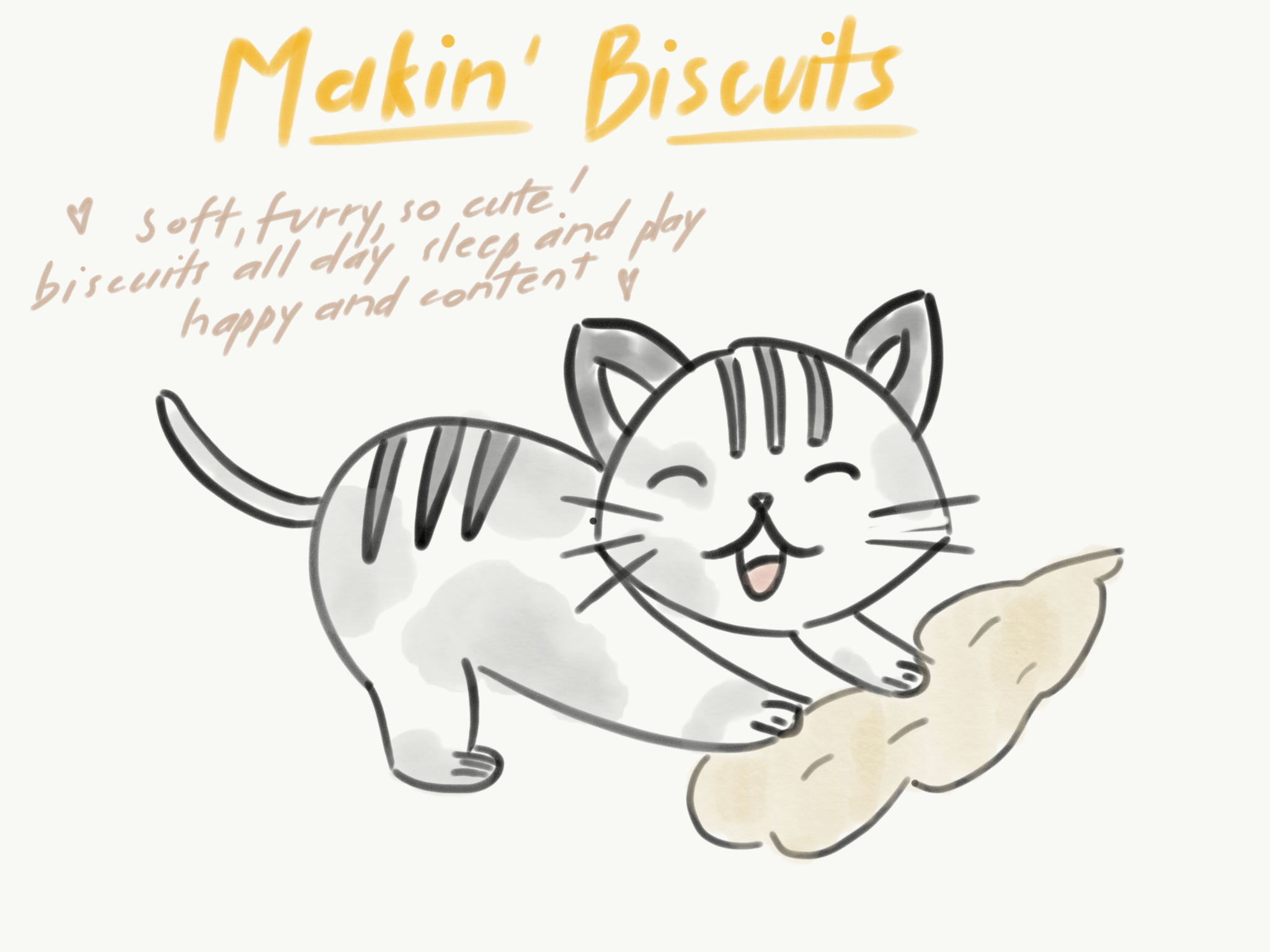
    Some cats are oftentimes seen engaging in a rhythmic motion of pushing their paws back and forth on a soft surface, which is referred to as “kneading.” This behavior is not universal across all cats and can be distinctive among cats (“Why Do Cats Knead?, n.d.). The exact reason behind this behavior is a mystery, but there are a few explanations to rationalize this behavior (Castro, 2013).

      1. Kittens knead their mother while nursing to stimulate milk flow. This behavior may be carried on into adulthood when cats are feeling happy, associating kneading with the comfort of its mother (Castro, 2013).
      2. Cats may be marking their territories with their scent (“Why Do Cats Knead?, n.d.).
      3. Female cats knead as a mating signal to males (“Why Do Cats Knead?, n.d.).
      4. Kneading is a form of stretching (“Why Do Cats Knead?, n.d.).

    Regardless of the reason why cats knead, we can all agree that they are super cute when they do so!


    References
    _______________________________________________________________________________________________________________

    Castro, J. (2013, October 18). Why Do Cats Knead? Retrieved from https://www.livescience.com/40548-why-do-cats-knead.html

    Why Do Cats Knead? (n.d.). Retrieved from https://www.petmd.com/cat/behavior/evr_ct_why_do_cats_knead

  • Butterfly Pea Flower Tea

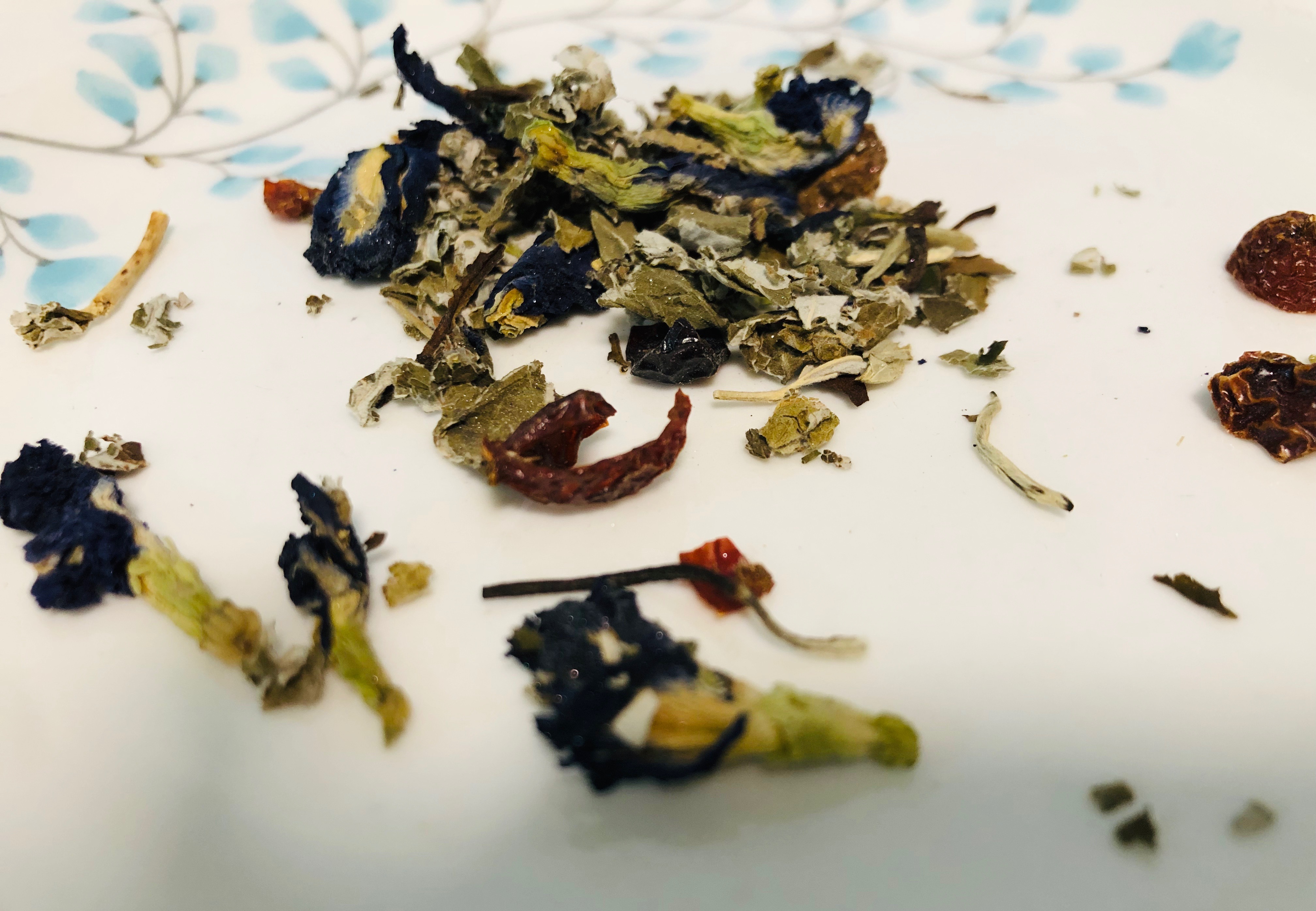
    A cup of tea brings feelings of peace and serenity to mind.  Whether it be a rainy day or cold evening, drinking a warm cup of tea has never failed to help me feel calm and happy.   There’s an amazing selection of tea for all types of different palates to choose from like your classic green, black, and white tea, but my personal, newfound favorite is butterfly pea flower tea!  Befitting its exquisite name, this tea also has an appearance like no other.

    Butterfly pea flower tea may seem like a new and recent addition to tea shelves, but this tea has been consumed in Southeast Asian countries like Thailand and Malaysia for centuries.  It is a caffeine-free beverage made from oftentimes dried lemongrass and blue flowers and leaves of a plant known as Clitoria ternatea (Centeno, 2018).  It is said to have an earthy taste similar to green tea despite its color (Goldberg, 2016).

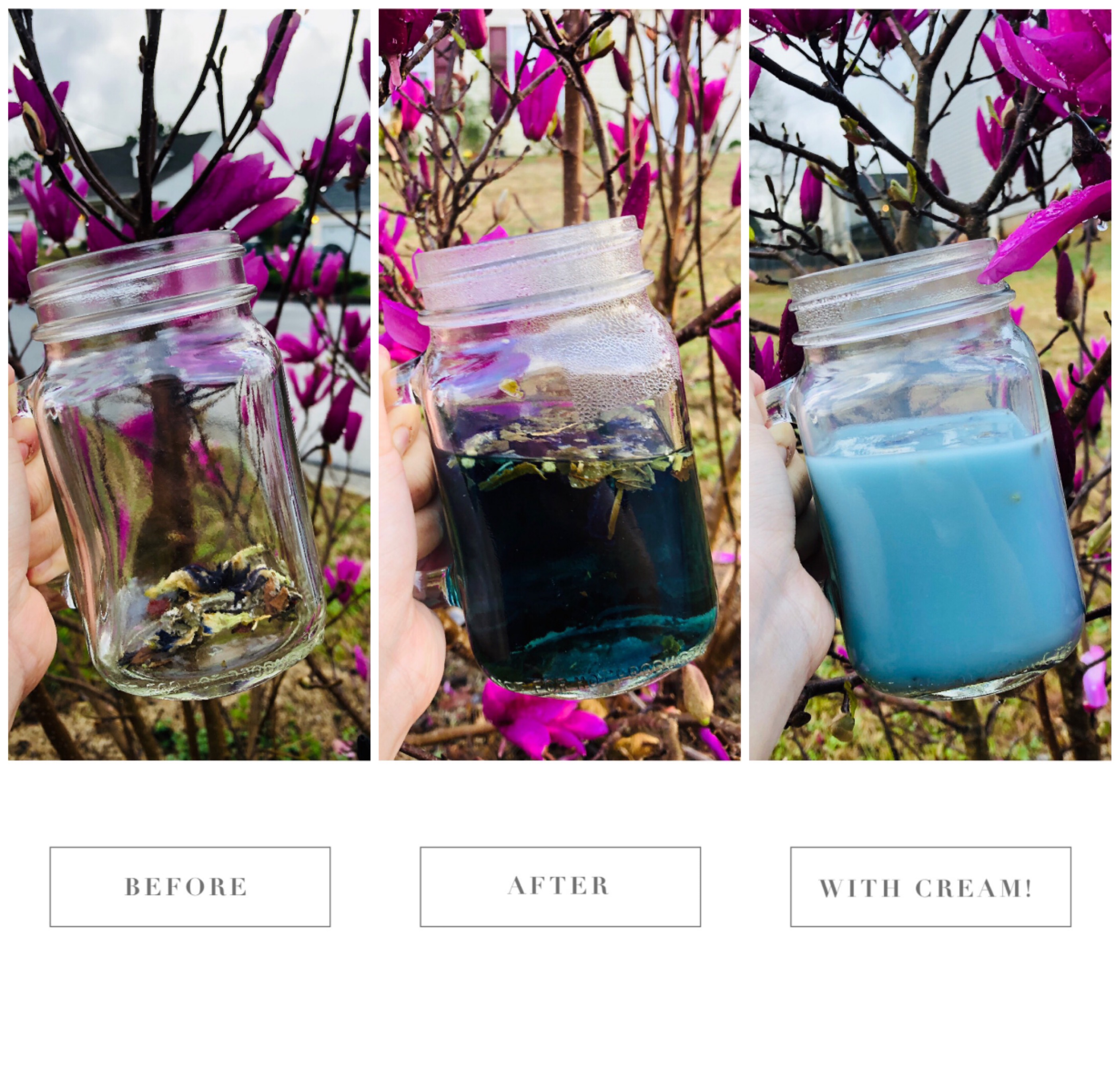
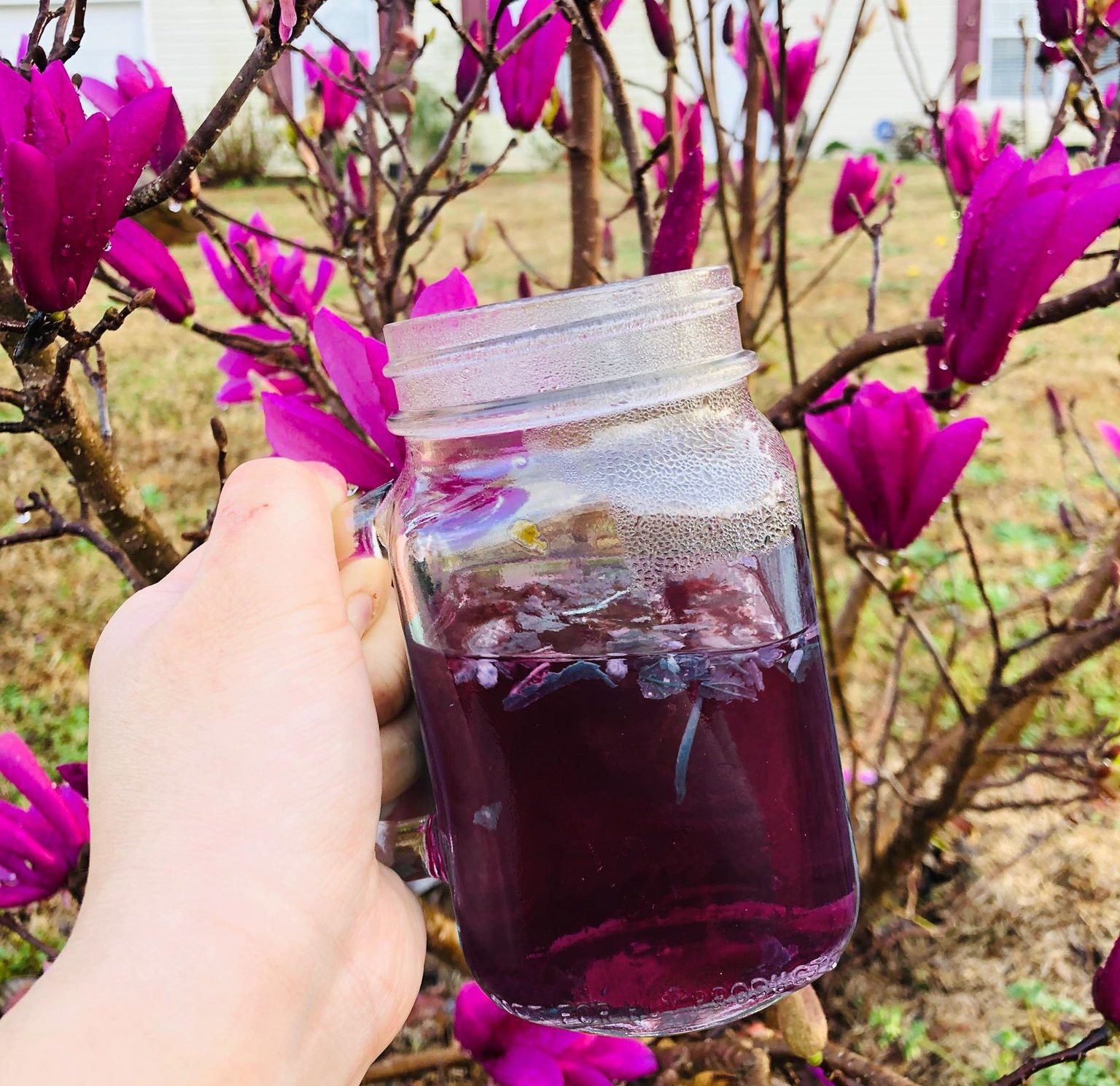
    What makes this tea unique, however, is not just its natural, blue color, but its ability to change color depending on pH.  Adding lemon will allow this beverage to take on a purple color (see below).  Add more and it’ll turn hot pink, adding a perfect and mesmerizing ombre. Like other plants that function as pH indicators, butterfly pea consists of anthocyanins, allowing it to change color.  The plant has been tested as a pH indicator to successfully differentiate pH levels between 2-12 (Amaolo, 2017).

    Anthocyanins also contain high amounts of antioxidants, making blue tea a common use in traditional medicine and a source of many health benefits (Kungsuwan, Singh, Phetkao, & Utama-ang, 2014).  Butterfly pea flower extract has been found to have anti-inflammatory and pain-relieving abilities (Kumar and Ishwar, 2012) as well as the potential to relieve diabetic complications caused by advanced glycation end products (AGEs).  AGEs are compounds that can clog vessels and form more often in diabetics when sugars combine with particular amino acids (Barone, 2017).  Clitoria ternatea extract has also been found to improve memory and acetylcholine levels (Taranalli & Cheeramkuzhy, 2011) and has anti-depressant, anti-stress, anti-convulsant, and anti-microbial properties (Jain et al., 2003).   Its antioxidant activity has also been applied in cosmetics (Kamkaen & Wilkinson, 2009).

    Try making your own tea by seeping 1-2 teaspoons of butterfly pea flower with a cup of water and add honey, lemon, juice, or milk for more flavor.  You can also make ice cubes with the tea to add color to any drink!


    References
    _______________________________________________________________________________________________________________

    Amaolo, A. (2017). The Butterfly Pea Flower as a pH Indicator. Retrieved from http://isjos.org/ISJOSv11p2-ButterflyPeaIndicator.pdf

    Barone, J. (2017, February 28). What Are AGEs (Advanced Glycation End-Products)? Retrieved from http://www.berkeleywellness.com/healthy-eating/food-safety/article/abcs-ages-advanced-glycation-end-products

    Centeno, E. (2018, July 03). What is Butterfly Pea Flower Tea? Retrieved from https://spoonuniversity.com/lifestyle/what-is-butterfly-pea-flower-tea-hint-it-changes-color

    Goldberg, E. (2016, January 31). The Science Behind This Mesmerizing Color-Changing Tea. Retrieved from https://www.bonappetit.com/drinks/non-alcoholic/article/butterfly-pea-flower-color-changing-tea

    Jain, N. N., Ohal, C. C., Shroff, S. K., Bhutada, R. H., Somani, R. S., Kasture, V. S., & Kasture, S. B. (2003, June). Clitoria ternatea and the CNS. Retrieved from https://www.ncbi.nlm.nih.gov/pubmed/12895670

    Kamkaen, N., & Wilkinson, J. M. (2009, November). The antioxidant activity of Clitoria ternatea flower petal extracts and eye gel. Retrieved from https://www.ncbi.nlm.nih.gov/pubmed/19367668

    Kumar, S. & Ishwar, B. (2012, March 19). Anti Inflammatory, Analgesic and Phytochemical Studies of Clitoria Ternatea Linn Flower Extract. Retrieved from https://irjponline.com/admin/php/uploads/935_pdf.pdf

    Kungsuwan, K., Singh, K., Phetkao, S., & Utama-ang, N. (2014). Effects of pH and anthocyanin concentration on color and antioxidant activity of Clitoria ternatea extract. Retrieved from https://www.tci-thaijo.org/index.php/fabjournal/article/view/77397

    Taranalli, A., & Cheeramkuzhy, T. (2011, January 10). Influence of Clitoria Ternatea Extracts on Memory and Central Cholinergic Activity in Rats. Retrieved from https://www.tandfonline.com/doi/abs/10.1076/1388-0209(200001)3811-BFT051

  • Strange Cat Things

    Cats are one of the most popular choices as human friends, and I absolutely adore them! I hope to have a feline friend in the future and hopefully, you will too if you don’t have one already. Among all the cute actions that these creatures engage in daily, there are some anomalies that make their human friends ponder. These fun facts may answer a question or two you’ve had and enlighten you with the uniqueness and awesomeness of cats.

    The cats we have in our homes are really similar to wild cats!
    Compared to dogs, cats have been domesticated for only half as long and still engage in behaviors similar to wild, big cats such as lions and tigers. Their genes have not changed much from that of wildcats, except for one distinguishing factor: the coat patterns seen on the tabby cat (“Cats Domesticated Themselves, Ancient DNA Shows,” 2018).

    Cats cannot taste sweetness. 
    Like humans, cats are able to taste saltiness, bitterness, sourness, and umami! The genes Tas1r2 and Tas1r3 allow sweet tasting in mammals by encoding sweet sensing receptors. Cats have both of these genes, but their Tas1r2 gene, however, is a pseudogene, or nonfunctional copies of a functional gene (Li, Li, Wang, Bayley, Cao, Reed, Bachmanov, Huang, Legrand-Defretin, Beauchamp, and Brand, 2006).

    Why do cats kill unbelievable amounts of mice and birds?
    As natural-hunters, cats still carry unstoppable instincts that they’ve had thousands of years ago. Female cats are also found to engage in hunting more often to teach their young how to acquire food and feed (Palermo, 2013).

    Cats will bite in response to being overstimulated, not because they hate you!
    Overstimulation typically occurs in attention-seeking, friendly cats. When these felines are continuously being pet, it appears that there can be a buildup of stress for these animals leading to aggressive behaviors. Cats may give some warning signs before their impending aggression such as a continuous, whipping tail, flattened ears, and a tense body (“Overstimulation in Cats,” n.d.).

    Cats meow only to communicate with humans!
    Meows are usually found in kittens that need to communicate with their mother. However, communication between older cats consists of growling and hissing. Meowing is exclusively used by felines to tell their humans if they may be hungry, stressed, or needing attention (“Cats and Excessive Meowing,” n.d.).

    Cats sleep a lot, but why?
    Cats sleep up to 16 hours a day – that’s 67% of the day! This is because they need energy for hunting-like behaviors such as pouncing and chasing (Cespedes, n.d.).

    Cats are crepuscular, so their schedules are completely different from humans.
    They are most active at dawn and dusk, and often nap during the day while basking in the sun (Cespedes, n.d.). Though this is their natural schedule, cats may adjust their sleeping to fit their owner’s schedule.

    Why do cats bury their excretions?
    Burying waste is an instinct that cats have in order to mark their territory and avoid attention from predators (Melina, 2011). Their excretions have unique pheromones, making it possible for other cats to differentiate it from their own waste.

    _____________________________________________________________________________

    References

    Cats and Excessive Meowing. (n.d.). Retrieved from https://pets.webmd.com/cats/guide/cats-excessive-meowing#1

    Cats Domesticated Themselves, Ancient DNA Shows. (2018, April 24). Retrieved from https://news.nationalgeographic.com/2017/06/domesticated-cats-dna-genetics-pets-science/

    Cespedes, Y. (n.d.). Retrieved from https://www.petmd.com/cat/behavior/evr_ct_why_do_cats_sleep_so_much

    Li, X., Li, W., Wang, H., Bayley, D. L., Cao, J., Reed, D. R., Bachmanov, A. A., Huang, L., Legrand-Defretin, V., Beauchamp, G. K., … Brand, J. G. (2006). Cats lack a sweet taste receptor. The Journal of nutrition, 136(7 Suppl), 1932S-1934S.

    Melina, R. Why Do Cats Bury Their Poop? (2011, March 23). Retrieved from https://www.livescience.com/33147-why-do-cats-bury-their-poop.html

    Overstimulation in Cats. (n.d.). Retrieved from http://www.treehouseanimals.org/site/PageServer?pagename=caring_ccg_overstimulation

    Palermo, E. Why Do Cats Bring Home Dead Animals? (2013, March 29). Retrieved from https://www.livescience.com/34471-cats-dead-animals.html

    Surprising Things You Never Knew About Your Cat. (2015, December 03). Retrieved from https://news.nationalgeographic.com/2015/12/151203-cats-animals-science-communication-pets/


  • Badass Biology: Toxoplasma gondii

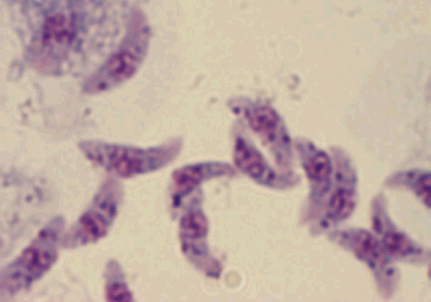
    Toxopic

    Look, we humans are awesome. We own this planet. If we really wanted to, we could spill every barrel of oil we have into the ocean, light it all into one gigantic fiery blaze, get on fire-proof boats in robot suits, somehow put on war paint inside the robot suits, build obnoxiously large metallic middle fingers, and shout to the heavens “TRY TO IGNORE THIS, MOTHER EARTH!!” Then, if we try really really really hard, we could clean it all up again, because some of us are actually sorry and some of us like to keep our marine food webs and all.

    Why orchestrate such a display of power? Because we are the all-powerful movers of earth, the masters of fire and brimstone, and the makers of Haribo Gold Bears because holy freaking balls those things are really freaking delicious. We also have days of the year set aside where we butcher and devour different animals in front of children, purely because that’s what we’ve done for centuries. That right there is true power.

    Point is, we are masters of everything we see. Remember in the Lion King where Simba is sitting with Darth Vader, who I guess came back to life to inhabit the form of a lion, and Vader is all “everything the light touches is our kingdom”? Yeah, we humans are exactly that. The only difference between humanity and Darth Vader is this: while the lions behave at the whim of the team of animators and writers that brought them to movie stardom, we are being toyed with by a tiny microscopic parasite that enter our guts, hitchhike a one-way ticket to our brains, and deliberately try to kill us by making us do really stupid and risky things.

    I bet if you were eating a sandwich right before that last sentence, you probably aren’t anymore. It’s hard to eat something that’s been catapulted by your own shocked reaction, sending sandwich chunks to the opposite wall mid-chew. Even then, the walls may be really dirty, and that’s just not sanitary. I have no idea when I washed my walls last, and I keep my room relatively clean.

    Why is this parasite trying to kill us? Simple. They want to get to our cats.

    DAMMIT, MR. SCRUFFLES!!!

    One of the reasons I wanted to write this article was to make myself look amazing. This isn’t hard, considering my creative wit and depth of scientific knowledge is nearly endless. The main reason I wanted to write this, though, was to talk about some badass ways that parasites can take over the minds of their hosts. It’s actually not uncommon to find mind-controlling parasites in nature. In fact, there is an entire field, called neuroparasitology, focusing on the effects a parasite can exert on host biochemistry, neurophysiology, and ultimately behavior and ecology.

    Science jargon aside, there are some pretty badass parasites out there that tend to turn hosts into zombies. For instance, a genus of fungus called Chordyceps  invades the mind of its insect host, forces it to climb to a high place, orders its newly-induced slave to latch on with a deathly grip, and busts out of the host all Alien-styled to shower its lethal spores onto unsuspecting insect hosts below.

    Huuuugggghshhh, gross. I’m sorry I did that to you. I even feel a little dirty describing that. So, in an effort to make you and me feel less creeped-out and anxious, I’m going to comfort you by giving you increasingly creepy and troubling examples.

    So there’s this non-sarcastically beautiful creature called the jewel wasp that wrestles cockroaches into submission and bites them in the neck to inject a mild dose of venom. This venom paralyzes the roach, and after a short time, causes the roach to move with absolutely no will of its own. The wasp then literally starts a one-float cockroach parade, leading the roach to the wasp’s burrow like a Siren leads a ship’s crew to the abyss to be eaten by mermaids or something. Gotta admit, I don’t fully understand the Sirens’ intentions. The wasp seals the roach inside the burrow with a single egg and a comically large timer counting down the exact moment until the egg hatches. When the timer goes off, the cockroach is devoured to death by the larvae and pupae of the wasp, giving rise to another generation of the most beautiful thing in the universe made entirely of cockroaches. Technically, these kinds of parasites are called parasitoids because they live on or within the organism for a long while, but they ultimately lead to the sterilization or death of their hosts.

    The jewel wasp: made from 100% real cockroaches!! Holy balls, I just shuddered. Like, that seriously just happened.

    Another badass parasitoid wasp, called Glyptapanteles, lays its eggs in a caterpillar to develop and consume the host. This time, however, the host does not die. IT DOES NOT DIE. No, these tenacious caterpillar hosts, half-devoured and all, cling to life like that chip I just dropped into my bowl of homemade salsa.

    I hate when this happens.

    However, the wasp is not yet finished with its host. The caterpillar, after having live wasp pupae burst from its insides, spins a web of silk over the developing cocoons, stands upright on its back legs, puts on a lucky Japanese headband, and guards the cocoons with its life. Seriously, I wouldn’t dare screw with a half-eaten caterpillar sentinel, not even if I got a tummy full of wasp bodies as a treat afterwards. Eventually, the caterpillar starves to death, and that sucks, but at least– OK seriously curtains, what the hell are you doing?! Get it together!!!

    OK, so I just bought one curtain yesterday, and not only is the color subtly different than the other curtains in my room, but they’re about a foot shorter, too. It keeps moving and I keep staring at it thinking “I can’t wait to give you back to the store”. I have never hated a curtain so much in my entire life. Please, curtain, quit moving and let me write.

    Anyway, the point is that there are some pretty bitchin’ parasites and parasitoids that turn their hosts into zombies. You’ll notice though that all of the host examples I’ve used so far are from insects. Insects are little and dumb, and their tiny dumb stupid heads are really easy to invade. I mean, we’ve got huge brains! HUUUGGEEE!!! And they’re so complex, too! I mean damn, your visual cortex is so complicated that if you took every grain of sand on a 50-meter stretch of beach beach and lined them end to end, I’d be really disappointed because you decided to do that instead of listen to me talk about the visual cortex.

    No, we are not immune. You read the first couple of paragraphs, so I assume you knew that already. So let’s just jump right into things and talk about Toxoplasma. This little protozoan is microscopic, but somehow it’s able to hijack the most complex brain on the planet like it ain’t no thang.

    Braaaaainnnssss. Rat Amygdalaaaaaaaasssss.

    Much like a forgotten old woman with nothing to live for, Toxoplasma loves cats. I’m not sure why Toxo loves cats so much, but in reality this is not very strange. See, parasites often have to infect several hosts in order to reach the one it’s really out to infect, called a primary host. All the hosts it infects in order to reach the primary hosts are called secondary hosts, or intermediate hosts. Secondary hosts often don’t feel the full effects of infection because the parasite isn’t reproducing inside of them, but occasionally a secondary host can have its behavior manipulated in order to reach the primary host. This is what Toxoplasma does. In fact, Toxo does this very very well.

    The most clear-cut example of Toxo behavioral hijacking comes from the changes it can make to the brains of rats. Since Toxo is out to infect cats, it often causes the prey of cats to become more apparent in hopes that its current host will end up in the cat’s belly, the perfect place to make little Toxo babies. How does it cause rats to become more apparent? It forms cysts in the rat’s brain. In particular, Toxo cysts form near a region called the amygdala, a tiny region that controls fear and aggression. These inhibit the function of the amygdala, and basically cause rats to get sexually turned on by cat odors and actively seek cats by tracking their urine. Seriously not kidding.

    Toxo gets really really interesting when we start talking about humans. The tiny protozoan can cause the formation of brain cysts just as it does in rats, though the damage is very subtle at first. These cysts aren’t as selective in their real estate options, so they just kinda form wherever. They release enzymes that convert a dopamine precursor into dopamine itself, triggering the action of receptors of a group of neurotransmitters called catecholamines (which include dopamine, epinephrine, and norepinephrine). Ultimately, this causes people to do some wonky things.

    What kind of wonky things? Well, for one, do you remember the Beatles?  Well, John Lennon once saw a newspaper article about a car crash and wrote a song about it, which isn’t really relevant but does serve as a good segue into talking about how Toxo can make you crash your car. Just as in rats, Toxo can induce reckless behavior. So basically…man, I gave it away. Gimme a second to recover.

    Ah, screw it. Here’s an article on how car accidents are caused mostly by Toxo victims.

    What else can Toxo do, you ask?? Well, it’ll deform your babies, of course!! Apparently Toxo can cause some pretty terrible damage to babies while they’re in the womb, causing deformities that I cannot describe to you. Let’s just say that I googled “Toxoplamodium babies” and it’s not likely that I’ll sleep tonight because of that decision. You’re going to google it anyway, aren’t you?? You heartless bastard.

    See? It’s a real problem because this floating baby head appears on a banner with the name of the disease. That means it’s dangerous.

    These things all seem pretty obvious. Sure, Toxo can cause people to be reckless, and babies are easy to injure as it (Anderson and May, 1967) is so the damage from Toxo seems a bit expected. What else can Toxo do that’s more unexpected? To find out, let’s take a quiz.

    Question: Which of the following facts about Toxo is true?

    A)     Toxo can cause adult humans to become incredibly attached to their cats

    B)      Toxo can spread through dog semen, and can help upregulate testosterone to increase the odds of infecting a female

    C)      You’ll have no symptoms of Toxo in the later stages of infection

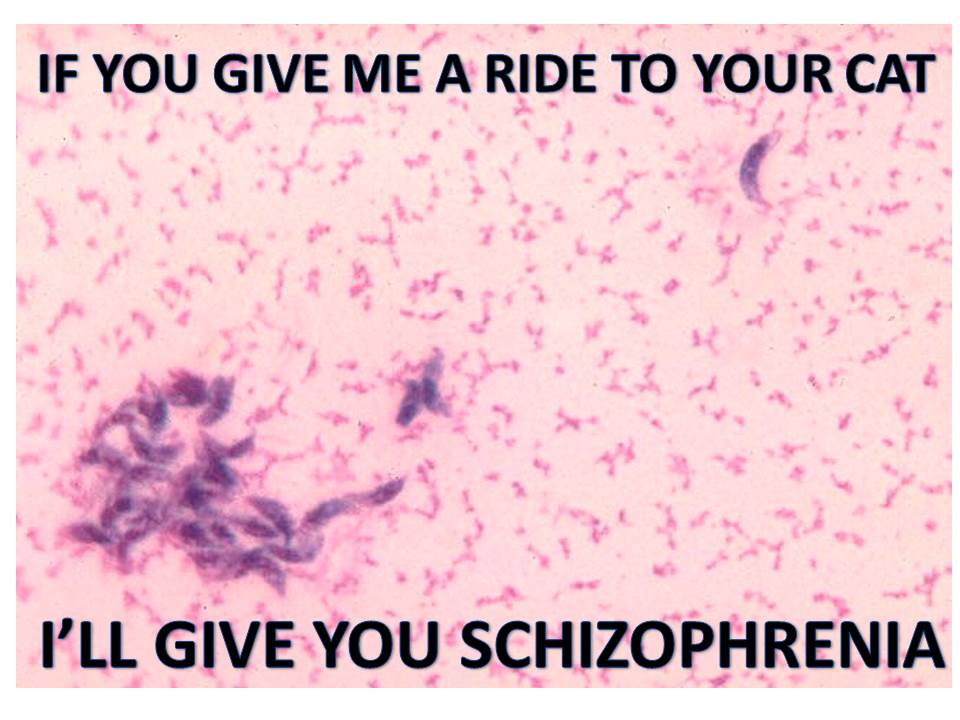
    D)     Toxo is associated with causing schizophrenia.

    Answer: all of the above.

    I find it absolutely mind-blowing that a tiny protozoan can increase a human host’s risk of schizophrenia. This isn’t some brain augmentation to an ancient area like the amygdala. Inducing hallucinations is not simple to do. On top of that, Toxo can cause humans to acquire ADD, OCD, and can even increase suicide risk. Just read this link. Your mind will be blown too.

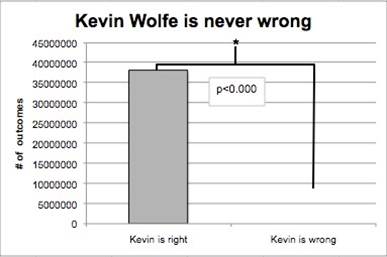
    Nature is truly out to kill us. How do I know? I am never wrong.

    Dat p-value.
    Dat p-value.

    How else do I know? Toxo exists. We think we’re so high and mighty, immune from crazy zombie-inducing parasites.We are clearly not. Here’s where I make a point that we are not so different from components of the greater aggregate of beings we call “nature”, and that we ourselves are indeed a part of that. Then, here’s where I get really preachy, talking about how things we do affect the natural world, and here I mention the circle of life and make a funny quip about the Lion King and the irony therein that my argument of the circle of life has referenced an earlier part of this article.

    Want to hear me talk about an animal, plant, bacterium, or whatever the hell else that you think is awesome? Leave me a message in the comments! I’ll probably ignore it, unless it’s actually really good. It’s worth a shot to try though.

    Come on. Comment. Go for it.


    To view the really interesting article most of this information came from, click this link!

    Photo credits:

    -http://listvisit.com/wp-content/uploads/2012/12/grey-american-shorthair-cat-3.jpg

    -http://pcdn.500px.net/7757320/7090f93b289604fab91e62214d1243b8f13ae184/4.jpg

    -http://media.tumblr.com/tumblr_lfp2sreXdv1qc9f5v.gif

    -http://kidshealth.org/parent/infections/parasitic/headers_92320/P_infectionB_toxoplas_1.jpg

  • Badass Biology: The Pistol Shrimp

    Badass Biology: The Pistol Shrimp

    “Wtf, shrimp!!? I make it all the way to this website from who knows what part of the internet, and I see ‘Badass Biology’. Man, Kevin, you flip my brain out with possibilities of flying sharks, rabbits of doom, or a half-honeybee half-unicorn rainbow pollinators. And what do you deliver? A stupid shrimp??! I hate you, and I quit this website. (╯°□°)╯︵ ┻━┻)” To which I reply, “Charles Barkley, I think you’re over-reacting. Please repair my table at once”.

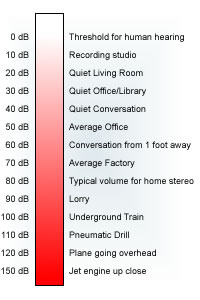
    It was hard to find a chart that even went up to 150dB, let alone the 220 these guys produce.

    Yes, it’s a shrimp. A measly two-inch-long shrimp. But you don’t understand. This one single stupid shrimp is just about the coolest thing I’ve ever heard. Trust me, and when you hear one too, you’ll probably go deaf, because this one little shrimp IS ONE OF THE LOUDEST ORGANISMS ON THE PLANET. I’m talking 220+ decibels, much louder than a gunshot and louder than standing next to a jet engine at take-off. O_o.

    First, I want to talk about some other wicked cool stuff this little guy does apart from being a tiny walking firework of sonic pain. These shrimp garner lots of attention from ecologists because of their symbiotic, or mutually-beneficial, relationship with gobies, a type of small marine fish. The coral reef populations of this shrimp build burrows and recruit the help of a goby to stand guard out front while being no more than an antennae’s distance from the shrimp, using the goby’s well-developed vision to watch for danger. Once danger comes, the goby flicks its tail to signal a threat, and both the goby and the shrimp retreat into the same burrow. Then they start slapping five. It’s flippin sweet.

    The mutualisms don't just end at gargoyle-ing.

    From an ecologist’s point of view, this is totally mutualistic, and some scientific literature lists this interaction as “totally f-ing amazing” [citation needed] (Good luck with finding THAT reference -ed.). Yeah, both the goby and the shrimp live to see another day should a shark, barracuda, squid, rogue buoy, really fast snail, very-misplaced land predator, sinking boat part, cloud of wasps, or sentient shrimp-hating spear come around to threaten them. The goby gets a burrow, and the pistol shrimp gets a gargoyle. Selection at work.

    I like to think of the goby as the pistol shrimp’s pet, kinda like me buying a falcon and parading it around the neighborhood on a leash. And once danger comes, the falcon goes “Hey yo, Kevo, you might need to reconsider this route”, we split, we don’t find danger, and I buy the falcon ribs for a job well done (and because I really want ribs right now). So in a sense, pistol shrimp are danger shepherds equipped with sun-blasting cannons of glory that we’ll get to in a moment.

    I need to take a break to collect myself. Holy balls, these shrimp own everything own-able. Next time I see one, I’m buying it ribs. The whole rack.

    Let’s get to that “pistol” thing, why don’t we? Pistol shrimp have one very distinct set of front appendages, like two arms extending outwards from its body. Only, one of these arms is disproportionately larger than the other, and it’s quite a contrast. Like no foolin’ man, this one arm alone can be as long as half the entire length of the shrimp’s body. Imagine walking around with one of your arms the size of the Hulk’s and you get the idea. This may look pretty stupid, but this powerful musculature operates one of the most badass weapons nature can offer.

    Yeah, kinda like this

    When in serious danger or when hunting, the pistol shrimp cocks its massive claw backwards into a 90o position. Once the claw snaps shut, it produces a jet of water propelled forward at 60mph. Yeah, woo, a fast water jet. Big deal. But here’s the amazing part. Are you ready to have your mind blown? If you have ever listened to me before, now is a pretty good time, too: This jet of water creates a bubble that cavitates, or implodes, generating a pressure wave that creates a sound loud enough to break glass in an instant. Not only that, but once the bubble cavitates, the heat generated by the force of the implosion causes the temperatures inside the bubble to reach about 18,000 degrees Fahrenheit. Yes. Eighteen. Thousand. Oh, and to top it off, the whole process takes three tenths of a second. 

    THIS TINY SHRIMP MAKES A BUBBLE SO AWESOME THAT IT’S LOUDER THAN A JET AND MORE THAN TWICE AS HOT AS THE SURFACE OF THE SUN.


    You can imagine the horribly bubbly doom the pistol shrimp’s enemies must face. Stunned (or killed) by the force of that kind of pressure change, the pistol shrimp’s prey has basically just become lunch in an instant. The shrimp pulls its quarry into its burrow, and goes to town, just how I could go to town on some ribs right about now. I dug up a video about this whole process in case what I said wasn’t convincing enough:

    http://www.youtube.com/watch?v=eKPrGxB1Kzc

    If you want me to write about any other badass biological bosses, leave a comment. I may talk about them, or I may just tell you that your suggestions are awful. Probably not the latter though. I like people.

    Well, I like most people except you, Charles Barkley. I really miss that table. Now I’ve got nothing to rest my wine on when Glee’s on.

    Photo credits:

    http://www.airpowered.co.uk/images/dbachart.jpg

    http://loyalkng.com/wp-content/uploads/2009/11/arm_wrestling_champion_03.jpg