Tag: birds

  • All Work and No Play

    The cover image was sourced from https://doi.org/10.1016/j.cub.2014.09.020.

    If you’ve ever fallen down the easily addictive, low-stress rabbit hole that is the world of wonderfully awesome animal videos, you might have come across this video of a crow in Russia, sliding down a snow-covered roof while perching on a jar lid.

    While it’s easy to think that this crow went sledding purely for their own enjoyment, scientists aren’t content with that conclusion – thinking in such an anthropomorphic way projects our own human thoughts and feelings onto animals who, while exhibiting familiar behaviors, may not be doing it for the same reasons we do (Emery & Clayton, 2015).

    But, regardless of what we may think, birds do play! What does that look like? Well, most forms of play are divided into one of several categories: the first broad category being locomotor play, which includes all kinds of flight-related play – hanging from surfaces, flying upside down (Emery & Clayton, 2015), and even sledding down a snowy roof in Russia!

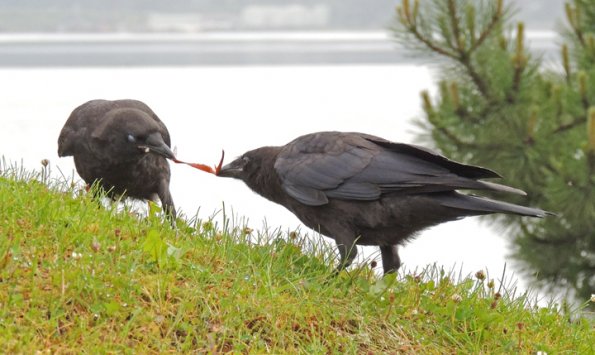
    Social play involves interactions between birds – there’s play chasing, where one bird follows another, whether on the ground or through the air. We also have play fighting, where two birds engage in actions adopted from antagonistic behaviors. There’s also play invitation, where two birds engage in actions that occur primarily before play. Finally, we have social object play, where two birds engage with one or more objects in their environment (Bond & Diamond, 2003).

    While we briefly touched on it, object play itself can be considered another major category of play – involving exploration, curiosity, object manipulation, where birds learn about the structure of objects, if they’re edible or not, and how they might work (Emery & Clayton, 2015).

    Figure 2 Source: https://corvidresearch.blog/wp-content/uploads/2015/03/northwestern-crow-youngsters-playing-tug-of-war_595.jpg

    The problem with researching play is that birds don’t necessarily need a reason to play – even when considering the anthropomorphic projection we cast onto them from our human perspectives, it can be as simple as having fun!

    “Fun”, at least, in the context of the brain, involves taking part in something rewarding that provides a sense of pleasure. You may have heard of the neurotransmitter dopamine… it plays an important role in the reward-seeking system, controlling the search for reward-inducing stimuli for almost all creatures (Emery & Clayton, 2015).

    When people come across phenomena like this in the wild, the answer that tends to come to mind often lies on the justifying end of the spectrum; in our attempt to be objective, we may implicitly assign a “value” to that act of play. Perhaps birds play fight to practice hunting, perhaps birds engage in social play to form strong, interconnected networks, and perhaps that crow slid down that roof to learn how to use that lid!

    Studies done on the potential concrete benefits of play – such as relative brain size, for instance – ultimately find that there is little to no predictive value between the complexity of play with those benefits. As such, it is hard to say whether or not the act of play is utilitarian in nature (Bond & Diamond, 2003).

    Does that mean that play is inherently fun? Once again, it’s hard to say! Humans, after all, may be the only species that have the luxury of leisure time. The time we spend solely pursuing pleasure: games, hobbies, activities we may find fun, are all a product of modern developments. We no longer have to hunt or grow our own food, we no longer have to worry about predators, we no longer have to worry about forming civilized societies – but birds, and by extension, all other animals, do (Emery & Clayton, 2015)!

    Perhaps that is the underlying reason why we believe play has to have a purpose. Wild animals have a limited time to find food, find water, avoid predators, find a mate, raise offspring, all in the name of the cycle of life. Why, then, would a bird waste its time playing for the sake of playing? Why, then, do we have examples of crows sledding through the snow?

    All of these questions are interesting to ponder, and I personally don’t have all the answers. The realm of neuroscience is far out of my understanding, but I hope I’ve done a good job setting the stage for this interesting question.

    I’ll leave things here with a plan of action to you, the reader – whenever you see a cute animal video in the future, think to yourself: why could this be happening? Is it play, or is it intentional? Most importantly, though… why is it so gosh darn adorable?!

    Reference List

    Bond, A., & Diamond, J. (2003). A Comparative Analysis of Social Play in Birds. Behaviour, 140(8-9), 1091–1115. https://doi.org/10.1163/156853903322589650

    Emery, N., & Clayton, N. (2015). Do birds have the capacity for fun? Current Biology, 25(1), R16–R20. https://doi.org/10.1016/j.cub.2014.09.020

  • Mandai Bird Paradise: Asia’s Biggest Aviary Sanctuary

    The Mandai Bird Paradise is the biggest bird conservatory in Asia, inaugurated back in May 2023. As one of the six pillars of the Mandai Wildlife Reserve, the incredible sanctuary covers over 42 acres of land on Mandai Island in Singapore. The reserve houses around 3,500 birds encompassing over 400 different species. Mandai Nature is the conservation arm of the Mandai Wildlife Group, which is dedicated to providing a haven for all these species through the Mandai Bird Paradise and to preserving Southeast Asia’s incredible biodiversity through conservation efforts, with a focus on averting species extinction (Temasek Trust, 2024). 

    Such a variety poses a rather obvious question: How? In order to answer this question, we must chart our way through the science behind conservation, biodiversity and rehabilitation!

    Conservation

    Conservation, as defined by the Merriam-Webster dictionary, is to carefully preserve and protect something. In a wildlife context, it is orchestrated management of natural resources to prevent exploitation, destruction, or neglect. Conservation efforts to preserve biodiversity are not just about protecting animals in isolation, but in our context, it is about the creation of an entire ecosystem where species can thrive naturally.

    At Mandai Bird Paradise, conservation takes an approach similar to this article on biodiversity conservation by diversity (Ramón et al., 2020). In-situ conservation focuses on protecting species in their natural habitats, whereas, ex-situ conservation, which is practiced at Mandai, provides controlled environments where vulnerable or endangered species can be bred, monitored, and protected from immediate threats such as habitat loss or poaching.

    The sanctuary also participates in international breeding programs and collaborates with global conservation organizations to ensure genetic diversity is maintained among species. This is critical because reduced genetic diversity due to issues such as environmental changes from global warming can make populations more susceptible to disease. Through these coordinated efforts, Mandai Bird Paradise becomes more than just a sanctuary, but a cornerstone in the Mandai Wildlife Group’s stand as an active contributor to global conservation science.


    Biodiversity

    Biodiversity refers to the variety of life in a particular habitat or ecosystem, encompassing differences in species, genetics, and ecological roles. The presence of over 400 bird species at Mandai Bird Paradise highlights not only the richness of different avian life present but also the complexity of maintaining such diversity within a single environment. This maintenance is done by separating the 42-acre land into around 10 unique habitats that each suit a certain group.

    Each species then gets to play its unique role in its ecosystem, from seed dispersal to pollination and pest control. By housing a wide array of species, the sanctuary effectively simulates interconnected ecological networks, allowing researchers and conservationists to better understand how these systems function.

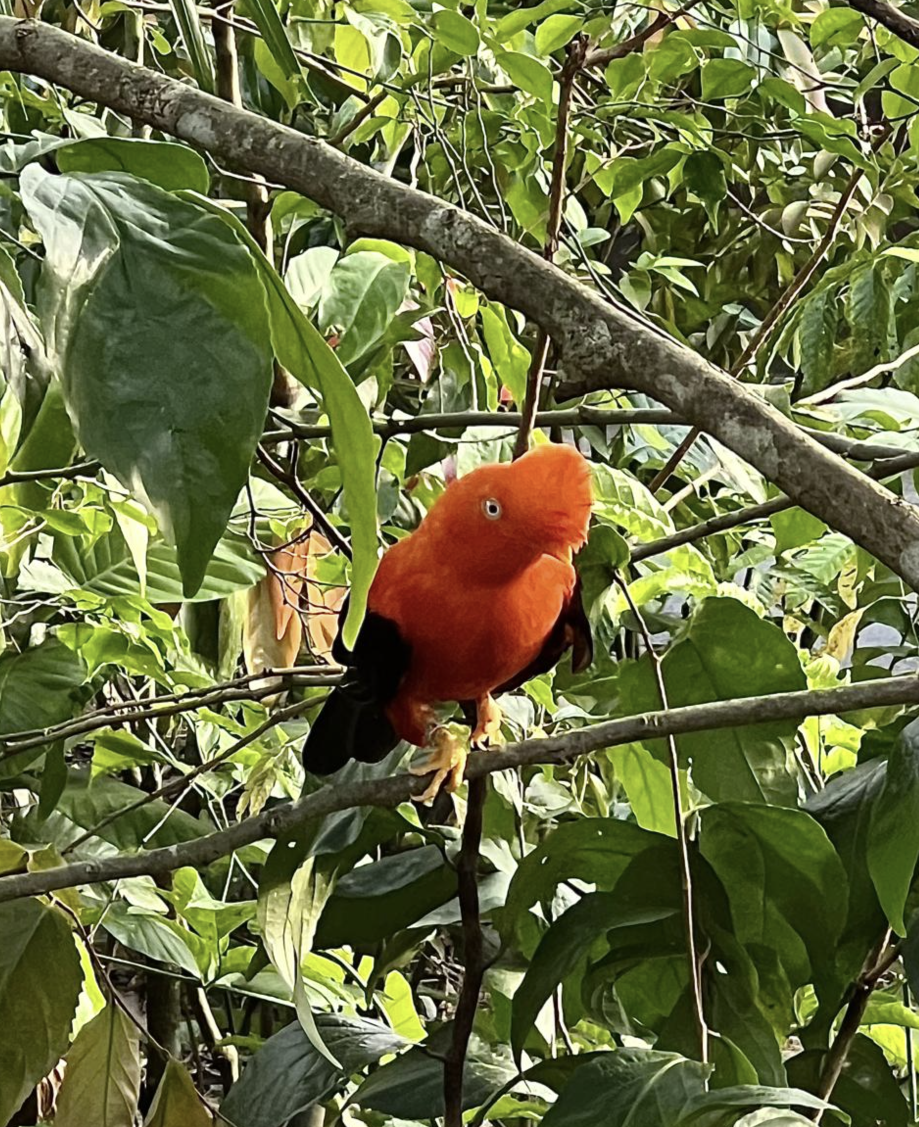
    Maintaining biodiversity in a controlled setting requires careful planning. Factors such as diet, climate conditions, nesting environments, and social groupings must all be tailored to meet the needs of different species. For instance, tropical birds such as the Andean cock-of-the-rock (yes, you read that right) require high humidity and dense vegetation, while others may need open spaces or specific nesting structures. This level of detail ensures that the birds are not only surviving but thriving in conditions that closely resemble their natural habitats.

    Andean cock-of-the-rock


    Rehabilitation

    Rehabilitation is another crucial component that involves the care and recovery of injured, displaced, or trafficked birds with the goal of reintroducing them into the wild whenever possible.

    Birds that arrive at rehabilitation centers often suffer from injuries caused by habitat destruction, illegal wildlife trade, or human interference. At Mandai, veterinary teams and specialists provide medical treatment, nutritional support, and behavioral conditioning to help these birds regain their strength and natural instincts.

    One of the key challenges in rehabilitation is ensuring that birds do not become overly dependent on human care. To address this, caretakers minimize human interaction and design enclosures that encourage natural behaviors such as foraging and flight. Only when a bird demonstrates sufficient recovery and independence is it considered for release. Even when release is not possible, rehabilitation still plays an important role. These birds may become part of educational programs, helping to raise awareness about conservation issues and inspiring visitors to take action in protecting wildlife.


    Mandai Bird Paradise – Sanctuary & Conservation Magic

    Mandai Bird Paradise is more than the visually stunning attraction you see through my lens, it is a living example of how science, conservation, and education can come together to protect our planet’s biodiversity. By integrating conservation strategies, maintaining diverse ecosystems, and supporting rehabilitation efforts, this sanctuary embodies what modern wildlife preservation should look like. In doing so, Mandai Bird Paradise not only safeguards thousands of birds but also inspires future generations like yours and mine to value and preserve the delicate balance of life on Earth.

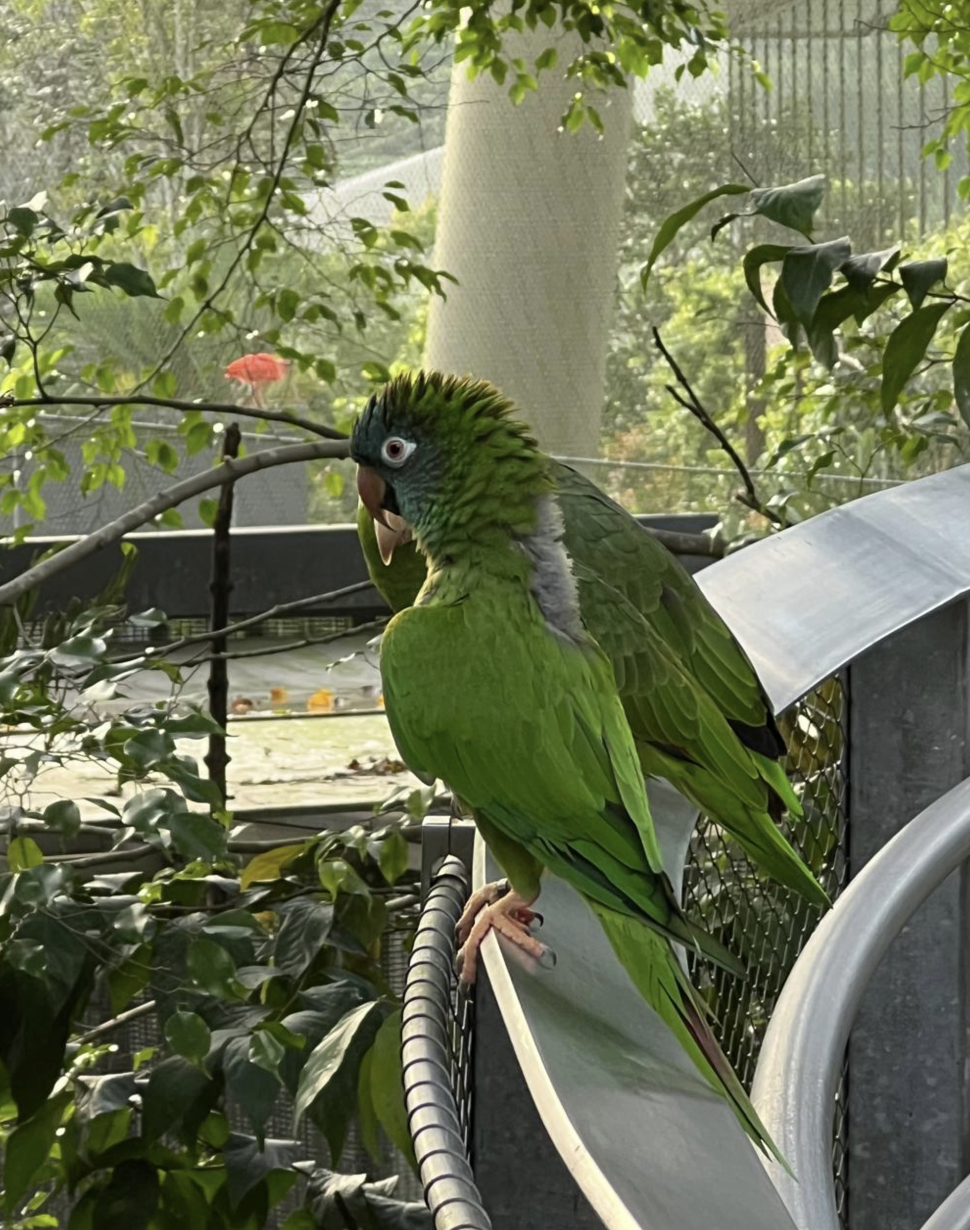
    Blue-crowned Parakeet

    Bits of My Time

    This reserve is one of the most beautiful places on Earth! Walking out into the Crimson Wetlands zone of the park felt like a scene straight out of a movie. There were colorful macaws soaring overhead, bright American flamingos dancing by the pond, Scarlet ibis carefully balancing on the hand rails and so much more. My exploration of the Mandai Reserve taught me so many fun facts about birds and this experience rekindled my love for all things nature. It truly gave me a fond memory to recall for the rest of my lifetime.

    References

    All Photography/Illustrations by Kristina Sarah Siju

    Mestanza-Ramón, C., Henkanaththegedara, S. M., Vásconez Duchicela, P., Vargas Tierras, Y., Sánchez Capa, M., Constante Mejía, D., Jimenez Gutierrez, M., Charco Guamán, M., & Mestanza Ramón, P. (2020). In-Situ and Ex-Situ Biodiversity Conservation in Ecuador: A Review of Policies, Actions and Challenges. Diversity, 12(8), 315. https://doi.org/10.3390/d12080315 

    Protecting Wildlife, Preserving The Future. (2023). Temasek Trust Revamp. https://www.temasektrust.org.sg/what-we-do/impact-hub/article-details/mandai-nature-impact-report-2023-2024

    Speiran S. I. M. (2025). The ‘Sanctuary Gap’: Reviewing the Research on Captive Wildlife Sanctuary Tourism. Animals : an open access journal from MDPI, 15(4), 496. https://doi.org/10.3390/ani15040496

  • Bouba? Kiki? Baby Chicks Associate Sounds With Shapes

    One of the chicks above is named “Bouba.” The other is named “Kiki.” Going just off of your gut intuition, which one is which?

    If you answered that the left chick is “Bouba” and the right chick is “Kiki”, many people agree with you, including speakers of over 25 languages, belonging to 9 language families and 11 writings systems—a surprisingly high number, given that these are purely nonsense words (Ćwiek et al., 2021). For some reason, “bouba” is obviously round, while “kiki” is obviously spiky.

    Perhaps even more astonishing is that, as discovered in a recent study by Maria Loconsole and colleagues at the University of Padova, baby chickens are among the population that agrees with you.

    What is the bouba-kiki effect?

    Most words have an arbitrary relationship to their meaning. Nothing about “cat” inherently refers to the feline domestic animal, and neither does 猫 (māo), बिल्ली (billi), gato, or قطة (qiṭṭa). But certain sounds seem to inherently have meaning.

    First described in 1947 by Wolfgang Kölher through the nonsense words “Maluma” and “Takete”, the “bouba-kiki” phenomenon in linguistics refers to this effect (Loconsole et al., 2026). “Maluma” and “bouba” feel inherently round, while “takete” and “kiki” feel inherently sharp and spiky. This effect is common across cultures, languages, and age: even infants as young as 4 months possess this sound mapping, where certain sounds seem to inherently correspond to certain shapes (Ozturk et al., 2013). This effect is even found (to a lesser extent) in blind individuals, though a period of sight seems necessary for the effect to occur (Piller et al., 2023).

    The most common explanation for the bouba-kiki effect is the way we say those syllables. When we say “bouba” and similar words, our mouths make a round shape; when we say “kiki” and similar words, our mouths make an angular shape. Our brains thus associate words that are “round” to pronounce with round shapes, and “angular” with angular shapes. Alternatively, the shape of the letters “b” and “o” are round, while the shape of the letters “k” and “i” are angular (Lockwood & Dingemanse, 2015).

    However, this hypothesis is challenged by the generic shape hypothesis, which states that humans form generic associations between certain sounds and meanings. This hypothesis was proposed in a study conducted by Ananya Passi and S. P. Arun in 2019, where the bouba-kiki effect was found with unpronounceable words, and an association was even found between clear tones and shape, where higher tones were associated with angular shapes. This indicates that humans potentially form general associations between sounds and shapes, regardless of the way those sounds can be pronounced. However, the reason why those associations might be formed remains unanswered, and these studies have been restricted to humans.

    Other animals have been shown to also experience some form of association between sound and another sense: for example, chimpanzees, tortoises, and dogs associate lower pitches with larger objects and higher pitches with smaller objects (Kalan et al., 2014; Korzeniowska et al., 2022; Loconsole et al., 2023). However, the bouba-kiki effect specifically has not been found to exist in other animals, even great apes, such as chimpanzees and a bonobo (Margiotoudi et al., 2019; Margiotoudi et al., 2022).

    Baby chicks?

    If the effect isn’t even found in our closest animal relatives, then where else can researchers look? In 2026, Loconsole and her colleagues decided to change tracks and look elsewhere. As surprising as their choice may seem, their pick of animals wasn’t arbitrary: chickens are precocial creatures, which means that they can be tested shortly after hatching, and chicks also share many cognitive mechanisms with human infants (Wood & Wood, 2021).

    In the first part of the study conducted by Loconsole and her colleagues, 3-day-old chicks were trained to go around a panel depicting a shape with both spiky and round edges, with food behind the panel acting as an incentive. During the experiment, the chicks were placed in front of two panels. One of the panels displayed a round shape, and the other one displayed a spiky shape, and neither of the panels concealed food. The researchers played a recording of a human voice saying either “bouba” or “kiki” to the enclosure, and they watched to see which panel the chicks would choose.

    In the second part of the experiment, 1-day-old chicks were introduced to an enclosure with a screen that once again showed a shape with both spiky and round edges, though there was no incentive. After the chicks grew accustomed to the screen, the researchers changed it up: like the first part of the experiment, the screen now showed two shapes side by side, with one jagged shape and one blobby shape. The researchers once again played either “bouba” or “kiki”, and they recorded which shape the chicks approached first, as well as which shape they spent more time exploring.

    The researchers found that the 3-day-old chicks significantly preferred the panel with the round shape when hearing “bouba”, and the panel with the angular shape when hearing “kiki”. They also found the same results with the 1-day-old chicks: when “bouba” was played, the chicks first approached the round shape significantly more and spent more time exploring the round shape. The reverse was true when “kiki” was played.

    What does this mean?

    The study shows that this bouba-kiki effect is not learned, but rather something inherent that’s present even in the earliest stages of life. One implication of this study is that this crossmodal association, or association between different senses, plays a role in how communication develops between animals. Animals such as chickens do not have language, but they still communicate through various calls and vocalizations. Although these vocalizations aren’t necessarily directly symbolic, having these innate associations may help with future development of more complex communication.

    Additionally, the findings of the study indicate that the bouba-kiki effect isn’t specific to humans or even mammals, but rather throughout all vertebrates. But how does this reconcile with past findings wherein the effect was not found in other great apes? After all, it’s rather unlikely that this association evolved separately in birds and in humans, but skipped our closest great ape relatives.

    According to Loconsole and colleagues, this difference may be explained by the difference in methodology between experiments, as well as the past experience and training of the research subjects. Kanzi, the bonobo who was tested for the bouba-kiki effect, was already trained in associating sounds and shapes and was capable of correctly matching English words to pictures, which may have played a role in his choices (Loconsole et al., 2026; Margiotoudi et al., 2022).

    So what do the findings of the study mean for the bouba-kiki effect and the development of human language? Does this mean that chickens are also capable of speech?

    No, not really. The bouba-kiki effect is only one example of the human ability of iconicity, or the capacity to form associations between form and meaning, argue Marcus Perlman and Bodo Winter in their commentary article in response to the 2026 study. In other words, the study reveals that the effect originates further back in the tree of life, but the origins of language lie elsewhere, in a broader framework. The bouba-kiki effect may reflect one way in which human language developed through associations between senses, but humans are able to form much more complex associations in language through a combination of speech, gestures, and visual signs. As such, researchers must look at other, broader areas for more clues in their hunt for the origins of language (Perlman & Winter, 2026).

    So overall, the chicks might agree with your naming of their illustrated compatriots, but unfortunately, they won’t be able to say as much in words.

    Want to learn more about the bouba-kiki effect? Check out our past article on the phenomenon!

    Writing and illustration by Joyce Ma


    References

    Ćwiek, A., Fuchs, S., Draxler, C., Asu, E. L., Dediu, D., Hiovain, K., Kawahara, S., Koutalidis, S., Krifka, M., Lippus, P., Lupyan, G., Oh, G. E., Paul, J., Petrone, C., Ridouane, R., Reiter, S., Schümchen, N., Szalontai, Á., Ünal-Logacev, Ö., Zeller, J., Perlman, M., Winter, B. (2021). The bouba/kiki effect is robust across cultures and writing systems. Philosophical Transactions of the Royal Society B Biological Sciences, 377(1841), 20200390. https://doi.org/10.1098/rstb.2020.0390

    Kalan, A. K., Mundry, R., & Boesch, C. (2015). Wild chimpanzees modify food call structure with respect to tree size for a particular fruit species. Animal Behaviour, 101, 1–9. https://doi.org/10.1016/j.anbehav.2014.12.011

    Korzeniowska, A. T., Simner, J., Root-Gutteridge, H., & Reby, D. (2022). High-pitch sounds small for domestic dogs: Abstract crossmodal correspondences between auditory pitch and visual size. Royal Society Open Science, 9(2), 211647. https://doi.org/10.1098/rsos.211647

    Lockwood, G., & Dingemanse, M. (2015). Iconicity in the lab: A review of behavioral, developmental, and neuroimaging research into sound-symbolism. Frontiers in Psychology, 6, 1246. https://doi.org/10.3389/fpsyg.2015.01246

    Loconsole, M., Benavides-Varela, S., & Regolin, L. (2026). Matching sounds to shapes: Evidence of the bouba-kiki effect in naïve baby chicks. Science, 391(6787), 836–839. https://doi.org/10.1126/science.adq7188

    Loconsole, M., Stancher, G., & Versace, E. (2023). Crossmodal association between visual and acoustic cues in a tortoise (Testudo hermanni). Biology Letters, 19(7), 20230265. https://doi.org/10.1098/rsbl.2023.0265

    Margiotoudi, K., Allritz, M., Bohn, M., & Pulvermüller, F. (2019). Sound symbolic congruency detection in humans but not in great apes. Scientific Reports, 9(1), 12705. https://doi.org/10.1038/s41598-019-49101-4

    Margiotoudi, K., Bohn, M., Schwob, N., Taglialatela, J., Pulvermüller, F., Epping, A., Schweller, K., & Allritz, M. (2022). Bo-NO-bouba-kiki: Picture-word mapping but no spontaneous sound symbolic speech-shape mapping in a language trained bonobo. Proceedings of the Royal Society B Biological Sciences, 289(1968), 20211717. https://doi.org/10.1098/rspb.2021.1717

    Ozturk, O., Krehm, M., & Vouloumanos, A. (2012). Sound symbolism in infancy: Evidence for sound–shape cross-modal correspondences in 4-month-olds. Journal of Experimental Child Psychology, 114(2), 173–186. https://doi.org/10.1016/j.jecp.2012.05.004

    Passi, A., & Arun, S. P. (2022). The Bouba–Kiki effect is predicted by sound properties but not speech properties. Attention Perception & Psychophysics, 86(3), 976–990. https://doi.org/10.3758/s13414-022-02619-8

    Perlman, M., & Winter, B. (2026). In search of meaning. Science, 391(6787), 762–763. https://doi.org/10.1126/science.aee8641

    Piller, S., Senna, I., & Ernst, M. O. (2023). Visual experience shapes the Bouba-Kiki effect and the size-weight illusion upon sight restoration from congenital blindness. Scientific Reports, 13(1), 11435. https://doi.org/10.1038/s41598-023-38486-y

    Wood, S. M. W., & Wood, J. N. (2021). One-shot object parsing in newborn chicks. Journal of Experimental Psychology General, 150(11), 2408–2420. https://doi.org/10.1037/xge0001043
  • A day in the life of a field ecologist

    Details from my summer experience conducting fieldwork in the Colorado Rockies

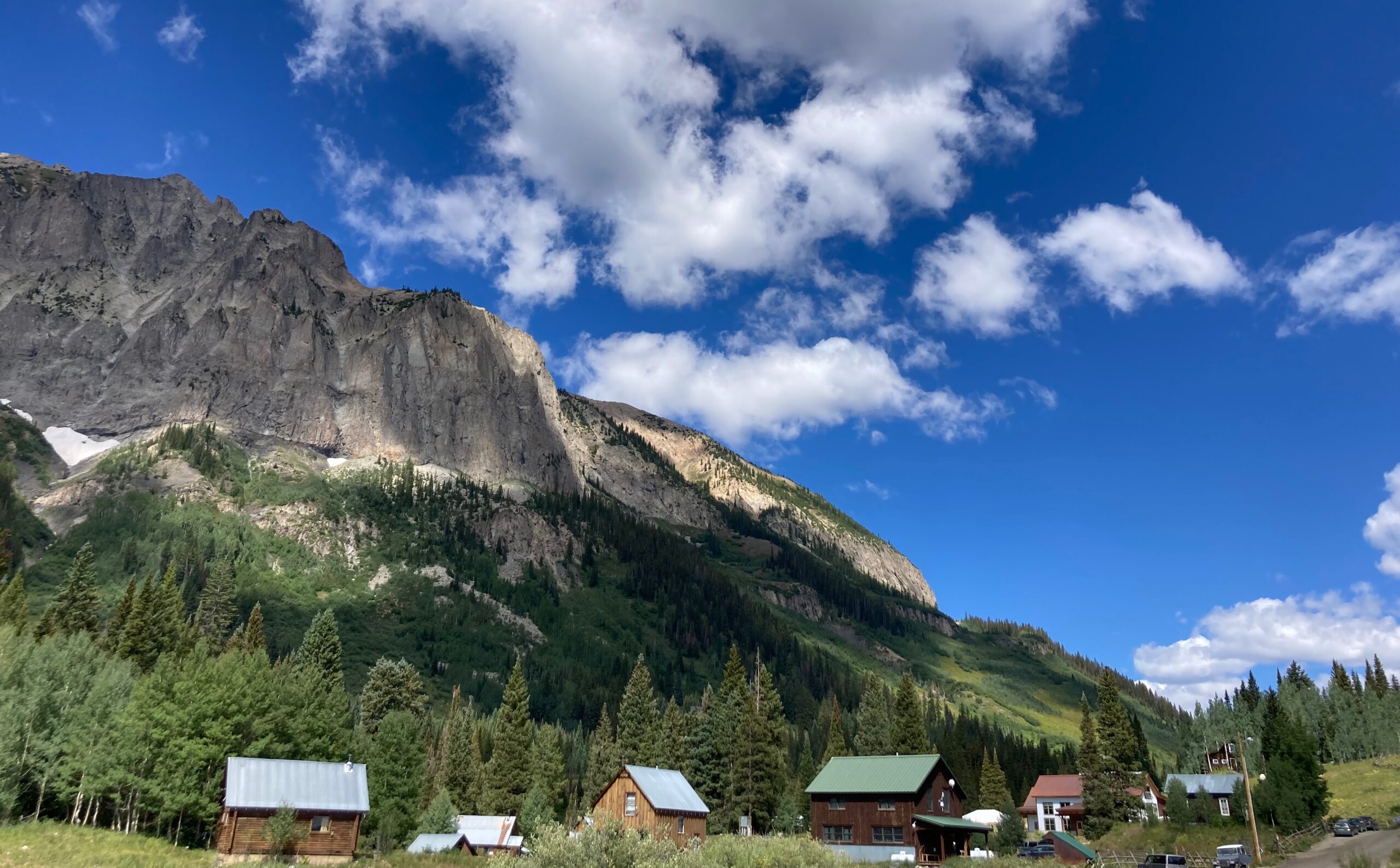
    Photo caption: View of the Rocky Mountain Biological Laboratory, with Gothic Mountain towering above.

    4:30 AM: Good morning! To arrive at my research sites in time to start my bird species surveys by 6 AM, I often have to wake up long before the sun rises. I get dressed, refill my water bottles, collect the snacks and PB&J sandwiches I prepared the night before, and grab my pack. Inside my pack I have my binoculars, data collection sheets, a handheld GPS unit, and of course a first aid kit and extra warm layers. Field research requires that you always be prepared for the unexpected!

    This summer I am investigating how birds in the southern Rocky Mountains are responding to climate change. To do this, I am conducting a resurvey of bird species along an elevational gradient. I have six research sites ranging from 8,100-11,200ft in elevation, and I will visit each site three times throughout the season to conduct a point count survey of bird species. A point count survey involves standing in one spot for a specific amount of time and recording all bird species I observe by sight or sound. Another student conducted these surveys in 2011, so I am repeating their methods to be able to compare the data from 2011 and 2023 and examine how bird communities have changed over the 12-year period.

    6:00 AM: After biking 3 miles along a gravel road to the base of Snodgrass Mountain and hiking another 3 miles up the slope (including a break halfway to enjoy my PB&J for breakfast), I am ready to begin the point counts. I use the GPS unit to locate the coordinates of each survey point, and record all of the species that I hear and see during a five-minute period. These surveys require me to be very familiar with the songs and calls of bird species in the region, as the majority of my detections are auditory. I audio record all of my point counts so that I can go back and verify observations later if I am not certain about my real-time identification in the field. 

    8:00 AM: After I finish the point counts, I sit down to eat a snack and enjoy the beautiful views around me. I begin my bike ride down the mountain, whizzing through fields full of blooming wildflowers.

    Photo caption: Views of the sunrise and wildflowers from my trek up Snodgrass Mountain.

    9:30 AM: I make it back to my home for the summer: the Rocky Mountain Biological Laboratory (RMBL), a thriving community of almost 200 field biologists, each studying one component within the greater ecosystem of the southern Rocky Mountains, united with the goal of recording long-term ecosystem responses to climate change. I head to the dining hall to grab more snacks and refill my water—field work can be exhausting and it’s especially important to stay hydrated.

    10:00 AM: I head back to my cabin to enter my point count data from the morning. This involves transcribing my handwritten field notes on paper datasheets into a spreadsheet on my laptop. This is important for multiple reasons: it serves as a backup in case my paper datasheets are lost or damaged, and formatting an electronic file is the first step to performing statistical analyses to uncover trends and relationships in one’s data.

    11:00 AM: Now it’s naptime! With a wake-up call before sunrise, I almost always need a nap to recharge after morning fieldwork. 

    12:00 PM: I nap until lunchtime, and then I head down to the dining hall. RMBL has a great kitchen staff that makes sure the researchers are well fueled for their fieldwork, and the dining hall is a perfect place to meet other scientists and learn about all of the cool research taking place.

    1:00 PM: After lunch, I take some time to look over my research report draft and make some edits to the methods section because a couple of aspects have changed since I began my surveys out in the field. Keeping good records on the methods used for surveys and experiments is very important because it ensures future researchers will be able to reproduce the experiments.

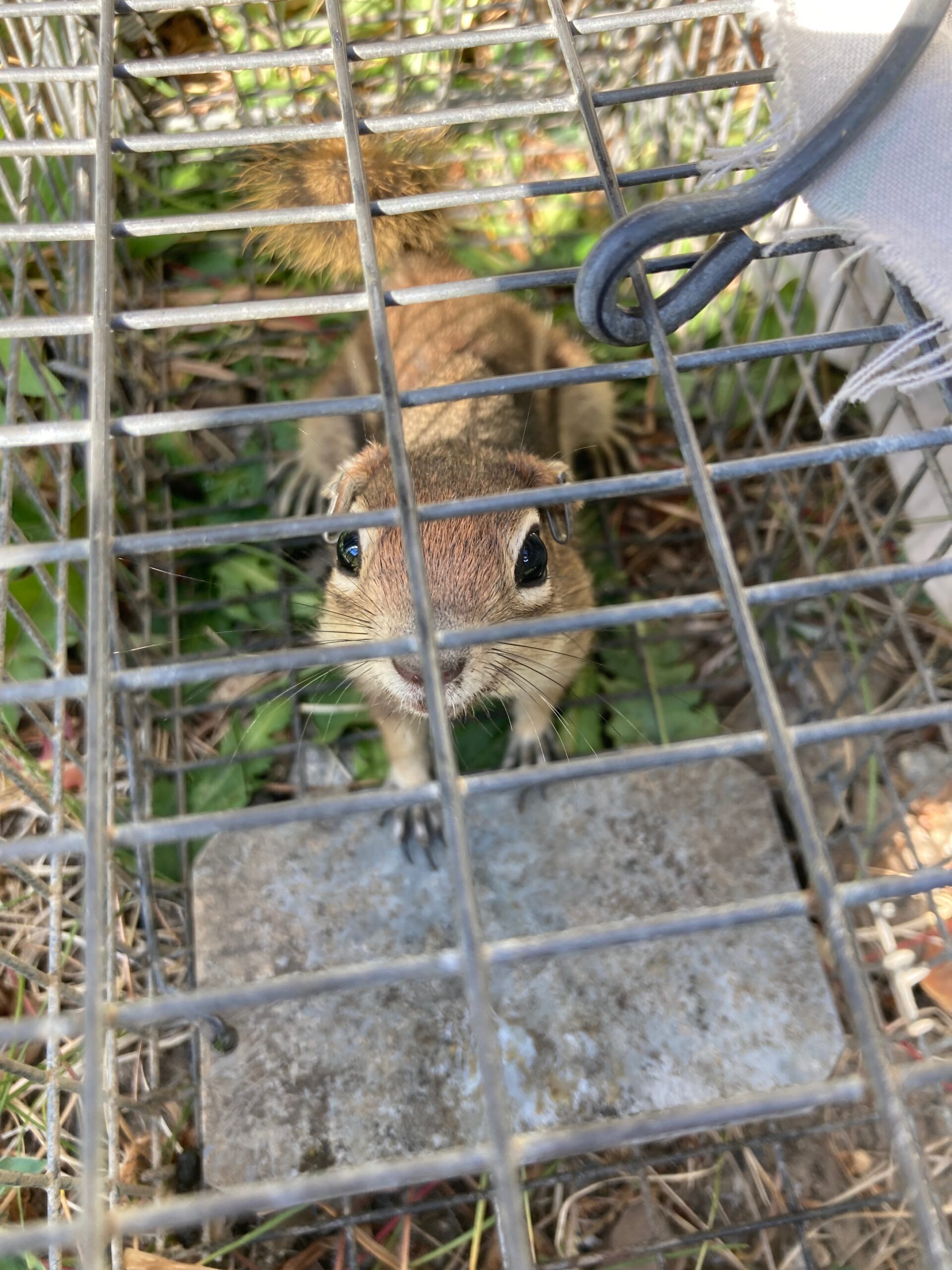
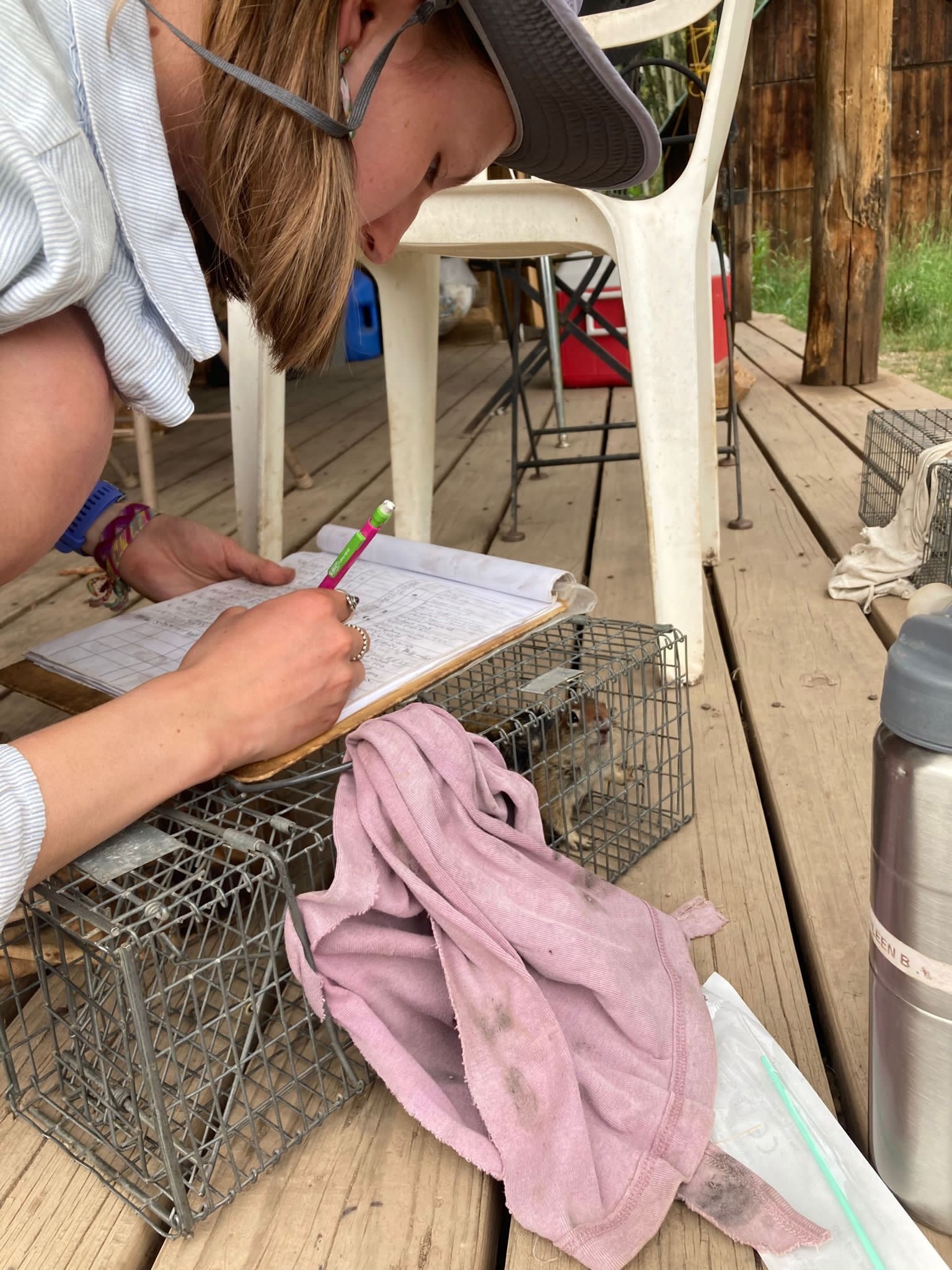
    2:00 PM: Most afternoons, I work as part of the golden-mantled ground squirrel (GMGS) team on a long-term behavioral and spatial ecology project. This involves making rounds around the RMBL townsite looking for squirrels and recording their behavior in 10-minute periods. GMGS resemble chipmunks, but they are larger and can run faster. Another big component of the squirrel project is live trapping, where we bait small wire traps with peanut butter and place them around known squirrel territories. When we capture a squirrel, we put them into a special canvas bag for safe handling and we record morphological measurements such as weight and take hair samples for genetic analysis. The most exciting time is mid-summer when the squirrel pups emerge from their burrows. We try to trap pups every couple of weeks to monitor their growth.

    From left to right: A GMGS inside a trap, data collection during GMGS trapping.

    5:00 PM: After my shift with the squirrel team, I head back to my cabin to rest and relax until dinner. I also must pack up my camping gear, because the site I am surveying tomorrow morning is several miles up the valley from the field station, and it requires an overnight backpacking trip to get there. I pack a sleeping bag, sleeping pad, small 2-person tent, extra layers, water filter, and my survey equipment in a backpacking pack. At the dining hall during dinner, I will grab extra snacks and make a couple of PB&Js to carry with me. 

    7:00PM: After dinner, myself and two of my fellow student researchers borrow a vehicle to drive to the beginning of the hiking trail that will take us to the research site. We park next to a beautiful alpine lake and begin the 3-mile hike. We will gain 1500 ft in elevation over the course of the hike, so the majority of the trail is unrelentlessly steep. The gorgeous views of the sunset over the mountains around us serve as a good distraction from the strenuous hike. Two miles into the hike, we reach a river crossing. We take off our hiking boots and socks and roll up our pants to wade through the ice-cold water. Once across the river, we know there’s only a mile left to climb, and the sunlight is fading fast so we push onwards to try and make it to the site before dark.

    Once we get to the site, which consists of a series of ponds located along a rocky mountain slope, we quickly set up our tents and get ready for bed. The stars are incredible here—we can even see the outline of the milky way.

    Left: View of Emerald Lake from trail above. Right: Sunset over the valley after the river crossing.

    Photo caption: View down into the river valley at twilight.

    9:30PM: Time for bed! After the sun sets, it gets very cold at this high elevation, and the most comfortable place to be is inside my warm sleeping bag. I set my alarm for 5:30AM and make sure all of my survey equipment is ready for the morning.

    This summer I learned a lot about how to effectively design and conduct a field ecology research study—especially how to be flexible and creative when problems arise. Field research is challenging but it is so refreshing to work outside in such beautiful places, and it’s especially rewarding to explore the trends in one’s data after a season of hard work. That’s how I’ll be spending the winter months, as do many field ecologists outside of field season—crunching the numbers in order to reveal the mechanisms of change in the ecosystems around us.

  • The Prehistoric Origins of Birds

    You may have heard that modern birds evolved from dinosaurs before. More specifically, modern birds descend from theropods, which is a clade of dinosaurs. A clade is a group of species that share some key traits as well as common ancestry. Theropods all had hollow bones and three toed limbs, traits that remain in modern birds. The most famous of theropods was the T. Rex, but you also may have heard of the Spinosaurus, Archaeopteryx, and Allosaurus.

    How did we come to this conclusion? It turns out hollow bones and three toed limbs are not the only similarities between theropods and modern birds. Various types of theropods have also been found to have feathers in fossilized remains. Older theropod species, that are “farther” back from dinosaurs on the tree of life, only had one kind of feather, which paleontologists think was used for insulation. Younger theropods, more closely related to birds, such as the oviraptors, had multiple different kinds of feathers. While some of these feathers are also for insulation, others are very similar to the flight feathers on modern birds. Modern birds have three “fingers” in the bone structure that supports their wings. Groups of dinosaurs that are theorized to be closely related to modern birds tend to have less and less fingers. The Orinsthican dinosaurs, very distant ancestors to birds, had five fingers. The Allosaurids, closer ancestors, had four fingers. Eventually, dinosaurs like Archaeopteryx had three fingers, which would eventually lead to the development of modern birds’ wings. Over time, the tails of dinosaurs began to get shorter and shorter. Eventually, the tails got so short that they’re barely there, until the only modern evidence of them are the tail feathers on the backs of birds.

    References

    Agnolin, F. L., Motta, M. J., Brissón Egli, F., Lo Coco, G., & Novas, F. E. (2019). Paravian phylogeny and the dinosaur-bird transition: An overview. Frontiers in Earth Science, 6(February), 1–28. https://doi.org/10.3389/feart.2018.00252

    The origin of birds – Understanding Evolution. (n.d.). Retrieved December 2, 2021, from https://evolution.berkeley.edu/what-are-evograms/the-origin-of-birds/

    Theropod | dinosaur suborder | Britannica. (n.d.). Retrieved November 30, 2021, from https://www.britannica.com/animal/theropod

  • Where do Great Blue Herons catch their snacks?

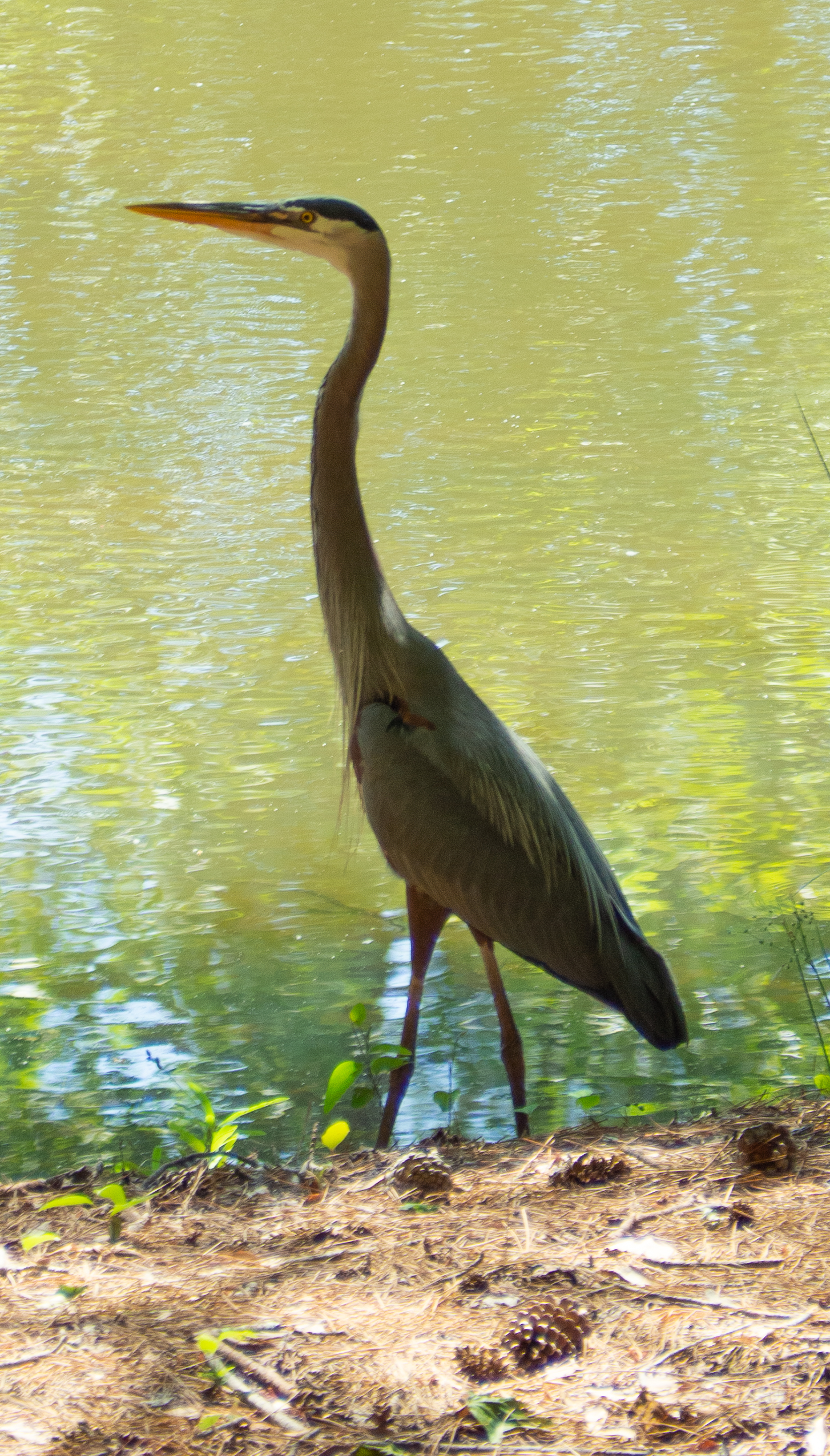
    A picture of a great blue heron. The heron is standing on the edge of a pond.

    Introduction

    Great blue herons are part of the Ardea genus, which is a genus of birds that includes the herons, egrets, and bitterns. These birds are typically pretty large in size, with lengths usually greater than 80–100 cm. You’re most likely to find members of this genus in wetlands and other partially aquatic habitats.

    Feeding Behavior

    Great blue herons are carnivores, and they eat a variety of aquatic, semi-aquatic, and terrestrial prey. Their diet consists of predominantly fish, but they will eat pretty much anything that they can catch in their beaks. Fish are supplemented by amphibians, reptiles, small ground mammals, and even other birds. Great blue herons catch smaller prey in the jaws at the back of their beak, although they prefer to stab larger prey with their beaks.

    There are 38 total feeding behaviors that have been recorded by members of the Ardea family. Each species in this genus uses multiple feeding methods — they’re creative hunters. Twelve of these strategies have been observed in great blue herons. The most commonly observed feeding behavior for the great blue heron is standing and waiting, where the heron simply stands still and waits for its prey to come to it. Herons also will move slowly, either through the water or through a field, in search of prey. More dramatically, the great blue heron will occasionally plunge-dive, diving down quickly and with force, to catch its prey. A particularly interesting feeding behavior of the great blue heron is to stick its bill in the water, and vibrate it. The underwater vibrations create ripples, attracting fish and other aquatic prey.

    Habitat

    Great blue herons prefer to live in wetlands, especially when nesting. Rather than nesting alone, great blue herons nest in colonies. Colony nesting is particularly common for birds that live in aquatic environments. Colonies can have over 500 nests (so easily over a thousand birds) all relatively close together. For large scale habitats and especially for colony nesting, great blue herons have preferences for certain types of habitats over others. The lacustrine wetlands is a particular favorite of Illinois great blue herons. Lacustrine wetlands are any wetland or deepwater area that has these three characteristics:

    1. Located in a valley/depression in the ground
    2. Lacking trees, shrubs, and other plant life that covers more than 30% of the area
    3. At least 20 acres in surface area

    Biologists believe that herons may prefer this biome for their habitats due to the easy access to their preferred prey of small bodied vertebrates. Additionally, large wetlands tend to be isolated from human activity, which great blue herons tend to avoid if possible.

    References

    Combs, B. P. (2021). Great Blue Heron Forages for Fish by Bill-Vibrating. Western North American Naturalist, 81(2), 280–284. https://doi.org/10.3398/064.081.0213

    Gibbs, J. P., & Kinkel, L. K. (1997). Determinants of the Size and Location of Great Blue Heron Colonies. Colonial Waterbirds, 20(1), 1–7. https://doi.org/10.2307/1521757

    Knight, E. C., Vennesland, R. G., & Winchester, N. N. (2016). Importance of Proximity to Foraging Areas for the Pacific Great Blue Heron (Ardea herodias fannini) Nesting in a Developed Landscape. Waterbirds, 39(2), 165–174. https://doi.org/10.1675/063.039.0207

  • Red-Shouldered Hawks

    Red-Shouldered Hawks

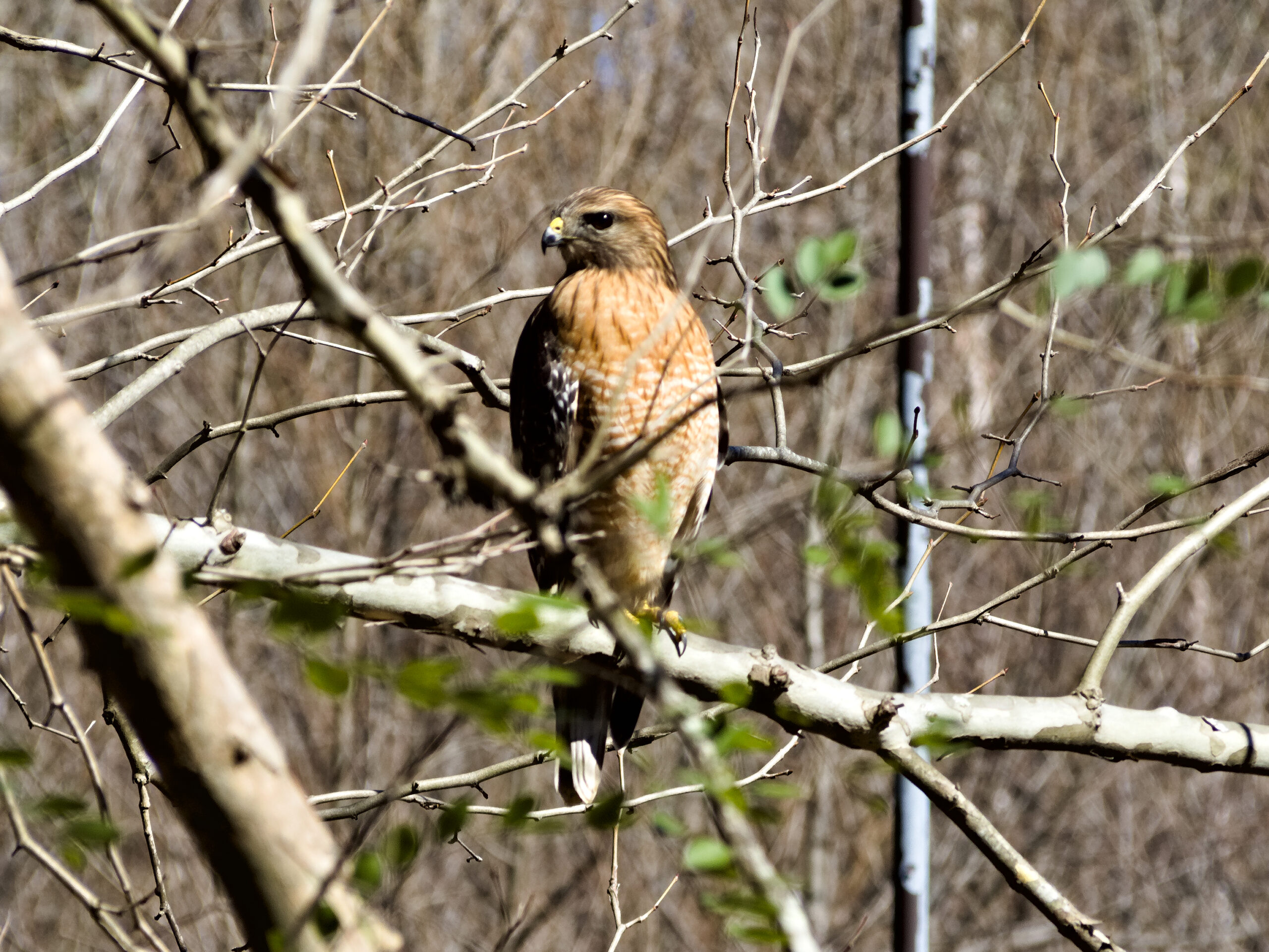
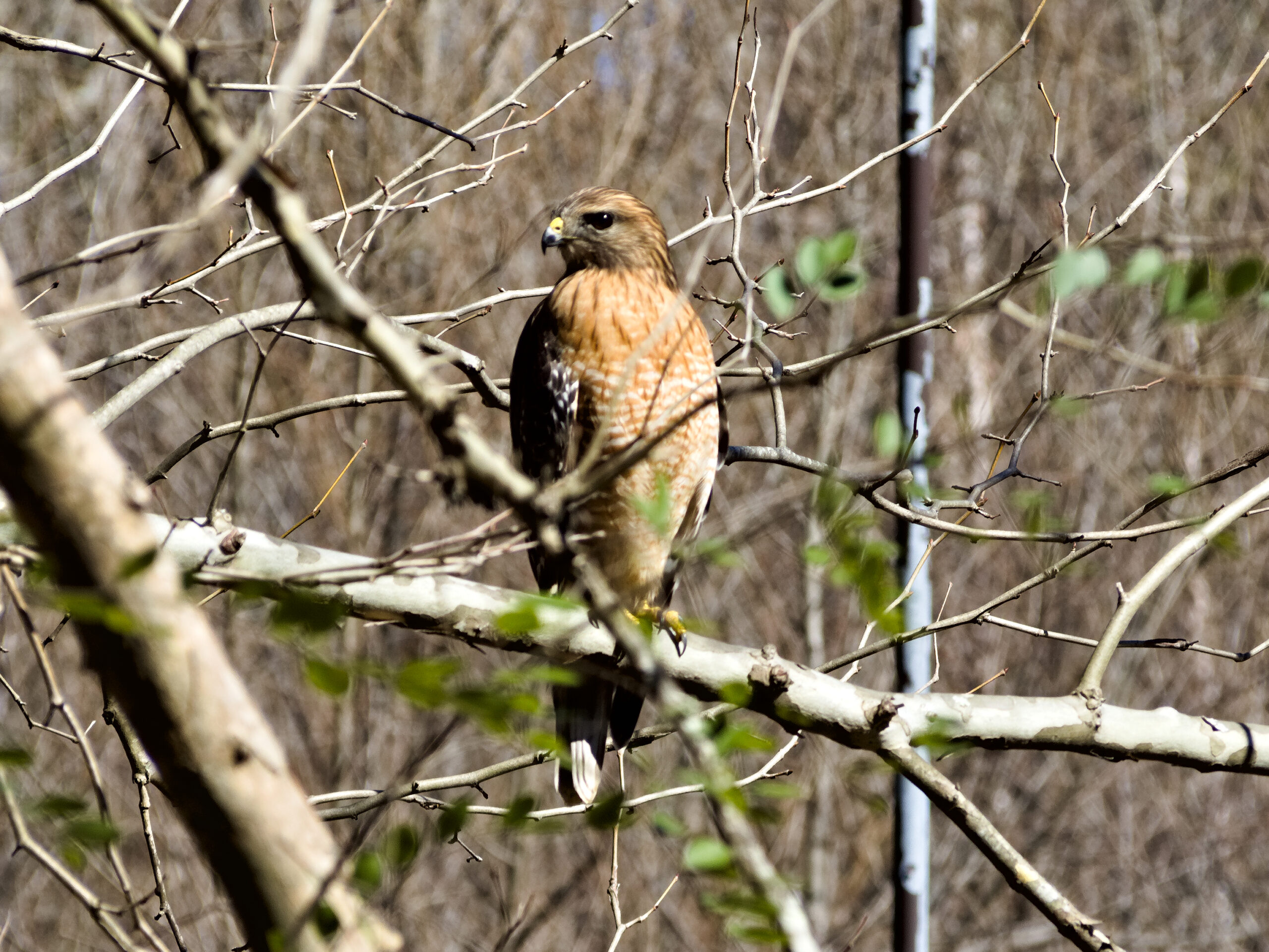
    A red-shouldered hawk, a mid-sized hawk with red-orange feathers on its shoulders and chest.

    Introduction

    The red-shouldered hawk (Buteo lineatus) is a raptor that is found in forests throughout North America. Year round, the red-shouldered hawk is found throughout much of the Eastern and Midwestern United states. During their breeding season, they can be found in both the northeastern and western United States as well as part of Atlantic Canada. They also have a non-breeding range in Mexico, where they are found for some parts of the year. Red-shouldered hawks can be identified by their medium size and reddish-brown feathers on their chests and shoulders. Hawks from the western part of their range tend to be a deeper red than those found in the eastern part. As for their wings, the feathers are banded black and brown from the underside, with black and red being predominant on the outside. Their tails are also banded, which is another identifying trait of the species.

    Sexual Dimorphism in Red-shouldered Hawks

    Red-shouldered hawks do show some sexual dimorphism in their appearance. Sexual dimorphism occurs when males and females of the same species show different traits on average, such as average size and weight. Mass is one of the traits that is sexually dimorphic for red-shouldered hawks. Females are larger than males, with the average male being only 85% of the mass of the average female. Researchers recently have tried to establish other ways of determining the sex of red-shouldered hawks morphologically. Determining sex by morphology is used by biologists to guess at the sex of an animal without needing to check for sure with DNA testing. Sex determination based on morphology is more convenient than determining sex based on molecular testing, and can be done by biologists in the field without access to DNA testing equipment. Other features of red-shouldered hawks that are sexually dimorphic are toepad length, length of secondary feathers, bill length, mass, and wing chord length. However, mass remains the most reliable way to morphologically determine the sex of a red-shouldered hawk.

    Diet and Habitat of the Red-shouldered Hawk

    The diet of the red-shouldered hawk is mostly made up of small mammals, lizards, snakes, and amphibians, and these hawks typically live in riparian forests. Riparian forests are forests that are on or near the bank of a river or stream. There is evidence that the composition of the red-shouldered hawk’s diet varies depending on where in their range they are living. One study split red shouldered-hawks into two groups. The first group was the northern hawks, which live above 38o N latitude. This is the latitude line passing just south of Charlottesville, VA, and through Lexington, KY. Interestingly, northern hawks preferred more mammalian prey and less amphibian prey. The opposite was true for southern hawks. Researchers noticed that diets were more mammalian in drier conditions, whereas hawks that lived in wetter conditions relied more on invertebrate and amphibian prey. It’s possible that hawks that live in drier areas will be less affected by wetland degradation than hawks in wetter areas.

    Nesting Preferences of the Red-shouldered Hawk

    Where red-shouldered hawks choose to nest is another area of interest for researchers. Typically, red-shouldered hawks prefer to nest in large tracts of mature forest, although they can also be found in more fragmented forested areas, such as those found in suburban areas. One study found that nests were more likely to be located near a lake or treeless wetland than not. Nests were also more likely to be near a trail or stream than not for both cases. Researchers believe that open trails might make good hunting grounds for the hawks, without trees and underbrush to hide prey. We can guess similarly about hawks’ proximity to lakes and treeless wetlands. The lack of trees gives hawks easier access to their prey, which they detect primarily via eyesight. Red-shouldered hawks’ positive association with wet areas is a well known feature – amphibians make an important component of the diet of the red-shouldered hawk, especially while nesting.

    References

    Cheryl R. Dykstra, Herman L. Mays Jr, Jeffrey L. Hays, Melinda M. Simon, & Ann R. Wegman. (2012). Sexing Adult and Nestling Red-Shouldered Hawks Using Morphometrics and Molecular Techniques1. Journal of Raptor Research, 46(4), 357–364. https://doi.org/10.3356/JRR-11-84.1

    Brad N. Strobel, & Clint W. Boal. (2010). Regional Variation in Diets of Breeding Red-Shouldered Hawks. The Wilson Journal of Ornithology, 122(1), 68–74. https://doi.org/10.1676/09-071.1

    Landenberger, James F, Roosa, Dean M, Stravers, Jon W, Ehresman, Bruce, & Patterson, Rich. (2013). The Raptors of Iowa. University of Iowa Press.

    James E. Woodford, Carol A. Eloranta, & Anthony Rinaldi. (2008). Nest Density, Productivity, and Habitat Selection of Red-Shouldered Hawks in a Contiguous Forest. Journal of Raptor Research, 42(2), 79–86. https://doi.org/10.3356/JRR-07-44.1

    Red-shouldered Hawk Overview, All About Birds, Cornell Lab of Ornithology. (2019). allaboutbirds.org. https://www.allaboutbirds.org/guide/Red-shouldered_Hawk/

  • Insect robots: How do they fly?


    “How do airplanes stay afloat?”

    “The same way a bird stays afloat.”

    When we give that answer to a kid, we fondly realize the connection between nature’s creatures and machines, and that the nature influenced creation of many machines from time to time. That is why the Wright brothers spent a great deal of time observing birds in flight and realized that when birds soared into the wind, the air flowed over the curved surface of their wings, and thus generated lift which helps them stay in flight. They noticed the wings of birds minutely, and realized that they change the shape of the wings to turn and maneuver, and thus flaps and stabilizers were born in the airplane wings. In a similar fashion, various insects and birds have influenced designs of many machines for their structural and aerodynamic ability. These creatures not only helped design the structural and aerodynamic systems of large machines, but attracted considerable attention from scientists and engineers for small-scale robots. Today we deep dive into the world of small robots and how they fly!

    Insects were the first organisms on Earth to take to the skies – estimates on the origin of insect flight range from ~320 to ~400 million years ago (Misof et al., 2014). That is a long, long time before vertebrates achieved this feat. Over time, insects mastered their flying ability, and achieved great perfection in speed, agility, and grace in the air. By design, insects such as hover flies and birds such as hummingbird have remarkable abilities to hover in the air, as well as being able to perform aerobatic maneuvers such as sideways or backward flying. The technique that they use is called a flapping wing motion. This remarkable ability is a key in the design of small-scale aircraft for surveillance or reconnaissance. Traditionally, engineers designed a medium to large scale aerodynamic vehicle with traditional mechanical linkage systems (Van Breugel et al., 2008). However, when it comes to an unmanned small-scale aerial vehicle (or even micro-scale that mimics the size of an actual small insect such as a hover fly), one of the key challenges in traditional designs was that the flapping-wing action was not stable because of the power and weight ratio that needs to be achieved to match the hovering and flying abilities of the insects and birds observed in nature.

    Historically, there have been a number of research efforts that focused on the mechanical and structural aspects of a small-scale flying robot design. One such project was the Entomopter project in Georgia Tech (Michelson et al., 1998). The researchers used a chemical muscle to produce linear actuation strain. Two sets of rigid wings (front and back) were placed, and chemical muscle actuated them. Other traditional designs of small-scale flying robots used gears and links for the movements needed for of an airborne vehicle.

    How do the “insect” robots get up in the air?

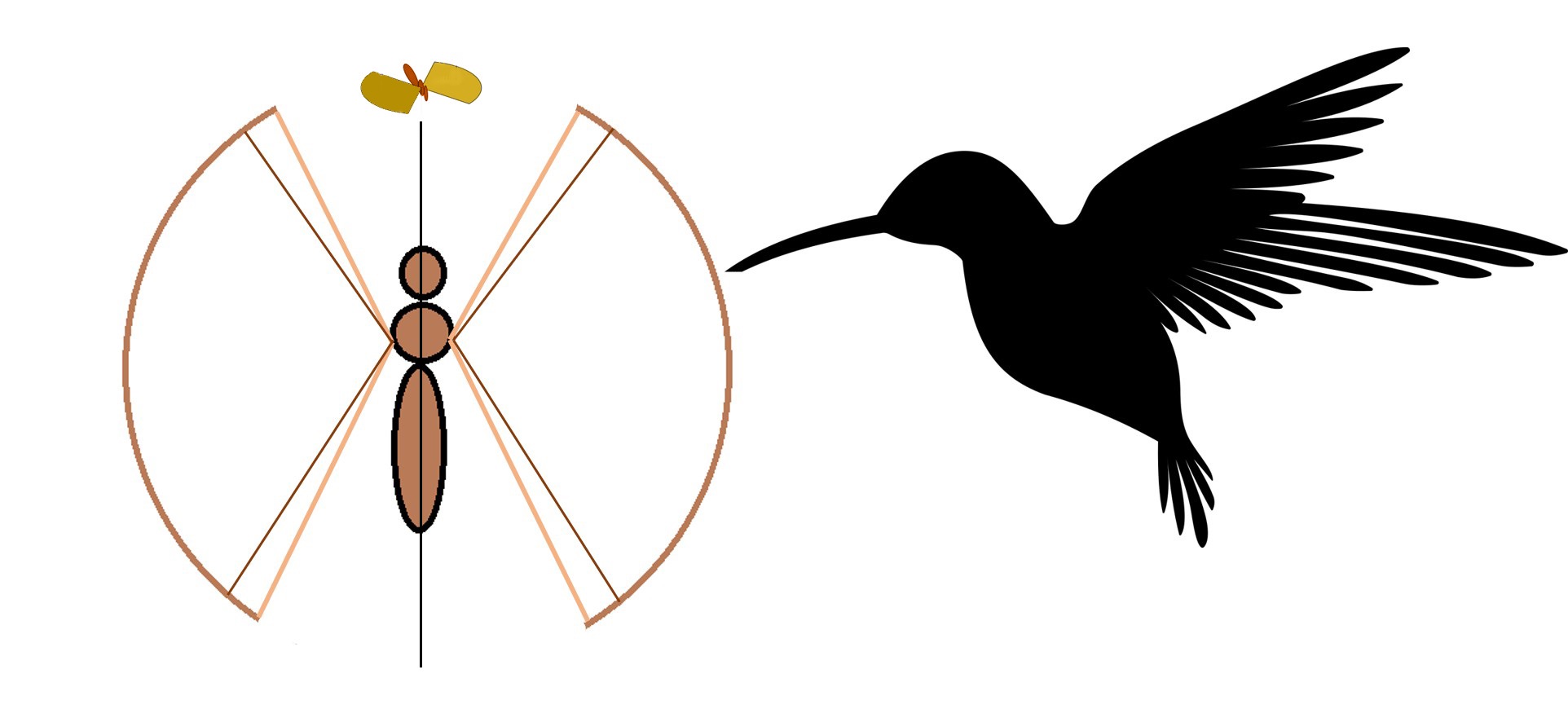
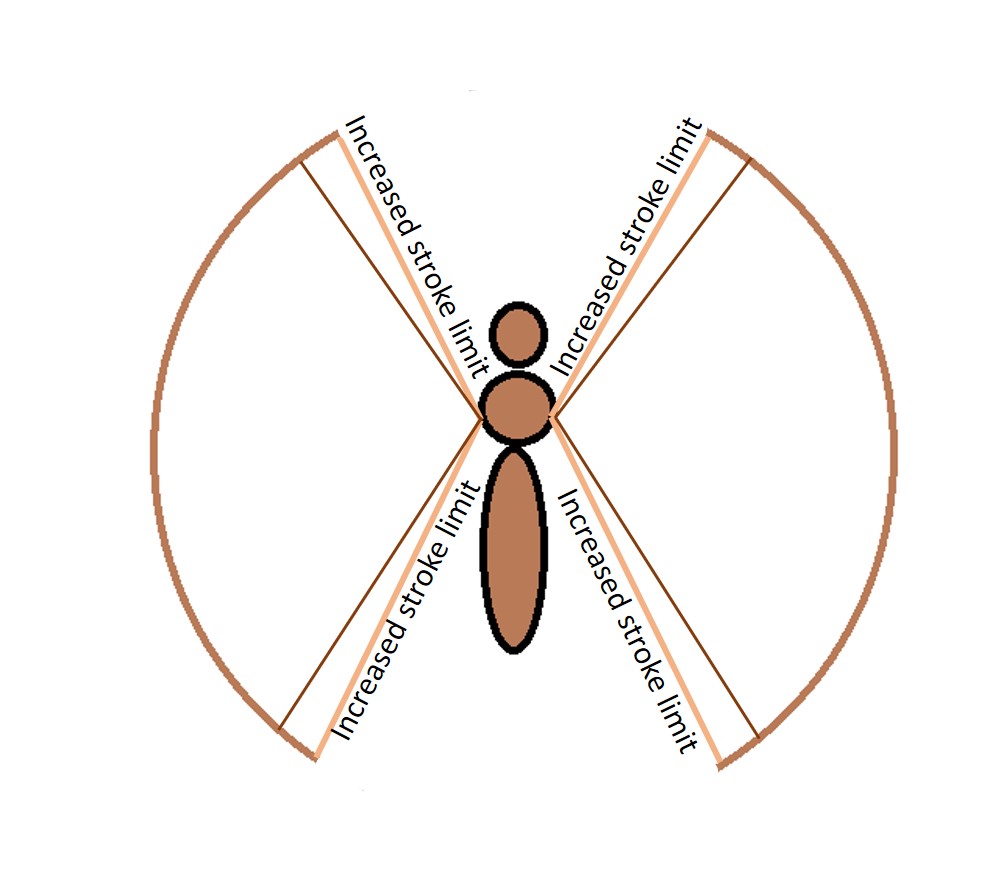
    In order to achieve a flapping action in-flight to gain altitude, sweeping and the pitching motions are needed to be achieved. The current design is set up to exploit resonant properties, as exhibited by flying insects, to reduce the energy expenditure and to provide amplitude amplification for the wing sweeping motion (Bolsman, 2010). Design objective for a small-scale flying machine is to reproduce a reference motion based on the kinematics of insects. Insects and birds perform wing flapping and adjustments of the body orientation in order to control speed, altitude and orientation of the flight. As shown in the figure below, to transfer this analogy to a micro-robot, the sweeping motion of the wings are emulated as a steady-state motion. The details of a control system can be found in advance literature (Bolsman, 2010). However, in simple terms, the design takes into account a constant resonance frequency, and a maximum wind sweeping stroke. As the stroke increases (shown by the extreme lines in the figure), the wings generate lift. The mass of the device (as in an insect) is centered towards the geometric center of the device, resulting in maximum possible stability. This is the stage where the robots get airborne and continue hovering.

    Lift: Flapping wing motion with sweeping stroke

    How do the “insect” robots move in the air?

    The hovering is the first state of condition that the robots achieve, similar to an insect. The figure above shows a simple two wing device. Each wing is designed to have independent controls to change flapping In order to change the direction to left or right, so that each wing is capable of having a different sweeping motion. This inevitably creates a sweeping motion that are not equal in each wing, and results in a rotation in the direction of the difference. An insect performs these exact same maneuvers to create a rotational motion for left-right (rolling) movement.

    As shown in the figure, the center position holds the center of mass for the whole assembly. As such, changing the center position of the sweeping motion will change the direction of flight as well. This is performed by shifting the positions of the effective centers of pressure of the left and right wings. This invariably creates a backward motion (or pitch), and more power from the device’s power source provides a required forward motion while maintaining the achieved altitude.

    How strong are these “insect” robots?

    A simple model of a small-scale flying robot has been described here to depict the fundamentals that are derived from an insect or a small bird for flapping motion design. A fully fledged flying micro robot has more control systems that are able to achieve a full range of motions if needed, with more complicated actuations that are associated with multiple wings and wing rotations. In addition, structural integrity is also a key factor which, surprisingly, is also derived from insects. One of the most fascinating and extraordinary creatures in earth are ants, they can carry objects several times of their body weight. Ant’s neck has a very sturdy construction by nature, because of the fact that they lift the large weights with their mouth, and the load is transferred through the neck. Researchers found from models that an ant’s neck can withstand loads of about 5,000 times the ant’s body weight! (Nguyen, 2012). This design is also simulated to be able to provide the micro robots a sturdy yet very lightweight construction, a critical requirement for such a device.

    Ultra-light, small scale robots are in use for surveillance, military operations, rescue missions, medical sector, hazardous material test/retrieval, and many other scenarios. We will continue to see the marvelous development of these micro machines, inspired by the insects and small birds around us, while pondering over the question: “how birds fly?”

    References:

    1. Bolsman, C. T. (2010). Flapping wing actuation using resonant compliant mechanisms: An insect-inspired design.
    2. Van Breugel, F., Regan, W., & Lipson, H. (2008). From insects to machines. IEEE robotics & automation magazine, 15(4), 68-74.
    3. Misof, B., Liu, S., Meusemann, K., Peters, R. S., Donath, A., Mayer, C., … & Niehuis, O. (2014). Phylogenomics resolves the timing and pattern of insect evolution. Science, 346(6210), 763-767.
    4. Michelson, R. C. (2000). S. Patent No. 6,082,671. Washington, DC: U.S. Patent and Trademark Office.
    5. Michelson, R. C., & Reece, S. (1998, March). Update on flapping wing micro air vehicle research-ongoing work to develop a flapping wing, crawling entomopter. In 13th Bristol International RPV/UAV Systems Conference Proceedings, Bristol England(Vol. 30, pp. 30-1).
    6. Nguyen, V. N. (2012). Development of a Finite Element Model of an Ant Neck Joint for Simulation of Tensile Loading(Doctoral dissertation, The Ohio State University).
  • Bad @ss Birds

    I didn’t realize that birds were cool until I was a senior in high school (4 whole years ago). Just to be clear, this article is talking about the kind of bird that flies in the air, not the electric scooter that Georgia Tech students ride to class when they’re late. Ornithology is the study of birds, and I was lucky enough to take a class in high school that let me learn about them hands on. I’ve included some pictures at the end of experiences I’ve had with birds, but first, here are some of my favorite, more exotic, birds.

    Cuckoo Birds:

    Cuckoos are parasitic birds that lay their eggs in the nests of a different bird. The host can range depending on the location of the cuckoos and the specific cuckoo species, but most parasitic birds tend to pick hosts who are insectivores in order for their offspring to have a high protein diet (Payne).

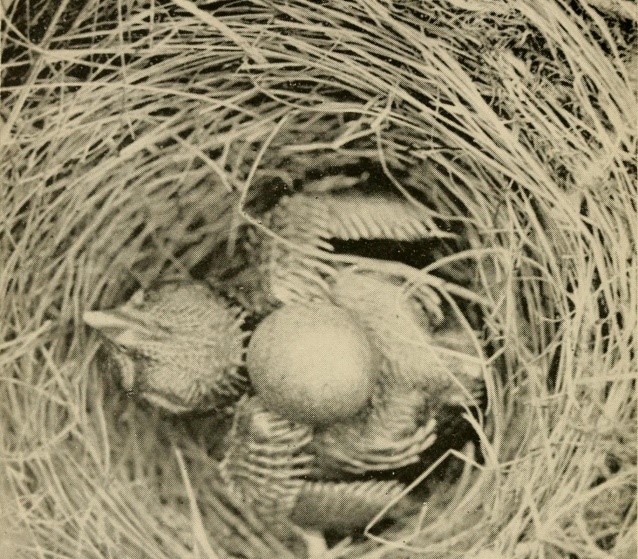
    After the cuckoo lays its egg in the hosts nest, several events can occur. In some species of cuckoos, the cuckoo will hatch before the hosts eggs. This young cuckoo will then take the eggs of the host bird one at a time and eject them from the nest using its back. This allows the cuckoo nestling to receive all the attention, and food, from it’s host instead of splitting it with other nestlings. Other species of cuckoo won’t eject the hosts eggs, and the two species will be raised together by the host (Rothstein).

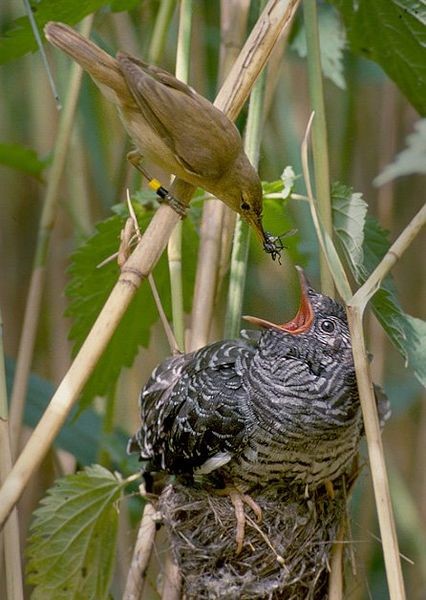
    Cuckoos have some mechanisms to prevent suspicion from their host. Cuckoo’s eggs tend to mimic the eggs of their host in appearance and size, and the nestlings will tend to have similar feeding habits to their host. When the host’s nestling and the cuckoo are reared together, the young tend to resemble their nest mates at the beginning then grow significantly larger than their nestlings and possibly even larger than their host parents (Rothstein).

    Pictured below is a cuckoo nestling ejecting other eggs from the host’s nest, and a cuckoo nestling being fed by its, much smaller, host parent.

    Bower Birds:

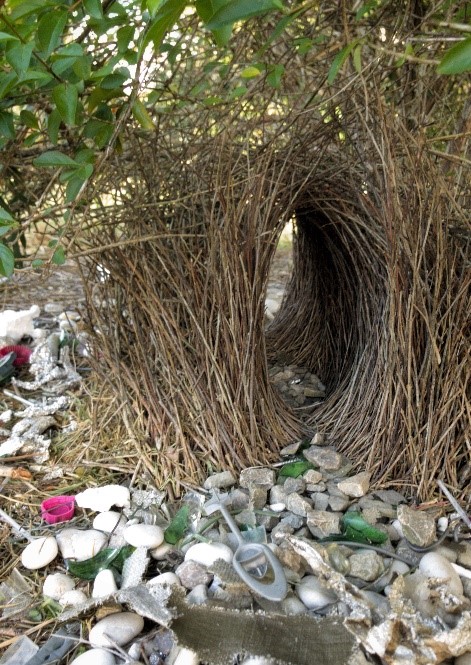
    Bower birds have an aesthetic mating ritual. Male bower birds build intricate structures, called bowers, decorated with colored objects to impress a female bower bird. The bowers are created with twigs, and the objects used to decorate them can range from fruit and flowers to shells or grass. Birds near human contact will sometimes use flashy man-made pieces like jewelry or glass. The objects will be set in piles around the bower for the female to inspect. In at least one species of bower birds, the males will decorate their bowers with colors matching that of the intended female (Marshall).

    The bower isn’t the only part of the birds’ mating ritual. The female will watch the bower being built and the collection of objects for multiple months. During this time the male displays dances and mimics calls of other birds. When there’s enough food in the environment for a female bower bird to rear young, she can mate with the male. The female then leaves to create a nest and raise the young without the help of the male. The male can stay at its bower and attempt to mate with other females. It’s not restricted to mating once per season (Marshall).

    Below are two pictures of bowers each decorated with unique objects.

    Kea:

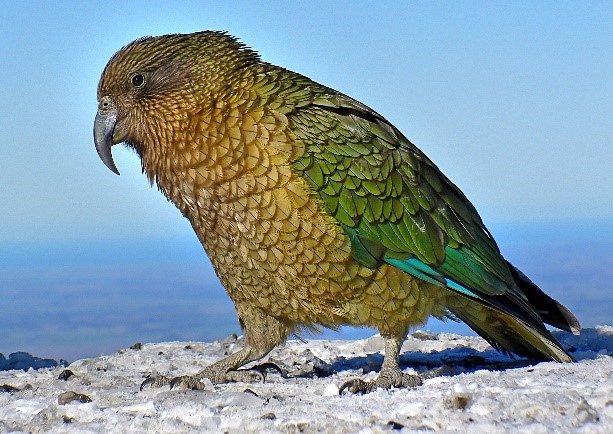
    Kea, sometimes referred to as the sheep killers, are a native parrot of New Zealand. They’ve been protected by the New Zealand Wildlife Act for several decades, but many people find them to be a nuisance because of their curiosity. Human machines and buildings can be damaged or destroyed by the Kea’s sharp beaks and inquisitive attitudes (Brejaart).

    Slightly after sheep were introduced to New Zealand, the kea received a reputation for killing even though early numbers suggested that less than 5% of sheep were affected by the parrot. The government and private citizens established bounties in the late 1800s requesting kea’s beaks and heads, and these bounties continued until 1971 by which time an estimated 150 thousand keas were killed. Many researchers suggest that the death of sheep by non-kea causes were attributed to kea which lead to their villainous reputation (Brejaart).

    So how does a bird kill a sheep? Keas are known to land on a sheep’s back before picking at the outer wool until reaching flesh. They feed on the sheep while the animals are still alive, but the ultimate cause of death for the sheep would be blood poisoning or the like (Brejaart).

    Kea don’t just feed on live stock. In fact, a majority of their diet when under observation in Craigieburn Forest Park consisted of nuts and fruit (Brejaart). Below is a picture of a Kea, but if you would like to see something more graphic, look up ‘Kea feeding on Sheep’.

    Butcher Birds:

    Butcher birds are another species with an especially interesting feeding habit. They take their prey which ranges from small fledglings to insects and kill them using tools before consumption. Some of their anatomy resembles that of other meat consuming birds including their beak, but they lack the talons to physically pull their food apart. This is where their unique actions come into play (Beal and Waldo).

    Butcher birds take their prey and wedge it into the forks of branches (Marshall). This allows it to kill its prey or hold the prey in place while the bird pulls it apart with its beak. The most common prey are insects like grasshoppers and crickets with beetles coming in second. Depending on the species, the consumption of vertebrate (including birds, reptiles, and mammals) can range from 12% to 28% of prey (Beal and Waldo).

    In times of plenty, some researchers suggest that the birds store extra food on sharp branches. The Australian counter part of the pied butcher bird is the Loggerhead shrike which impales its prey on wire and branches (Beal and Waldo).

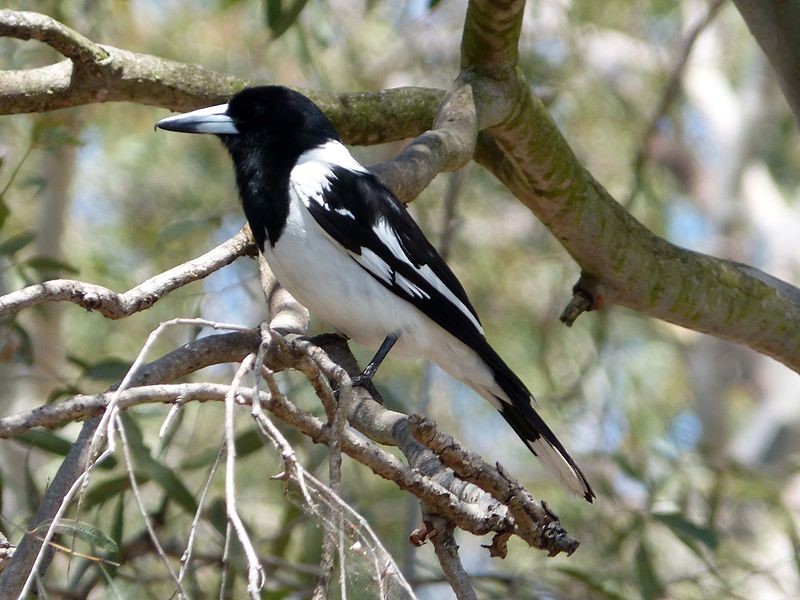
    Pictured below is a pied butcher bird, and you can also look up more graphic photos of their feeding habits.

    Moa:

    Moas, sometimes referred to as the elephant bird, are a large flightless bird ranging in weight from 45 lbs to 550 lbs. Unfortunately, they went extinct after Polynesian colonists arrived in New Zealand. Besides their incredible size, Moas are interesting because of the impact they had on natural scientists and their incredibly fast extinction after humans were introduced to their environment (Anderson).

    Early scientists heard tales of moas ranging in height to about 16 and a half feet, and they constructed the fossils found to support these myths. Moas actually range up to 8 feet tall, which is still a significant height. Research also shows that the birds were wingless (Anderson).

    Some people say that the moas have been romanticized through the ages, but you can decide that for yourself. Below is a drawing of what the moas looked like before their extinction.

    Pictures of me!

    This is me when we took a red shouldered hawk to falcon. This means that we took the red shouldered hawk to a forest and released it—watching as it attempted to catch squirrels with its talons. Fun fact: you can use any bird of prey to falcon.

    This picture is from when we dissected crows in the lab! It freaked me out a little at first, but once I opened the crow, it was really interesting.


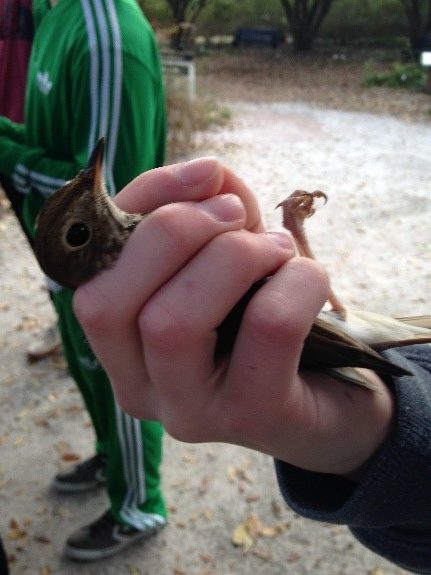
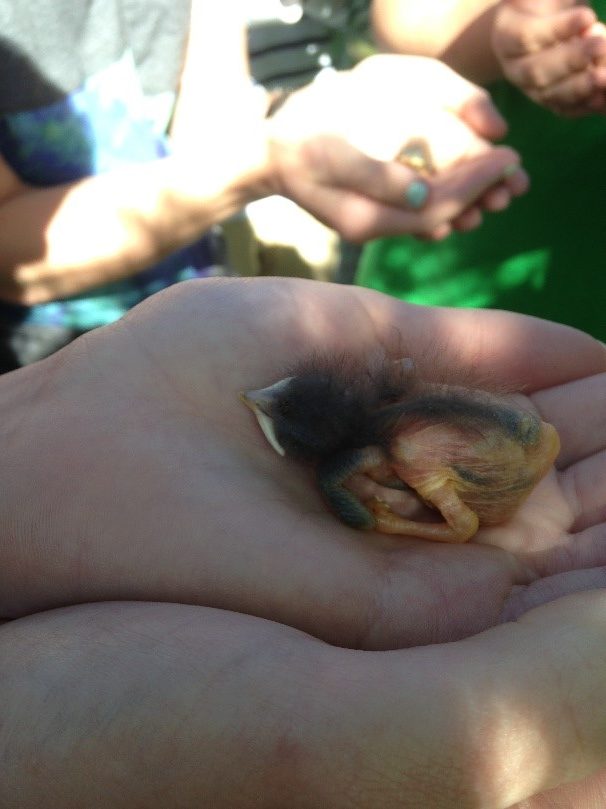
    Blue birds make their nests in holes, so we had blue bird boxes around our campus. As a class, we would go around and periodically count the number of eggs in each box, and eventually we got to see the fledglings. It’s untrue that if you hold a baby bird or an egg that the mother will never come back.

    Citations:

    Anderson, Atholl. “Interest in Moas.” Prodigious Birds: Moas and Moa-Hunting in New Zealand, Cambridge University Press, 2003, pp. 2–3. https://books.google.com/books?hl=en&lr=&id=-Oo_kFo09VEC.

    Beal, Foster and Waldo L. McAtee. “Southern Butcher Bird.” Food of Some Well-Known Birds of Forest, Farm, and Garden, U.S. Dept. of Agriculture, 1922, pp. 29–32, https://books.google.com/books?hl=en&lr=&id=OewYAAAAYAAJ.

    Brejaart, Ria. “Diet and Feeding Behaviour of the Kea (Nestor Notabilis).” Diet and Feeding Behaviour of the Kea (Nestor Notabilis). 1998. Lincoln University, PhD disserataion.

    Marshall, A. J. “Bower-Birds.” Biological Reviews, vol. 29, no. 1, Feb. 1954, pp. 1–45. doi:10.1111/j.1469-185x.1954.tb01395.x.

    Marshall, David. “Stray Feathers: Feeding of Butcher-Birds.” The EMU, vol. 47, July 1947, pp. 68–69., www.publish.csiro.au/MU/pdf/MU947054r.

    Payne, Robert B. “The Ecology of Brood Parasitism in Birds.” Annual Review of Ecology and Systematics, vol. 8, no. 1, Nov. 1977, pp. 1–28., doi:10.1146/annurev.es.08.110177.000245.

    Rothstein, Stephen I. “A Model System for Coevolution: Avian Brood Parasitism.” Annual Review of Ecology and Systematics, vol. 21, 1990, pp. 481-508., doi:10.1146/annurev.es.21.110190.002405