Introduction
The effort to bring greenspace and restore natural ecology to the Georgia Tech campus can be seen in the EcoCommons, a park built near the Keneda building and the Center Street Apartments. One of the goals of the EcoCommons is to restore Georgia’s natural plant life to Atlanta. Today, we’re going to look at some of the native plants which have been brought back to the EcoCommons.
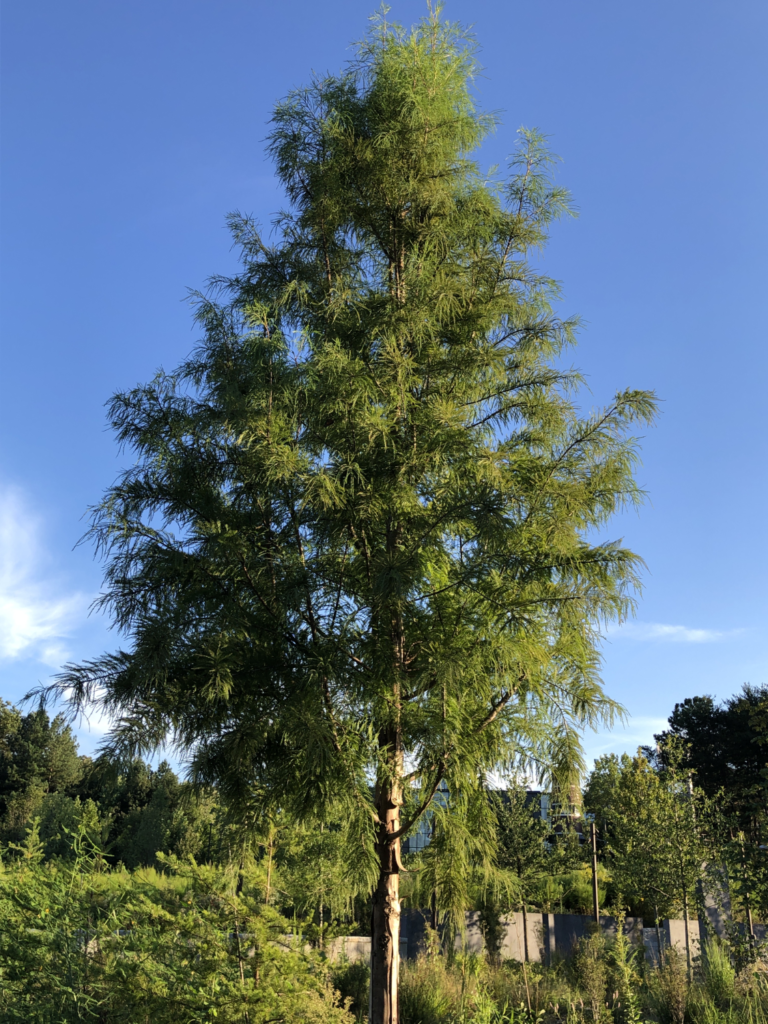 Bald Cypress Trees
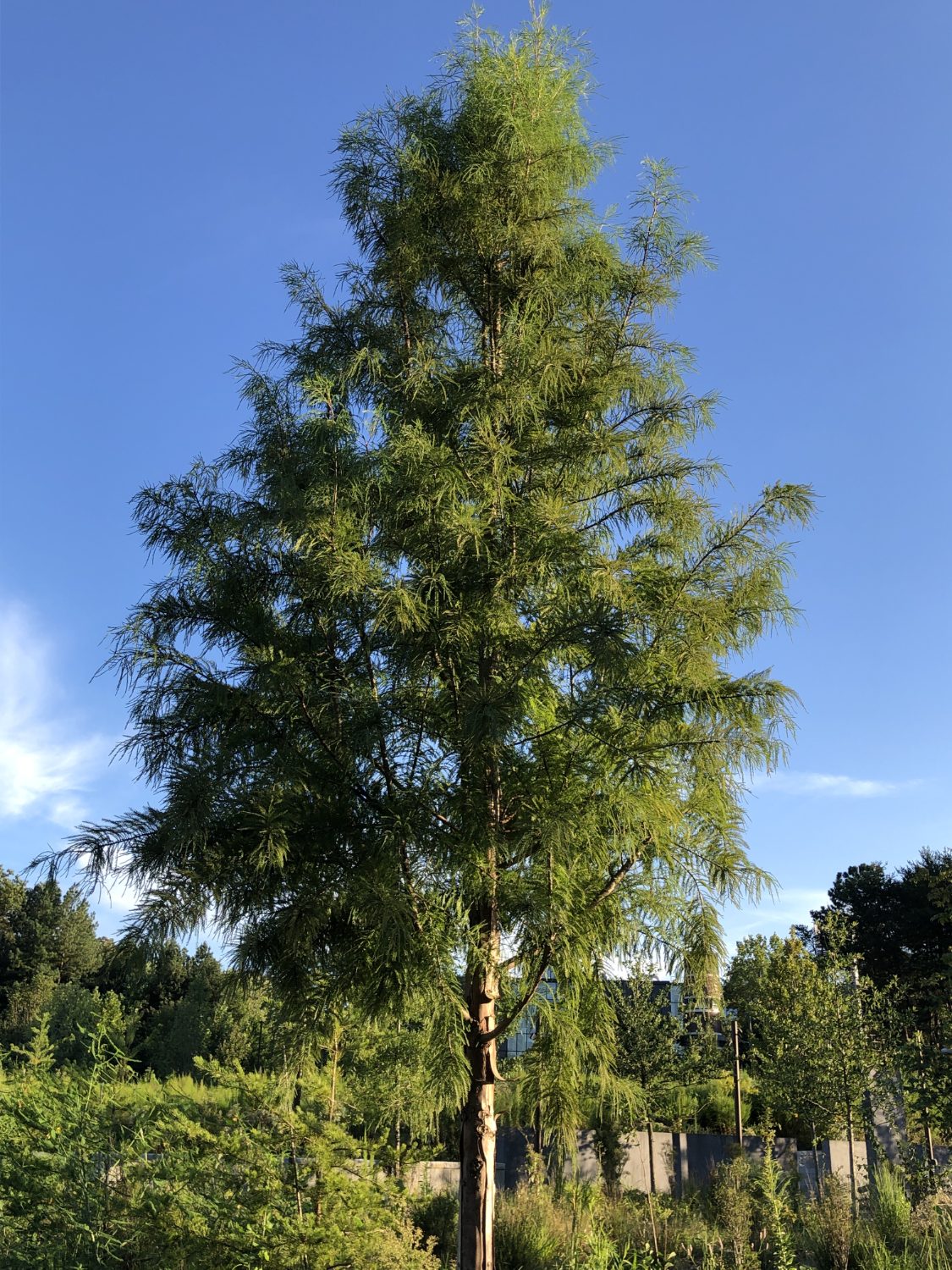
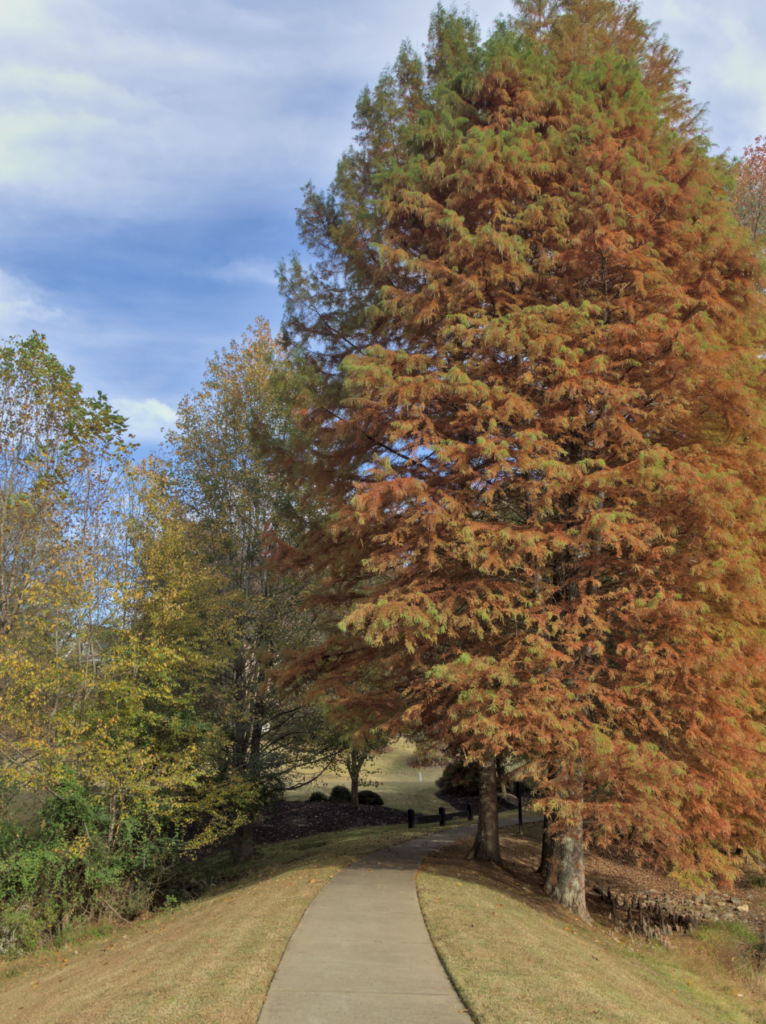
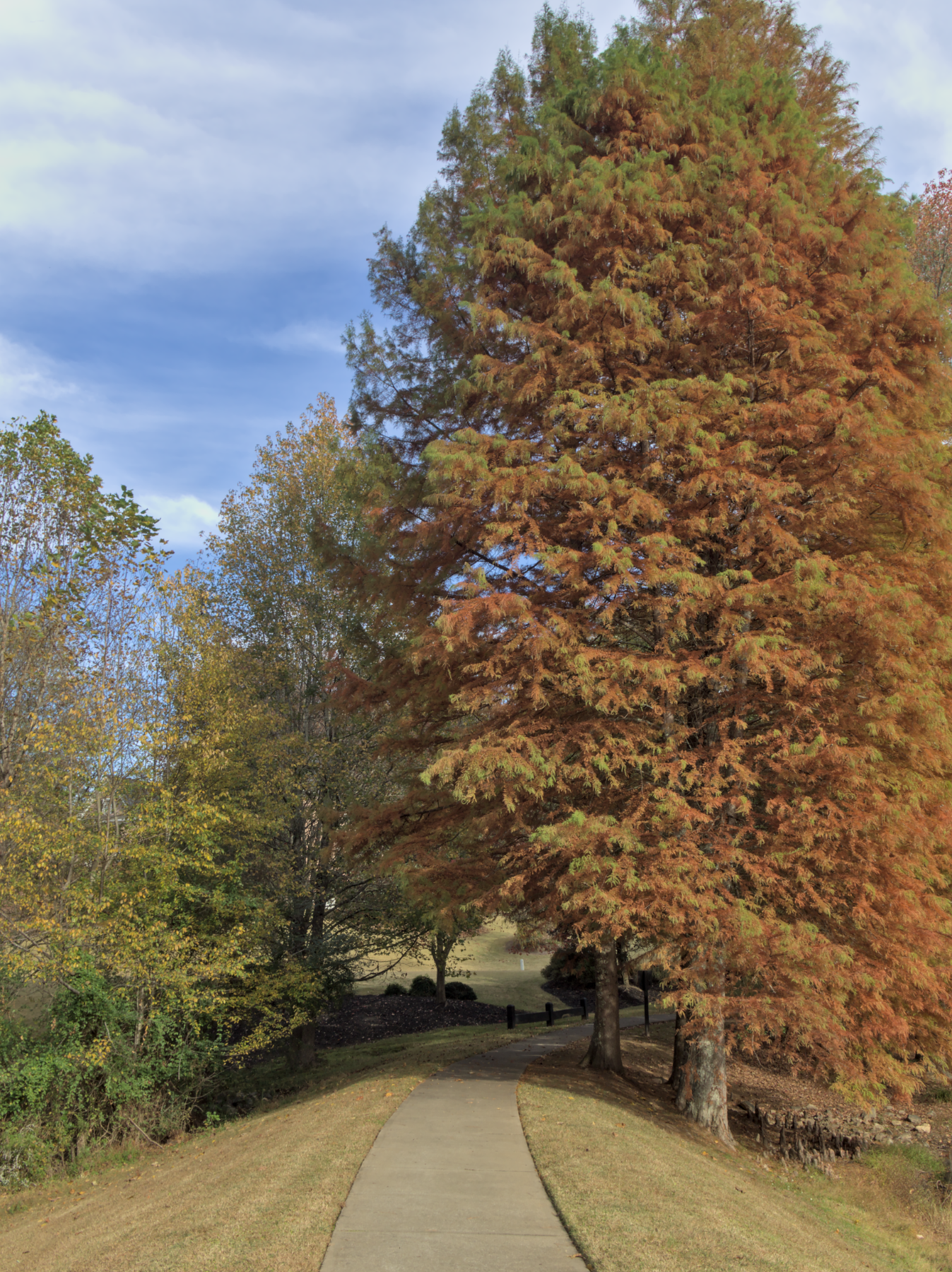
Bald cypresses are trees native to much of the southeastern United States. They’re hardy and versatile, and can grow in all kinds of soil environments. This, along with their lovely red and orange needles during the fall, makes them popular plants for decorative purposes. Other common names for the bald cypress include swamp cypress, white cypress, tidewater red cypress, gulf cypress and red cypress.
In the wild, bald cypresses are typically found in wet, swampy areas. They can be identified by their large, spread out needles.
 FUN FACTS
- The oldest bald cypress tree (that we know of) has been alive since 605 BCE. That’s a 2627 year old tree!
- The site of the tree is actually a secret – park rangers don’t want visitors vandalizing it.
- The bald cypress is the state tree of Louisiana.
- Bald cypress wood has historically been marketed for its resistance to water, which makes it useful in wet areas.
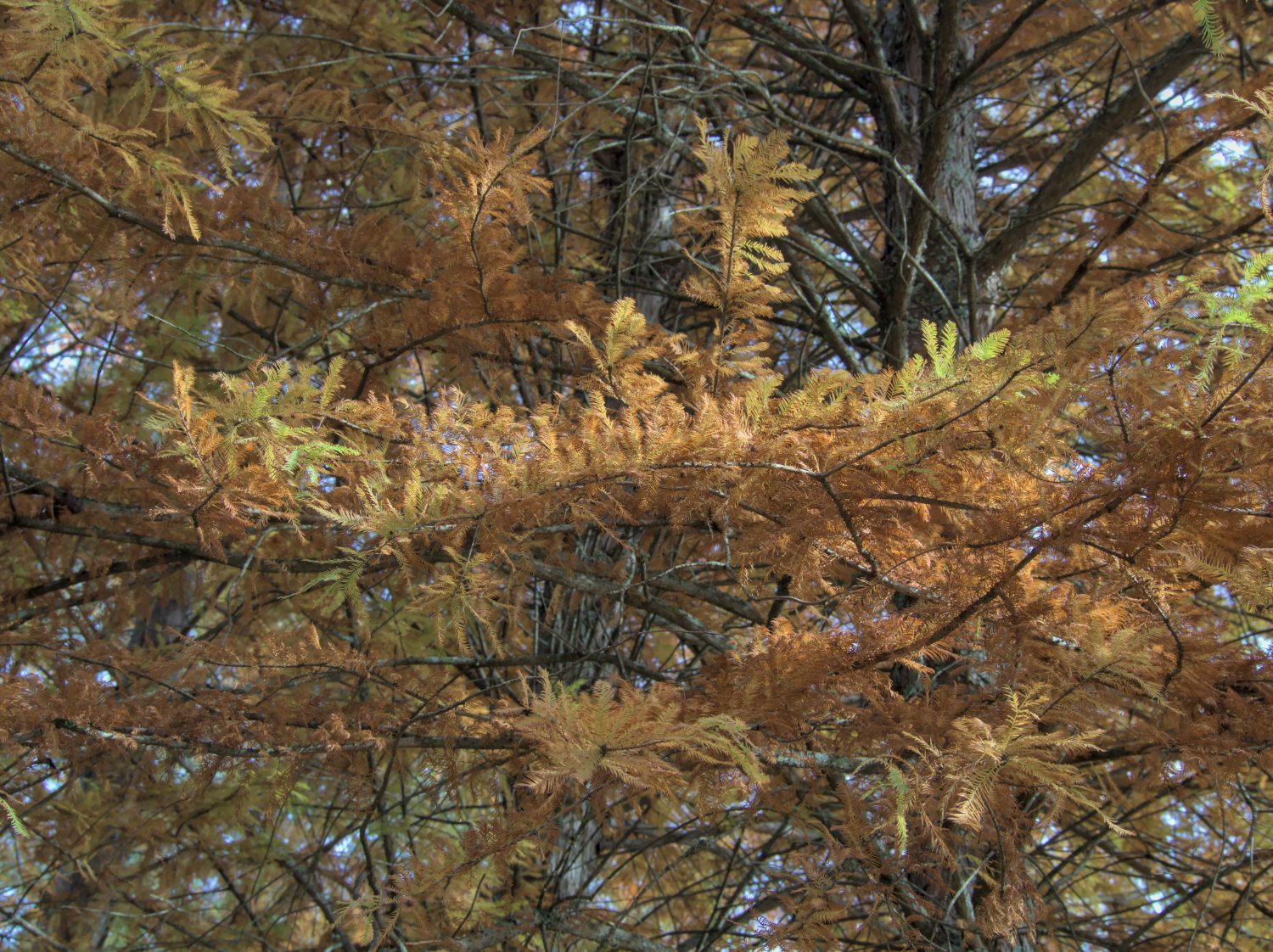
- Around a bald cypress tree, it’s common to see what are called cypress knees – wooden outgrowths from the ground. They actually extend upward from the main trunk’s root system. They look like small stumps coming out of the ground, although they’re still connected to a “main” tree.
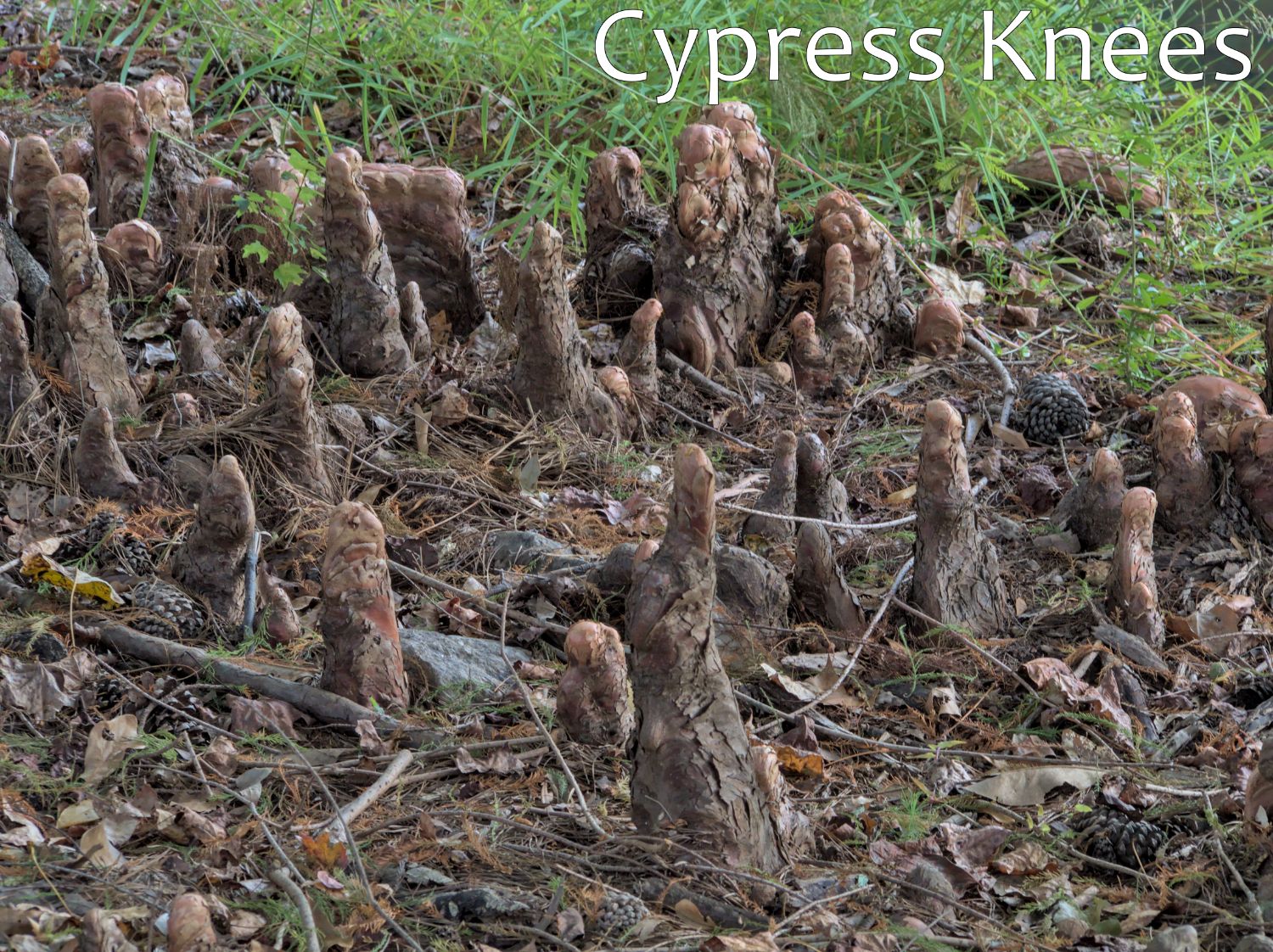 Bald cypress trees are famous for their fall colors – here’s a larger bald cypress off of the Georgia Tech campus in November. These native plants are a great choice for people looking for decorative trees that are ecologically beneficial to the local environment.
 Cardinal Lobelias
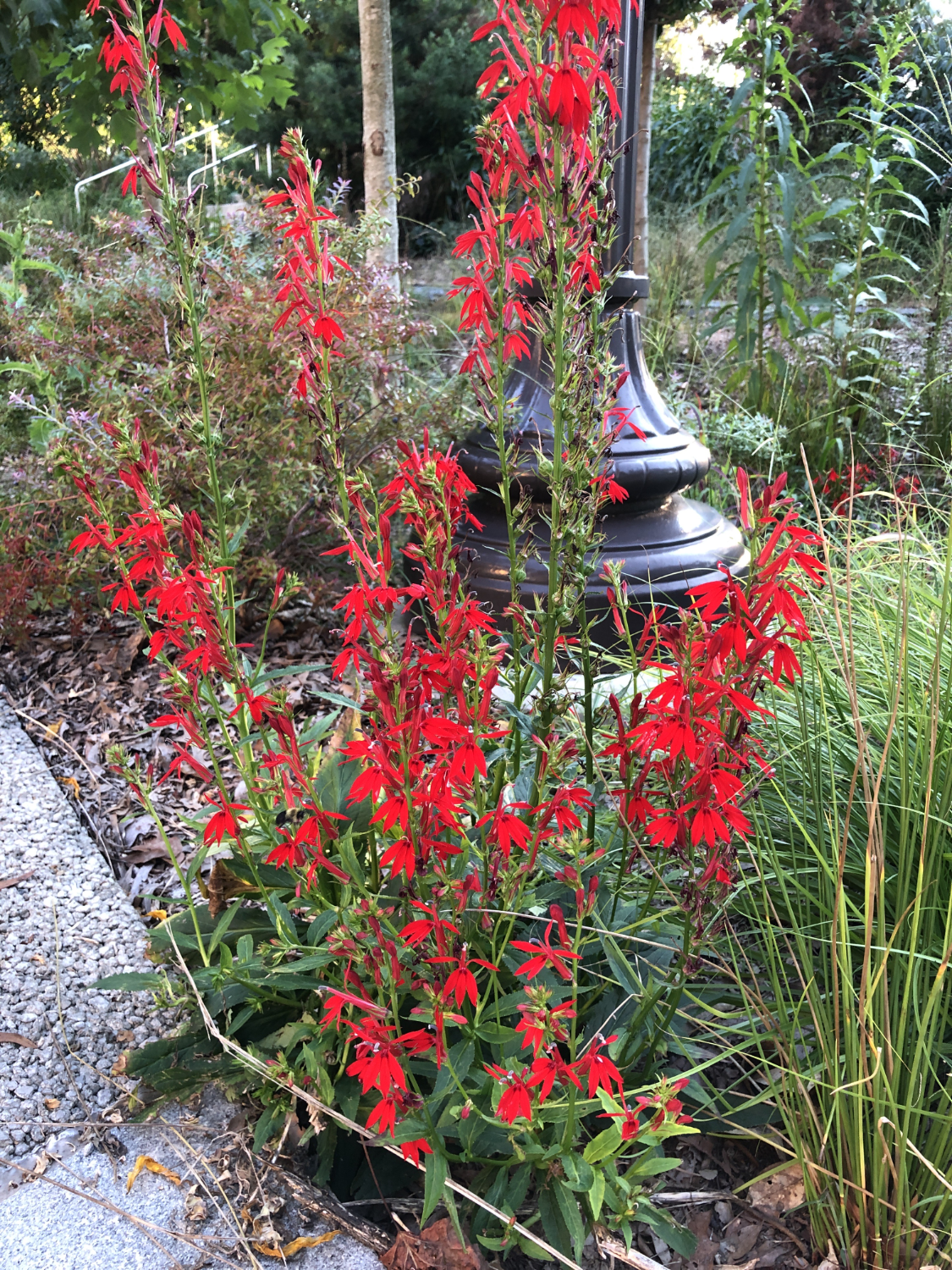 The cardinal flower, lobelia cardinalis, is a red flower, belonging to the bellflower family, that is native to most of the United States (except for far Northwestern states). It primarily lives in moist areas, such as stream banks, ditches, and lake shores.
FUN FACTS
- Excellent for hummingbird and butterfly gardens. This plant attracts many native pollinators, so it’s a great addition to your yard or garden if you’d like to see more hummingbirds and butterflies.
- You can find varieties of the cardinal flower with pink and white flowers, although these are mostly sold in nurseries for decorative plants.
- Every part of the cardinal flower is poisonous when ingested – don’t eat it!
New England Aster
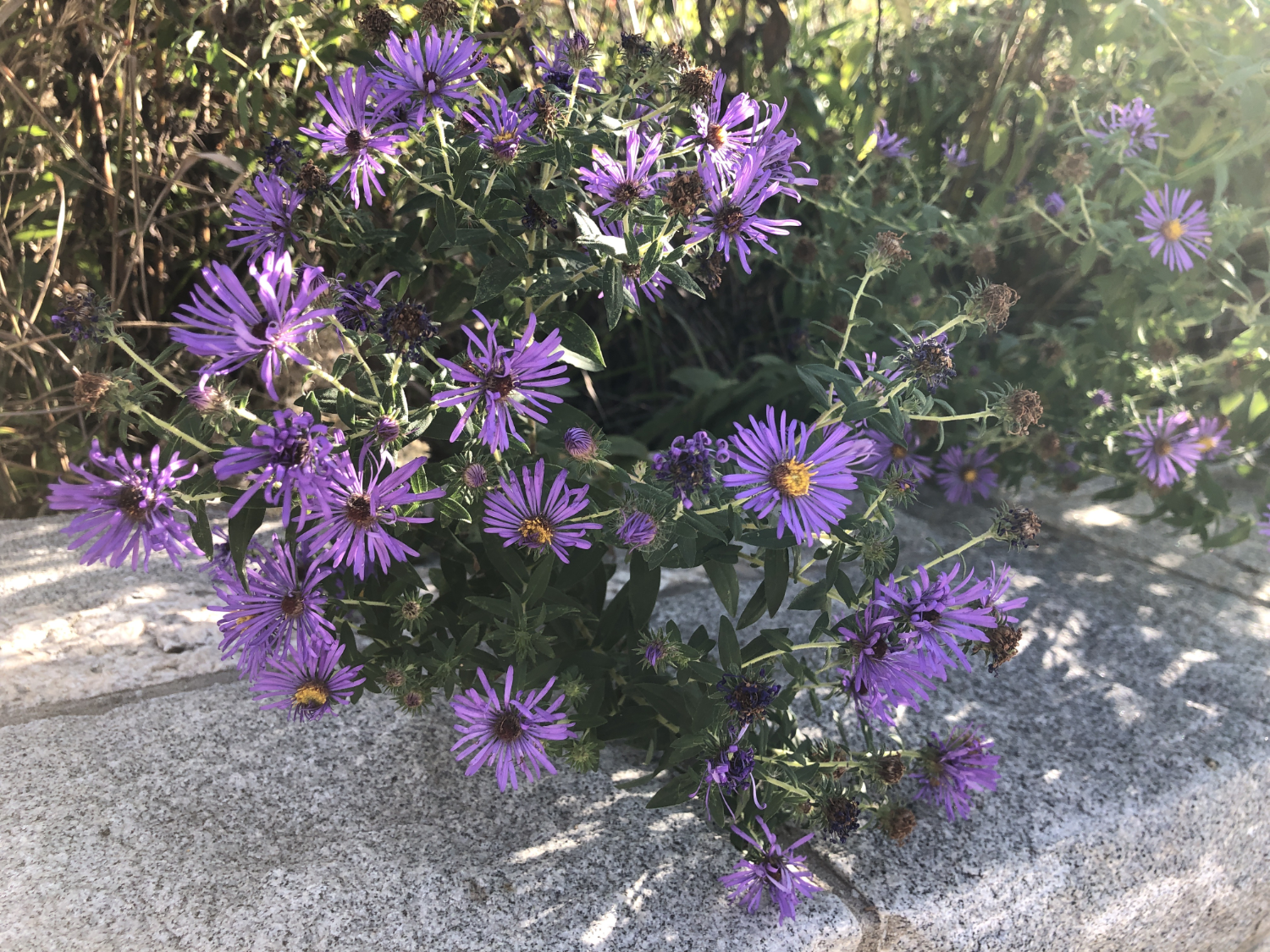 The New England aster, Symphyotrichum novae-angliae, is a perennial flower that is a native plant to much of the northeastern United States. It typically blooms from late summer through fall, with asters blooming in late August to early November depending on the region. New England asters are typically found in moist environments, particularly in wetlands. However, it has been found in dry soils as well.
FUN FACTS
- New England asters are a favorite flower of the monarch butterfly! These flowers are known to attract the monarch butterflies during their migration south for the winter.
- The word “aster” comes from the Greek word ἀστήρ, meaning “star”. Aster shares a language history with astronaut and astronomy.
- Here in Georgia, New England asters are considered “Critically Imperiled” by NatureServe – this means that their natural range has been reduced significantly by human activity.
- Domestically, you can find New England asters in all sorts of pinks and purples at nurseries for your garden or yard.
Blue Mistflower
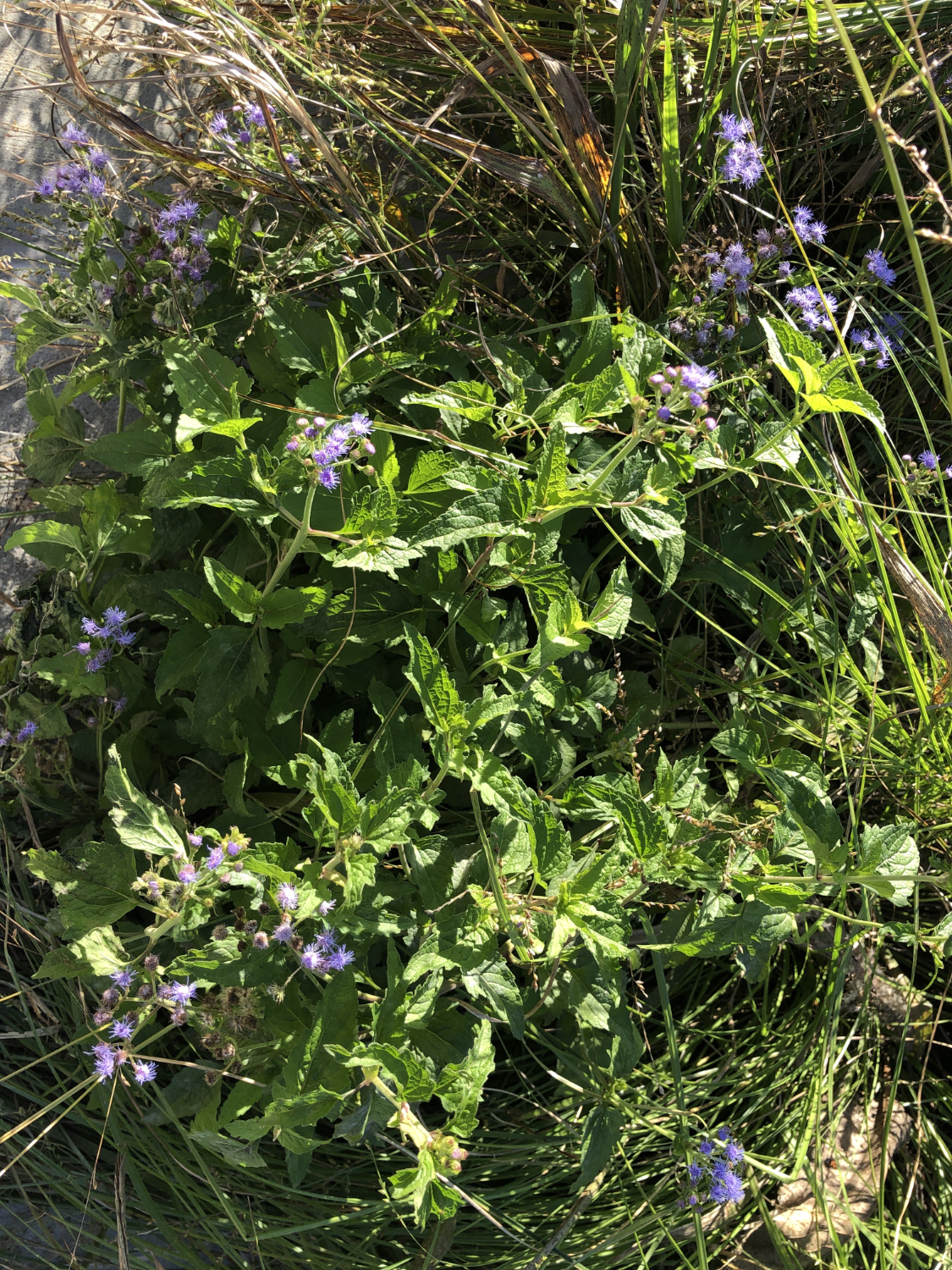 The blue mistflower, conoclinium coelestinum, is a perennial flowering plant in the Asteraceae family. Blue mistflowers are widespread throughout North America, and can be found from Ontario, Canada to Tepoztlan, Mexico. It’s commonly grown in gardens, and flowers from July through November each year.
FUN FACTS
- Blue mistflowers are hardy plants that can spread quickly – be warned if you want them in your garden! They’re very capable of choking out their neighbors because their root systems spread out.
- These flowers are known for their ability to attract pollinators, which makes them great for supporting local ecology.