Tag: emotions

  • Why Is Math So Hated?

    “What’s your favorite subject?”

    “I’m not sure… just definitely not math. What’s yours?”

    “Oh, funny story…”
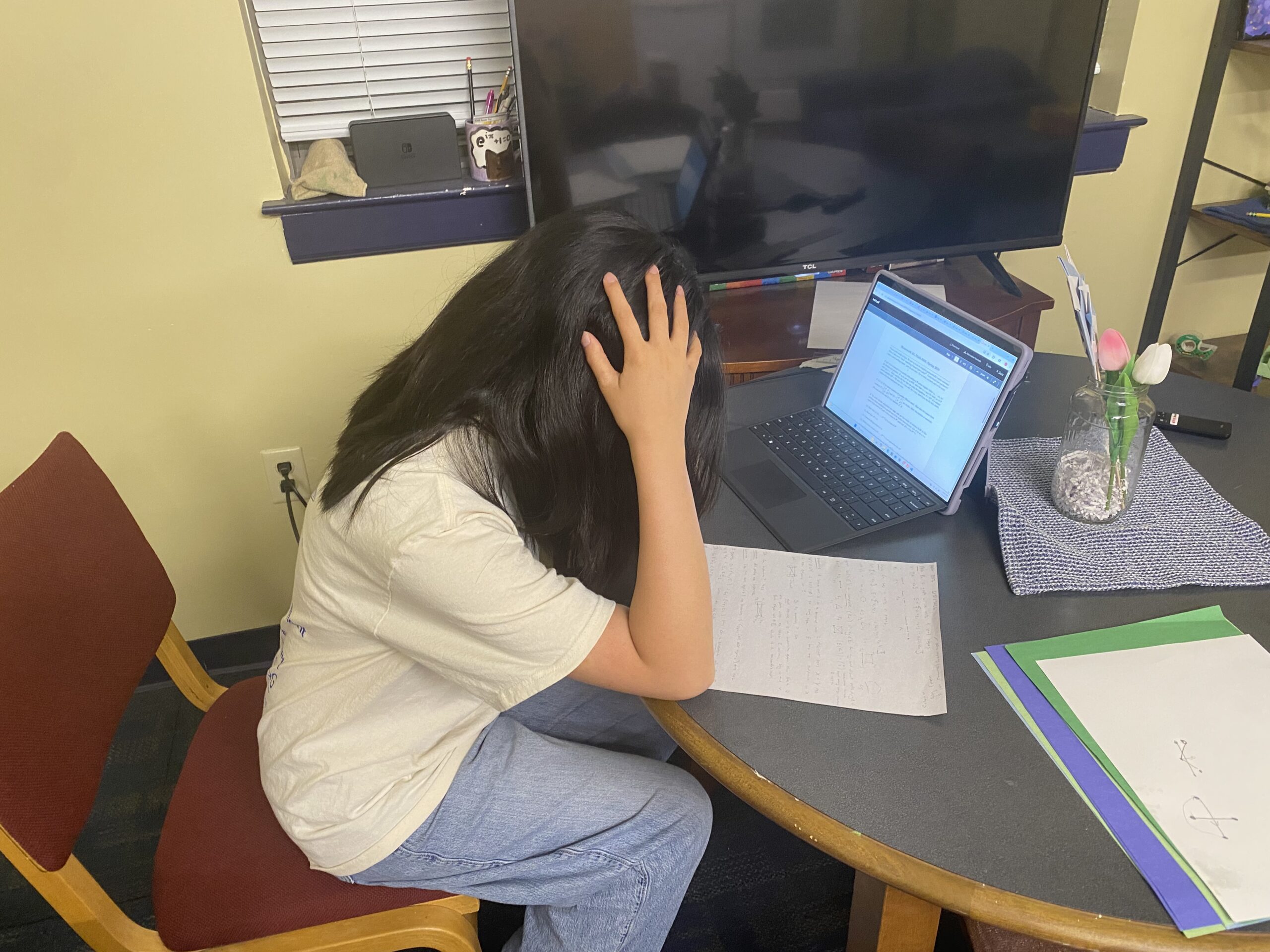
    Ah yes, math, the subject notorious for being one of the hardest subjects in school, with “math anxiety” being the term coined for the fear of math. If you’re reading this, you’ve most likely been through the agony of a difficult math class or teacher that just didn’t understand you. As a math major and someone who loved math as a child (but also had their share of math difficulties), I sought out to understand why math is so hated, and if there is anything we can do to change that. After all, I was able to see firsthand how cool math is and my hope is that more and more people will be able to as well.

    How Math is Taught in School

    Many students point to the difficulty of math when asked why they dislike it, as shown from this table, where math being hard was listed as a reason almost twice as much as it being boring (Stodolsky et al., 1991). Therefore, we should look to how math is taught in school to see why students are struggling so much. In general, many math educators teach in a more computationally-focused way, prioritizing students’ abilities to memorize concepts and algorithms to be able to complete a problem set, rather than letting them discover the math on their own or letting the students know the “why” behind what they are doing (Stodolsky et al., 1991). This was certainly my experience in some of my classes, where when asked why something works the teacher would just say “don’t worry about it.” This can cause students to be confused on how to follow the steps given to them to solve a problem or give them difficulty when trying to memorize them for a test. If students knew all of the derivations to the formulas they were using, I think they would be more likely to remember it and boost their problem-solving skills than if they regurgitate a step-by-step process given to them.

    Gender Stereotypes Regarding Math Ability

    If you’re a girl, you may have heard it at least once in your life: “You’re a girl? You can’t possibly be good at math or science, you belong in humanities (or the kitchen).” Or perhaps, you’ll be the only girl, or one of a few, in some advanced STEM class. One study was held testing children in a few different categories: math performance, math anxiety, and test anxiety, collecting data over different grades for boys versus girls. The study found that higher math anxiety had more of a negative effect on girls than for boys (Erturan & Jansen, 2015). This is likely due to the aforementioned  stereotypes that boys are better than girls at STEM related subjects such as math, putting more pressure on girls when testing. Even if they might know the content, these stereotypes can put doubt into girls’ minds about whether or not they are capable of doing well in math.

    Intergenerational Effects on Math Anxiety

    Math anxiety has existed for a long time, not just in this generation, but in those of our parents and grandparents as well. As a result, it makes sense to consider the possibility that it gets passed down from generation to generation, not necessarily through genetics, but through parents’ attitudes towards math rubbing off on their children. Another study on math anxiety investigated the role that parents played pertaining to their children’s levels of math anxiety, by testing students’ reading and math performance and giving parents questionnaires to determine their levels of math anxiety. The study revealed that there was a negative correlation between a parent’s math anxiety and their child’s performance, but only when the parent was significantly involved with helping the child with their homework (Maloney et al., 2015). It is speculated that the cause of this is the parents letting out their own negativity towards the subject to the child, expressing their frustration which caused their children to also have higher levels of math anxiety and do poorer on their tests.

    What To Do?

    It is clear there are many outside factors that can cause a child to dislike math, so  how do we combat this? Even if we don’t like math that much ourselves, we can try our best not to project that mindset onto young minds and instead, encourage students to develop a growth mindset (Mendoza, 2025). With some work, it would also be beneficial to make a few changes to the way math is taught in school by making learning more interactive and prioritizing understanding over memorization. And hopefully, maybe one day, math will not be considered the “hated” subject but simply just a subject that more people enjoy.


    References

    Erturan, S., & Jansen, B. (2015). An investigation of boys’ and girls’ emotional experience of math, their math performance, and the relation between these variables. European Journal of Psychology of Education, 30(4), 421–435. https://www.jstor.org/stable/24763249

    Maloney, E. A., Ramirez, G., Gunderson, E. A., Levine, S. C., & Beilock, S. L. (2015). Intergenerational Effects of Parents’ Math Anxiety on Children’s Math Achievement and Anxiety. Psychological Science, 26(9), 1480–1488. https://www.jstor.org/stable/24544088

    Mendoza, K. (2025, February 28). 9 Strategies to Help Students Love Math – Oxford Learning. Oxford Learning. https://oxfordlearning.com/9-strategies-to-help-students-love-math/

    Stodolsky, S. S., Salk, S., & Glaessner, B. (1991). Student Views about Learning Math and Social Studies. American Educational Research Journal, 28(1), 89. https://doi.org/10.2307/1162880

  • Music & Emotions: A Series (Part 3 – Indignant/Defiant)

    Album Songs:

    1. You’ve Seen the Butcher – Deftones
    2. Links 2 3 4 – Rammstein
    3. Psychosocial – Slipknot
    4. I Stand Alone – Godsmack
    5. Ride the Lightning – Metallica
    6. The Last Ten Seconds of Life – The Face
    7. Smells Like Teen Spirit – Nirvana
    8. Duality – Slipknot
    9. Walk – Pantera
    10. Dark Entries – Bauhaus


    Welcome to Music and Emotions: A Series (Part 3)! In this part, we continue our series with the category of “Indignant/Defiant.” For a quick recap, an interesting study conducted by professors at the University of California Berkeley was conducted on how music evokes different emotions (Cowen et al., 2020). They decided upon 13 categorizations of music, one of which was “indignant/defiant.”  They found that the way that individuals classified music based on emotions was relatively similar. All of the songs included in the above album were utilized in this study and were some of the songs that participants most frequently categorized as “indignant/defiant.”


    Here, it was found that music that typically landed in this category was characterized by a “growl-like timbre” (Cowen et al., 2020). This is something often seen in music that is perceived as aggressive. In addition, there is an interesting, brief, mention of the potential connection between the threatening vocal expressions used in these songs and that of various animal species. For example, the growl of the black jaguar. This could be why there is a clear male bias in the song choices in the album since males tend to have deeper voices which are more likely to mimic the growl of an animal.

    Conversely, some examples of female-centric songs that could also fall into this category could be Shitlist by L7, Rebel Girl by Bikini Kill, and Ignorance by Paramore.


    As mentioned previously, they decided upon 13 categories and even included an interactive audio map where you can go in and see all of the songs used and see how you match up. Stay tuned for more of this series… 3 categories down, 10 more to go! Which other category would you want to hear about? Comment below any songs you may think hit the mark for the “Indignant/defiant” category and how you matched up to others in the interactive audio map! 


    Bibliography:

    Cowen, A. S., Fang, X., Sauter, D., & Keltner, D. (2020). What music makes us feel: At least 13 dimensions organize subjective experiences associated with music across different cultures. Proceedings of the National Academy of Sciences, 117(4), 1924–1934. https://doi.org/10.1073/pnas.1910704117 

  • Music & Emotions: A Series (Part 2 – Amusing)

    Album Songs:

    1. The Streetbeater (Sanford and Son Theme) – Quincy Jones
    2. Grass Land – Super Mario Bros. 3 (Koji Kondo)
    3. Sugar Zone – Silent Partner
    4. Frolic (Curb Your Enthusiasm Theme) – Luciano Michelini
    5. The Good Egg (Warner Bros Cartoons) – The Carl Stalling Project
    6. Benny Hill Theme – James Rich, Randolph Boots, Leslie Mark Hill
    7. I Write Sins Not Tragedies – Panic! At The Disco
    8. Jockey Full of Bourbon – Joe Bonamassa
    9. Issues – Julia Michaels
    10. Love and Happiness – AI Green


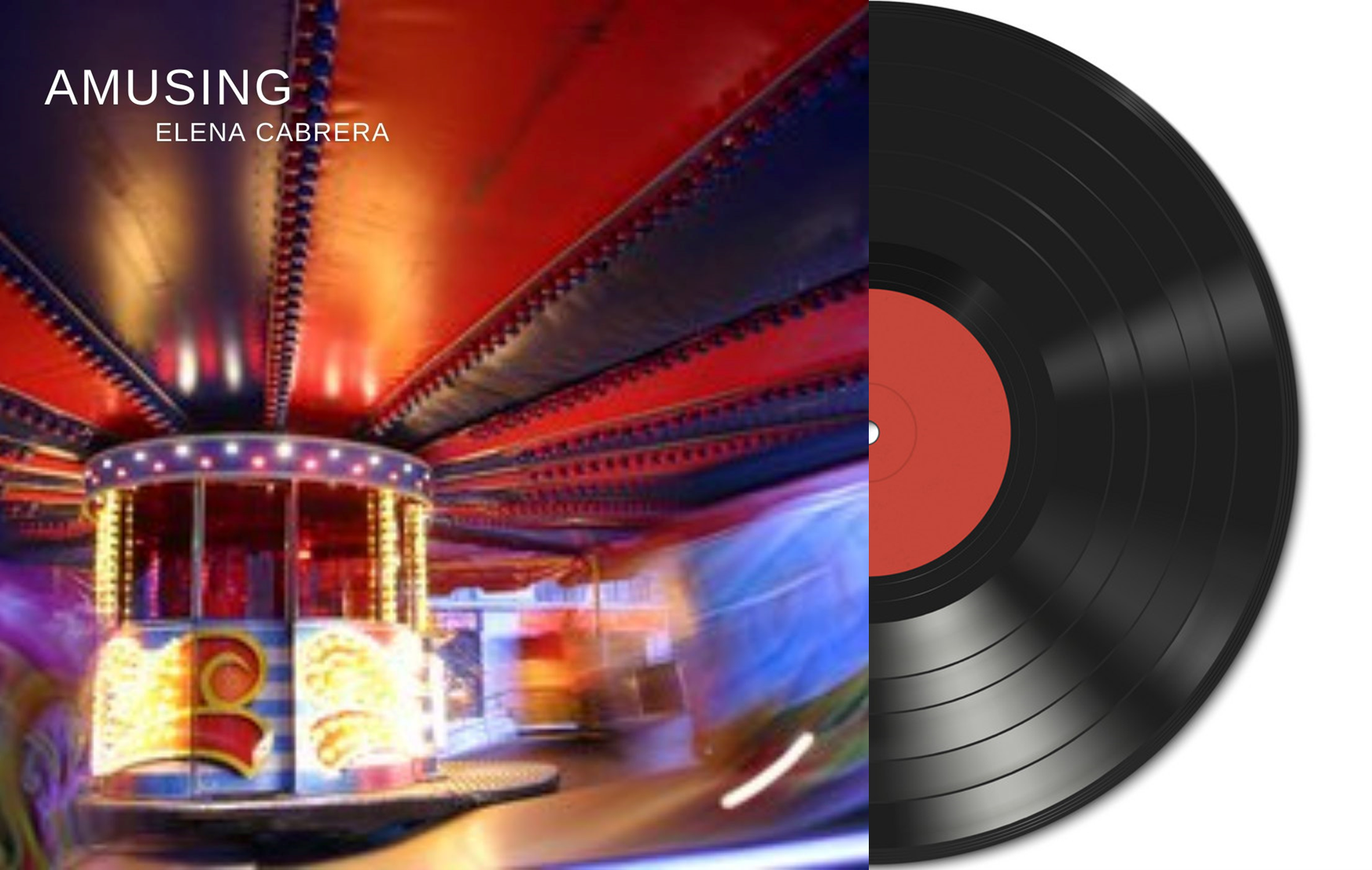
    Welcome to Music and Emotions: A Series (Part 2)! In this part, we continue our series with the category of “Amusing.” For a quick recap, an interesting study conducted by professors at the University of California Berkeley was conducted on how music evokes different emotions (Cowen et al., 2020). They decided upon 13 categorizations of music, one of which was “amusing.” Within this study, the researchers had participants from the US and China listen to over 2,000 music samples and report the specific feeling they felt (“angry, “dreamy,” etc.) as well as the broad affective features they noticed (valence, arousal, etc.). This allowed them to create a pool of data which they analyzed with large-scale statistical tools in order to identify 13 distinct types of subjective experiences attached to music among both cultures (Cowen et al., 2020). All of the songs included in the above album were utilized in this study and were some of the songs that participants most frequently categorized as “amusing.”


    In this study, it was found that emotions such as “amusement” and “triumph” were among those that were better translated cross-culturally. They tested both American as well as Chinese individuals which led them to this conclusion. It was also suggested that the categories dealing with subjective experiences, including “amusement,” may be more directly related to the music itself, meaning that certain features may be analyzed in a more culture-specific way among these (Cowen et al., 2020).


    As mentioned previously, they decided upon 13 categories and even included an interactive audio map where you can go in and see all of the songs used and see how you match up. Here you can also toggle through the USA and China participants to see the cross-cultural translation of music and emotions.  Stay tuned for the next part of this series where I will create an album on the “Indignant/Defiant” category! Comment below any songs you may think hit the mark for the “Amusing” category and how you matched up to others in the interactive audio map!


    Bibliography:

    Cowen, A. S., Fang, X., Sauter, D., & Keltner, D. (2020). What music makes us feel: At least 13 dimensions organize subjective experiences associated with music across different cultures. Proceedings of the National Academy of Sciences, 117(4), 1924–1934. https://doi.org/10.1073/pnas.1910704117 

  • Music & Emotions: A Series (Part 1 – Scary/Fear)

    Album Songs:

    1. Flow – Peder B. Helland
    2. FSO – Jaws “The Shark Theme” – John Williams
    3. Halloween 1978 (main theme) – John Carpenter
    4. The Murder – Bernard Herrmann
    5. Crawling – Linkin Park
    6. Toccata in D Minor – Bach (1709)
    7. The End (It’s Near) – Noctilucant
    8. Pier to Nowhere – Charlie Spring
    9. Emperor’s New Clothes – Panic! At The Disco
    10.  Piano Concerto 1 in B Flat Minor – Tchaikovsky


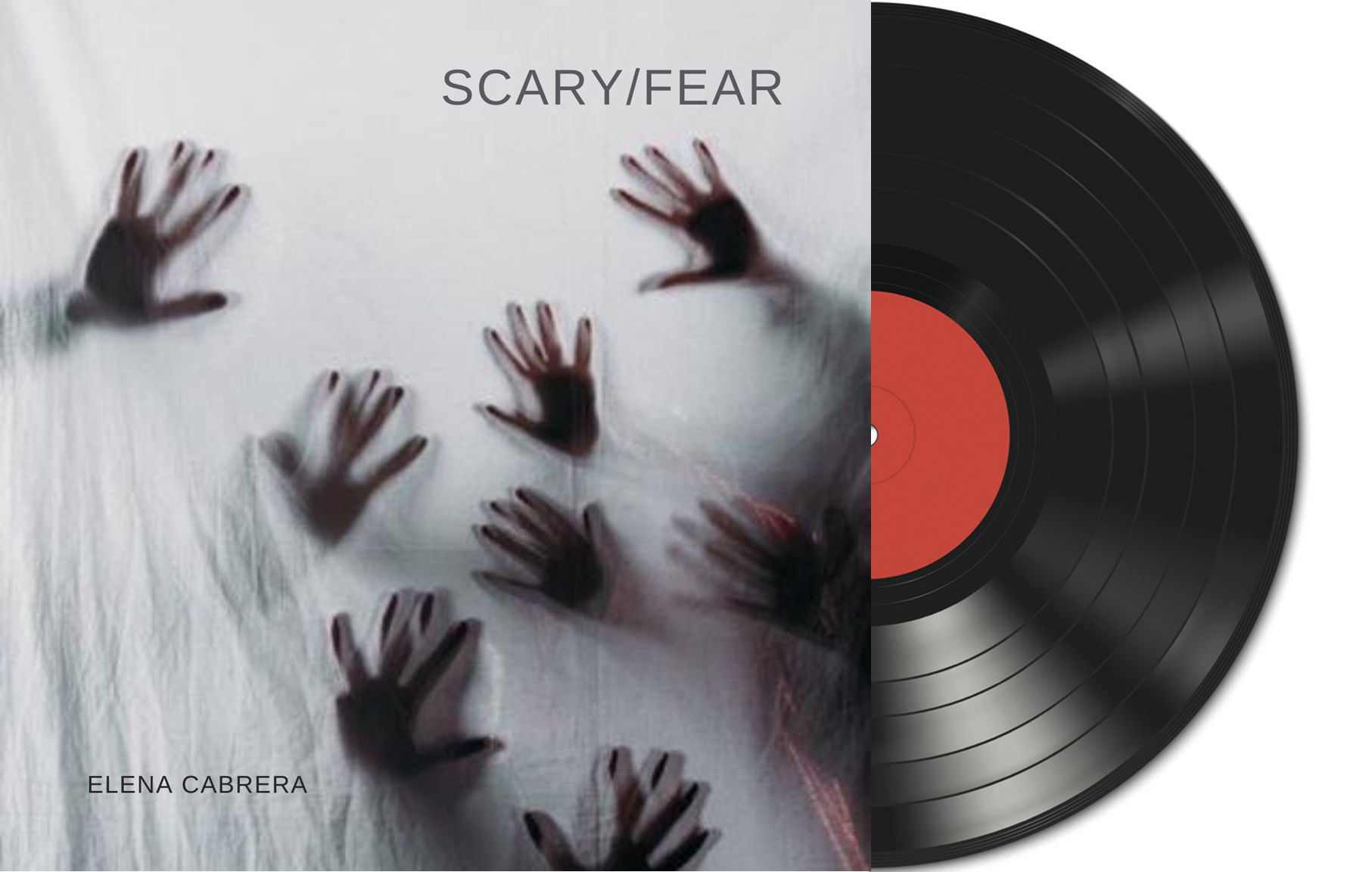
    Welcome to Music and Emotions: A Series (Part 1)! This series will be delving into an interesting study conducted by professors at the University of California Berkeley in which they investigated how music evokes different emotions (Cowen et al., 2020). They decided upon 13 categorizations of music, one of which was “scary/fearful.” They found that the way that individuals classified music based on emotions was relatively similar, even cross-culturally. All of the songs included in the above album were utilized in this study and were some of the songs that participants most frequently categorized as “scary/fearful.”

    According to the research, “scary/fearful” typically incorporates harmonic dissonance (Cowen et al., 2020). This emphasizes how some of the emotions people experience may have associations to specific melodic/harmonic intervals. For instance, the Herrmann piece included above is the soundtrack from the famous shower scene in Psycho! Here you can see a clear example of the tension and fear that arises from the use of harmonic dissonance. If you want to see a more in depth explanation of the genius music theory behind Herrmann’s song, here is a link to a very interesting analysis on YouTube.

    As mentioned previously, they decided upon 13 categories and even included an interactive audio map where you can go in and see all of the songs used and see how you match up. Stay tuned for the next part of this series where I will create an album on the “Amusing” category! Comment below any songs you may think hit the mark for the “Scary/fear” category and how you matched up to others in the interactive audio map!


    Bibliography:

    Cowen, A. S., Fang, X., Sauter, D., & Keltner, D. (2020). What music makes us feel: At least 13 dimensions organize subjective experiences associated with music across different cultures. Proceedings of the National Academy of Sciences, 117(4), 1924–1934. https://doi.org/10.1073/pnas.1910704117 

  • Are You Smiling Under Your Face Mask?

    Adaptation of Tokyo Japan during daytime photo – Free Person Image on Unsplash

    Well, I can’t tell and neither can the children growing up in the covid-19 pandemic struggling to develop their social and emotional intelligence.

    At the beginning of 2020, The Year of the Pandemic, the novel coronavirus was announced. A series of lockdowns and safety protocols were put in place. Schools were closed down, businesses went under, and the eerie shadow of death dawned over the entire globe. 

    Just as a brief overview, the covid-19 disease is caused by a new coronavirus that had yet to be seen in humans until the beginning of 2020. Typically, those afflicted with the disease experience dry coughs, fevers, etc. and in older individuals or those with underlying conditions may have more severe reactions. There are also many individuals considered to be asymptomatic, meaning they do not exhibit any symptoms and most of the time do not even realize they were ever infected. With that being said, roughly 1 in 6 people who do get infected become seriously ill and may have difficulty breathing which could potentially result in death (WHO Team, 2020).

    In addition to the explicit and devastating outcomes that have affected everyone, covid-19 is also causing implicit effects that may be going unnoticed. Some of these effects may not even be seen until later on, once this pandemic has passed. One example of this is the negative psychological impacts that it may be having on children. Kids growing up in this age of isolation and death could be experiencing serious psychological tolls. They are at the prime age of development as they are learning languages, gaining a sense of self, and being introduced to independence (Pelz, n.d.)

    It is possible that children’s emotional-facial recognition could not be developing properly, they are experiencing great amounts of stress, and they are missing out on key milestones in their lives. This could all lead to great psychological disparities in the future that many may not be anticipating.

    Break in Routine

    With the break in routine that many children experienced at the beginning of covid comes many unknown consequences. Activities like waking up, getting ready, going to school, lunchtime, playtime, cleanup, group circles, etc. are all part of a child’s routine and losing this structure could have psychological side effects (The Importance of Schedules and Routines, 2020).

    For one, suddenly being ripped away from this routine (or having never even been introduced to a routine) leads children feeling they have no control of their environment. This also comes with inevitable confusion as many were not able to grasp the entirety of the situation the world was facing (CDC, 2020).

    These children have lost a sense of security and safety. For many families, household incomes were lost along with many jobs. This leads to an inconsistency for children in their access to healthy food, safe transportation, or even shelter (CDC, 2020). In addition, this had a great toll on the parents themselves as they experienced great economic and social stresses. This can be confusing and have adverse impacts on the children as those are the individuals that they look up to and rely on for guidance.

    For many children, there was also a great break in their continuity of care and learning. Whether they were taken out of preschool or daycare, or were taken out of an elementary level education system, they were suddenly taken away from their daily routines and friends and became socially isolated. This led to increased stress for both parents and children once again (Araújo et al., 2020). This social isolation also leads to lack of communication with other children which can be a key factor in the psychological development of children. Building positive interactions with peers play a role in facilitating feelings of belonging and confidence as well as the ability to exercise control over the outside environment as previously mentioned (Kington et al., 2013).

    FACE-ing Many Problems

    Although most children have not lost complete interaction with the outside world due to this pandemic, those that do get the chance to go out are met with emotionless faces covered in cloth. Due to the mandates requiring face masks, it is possible that children are not properly developing their facial-emotional recognition.

    This psychology term refers to how people generally “infer the emotional states of other people, such as joy, sadness, and anger, using facial expressions,” (Ko, 2018). The reason the development of such a key psychological component could be obstructed within children specifically is because this is a process that develops early in life. It emerges around 7 months of life but its improvement and maturation continues developing until around the age of 14 in line with the frontal cortical maturation (Malsert et al., 2020).

    More specifically, the recognition of these emotions can vary and do not all develop at once. Happiness seems to be the first to develop with children at ages of 5 and 6 are able to accurately evaluate it at the same level as adults. Then comes fear with adult levels emerging at age 7, anger 2 years after, and disgust 4 year after. Additionally, children below the age of 9 were not able to accurately identify neutral facial expressions as they would typically label them as happy or sad (Durand et al., 2007).

    Furthermore, the ability for an infant to develop facial processing or focusing on another’s face is being obstructed by face masks. Newborns have been proven to prefer looking at faces and have a natural ability to recognize faces. They are able to recognize familiar faces and depend on their parents for survival and must be able to recognize them. In order for this process to develop properly, they must be able to visualize facial expressions accurately. This allows them to feel safe since they have a great dependence on visual cues and facial expressions to regulate their responses (Green et al., 2020).

    Missing Life Events

    With all of this also comes the inevitability of missing major milestones in their young childhood. Important events such as birthday parties, family gatherings, holidays, vacations, etc. are all crucial parts of one’s life that this pandemic has halted for many. Spending quality time with family and having celebrations as some of the few positive breaks in routine that children can benefit from.

    In addition, for many children it may also have been the moment of intimate exposure to death. With the virus, individuals around the world lost those close to them and children were shocked into the reality of life and death. For some, this could have even been to the extreme of losing both of their parents or losing siblings which can take a great toll.

    Even as the end of this pandemic draws near, we will still be feeling its effects down the line and potentially be reminded of it for several years afterwards.


    References

    Araújo, L. A., Veloso, C. F., Souza, M. D., Azevedo, J. M., & Tarro, G. (2020). The potential impact of the COVID-19 pandemic on child growth and development: A systematic review. Jornal De Pediatria. doi:10.1016/j.jped.2020.08.008

    CRC. (2020, August 20). Young children’s WELLBEING during COVID-19: Parental Resources |CDC. Retrieved from https://www.cdc.gov/coronavirus/2019-ncov/daily-life-coping/parental-resource-kit/early-childhood.html

    Durand, K., Gallay, M., Seigneuric, A., Robichon, F., & Baudouin, J. (2007). The development of facial emotion recognition: The role of configural information. Journal of Experimental Child Psychology, 97(1), 14-27. doi:10.1016/j.jecp.2006.12.001

    Green, J., Staff, L., Bromley, P., Jones, L., & Petty, J. (2021). The implications of face masks for babies and families during the Covid-19 pandemic: A discussion paper. Journal of Neonatal Nursing, 27(1), 21-25. doi:10.1016/j.jnn.2020.10.005

    The importance of schedules and routines. (2020, July 13). Retrieved from https://eclkc.ohs.acf.hhs.gov/about-us/article/importance-schedules-routines

    Kington, A., Gates, P., & Sammons, P. (2013). Development of social relationships, interactions and behaviours in early education settings. Journal of Early Childhood Research, 11(3), 292-311. doi:10.1177/1476718×13492936

    Ko, B. (2018). A brief review of facial emotion recognition based on visual information. Sensors, 18(2), 401. doi:10.3390/s18020401

    Malsert, J., Palama, A., & Gentaz, E. (2020). Emotional facial PERCEPTION development in 7, 9 and 11 YEAR-OLD children: The emergence of a silent eye-tracked emotional other-race effect. PLOS ONE, 15(5). doi:10.1371/journal.pone.0233008

    Pelz, B. (n.d.). Periods of Development. Retrieved from https://courses.lumenlearning.com/suny-hccc-ss-152-1/chapter/periods-of-development/

    WHO Team. (2020, May 8). Coronavirus disease (COVID-19): Risks and safety for older people. Retrieved from https://www.who.int/news-room/q-a-detail/coronavirus-disease-covid-19-risks-and-safety-for-older-people