Tag: engineering

  • Organoids Part Two: Despite Limitations, They’re Still Amazing

    Clearly one article wasn’t enough to explore the full potential of organoids, so here we go again. This article won’t make much sense without reading the first but a quick catch up:
    Organoids are 3D cell structures grown from Stem cell samples and grown in nutrient rich gel.

    • They can better model human systems as they are more complex than their 2D counterparts and a better representation of human systems than animal models.
    • This advantage makes organoids uniquely beneficial to the field of drug research and testing and personalized medicine.
    • Link to original article if desired: https://2026.chargedmag.org/2026/04/organoids-what-are-they-and-why-theyre-amazing/

    Limitations
    These applications are not without limitations however. While organoids can replicate many aspects of human tissue, some specific cell genes are harder to find in organoids (Andrews and Kriegstein, 2022). This impaired the organoids’ ability to properly simulate the systems they are derived from, preventing researchers from properly modeling diseases and treatments in that area.

    Additionally, while developments have been made to improve organoid lifespans, organoids still require controlled environments and regular care to survive (Simian and Bissell, 2016). Even the longest lasting organoids, neurological models, have only survived a couple of years. Many organoids will even grow patches of dead tissue in the center due to a lack of oxygen hindering their research capabilities (Andrews & Kriegstein, 2022). In organic systems, cells are constantly interchanging molecules to maintain their functions and prevent necrosis. The nutritional gel can only do so much to get the molecules to cells at the interior of organoid structure without the natural systems to supply it.

    All of this causes organoid maintenance to be costly compared to in-vitro models, which are relatively cheap and easy to handle (Schutgens & Clevers, 2020). This stifles research leading to many knowledge gaps in the field. Furthermore, these restrictions limit modeling larger systems. Potential treatments tested in smaller organoids could have unpredictable impacts on a larger system when prescribed. Concerns around this limits applications of organoids, creating Theory-Application Voids.

    There are also many population gaps in organoid research as certain demographics are underrepresented in the stem cells used to create the organoids. These stem cells are often pulled from stem cell donor registries which have significant demographic, systemic, and behavioral biases. Further development into organoids and increased diversity in biobanks can increase organoid capabilities and applications.

    Concerns
    There are also current concerns surrounding organoid research that need to be addressed. While organoid models no longer rely on stem cells taken from embryos, they are still used in organoids modeling traditional embryo frameworks. These models use STEM cells to study the process of early embryonic development and can be very useful in identifying gestation concerns or potential risks to a fetus (Pereira et al., 2020). Once again, the line of when a zygote becomes a person however, gets blurry. Multiple public figures and many private citizens are debating if the creation of an embryo, even as a limited organoid, for study is ethical.

    There are also concerns about neurological organoid models used for neurological diseases (Lavazza and Massimini, 2018). Current models can only imitate parts of the human brain. However, as models more closely resemble a human brain with increased functionality, ethical questions surrounding the creation and experimentation of something than can think and feel will only grow. The line being living, sentient, and sapient is hard to discern, especially with limited structures that might not have the ability to communicate mental facilities.

    Future implementations of organoid models also raise ethical concerns regarding their financial exploitation and patient consent. People’s cell matter must be collected and added to databases to be used in organoid research (Bredenoord et al., 2017). Active patient involvement in organoid development is essential when considering this process. Their participation in cell donation must remain voluntary and properly compensated, and this is currently not guaranteed.

    The implementation of organoids in personalized medicine could also have complications on the healthcare system (Stefanicka-Wojtas & Kurpas, 2023). While organoids could improve personalized medicine, the increased specificity of treatments could lead to decreased procedure lifespans and certainty. The underrepresentation and price of organoid backed research could also exacerbate existing disparities in healthcare and lead to an increase in general healthcare costs or dropped plans due to cost-shifting (What’s Behind Rising Health Insurance Costs? | Johns Hopkins Bloomberg School of Public Health, 2025).

    Scientists in organoid research have repeatedly advocated for remaining cautious and careful in this relatively unexplored ethical field.

    Potential Applications
    Despite all of that dour news, organoids are still having a positive impact on millions of people with the potential to aid millions more. Unfortunately we only have time for two of these here: Regenerative Medicine and Transplantation.

    Regenerative Medicine is the field of science dedicated to the regeneration and restoration of human tissue based in Stem cells. Many different animals have regenerative properties from the regrowth and axolotl limbs to sea cucumbers regrowing internal organs to flatworms regrowing entire heads. Throughout history scientists have been inspired by these properties and researched the mechanisms behind them, leading to the field of regenerative medicine. While the study of artificial organs has been around since the 1930s, the modern idea of regenerative medicine centered around Stem cells started in the 1990s (Sampogna et al., 2015).

    As mentioned in my first article, the very purpose of Stem cells is to replace damaged, specialized cells. By comprehending the properties behind their functions, scientists can apply them to other areas. It is organoids that allow scientists to grow the cell cultures and tissue samples that are behind regenerative research. If someone has a large wound or damaged organ, an organoid of that structure could be applied and integrated into the person’s natural system. The organoid could be made from the person’s own cells, bypassing an immune response that comes with many non-biomaterials or transplants. This has already been proven promising. In one study, organoids made from the stem cells of mice suffering from inflammation and damage of their colon lining were successfully transferred onto the mice’s injured tissue. The cultured tissue covered the damage leading to a decrease in inflammation and harmful symptoms (Babak Arjmand et al., 2022). There are currently limitations, such as the delivery of nutrients mentioned above that directly challenge this field, but with more research scientists can find better ways for organoids to improve people’s lives through regenerative medicine.

    Transplantation is a great example of the applications of regenerative medicine. As mentioned above, tissues and cell cultures can be grown using organoids. This is not the extent of their potential however. As organoid research develops, scientists are working to make larger and more complex models. Through assembloids, the combinations of different types of organoid (a topic for a later article), lab made organs or entire organ systems could be created from a single stem cell. In 2025, scientists were able to successfully transplant pig kidneys made from organoids (SMC Spain, 2025). In the future organoids could be used to transplant an entire human heart or cardiovascular system. An even farther yet still plausible possibility would be the creation of entire limbs for transplants with scientists already researching limb organoids (Tsutsumi & Mototsugu Eiraku, 2023). Approximately 5,600 people in the U.S. die each year simply waiting for a transplant in addition to the 30% of recipients who die within 10 years of a transplant due to complications such as transplant rejection (What Are the Complications of Transplantation?, 2019). Organoids have the potential to prevent these deaths, and while there are still complications due to the price and longevity of organoids, they will only improve with continued exploration.

    Conclusion
    Organoids are amazing. They have the ability to impact almost every field of biomedical science and save millions of lives. While this article does take a much more nuanced look at organoids, diving into their limitations and complications, scientists are aware of these issues and taking careful approaches to research. Improvements in organoids, especially to their limitations, can only be made if research is supported and continued. There is still so much potential for organoids that we have only just scratched the surface of and so many more applications that we haven’t even considered yet. Organoids have even been proven to work with many other biomedical instruments and tools, aiding in their development as well. The possibilities are endless.

    Organoids are my passion, I’ve been interested in them for years now. Yet no one knew what I was going on and on about. I hope that these articles inspire curiosity and spread the wonders of organoids to others.

    ————————————————————————————————

    Works Cited:

    Title Image: Illustration created by Alexandra Marshall

    Andrews, M. G., & Kriegstein, A. R. (2022). Challenges of Organoid Research. Annual Review of Neuroscience, 45(1), 23–39. https://doi.org/10.1146/annurev-neuro-111020-090812

    Babak Arjmand, Rabbani, Z., Faezeh Soveyzi, Akram Tayanloo-Beik, Mostafa Rezaei-Tavirani, Mahmood Biglar, Adibi, H., & Bagher Larijani. (2022). Advancement of Organoid Technology in Regenerative Medicine. Regenerative Engineering and Translational Medicine, 9(1), 83–96. https://doi.org/10.1007/s40883-022-00271-0

    Bredenoord, A. L., Clevers, H., & Knoblich, J. A. (2017). Human tissues in a dish: The research and ethical implications of organoid technology. Science, 355(6322). https://doi.org/10.1126/science.aaf9414

    Lavazza, A., & Massimini, M. (2018). Cerebral organoids: ethical issues and consciousness assessment. Journal of Medical Ethics, 44(9), 606–610. https://doi.org/10.1136/medethics-2017-104555

    Pereira, A. M., Popovic, M., Dondorp, W. J., Bustos, M. T., Bredenoord, A. L., Chuva, S. M., Susanne, Roelen, B. A. J., Guido, & Björn Heindryckx. (2020). Modelling human embryogenesis: embryo-like structures spark ethical and policy debate. Human Reproduction Update, 26(6), 779–798. https://doi.org/10.1093/humupd/dmaa027

    Sampogna, G., Guraya, S. Y., & Forgione, A. (2015). Regenerative medicine: Historical roots and potential strategies in modern medicine. Journal of Microscopy and Ultrastructure, 3(3), 101–107. https://doi.org/10.1016/j.jmau.2015.05.002

    Spain, S. (2025, October 31). For the first time, pig kidneys modified with human renal organoids are transplanted into pigs. SMC España. https://sciencemediacentre.es/en/first-time-pig-kidneys-modified-human-renal-organoids-are-transplanted-pigs#:~:text=Pig%20kidneys%20modified%20with%20human%20renal%20organoids

    Schutgens, F., & Clevers, H. (2020). Human Organoids: Tools for Understanding Biology and Treating Diseases. Annual Review of Pathology: Mechanisms of Disease, 15(1), 211–234. https://doi.org/10.1146/annurev-pathmechdis-012419-032611

    Simian, M., & Bissell, M. J. (2016). Organoids: A historical perspective of thinking in three dimensions. The Journal of Cell Biology, 216(1), 31–40. https://doi.org/10.1083/jcb.201610056

    Stefanicka-Wojtas, D., & Kurpas, D. (2023). Personalised Medicine—Implementation to the Healthcare System in Europe (Focus Group Discussions). Journal of Personalized Medicine, 13(3), 380. https://doi.org/10.3390/jpm13030380

    Tsutsumi, R., & Mototsugu Eiraku. (2023). How might we build limbs in vitro informed by the modular aspects and tissue-dependency in limb development? Frontiers in Cell and Developmental Biology, 11, 1135784–1135784. https://doi.org/10.3389/fcell.2023.1135784

    What are the complications of transplantation? (2019, April). National Kidney Federation. https://www.kidney.org.uk/what-are-the-complications-of-transplantation#:~:text=Within%20one%20year%20of%20any,ten%20years%20after%20a%20transplant.

     

  • Genetic Engineering: Woolld you, or woolldn’t you?

    Imagine a tiny mouse with long, golden-brown fur that looks like it belongs on a woolly mammoth! As of a couple months ago, you don’t have to imagine- scientists at Colossal Biosciences recently created mice like this by using a technique called genetic engineering. They added mammoth genes found in fossils into mouse embryos so the mice would grow thick, shaggy coats and develop traits that helped mammoths survive in the Ice Age. The researchers conducted this experiment to help them understand how mammoths stayed warm, and this might even lead to creating elephant species that can live in colder climates.

    What is genetic engineering?

    Genetic engineering works by changing an organism’s DNA, which is like the instruction book for life. DNA is made up of genes, and each gene gives directions for a specific trait, like eye color, height, or how thick an animal’s fur is, in this case. Scientists use a tool called CRISPR to cut or edit DNA very precisely. This allows them to remove, add, or change certain genes to add in traits, or even create new traits. For example, in this experiment, mammoth genes were added to mice to see how they affected hair growth and temperature regulation.

    We can we really bring back extinct animals?

    The idea of bringing back extinct animals sounds exciting, but it also comes with serious challenges. The world has changed a lot since mammoths roamed the Earth. There are no longer huge frozen grasslands for them to live in, and reintroducing mammoth-like creatures could harm existing ecosystems or create competition for resources. Some scientists worry that these new animals might struggle to survive or suffer in modern conditions that are too different from their original habitats. While bringing extinct animal might be possible, you can’t feasibly bring back an extinct environment to house them in. Due to this, we can’t truly bring back extinct animals that would survive for long periods of time in the wild.

    There’s also an ethical side to think about. Just because humans have the power to change life and the ecosystem doesn’t always mean we should. Many experts believe our focus should be on protecting endangered animals that still exist rather than reviving ones that are long gone.

    The “woolly mouse” experiment shows how powerful genetic engineering can be- it lets scientists explore ancient life in new ways. But it also reminds us that with every new discovery, we have to remember that the question is not only can we do this, but should be do this?

    References

    1. Unknown author. (2025, March 4). Woolly mammoth extinction: Mice with mammoth-like traits raise hopes for genetic engineering. NPR. Retrieved from https://www.npr.org/sections/shots-health-news/2025/03/04/nx-s1-5299962/woolly-mammoth-extinction-mice-genetic-engineering
    2. Davies, J. (2025, March 10). Colossal Biosciences engineers mice with woolly mammoth traits. Chemical & Engineering News, 103(06). https://doi.org/10.1021/cen-10306-scicon5
  • The JWST Mission – Part 1

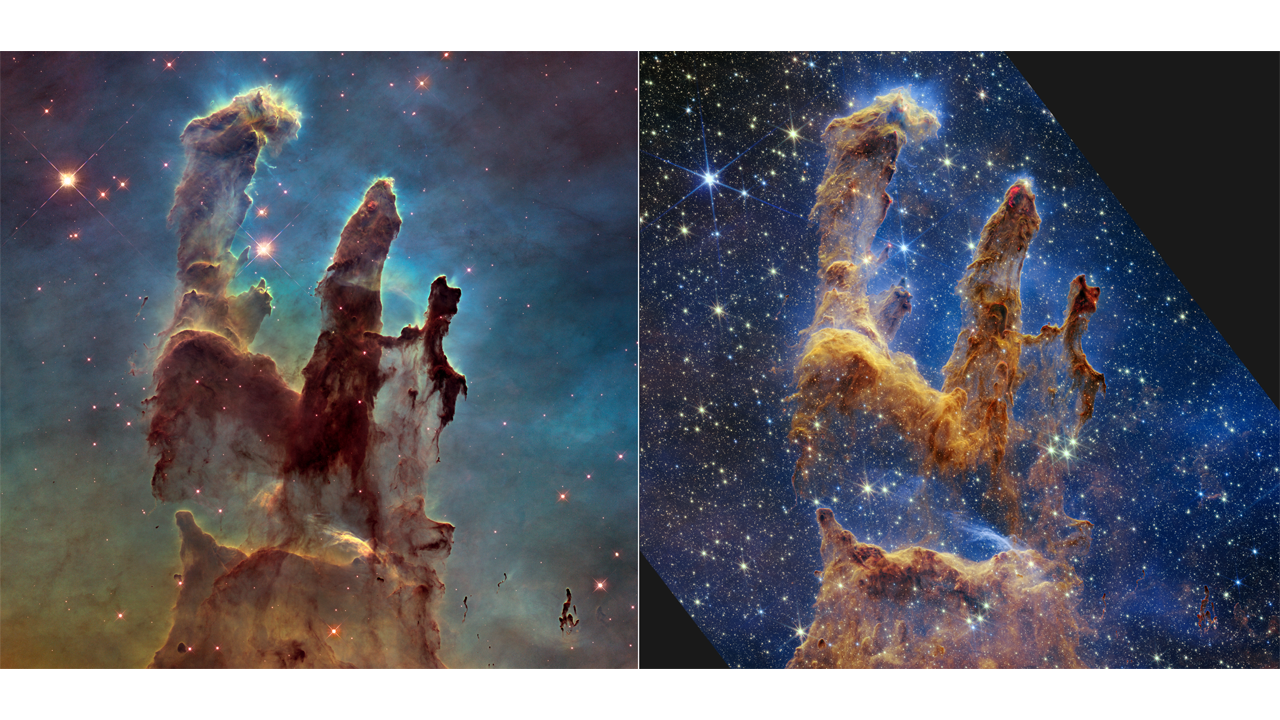
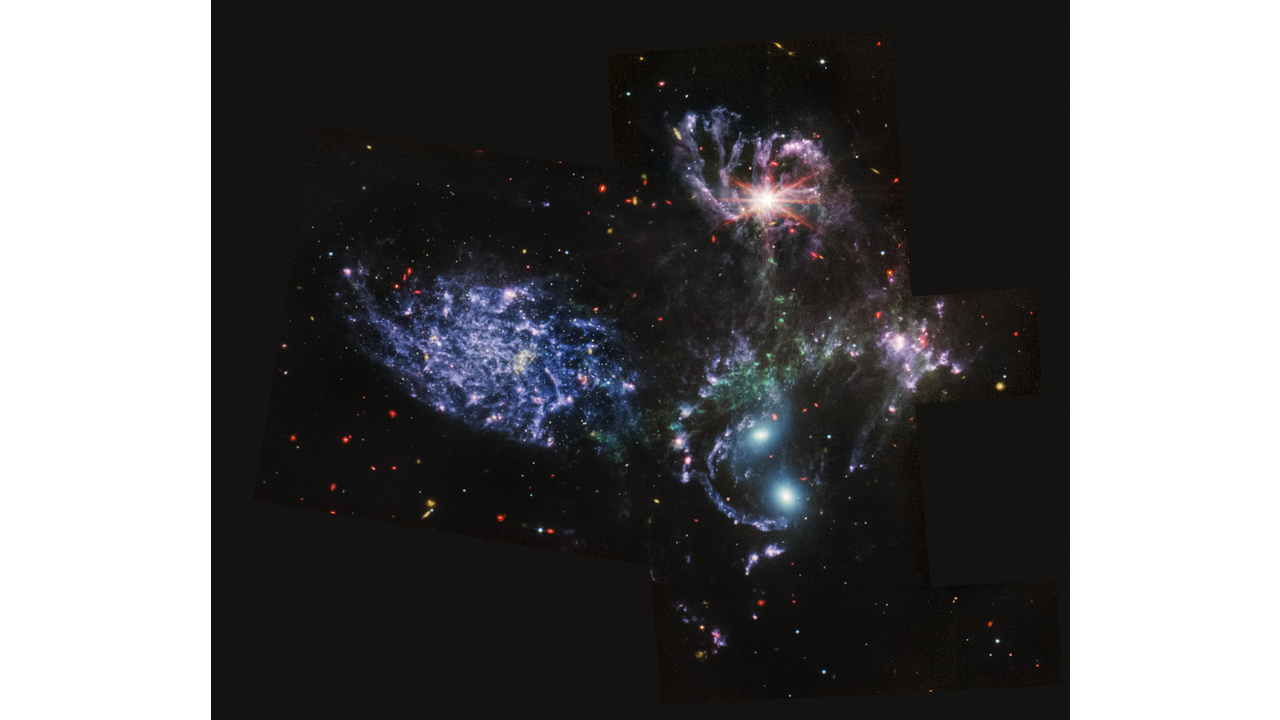
    With the recent launch almost a year ago of the James Webb Space Telescope [JWST], alongside the beautiful pictures released from this grand telescope, you may have seen some exciting hype around the “premier observatory of the next decade” (NASA – JWST). In case you have missed out, here are some of the images from JWST!

    Cartwheel Galaxy (NIRCam and MIRI Composite Image). CREDIT: [2]
    Stephan’s Quintant (MIRI Image). CREDIT: [2]
    Pillars of Creation (Hubble and Webb Images Side by Side). Hubble image on Left, Webb image on right. CREDIT: [2]


    Though it is incredible to be able to view space in such detail, the telescope is more than just an incredibly expensive camera. For astronomers, physicists, and enthusiasts/curious minds alike, I will detail the mission of JWST, how it got its name, and the great feat of engineering that this telescope symbolizes.
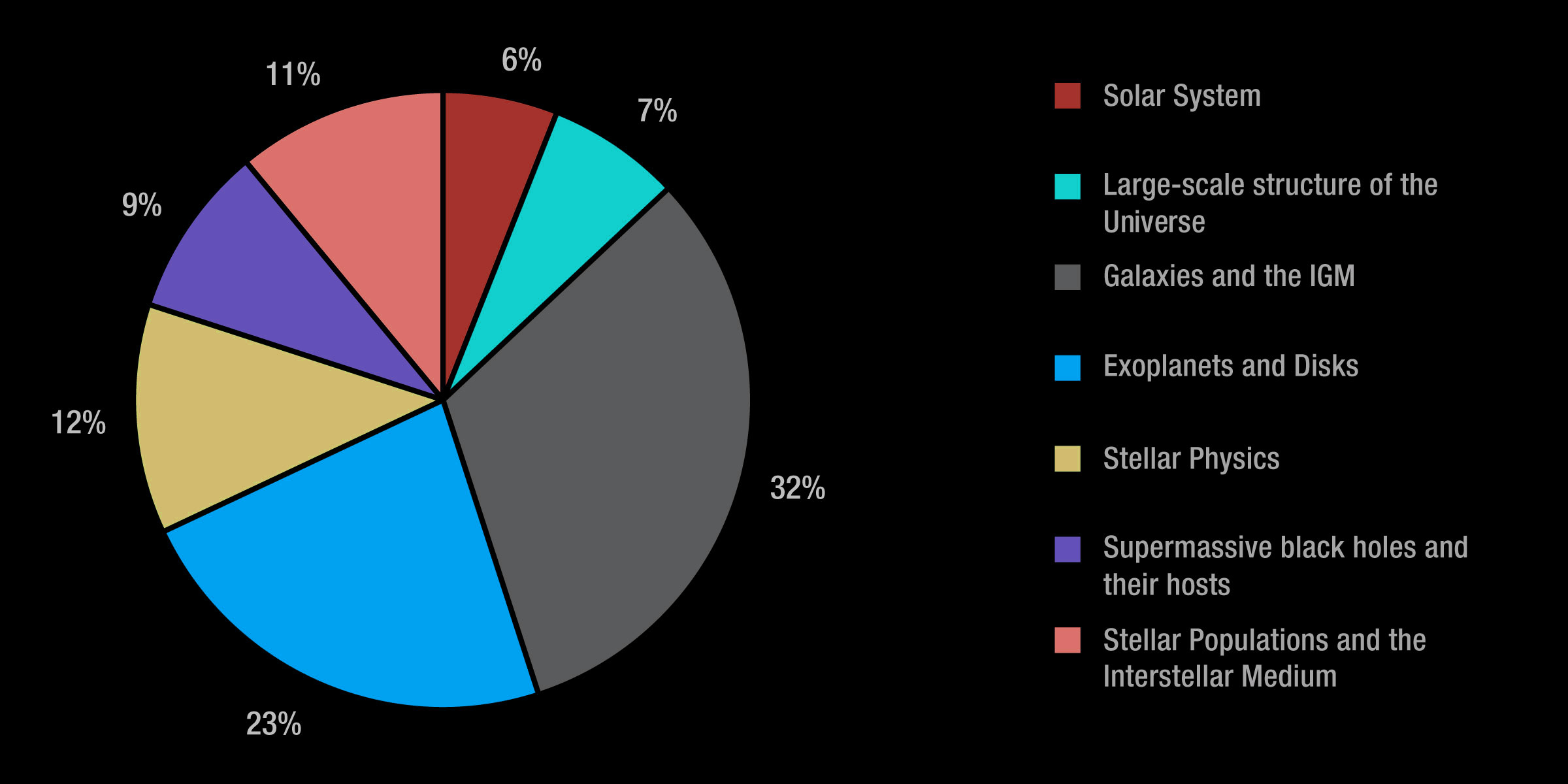
    The James Webb Space Telescope is the result of an international collaboration between many space agencies, namely NASA, ESA (European Space Agency), and the CSA (Canadian Space Agency) [1]. The JWST is expected to last a minimum of 5 years, though there is hope that it can last at least twice that long. Be sure to temper your expectations for that longevity, as this telescope is much further away from us than Hubble, meaning that though we can service Hubble should issues arise, JWST is much too far away to be able to fix it manually. We simply must trust that the engineering that has gone into its creation is enough to protect it from all that may happen to it so that it can last as long as possible. The longer the JWST lasts, the more information on our universe we can collect! Many researchers, at all levels, interested in our universe have slated time with the telescope. In general, the JWST is largely able to explore the early universe, galaxies over time, the lifecycle of stars, and other worlds/exoplanets. In its first cycle, the largest category that JWST will spend its time on is galaxies and the inter-galactic medium (IGM), as shown in this pie chart created by NASA and P. Jefferies (STSCI). But, with all this time and all there is hidden in the universe for us to discover, the possibilities for JWST are essentially limitless.

    Fractions of time allocated in Webb Cycle 1, by science category. CREDIT: NASA and P. Jeffries (STScI).


    Previously, one of the most known telescopes was the Hubble Space Telescope, named after Edwin Hubble – a notable astronomer that elevated the field of astronomy and cosmology with his observations. Another key observatory of our time is the Chandra X-Ray Observatory, named after Subrahmanyan Chandrasekhar, who from my studies here at Tech, was key in our understanding of the lifecycle of stars and how mass plays a role in their evolution. In his study of white dwarfs, he discovered what is known as the Chandrasekhar Limit – an upper limit on the mass of a white dwarf. With such key figures having their names associated with these feats of engineering, the question is: Who is James Webb, and what has he done to have this telescope named after him? Surprising as it may be, James Webb is actually not an astronomer (or physicist or scientist, for that matter). James Webb was a director of NASA, and according to Webbtelscope.org, he is “best known for leading Apollo, the series of exploration programs that landed the first humans on the Moon” [2]. He played a crucial role in getting public and governmental morale for the program, even through tough situations, such as the unfortunate deaths that occurred during the Apollo 1 mission. James Webb is credited for NASA being as huge as it is today, as he laid the groundwork for it to expand into so many missions even past Apollo. Despite this, the naming of the telescope after James Webb was not without its opposition. From history, you may remember that during the era of the Space Race where we sought to “outrun” Russia with our STEM programs, especially that of leaving Earth, there was also a great fear around communism, leading to the “Red Scare”. Less well known, but with similar animosity and paranoia, was the “Lavender Scare”. The Lavender Scare was essentially the paranoid masses wanting to purge any LGBTQ+ individuals from the rest of society due to homophobic thoughts on the morality and deserved (in)equality of certain people. In fact, during Webb’s reign as a director, a budget analyst was fired for indecent conduct, solely based on the assumption of homosexuality. Many argue that even if he did not directly influence this firing, he as Director had enough influence on the agency to encourage the moral obligation of taking a stance against homophobia. Petitions were made hoping to strike Webb’s name off the telescope, with many suggestions for replacement, such as Sally Ride – the first American woman and lesbian in space – among many other suggestions. Though investigations have not shown strong evidence that these claims are true, it is considered by many at best a complicated history with other figures and ideals that could replace the name. Though the name is not changing, I personally prefer calling it the “Jelly Welly Space Telly” as a fun and exciting name that does not relate to possibly homophobic individuals. More formally, I will always refer to it as JWST, as you will see in this article due to my personal stance on the matter.
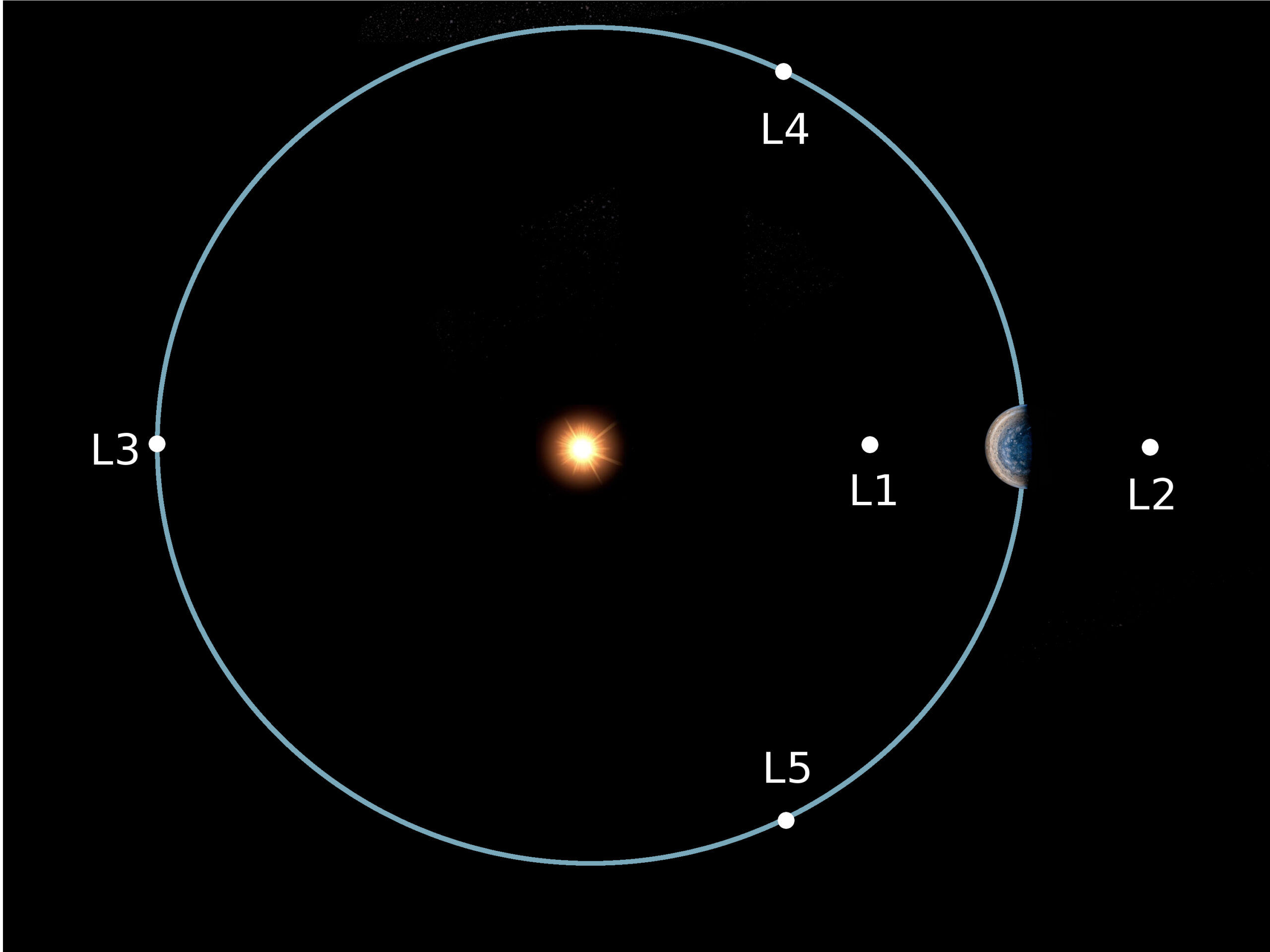
    Moving onward, we have a glimpse of the possibilities of what this telescope can accomplish, or at the least, some amazing images of what it can see in space, but what makes this telescope so much more intense and exciting than others, like our good ole’ Hubble Telescope? Other than being almost 10x as expensive at 10 billion dollars, the JWST is extremely precise in many aspects, and an intense thermodynamical achievement as the instruments require. Along with the distinct gold hexagonal mirrors and its sun-shield base, the cameras/instruments carried by the JWST are the NIRCam (Near-Infrared Camera), NIRSpec (Near-Infrared Spectrograph), NIRISS (Near-Infrared Imager and Slitless Spectrograph) and the MIRI (Mid-Infrared Instrument). You may have noticed that each of these instruments are focused on the infrared. This is a key component that should allow us to see a different perspective and farther into our universe – ideally around 13.5 billion years into the Reionization Epoch, which I will cover more in a future article. For now, it is important to understand that essentially, looking in the infrared region is similar to looking at heat – meaning that the telescope itself must remain incredibly cool to avoid any corruption of its images by surrounding heat. The JWST is an incredible collection of work from the launch vehicle, its image processing units, its electromagnetic systems, cooling systems, and its unmistakable golden mirrors and sunshield. This system – originally folded for storage before it launched into space – will be at a special point in space called L2. L2 is a Lagrange Point 1.5 million kilometers from Earth. For reference, our Hubble telescope is around 570 kilometers from Earth, and our Moon is around 384,000 kilometers from Earth. Though far away, it is a crucial point in space that allows for a long-life for our special telescope. The Lagrange point, which is not a reference to my hometown surprisingly enough, is a point in space where a satellite may remain in orbit relatively stable due to the balance of gravitational energy between 2 objects. With this stable orbit, the JWST is able to conserve fuel usage by using very minimal amounts to remain in one area. This area specified by L2 uses Earth to block the light from the Sun, to help with the cooling required by the telescope. Other points are key for different missions. The L1 point would be incredibly damaging to JWST but is an ideal spot for a telescope that would be used to study our Sun.

    Lagrange Points in Space. CREDIT: [6]


    If it hasn’t been emphasized enough, the JWST must be kept at EXTREMELY cool temperatures. In order to operate correctly, the dark side of the telescope must be at -233॰ C, or -388॰F. Even with the Earth blocking some sunlight, it is expected that the Sun will still dump about 200,000 watts of power onto the sunshield, and the engineers had the tough goal of ensuring that no more than 1 watt would get past. In order for a sunshield like this to work, it has a list of requirements, and ideally is also lightweight for the launch into space to go smoothly. The desirable properties of the sunshield are for it to be strong, resistant to degradation from solar radiation, stable over a large range of temperatures, and reflective [3]. The solution is apparently a high-performing plastic called Kapton, rolled into extremely thin sheets. This material crosses off each requirement except for its reflectivity. Luckily, the material was easily able to be coated in a thin layer of aluminum to add the reflective property to counteract the radiation. Layers of this material were created very specifically, with gaps to utilize the insulating and cold nature of space to help cool down the telescope even more. Additionally, these layers were angled relative to each other such that sunlight is deflected away from the dark side of the telescope and less heat is absorbed by the solar radiation. These layers also need to be protected from tears of possible impacts from micrometeorites. The tension in the layers is quite high, meaning that any rip that occurs could easily expand and ruin the integrity of the telescope, allowing heat to escape to the precious equipment. To prevent this, rip-stop seams were molded into the sunshield. Every possible parameter was thought of by the team of engineers that worked on this amazing telescope. Yet, the difficulty here isn’t over. In order to be stored in the rocket that would launch the telescope into space, many parts of the telescope were folded and meant to unfold in space. For a 10 billion dollar telescope, it is quite the gamble to risk it unfolding incorrectly, ruining the engineering put into place over 25 years. In just unfolding the sunshield, there are “over 300 single points of failure in this unfolding sequence,” [3]. Luckily enough, I can spoil it for you that indeed no failures occurred, but is an intense situation nonetheless.
    Yet, the coolest part of the telescope is yet to come, and I mean that literally. From before, I mentioned that one of the instruments was named MIRI. This instrument is extremely sensitive, requiring an intense cryocooler to keep it at a mere 7॰K. This insanely cool temperature is achieved by intense physics. The cryocooler needs minimal to no vibrations and some electricity. To minimize vibrations, many pulleys and balanced weights are included so that every movement is precise and calculated. With electricity comes heat, and thus a need to separate some cool and warm air. Using basic principles of acoustics, the cryocooler involves a complex system. This complex system can be conceptually simplified using thermoacoustics, which utilizes the pressure and temperature relations in air and a standing wave to create a piston inside of horizontal cylinders. These cylinders contain a stack, which separates the cool and warm air, which allows attachments to expel the warm air into the sunshield which can dissipate the heat. This system is quite the expensive unit itself, and just an incredible physical process. It is shocking to me that we are capable of creating a system that can reliably keep something just a few degrees above absolute zero temperature.
    Now, for one of the most distinct parts of the telescope. The golden mirror, composed of 18 hexagonal segments, at 6.5 meters in diameter. The hexagonal shape was chosen because it is “roughly circular, segmented mirror” with few gaps and six-fold symmetry [8]. Essentially, due to the necessary folding requirement, NASA needed a shape that could eventually be roughly circular so the image wouldn’t distort in any one direction, and that was symmetrical so that precise optical calculations could be made easier, thus the interesting shapes. The materials chosen for this were also quite different than that of Hubble, and much lighter to make its launch easier for such a far distance. The mirror surface is made of Beryllium, a material that is much easier to break than steel, but much harder to deform at a young’s modulus of 300 Gpa. Though it is not a reflective material, requiring a coating of gold that is 0.1 micron thick. Learning from past mistakes, the JWST mirror is programmable to avoid unserviceable optics issues. In the past, Hubble had major optics issues that were only able to be fixed due to its close nature. JWST does not have this advantage, so the ability to adjust on a scale of wavelengths of light to keep the primary and secondary mirror aligned is crucial to the mission being operable at all. The mirrors also have a Cassegrain focus hidden in the center, using a fine guiding system that almost constantly adjusts to remain focused on a guiding star that is always in its center of field of view. This image stabilization tool is incredibly precise, and is another key aspect of the amazing engineering that goes on in this telescope.
    This new observatory has touched so many people and will inevitably lead to so many discoveries about our universe. The level of excitement that I and so many others have for what there is to discover from the data we can now collect is at such an all time high, there was no way I couldn’t write and share this with you. Indeed, this is just the start of what I will be sharing; I couldn’t fit all that excitement into one article! Honestly, I can basically write a textbook solely on this topic because there is so much information hidden in every release and I want it all to astound everyone else as much as it has for me. Here, I discussed how its made and the purpose of this new telescope, and soon I can’t wait to discuss in depth what this technology is actually bringing to the science table.


    References:

    [1] James Webb Space Telescope | NASA

    [2] Webb Home (webbtelescope.org)
    [3] The Insane Engineering of James Webb Telescope – YouTube
    [4] The James Webb Space Telescope’s Cloud of Controversy – Viterbi Conversations in Ethics (usc.edu)
    [5] NASA James Webb Space Telescope stirs controversy over name, LGBTQ discrimination – The Washington Post
    [6] The Lagrange Points – Lucy Mission (swri.edu)

    [7] (featured image) Artwork:Photographs:Webb Mission:James Webb Space Telescope Artist Conception (webbtelescope.org)

    [8] Mirrors Webb/NASA

  • The Pollinator Commeth!

    It’s pollen season, and where I live in Atlanta Mother Nature has given everything with the misfortune to be outside a healthy dusting. Now that my car has the same greeny-yellow slime color of an abandoned pool I am resolved to do some digging into the phenomenon. However, I feel pollen is fairly well known natural event. It’s part of plants making baby plants and bees are involved. What else is there to know right? Well for starters, how are pollen levels measured? Pollen levels being the standard metric by which news organizations inform drugstores to stock up on tissues and anti-histamine. This concept has gotten my engineer-sense tingling…unless that’s just… Oh geez…

    ::Achoo!::

    Just kidding. My immune system is like an impregnable fortress made of Dwarven forged mithril (the good stuff), but if you are one of the many people who suffer from pollen allergies (known collectively as allergic rhinitis AKA hay fever) you should take solace in the fact that science is on your side. Right now, on a rooftop somewhere in your area is a greased up rod spinning around in a tube that is sucking in air and pollen. This doohickey has the understandable but perhaps uninspired name of a “rotorod”. Air is sampled for a fixed interval, usually for one minute out of every ten minutes for a twenty-four hour period, and any pollen grains in the sampled air are stuck to a layer of silicone grease on the rotorod as they pass over its surface. After the sampling period a special staining solution that contains a dye designed to adhere preferentially to the surface of the pollen grains (and not for example on mold or dust also in the air) is put onto the rotorod localized pollen, and then a fixed area of the rotorod surface is observed under an optical microscope. By utilizing the fact that the sampling rate, volume of air sampled and observation area are all fixed the number of pollen grains on the observed area of the rotorod can be used to calculate the average concentration of pollen grains floating around in the air.

    If your response to that last paragraph was, “Wait, somebody has to physically count every single pollen grain collected during the test AND because they are a good scientist and want to minimize the scatter in their data took multiple tests? I thought you said science was on MY side!” then I am right there with you friend o’ mine. Sounds like a lot of work, especially when automated particle counters exist to constantly measure the concentration and size of particulates in the air. These particle counters use either the blocking of light (for particles larger than about 1000 nanometers) or scattering of light (for particles around 50-500 nanometers) and with similar methodology to the rotorod and microscope method (known volume of sampled air at fixed sampling intervals) these devices can determine total particle concentrations and size distributions for a given volume of air. This type of sampling technique is commonly used to monitor the “cleanliness” of clean rooms used for semiconductor and satellite fabrication where even minor levels of contaminants can cause device failure. The best clean rooms have as few as one or less particle with a diameter of 500 nanometers in every cubic foot of air. As someone who has spent some time as a famous clean room technician (that’s me in the background!), and considering the fact that normal “dirty” room air has over a million particulates of the same size for every cubic foot, I can tell you these are some pretty clean rooms.

    Images of pollen grains in SEM with false color added

    One very important reason for not using this technique is the fact that pollens of different varieties imply different allergic responses for different people. Thus reporting a total pollen count or grain size distribution might not be an effective method to inform the public about the likelihood of a runny nose in their future which is the whole point of monitoring pollen levels in the first place. As a consequence, a trained specialist must identify both the species and concentration of pollen grains with the method described above which results in the reported “pollen count”. The myriad of sizes and shapes among different pollen grains, which macroscopically have very similar appearances, is shown in this false color image taken in a scanning electron microscope shown to the left. The original grey scale image (all SEM images are taken in grey scale) can be found here with call-outs to identify the pollen grains.

    All of this finally brings us to the featured topic: the pollen count. From some sources only a value of high or low, moderate or severe or something of this nature is given, but this belies what we should now understand is a much more detailed piece of data from a very sensitive measurement system: a trained scientist. One source reported that the pollen count in Atlanta hit a record at over 9000 grains per cubic meter which seems like quite a lot, but not so bad when you consider the recent panic in Moscow when clouds of pollen from trees were so thick people thought they were toxic chemical fumes. Bonus points if you can spot the trained scientist in the video from Russia. With that knowledge, I’m feeling a little better about my car.