Tag: Food

  • The science and history of the PB&J sandwich

    The PB&J sandwich is a humble combination of sweet, salty, and creamy. Where exactly did this classic sandwich originate, and what are the details behind its nutritional value?

    Before the invention of the PB&J, its three essential ingredients had to be born, beginning with the peanut butter. In 1895, Dr. John Harvey Kellogg patented a process for creating peanut butter, and marketed it as a protein-rich source for patients who couldn’t chew solid food very well. In 1903, Dr. Ambrose Straub patented a peanut-butter-making machine. Peanut butter made its debut at the 1904 St. Louis World Fair, where its popularity skyrocketed [1, 2]. 

    Peanut butter was considered a delicacy during this time, and the first PB&J sandwich recipe was published by Julia Davis Chandler in the Boston Cooking School Magazine of Culinary Science and Domestic Economics. However, this recipe was intended to be served as delicate finger sandwiches at parties and in tea rooms [2, 3].

    Next comes the jelly. Marmalade and jam had been around for a long time, but the familiar purple jelly component of the PB&J was created when Paul Welch patented a method for pureeing grapes into jelly in 1917, naming it Grapelade [2].

    The final piece of the puzzle: sliced bread. The bread slicer was invented in 1928 by Otto Frederick Rohwedder. The availability of pre-sliced bread and the commercialization of the peanut butter industry increased the accessibility of the PB&J ingredients and popularized the sandwich across the nation [2, 3].
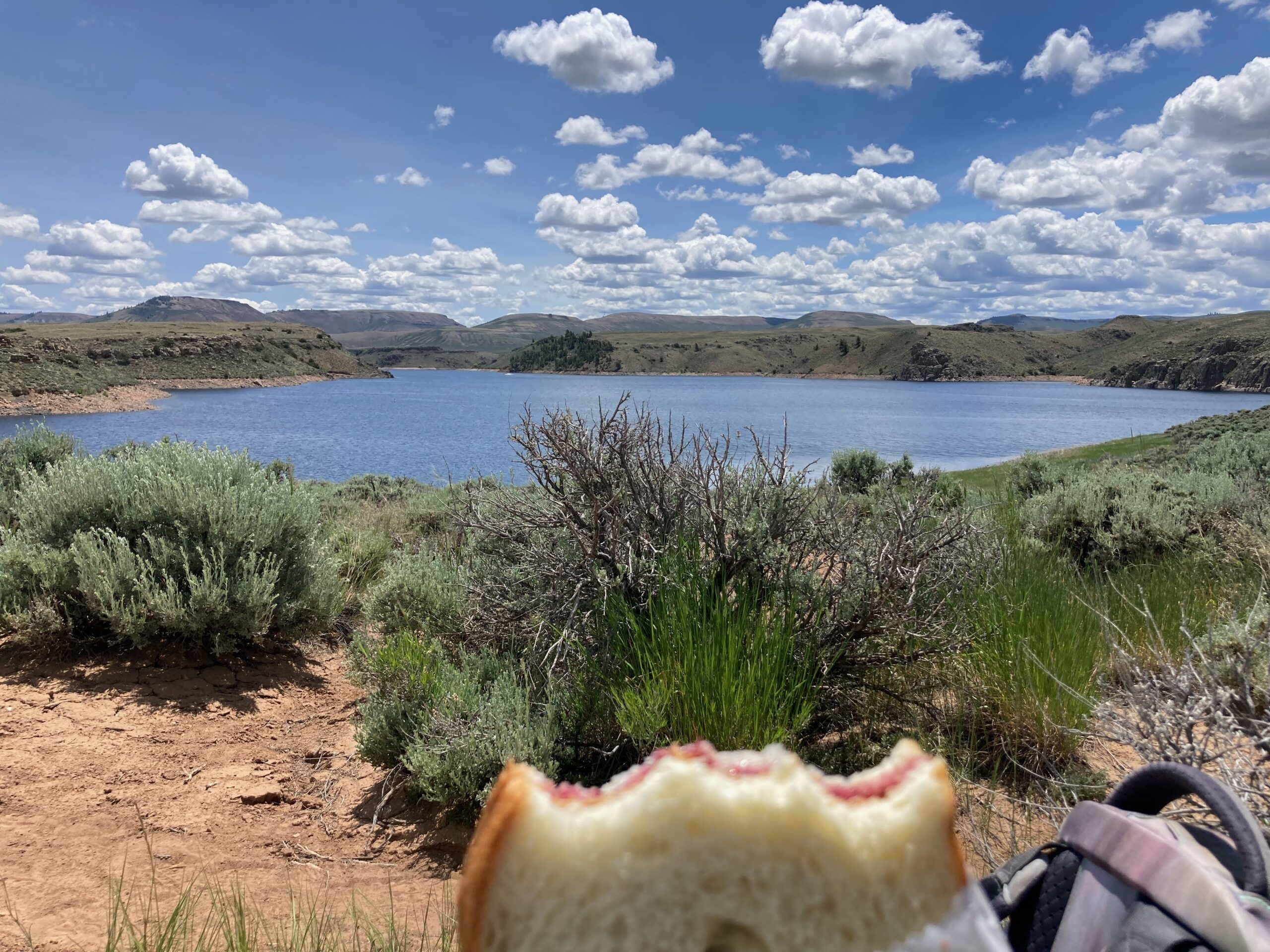
    Now that we know its origin story, let’s move on to the science of the PB&J. The nutritional breakdown: a typical PB&J has 15 grams of protein, 13 grams of fat, and 12.5 grams of sugar [4]. While a lot of sugar is never a good idea, for an active individual it can provide a needed burst of energy, and the combination with protein and fat ensures one feels full and satisfied. 

    According to a 2021 study from the University of Michigan School of Public Health, eating a PB&J can add up to 33 minutes to your life span [5]. This study assigned a health nutritional index that measured the health effects from the consumption of over 5,800 different foods, quantifying the results in minutes of healthy life gained or lost. The authors mention that this apparent health benefit of the PB&J is driven by the nut content of the sandwich, which is the source of the protein and fat. Therefore, while the PB&J is not a superfood, it is a much better option than some other processed foods, like hot dogs, which scored notoriously low during the study.

    I can personally attest to the PB&J’s standing as great adventure fuel (all of the photos in this article are from the variety of lunchtime views I’ve shared with a PB&J). It is my go-to for hiking and backpacking trips for a number of reasons: it’s affordable, portable, and customizable. Purchasing the ingredients won’t break the bank, and it doesn’t need to be refrigerated (honestly, I think PB&Js taste even better when they’re a little bit squished…). Additionally, PB&J customization is endless. I personally like to toast the bread or add a layer of plain potato chips to up the crunch factor, but one can also make changes to boost health benefits. Using whole-grain bread, swapping jelly for real fruit slices (banana is particularly delicious), or using natural nut butter are all ways to make the PB&J a little bit healthier.
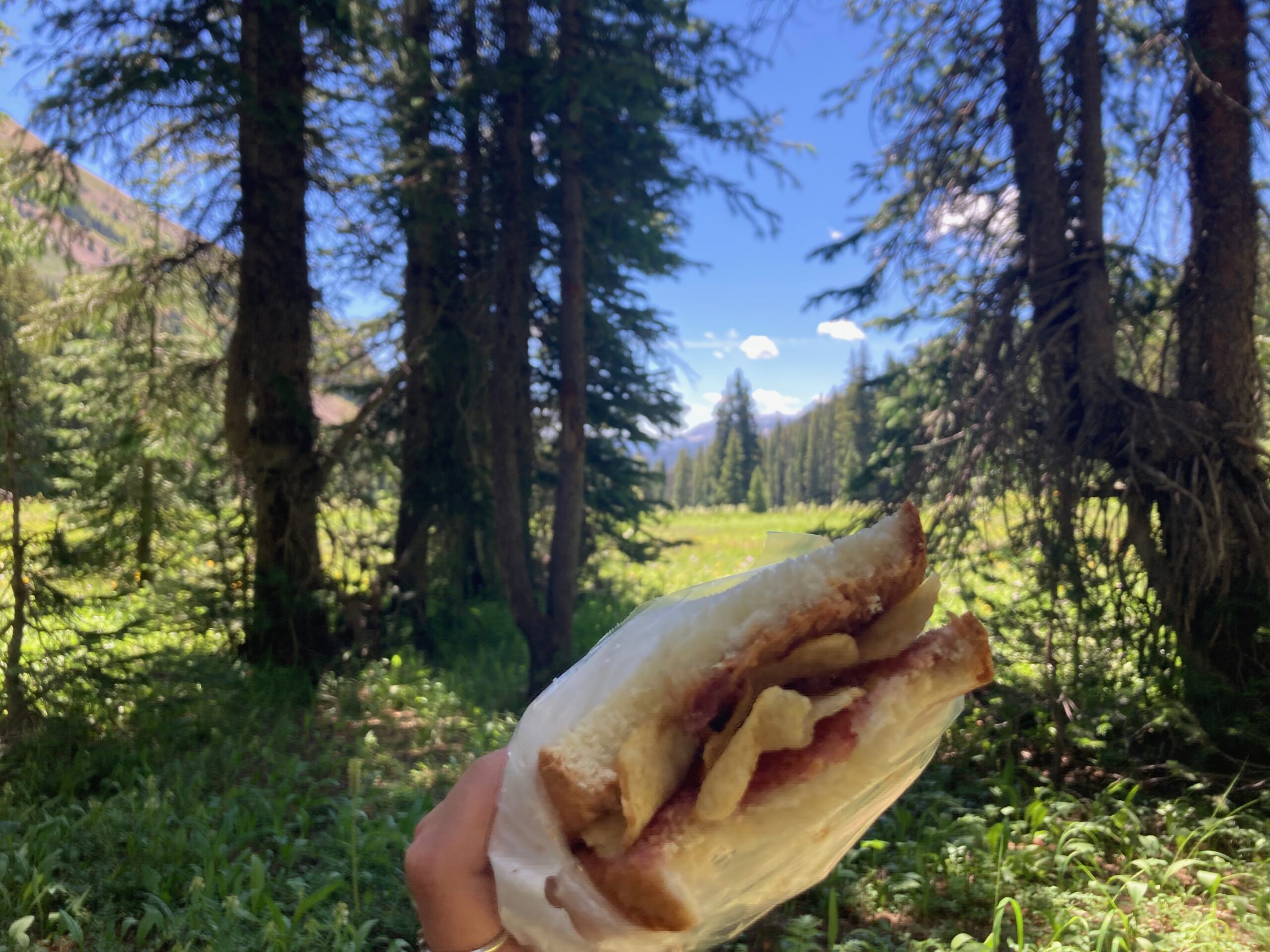
    Now you know a little bit about the history and science behind a PB&J sandwich, as well as ways to customize it to make it healthier or even more delicious. 


    References

    [1] National Peanut Board. (2023). Who invented peanut butter? Retrieved from https://nationalpeanutboard.org/news/who-invented-peanut-butter/

    [2] National Peanut Board. (2023). Who invented the peanut butter and jelly sandwich? Retrieved from https://nationalpeanutboard.org/news/who-invented-the-peanut-butter-and-jelly-sandwich/

    [3] Dean, S. (2013). History of the PB&J, from spa food to school lunch. Retrieved from https://www.bonappetit.com/entertaining-style/trends-news/article/history-of-the-pbj

    [4] National Peanut Board. (2023). 5 reasons PB&J is the best sandwich ever. Retrieved from https://nationalpeanutboard.org/news/5-reasons-pbj-is-best-sandwich-ever/#:~:text=A%20PB%26J%20has%2015%20grams,of%20energy%20that%20athletes%20need.

    [5] Stylianou, K. S., V. L. Fulgoni III, and O. Jolliet. (2021). Small targeted dietary changes can yield substantial gains for human health and the environment. Nature Food, 2, 616-627.
  • A Spotlight on Black Licorice and its Darker Side

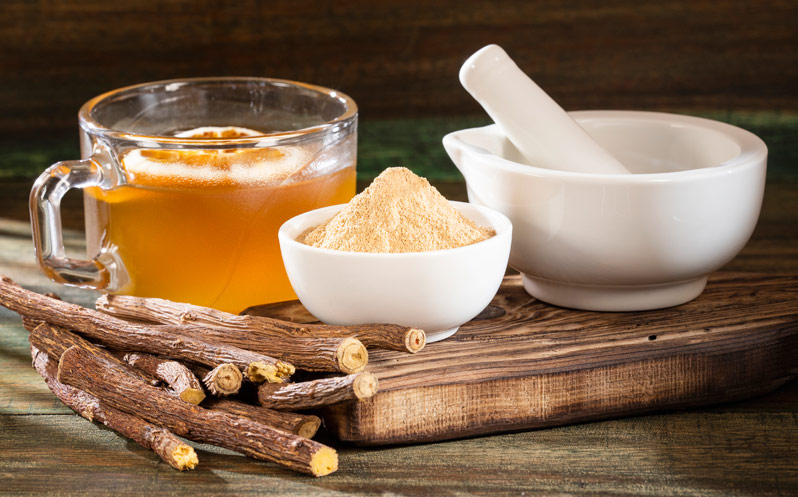
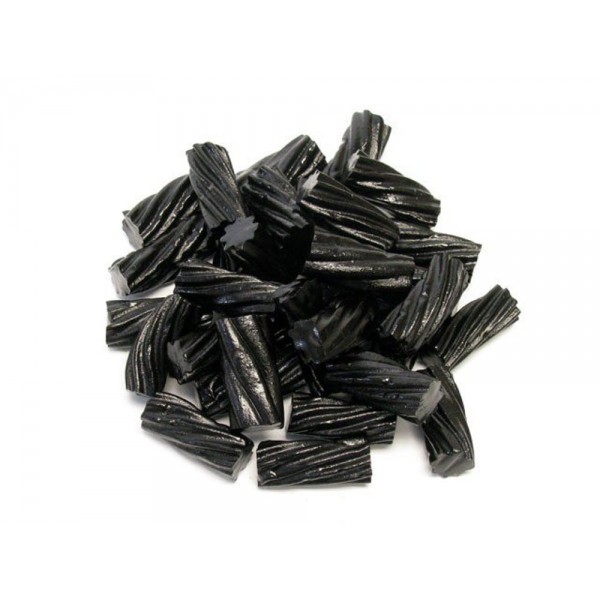
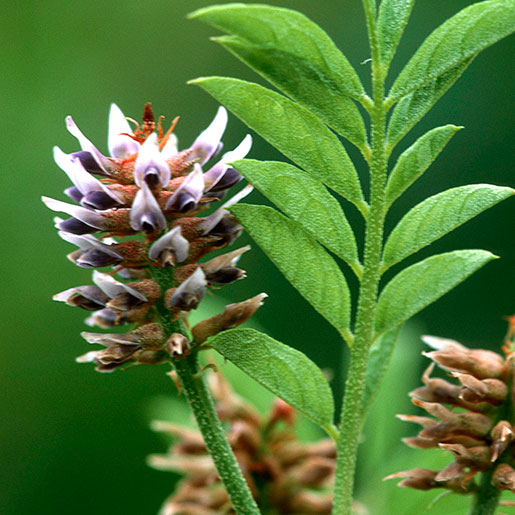
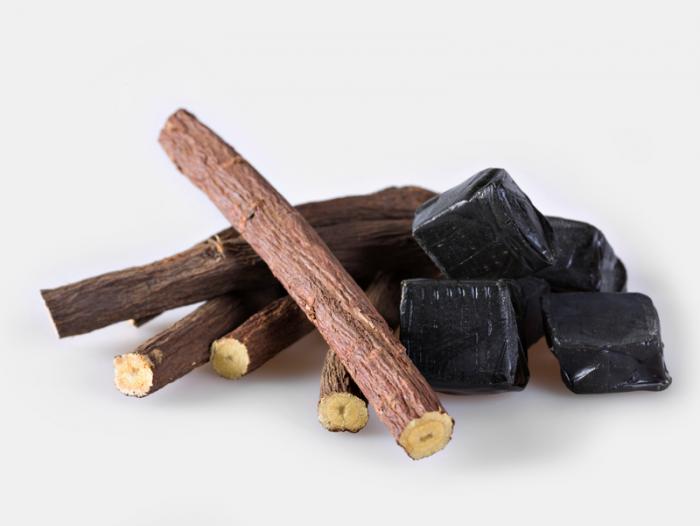
    Black licorice. You either love it or you hate it. Some delight in the intense spice flavor that comes with a bite of licorice and others find it repulsive and gag at the mere scent of it. As a divisive food and old-timey treat, black licorice has a long history of being a chewy confectionery and a popular flavor for drinks and tobacco in many parts of the globe. Licorice (scientifically referred to as Glycyrrhiza glabra) is a flowering plant that comes from the legume family. Its roots contain the flavor that we know as licorice and are commonly extracted for various uses. While it shares similar flavoring compounds, it is not related botanically to anise or fennel as some may think. (though sometimes they are used instead of licorice to evoke the same flavor profile)

    What makes black licorice so sweet?

    The iconic scent and flavor of licorice come from a mix of different compounds, but the one that gives it most of its sweetness is glycyrrhizin (a compound that is about 50 times sweeter than sugar!) This sweetness is different than regular sugar in that it more closely resembles sweeteners like Sweet ‘n’ Low which is comprised of saccharin. Some people vehemently dislike this type of sweetness which is also known to linger on the tastebuds for longer. Many people claim to dislike how “sickeningly sweet” it is and feel that it strongly dominates whatever you taste in your mouth for many minutes even after it is consumed. Others say that their aversion comes from the glycyrrhizin tasting more bitter than sweet.

    This bitterness can be attributed to herbal medicine, which licorice is also known to be useful for. There are many patented licorice-based medicines in China, where its extract is used in the treatment of bronchitis, colds, cough, and upper respiratory diseases. Glycyrrhizin, glycyrrhizinic acid, isoliquiritin, and glycyrrhizic acid are the most notable substances used for health benefits as they possess anti-cancer, anti-microbial, and anti-inflammatory properties. Excessive consumption that allows for the build-up of these compounds, however, may lead to serious adverse health effects.

    Consequences of Overconsumption

    Like most things in life, licorice is best enjoyed in moderation, but for more sinister reasons than you may think. Eating more than 57g of black licorice a day for at least 2 weeks could potentially cause serious health problems, such as an increase in blood pressure and an irregular heart rhythm (arrhythmia). This happens because of an excess of glycyrrhizic acid in the body. Normally your body is able to process glycyrrhizic acid into glycyrrhetinic acid, which is relatively harmless in small amounts, but when larger concentrations are present in the body, it can inhibit an enzyme that assists in converting active cortisol (the hormone that controls adrenaline) into inactive cortisone. You can imagine what too much active cortisol might do to your body, and this imbalance like this can wreak havoc on your body. 

    Cortisol is a hormone that plays a role in your fight-or-flight response and is similar chemically and structurally to aldosterone, which during a stressful event can signal to the body to hold on to water if you’re dehydrated. It does this by binding to structures in the kidneys that cause sodium to be pulled from urine in order to trigger osmosis and cause water to stay in your cells. Sodium has a +1 charge, however, and if it’s taken from the urine, then another +1 charge must replace it. This is done by potassium which can then replace the sodium in the urine and be excreted from the body. Now, when cortisol is present in concentrations that are dangerously high, it can be concluded that it would cause your body to pull more sodium from your urine, and you would lose more potassium right? 


    Cortisol (left) & Aldosterone (right)

    This leads to hypokalemia or low potassium presence in blood, which can be detrimental to the muscles of your body especially one of your most essential muscles, your heart. Potassium is an ion in your body that signals a relaxation of your muscles after a contraction. If there isn’t enough potassium present in your blood, then your muscles will stay contracted, which can be especially bad for your blood vessels and your heart. This is where the increased blood pressure and arrhythmia can restrict proper oxygen flow throughout your body and cause your organs to shut down.


    No Need to Panic

    Now, of course, the chances of this happening to the average black licorice fan are very slim as long as the treat is enjoyed in moderation. Since most people wouldn’t eat 57g of black licorice every day, I think it’s safe to say that fearing death by licorice overdose won’t be found in anyone’s nightmares. All in all, black licorice is a novel sweet with an interesting chemical makeup that is loved (or hated) by many across the globe.


    Sources:

    Pastorino G, Cornara L, Soares S, Rodrigues F, Oliveira MBPP. Liquorice (Glycyrrhiza glabra): A phytochemical and pharmacological review. Phytother Res. 2018 Dec;32(12):2323-2339. doi: 10.1002/ptr.6178. Epub 2018 Aug 17. PMID: 30117204; PMCID: PMC7167772.

    Wahab S, Annadurai S, Abullais SS, Das G, Ahmad W, Ahmad MF, Kandasamy G, Vasudevan R, Ali MS, Amir M. Glycyrrhiza glabra (Licorice): A Comprehensive Review on Its Phytochemistry, Biological Activities, Clinical Evidence and Toxicology. Plants (Basel). 2021 Dec 14;10(12):2751. doi: 10.3390/plants10122751. PMID: 34961221; PMCID: PMC8703329.

    https://www.healthline.com/nutrition/black-licorice-death

    https://www.youtube.com/watch?v=qg76qIZ4BQ8 

  • Makin’ Biscuits

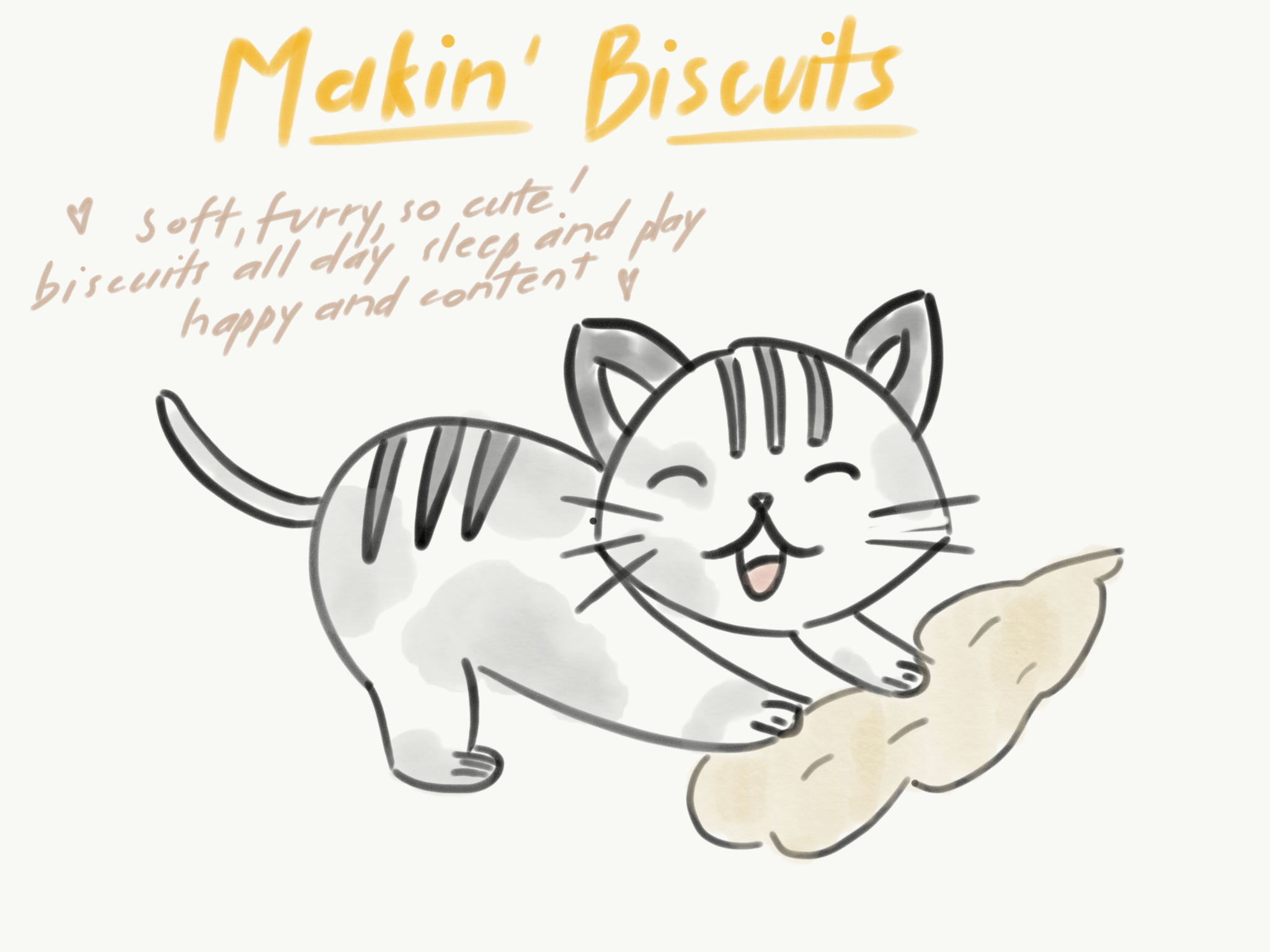
    Some cats are oftentimes seen engaging in a rhythmic motion of pushing their paws back and forth on a soft surface, which is referred to as “kneading.” This behavior is not universal across all cats and can be distinctive among cats (“Why Do Cats Knead?, n.d.). The exact reason behind this behavior is a mystery, but there are a few explanations to rationalize this behavior (Castro, 2013).

      1. Kittens knead their mother while nursing to stimulate milk flow. This behavior may be carried on into adulthood when cats are feeling happy, associating kneading with the comfort of its mother (Castro, 2013).
      2. Cats may be marking their territories with their scent (“Why Do Cats Knead?, n.d.).
      3. Female cats knead as a mating signal to males (“Why Do Cats Knead?, n.d.).
      4. Kneading is a form of stretching (“Why Do Cats Knead?, n.d.).

    Regardless of the reason why cats knead, we can all agree that they are super cute when they do so!


    References
    _______________________________________________________________________________________________________________

    Castro, J. (2013, October 18). Why Do Cats Knead? Retrieved from https://www.livescience.com/40548-why-do-cats-knead.html

    Why Do Cats Knead? (n.d.). Retrieved from https://www.petmd.com/cat/behavior/evr_ct_why_do_cats_knead

  • Butterfly Pea Flower Tea

    A cup of tea brings feelings of peace and serenity to mind.  Whether it be a rainy day or cold evening, drinking a warm cup of tea has never failed to help me feel calm and happy.   There’s an amazing selection of tea for all types of different palates to choose from like your classic green, black, and white tea, but my personal, newfound favorite is butterfly pea flower tea!  Befitting its exquisite name, this tea also has an appearance like no other.

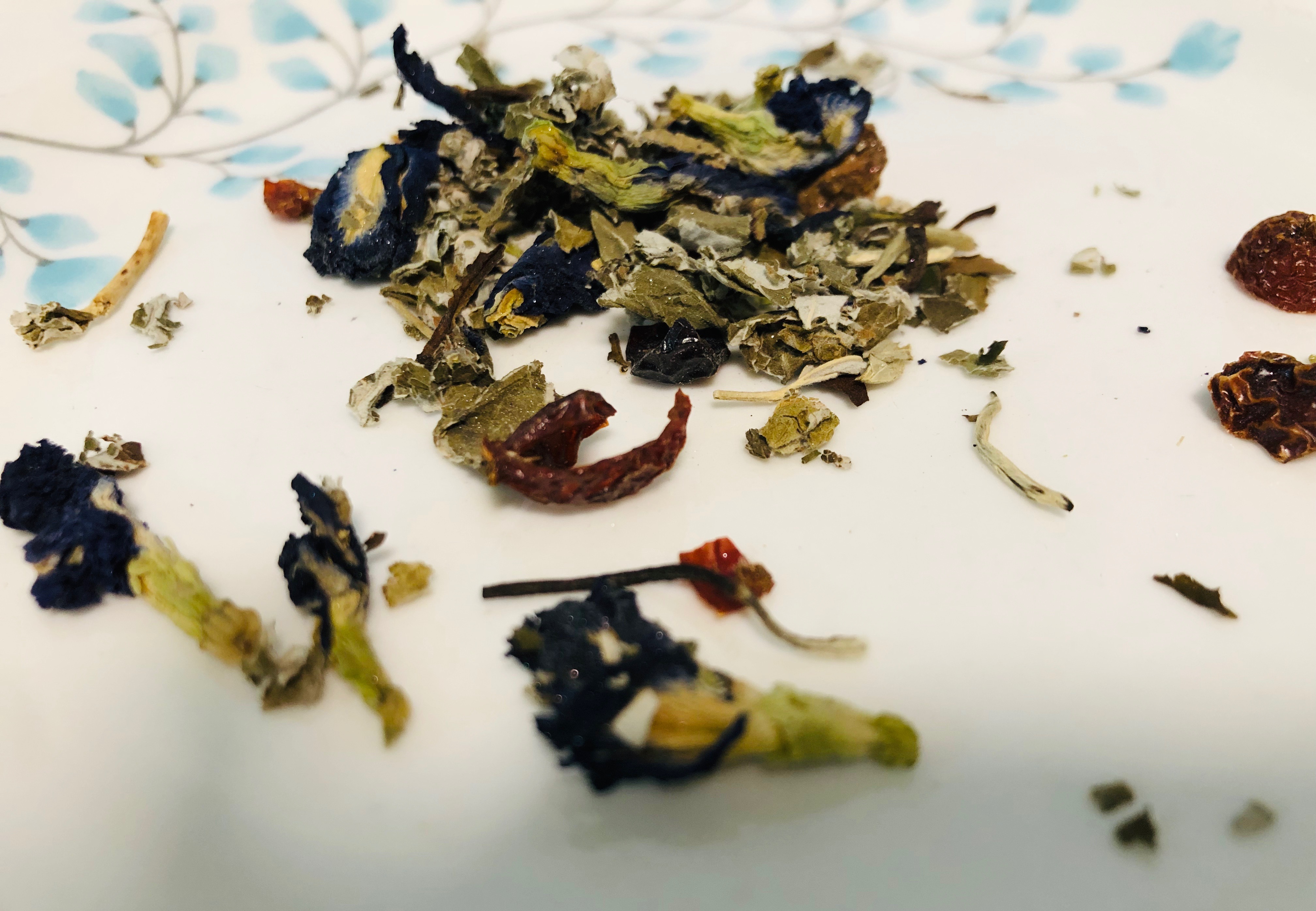
    Butterfly pea flower tea may seem like a new and recent addition to tea shelves, but this tea has been consumed in Southeast Asian countries like Thailand and Malaysia for centuries.  It is a caffeine-free beverage made from oftentimes dried lemongrass and blue flowers and leaves of a plant known as Clitoria ternatea (Centeno, 2018).  It is said to have an earthy taste similar to green tea despite its color (Goldberg, 2016).

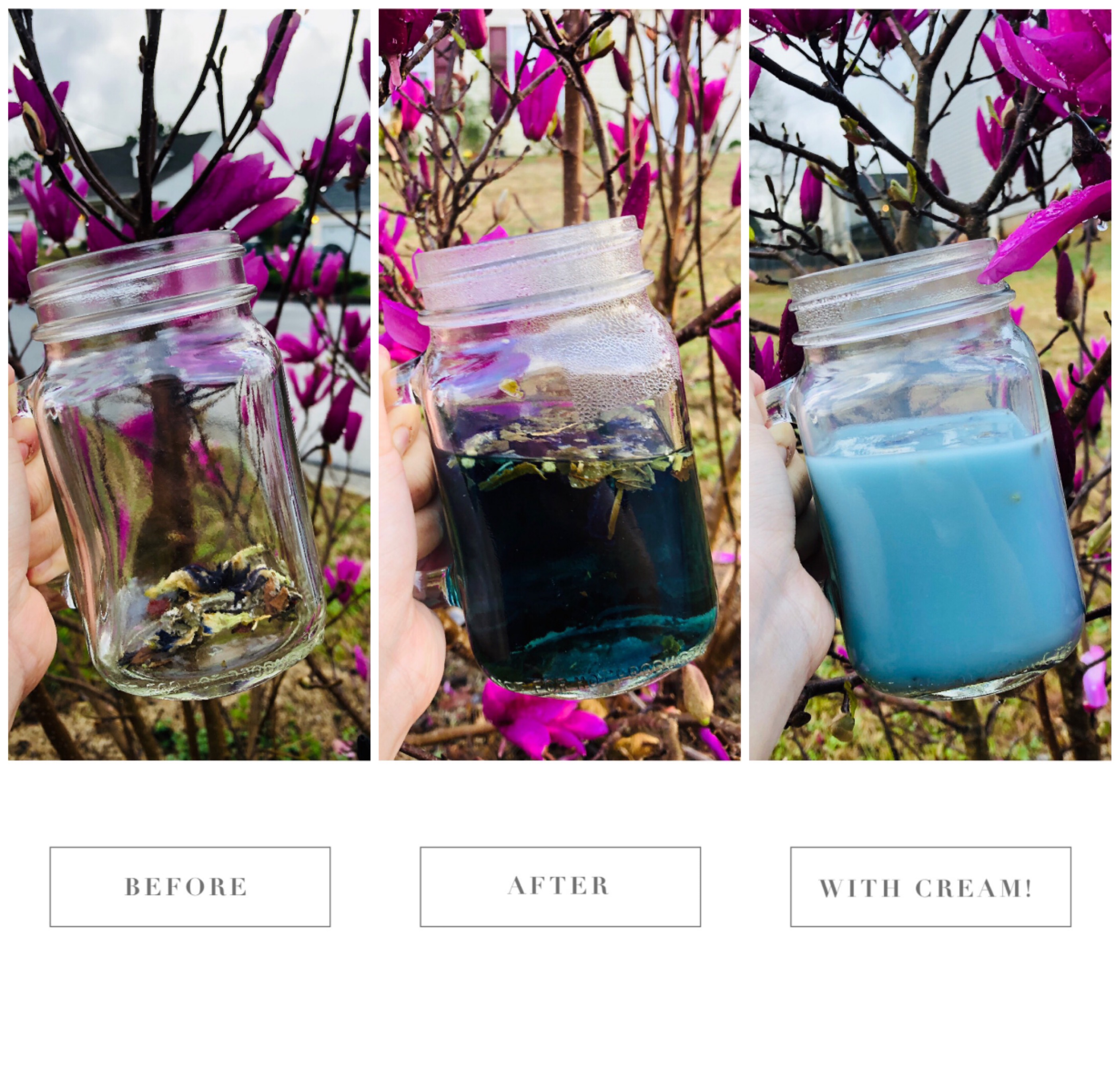
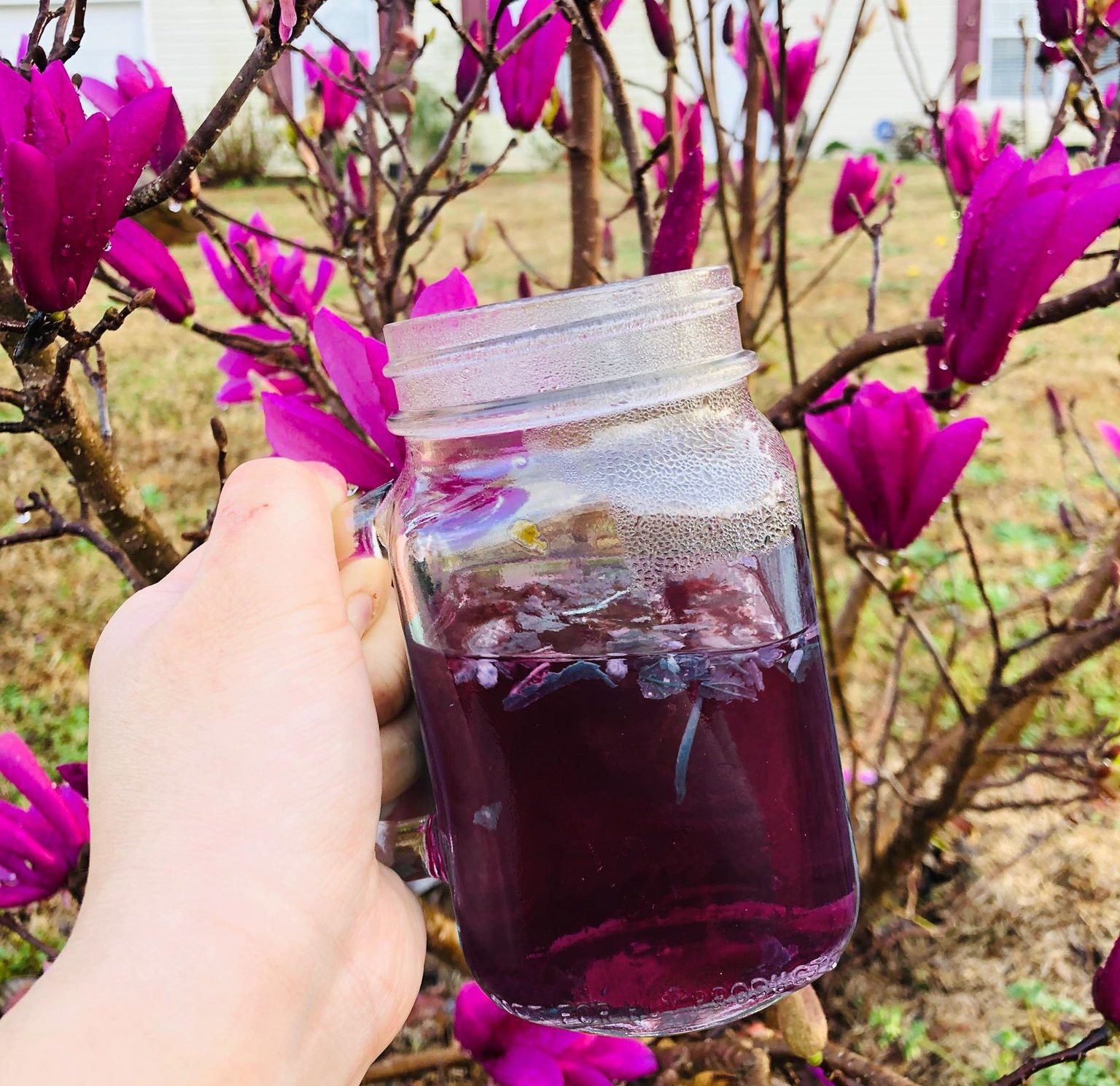
    What makes this tea unique, however, is not just its natural, blue color, but its ability to change color depending on pH.  Adding lemon will allow this beverage to take on a purple color (see below).  Add more and it’ll turn hot pink, adding a perfect and mesmerizing ombre. Like other plants that function as pH indicators, butterfly pea consists of anthocyanins, allowing it to change color.  The plant has been tested as a pH indicator to successfully differentiate pH levels between 2-12 (Amaolo, 2017).

    Anthocyanins also contain high amounts of antioxidants, making blue tea a common use in traditional medicine and a source of many health benefits (Kungsuwan, Singh, Phetkao, & Utama-ang, 2014).  Butterfly pea flower extract has been found to have anti-inflammatory and pain-relieving abilities (Kumar and Ishwar, 2012) as well as the potential to relieve diabetic complications caused by advanced glycation end products (AGEs).  AGEs are compounds that can clog vessels and form more often in diabetics when sugars combine with particular amino acids (Barone, 2017).  Clitoria ternatea extract has also been found to improve memory and acetylcholine levels (Taranalli & Cheeramkuzhy, 2011) and has anti-depressant, anti-stress, anti-convulsant, and anti-microbial properties (Jain et al., 2003).   Its antioxidant activity has also been applied in cosmetics (Kamkaen & Wilkinson, 2009).

    Try making your own tea by seeping 1-2 teaspoons of butterfly pea flower with a cup of water and add honey, lemon, juice, or milk for more flavor.  You can also make ice cubes with the tea to add color to any drink!


    References
    _______________________________________________________________________________________________________________

    Amaolo, A. (2017). The Butterfly Pea Flower as a pH Indicator. Retrieved from http://isjos.org/ISJOSv11p2-ButterflyPeaIndicator.pdf

    Barone, J. (2017, February 28). What Are AGEs (Advanced Glycation End-Products)? Retrieved from http://www.berkeleywellness.com/healthy-eating/food-safety/article/abcs-ages-advanced-glycation-end-products

    Centeno, E. (2018, July 03). What is Butterfly Pea Flower Tea? Retrieved from https://spoonuniversity.com/lifestyle/what-is-butterfly-pea-flower-tea-hint-it-changes-color

    Goldberg, E. (2016, January 31). The Science Behind This Mesmerizing Color-Changing Tea. Retrieved from https://www.bonappetit.com/drinks/non-alcoholic/article/butterfly-pea-flower-color-changing-tea

    Jain, N. N., Ohal, C. C., Shroff, S. K., Bhutada, R. H., Somani, R. S., Kasture, V. S., & Kasture, S. B. (2003, June). Clitoria ternatea and the CNS. Retrieved from https://www.ncbi.nlm.nih.gov/pubmed/12895670

    Kamkaen, N., & Wilkinson, J. M. (2009, November). The antioxidant activity of Clitoria ternatea flower petal extracts and eye gel. Retrieved from https://www.ncbi.nlm.nih.gov/pubmed/19367668

    Kumar, S. & Ishwar, B. (2012, March 19). Anti Inflammatory, Analgesic and Phytochemical Studies of Clitoria Ternatea Linn Flower Extract. Retrieved from https://irjponline.com/admin/php/uploads/935_pdf.pdf

    Kungsuwan, K., Singh, K., Phetkao, S., & Utama-ang, N. (2014). Effects of pH and anthocyanin concentration on color and antioxidant activity of Clitoria ternatea extract. Retrieved from https://www.tci-thaijo.org/index.php/fabjournal/article/view/77397

    Taranalli, A., & Cheeramkuzhy, T. (2011, January 10). Influence of Clitoria Ternatea Extracts on Memory and Central Cholinergic Activity in Rats. Retrieved from https://www.tandfonline.com/doi/abs/10.1076/1388-0209(200001)3811-BFT051

  • One Piece of the Pie


    Each year at Thanksgiving, I find myself with a heaping plate of absolutely everything available to me. Time and time again I work my way through the plate and end up full beyond belief. However, when the desserts start coming out, I can’t help but to snag a slice of sweetness. Despite what my stomach is telling me, and regardless of the fact that I could easily save a piece and eat it later, I still help myself to the sugary treat… but why?

    First let’s begin by distinguishing between hunger and appetite. There are several definitions in circulation among scholars, but, generally, hunger has been defined as the conscious sensation urging us to eat and appetite refers to food intake, selection, motivation and preference.

    Researchers traditionally break the neuroendocrinology of appetite into 3 parts: feeding and energy expenditure, glucose control and hedonic value. The first two parts factor in a model that looks at energy intake, energy expenditure and our body’s drive to keep our blood glucose levels in check. When I begin to fill my plate with food at the Thanksgiving table, this is due to the hormone ghrelin being released as a result of low blood glucose levels. Ghrelin is released from the stomach and stimulates hunger. As I’m eating delicious mashed potatoes, stuffing, and green beans, two other prominent hormones, cholecystokinin and peptide YY, detect the food and act on the hypothalamus and vagus nerve to start to suppress hunger. Leptin will then be released, further reducing appetite and even pleasure, causing the thought of more food consumption to be aversive. 

    However, these hormones are intertwined with another path: the reward circuit. Activation in the reward circuit, which has been linked to addictive drug use and compulsive behaviors, is involved when we eat particularly palatable foods, like a slice of pumpkin pie. Studies show that even the sight of foods high in sugars, fats and sodium activate our reward circuit. The main culprit scientists attribute these feelings of pleasure with is the neurotransmitter dopamine. Neurons in the part of the brain called the arcuate will project to orexin neurons, which are located in the lateral hypothalamus of the brain. These neurons project to two major areas of the reward circuit involved in dopamine release: the ventral tegmental area and the nucleus accumbens. So when the cookies and pies are assembled in front of me at the table, you best believe my brain is glowing with dopamine activity.

    It is possible to become addicted to the pleasure derived from eating sugary and fatty foods. Amazing right? You can get a rush from delicious foods! While this can be great in doses, overeating these types of foods can lead to a desensitization of the dopamine release. This is very similar to what occurs with drug addiction. Over-activation of these chemicals, whether it be dopamine or a substance that mimics it, will cause a reduction in the chemical receptors. This is our brain’s attempt at moderation, however, it means we don’t just want but require more of the substance to derive the same pleasure. The reward circuit could be why it is very difficult to stop eating the chips once we’ve dipped our hand into the bag once.

    So how do we combat our body and brain to prevent finishing the the family size bag of chips? The short answer is there is no magical solution. Scientists are looking into the role of gut microbiota and how this interacts with our hormones and appetite. It is possible that the foods we eat influence the microbiomes responsible for digestion, and this can affect the types of food we crave. Researchers have also found that when the body is in a fasting state, ghrelin levels are not only elevated, but we are also more sensitive to reward and impulsive feeding behaviors. This suggests we are more likely to reach for less nutritious foods on an empty stomach. Orexin is the primary player in the connection between reward and appetite. While knocking out receptors that sense this hormone prevent the temptation of eating high fat diets, it could also be the reason why we have five star restaurants and how they can even stay in business. All that to say, I think overdoing it one day of the year to make your brain (if not your stomach) happy can be worth it. 


    References:

    Berridge, K et al.“Food reward: Brain substrates of wanting and liking” Neuroscience and Biobehavioral Reviews vol. 20,1 (1996): 1-25. 

    Blundell, J et al. “Appetite control: methodological aspects of the evaluation of foods” Obesity reviews : an official journal of the International Association for the Study of Obesity vol. 11,3 (2010): 251-70.

    Choi, D.L et al. “Orexin signaling in the paraventricular thalamic nucleus modulates mesolimbic dopamine and hedonic feeding in the rat” Neuroscience vol. 210 (2012): 243-248.

    Hernandez, L et al. “Food reward and cocaine increase extracellular dopamine in the nucleus accumbent as measured by microdialysis” Life Sciences vol. 42,18 (1988): 1705-1712.

    Ralevski, E., et al. “Ghrelin is related to personality differences in reward sensitivity and impulsivity” Alcohol and Alcoholism vol. 53,1 (2017): 1-5

    Volkow, N et al. “Reward, dopamine and the control of food intake” Trends in Cognitive Sciences vol. 15, 1 (2011): 37-46.

    Wise, R. “Role of brain dopamine in food reward and reinforcement” Philosophical Transactions of the Royal Society B vol. 361,1471 (2006).


  • Raindrop Cake, Not a Cake?

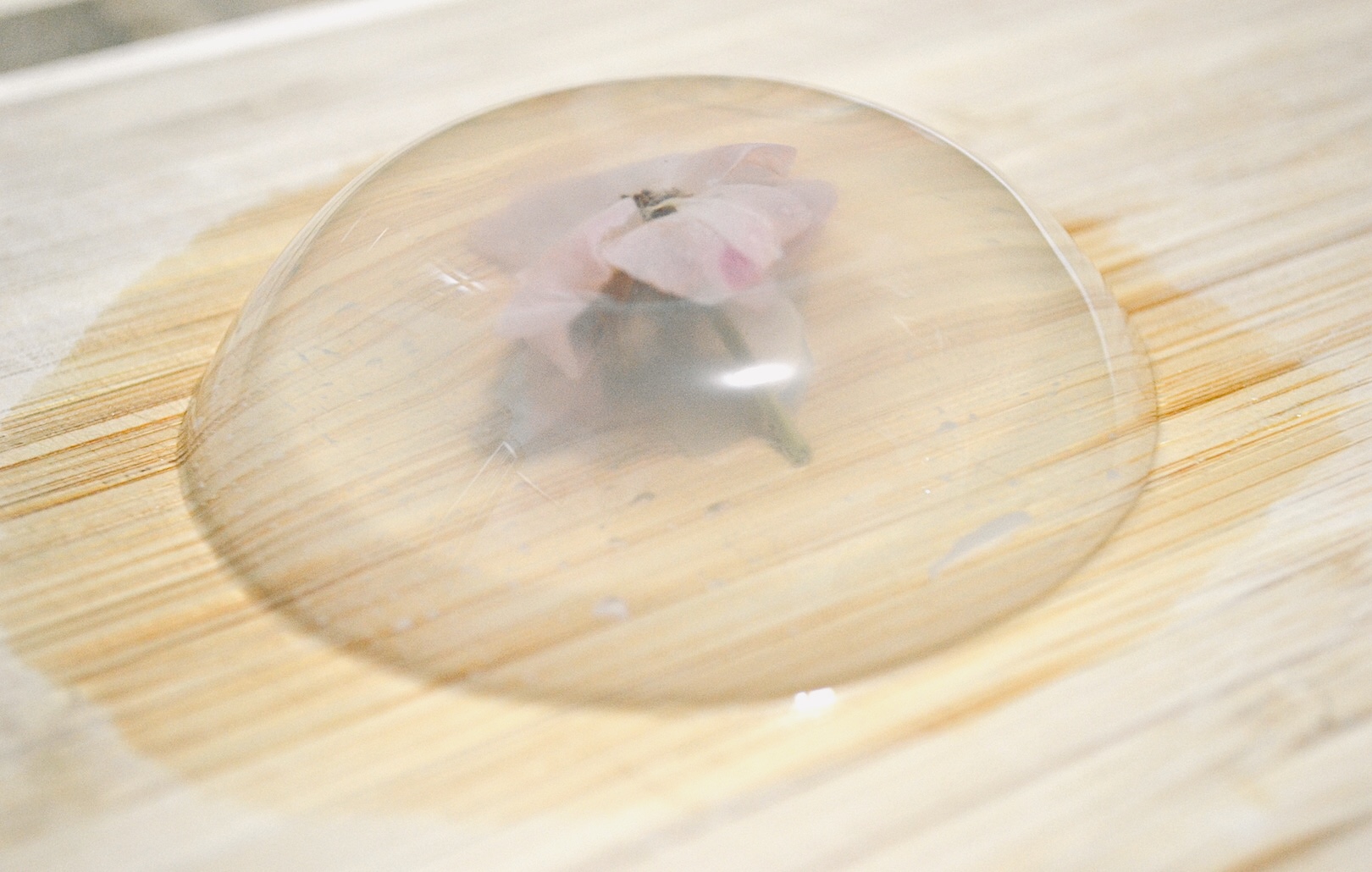
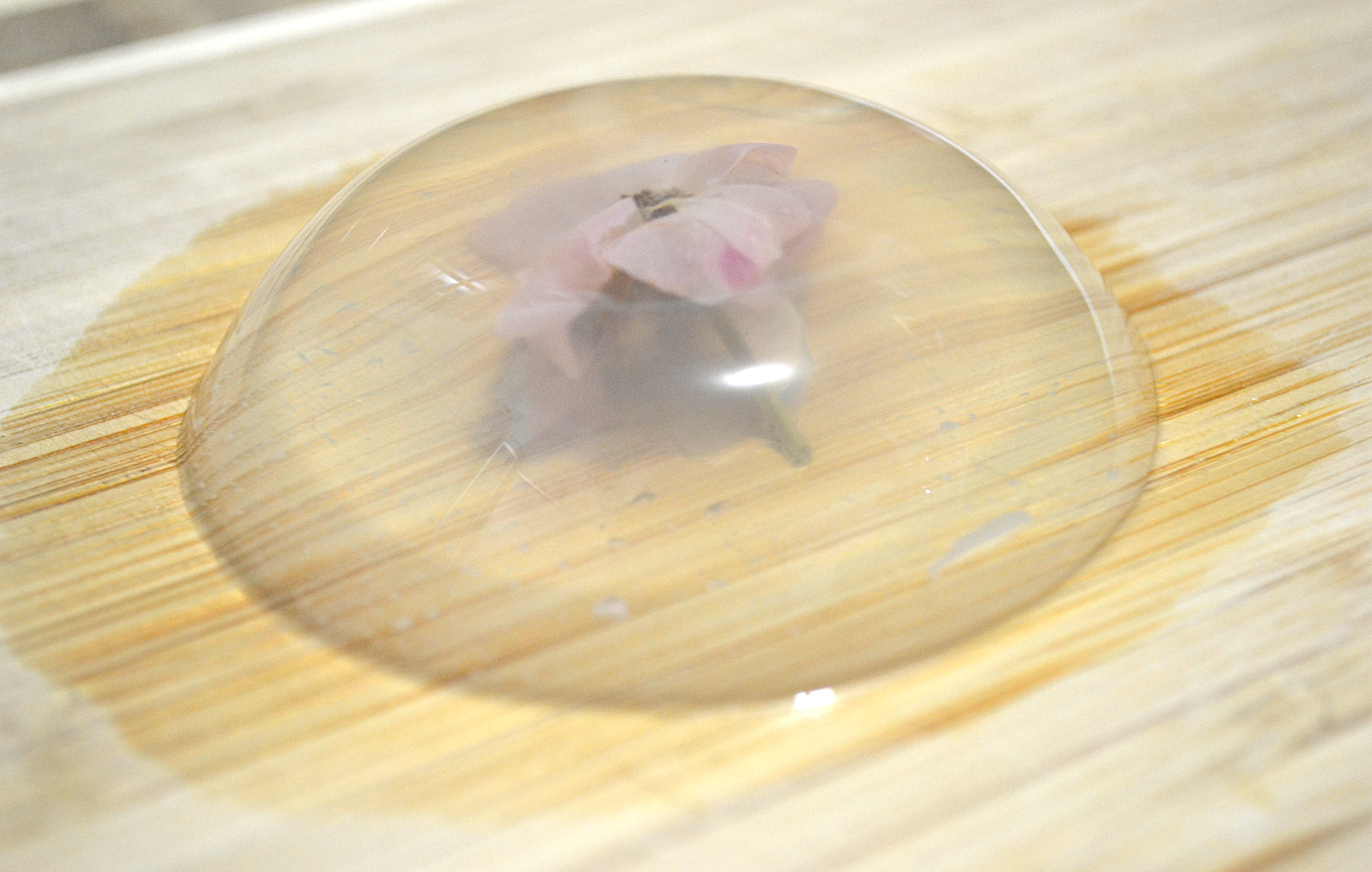
    Have you ever wondered what a raindrop would taste like if it was transformed into cake form? Look no further! Raindrop cake, albeit very different from your typical, traditional cake, will let you have a truly magical experience.

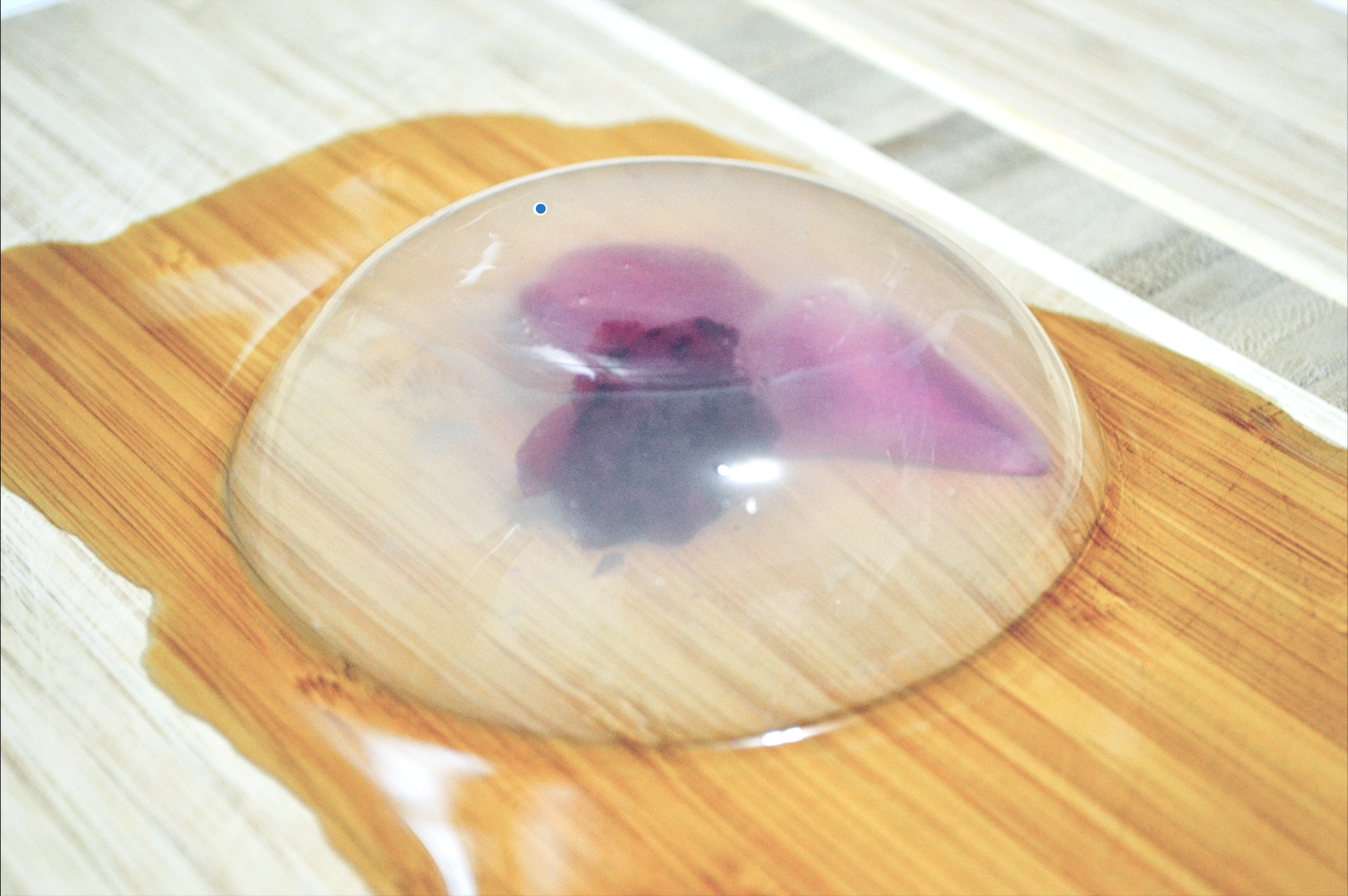
    IMG_1885                                                         My first attempt!

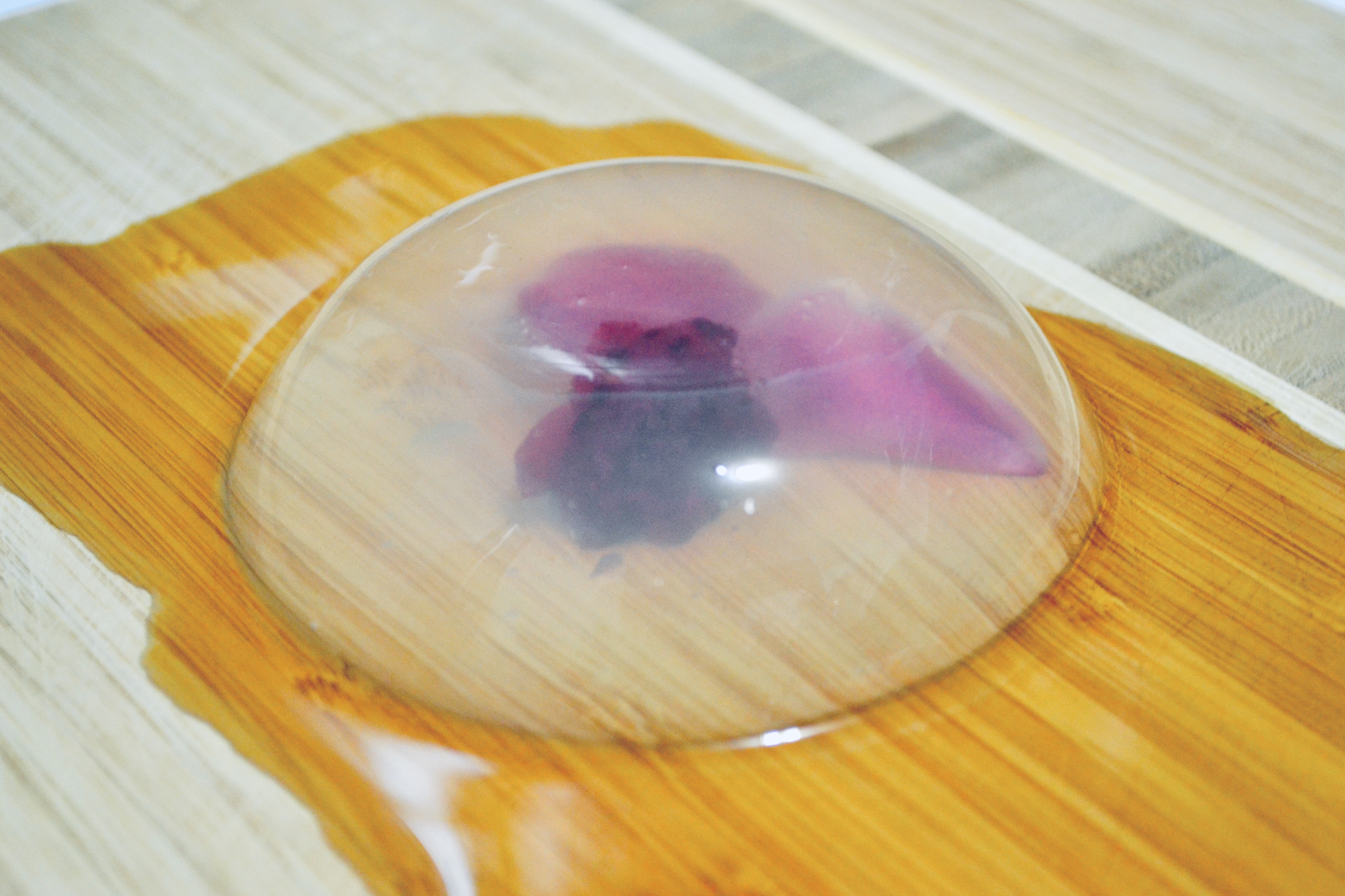
    Screen Shot 2018-11-01 at 8.50.37 PM

    My second attempt!

    I’ve always loved scrolling through food reviews and videos. One trend that emerged in recent years caught my eye. It was a clear, beautiful jelly bubble resembling a raindrop. It seemed so unique that I set out on a journey to try creating it myself, and it was definitely not an easy task. Being able to set the cake while trying to keep it light, soft, and bouncy and to where you’re able to feel like you’re eating a drop of water took many trials and errors. Keep reading to discover more about the secret ingredient and how you can make your own raindrop cake!

    Raindrop cake, also known as Mizu Shingen Mochi, was first created by the Kinseiken Seika Company in Japan, using two main ingredients: fresh, mineral water from the Japanese Alps and agar. This light, refreshing delicacy resembles a jiggly, blob of jello, but will melt in your mouth and fill it with a hint of sweetness and nuttiness when paired with brown syrup and roasted soybean flour. But beware! If not eaten immediately, this dessert will dissolve and vanish within 30 minutes as recipe calls for the minimal amount of agar.

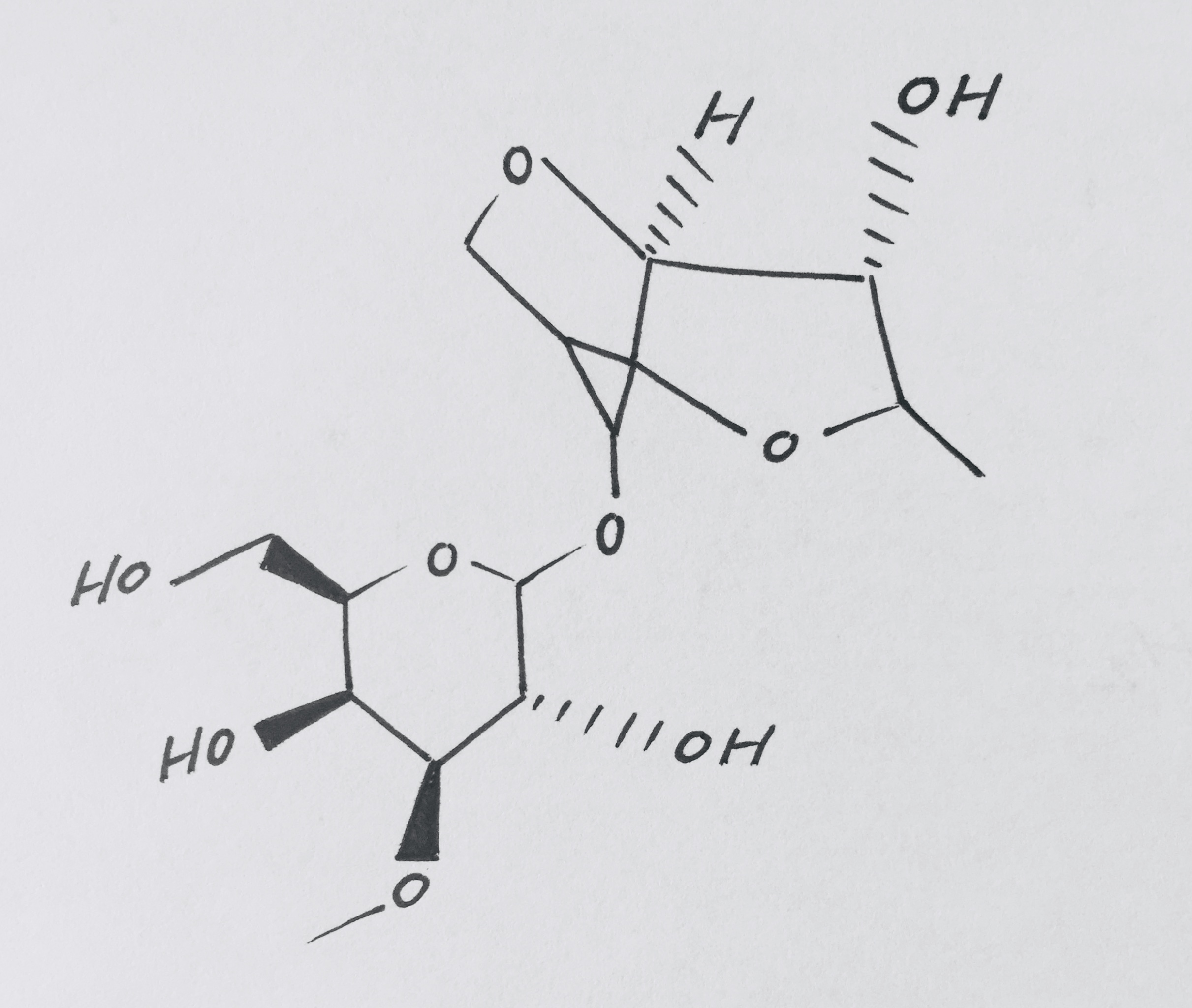
    The key ingredient that solidifies water into a raindrop cake is a polysaccharide known as agar-agar. Agar is made from seaweed or red algae, Gelidium amansii. It was first introduced in Japan over 350 years ago, in 1658, and is still commonly used to this day due to the hydrocolloid properties and agarose composition that allow it to form gel-like substances using hydrogen bonding in the presence of water. Agar is also unique in that its thickening properties are reversible; disintegration occurs when temperatures are varied.

    IMG_1883The structure of agar.

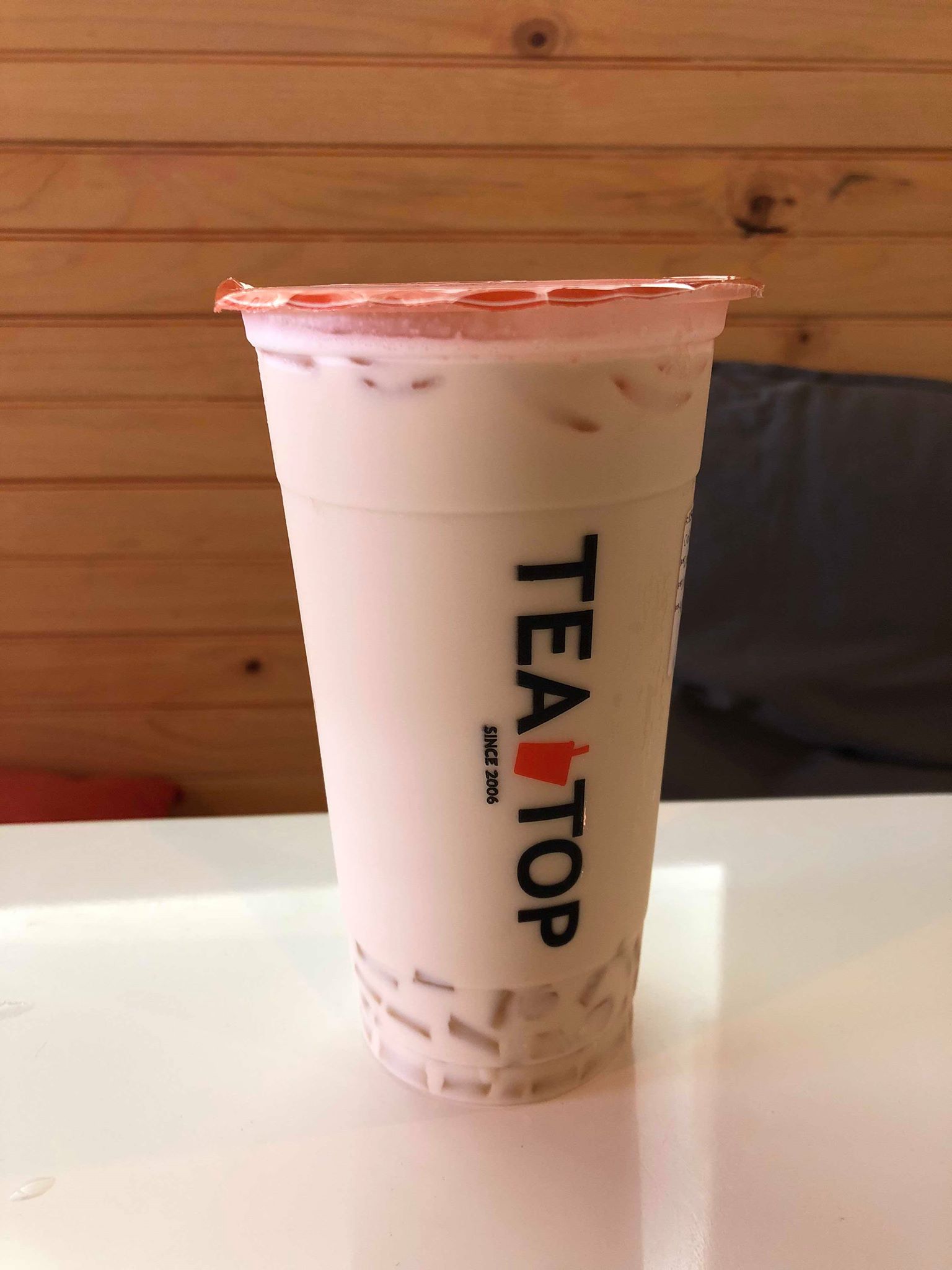
    Due to agar’s gelling ability and the ease at which substances can be gelled, melted, and reformed, agar has numerous uses. One of the most common applications of agar can be found in the food industry. Agar is used in canning foods and is also tasteless, making it a perfect addition to foods and desserts that need thickening such as ice cream, icings, puddings, cookies, jelly, and pie fillings. It can also be found as an agar jelly or as a crystal boba topping in many bubble tea drinks. It has also been used as a laxative and in diets due to its ability to stimulate fullness using low calories.

    bubbleAgar jelly used as a topping for bubble tea.
    This was the first time I’ve ever had agar jelly, and I haven’t looked back since! Yum!

    Application in biology labs as a medium to breed insects like silkworms and fruit flies or to culture bacteria and yeasts is also common.

    IMG_1118     Here an agar plate was used to culture Serratia marcescens, a Gram-negative bacteria. 
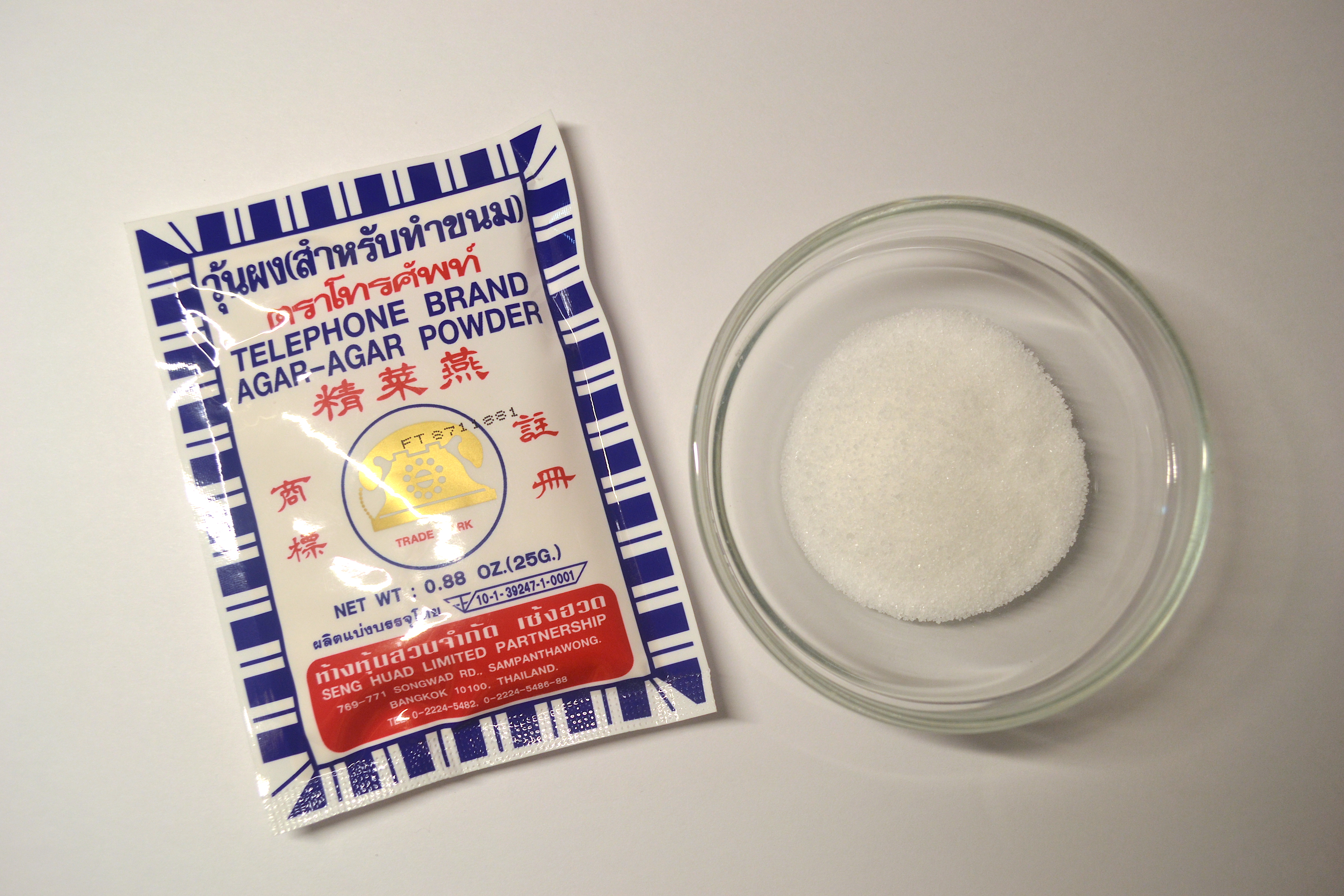
    Agar is a valuable ingredient for many reasons such as being extremely low in calories and containing fiber. Agar also does not require sugar to solidify, which is highly beneficial in food preparation for diabetics. It is also known as a vegan and vegetarian gelatin substitute, and best of all, it is an environmentally friendly product.

    Here’s how you can make your own raindrop cake that has swept the internet in recent years!

    Ingredients

    DSC_0452

    • 1 cup of mineral water
    • 1/4 tsp agar-agar
    • 3 tsp of granulated sugar (optional)

    Optional toppings

    • 1 tbsp roasted soybean flour
    • brown sugar syrup (1 cup of brown sugar + 1/2 cup of water)
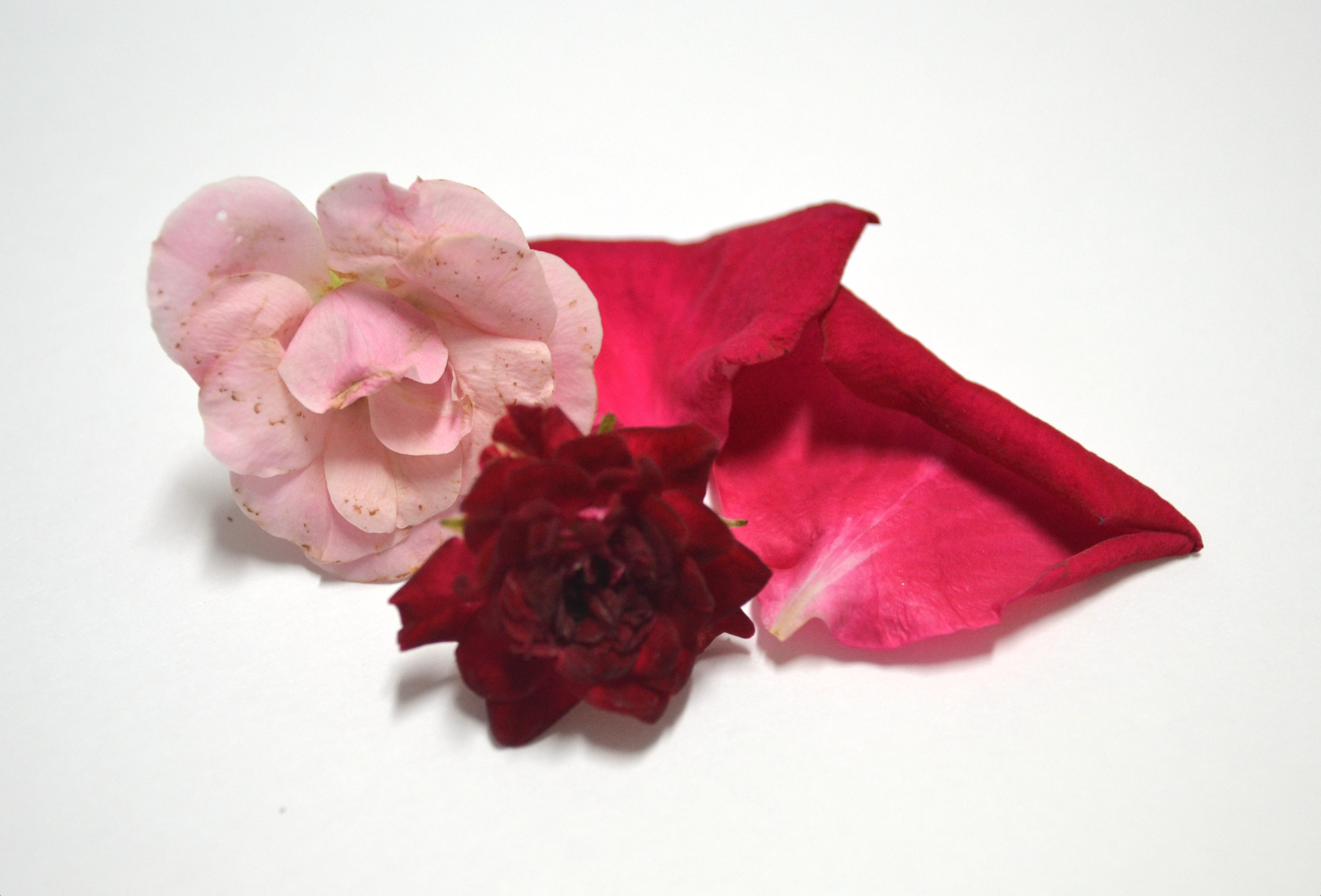
    • flowers, petals, fruits

    flowers

    1. Dissolve agar and water in a small pot.
    2. Allow mixture to come to a boil over medium-high heat. Continue boiling over a medium heat for 1-2 minutes.
    3. Pour mixture into any round-bottom mold. (Optional: Add light fruit/flower toppings to the mixture.)
    4. Let mixture cool and place in the fridge overnight or until it sets.
    5. To make syrup, dissolve the brown sugar in water over medium-high heat until mixture boils. Maintain a rolling boil for 1 minute.
    6. Remove mixture and let cool. Serve with raindrop cake along with optional soybean flour. *Consume your raindrop cake upon taking it out the fridge. May melt if left out for over 20-30 minutes.

    References

    Giant Raindrop Cake Recipe by Tasty. (n.d.). Retrieved from https://tasty.co/recipe/giant-raindrop-cake

    K. (2018, September 15). Raindrop Cake. Retrieved from https://kirbiecravings.com/raindrop-cake/

    Maitland, H. (2017, August 02). Everything You Need To Know About Raindrop Cakes. Retrieved from https://www.vogue.co.uk/article/everything-you-need-to-know-about-raindrop-cake

    National Center for Biotechnology Information. PubChem Compound Database; CID=71571511, https://pubchem.ncbi.nlm.nih.gov/compound/71571511 (accessed Sept. 28, 2018).

    Phillips, G.O. Williams, P.A.. (2009). Handbook of Hydrocolloids (2nd Edition).Woodhead Publishing. Retrieved from
    https://app.knovel.com/hotlink/toc/id:kpHHE00002/handbook-hydrocolloids/handbook-hydrocolloids


  • Meal Planning

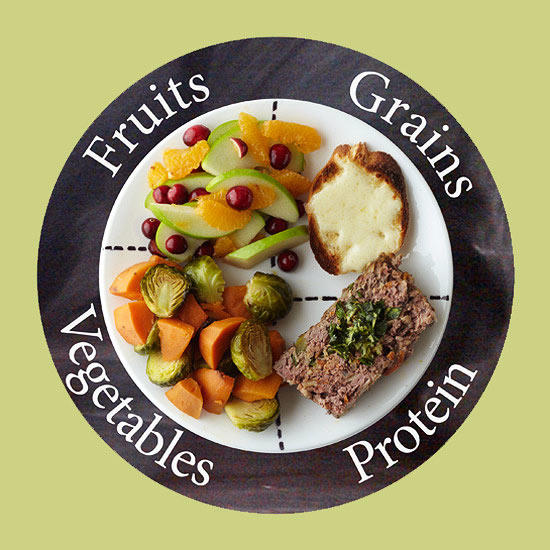
    Like many other college students, eating a healthy meal is difficult to do when we are so consumed with our studies. In fact, results of the 1993 Survey of American Dietary Habits show that 82% of respondents evaluated nutrition as being modestly imperative, and only 27% of respondents considered themselves knowledgeable about dietary rules. To improve dietary consumption, consumers need to be informed on how developing good nutrition habits can be practical and simple. The Plate Model offers a simple approach to meal planning, and using the model decreases cholesterol and protein consumption.

    MyPlate-Opening-Image

    The Plate Model fills is a visual technique for filling a dinner plate. Portions of foods and appropriate food choices can be depicted for meals and snacks in assorted forms. The Plate Model offers a meal planning approach that is straightforward and flexible. The Swedish Diabetic Association has depicted the model as a plate that is isolated into 3 segments with 25% of the plate secured by meat and fruits, and the rest of between grain items (egg, bread, rice, pasta, and potatoes) and vegetables.

    The underlying methodology is to show the divisions of the plate to be secured by specific nourishment. Many consumers need to decrease meat, fish, and poultry segments and increase vegetable intake. Although exact control of portion sizes may not be reflected in the model, improvements in proportions of foods relative to each other on the plate can correct major nutrient imbalances. People who retain the 3 segments of the dinner plate can apply this learning at home or at restaurants. For IMG_3034customers who aren’t knowledgeable about food portioning, visual portrayals compel them to consider portioning without fundamentally knowing about proper measurements.

    The United States is sensitive to a shared objective of building more beneficial American eating methodologies; individuals still need to figure out how to execute proper nutrition. The Plate Model can be used to aid in this improved execution. The model fills in as an as a plan for showing nutrition with straightforward approaches that result in healthy practices for diet. Many individuals believe that great nutrition takes excessive time. Such misguided judgments can keep them from accomplishing better diets. Even college students can improve their nutrition using the plate model in their on-campus cafeterias. Eating suggestions should be sure, handy, and noteworthy, and the plate model can help achieve this goal.


    Morreale, S. J., & Schwartz, N. E. (1995). Helping Americans eat right: developing practical and actionable public nutrition education messages based on the ADA Survey of American Dietary Habits. Journal of the Academy of Nutrition and Dietetics, 95(3), 305-308.

    Camelon, K. M., Hådell, K., T JÄMSÉN, P. Ä. I. V. I., Ketonen, K. J., Kohtamäki, H. M., MÄKIMATILLA, S., … & DAIS PROJECT GROUP. (1998). The Plate Model: a visual method of teaching meal planning. Journal of the American Dietetic Association, 98(10), 1155-1158.