Tag: plants

  • Mandai Bird Paradise: Asia’s Biggest Aviary Sanctuary

    The Mandai Bird Paradise is the biggest bird conservatory in Asia, inaugurated back in May 2023. As one of the six pillars of the Mandai Wildlife Reserve, the incredible sanctuary covers over 42 acres of land on Mandai Island in Singapore. The reserve houses around 3,500 birds encompassing over 400 different species. Mandai Nature is the conservation arm of the Mandai Wildlife Group, which is dedicated to providing a haven for all these species through the Mandai Bird Paradise and to preserving Southeast Asia’s incredible biodiversity through conservation efforts, with a focus on averting species extinction (Temasek Trust, 2024). 

    Such a variety poses a rather obvious question: How? In order to answer this question, we must chart our way through the science behind conservation, biodiversity and rehabilitation!

    Conservation

    Conservation, as defined by the Merriam-Webster dictionary, is to carefully preserve and protect something. In a wildlife context, it is orchestrated management of natural resources to prevent exploitation, destruction, or neglect. Conservation efforts to preserve biodiversity are not just about protecting animals in isolation, but in our context, it is about the creation of an entire ecosystem where species can thrive naturally.

    At Mandai Bird Paradise, conservation takes an approach similar to this article on biodiversity conservation by diversity (Ramón et al., 2020). In-situ conservation focuses on protecting species in their natural habitats, whereas, ex-situ conservation, which is practiced at Mandai, provides controlled environments where vulnerable or endangered species can be bred, monitored, and protected from immediate threats such as habitat loss or poaching.

    The sanctuary also participates in international breeding programs and collaborates with global conservation organizations to ensure genetic diversity is maintained among species. This is critical because reduced genetic diversity due to issues such as environmental changes from global warming can make populations more susceptible to disease. Through these coordinated efforts, Mandai Bird Paradise becomes more than just a sanctuary, but a cornerstone in the Mandai Wildlife Group’s stand as an active contributor to global conservation science.


    Biodiversity

    Biodiversity refers to the variety of life in a particular habitat or ecosystem, encompassing differences in species, genetics, and ecological roles. The presence of over 400 bird species at Mandai Bird Paradise highlights not only the richness of different avian life present but also the complexity of maintaining such diversity within a single environment. This maintenance is done by separating the 42-acre land into around 10 unique habitats that each suit a certain group.

    Each species then gets to play its unique role in its ecosystem, from seed dispersal to pollination and pest control. By housing a wide array of species, the sanctuary effectively simulates interconnected ecological networks, allowing researchers and conservationists to better understand how these systems function.

    Maintaining biodiversity in a controlled setting requires careful planning. Factors such as diet, climate conditions, nesting environments, and social groupings must all be tailored to meet the needs of different species. For instance, tropical birds such as the Andean cock-of-the-rock (yes, you read that right) require high humidity and dense vegetation, while others may need open spaces or specific nesting structures. This level of detail ensures that the birds are not only surviving but thriving in conditions that closely resemble their natural habitats.
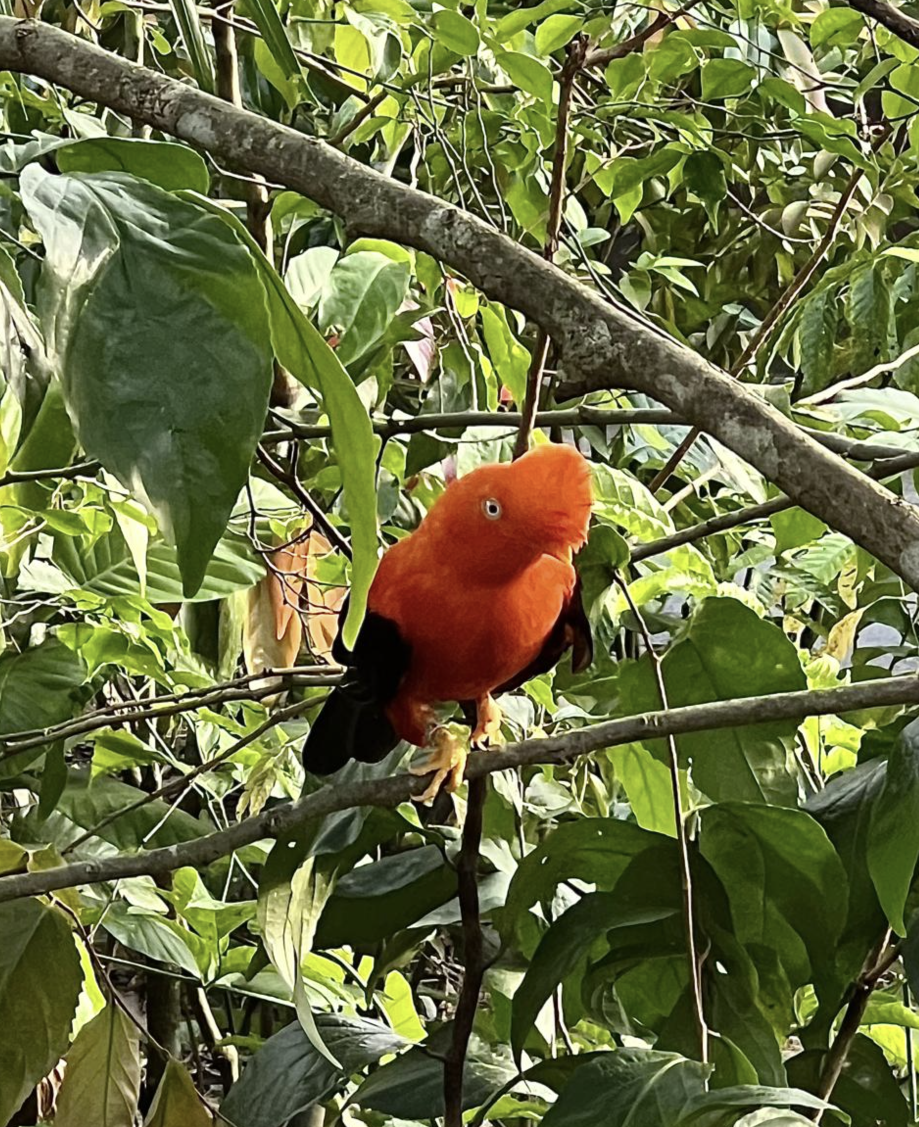
    Andean cock-of-the-rock


    Rehabilitation

    Rehabilitation is another crucial component that involves the care and recovery of injured, displaced, or trafficked birds with the goal of reintroducing them into the wild whenever possible.

    Birds that arrive at rehabilitation centers often suffer from injuries caused by habitat destruction, illegal wildlife trade, or human interference. At Mandai, veterinary teams and specialists provide medical treatment, nutritional support, and behavioral conditioning to help these birds regain their strength and natural instincts.

    One of the key challenges in rehabilitation is ensuring that birds do not become overly dependent on human care. To address this, caretakers minimize human interaction and design enclosures that encourage natural behaviors such as foraging and flight. Only when a bird demonstrates sufficient recovery and independence is it considered for release. Even when release is not possible, rehabilitation still plays an important role. These birds may become part of educational programs, helping to raise awareness about conservation issues and inspiring visitors to take action in protecting wildlife.


    Mandai Bird Paradise – Sanctuary & Conservation Magic

    Mandai Bird Paradise is more than the visually stunning attraction you see through my lens, it is a living example of how science, conservation, and education can come together to protect our planet’s biodiversity. By integrating conservation strategies, maintaining diverse ecosystems, and supporting rehabilitation efforts, this sanctuary embodies what modern wildlife preservation should look like. In doing so, Mandai Bird Paradise not only safeguards thousands of birds but also inspires future generations like yours and mine to value and preserve the delicate balance of life on Earth.
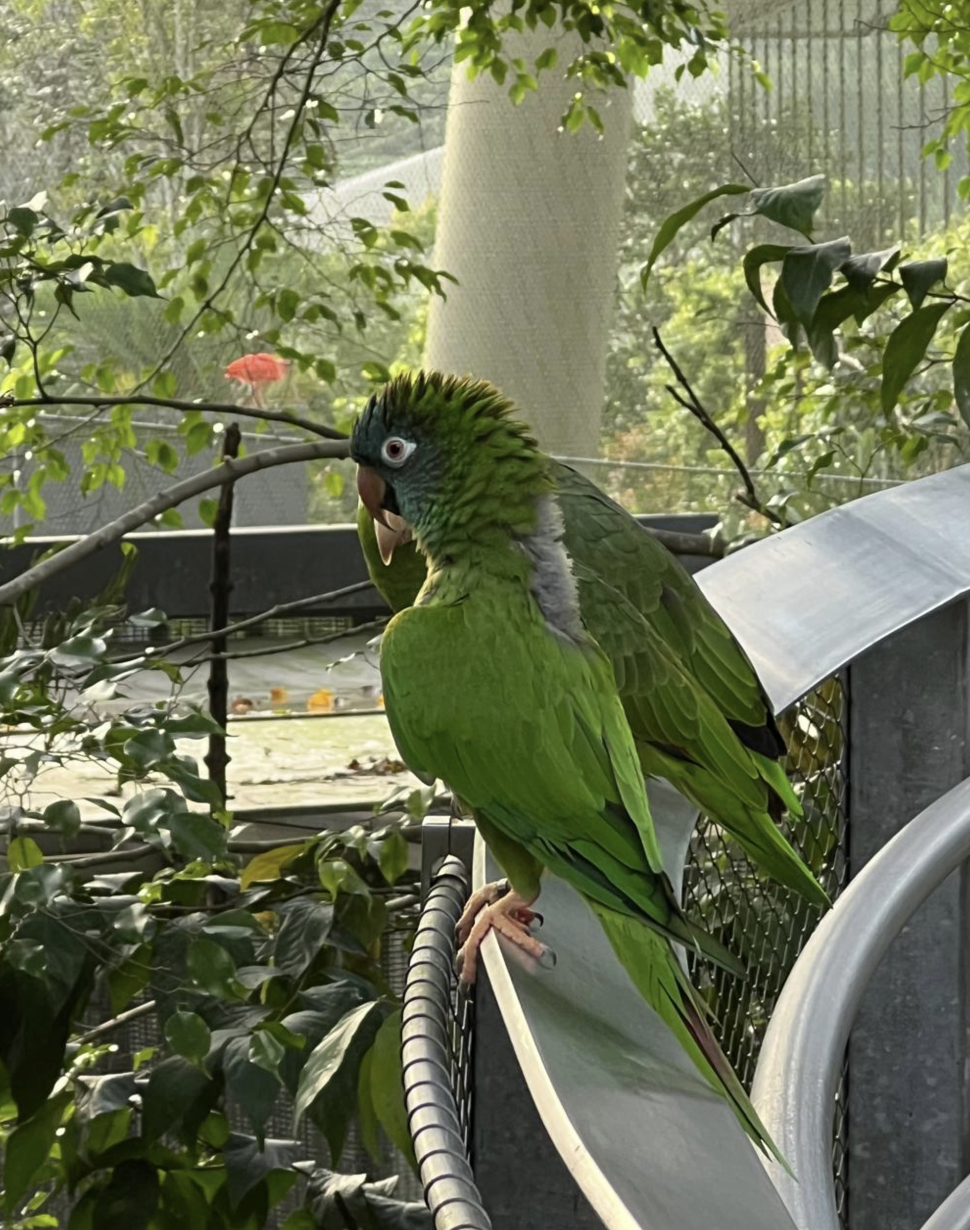
    Blue-crowned Parakeet

    Bits of My Time

    This reserve is one of the most beautiful places on Earth! Walking out into the Crimson Wetlands zone of the park felt like a scene straight out of a movie. There were colorful macaws soaring overhead, bright American flamingos dancing by the pond, Scarlet ibis carefully balancing on the hand rails and so much more. My exploration of the Mandai Reserve taught me so many fun facts about birds and this experience rekindled my love for all things nature. It truly gave me a fond memory to recall for the rest of my lifetime.

    References

    All Photography/Illustrations by Kristina Sarah Siju

    Mestanza-Ramón, C., Henkanaththegedara, S. M., Vásconez Duchicela, P., Vargas Tierras, Y., Sánchez Capa, M., Constante Mejía, D., Jimenez Gutierrez, M., Charco Guamán, M., & Mestanza Ramón, P. (2020). In-Situ and Ex-Situ Biodiversity Conservation in Ecuador: A Review of Policies, Actions and Challenges. Diversity, 12(8), 315. https://doi.org/10.3390/d12080315 

    Protecting Wildlife, Preserving The Future. (2023). Temasek Trust Revamp. https://www.temasektrust.org.sg/what-we-do/impact-hub/article-details/mandai-nature-impact-report-2023-2024

    Speiran S. I. M. (2025). The ‘Sanctuary Gap’: Reviewing the Research on Captive Wildlife Sanctuary Tourism. Animals : an open access journal from MDPI, 15(4), 496. https://doi.org/10.3390/ani15040496
  • Coloring Space Green

    “It appears a colonization of the moon could become a reality,” state Cornell University researchers R. W. Langhans and D. R. Dreesen hopefully in 1988 – and it would only be a “true colony [if] food could be produced” (Langhans and Dreesen, 1988).

    The quest for interplanetary travel and colonization is one that, in the modern day, remains far-fetched and distant. While governments and research organizations have landed robots on Mars and mapped much of the Moon, the dream of a permanent, or at least self-sustaining, Moon base is still far off in the distance. One of the largest barriers to that dream is the challenge of growing food in space.

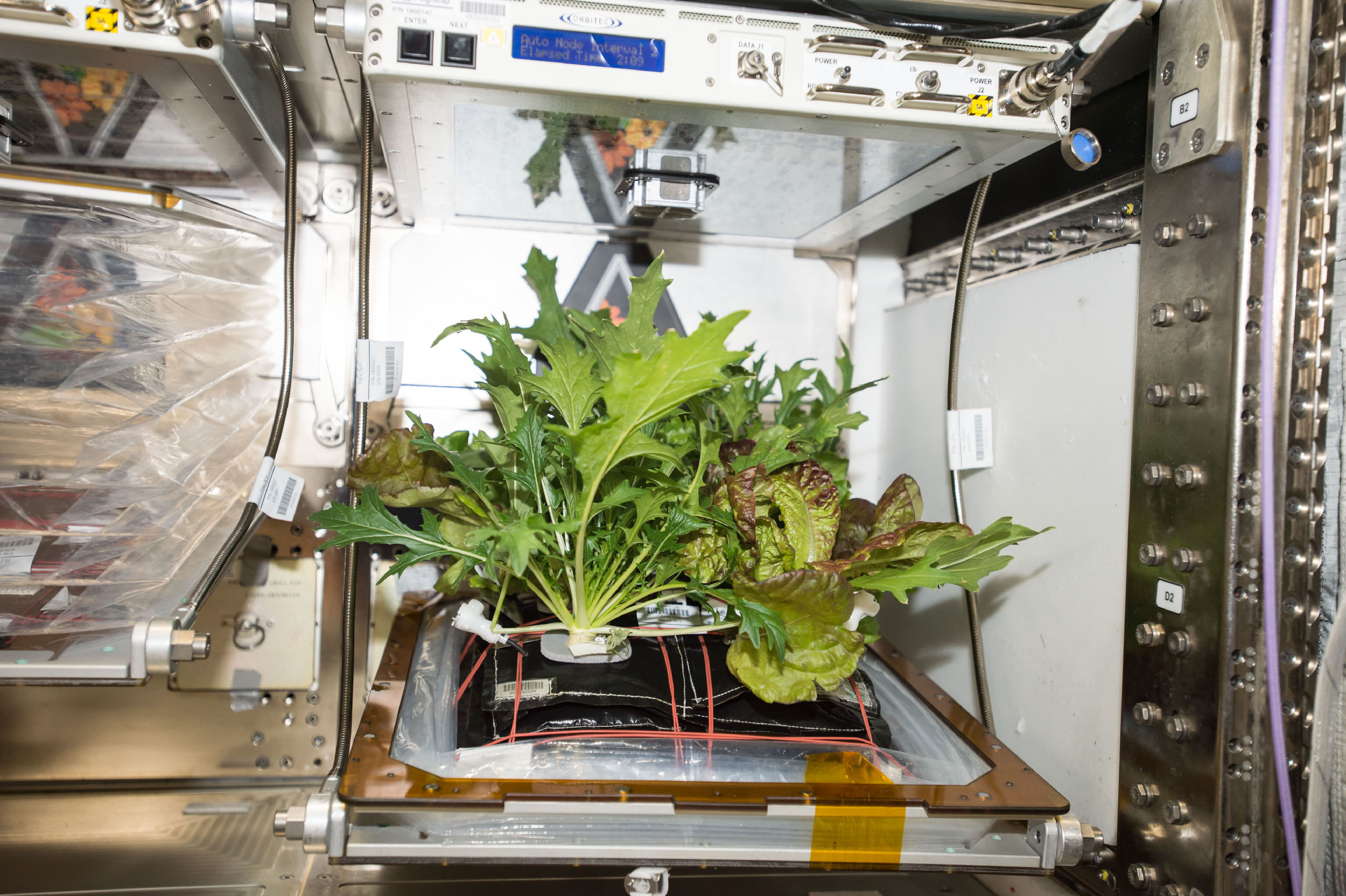
    Plants grown in space through NASA's Veggie system.

    Image Credit: NASA/ISS

    “The opportunities are exciting and almost unlimited in scope” (Langhans and Dreesen, 1988)


    Plant growth in space is challenging for a number of reasons due not only to the harsh conditions of space, but also the harsh design and engineering conditions of the spacecraft. Plants in space need to be able to survive radiation, microgravity, and low-light conditions, while also being physically compact, non-disruptive to the spacecraft’s oxygen and carbon-dioxide levels, and unable to produce excess waste, toxins, and dangerous microbes (Musgrave, 2008; Langhans and Dreesen, 1988; Reed and Vanden Bosch, 2023). Beyond those requirements, these compact space-grown plants must provide all the essential nutrients required for a human diet in the absence of animal products and larger plant products like large fruits (Langhans and Dreesen, 1988).

    While difficult, growing plants in space is extremely rewarding. NASA has determined that only eight species of plants – wheat, rice, white potato, sweet potato, soy bean, peanut, lettuce, and sugar beet – contain all the essential elements, carbohydrates, oils, and amino acids for a balanced human diet (Langhans and Dreesen, 1988). Vitamins, while not fully covered by these eight species of plants, can be supplemented for shorter missions, although they break down when prepackaged for longer ones (Langhans and Dreesen, 1988; and NASA, 2023). In addition, plants have been shown to be positively correlated with psychological well-being on Earth and in space (NASA, 2023). Plants then, are not only beneficial for the astronauts physical health, but their mental health too.

    Currently, NASA employs two growth habitats: the Vegetable Production System (nicknamed Veggie) and the Advanced Plant Habitat (APH) (NASA, 2023). Both Veggie and the APH use enclosed microbiomes with simulated radiance from LED lights and carefully controlled gas content, temperature, and moisture levels (NASA, 2023). While not all eight of the ideal plants identified in 1988 have been successfully grown, the advancements of Veggie, APH and other new technologies shine a light on a hopeful future of plant-filled space exploration.


    Credits

    Langhans, R. W., & Dreesen, D. R. (1988). Challenges to plant growing in space. HortScience, 23(2), 286-293.

    Musgrave, M. E. (2008). Growing plants in space. CABI Reviews. https://doi.org/10.1079/pavsnnr20072065

    NASA. (2023, December 8). Growing plants in space. NASA. https://www.nasa.gov/exploration-research-and-technology/growing-plants-in-space/

    Reed, D. W., & Vanden Bosch, C. A. (2023). Engineering perspectives of growing plants in space. Journal of the Indian Institute of Science, 103(3), 797–805. https://doi.org/10.1007/s41745-023-00369-6

  • Native Plants at the Georgia Tech EcoCommons

    Introduction

    The effort to bring greenspace and restore natural ecology to the Georgia Tech campus can be seen in the EcoCommons, a park built near the Keneda building and the Center Street Apartments. One of the goals of the EcoCommons is to restore Georgia’s natural plant life to Atlanta. Today, we’re going to look at some of the native plants which have been brought back to the EcoCommons.

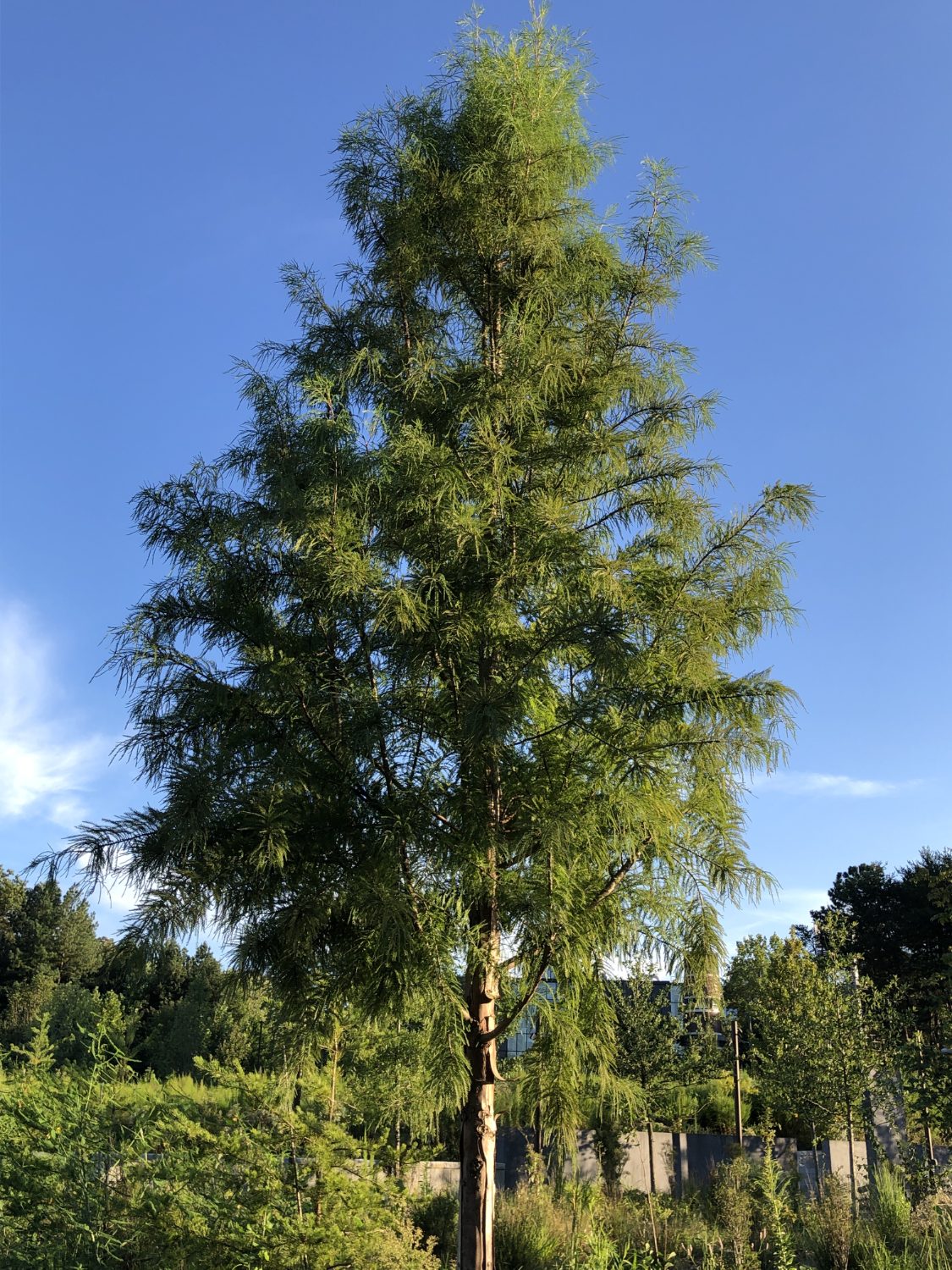
    A smaller variety of the bald cypress tree at the Georgia Tech EcoCommons, known as the pond cypress.Bald Cypress Trees

    Bald cypresses are trees native to much of the southeastern United States. They’re hardy and versatile, and can grow in all kinds of soil environments. This, along with their lovely red and orange needles during the fall, makes them popular plants for decorative purposes. Other common names for the bald cypress include swamp cypress, white cypress, tidewater red cypress, gulf cypress and red cypress.

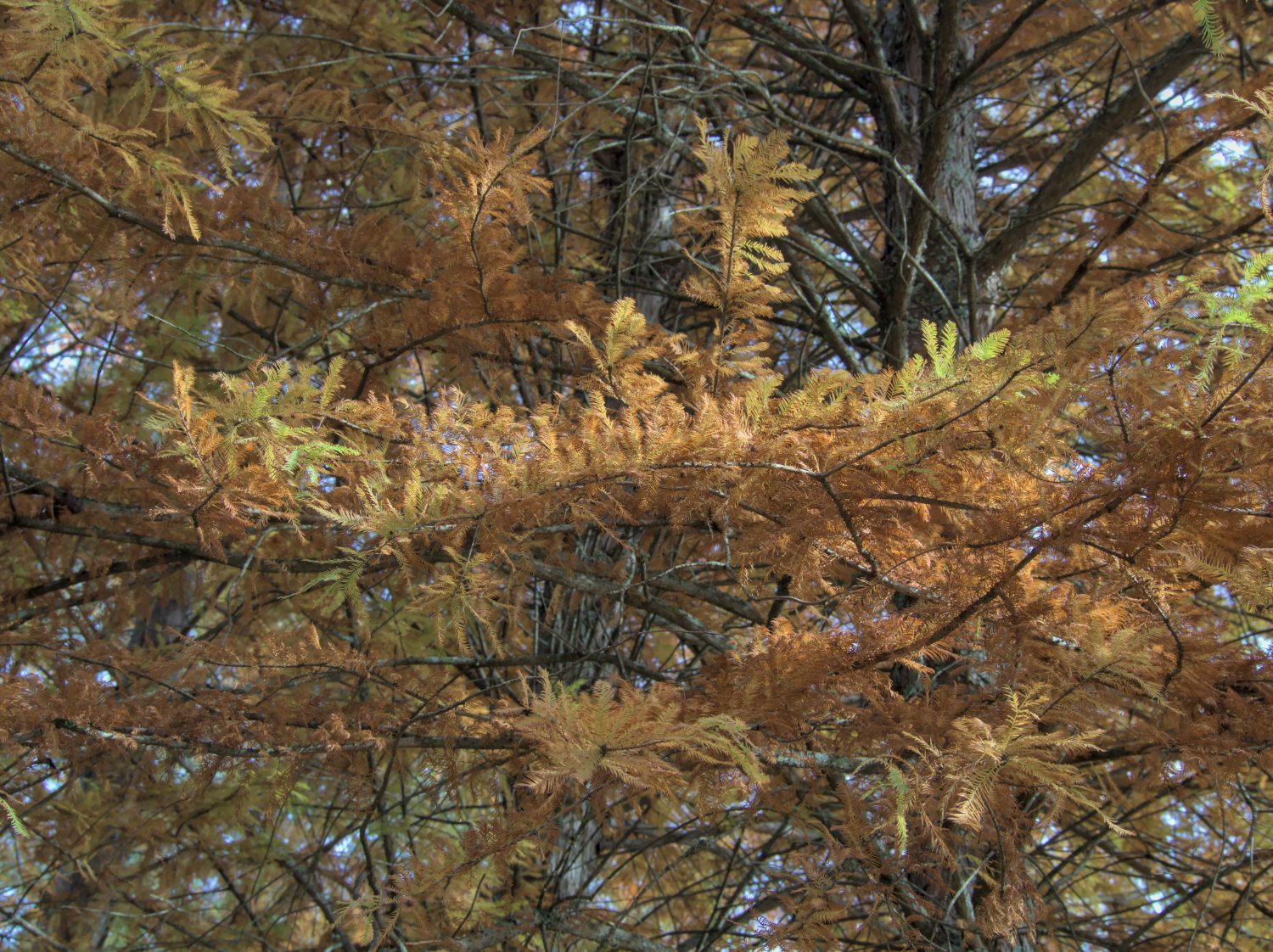
    In the wild, bald cypresses are typically found in wet, swampy areas. They can be identified by their large, spread out needles.

    A close up of baldcypress needles in autumn.FUN FACTS

    • The oldest bald cypress tree (that we know of) has been alive since 605 BCE. That’s a 2627 year old tree!
      • The site of the tree is actually a secret – park rangers don’t want visitors vandalizing it.
    • The bald cypress is the state tree of Louisiana.
    • Bald cypress wood has historically been marketed for its resistance to water, which makes it useful in wet areas.
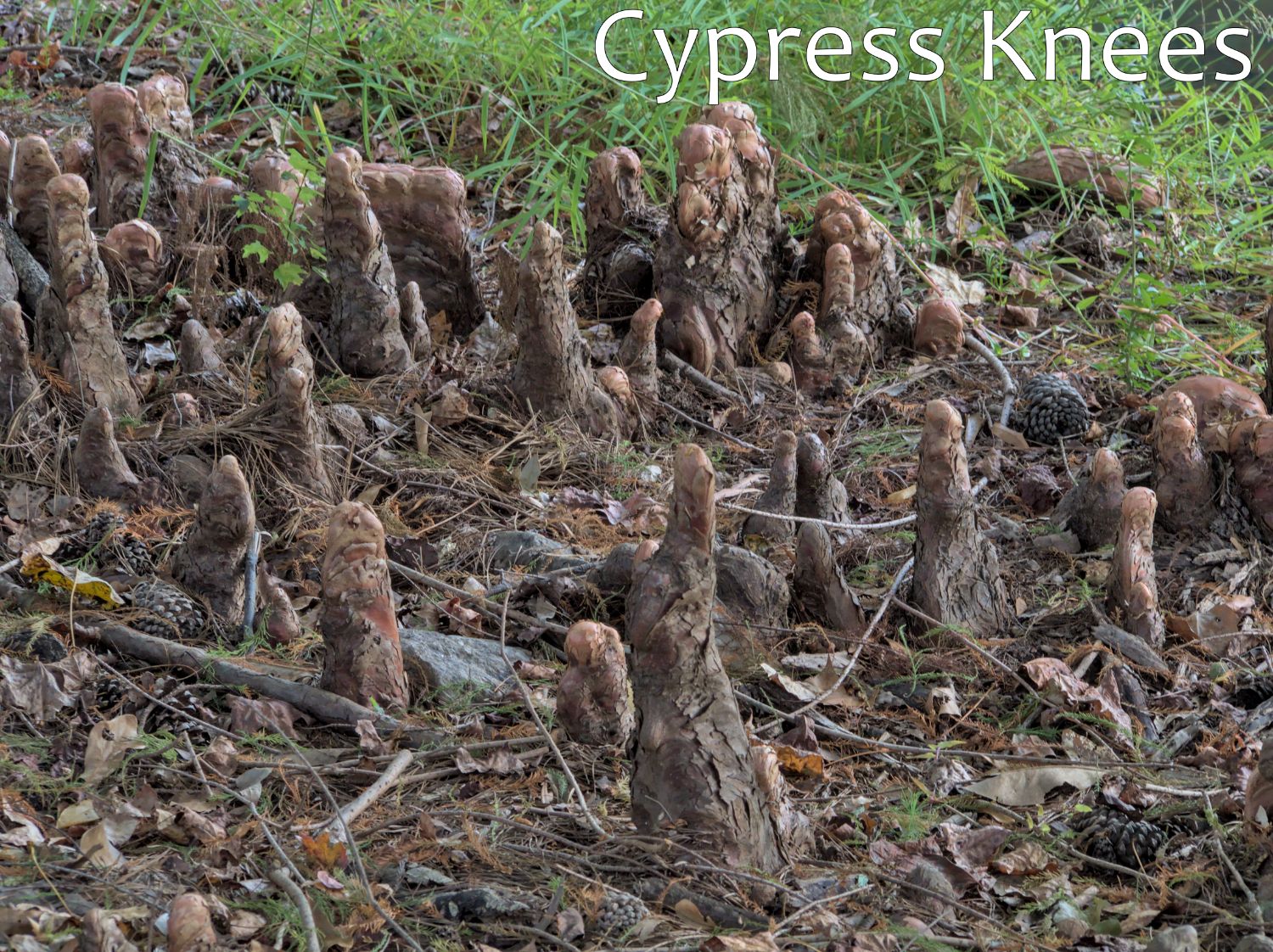
    • Around a bald cypress tree, it’s common to see what are called cypress knees – wooden outgrowths from the ground. They actually extend upward from the main trunk’s root system. They look like small stumps coming out of the ground, although they’re still connected to a “main” tree.

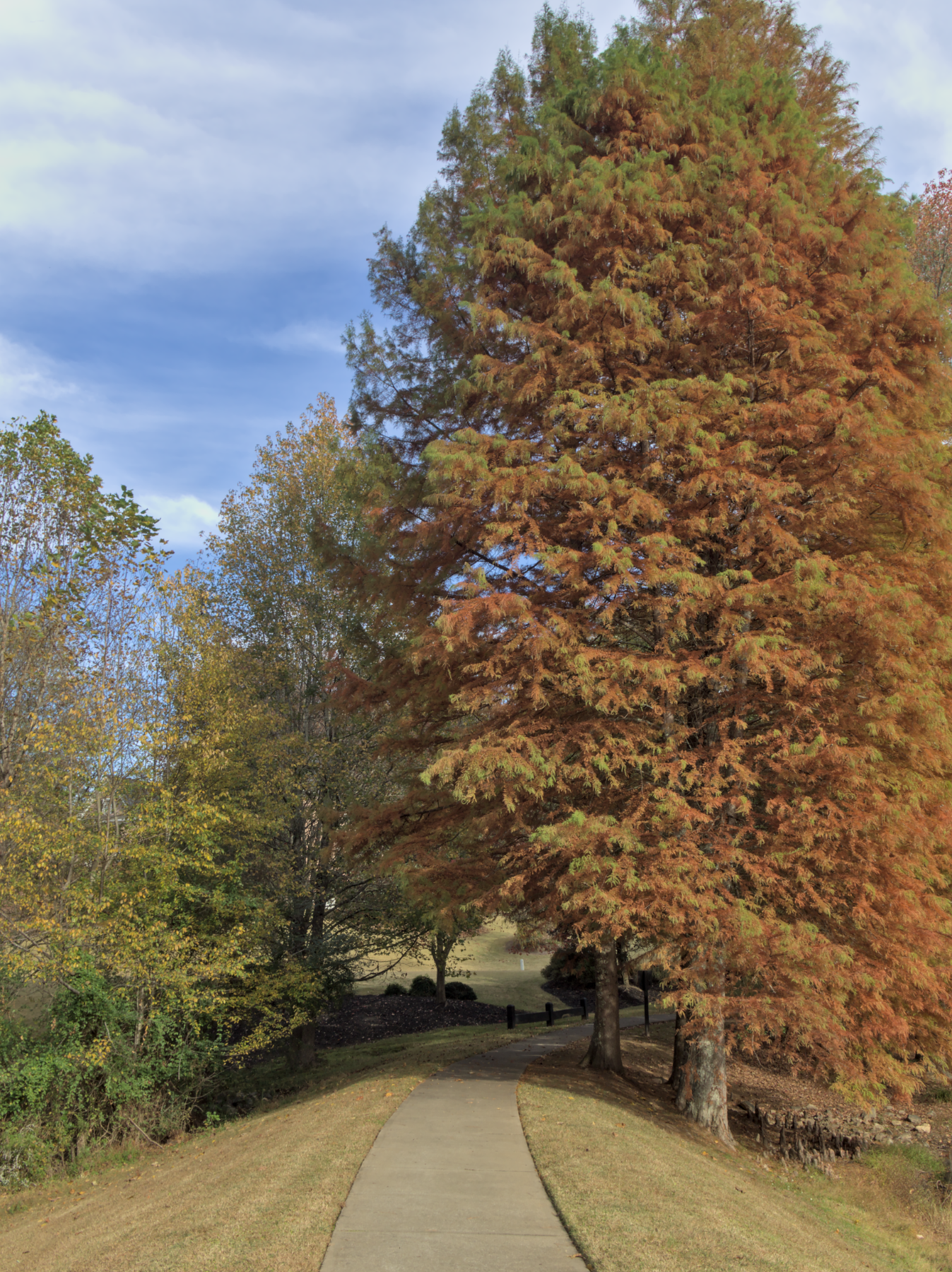
    A zoomed in image of the wooden knobs that extend from the roots of cypress trees, known as cypress knees.Bald cypress trees are famous for their fall colors – here’s a larger bald cypress off of the Georgia Tech campus in November. These native plants are a great choice for people looking for decorative trees that are ecologically beneficial to the local environment.

    A baldcypress tree with its fall russet needles.Cardinal Lobelias

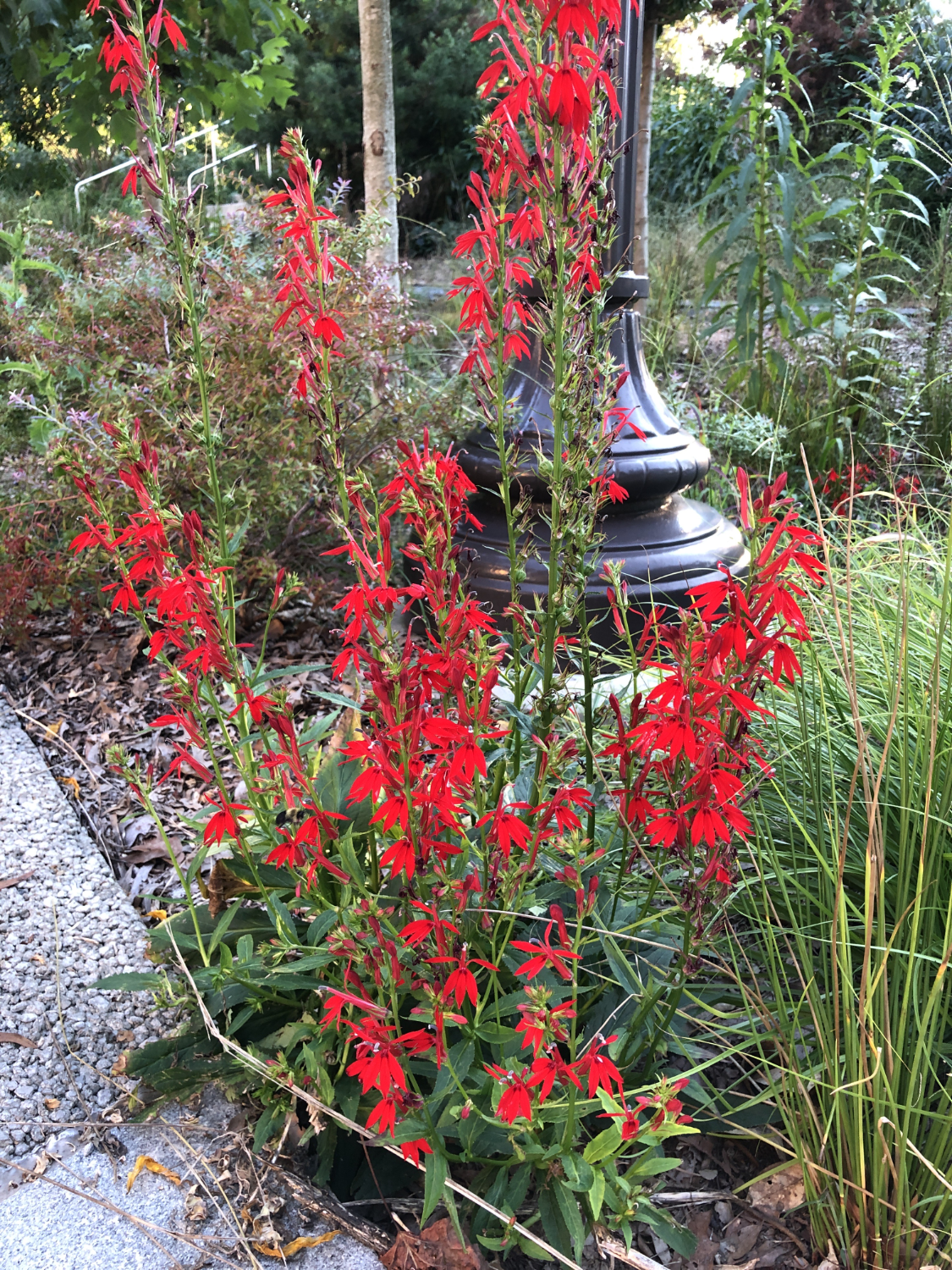
    A shot of cardinal lobelias in bloom.The cardinal flower, lobelia cardinalis, is a red flower, belonging to the bellflower family, that is native to most of the United States (except for far Northwestern states). It primarily lives in moist areas, such as stream banks, ditches, and lake shores.

    FUN FACTS

    • Excellent for hummingbird and butterfly gardens. This plant attracts many native pollinators, so it’s a great addition to your yard or garden if you’d like to see more hummingbirds and butterflies.
    • You can find varieties of the cardinal flower with pink and white flowers, although these are mostly sold in nurseries for decorative plants.
    • Every part of the cardinal flower is poisonous when ingested – don’t eat it!

    New England Aster

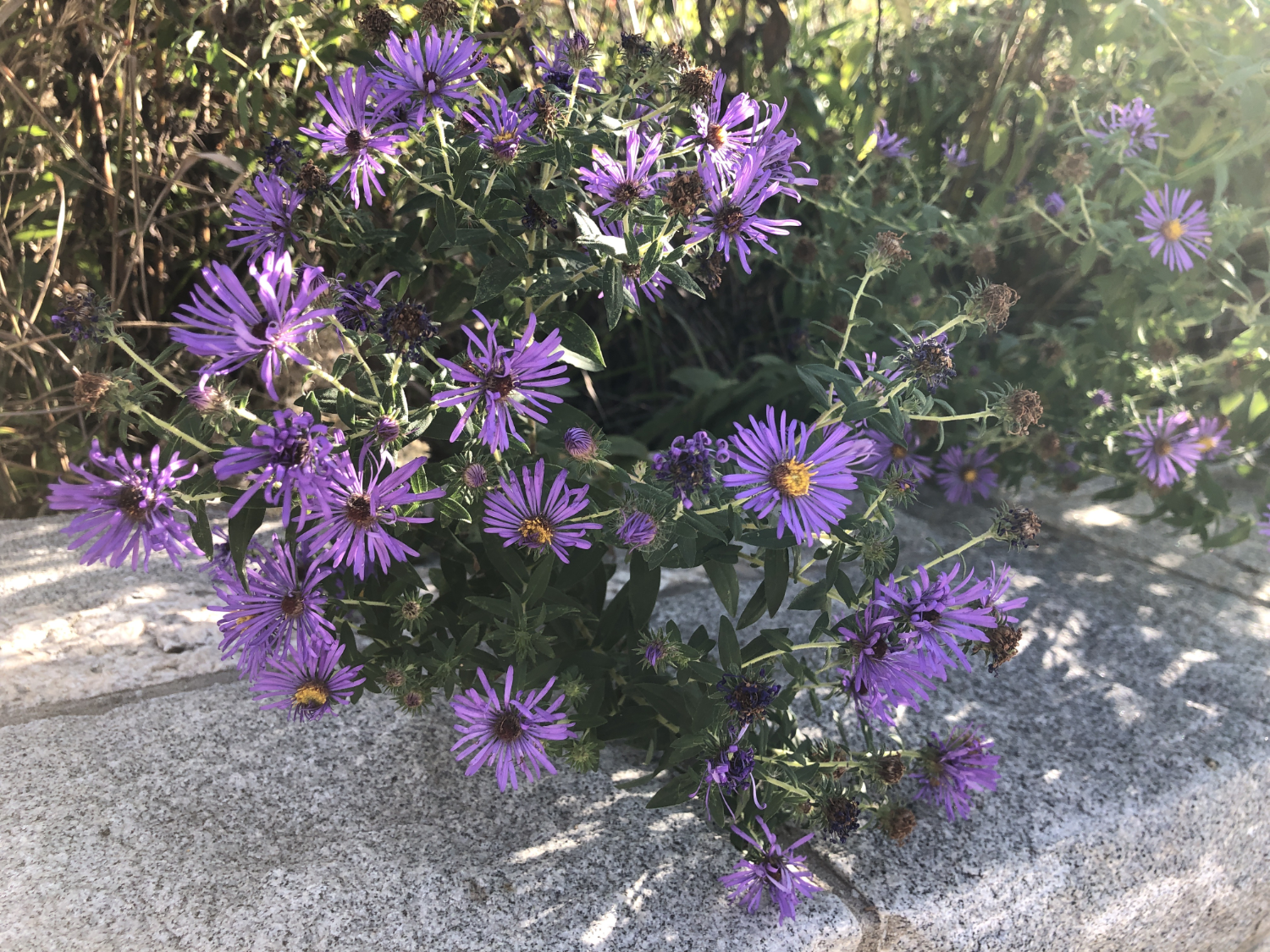
    A New England aster plant with purple flowers.The New England aster, Symphyotrichum novae-angliae, is a perennial flower that is a native plant to much of the northeastern United States. It typically blooms from late summer through fall, with asters blooming in late August to early November depending on the region. New England asters are typically found in moist environments, particularly in wetlands. However, it has been found in dry soils as well.

    FUN FACTS

    • New England asters are a favorite flower of the monarch butterfly! These flowers are known to attract the monarch butterflies during their migration south for the winter.
    • The word “aster” comes from the Greek word ἀστήρ, meaning “star”. Aster shares a language history with astronaut and astronomy.
    • Here in Georgia, New England asters are considered “Critically Imperiled” by NatureServe – this means that their natural range has been reduced significantly by human activity.
    • Domestically, you can find New England asters in all sorts of pinks and purples at nurseries for your garden or yard.

    Blue Mistflower

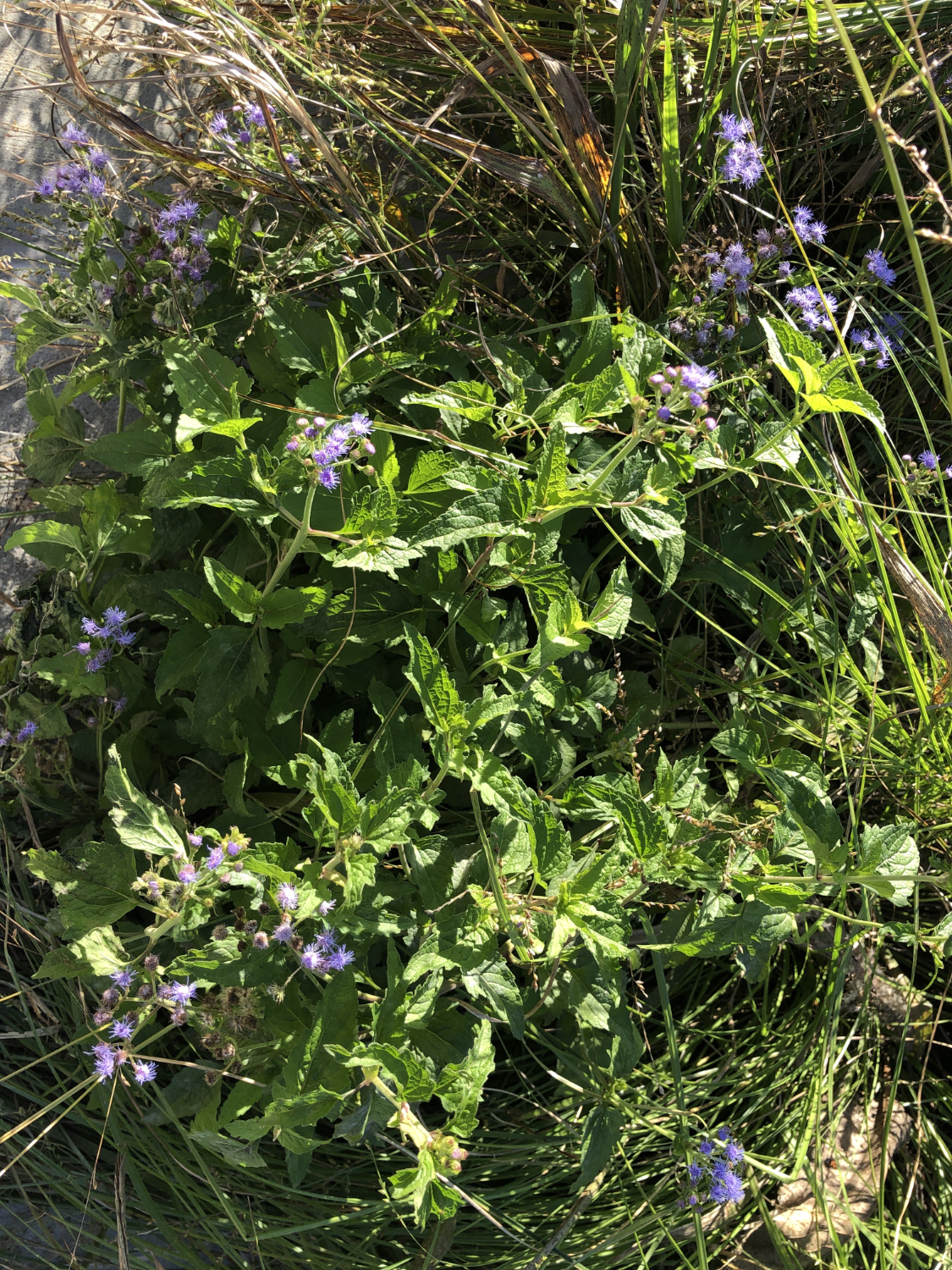
    Blue mistflowers close up.The blue mistflower, conoclinium coelestinum, is a perennial flowering plant in the Asteraceae family. Blue mistflowers are widespread throughout North America, and can be found from Ontario, Canada to Tepoztlan, Mexico. It’s commonly grown in gardens, and flowers from July through November each year.

    FUN FACTS

    • Blue mistflowers are hardy plants that can spread quickly – be warned if you want them in your garden! They’re very capable of choking out their neighbors because their root systems spread out.
    • These flowers are known for their ability to attract pollinators, which makes them great for supporting local ecology.
  • The Pollinator Commeth!

    It’s pollen season, and where I live in Atlanta Mother Nature has given everything with the misfortune to be outside a healthy dusting. Now that my car has the same greeny-yellow slime color of an abandoned pool I am resolved to do some digging into the phenomenon. However, I feel pollen is fairly well known natural event. It’s part of plants making baby plants and bees are involved. What else is there to know right? Well for starters, how are pollen levels measured? Pollen levels being the standard metric by which news organizations inform drugstores to stock up on tissues and anti-histamine. This concept has gotten my engineer-sense tingling…unless that’s just… Oh geez…

    ::Achoo!::

    Just kidding. My immune system is like an impregnable fortress made of Dwarven forged mithril (the good stuff), but if you are one of the many people who suffer from pollen allergies (known collectively as allergic rhinitis AKA hay fever) you should take solace in the fact that science is on your side. Right now, on a rooftop somewhere in your area is a greased up rod spinning around in a tube that is sucking in air and pollen. This doohickey has the understandable but perhaps uninspired name of a “rotorod”. Air is sampled for a fixed interval, usually for one minute out of every ten minutes for a twenty-four hour period, and any pollen grains in the sampled air are stuck to a layer of silicone grease on the rotorod as they pass over its surface. After the sampling period a special staining solution that contains a dye designed to adhere preferentially to the surface of the pollen grains (and not for example on mold or dust also in the air) is put onto the rotorod localized pollen, and then a fixed area of the rotorod surface is observed under an optical microscope. By utilizing the fact that the sampling rate, volume of air sampled and observation area are all fixed the number of pollen grains on the observed area of the rotorod can be used to calculate the average concentration of pollen grains floating around in the air.

    If your response to that last paragraph was, “Wait, somebody has to physically count every single pollen grain collected during the test AND because they are a good scientist and want to minimize the scatter in their data took multiple tests? I thought you said science was on MY side!” then I am right there with you friend o’ mine. Sounds like a lot of work, especially when automated particle counters exist to constantly measure the concentration and size of particulates in the air. These particle counters use either the blocking of light (for particles larger than about 1000 nanometers) or scattering of light (for particles around 50-500 nanometers) and with similar methodology to the rotorod and microscope method (known volume of sampled air at fixed sampling intervals) these devices can determine total particle concentrations and size distributions for a given volume of air. This type of sampling technique is commonly used to monitor the “cleanliness” of clean rooms used for semiconductor and satellite fabrication where even minor levels of contaminants can cause device failure. The best clean rooms have as few as one or less particle with a diameter of 500 nanometers in every cubic foot of air. As someone who has spent some time as a famous clean room technician (that’s me in the background!), and considering the fact that normal “dirty” room air has over a million particulates of the same size for every cubic foot, I can tell you these are some pretty clean rooms.

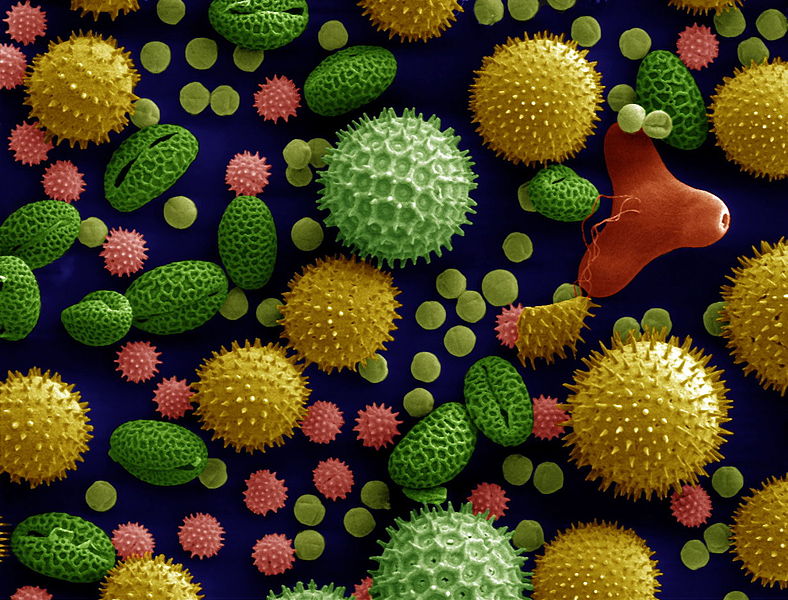
    Images of pollen grains in SEM with false color added

    One very important reason for not using this technique is the fact that pollens of different varieties imply different allergic responses for different people. Thus reporting a total pollen count or grain size distribution might not be an effective method to inform the public about the likelihood of a runny nose in their future which is the whole point of monitoring pollen levels in the first place. As a consequence, a trained specialist must identify both the species and concentration of pollen grains with the method described above which results in the reported “pollen count”. The myriad of sizes and shapes among different pollen grains, which macroscopically have very similar appearances, is shown in this false color image taken in a scanning electron microscope shown to the left. The original grey scale image (all SEM images are taken in grey scale) can be found here with call-outs to identify the pollen grains.

    All of this finally brings us to the featured topic: the pollen count. From some sources only a value of high or low, moderate or severe or something of this nature is given, but this belies what we should now understand is a much more detailed piece of data from a very sensitive measurement system: a trained scientist. One source reported that the pollen count in Atlanta hit a record at over 9000 grains per cubic meter which seems like quite a lot, but not so bad when you consider the recent panic in Moscow when clouds of pollen from trees were so thick people thought they were toxic chemical fumes. Bonus points if you can spot the trained scientist in the video from Russia. With that knowledge, I’m feeling a little better about my car.