Tag: plastic

  • Tiny Organisms Solve Giant Problems

    The Plastic Problem

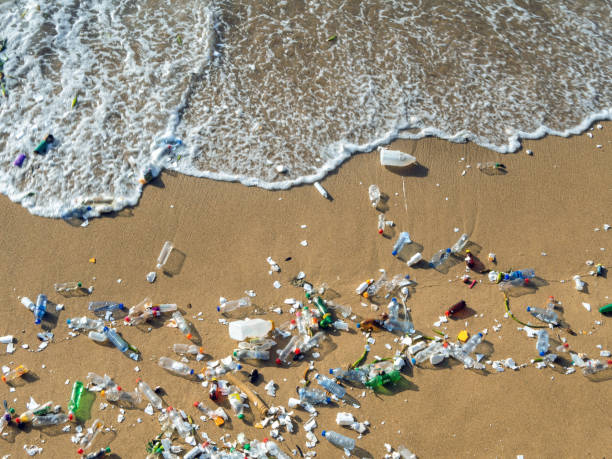
    A pressing issue our world is facing is “The Plastic Problem.” Humans have been creating harmful, non-biodegradable plastics and other materials for hundreds of years and polluting the planet with them. Scientists have been working to come up with reasonable solutions to waste management. While creating environmentally friendly alternatives is instrumental in preserving our planet, something must be done about the waste produced in years past.

    A natural solution?

    Who could have guessed that the Earth has been working to solve this itself? Some microorganisms have evolved and adapted to consume different types of plastic and convert their components into something good for the environment.

    Plastic-Eating Bacteria
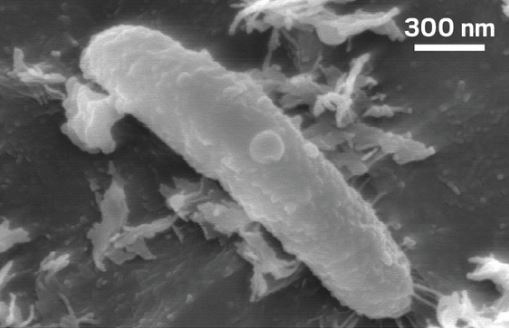
    Ideonella Sakaiensis is a bacteria discovered in Osaka, Japan. It secretes enzymes that break down harmful PET plastics into biodegradable PHB plastics. This bacteria could break down plastics in around 6 weeks when studied in a lab setting.

    Plastic-Eating Fungi
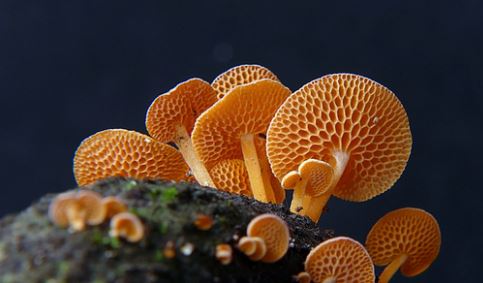
    Aspergillus Tubigensis, a naturally occurring fungus, was discovered by scientists at a waste disposal site in Islamabad, Pakistan. This fungus is also capable of breaking down plastic by secreting special enzymes. These enzymes destroy the bonds between molecules in the plastic.

    Plastic-Eating Larvae
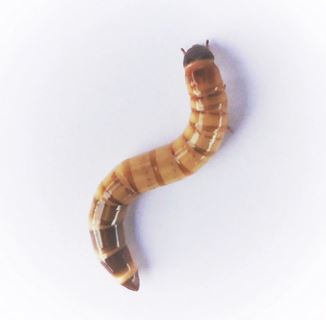
    Zophobas Morio, or “super worms”, are larvae of the darkling beetle. This creature can decompose polystyrene (AKA Styrofoam) through its digestion. The larvae’s gut microbiome is being studied to learn how to replicate the process of breaking down plastics and learn how to produce more efficient larvae.

    Is This Sustainable?

    For something to be sustainable, it must account for three things: ecology, equity, and economy. In other words, something must be good for people, nature, and the economy.

    While these organisms are all naturally-occurring, they are not the most efficient. In order for these organisms to become viable solutions to our plastic problem, they must be bio-engineered to be hundreds of times more efficient. Large-scale commercial use would be very expensive. The “willingness to pay” philosophy addresses how people will only choose sustainable products if they are willing to pay for them. More expensive endeavors are backed less by the average person. These organisms are only sustainable as long as researchers are given proper funding.

    References:

  • Save the Ocean Through One Simple Step


    Throughout your week, take note of how many plastic straws you use. Do you use one when you go to eat at a restaurant, or when you buy an iced coffee? Is it possible you use plastic straws at home? If you use so much as one plastic straw in the next week, you could make one small change in your life to contribute to a drastic change in the environment.

    Screen Shot 2018-10-10 at 4.55.30 PM

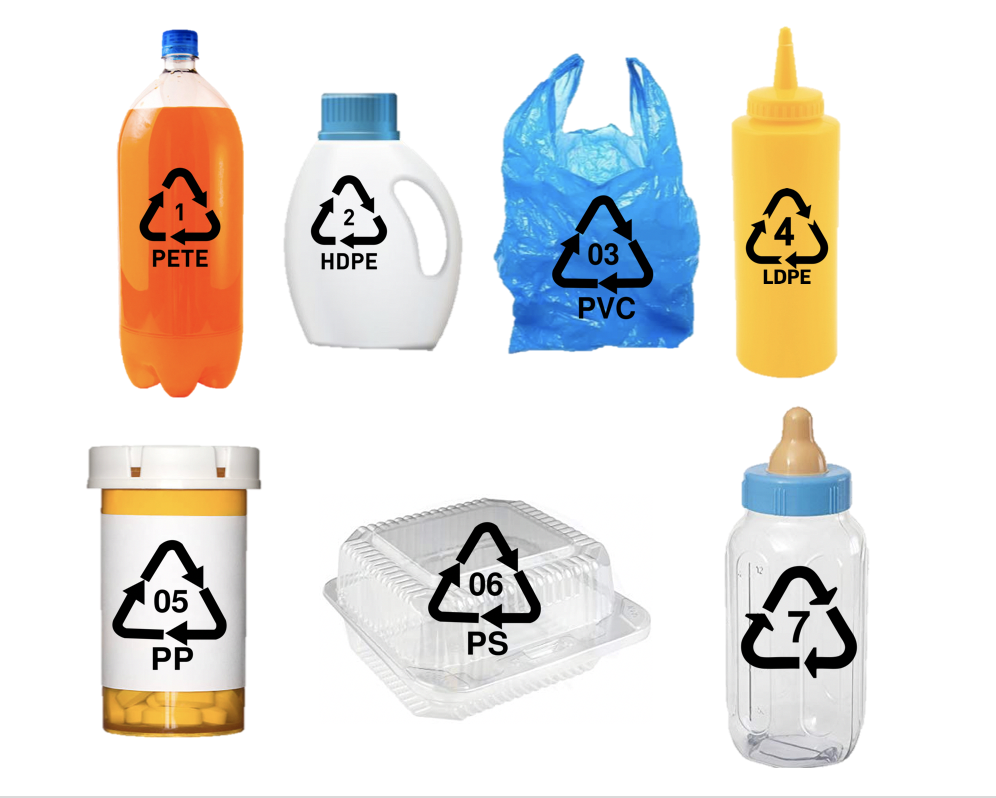
    Made from petroleum, plastics are made into thermoplastics and thermosets (McGehee). Thermoplastics can be recycled and include items such as soft drink and water bottles, shampoo bottles, and shopping bags. These can be identified by locating the recycling symbol with either a “1”, “2”, “3”, or “4” label. These correspond to polyethylene terephthalate (PETE), high-density polyethylene (HDPE), polyvinyl chloride (PVC), and low-density polyethylene (LDPE), respectively. Thermosets include items such as liner in cereal boxes, styrofoam egg cartons, and baby bottles. These are identified with the recycling symbol containing a “5”, “6’”, or “7” which correspond to polypropylene (PP), polystyrene (PS), and other. Thermosets cannot be recycled because they would scorch in attempt to reheat and remold the plastic (Cowan).

    Plastic straws are usually a polypropylene – they can’t be recycled. Additionally, over 500 million plastic straws are used by Americans daily, they are the 11th most found ocean trash, and it can take a plastic straw up to 200 years to fully decompose (Hugh). Because they are on the smaller side of non-recyclable plastics, they can do more harm: “The smaller those pieces get, the more places they can go” (Science News for Students). As these plastics become smaller and smaller, they become what it known as “microplastics”, making them more likely for marine life to ingest. In a recent study, it was found that zooplankton, that had swallowed plastic in algae, laid smaller eggs that were less likely to hatch (Science News for Students). If we do not start cleaning up our act, there will be more plastic than fish in the ocean by 2050. Although that may sound futuristic, it is just over a few decades!

    If the environment isn’t important enough, plastic straws also have a negative effect on you – they cause bloating, cavities, ingesting chemicals, wrinkles, and excess sugar and alcohol consumption (Perspective).

    Now that you’re convinced, how do we fix this problem? There’s an obvious solution: simply stop using straws. Although this may not affect you directly, there are people who have no choice but to use straws due to medical reasons. And, of course, some people simply prefer to use straws. Therefore, the absence of straws is not necessarily the best option for the majority. What about compostable straws? Although there is a good intention behind the creation of these, there is still the issue of whether people correctly compost the straws – unfortunately, this is not the best solution either. So, what is?

    Buy a metal straw (or multiple)! They can be found online for only a few dollars, and typically come with a straw cleaner. They are a great alternative to typical plastic straw – they’re reusable, they protect our environment, and they prevent ingestion of chemicals (although, you may still end up with wrinkles). Go plastic straw-less today to protect our home!

    Resources:

    Cowan, S. (n.d.). Plastics by the Numbers. Retrieved from https://learn.eartheasy.com/articles/plastics-by-the-numbers/

    Hugh. (2018, September 24). Environmental Impact of Plastic Straws (2018 Facts & Statistics). Retrieved from https://get-green-now.com/environmental-impact-plastic-straws/

    McGehee, A. (2006, Nov). There are plastics and there are bioplastics-how much do you know? Countryside and Small Stock Journal, 90, 86-89. Retrieved from http://prx.library.gatech.edu/login?url=https://search-proquest-com.prx.library.gatech.edu/docview/197239104?accountid=11107

    Perspective | Plastic straws aren’t just bad for the environment – they can be bad for your body. (2018, July 03). Retrieved from https://www.washingtonpost.com/lifestyle/wellness/plastic-straws-arent-just-bad-for-the-environment–they-can-be-bad-for-your-body/2018/07/02/d682fdfe-7964-11e8-aeee-4d04c8ac6158_story.html?noredirect=on&utm_term=.354afd959b55

    Tiny plastic, big problem. (2015, Apr 10). Science News for Students, Retrieved from http://prx.library.gatech.edu/login?url=https://search-proquest-com.prx.library.gatech.edu/docview/1672359979?accountid=11107

    Why This Matters. (n.d.). Retrieved from https://www.strawlessocean.org/faq/