Tag: sleep

  • Sleep Well: Your Psychological Health Depends On It


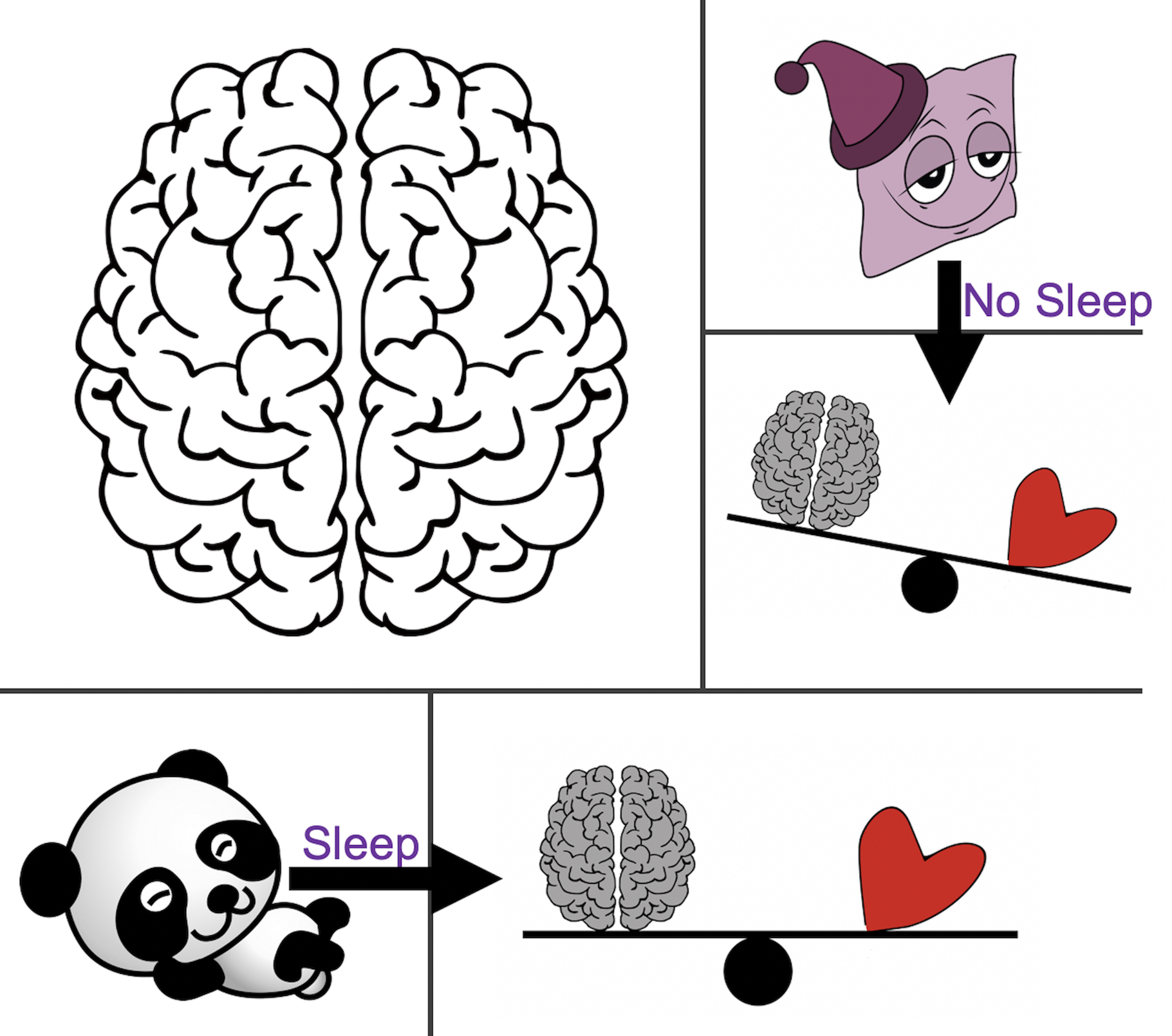
    There is some truth to the phrase “waking up on the wrong side of the bed.” When I don’t sleep very well, I will probably be much more affected by seemingly minor mistakes than other times. For example, I might be particularly self-critical of a research presentation, ruminating on the negative aspects and failing to acknowledge anything positive. The recurrent thought of poorly answering a question might leave me feeling disappointed. In contrast, I will probably fail to retrieve the memories about the questions that were answered well or the clarity of concepts explained. Cognitive neuroscientists have linked poor sleep to poor psychological health at the neural level, particularly involving a brain structure called the amygdala.

    The amygdala is an almond-shaped brain structure that modulates emotional reactivity. When sleep deprived, amygdala function is perturbed and becomes over-reactive during the waking day (1). In other words, sleep deprivation can lead to a heightened sensitivity of the amygdala. For example, your roommate’s incessant pencil tapping that normally seems bearable when not sleep deprived, may be particularly annoying after a night of little to no sleep.

    Sleep deprivation may reduce attentional focus on positive materials.

    Moreover, sleep deprivation may influence emotional memory. For example, researchers gave participants a series of positive, negative, and neutral words to study. They found that those who were sleep deprived remembered fewer positive words than those who were well-rested (1). This suggests that sleep deprivation may reduce attentional focus on positive materials. Furthermore, it has also been found that connectivity between the amygdala and control center of the brain, the prefrontal cortex, is reduced when sleep deprived (2). Reduced feedback from the prefrontal cortex may lead to amygdala overactivity when sleep deprived.

    Sleeping through the night or over several nights gradually reduces one’s response to feel upset when recalling a negative experience.

    Considering that sleep deprivation impairs the ability to remember positive information, it is closely linked with depression. It is thought that obtaining sufficient sleep causes reductions in the emotional response to negative memories by reducing the response of the amygdala. In other words, sleeping through the night or over several nights gradually reduces one’s response to feel upset when recalling a negative experience. For example, after sleeping, you may be able to remember when your first pet passed away, or when you scored poorly on an exam, without feeling emotionally crippled by the memory. Sleep reduces emotional reactivity to memories.

    Experimental research found that sleep deprivation caused a near 30% increase in anxiety symptoms.

    In addition to an increased susceptibility to negative emotion, sleep deprivation is closely linked with anxiety. Indeed, recent experimental research found that sleep deprivation caused a near 30% increase in anxiety symptoms (3). For example, suddenly hearing a loud noise, such as an alarm, leads to fear as an initial reaction. You may feel your heart pound through your chest; your pupils may dilate; and you might look around to locate the noise. However, once you realize that it is only a test for the warning alarm systems, you will quickly resume to your work. However, if you’re sleep deprived, this process may happen a bit more slowly. It may take longer for your brain to process the fact that it’s only a warning alarm. Your increase in heart rate may persist, and you may feel anxious for longer than someone who is not sleep deprived. Thus, anxious feelings will likely be intensified when you are in a sleep-deprived state.

    Failing to sleep intensifies emotional responses at the neural level. Brain structures involved in emotional processing and cognitive control, particularly the amygdala and prefrontal cortex, are functionally altered by sleep deprivation. Although the life of a student is a demanding one, sleep should be prioritized in order to thrive and function with peak psychological health. So if you’re feeling crappy, try getting a good night’s sleep.
    References

    1.Walker, M. P., & van der Helm, E. (2009). Overnight therapy? The role of sleep in

    emotional brain processing. Psychological Bulletin, 135(5), 731–748.

    https://doi.org/10.1037/a0016570

    2.Yoo, S., Gujar, N., Hu, P., Jolesz, F. A., & Walker, M. P. (2007). The human emotional

    brain without sleep – a prefrontal-amygdala disconnect. Current Biology, 17(20), 1–8.

    https://doi.org/10.1016/j.cub.2007.08.007

    3. Anwar, Yasmin. “Chronically anxious? Deep sleep may take the edge off.” Retrieved from: https://news.berkeley.edu/2018/11/06/chronically-anxious/

  • DUIs and Driving While Sleep Deprived: The Dangerous Similarities

    Life as a student can be frustratingly busy at times. In the most difficult periods, you have to complete multiple assignments simultaneously, all the while attempting to maintain a moderately healthy social life. You want to ace your tests, maintain your friendships, and visit your family regularly; maintaining balance among these goals is understandably difficult. When life becomes hectic, you may decide to vary from your typical routine, and one of the health behaviors that is often neglected is sleep.

    Sleep deprivation is a common problem in the US. At least a third of adults don’t obtain more than 7 hours of sleep each night, and this is detrimental to physical, psychological, and cognitive health (CDC, 2016; Watson et al., 2015). Total sleep deprivation, or failing to obtain any sleep in a given night (i.e., “all-nighters”), is common in student populations; students have reported pulling all-nighters more than twice per month (Hershner & Chervin, 2015). This may be especially common during exam times. For example, students sometimes pull all-nighters in preparation for tests. However, these behaviors have consequences at the behavioral and neural level.

    Sleep deprivation tends to increase activation in a control center of the brain, the prefrontal cortex, and this is thought to reflect increased effort to maintain cognitive control (Wilckens, Erickson, and Wheeler, 2012). For example, focusing attention and avoiding distractions may require more effort than when well-rested. Thus, studying all night could lead to undesirable consequences. Not only may students not retain crammed information over long time periods (e.g., weeks, years), but they may also experience dangerous psychomotor impairments (Durmer & Dinges, 2005).

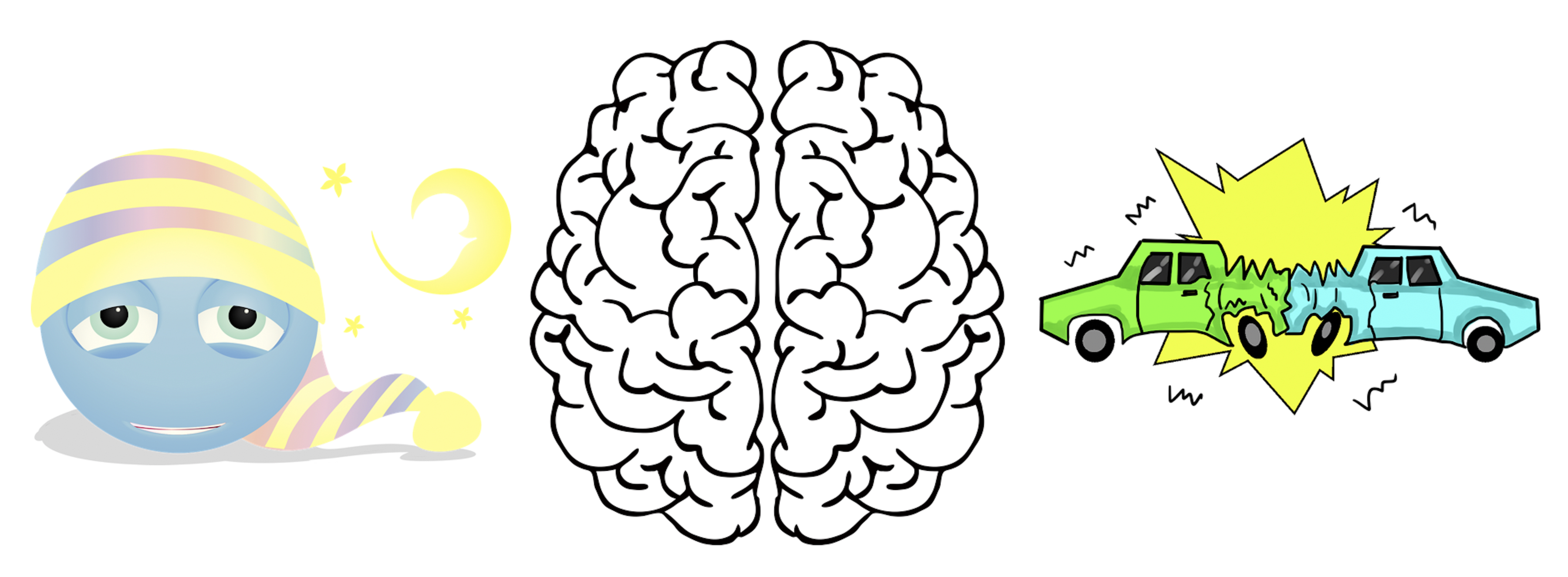
    Researchers have found that driving while sleep deprived is statistically equivalent to driving with a blood alcohol content level of being legally intoxicated.

    Psychomotor impairments related to sleep deprivation directly affect driving ability. Researchers have found that driving while sleep deprived is similar to driving while under the influence. In fact, it is statistically equivalent to driving with a blood alcohol content level of being legally intoxicated. Those who drive while sleep deprived and those who drive while drunk have trouble maintaining their place on the road. They tend to accidentally cross into other lanes and look away from the road more often. Not surprisingly, the injury rate of motor crashes related to drowsy driving and drunk driving is similar.

    As students, we are often warned about the dangers of drunk driving and distracting driving (e.g., texting, talking on the phone), but there is little attention given to the dangers of driving while sleep deprived. The evidence is clear in regards to the importance of obtaining enough sleep for general health and cognitive function. However, if you must miss sleep, please refrain from driving. Instead, call a friend or call another ride. Just as you wouldn’t drive while under the influence, don’t drive while sleep deprived.

    References

    Centers for Disease Control and Prevention. (2016). 1 in 3 adults don’t get enough sleep. Atlanta, GA: US Department of Health and Human Services. Retrieved from https://www.cdc.gov/media/releases/2016/p0215-enough-sleep.html

    Durmer, J. S., & Dinges, D. F. (2005). Neurocognitive Consequences of Sleep Deprivation. Seminars in Neurology, 25, 1996. https://doi.org/10.1055/s-2005-867080

    Hershner, S. D. & Chervin, R. D. (2015). Causes and consequences of sleepiness among college students. Nature and Science of Sleep, 2014(6), 73–84.

    Watson, N. F., Badr, M. S., Belenky, G., Bliwise, D. L., Buxton, O. M., & Buysse, D. (2015). Joint consensus statement of the American Academy of sleep medicine and sleep research society on the recommended amount of sleep for a healthy adult: methodology and discussion. Sleep, 38(6), 591–592.

    Wilckens, K. A., Woo, S. G., Kirk, A. R., Erickson, K. I., & Wheeler, M. E. (2014). Role of sleep continuity and total sleep time in executive function across the adult lifespan. Psychology and Aging, 29(3), 658–665. https://doi.org/10.1037/a0037234

  • Sleeping Position Matters

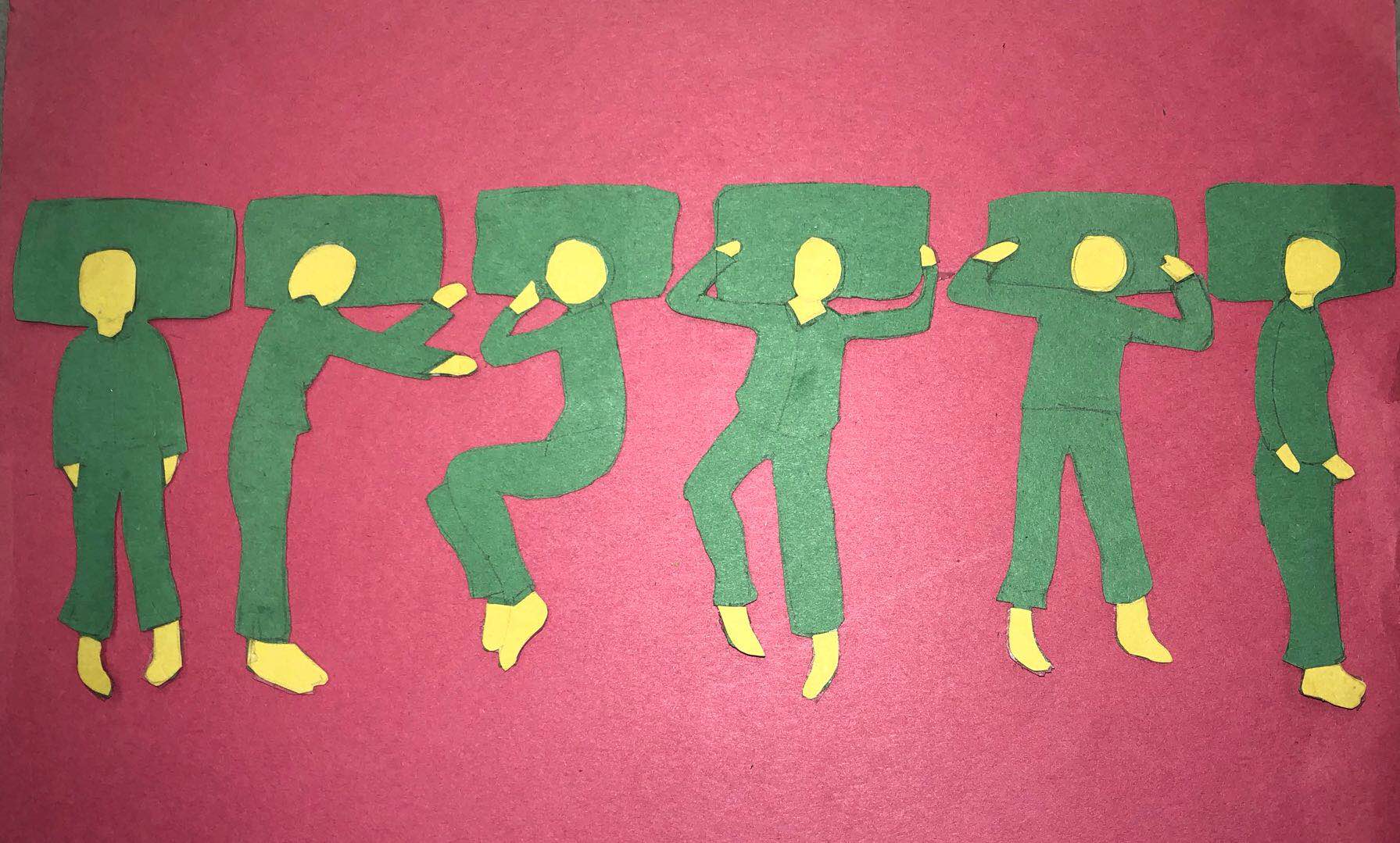
    When I woke up today, I found that my neck and shoulder were extremely sore. I was totally fine last night before bed and I didn’t have any strenuous exercise yesterday.  I started to think that maybe sleeping position matters. Everyone has a favorite sleeping position, but what are the pros and cons of your favorite ones?

    WechatIMG159

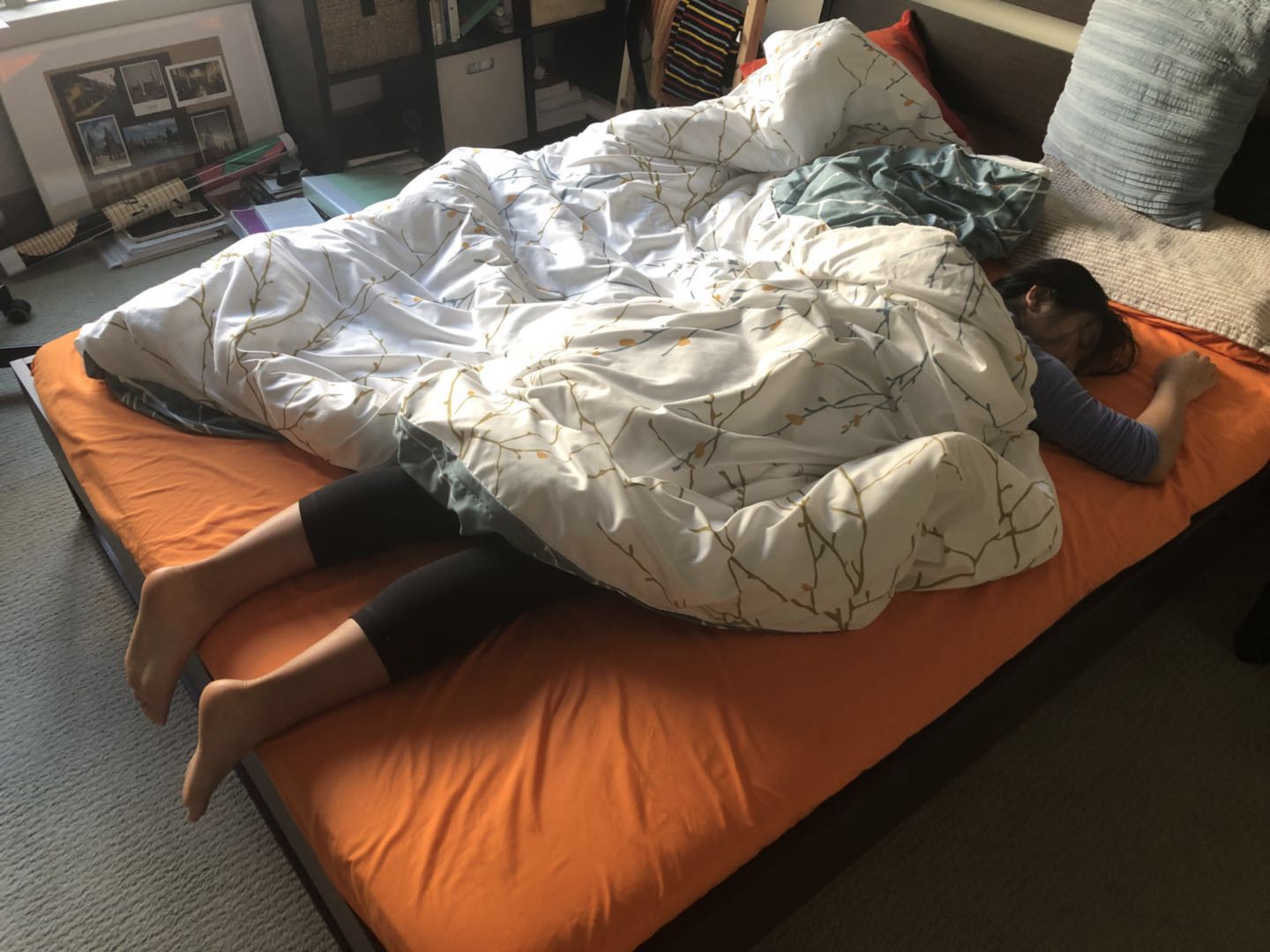
    Face down is my favorite sleeping position, but it is actually this position that caused my neck and shoulder soreness. The prone position prevents the relaxing of the spine and also adds extra forces to muscles and joints. These extra forces make us feel very sore, numb or even tingly at some parts of body. The  prone position is especially dangerous for babies  According to a research study from Tasmania, Australia, the major contributing factor to the recent SIDS rate decline in Tasmania has been the reduction in the proportion of infants usually sleeping prone. [1] What’s more, a study about occurrence and mechanisms of sudden oxygen desaturation in infants who sleep face down had a conclusion that rebreathing in prone sleeping infants is associated with an increased frequency of episodic desaturations. Desaturation may result from respiratory pattern changes such as brief apneas often associated with evidence of behavioral arousal or failure to increase ventilation in the face of rising inspired carbon dioxide, also associated with behavioral arousal. [2]

    WechatIMG157

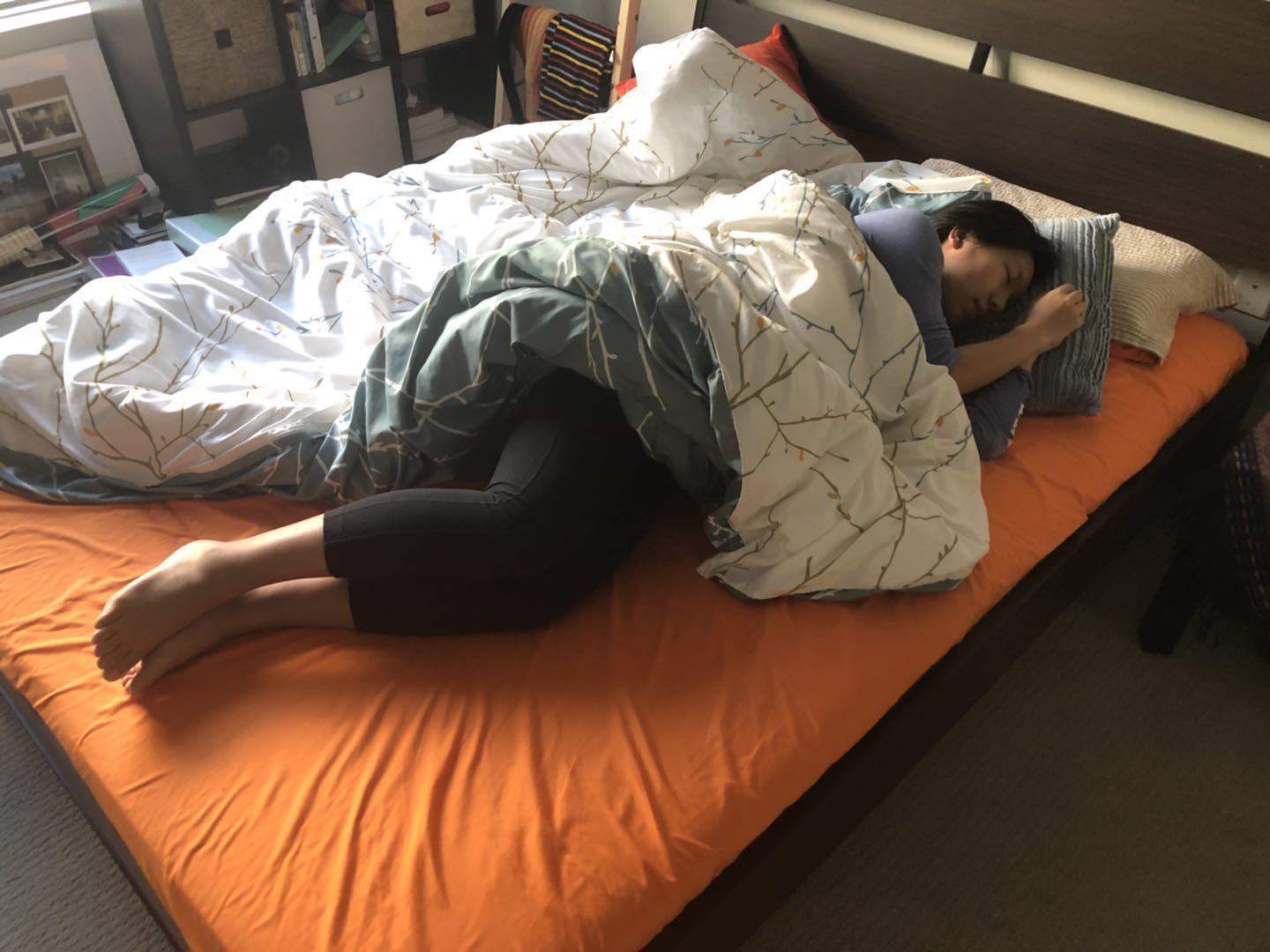
    The lateral position is also a common sleeping position of mine. In contrast to prone, lateral position is good for our spine since it ensures the extension of spine. What’s more, lateral position is also good for people who are struggling with sleep apnea. A experiment about effect of sleep position and sleep stage on the collapsibility of the upper airways in patients with sleep apnea showed that The results indicate that collapsibility of the upper airways is not mediated by sleep stages but is strongly influenced by body position. As a consequence lower nCPAP pressure is needed during lateral positions compared to supine positions. [3]

    WechatIMG158

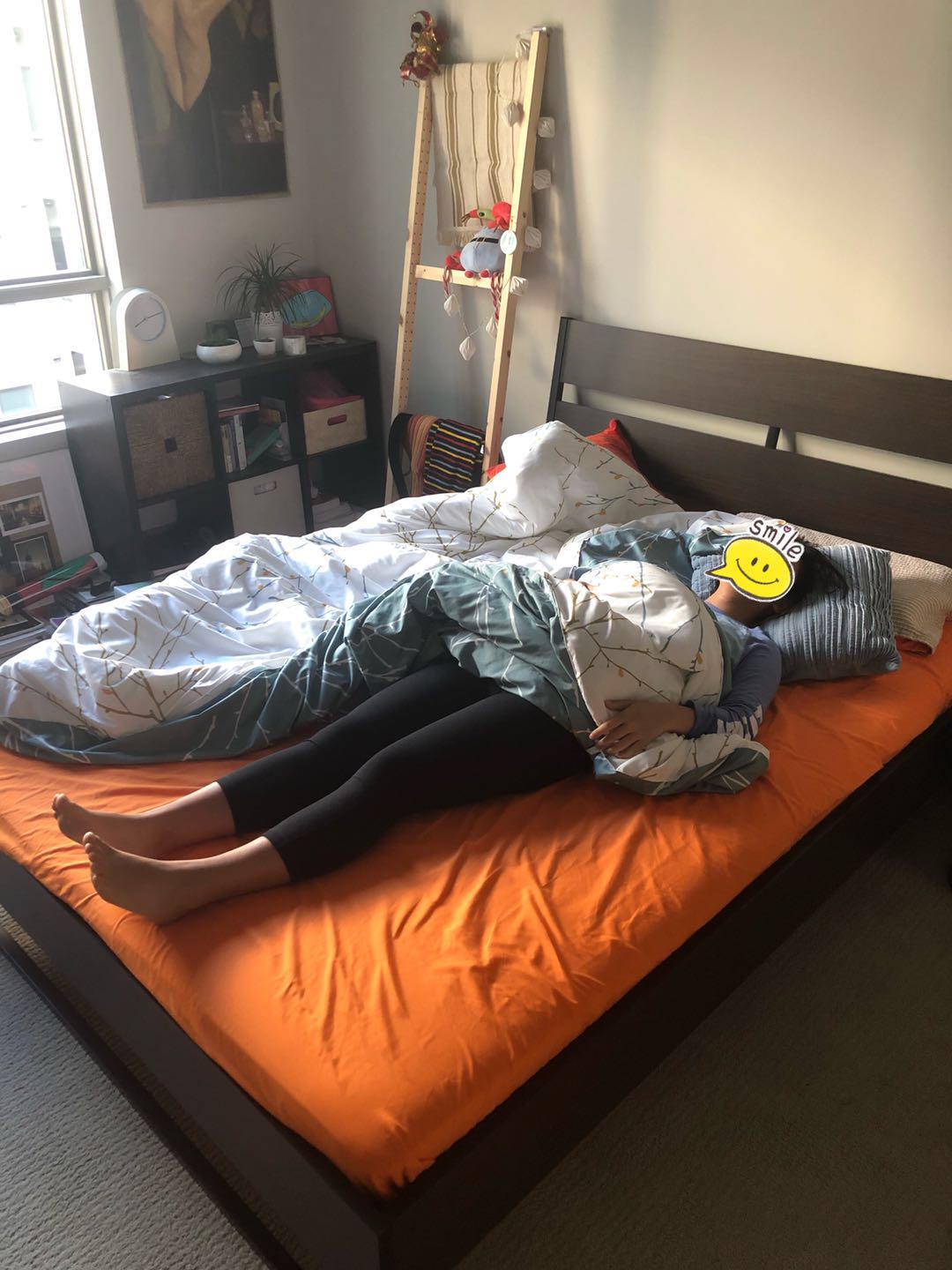
    Supine position is the easiest but the most uncommon position for me. So I was surprised to find that supine position actually has advantages for preterm infants. A experiment about the effect of prone and supine position on sleep,apneas and arousal in preterm infants concludes that it is important to recommend supine sleeping after neonatal unit discharge for prematurely born infants because very prematurely born infants studied before neonatal unit discharge sleep more efficiently with fewer arousals and more central apneas in the prone position. [4]

    WechatIMG156

    Citation

    [1]Dwyer, T., Ponsonby, A. L., Blizzard, L., Newman, N. M., & Cochrane, J. A. (1995). The contribution of changes in the prevalence of prone sleeping position to the decline in sudden infant death syndrome in Tasmania. Jama, 273(10), 783-789.

    [2]Patel, Aloka L., et al. “Occurrence and mechanisms of sudden oxygen desaturation in infants who sleep face down.” Pediatrics 111.4 (2003): e328-e332.

    [3]Penzel, Thomas, et al. “Effect of sleep position and sleep stage on the collapsibility of the upper airways in patients with sleep apnea.” Sleep 24.1 (2001): 90-95.

    [4]Bhat, Ravindra Y., et al. “Effect of prone and supine position on sleep, apneas, and arousal in preterm infants.” Pediatrics 118.1 (2006): 101-107.