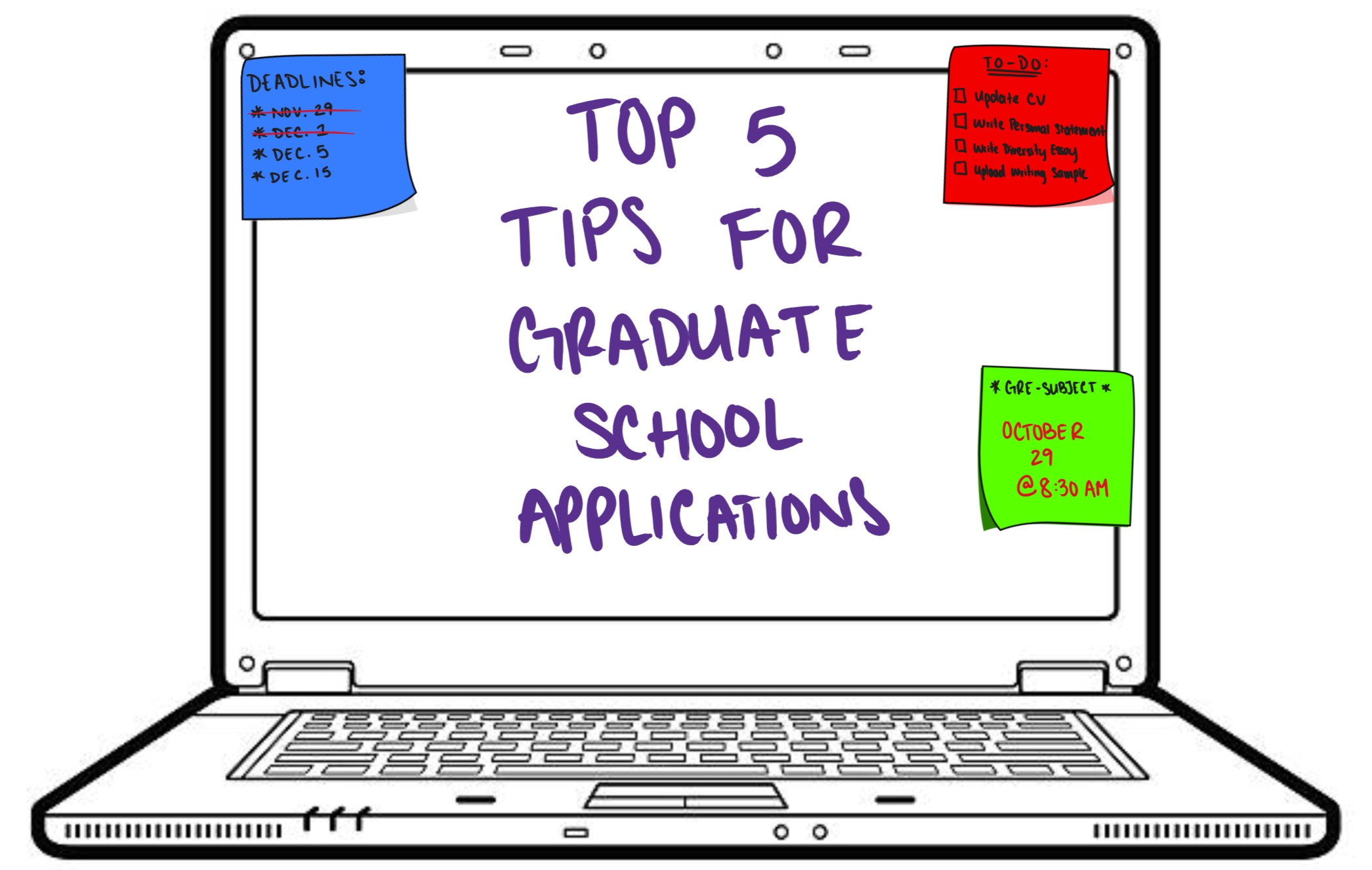
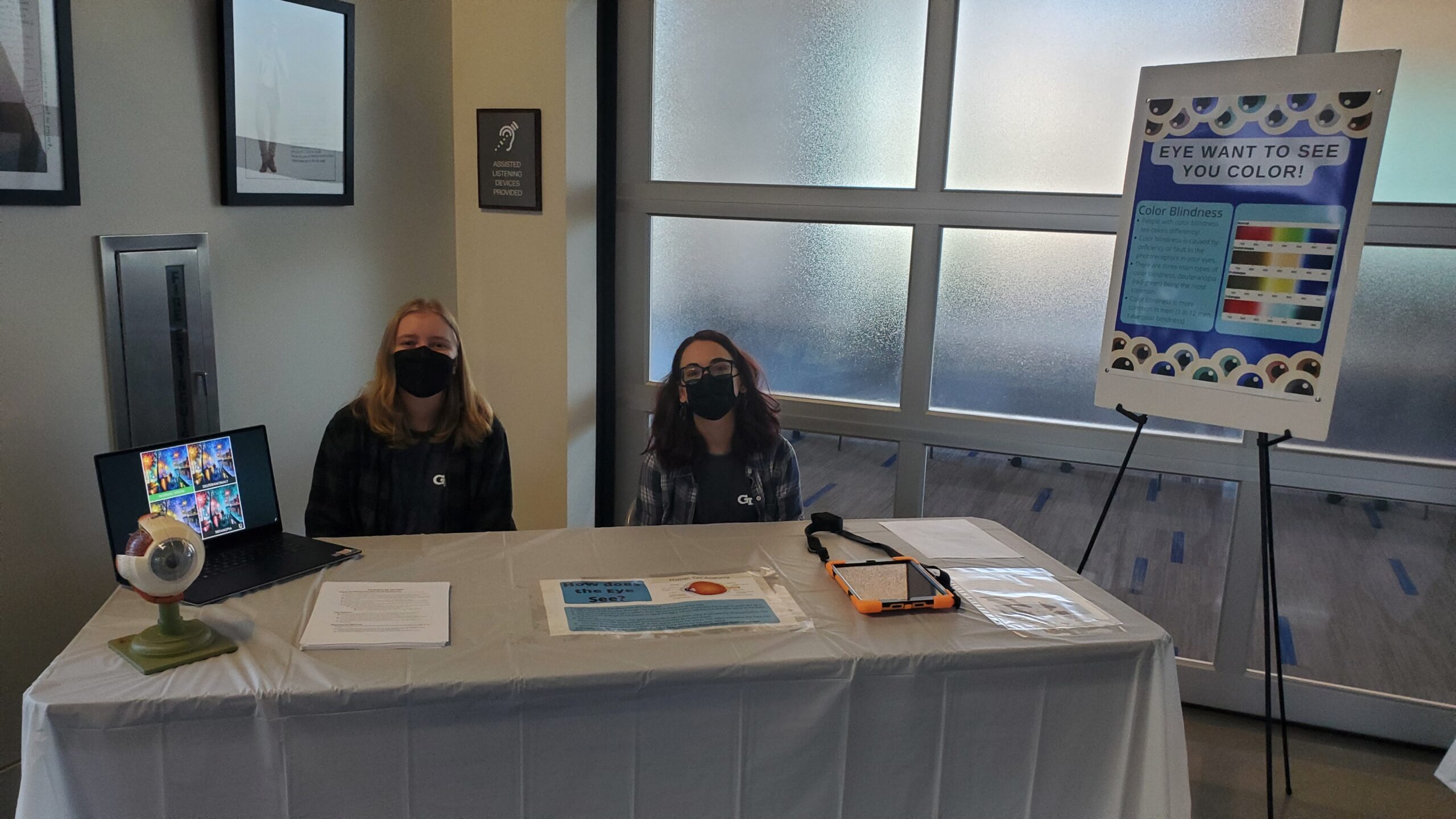
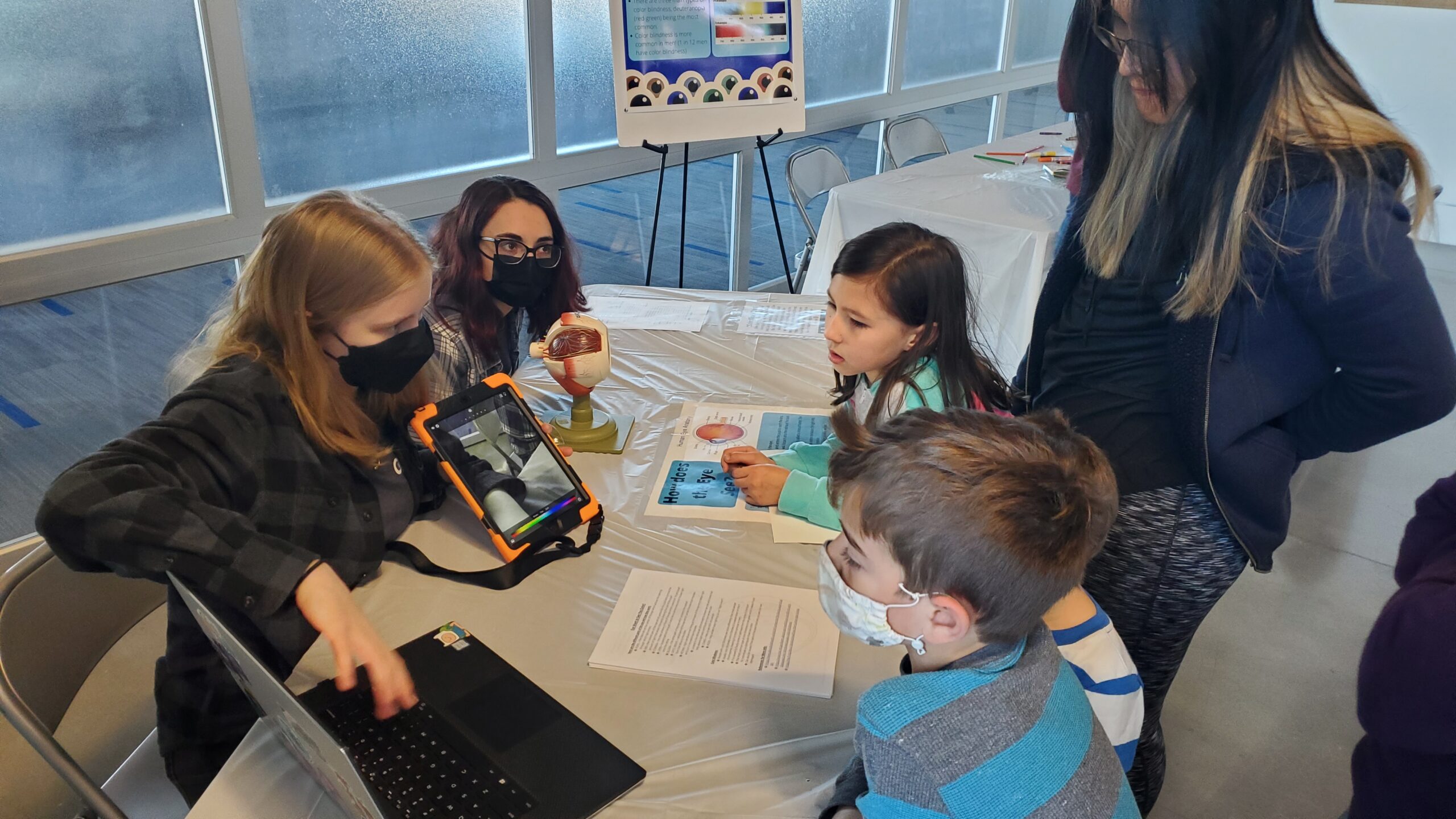
A couple of weeks ago our STEMComm Team put together an event for the Atlanta Science Festival called MindCraft. Here we presented several tables with fun arts and crafts that tied into different scientific concepts. My cohort had a table dedicated to the eye and how it views different colors. After going through the process of planning and setting up our station, there were many things I learned. Here are my top 5 tips to planning a science communications event:
- Know your Audience
Being aware of who you will be presenting your content to is very important when considering what you will do. This involves asking yourself a series of questions such as, “How old will they be?”, “Are they new to these concepts?”, etc. By answering these questions, you will be able to cater your event to those specific needs and make it as effective as possible. For example, at our event, we knew that there would be some younger children in attendance so we made sure to have a station that they could more actively participate in by making our table’s craft a coloring sheet.
2. Find an Expert Collaborator
By finding someone that has more expertise in the area than you, you will be able to not only add to your content, but also get assistance in the overall set-up. At our particular station, we did not have a collaborator and did everything on our own which became a bit more stressful. We quickly learned from some of the other tables that did have collaborators that the work became much easier with more people to split the labor between. In order to find a good collaborator, there are again some questions you should ask yourself – “Who would have knowledge in my topic area?”, “What organizations/people do I have access to?”, etc. By reaching out to an organization that could assist you, you will have people that you can manage so that you get your event set up more efficiently and with less stress on yourself.
3. Create Eye-catching Visuals
Striking visuals are another important component of an event. This draws people in initially and gives them something interesting to look at while they take in your content. At our table, this became particularly important since we were talking about colors. With posters and flyers, we were able to display important diagrams and color scales so people could visualize what we were explaining. It is also important to interact with these visuals by pointing or gesturing towards them as it keeps your audience engaged in what you are presenting. In addition, it gives those waiting on your presentation something to look at while you speak to other guests.
4. Include Something Interactive
For an event such as these, interaction is key. By creating interaction between the audience and yourself as well as your content, people are more likely to learn something. For our particular table, we included an interactive coloring sheet that also included more information about the eye on the backside. This gave the guests something to physically do and apply the content to, plus, they were able to take it home with them! Having something to physically engage your audience with is important overall as it will keep them interested and help them apply and learn what you are presenting.
5. Rehearse Beforehand
When it comes to presenting information to others, it is important that you plan and rehearse what you will say in advance. If you do not do this, it is possible that you get stuck or do not present accurate information. In order to do this, you can set up some quick flashcards with information or use your presentation materials as guides. To rehearse, you can practice in the mirror, to your colleagues, or even to friends. This allows you to become comfortable with presenting the information and will make you sound more knowledgeable when you actually speak about it. However, you want to make sure that it does not sound like you are reading from a script as this could make your presentation boring. Rather, try to make it more casual and engage in conversations with your guests. Furthermore, you should be prepared for questions about your topic area. It is not the end of the world if you do not know how to answer something, but overall having done your research beforehand is important so that you are able to answer questions.
All in all, many components go into planning and setting up a successful science communications event. By following these 5 tips, you can ensure better preparedness and less stress while planning.
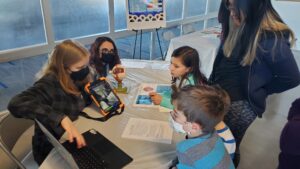
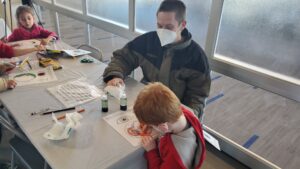
If you want to find out more about the specific materials and content we presented at our eyeball and color station, including tips on creating posters, flyers, and interactive worksheets, be on the lookout for another article coming soon! Best of luck with your event!
More Resources for Planning a Science Outreach Event: