Author: Claire Deng

  • Neurotransmitter Notes: Dopamine

    “I’m just a chemical in your head

    I’m just that Dopamine

    So come on line me up

    Come on line me up”

    – “Dopamine”, Third Eye Blind

    As a neuroscience major, it makes me extremely happy when words about the brain and nervous system enter the popular vocabulary. And recently, I’ve noticed people have been using neurotransmitters to talk about their feelings. If someone wants to say something brings them joy, they’ll say, “That’s my dopamine!”. Or, if someone feels unhappy, they might share a meme about how they want more serotonin (like the meme below!)
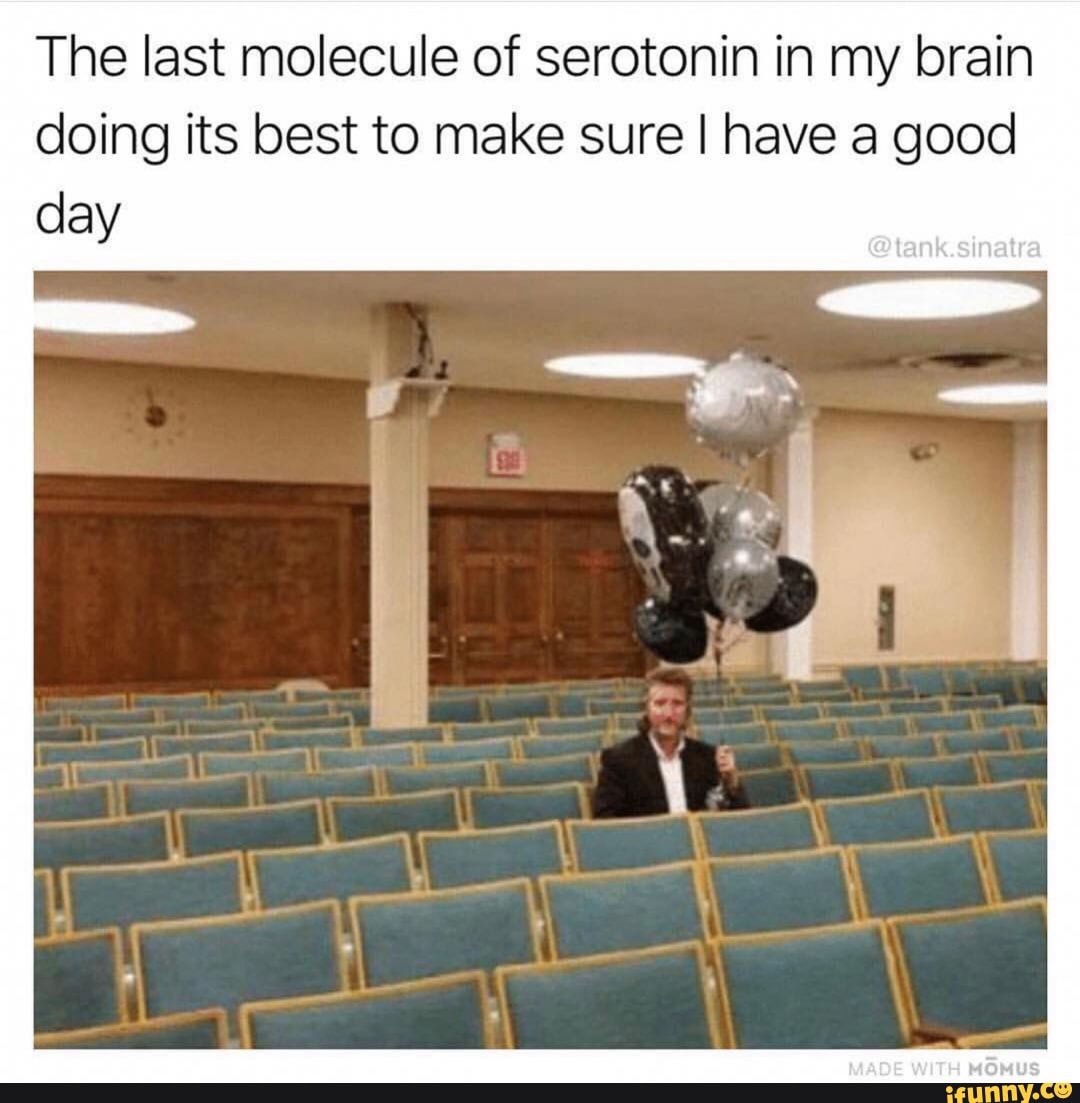
    There is a picture of a man sitting alone in a lecture hall holding a bunch of balloons. The caption reads the last molecule of serotonin in my brain doing its best to make sure I have a good day.

    But to me, the biggest indicator of whether something has entered the popular consciousness is if there’s music about it. So, through the article series “Neurotransmitter Notes”, I want to chat about songs that talk about the 8 major neurotransmitters: epinephrine, norepinephrine, dopamine, serotonin, GABA, acetylcholine, glutamate, and endorphins. Today, we’ll tackle the most famous neurotransmitter of them all: dopamine.

    Neurotransmitters

    Hold on, what’s a neurotransmitter? The Encyclopedia Brittanica defines a neurotransmitter as “any of a group of chemical agents released by neurons (nerve cells) to stimulate neighbouring neurons or muscle or gland cells, thus allowing impulses to be passed from one cell to the next throughout the nervous system” (Neurotransmitter | Definition, Signaling, & Types | Britannica, n.d.). So, neurotransmitters (NTs) are chemical messengers that neurons use to pass signals onto one another. What differentiates NTs from one another are that NTs will only be sent and received by the neurons that have the protein receptors that fit with it. Neurons are classified by the type of neurotransmitter it can “understand”: so, you’ll have dopaminergic neurons (which send and receive signals about dopamine). Those dopaminergic neurons, when binding to dopamine, will cause the effects that are associated with dopamine.

    Dopamine’s Effects

    Like I mentioned earlier, dopamine is known as the “happy” chemical. But it’s not just released when you feel good: it plays many, many other roles. One role is controlling decision making. For instance, higher levels of it are related to whether someone chooses to do a more difficult, rewarding task over a simpler, less rewarding one (Dopamine Affects How Brain Decides Whether a Goal Is Worth the Effort, 2020). These facts, I’m sure, were handy when writing the lyrics to this dance jam:


    “You make all the dopa-dopamine in my bloodstream

    The way you touch me, I’m loving the feeling

    Of dopa-dopamine in my bloodstream

    Let it control me, I’m loving the feeling”

    – “Dopamine”, Purple Disco Machine ft. Eyelar


    The songwriters have demonstrated here the happy feeling associated with dopamine, as well as its importance in controlling behavior. However, there’s also an error: neurotransmitters don’t travel in the bloodstream. Dopamine happens to be unique because it has an alternate form that does travel in the bloodstream, but that form doesn’t have the same effects as what the song’s describing. It’s likely that they mixed up neurotransmitters with hormones, which do travel in the bloodstream.

    Dopamine Doesn’t Just Move You, It Motivates You

    Not only can dopamine make you feel good and affect your decision making, it can impact your motivation. This motivation can be in the form of how well you can focus and retain information for a task (executive function). Executive dysfunction occurs in people with ADHD, who also often have lower levels of dopamine in their brain (Logue & Gould, 2014). 

    Motivation also plays a role in addiction. The ventral tegmental area (VTA) is a section of neurons in the brain that play a major role in people with addictions, and these neurons are dopaminergic. In the song “Dopamine” by Bliss n Eso, the singer talks about his reliance on alcohol to help him through times of stress. This chorus describes how it felt for him to use it:


    “When there’s no way out

    When I don’t believe

    When I’m coming down

    You’re my dopamine”

    – “Dopamine”, Bliss n Eso


    However, over the course of the song, he cites his connections to his wife and child as motivation to become a better person. And by the end, this same chorus has taken on a new meaning. By the way, long-term intense romantic love still makes your VTA light up with dopamine, years after the honeymoon period has ended (Acevedo et al., 2012).

    Dope-amine or Nope-amine?

    I suppose we can take from this a lesson: dopamine is not just a feel-good chemical– it’s crucial for the proper functioning of your brain. Don’t try to chase that short-term high: if you take care of yourself and make meaningful connections to other people, dopamine (and life satisfaction) will come to you.

    Check out this playlist with the tunes mentioned in this article, as well as some other neuroscience related songs! (Note: please be aware that some songs in this playlist may have explicit lyrics.) I’ll be back soon with some more Neurotransmitter Notes!


    References

    Acevedo, B. P., Aron, A., Fisher, H. E., & Brown, L. L. (2012). Neural correlates of long-term intense romantic love. Social Cognitive and Affective Neuroscience, 7(2), 145–159. https://doi.org/10.1093/scan/nsq092

    Dopamine affects how brain decides whether a goal is worth the effort. (2020, March 30). National Institutes of Health (NIH). https://www.nih.gov/news-events/nih-research-matters/dopamine-affects-how-brain-decides-whether-goal-worth-effort

    Logue, S. F., & Gould, T. J. (2014). The neural and genetic basis of executive function: Attention, cognitive flexibility, and response inhibition. Pharmacology, Biochemistry, and Behavior, 0, 45–54. https://doi.org/10.1016/j.pbb.2013.08.007

    Neurotransmitter | definition, signaling, & types | britannica. (n.d.). Retrieved February 19, 2022, from https://www.britannica.com/science/neurotransmitter
  • My Experience as a STEM Program Planning Assistant

    For people who are interested in STEM, there are a variety of jobs and experiences you can have. For me, an undergraduate student at Georgia Tech, I think I have an interesting job that goes along with my coursework and other activities. Since it’s a pretty unique position, I thought I’d share my experiences and reflections.

    First, I mentioned in the title that I work as a STEM program’s planning assistant. Specifically, I work for the Explore Living Learning Community (LLC) at Georgia Tech, a program for first years where students live together, take similar classes, and get involved in activities hosted by the LLC. These activities include educational events and social opportunities, which are planned and hosted by student assistants who are Tech students too! This LLC focuses on pre-health and research, and most of our students are STEM majors.

    I’ve had this position for two semesters now, and I’ve found it a great opportunity to combine my love of STEM with science communication. Paying close attention to what students are interested in then creating engaging and useful events requires STEM knowledge, familiarity with STEM students, and plenty of soft skills that aren’t typically trained as part of a science education. But, they have wide applicability. For instance, you can imagine any of these skills coming in handy whether you’re a scientist applying for a grant or an engineer trying to sell your new invention:

    • Event planning
    • Communication skills with clients, coworkers, and superiors
    • Marketing knowhow

    In addition to these soft skills, I’ve been able to take a peek into what the next generation of scientists, engineers, and programmers tick. They want to try new things that may not be directly related to their program of study. They aspire to make professional connections in their field to gain an edge. And, they’re eager to participate in events that will foster their curiosity and intellectual growth. To help them achieve this, our program has done a plethora of activities from paint nights, research networking events, and even a popular Halloween trivia night that I put on.

    What touched me most about my work so far is the possibility for students to feel inspired by STEM again. Coming on the third year of the pandemic, a lot of my fellow students feel quite burnt out from school, work, coronavirus, etc. In these circumstances, it’s hard for someone to stay motivated to the demanding area of study that they decided to pursue. But by connecting their areas of study with community, career, and fun, we can bring back in small part that little spark that made us interested in all this in the first place.

    One of my first major activities this fall was leading a trip to the Atlanta Zoo. After getting there, most of the students split up into groups to explore the park. I was left with a handful of guys who didn’t seem to have a group to go with. As expected, things were very quiet and shy, and I was a little scared at first that they might not enjoy the experience. After all, how can you stay stony faced when you’re looking straight at an elephant giving itself a dust bath?

    But after about an hour, my fears were quelled. They started smiling, laughing, and telling jokes. By lunch, we were thick as thieves. It’s hard to tell what caused this shift. The nice long walk? The cute cool looking animals? The real-world not video call social interaction?

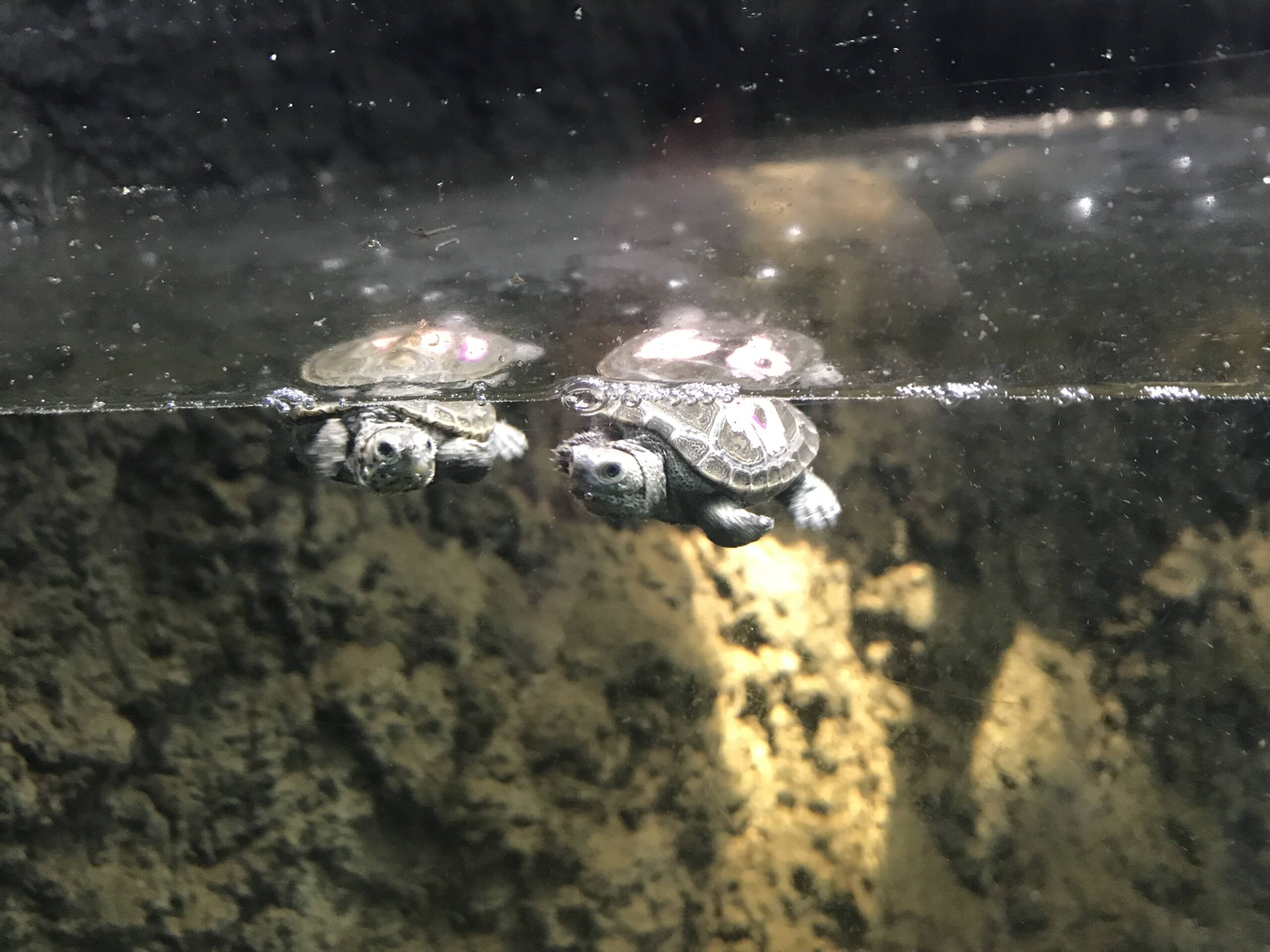
    In the reptile exhibit, seeing these previously deadpan students coo and aww over baby turtles, I mused to myself that we’d rediscovered something. One student remarked that after all those exams, seeing them made him feel like everything was okay again. You could see that spark in their eyes, the one that we all had when we were kids and we found something wonderful. After all, it was first our curiosity and sense of wonder that led us to STEM to seek out answers. And can’t we all use a reminder once in a while?

  • ‘Vampire Facials’: Viable or Just Bloody Gross?

    To pursue beauty, people will use makeup, creams, and even plastic surgery. But, would you spread your own blood on your face?

    Wait, Your Own Blood?

    Earlier this year, these treatments, known as ‘blood facials’ or ‘vampire facials’ became well known due to celebrities such as Kim Kardashian posting about their rejuvenation effect on social media. Quickly, this sparked a debate over whether these treatments were handy or horrific. And who knows if they even work?

    Well, Do They Work?

    These vampire facials are actually known clinically as protein-rich plasma (PRP) treatments. First, your blood is drawn, then spun through a centrifuge. The high force makes the blood separate into three layers: red blood cells at the bottom, liquid plasma at the top, and a cloudy layer called the “serum portion” in the middle that contains the protein-rich plasma. After processing the PRP, it is ready for treatment. Treatment can include injecting it under the skin the way one would inject fillers, or it can be applied like a face mask. If the PRP is applied, it can be combined with a procedure like microneedling or microabrasion, which open up little holes and cracks in the skin to help the plasma absorb into the face. The dermatologists who perform them promise effects like reversal of hair loss, increased collagen production, and glowing skin. 

    Just a Selling Point?

    While there aren’t many clinical studies on these effects yet, PRP treatments have actually been used for healing joint and muscle injuries. They can speed up cell regeneration for a variety of sports injuries and even alleviate chronic tendonitis pain. The process is quite similar to how vampire facials work. The platelet-rich plasma is just injected or applied onto the skin of the area that needs to grow back.

    Tell Me More!

    For both the cosmetic and medical treatments, the plasma is full of platelets. In the blood, they help it clot when you get a cut. They contain alpha granules that have growth factors in them. These growth factors act as chemical messengers to promote cell division and growth. This also includes producing more proteins such as collagen, which provides structure to the body. So, they can help a torn ACL reform or cause cheek cells to multiply and plump up a face. Since PRP is minimally invasive and has few risks, it can be a good option for patients who have a variety of treatment goals.

    If You’re Still Wrapping Your Head Around It All, You’re Not Alone!

    Many people can get put off by this bloody procedure. On the surface, it sounds like yet another one of those beauty gimmicks that seems to exist only to trick the wealthy out of their money. But astonishingly, protein-rich plasma treatments have a basis in regenerative medicine. In reality, the worlds of beauty, science, and medicine can be very intertwined. When these disciplines learn from one another, interesting and helpful things can happen. What other examples of this other than vampire facials can you think of?

    In any case, happy (belated) Halloween. Remember, your blood is very, very precious.


    Citations

    Abelman, D. (2021, August 5). What Exactly Is a Vampire Facial? . Allure. Retrieved November 1, 2021, from https://www.allure.com/story/vampire-facial-prp-treatment-guide.

    Platelet-rich plasma (PRP) injection: How it works: HSS. Hospital for Special Surgery. (n.d.). Retrieved November 1, 2021, from https://www.hss.edu/condition-list_prp-injections.asp.

    Setayesh, K., Villarreal, A., Gottschalk, A., Tokish, J. M., & Choate, W. S. (2018, December). Treatment of muscle injuries with platelet-rich plasma: A review of the literature. Current reviews in musculoskeletal medicine. Retrieved November 1, 2021, from https://www.ncbi.nlm.nih.gov/pmc/articles/PMC6220013/.