Author: Elena Cabrera

  • The Caring Relationship Between Marlin and Dory from Finding Nemo

    The Caring Relationship Between Marlin and Dory from Finding Nemo

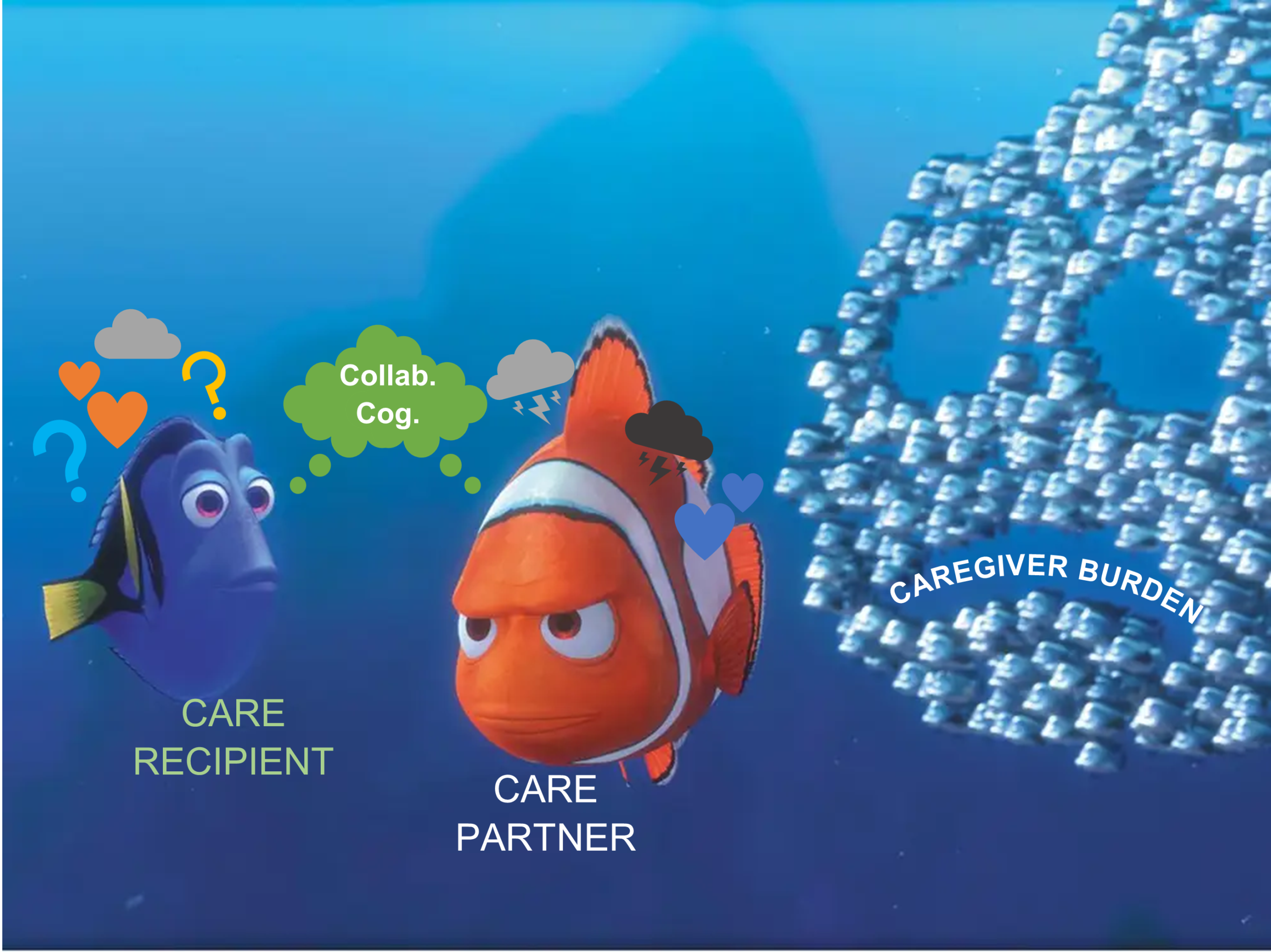
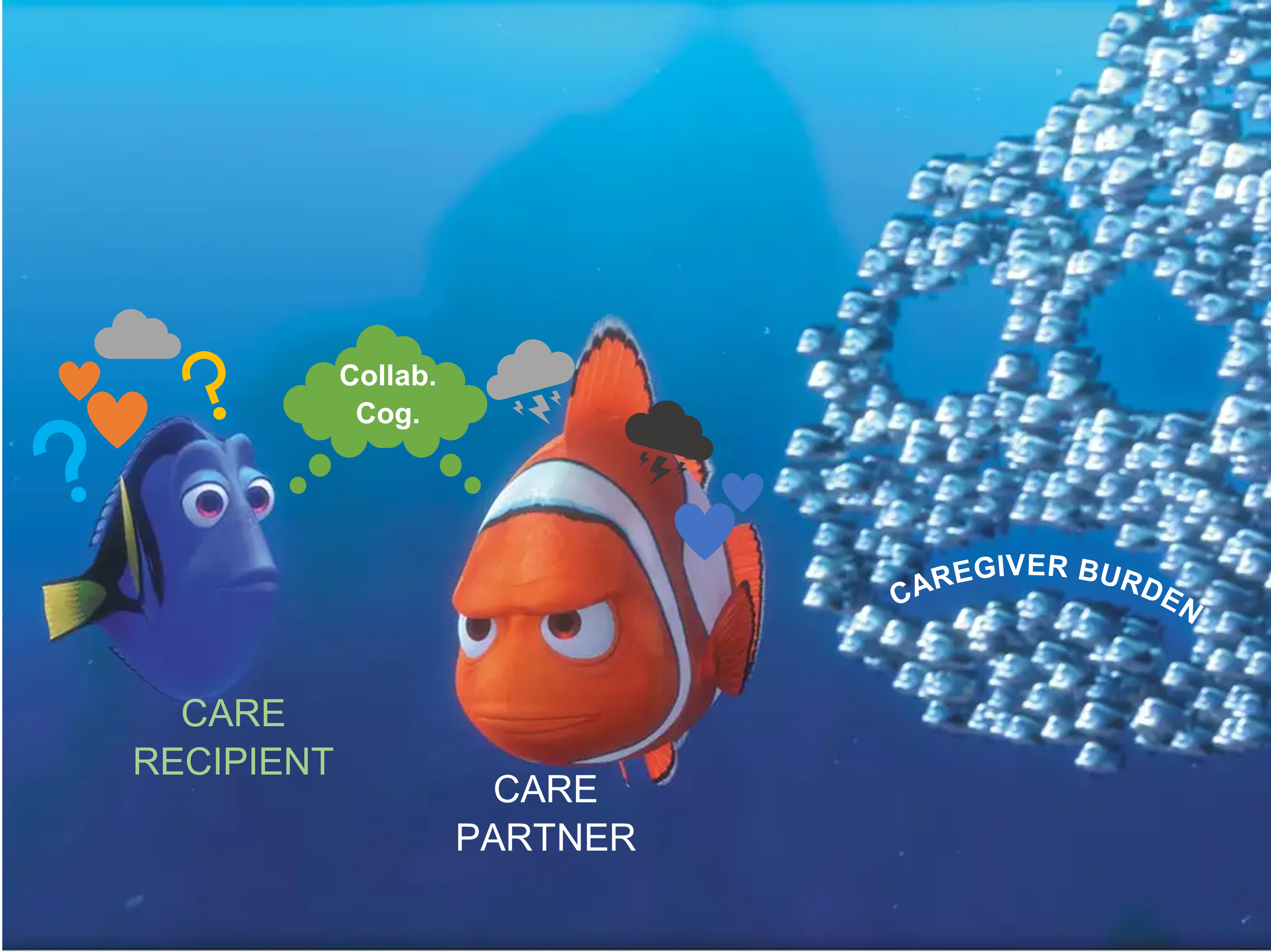
    It is the common, but unfortunate, truth of aging that everyone’s memory slowly decays. With this comes lapses in memory in various forms, whether that be for events of the past, or for in-the-moment decisions, like Dory from Finding Nemo. This loveable fish is known for her forgetfulness and inability to retain new information.

    Similarly, certain neurodegenerative diseases such as Mild Cognitive Impairment, or MCI, cause older adults to experience what are referred to as memory “blips,” or errors, which can cause inconveniences and difficulties for that individual (Petersen, 2011; Gauthier et al., 2006). Because of this, typically individuals diagnosed with MCI who are also in a romantic relationship end up forming a care partner and care recipient dynamic with their spouse (Hoppman & Gerstorf, 2016). Much like Dory and Marlin, they work together and the care partner assists the recipient on a daily basis (Lara-Ruiz et al., 2019; Paradise et al, 2015). Throughout their adventure, it is seen how Marlin regularly steps in to give her a helping “fin,” by giving her reminders or working collaboratively with her to remember important information.

    This is characteristic of something known as collaborative cognition, which refers to a strategy employed by couples to remember and approach daily tasks in a manner that is interactive by nature (Barnier et al., 2008; Harris et al., 2019; Rogoff, 1998). Such techniques can have implications in relationships and how effective they are. There are many components to consider regarding interactions between the couple, as depending on each other can have effects on both the individual with MCI, as well as their caregiver, such as increased stress and potential frustration – known as caregiver burden.

    These daily interactions between couples are important to capture, even if it is as simple as the encouragement to “just keep swimming,” as this could lead to information to incorporate into interventions and the bettering of the quality of later life.


    References

    Barnier, A.J., Sutton, J., Harris, C.B., & Wilson, R.A. (2008). A conceptual and empirical framework for the social distribution of cognition: The case of memory. Cognitive Systems Research, 9(1-2), 33-51. doi.org/10.1016/j.cogsys.2007.07.002 

    Gauthier, S., Reisberg, B., Zaudig, M., Petersen, R C., Ritchie, K., Broich, K., … & Winblad, B. (2006). Mild cognitive impairment. The lancet, 367(9518), 1262-1270. https://doi.org/10.1016/S0140-6736(06)68542-5

    Harris, C.B., Barnier, A.J., Sutton, J., & Savage, G. (2019). Features of successful and unsuccessful collaborative memory conversations in long‐married couples. Topics in cognitive science, 11(4), 668-686. DOI: 10.1111/tops.12350 

    Hoppmann, C.A., & Gerstorf, D. (2016). Social interrelations in aging: The sample case of married couples. In Handbook of the psychology of aging (pp. 263-277). Academic Press. 

    Lara-Ruiz, J., Kauzor, K., Gonzalez, K., Nakhla, M. Z., Banuelos, D., Woo, E., … & Razani, J. (2019). The functional ability of MCI and Alzheimer’s patients predicts caregiver burden. GeroPsych. 32(1), 31-39. doi: 10.1024/1662-9647/a000200

    Paradise, M., McCade, D., Hickie, I.B., Diamond, K., Lewis, S.J., & Naismith, S. L. (2015). Caregiver burden in mild cognitive impairment. Aging & mental health, 19(1), 72-78. https://doi.org/10.1080/13607863.2014.915922 

    Petersen, R. C. (2011). Mild cognitive impairment. New England Journal of Medicine, 364(23), 2227–2234. https://doi.org/10.1056/nejmcp0910237 

    Rogoff, B. (1998). Cognition as a collaborative process. In W. Damon (Ed.), Handbook of Child Psychology: Vol. 2. Cognition, perception, and language (pp. 679–744). John Wiley & Sons Inc.

    Unkrich, L., & Stanton, A. (2003). Finding Nemo. Buena Vista Pictures.
  • Top 5 Tips for Applying to Graduate School

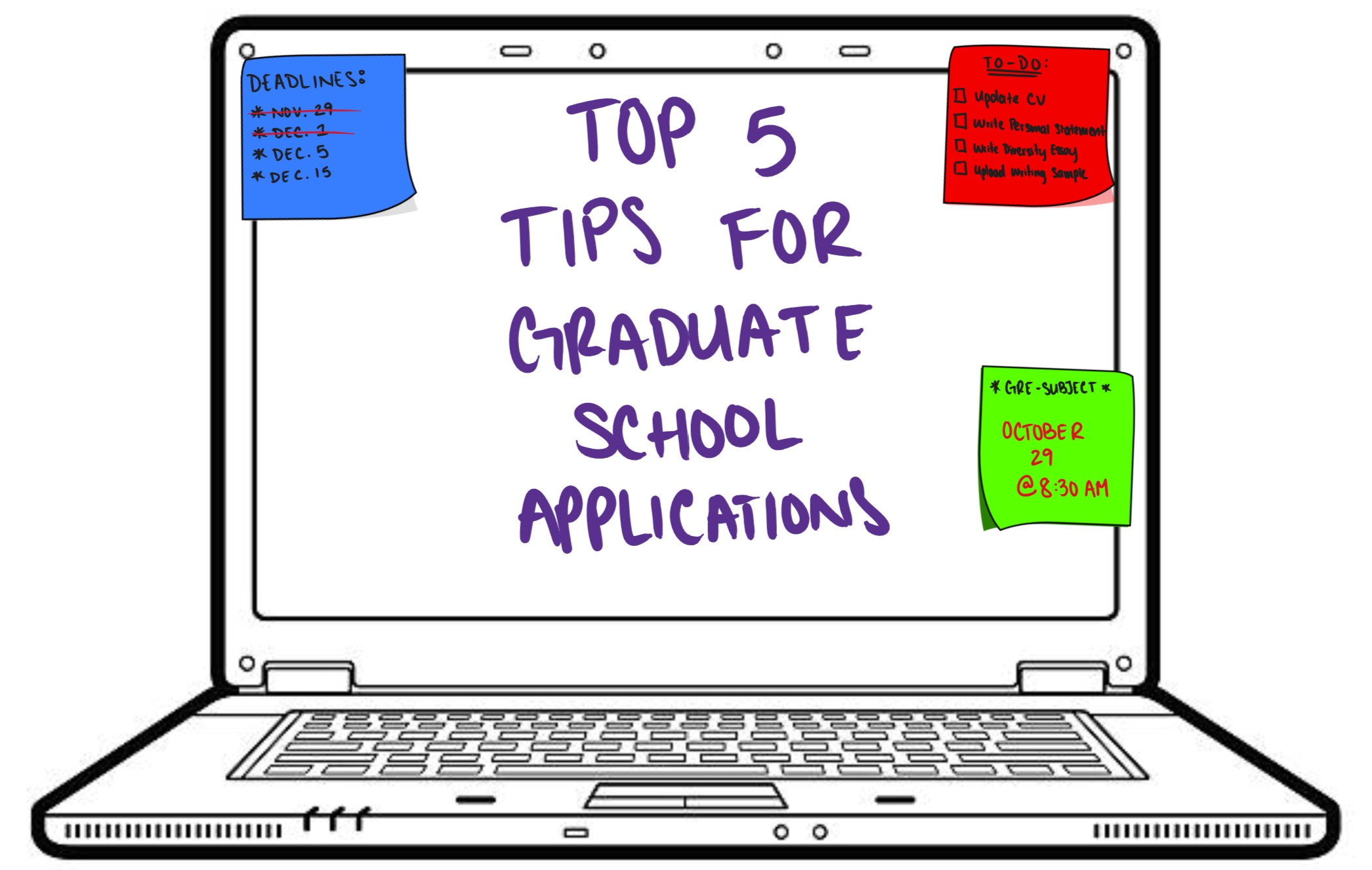
    Hi! My name is Elena, and I am a third-year psychology major at Georgia Tech. I graduate this coming Spring (2023) and have hopes to continue my education in grad school. After finally submitting all (14) of my applications, I came up with the following list of tips for future grad school applicants. Hope these help!

    1. The time commitment for applying to grad school is the equivalent of a 3-credit course.
      1. Keep this time commitment in mind when choosing your courses for the semester in which you will be applying to grad school.
    1. Find a current graduate student who can help you revise your CV/resume.
      1. Graduate students have an insider look to the application processes and know what professors are looking for. They are the perfect people to assist you in creating/editing your CV/resume.
    2. Keep a comprehensive document of everything you need for each application.
      1. Have a single document that lists all of the schools you are applying to, the sections you need to complete for each application, the essay prompts (and word limits), etc. This will allow you a single place where you can see what you still need to complete for each application and see where you can double-dip on application sections from one school to another.
    3. Organize! Organize! Organize!
      1. There will be several application components – essays, short answers, CVs, writing samples, etc. – so keeping them organized in your computer is a necessity. Create a “Graduate School” folder on your computer and then create further folders within that one for each school you are applying to.
    4. Look into GRE testing early.
      1. GRE subject tests are only offered 3 times a year, therefore, you need to look into this early so you can have ample time to take it before your applications are due (and potentially retake it if desired). There also may not be testing centers near you, so you may have to plan to stay at a hotel near the testing site.  Additionally, you can only take the general GRE every 21 days. You may want to take it in the summer so that you do not have to worry about studying while taking classes in the Fall.


    Helpful Resources!

    Five Tips to Perfect Your Graduate School Application | Columbia University School of Professional Studies

    How to Prepare a Strong Graduate School Application | The Graduate School (duke.edu)

    Five tips for nailing your US-based graduate-school applications (nature.com)

  • ADHD, Aging, & Diagnosis

    “ADHD is one of the most common neurodevelopmental disorders of childhood. It is usually first diagnosed in childhood and often lasts into adulthood.”

    – Centers for Disease Control and Prevention

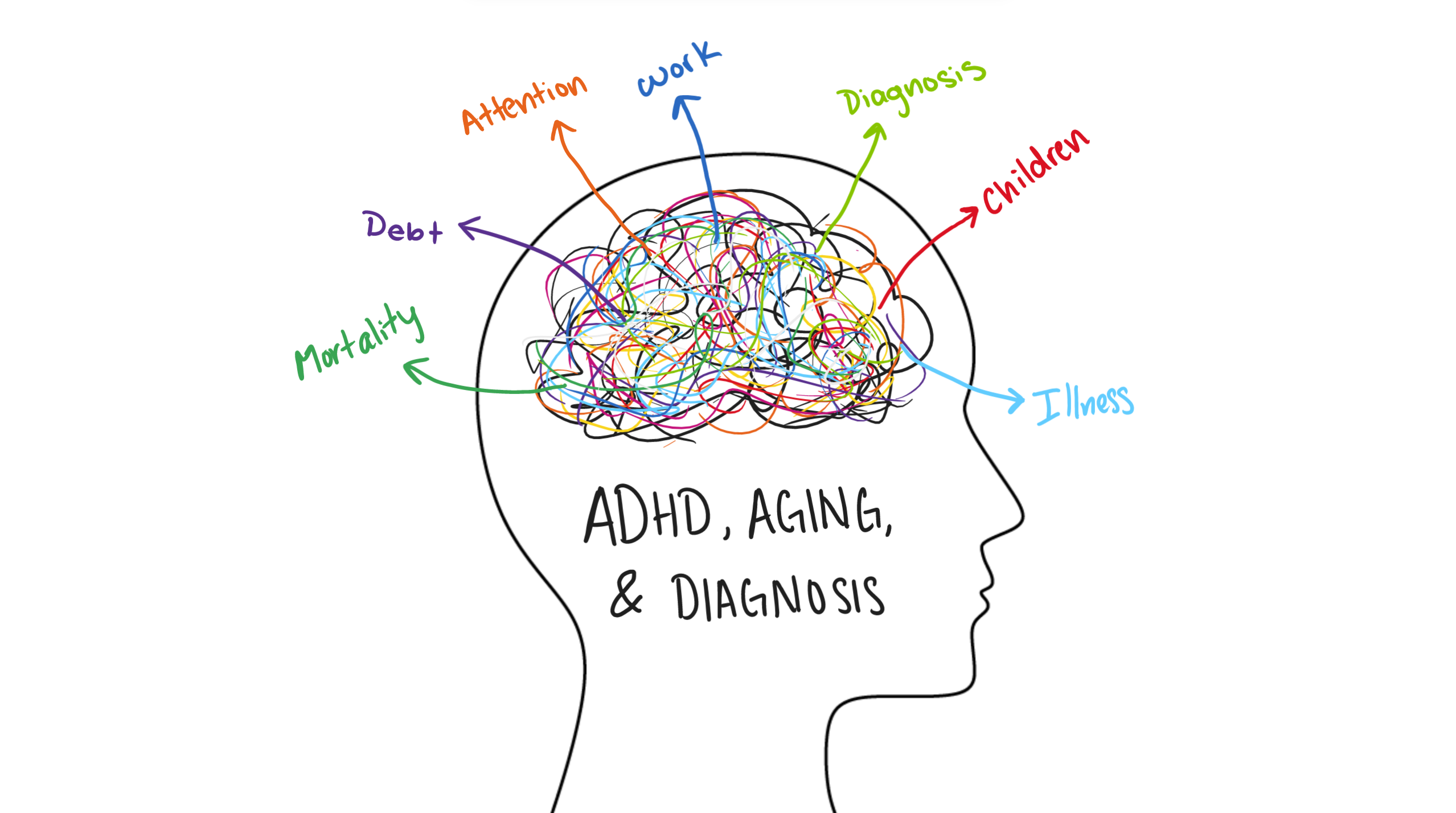
    ADHD, or Attention Deficit Hyperactivity Disorder, is commonly viewed as a diagnosis given to children – as already seen in the definition provided above by the CDC – which can lead to negative stigma and a lack of diagnosis in adults. One of the main reasons for this, is that only recently has research proven that the symptoms of ADHD actually present differently as individuals age. Typically, ADHD in children is exhibited through “inattentiveness, impulsivity, and hyperactivity.” However, it has been found that overtime these symptoms can begin manifesting in different ways. For example, what was once viewed as inattentiveness turns into disorganization and memory issues. Hyperactivity develops as an ‘inner’ hyperactivity which is expressed as restlessness. Impulsivity lends itself to anger outbursts or impatience. These dramatic changes in the way symptoms are expressed means that oftentimes they will go unnoticed, or even misdiagnosed as a consequence of regular aging.

    On another note, those that are diagnosed as children or manage to get successfully diagnosed later in life feel the negative effects of the comorbidity of ADHD and aging. For one, the changing nature of symptom expression leads to a need for adaptation. Those that have found successful ways to manage their ADHD may need to adjust their methods to accommodate for such changes. Seeing as they have utilized certain strategies to manage their symptoms for a large portion of their life, it is obvious that this could be a difficult change. Additionally, there are the other potential ailments that come with aging that now add onto their burden. For one, since memory typically declines into older adulthood, it is possible that the effects of ADHD would only compound that, leading to even worse cognitive effects.

    Nonetheless, there are still ways that those diagnosed with ADHD can manage their symptoms, even later in life. While there are some medications such as methylphenidate or dextroamphetamine that have been proven to work to treat ADHD in older adults as well as children, there are also non-pharmacological methods that can be effective. These include things that help create structure and organization to one’s life such as calendars, planners, alarms, etc. Additionally, there are therapeutic options which can lower stress and aid in achieving greater life satisfaction.


    References:

    What is ADHD? | CDC

    Optimal management of ADHD in older adults – PMC (nih.gov)

    Struggling with attention and organization as you age? It could be ADHD, not dementia – Harvard Health

  • POV: You are a Scientist Starting Research

    Imagine you are sitting in your lab, racking your brain over what research project to start next. You’ve hit a metaphorical “researcher’s block” and can’t come up with anything.

    This might actually be you one day in your professional career, or even in undergraduate personal research projects. Conducting research can be fun and super interesting, however, the beginning stages of coming up with a topic can sometimes feel tedious and frustrating. Hopefully, the steps below will help introduce this process and assist in making starting your own research easier.

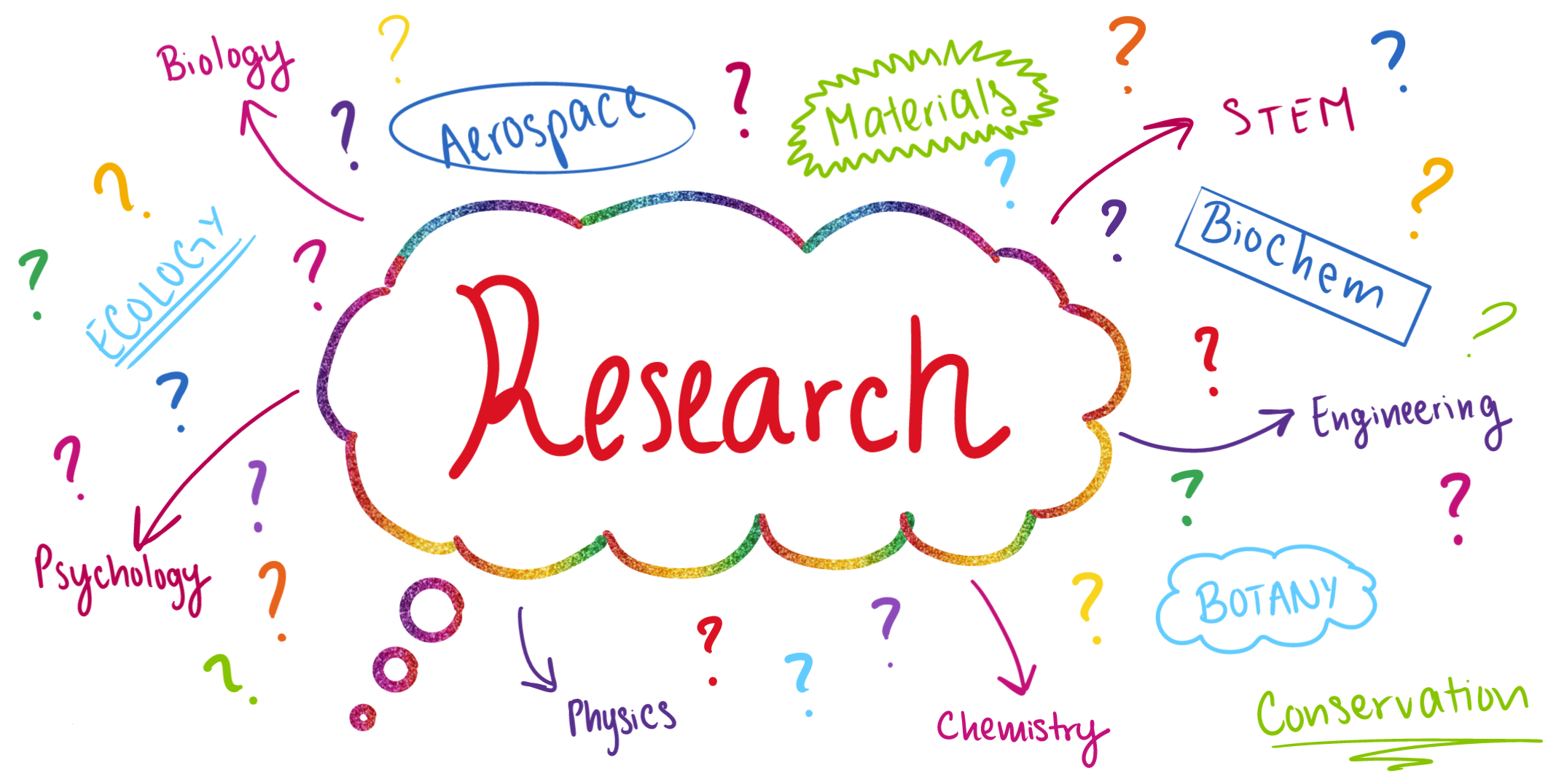
    1. Find a subject –> chemistry, psychology, biology, physics, etc. 
      1. Research Areas and Topics | NORC.org
    2. Look up topics in your subject and pinpoint what is interesting to you 
    3. Look up existing research articles in your topic area and hone in on a more specific problem/question that hasn’t been answered yet 
      1. Or add on to existing research (same study with new population, same study with extra/new independent variable, etc.) 
        1. The best academic research databases [2022 update] – Paperpile
          1. Research Databases | EBSCO
          2. JSTOR Home
    4. Decide on a concrete research question 
      1. Operationally define your variables 
        1. Operational Definition – defining variables based on how they will be measured (be specific) 
          1. (3) operational definition – YouTube
      2. Decide if it is plausible with your current time and resources 
      3. Is it ethical? 
        1. What Is Ethics in Research & Why Is It Important? – by David B. Resnik, J.D., Ph.D. (nih.gov)
    5. Find more articles pertaining to your research question 
      1. Background information relating to your population, independent and dependent variables, etc. 
    6. Revise your question, if needed, after looking at more research 
    7. Lay out your methodology 
      1. Will you need any scales (existing or creating one)? 
        1. Types of Data & the Scales of Measurement | UNSW Online
      2. How will you reach out to participants (if needed)? 
        1. Participant Recruitment for Research | Digital Healthcare Research (ahrq.gov)
        2. Will you need to go through the International Review Board (IRB) — necessary when using human participants!
          1. IRB Review Process | Research Ethics & Compliance (umich.edu)
      3. Will you need any advanced equipment? 
    8. What is your hypothesis? 
      1. Make it simple, logical, falsifiable, testable, and positive 
        1. Logical – founded in existing research; follows logical argument 
        2. Falsifiable – must be possible to find results contrary to the hypothesis 
        3. Testable – variables must be measurable/observable 
        4. Positive – must be positive in that it establishes the existence of something (such as a relationship, difference, etc.) 
  • How to Create Effective STEM Presentation Materials

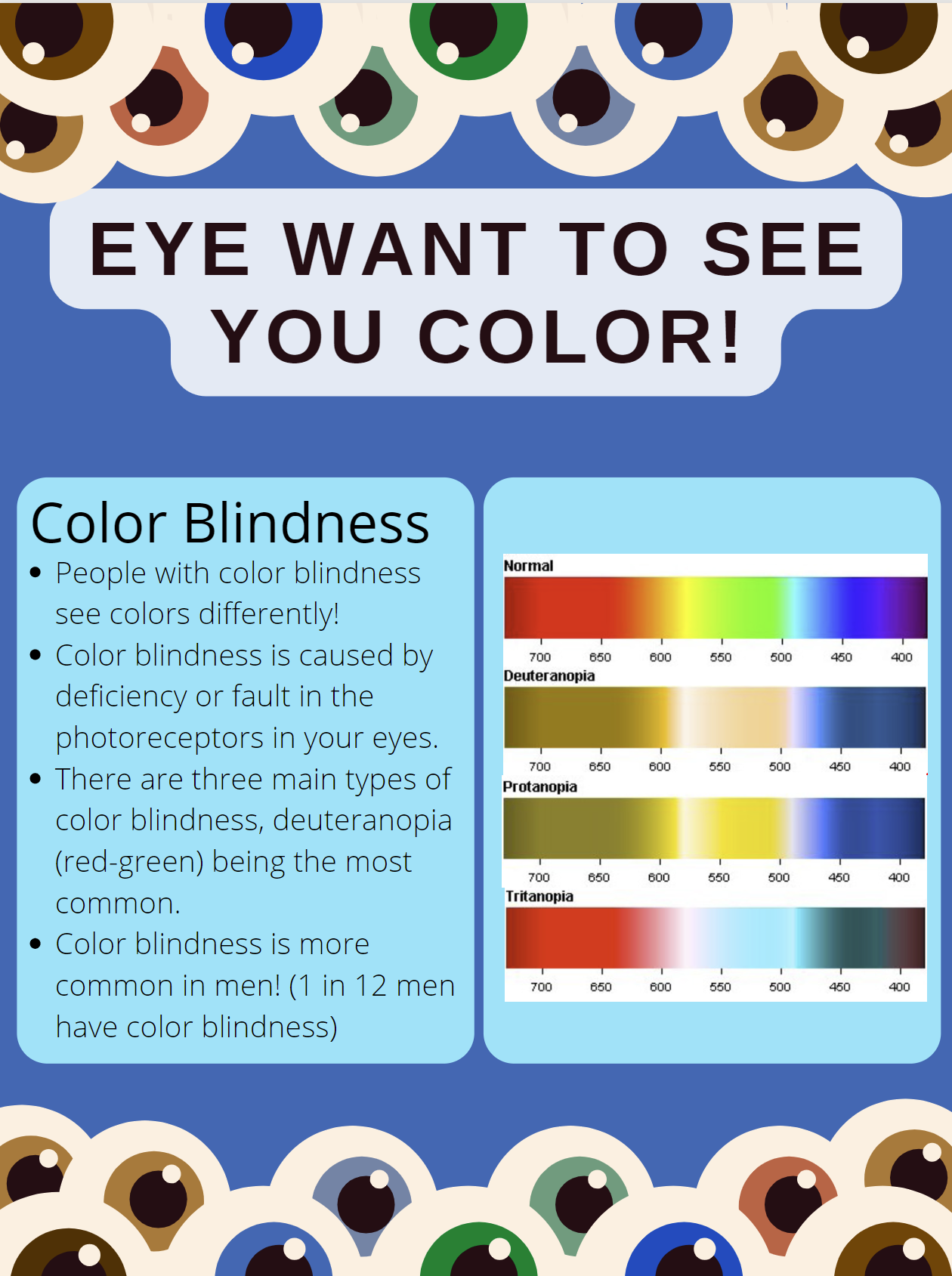
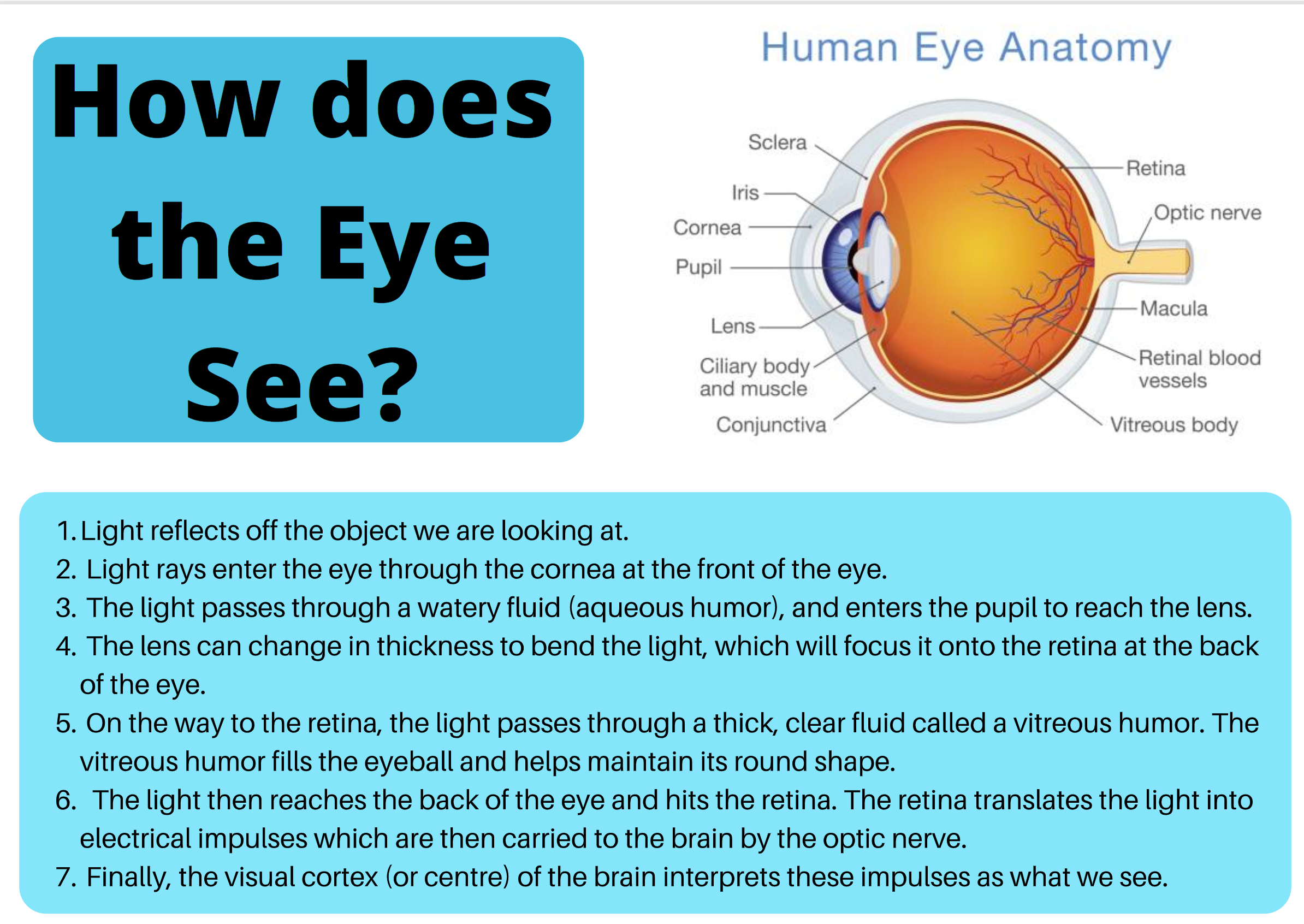
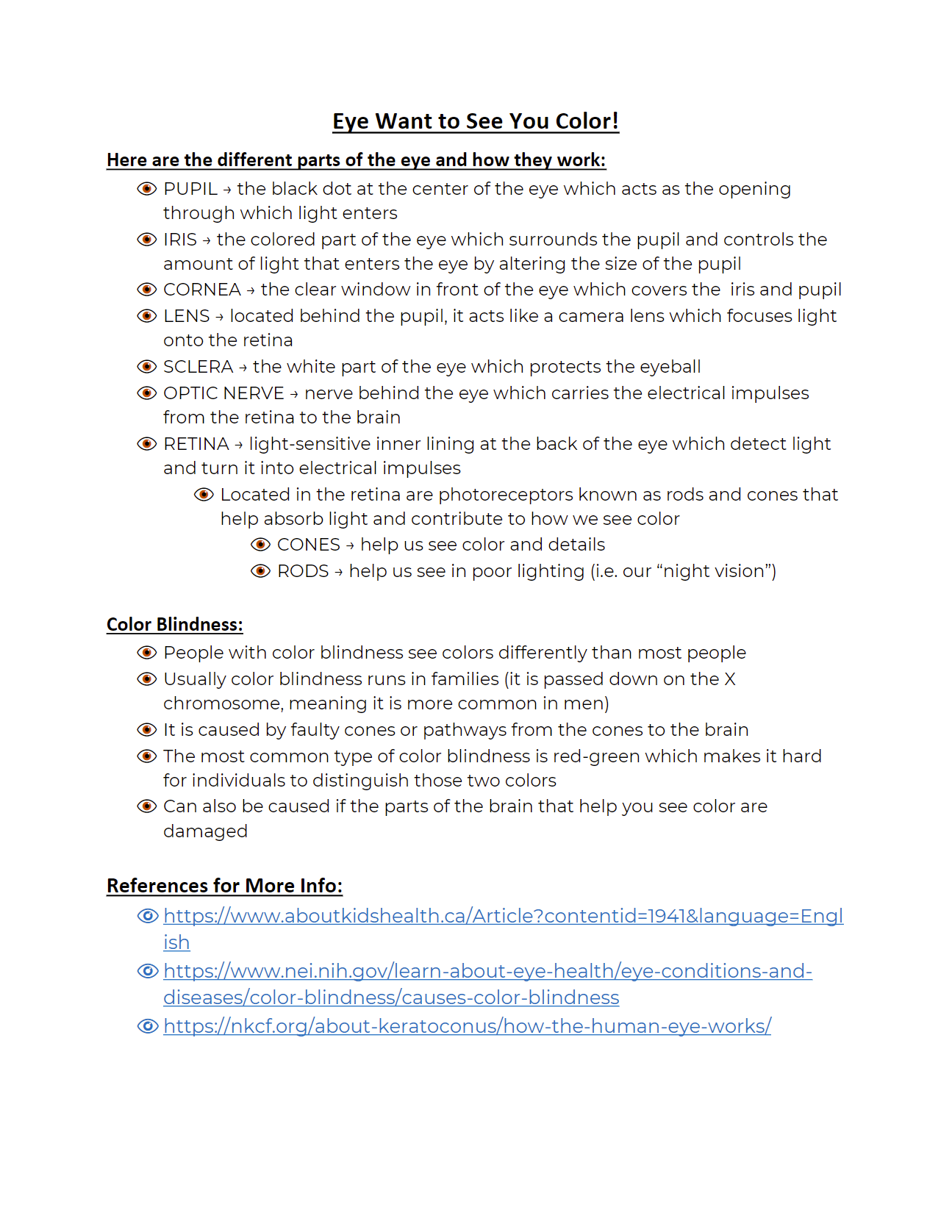
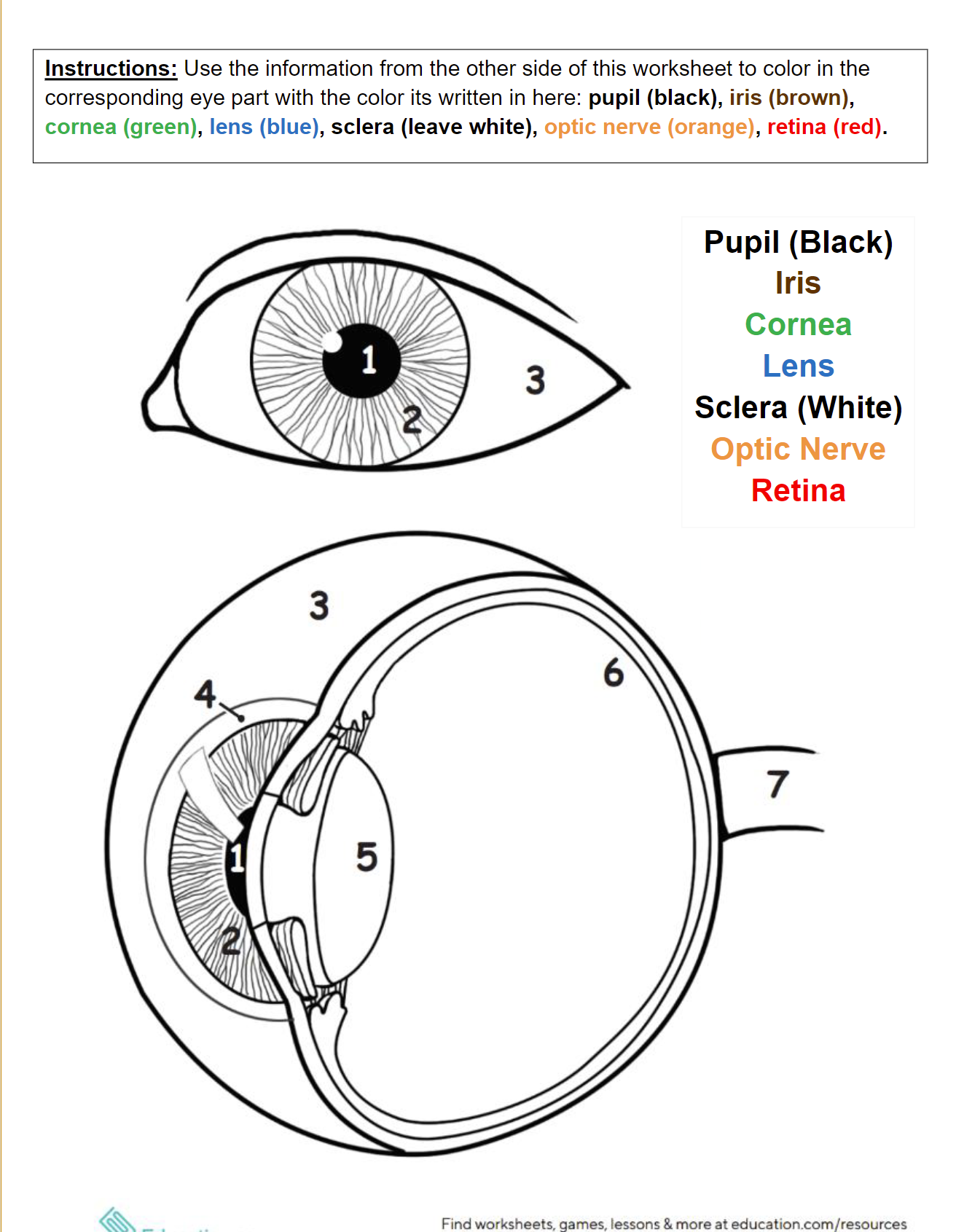
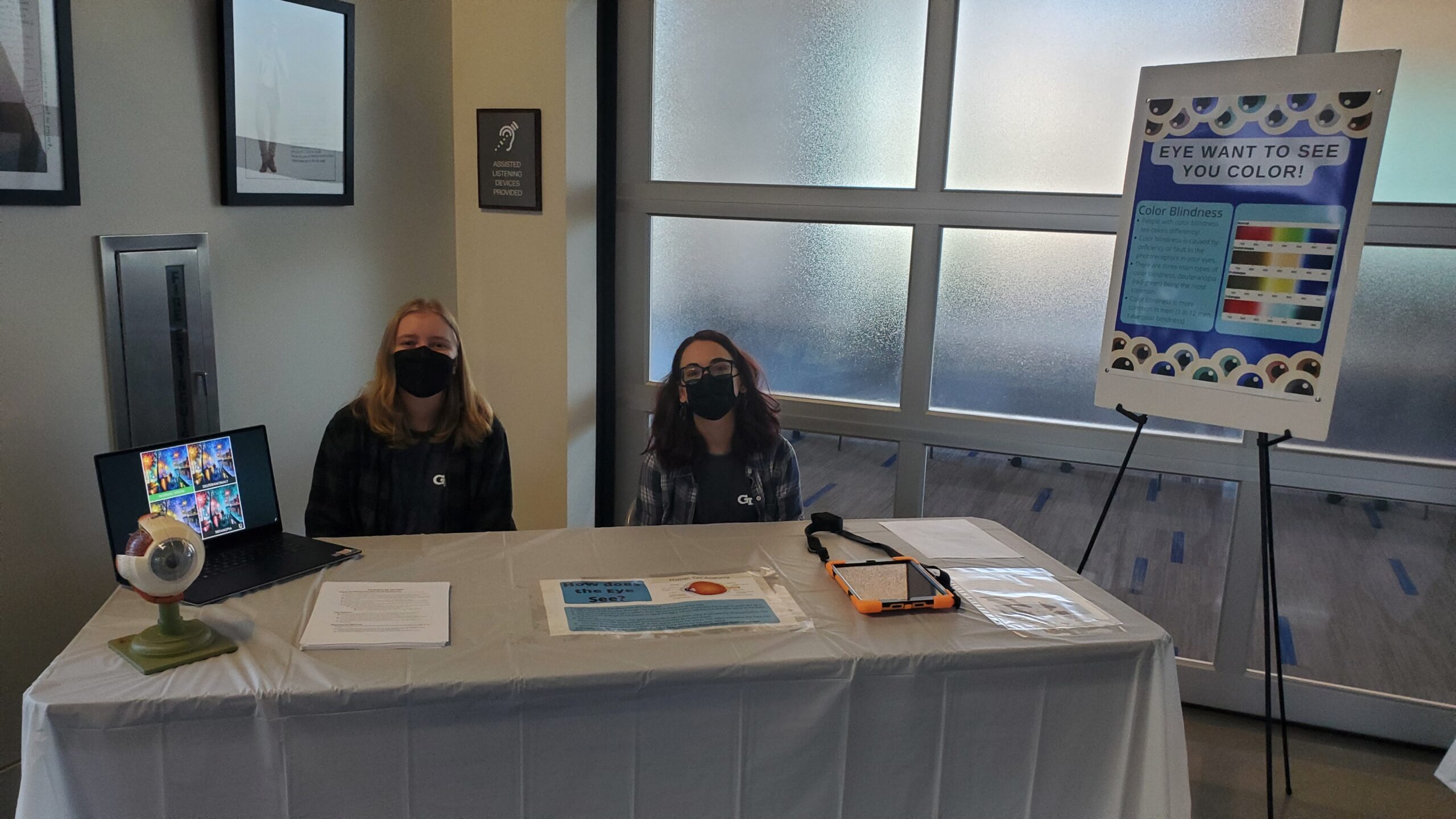
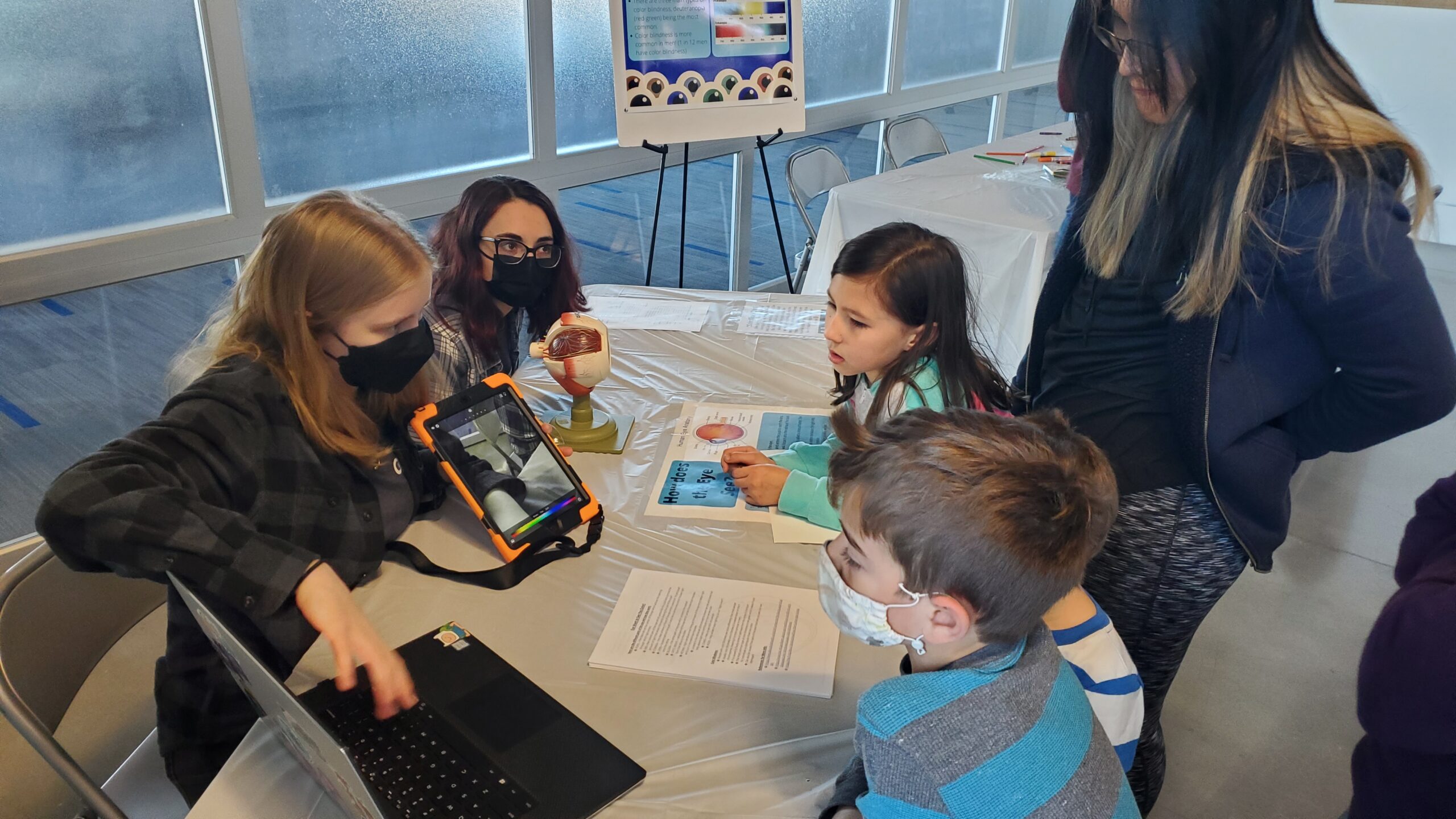
    Last month our STEMComm Team put together an event called MindCraft which focused on the science of arts and crafts. This involved setting up several tables, each of which was dedicated to a different craft. In order to create effective and engaging tables, each cohort also created materials such as posters and interactive worksheets. My table focused on the eye and how it works to perceive different colors while also relating it to color blindness. Below I include the poster, flyer, and interactive worksheet we created for this station along with tips and things to keep in mind when creating your own!


    • Poster 
      • Colorful 
        • It is important to create eye-catching materials so that people are drawn to your topic. (To read more about this, check out part 1 of this series where I give the top 5 tips to planning a STEM communications event!)
      • Not too wordy 
        • You do not want to overwhelm or bore your audience by making materials that are too wordy. Too many words will also draw the attention away from what you are saying as people will begin trying to read the content on the materials.
      • Images 
        • To aid in making your audience interested and also keeping them engaged while not taking the attention away from your presentation, include images! Choose images that reflect what you are presenting and act as an aid and supplement to your presentation. It could even be an image that you refer to in your oral speech so that you keep them engaged in what you are saying.
      • Neat 
        • It is also important to make sure that any material you are presenting is neat and organized so that your audience can take in the information effectively and efficiently. By doing this, you again are avoiding anything that takes away from your presentation. It also helps your audience be less confused about your topic so that you can answer engaging questions rather than clarification questions.
    • Flyer 
      • More detailed 
        • When presenting a smaller piece of material such as a flyer, you can include more detailed information than your large poster. This allows the audience members that are interested to look further into what you are presenting without overwhelming casual viewers.
      • Still includes images 
        • Despite having more details, you can see that including images is still important. By including this, you can more effectively present your concepts in a way that can easily be taken in by your audience.
      • Clearly labeled 
        • With this, it is imperative that if you include a diagram as we did, that it is all clearly labeled. If you do not, you risk confusing your audience and not having a clear understanding of the diagram so you cannot effectively speak on it. It is also important that you know how to speak on the parts of the diagrama and explain everything effectively (read more about rehearsing and being prepared in part 1).
    • Interactive Worksheet 
      • One side with supplemental information 
        • By providing supplemental information to your presentation in the format of a worksheet, you give the audience something they can take with them. This keeps them engaged with your topic past the time of your actual presentation and also allows them to continue learning.
      • One side with fun coloring activity 
        • Interactive 
          • This provides something interactive for the audience to engage in that is fun. This again keeps them engaged and interested in your topic area.
        • Way for people to connect to the content presented 
          • Additionally, it provides a way for them to apply the information they learned from your presentation which is known to be one of the most effective learning strategies.

    Thank you for reading and best of luck to you on your future material creation and presentations!

  • Top 5 Tips to Planning a Science Outreach Event

    A couple of weeks ago our STEMComm Team put together an event for the Atlanta Science Festival called MindCraft. Here we presented several tables with fun arts and crafts that tied into different scientific concepts. My cohort had a table dedicated to the eye and how it views different colors. After going through the process of planning and setting up our station, there were many things I learned. Here are my top 5 tips to planning a science communications event:

    1. Know your Audience 

    Being aware of who you will be presenting your content to is very important when considering what you will do. This involves asking yourself a series of questions such as, “How old will they be?”, “Are they new to these concepts?”, etc. By answering these questions, you will be able to cater your event to those specific needs and make it as effective as possible. For example, at our event, we knew that there would be some younger children in attendance so we made sure to have a station that they could more actively participate in by making our table’s craft a coloring sheet.

    2. Find an Expert Collaborator 

    By finding someone that has more expertise in the area than you, you will be able to not only add to your content, but also get assistance in the overall set-up. At our particular station, we did not have a collaborator and did everything on our own which became a bit more stressful. We quickly learned from some of the other tables that did have collaborators that the work became much easier with more people to split the labor between. In order to find a good collaborator, there are again some questions you should ask yourself – “Who would have knowledge in my topic area?”, “What organizations/people do I have access to?”, etc. By reaching out to an organization that could assist you, you will have people that you can manage so that you get your event set up more efficiently and with less stress on yourself. 

    3. Create Eye-catching Visuals 

    Striking visuals are another important component of an event. This draws people in initially and gives them something interesting to look at while they take in your content. At our table, this became particularly important since we were talking about colors. With posters and flyers, we were able to display important diagrams and color scales so people could visualize what we were explaining. It is also important to interact with these visuals by pointing or gesturing towards them as it keeps your audience engaged in what you are presenting. In addition, it gives those waiting on your presentation something to look at while you speak to other guests.

    4. Include Something Interactive 

    For an event such as these, interaction is key. By creating interaction between the audience and yourself as well as your content, people are more likely to learn something. For our particular table, we included an interactive coloring sheet that also included more information about the eye on the backside. This gave the guests something to physically do and apply the content to, plus, they were able to take it home with them! Having something to physically engage your audience with is important overall as it will keep them interested and help them apply and learn what you are presenting.

    5. Rehearse Beforehand

    When it comes to presenting information to others, it is important that you plan and rehearse what you will say in advance. If you do not do this, it is possible that you get stuck or do not present accurate information. In order to do this, you can set up some quick flashcards with information or use your presentation materials as guides. To rehearse, you can practice in the mirror, to your colleagues, or even to friends. This allows you to become comfortable with presenting the information and will make you sound more knowledgeable when you actually speak about it. However, you want to make sure that it does not sound like you are reading from a script as this could make your presentation boring. Rather, try to make it more casual and engage in conversations with your guests. Furthermore, you should be prepared for questions about your topic area. It is not the end of the world if you do not know how to answer something, but overall having done your research beforehand is important so that you are able to answer questions.

    All in all, many components go into planning and setting up a successful science communications event. By following these 5 tips, you can ensure better preparedness and less stress while planning.

    If you want to find out more about the specific materials and content we presented at our eyeball and color station, including tips on creating posters, flyers, and interactive worksheets, be on the lookout for another article coming soon! Best of luck with your event!

    More Resources for Planning a Science Outreach Event:

  • The Psychology of Marketing: A Series (Part 1 – Introduction)

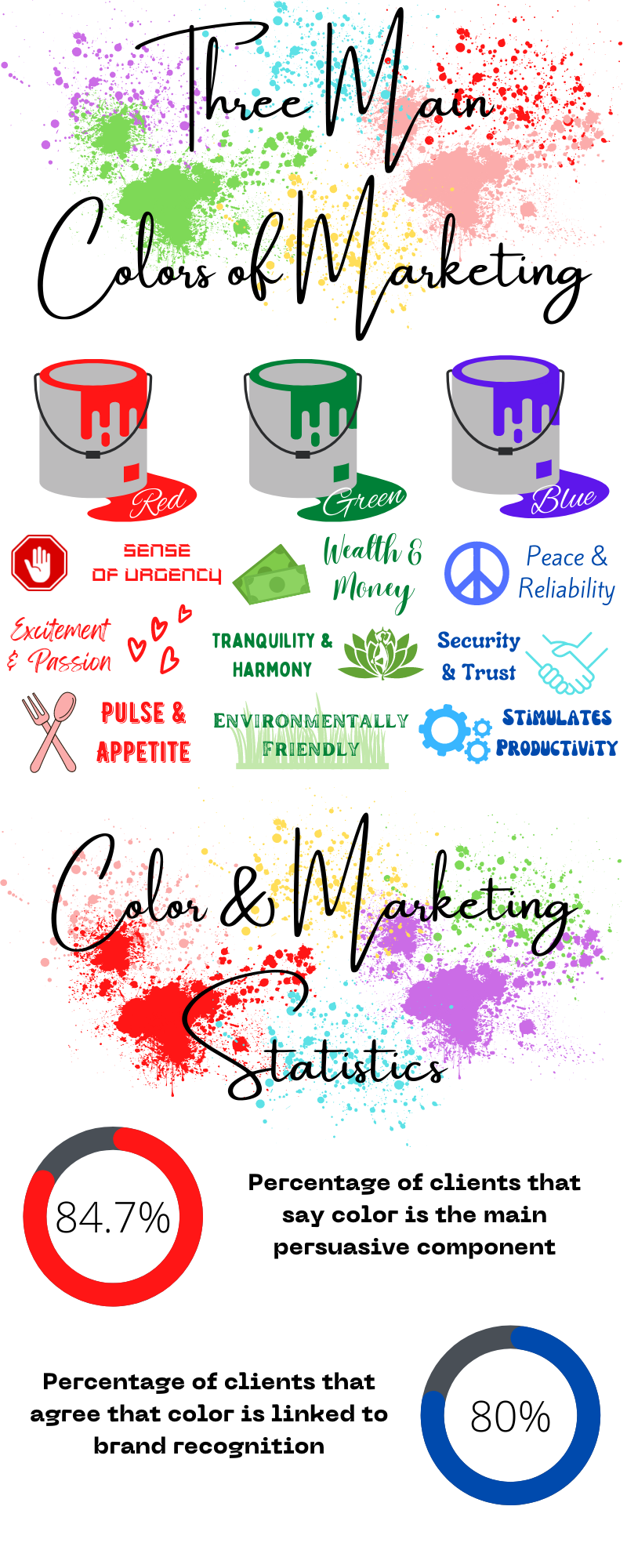
    We are bombarded by advertising and marketing techniques every day, everywhere we go. Knowing how these methods work can help people sort out what they actually want to buy or support and what they are simply being persuaded and convinced to buy through subliminal means such as a color, celebrity endorsements, voices, music, etc. All of this ties into a topic known as marketing psychology which will be examined in parts within this series. We begin with some background information to express how information is taken in and how this should be considered for different advertising strategies. Additionally, we will evaluate two advertisements to see what aspects are considered “good” or “bad” in terms of marketing persuasion.

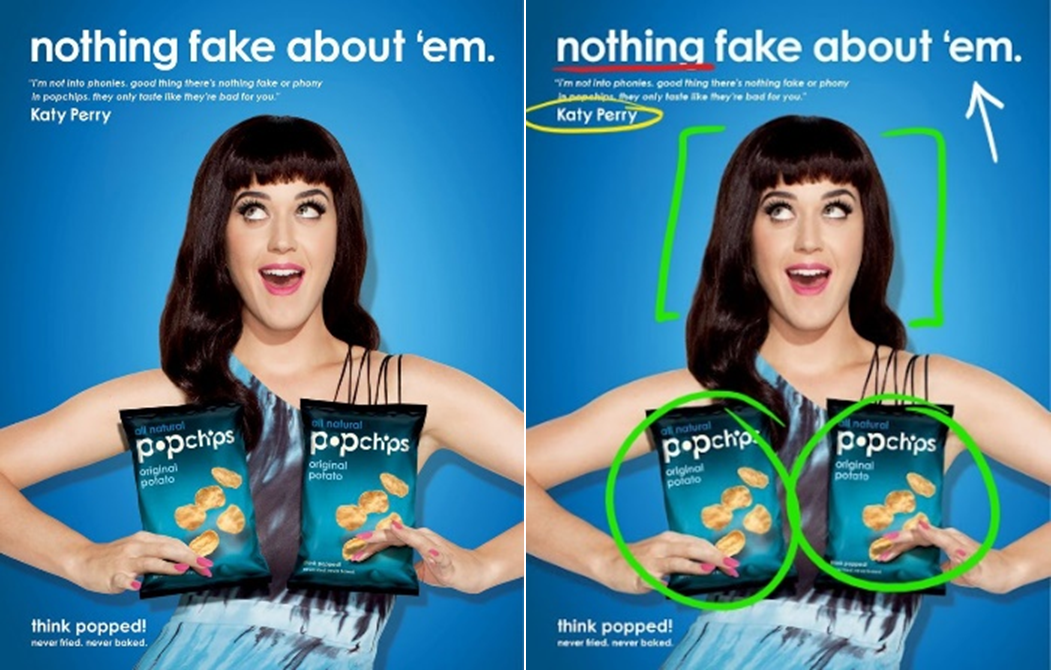
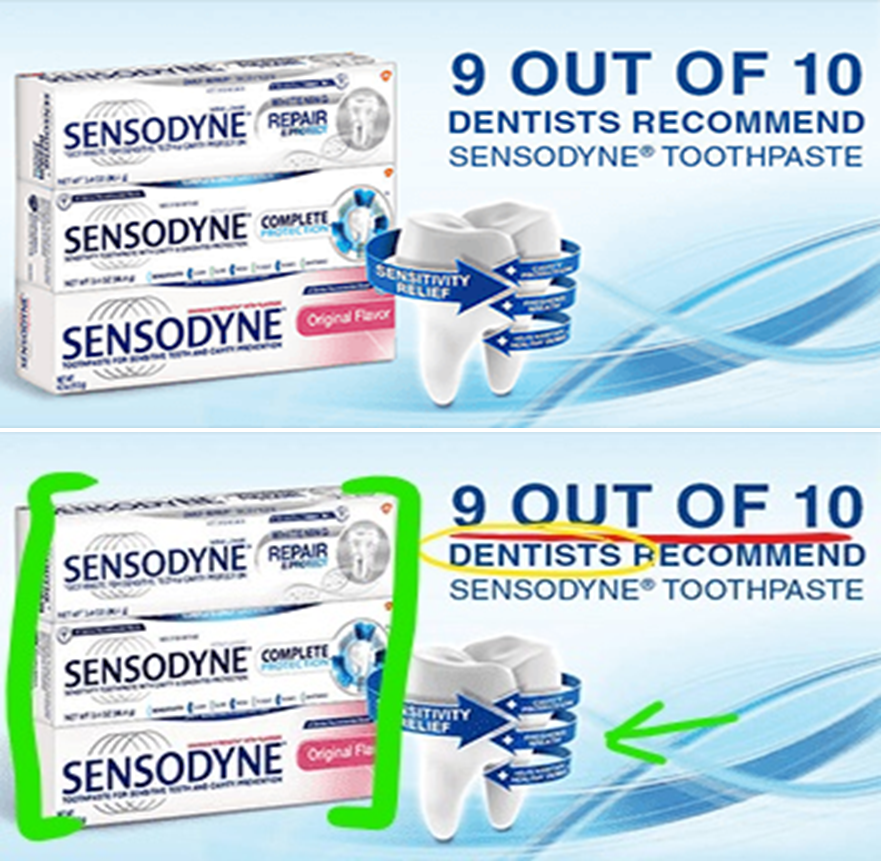
    Such strategies can be separated into source characteristics and message characteristics. Source characteristics refer to facets of the person/thing presenting the information (i.e., attractiveness, credibility of individual, brand name, etc.), whereas message characteristics look into the information itself (Gilovich et al., 2018). Subsequently, these topics go hand-in-hand with the Elaboration Likelihood Model (ELM) which is a model that, when applied to persuasion, states that there are two routes – central and peripheral – that people can take when presented with persuasive pieces. Essentially, some “persuasive appeals will be more effective when the target audience is largely on “autopilot” [peripheral route], and other types will be more effective when the target audience is alert and attentive [central route]” (Petty & Cacioppo, 1896). In order to evaluate and apply these concepts, I hunted down two advertisements (both pictured below) that highlight different components of these source/message characteristics. I will also evaluate which type of route would be more effective when looking at these forms of persuasion.


    The first advertisement for Pop Chips features celebrity Katy Perry. This ties into source characteristics. To begin, attractiveness comes into play. This form of persuasion is particularly effective in terms of the peripheral route but also for the central route as it increases one’s favorability of effortful thinking. In addition, there is certainty in her quote as she states that there is “nothing phony or fake” about this product. Then, we can look at the characteristics of the message itself. It is of high quality since it is clear, the product is visible, the message is in bold letters, etc. It is also vivid as expressed by the bright blue background and Katy Perry’s facial expression. In addition, since she is looking towards the message at the top, the audience is drawn to look at it. They also strategically place the bags of chips over her breasts to once again entice the audience to look at the product. This advertisement, since it is stagnant, would be more effective when presented via the peripheral route such as on a billboard or poster.

    For the second advertisement, the product of Sensodyne toothpaste is being marketed as good for one’s teeth. We begin with the source characteristics as it clearly says “9 out of 10 Dentists Recommended” which indicates credibility and certainty for this product. In addition, the message itself showcases once again good quality and vividness in much the same way the first advertisement did. This can be seen in the use of colors once again, even though it is not as bright and vivid as the first one. In addition, the product is visible, and the message is in big bold font. All of these components go into making a good or bad advertisement.

    Now you too can look at advertisements and point out their marketing tactics to help differentiate between the important information and the subliminal persuasion techniques being employed!

    References:

    Gilovich, T., Keltner, D., Chen, S., Nisbett, R. (2018). Social Psychology (5th ed.). New York, NY: W. W. Norton & Company

    Petty, R. E., & Cacioppo, J. T. (1986). The elaboration likelihood model of persuasion. Advances in Experimental Social Psychology, 123–205. https://doi.org/10.1016/s0065-2601(08)60214-2

  • Music & Emotions: A Series (Part 3 – Indignant/Defiant)

    Album Songs:

    1. You’ve Seen the Butcher – Deftones
    2. Links 2 3 4 – Rammstein
    3. Psychosocial – Slipknot
    4. I Stand Alone – Godsmack
    5. Ride the Lightning – Metallica
    6. The Last Ten Seconds of Life – The Face
    7. Smells Like Teen Spirit – Nirvana
    8. Duality – Slipknot
    9. Walk – Pantera
    10. Dark Entries – Bauhaus


    Welcome to Music and Emotions: A Series (Part 3)! In this part, we continue our series with the category of “Indignant/Defiant.” For a quick recap, an interesting study conducted by professors at the University of California Berkeley was conducted on how music evokes different emotions (Cowen et al., 2020). They decided upon 13 categorizations of music, one of which was “indignant/defiant.”  They found that the way that individuals classified music based on emotions was relatively similar. All of the songs included in the above album were utilized in this study and were some of the songs that participants most frequently categorized as “indignant/defiant.”


    Here, it was found that music that typically landed in this category was characterized by a “growl-like timbre” (Cowen et al., 2020). This is something often seen in music that is perceived as aggressive. In addition, there is an interesting, brief, mention of the potential connection between the threatening vocal expressions used in these songs and that of various animal species. For example, the growl of the black jaguar. This could be why there is a clear male bias in the song choices in the album since males tend to have deeper voices which are more likely to mimic the growl of an animal.

    Conversely, some examples of female-centric songs that could also fall into this category could be Shitlist by L7, Rebel Girl by Bikini Kill, and Ignorance by Paramore.


    As mentioned previously, they decided upon 13 categories and even included an interactive audio map where you can go in and see all of the songs used and see how you match up. Stay tuned for more of this series… 3 categories down, 10 more to go! Which other category would you want to hear about? Comment below any songs you may think hit the mark for the “Indignant/defiant” category and how you matched up to others in the interactive audio map! 


    Bibliography:

    Cowen, A. S., Fang, X., Sauter, D., & Keltner, D. (2020). What music makes us feel: At least 13 dimensions organize subjective experiences associated with music across different cultures. Proceedings of the National Academy of Sciences, 117(4), 1924–1934. https://doi.org/10.1073/pnas.1910704117 

  • Music & Emotions: A Series (Part 2 – Amusing)

    Album Songs:

    1. The Streetbeater (Sanford and Son Theme) – Quincy Jones
    2. Grass Land – Super Mario Bros. 3 (Koji Kondo)
    3. Sugar Zone – Silent Partner
    4. Frolic (Curb Your Enthusiasm Theme) – Luciano Michelini
    5. The Good Egg (Warner Bros Cartoons) – The Carl Stalling Project
    6. Benny Hill Theme – James Rich, Randolph Boots, Leslie Mark Hill
    7. I Write Sins Not Tragedies – Panic! At The Disco
    8. Jockey Full of Bourbon – Joe Bonamassa
    9. Issues – Julia Michaels
    10. Love and Happiness – AI Green


    Welcome to Music and Emotions: A Series (Part 2)! In this part, we continue our series with the category of “Amusing.” For a quick recap, an interesting study conducted by professors at the University of California Berkeley was conducted on how music evokes different emotions (Cowen et al., 2020). They decided upon 13 categorizations of music, one of which was “amusing.” Within this study, the researchers had participants from the US and China listen to over 2,000 music samples and report the specific feeling they felt (“angry, “dreamy,” etc.) as well as the broad affective features they noticed (valence, arousal, etc.). This allowed them to create a pool of data which they analyzed with large-scale statistical tools in order to identify 13 distinct types of subjective experiences attached to music among both cultures (Cowen et al., 2020). All of the songs included in the above album were utilized in this study and were some of the songs that participants most frequently categorized as “amusing.”


    In this study, it was found that emotions such as “amusement” and “triumph” were among those that were better translated cross-culturally. They tested both American as well as Chinese individuals which led them to this conclusion. It was also suggested that the categories dealing with subjective experiences, including “amusement,” may be more directly related to the music itself, meaning that certain features may be analyzed in a more culture-specific way among these (Cowen et al., 2020).


    As mentioned previously, they decided upon 13 categories and even included an interactive audio map where you can go in and see all of the songs used and see how you match up. Here you can also toggle through the USA and China participants to see the cross-cultural translation of music and emotions.  Stay tuned for the next part of this series where I will create an album on the “Indignant/Defiant” category! Comment below any songs you may think hit the mark for the “Amusing” category and how you matched up to others in the interactive audio map!


    Bibliography:

    Cowen, A. S., Fang, X., Sauter, D., & Keltner, D. (2020). What music makes us feel: At least 13 dimensions organize subjective experiences associated with music across different cultures. Proceedings of the National Academy of Sciences, 117(4), 1924–1934. https://doi.org/10.1073/pnas.1910704117