Author: Elena Cabrera

  • Music & Emotions: A Series (Part 1 – Scary/Fear)

    Album Songs:

    1. Flow – Peder B. Helland
    2. FSO – Jaws “The Shark Theme” – John Williams
    3. Halloween 1978 (main theme) – John Carpenter
    4. The Murder – Bernard Herrmann
    5. Crawling – Linkin Park
    6. Toccata in D Minor – Bach (1709)
    7. The End (It’s Near) – Noctilucant
    8. Pier to Nowhere – Charlie Spring
    9. Emperor’s New Clothes – Panic! At The Disco
    10.  Piano Concerto 1 in B Flat Minor – Tchaikovsky


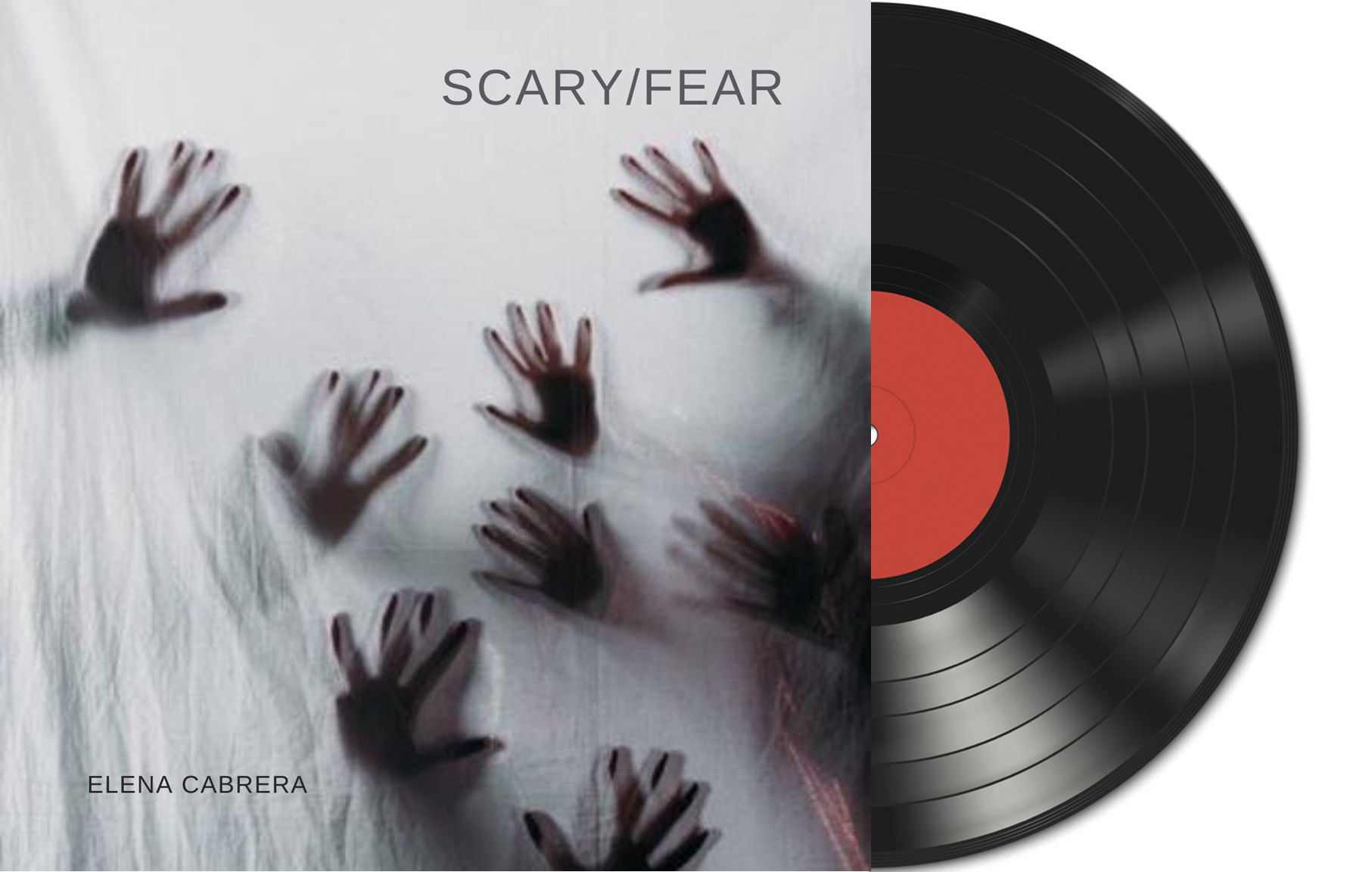
    Welcome to Music and Emotions: A Series (Part 1)! This series will be delving into an interesting study conducted by professors at the University of California Berkeley in which they investigated how music evokes different emotions (Cowen et al., 2020). They decided upon 13 categorizations of music, one of which was “scary/fearful.” They found that the way that individuals classified music based on emotions was relatively similar, even cross-culturally. All of the songs included in the above album were utilized in this study and were some of the songs that participants most frequently categorized as “scary/fearful.”

    According to the research, “scary/fearful” typically incorporates harmonic dissonance (Cowen et al., 2020). This emphasizes how some of the emotions people experience may have associations to specific melodic/harmonic intervals. For instance, the Herrmann piece included above is the soundtrack from the famous shower scene in Psycho! Here you can see a clear example of the tension and fear that arises from the use of harmonic dissonance. If you want to see a more in depth explanation of the genius music theory behind Herrmann’s song, here is a link to a very interesting analysis on YouTube.

    As mentioned previously, they decided upon 13 categories and even included an interactive audio map where you can go in and see all of the songs used and see how you match up. Stay tuned for the next part of this series where I will create an album on the “Amusing” category! Comment below any songs you may think hit the mark for the “Scary/fear” category and how you matched up to others in the interactive audio map!


    Bibliography:

    Cowen, A. S., Fang, X., Sauter, D., & Keltner, D. (2020). What music makes us feel: At least 13 dimensions organize subjective experiences associated with music across different cultures. Proceedings of the National Academy of Sciences, 117(4), 1924–1934. https://doi.org/10.1073/pnas.1910704117 

  • Kiki vs. Bouba: A Psychological Phenomenon


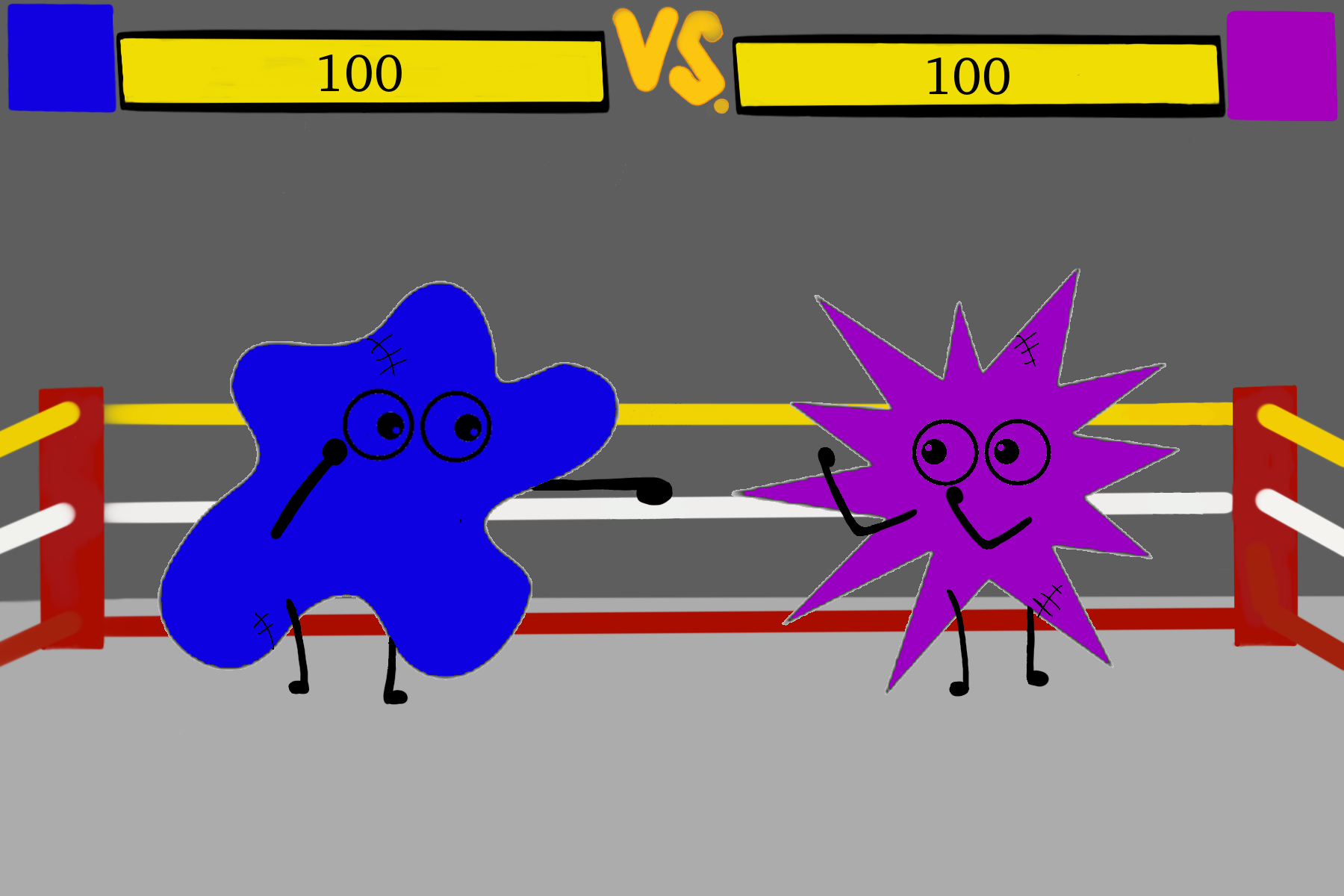
    Begin by taking this fun quiz! –> Are These More “Bouba” Or “Kiki”? (buzzfeed.com)

    Were you among the majority that named the spiky figure Kiki and the round figure Bouba? It seems that this is the case for many individuals. This question of “Kiki or Bouba” emerged with the famous psychological experiment conducted by neuroscientist V. S. Ramachandran and Edward Hubbard (Ramachandran and Hubbard, 2001). They asked American and Tamil Speakers to match one of the names to each of the two figures. The results were overwhelmingly the same; enough so to have a significant meaning. However, the real question now is, “Why?”

    There are many theories to answer this specific question. The three that rise to the top are the linguistic, semantic, and perceptual hypotheses (Chen et al., 2021). The linguistic point of view theorizes that this is a result of the sensory-motor connections that humans make when learning speech. The semantic approach, on the other hand, highlights that people may have speech associations to certain meanings. Lastly, the perceptual hypothesis looks into the features of sounds, such as varying frequencies, in relation to the connections people make to those shapes. These hypotheses continue being tested in various ways to narrow down the potential cause of this fascinating effect.

    On a similar note, have you ever associated a certain sound with a color or a number with a texture? When reviewing the literature of this phenomenon, a common term that is brought up is synesthesia. This term refers to the phenomenon that occurs when one particular sense is stimulated, but an individual actually experiences another sense (Huang, 2019). For example, hearing music but seeing colors as a result, or associating certain numbers to different colors. The reason this phenomenon is closely associated with the Kiki-Bouba Effect is because some scientists believe that the same underlying cognitive mechanisms take place for both (Ramachandran and Hubbard, 2001).

    However, the Kiki-Bouba Effect is not just relevant to shapes and sounds as many studies have branched out and broadened this topic to other senses in recent years. For example, one study looks at different tastes in association with the Kiki-Bouba shapes (Bremner et al., 2012). Here it was found that taste and shape do not translate in the same way across cultures.

    Although this may be very fun to think about… many people bring up other potential explanations and there are even some who doubt the veracity of the original conclusions found. One example is the debate on the shapes of the words and the actual shapes. This can be seen in the more “pointy” look of the letters used to spell Kiki compared to the more “rounded” letters used to spell Bouba.

    Another concept brings up the idea of the frequency that a shape that looks like that would make if it were to break in relation to the associated Kiki-Bouba names. For example, a more jagged item would have a higher-frequency noise when dropped, which would correlate to the higher frequency emitted by the word “Kiki.” This could be related to the idea of onomatopoeias, which are words that sound like the thing they are describing.

    With all of this in mind, all current research on this phenomenon is in the stage of finding out why this occurs. By answering that question, much could be unlocked. For one, it would reveal a fundamental component of understanding human perception. In knowing this, we could possibly even create robots that can perceive the world like we do!


    Bibliography:

    Abe, K. A. (2015, April 10). Are these more “Bouba” or “kiki”? BuzzFeed. Retrieved from https://www.buzzfeed.com/keijiroabe/are-these-more-bouba-or-kiki-17wkb. 

    Bremner, A. J., Caparos, S., Davidoff, J., de Fockert, J., Linnell, K. J., & Spence, C. (2013). “Bouba” and “kiki” in Namibia? A remote culture make similar shape–sound matches, but different shape–taste matches to Westerners. Cognition, 126(2), 165–172. https://doi.org/10.1016/j.cognition.2012.09.007 

    Chen, Y.-C., Huang, P.-C., & Spence, C. (2021). Global shape perception contributes to crossmodal correspondences. Journal of Experimental Psychology: Human Perception and Performance, 47(3), 357–371. https://doi.org/10.1037/xhp0000811

    Huang, H. (2019, June 28). What’s the neuroscience behind the Bouba/Kiki Effect? NBB in Paris. Retrieved from https://scholarblogs.emory.edu/nbbparis/2019/06/28/whats-the-neuroscience-behind-the-bouba-kiki-effect/

    Ramachandran V, Hubbard E (2001) Synaesthesia—A Window Into Perception, Thought and Language

  • The Good, the Bad, and the … Imaginary?

    The Good, the Bad, and the … Imaginary?

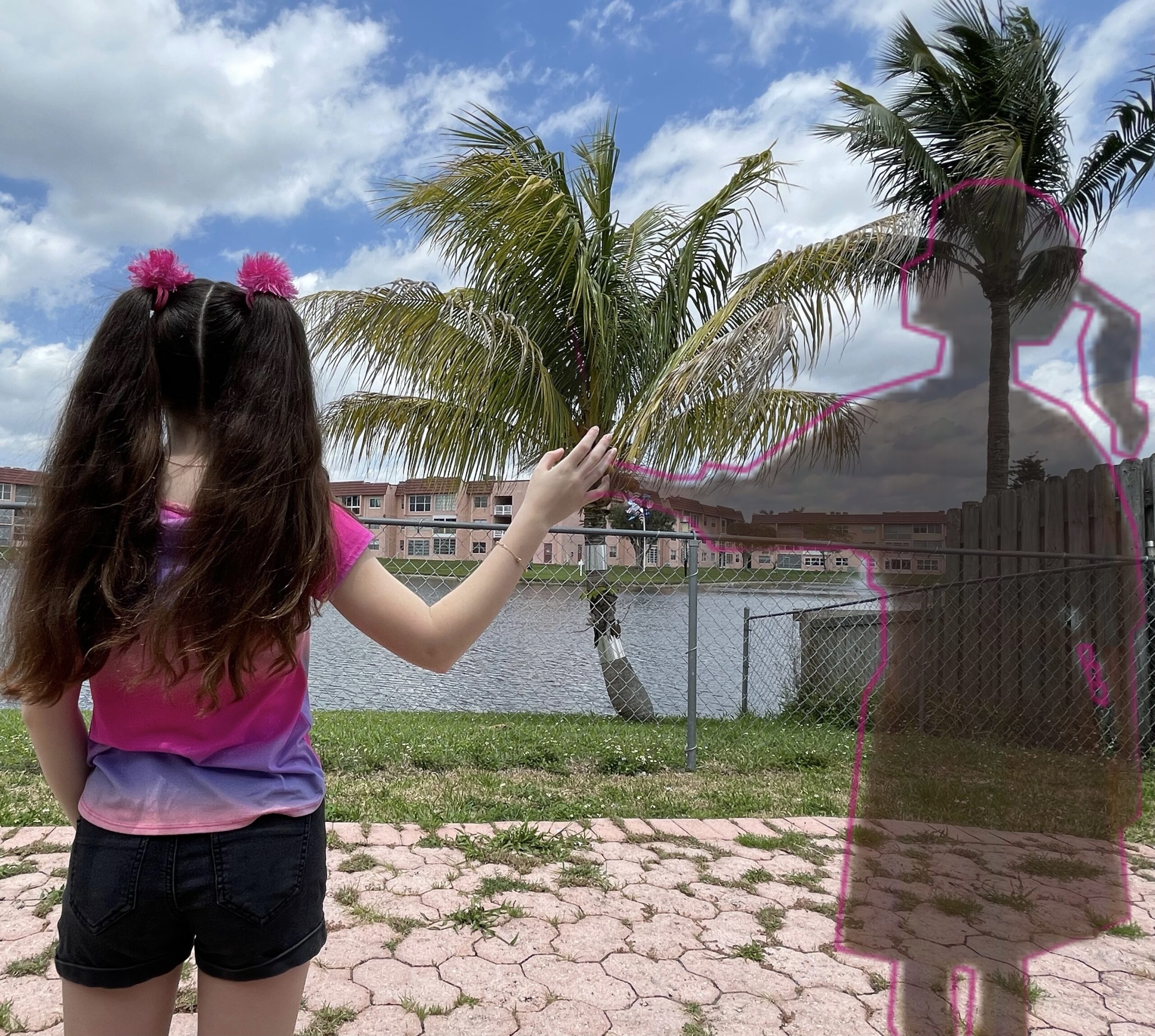
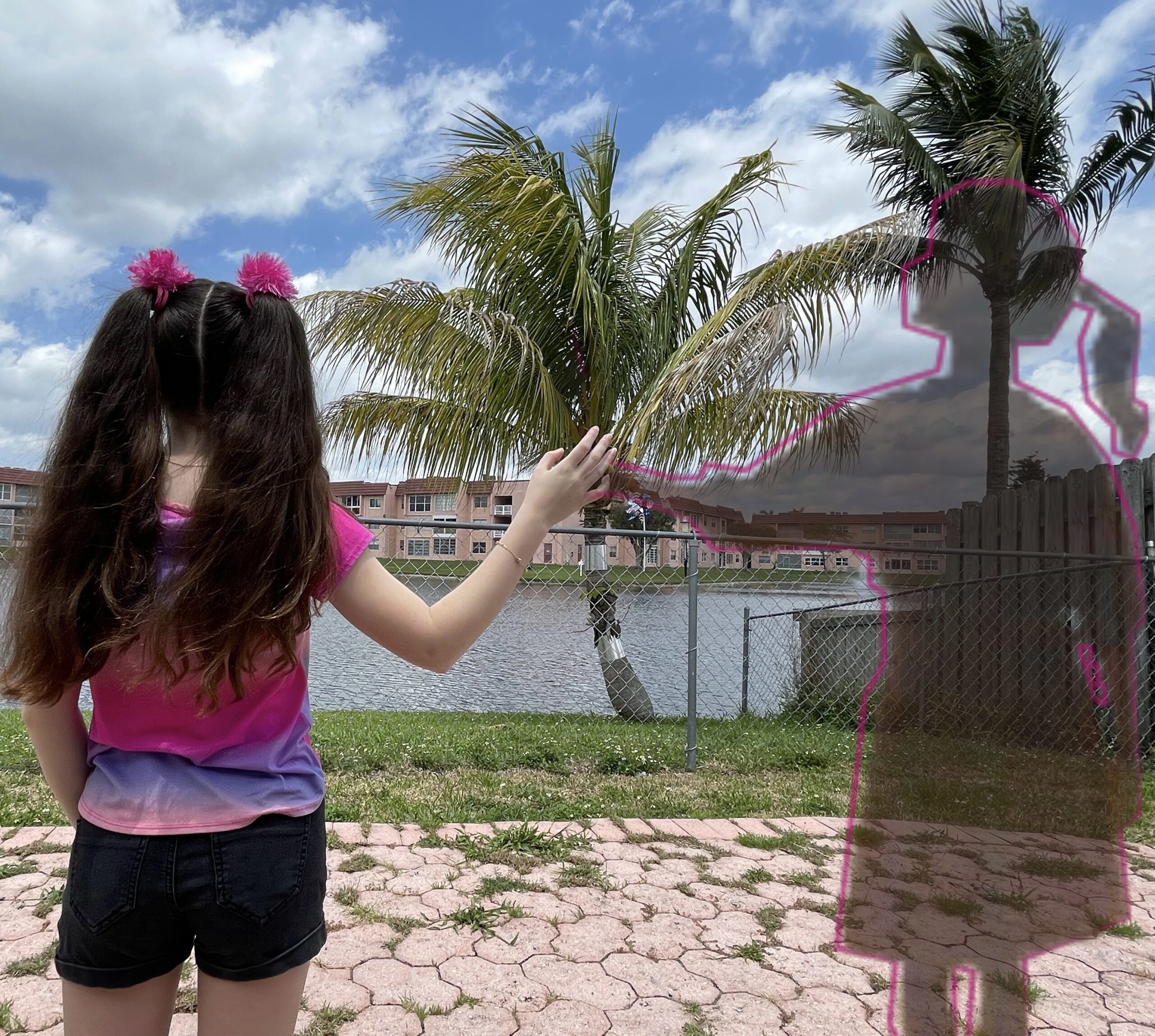
    Working as a camp counselor, I was once yelled at by one of the children. As I went to sit down, a blood-curdling scream erupted from one of the students named Katie. My face went pale white and I stopped mid-squat. I mustered up the will to ask her what was wrong and she frantically said “You were about to sit on Mr. Snuffles!” After realizing that Mr. Snuffles was actually her imaginary friend, I calmed down, apologized to the chair I was about to sit on, and moved to a different seat.

    Just like little Katie, many children create imaginary comrades to play with. These so-called imaginary friends are exactly what they sound like – an interpersonal relationship or camaraderie created by the mind that exists only in the imagination. Now although this may sound odd, it is an incredibly common psychological and social phenomenon that occurs in about 37% of children by the time they reach age 7 (Kennedy-Moore, 2013). Additionally, many may believe that talking to a fictitious creation as if they were real sounds like behavior that would be exhibited by someone that is troubled, however, this is not at all the case for these children and there is no cause for concern should a child have this type of relationship.

    Now you may be asking yourself, why do only some children have imaginary friends while others never do? What makes those children different? Or even, why are these friends even created in the first place?  Well, based on the existing research in this area (and there’s a lot of it!), there are some patterns observed to answer these questions which will be further expressed in this article, some of which are very surprising!

    So, What Types of Children Have Imaginary Friends?

    In terms of the answer to what type of children create imaginary friends, there are several different components that have been researched from which certain conclusions have been drawn. First, we look at gender: it has been said that females are more likely to have imaginary friends (Hoff, 2011). In addition, there have actually been differences between the types of friends created by females as opposed to males. For example, females are more likely to have imaginary comrades that are inferior to them and that need to be cared for and nurtured, whereas males were more likely to have imaginary friends that they idealize, such as superheroes (Hoff, 2011). One potential explanation for this could be that females have a natural tendency for being ‘motherly,’ unlike males.

    Another pattern detected among those that have imaginary friends compared to those that don’t was seen in the number of siblings or the order in which they were born. One study found that those that are either the firstborn in their line of siblings, or are an only child are more likely to create imaginary relationships (Gleason et al., 2003).

    There are also other factors, such as personality or emotional state, that could affect whether a child forms an imaginary relationship or not. Several studies looked into creativity levels of a child to see if this could be a potential factor. It was wondered whether ‘gifted’ children that displayed higher levels of creativity were more likely to form such friendships and it was found that that was in fact the case (Seiffge-Krenke, 1997). Another study gave a group of children two different creativity assessments and found, once again, that those that did have imaginary companions scored much higher on both of the measures of creativity (Hoff, 2011).

    Moreover, whether the self-image that a child holds could affect their likelihood to have imaginary friends can be focused on. One study looked at this in-depth and concluded that although some of the data indicated a lower self-image for those children that did have imaginary friends, the data was not significant enough to make any concrete decisions (Hoff, 2011). This means that it is not necessarily true that lower self-image would be related to imaginary companions in childhood.

    With all of this being said, it can be concluded that those that are more likely to form imaginary relationships are females, those that are firstborns or only children, and those that are more creative.

    But Why?

    Now, here there are many components that can be analyzed, such as social development, friendship, and even other theories of psychology that come into play.

    The reason for these friendships that most people will come up with is that these children lack social development and need imaginary friends to cope and fill in that gap. However, the complete opposite has actually been found! It has been said that being able to develop another being within their imagination is actually a symptom of developing social intelligence (Volpe, 2019). With this comes the idea of ‘ Theory of Mind,’ which involves understanding another individual’s beliefs, knowledge, emotions, intentions, and being able to use this to navigate social situations (Thompson, 2017). With this in mind, for a child to create an imaginary friend, they must be able to conceptualize beliefs and actions that are independent and different from their own which would indicate social intelligence based on the idea of Theory of Mind.

    Another concept that could explain this phenomenon is the self-determination theory which can be defined as a theory of personality and motivation based on how an individual interacts with their social environment (Legault, 2017). This theory consists of three fundamental psychological needs – competence, relatedness, and autonomy – which an imaginary friend can fulfill (Volpe, 2019). More specifically, competence can be seen when children assume dominance or leadership over their companion. Then, we can see relatedness in the same way that it is displayed in ordinary friendships with real children as they find levels to relate to each other on. Lastly, autonomy is displayed when these children incorporate their imaginary friend into a situation in order to exert a sense of control and manipulation; for example, insisting that their friend be served a plate at dinner (Volpe, 2019).

    The next and most basic idea is that these companionships are simply fulfilling a child’s need for friendship. An interesting take on this idea was observed in one study that looked at the relationships between personified inanimate objects among children compared to their imaginary friends. This study found that personified objects occurred when a new toy was acquired and was typically a nurturing relationship, whereas the bond formed with imaginary friends were more so sociable and friendly and were viewed as fulfilling a need for friendship (Gleason et al., 2003).

    All in all, the “why” of such relationships cannot be fully answered as the points discussed are not universal to all children with these friendships and are not an indicator of greater intelligence either. In general, however, development of social intelligence, a need for friendship, and the fulfillment of social needs based on the theory of self-determination are all plausible explanations for this phenomenon.

    So… Are They Bad?

    The short answer is no. Should you encounter an imaginary friend, there is no reason to discourage this behavior as it is a sign of proper social development. It can be healthy to play along and not usurp control of this friend as it is important that the child has control. It is of course okay to lay down the law should behaviors become too disruptive, however, there’s no reason to try to get rid of that child’s ‘special friend’ as it could be a sign of healthy social development.


    References

    Gleason, T. R. (2002). Social provisions of real and imaginary relationships in early childhood. Developmental Psychology, 38(6), 979-992. doi:10.1037/0012-1649.38.6.979

    Gleason, T. R., Sebanc, A. M., & Hartup, W. W. (2000). Imaginary companions of preschool children. Developmental Psychology, 36(4), 419-428. doi:10.1037/0012-1649.36.4.419

    Hoff, E. V. (2005). Imaginary companions, creativity, and self-image in middle childhood. Creativity Research Journal, 17(2-3), 167-180. doi:10.1080/10400419.2005.9651477

    Kennedy-Moore, E. (2013, January 31). Imaginary friends. Retrieved from https://www.psychologytoday.com/us/blog/growing-friendships/201301/imaginary-friends

    Legault, L. (2017). Self-Determination theory. Encyclopedia of Personality and Individual Differences, 1-9. doi:10.1007/978-3-319-28099-8_1162-1

    Seiffge-Krenke, I. (1997). Imaginary companions in adolescence: Sign of a deficient or positive development? Journal of Adolescence, 20(2), 137-154. doi:10.1006/jado.1996.0072

    Thompson, B. (2017, July 03). Theory of Mind: Understanding others in a social world. Retrieved from https://www.psychologytoday.com/us/blog/socioemotional-success/201707/theory-mind-understanding-others-in-social-world

    Volpe, A. (2019, July 30). Why kids invent imaginary friends. Retrieved from https://www.theatlantic.com/family/archive/2019/07/why-do-kids-have-imaginary-friends/594919/

  • Are You Smiling Under Your Face Mask?

    Adaptation of Tokyo Japan during daytime photo – Free Person Image on Unsplash

    Well, I can’t tell and neither can the children growing up in the covid-19 pandemic struggling to develop their social and emotional intelligence.

    At the beginning of 2020, The Year of the Pandemic, the novel coronavirus was announced. A series of lockdowns and safety protocols were put in place. Schools were closed down, businesses went under, and the eerie shadow of death dawned over the entire globe. 

    Just as a brief overview, the covid-19 disease is caused by a new coronavirus that had yet to be seen in humans until the beginning of 2020. Typically, those afflicted with the disease experience dry coughs, fevers, etc. and in older individuals or those with underlying conditions may have more severe reactions. There are also many individuals considered to be asymptomatic, meaning they do not exhibit any symptoms and most of the time do not even realize they were ever infected. With that being said, roughly 1 in 6 people who do get infected become seriously ill and may have difficulty breathing which could potentially result in death (WHO Team, 2020).

    In addition to the explicit and devastating outcomes that have affected everyone, covid-19 is also causing implicit effects that may be going unnoticed. Some of these effects may not even be seen until later on, once this pandemic has passed. One example of this is the negative psychological impacts that it may be having on children. Kids growing up in this age of isolation and death could be experiencing serious psychological tolls. They are at the prime age of development as they are learning languages, gaining a sense of self, and being introduced to independence (Pelz, n.d.)

    It is possible that children’s emotional-facial recognition could not be developing properly, they are experiencing great amounts of stress, and they are missing out on key milestones in their lives. This could all lead to great psychological disparities in the future that many may not be anticipating.

    Break in Routine

    With the break in routine that many children experienced at the beginning of covid comes many unknown consequences. Activities like waking up, getting ready, going to school, lunchtime, playtime, cleanup, group circles, etc. are all part of a child’s routine and losing this structure could have psychological side effects (The Importance of Schedules and Routines, 2020).

    For one, suddenly being ripped away from this routine (or having never even been introduced to a routine) leads children feeling they have no control of their environment. This also comes with inevitable confusion as many were not able to grasp the entirety of the situation the world was facing (CDC, 2020).

    These children have lost a sense of security and safety. For many families, household incomes were lost along with many jobs. This leads to an inconsistency for children in their access to healthy food, safe transportation, or even shelter (CDC, 2020). In addition, this had a great toll on the parents themselves as they experienced great economic and social stresses. This can be confusing and have adverse impacts on the children as those are the individuals that they look up to and rely on for guidance.

    For many children, there was also a great break in their continuity of care and learning. Whether they were taken out of preschool or daycare, or were taken out of an elementary level education system, they were suddenly taken away from their daily routines and friends and became socially isolated. This led to increased stress for both parents and children once again (Araújo et al., 2020). This social isolation also leads to lack of communication with other children which can be a key factor in the psychological development of children. Building positive interactions with peers play a role in facilitating feelings of belonging and confidence as well as the ability to exercise control over the outside environment as previously mentioned (Kington et al., 2013).

    FACE-ing Many Problems

    Although most children have not lost complete interaction with the outside world due to this pandemic, those that do get the chance to go out are met with emotionless faces covered in cloth. Due to the mandates requiring face masks, it is possible that children are not properly developing their facial-emotional recognition.

    This psychology term refers to how people generally “infer the emotional states of other people, such as joy, sadness, and anger, using facial expressions,” (Ko, 2018). The reason the development of such a key psychological component could be obstructed within children specifically is because this is a process that develops early in life. It emerges around 7 months of life but its improvement and maturation continues developing until around the age of 14 in line with the frontal cortical maturation (Malsert et al., 2020).

    More specifically, the recognition of these emotions can vary and do not all develop at once. Happiness seems to be the first to develop with children at ages of 5 and 6 are able to accurately evaluate it at the same level as adults. Then comes fear with adult levels emerging at age 7, anger 2 years after, and disgust 4 year after. Additionally, children below the age of 9 were not able to accurately identify neutral facial expressions as they would typically label them as happy or sad (Durand et al., 2007).

    Furthermore, the ability for an infant to develop facial processing or focusing on another’s face is being obstructed by face masks. Newborns have been proven to prefer looking at faces and have a natural ability to recognize faces. They are able to recognize familiar faces and depend on their parents for survival and must be able to recognize them. In order for this process to develop properly, they must be able to visualize facial expressions accurately. This allows them to feel safe since they have a great dependence on visual cues and facial expressions to regulate their responses (Green et al., 2020).

    Missing Life Events

    With all of this also comes the inevitability of missing major milestones in their young childhood. Important events such as birthday parties, family gatherings, holidays, vacations, etc. are all crucial parts of one’s life that this pandemic has halted for many. Spending quality time with family and having celebrations as some of the few positive breaks in routine that children can benefit from.

    In addition, for many children it may also have been the moment of intimate exposure to death. With the virus, individuals around the world lost those close to them and children were shocked into the reality of life and death. For some, this could have even been to the extreme of losing both of their parents or losing siblings which can take a great toll.

    Even as the end of this pandemic draws near, we will still be feeling its effects down the line and potentially be reminded of it for several years afterwards.


    References

    Araújo, L. A., Veloso, C. F., Souza, M. D., Azevedo, J. M., & Tarro, G. (2020). The potential impact of the COVID-19 pandemic on child growth and development: A systematic review. Jornal De Pediatria. doi:10.1016/j.jped.2020.08.008

    CRC. (2020, August 20). Young children’s WELLBEING during COVID-19: Parental Resources |CDC. Retrieved from https://www.cdc.gov/coronavirus/2019-ncov/daily-life-coping/parental-resource-kit/early-childhood.html

    Durand, K., Gallay, M., Seigneuric, A., Robichon, F., & Baudouin, J. (2007). The development of facial emotion recognition: The role of configural information. Journal of Experimental Child Psychology, 97(1), 14-27. doi:10.1016/j.jecp.2006.12.001

    Green, J., Staff, L., Bromley, P., Jones, L., & Petty, J. (2021). The implications of face masks for babies and families during the Covid-19 pandemic: A discussion paper. Journal of Neonatal Nursing, 27(1), 21-25. doi:10.1016/j.jnn.2020.10.005

    The importance of schedules and routines. (2020, July 13). Retrieved from https://eclkc.ohs.acf.hhs.gov/about-us/article/importance-schedules-routines

    Kington, A., Gates, P., & Sammons, P. (2013). Development of social relationships, interactions and behaviours in early education settings. Journal of Early Childhood Research, 11(3), 292-311. doi:10.1177/1476718×13492936

    Ko, B. (2018). A brief review of facial emotion recognition based on visual information. Sensors, 18(2), 401. doi:10.3390/s18020401

    Malsert, J., Palama, A., & Gentaz, E. (2020). Emotional facial PERCEPTION development in 7, 9 and 11 YEAR-OLD children: The emergence of a silent eye-tracked emotional other-race effect. PLOS ONE, 15(5). doi:10.1371/journal.pone.0233008

    Pelz, B. (n.d.). Periods of Development. Retrieved from https://courses.lumenlearning.com/suny-hccc-ss-152-1/chapter/periods-of-development/

    WHO Team. (2020, May 8). Coronavirus disease (COVID-19): Risks and safety for older people. Retrieved from https://www.who.int/news-room/q-a-detail/coronavirus-disease-covid-19-risks-and-safety-for-older-people