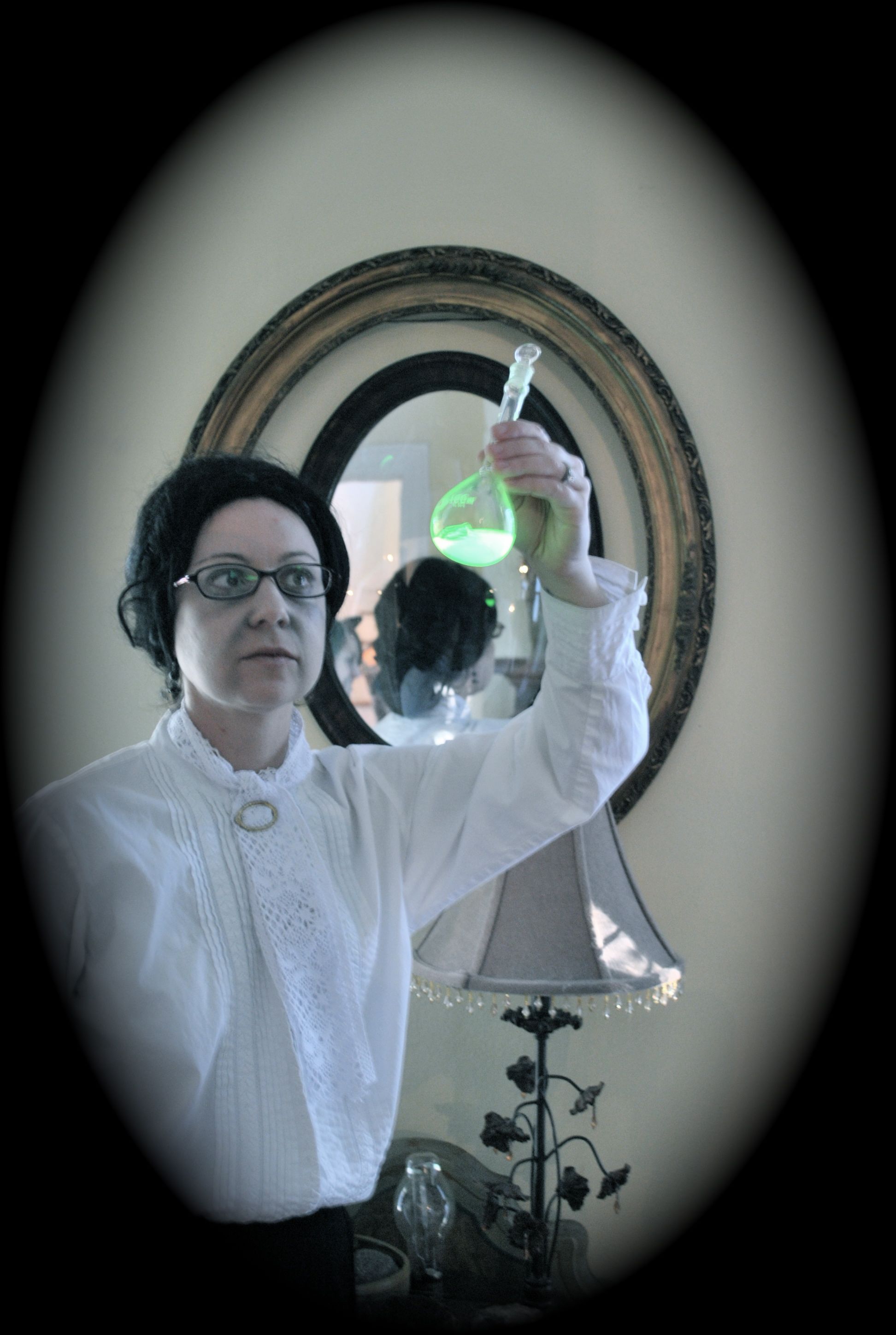
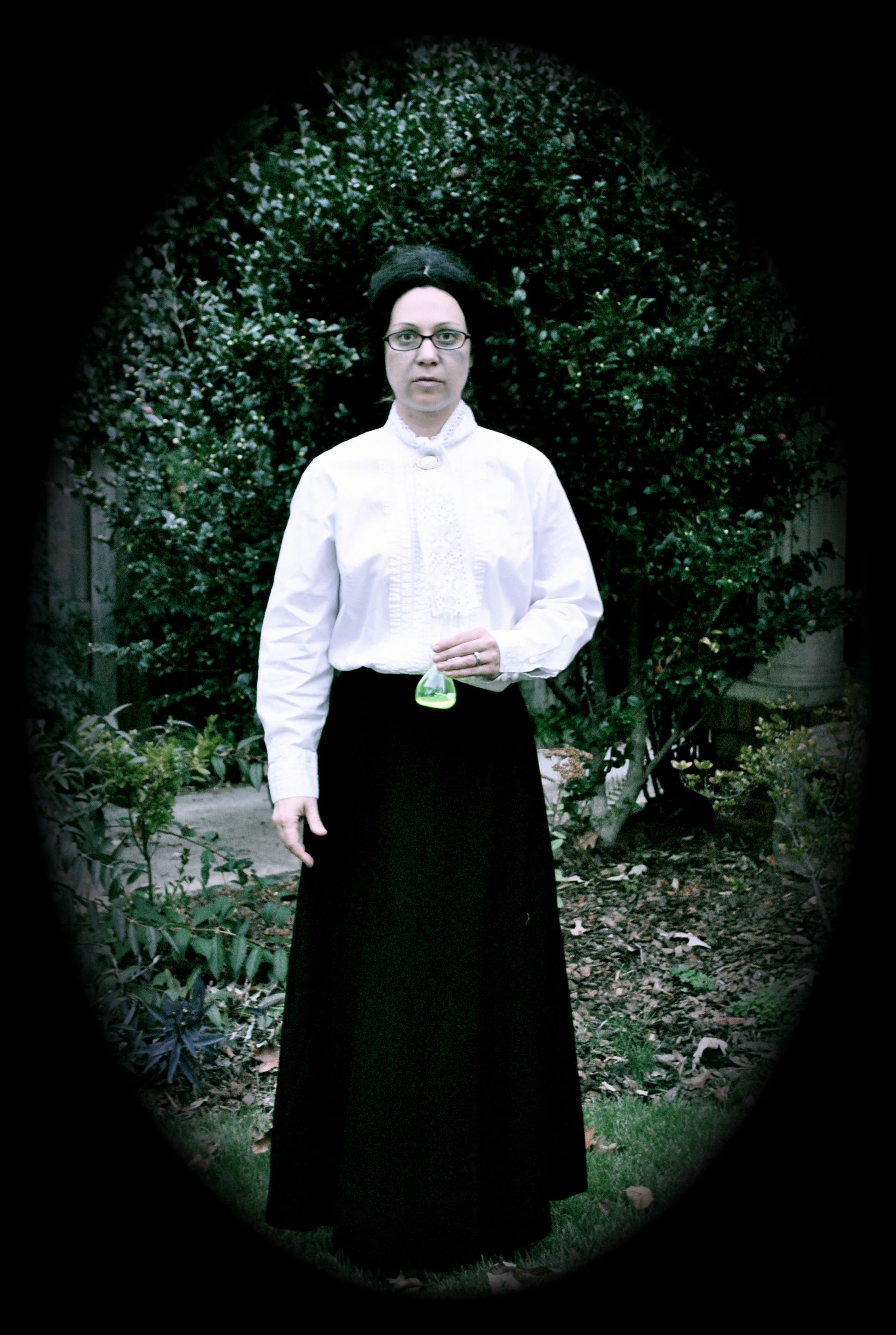
This year for Halloween, why not celebrate Marie Curie, the first woman to win the Nobel Prize? The good news (for you, not for her) is that she died a gruesome death as a result of exposure to the radioactive chemicals she studied so she makes for a spooky costume. Even now, her lab notebooks are so radioactive that researchers that want to look at them have to wear lead aprons! Madame Curie’s official cause of death was anemia, so a little yellow or gray makeup would be appropriate. You can mimic radium by cutting open an activated glow stick and pouring it in a test tube or flask (she used to like to carry her chemicals around in her pocket). I found a Victorian-era skirt at a vintage clothing store, but any dowdy dress will do….creepy AND geeky! Happy Halloween!!!
NOTE: This post is not related in any way to the 1956 sci-fi film that depicts an extraterrestrial invasion where the invaders “steal” human bodies. This is NOT a review of the Invasion of the Body Snatchers (though I do highly recommend the film).
Rather, this is brief overview of a period when robbing bodies, often from graves, was used as a means to provide physicians with subjects for dissections.
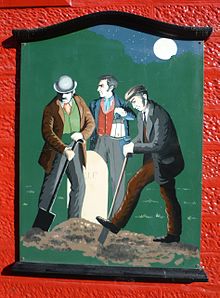
Body snatchers at work. A painting on the wall of a public house in Penicuik, Scotland.
When?
Body snatching was most prevalent during the seventeenth to nineteenth century, though there have been reports of this activity occurring as early as the fourteenth century.
Why body snatching?
– Surgical practice (High Demand): Most fifteenth century physicians scorned and considered it degrading to work with their hands; They often stood by patients they treated and ordered servants to perform what they thought should be done by hand. This disconnect between the physician and surgery created a void in anatomical and surgical knowledge. During the sixteenth century, Andreas Vesalius, a Flemish physician, led a movement to fill that gap. His efforts culminated in the publication of De humani corporis fabrica, one of the greatest anatomical textbooks. During that time, Vesalius traveled around Europe performing dissections himself, generating interest in surgery and leading physicians to embrace the values of a hands-on approach to medicine. This surge in interest in surgical practice created a great demand for bodies to be used for dissection.
– Shortage of bodies (low supply): Two centuries ago most states did not permit the use of unclaimed bodies for dissections and most of the states that did limited them to executed criminals. However, this was not enough as executions were few in the states. For example, Massachusetts executed less than 40 persons from 1800-1830. In addition, as the number of medical schools increased, so did the demand for bodies. This legal blockade created a shortage of bodies available for medical schools forcing them to turn elsewhere.
–Body decay (high turnover): Lack of refrigeration was a common problem back then; not only did it spoil food, but it spoiled bodies. This meant that there was a high turnover rate; physicians had a limited time frame to dissect and study bodies after death. This created a situation where there was a constant demand for bodies.
SOLUTION: Where can you find a large supply of bodies? Graveyards.
Who stole bodies?
-At first, grave robbers were medical professionals, students, and hospital porters who stole bodies for their own purposes. However, as time passed, medical schools advised students, faculty, and personnel to avoid engaging directly in stealing bodies. From there grew a class of individuals known as resurrectionists or body snatchers, men who made a living exhuming corpses and selling them to schools. Eventually, body snatching organizations/gangs started to appear. As laws were put in place, robbing became more profitable; their task became increasingly difficult and dangerous, and the price of their commodity increased.
-Since body snatching was an arduous task, it was often men who participated in this activity, though women were sometimes involved in non-physical tasks or snatching bodies not yet buried (falsely claiming a body to be buried).
Whose body was stolen?
-Race, sex, and social status did not matter. Nobody was safe from disinterment.
Note: Though records show that people of all race, gender, and social status were victims, the golden era of body snatching coincided with the period of racial and social inequality in the states. This meant that immigrants, blacks, and the poor were most often targeted.
The Art of Body Snatching:
Many considered body snatching an art. Some texts describe the act in lengthy detail spanning several pages, detailing tactics on how to procure bodies as efficiently as possible. I will spare you from the lengthy details without skipping over the essential techniques.
Step 1: Secure knowledge of a prospective burial: Information of a burial was usually supplied by mail or messenger. Such a message was often sent in code and not directly to the resurrectionists, but through some intermediary, such as a druggist.
Step 2: Scope the location: The grave should be accurately located during daylight hours so that a search in the dark would be unnecessary. A common method was to reconnoiter as a hunter. A stranger would appear in the neighborhood on the day of burial with a shotgun over his shoulder, apparently hunting small game.
Step 3: Wait until nighttime
Step 4: Begin the disinterment
Plan: At least two men and a watcher/driver were needed in a disinterment. One man remained with the transport; that person would drop off the other three at the location and return at a specified time. The other two removed the body.
Execute: The process of disinterment was fairly straightforward: a hole would be dug directly above the coffin, the coffin would be opened, and finally, the body would be pulled out. Since graves were dug to be about 5 ft deep (from the top of the coffin), extracting a body could be quite laborious. To make the extraction easier, resurrectionists used a modified pole to drag bodies out of graves. This pole was hooked at one end and had grips at the other (similar to the letter ‘J’). The hook would be placed under the chin of the deceased and the men would push or pull the body out using the other end of the pole. As you can imagine, this ‘hooking’ technique often caused damage to the corpse.
Step 5: Clean Up: The grave should look as it did before the disinterment to avoid suspicion and capture.
Ethics
The seventeenth to nineteenth century was a great era for medicine. Discoveries in anatomy led to improved surgical treatments and healthcare. However, people often forget that many of these advancements came at the expense of bodies being robbed. Families would go to cemeteries to pay respects for loved ones only to find the grave(s) in disarray, or would pay respects without knowing the remains of their loved were gone. Until the adoption of more coherent and stricter laws regarding body donation, many physicians considered body snatching a necessary evil.
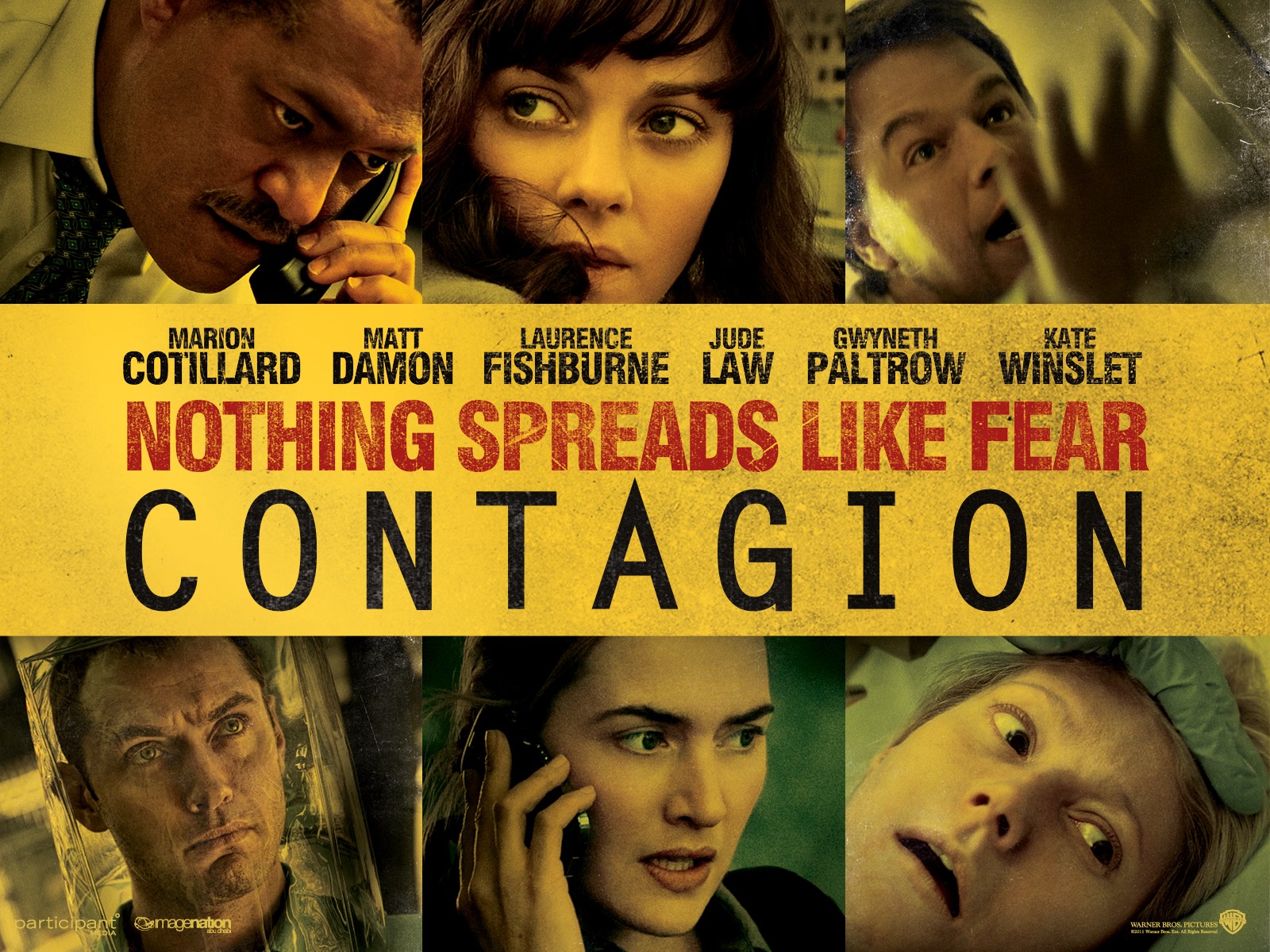
I have been looking forward to seeing the movie Contagion since it came out last year and I finally got to see it last night. I am a big fan of outbreak/apocalypse/zombie-type movies and, since I’m an immunologist, I thought this would be right up my alley. Boy, was I wrong. The problem with the movie wasn’t with the premise (a new flu-like virus makes the jump from an animal reservoir to humans and starts spreading rapidly), the casting (Gwyneth Paltrow, Matt Damon, Jude Law, Kate Winslet, Laurence Fishburne), or the science (mostly spot on). The problem was that the movie was way too realistic.
Hmmm, let’s see, we’ve got politicians and public health officials trying to keep the public from freaking out, a corrupt blogger/homeopathic proponent trying to get people to take an herbal remedy to recover from the virus (while he’s invested in the company that makes it), a protective father/widower (Matt Damon better watch out or he’s going to be typecast soon!), mass riots and looting, a dedicated scientist who makes a vaccine in no time, and the ultimate recovery of the country and the economy.
Wait, huh? Where are the zombies? Where are the ghost towns? Where’s the blood oozing from eyeballs? This is just like what would happen in real-life if a virus wiped out 1% of the population of the Earth. People would be scared. People would lose loved ones. People would get sick and recover and then we’d move on. I don’t need a movie for this! There are way more dramatic things happening in the world right now! I think some character development could have saved the movie, but there were so many story lines going on at the same time it was impossible to get invested in any one character and the story lines never really converged.
SCIENCE CRITIQUE: the screenwriters of contagion mostly did a good job with getting the science right and the set designers made things look pretty good. Only a few things stuck out. In one scene they were rotating a ribbon diagram of what was supposed to be the virus and its human receptor and they were describing four proteins, but it only looked like there were two on the screen. It also didn’t make a lot of sense that Kate Winslet’s character, a CDC EIS officer, was explaining basic epidemiology to a group of state health department officials (don’t they have degrees in public health?). But the labs looked good and the CDC really looked like the CDC (although I’ve never been in a BSL4 lab).
The bottom line: see the movie if you want a preview of what the next terrible outbreak will be like, but stay away if you’re looking for zombies …
So, it’s April 20th and you want to celebrate DNA day, but aren’t sure how? What about making chocolate smoothies in honor of Alfred Hershey and Barbara Chase, the rockin’ scientists whose experiment finally convinced everybody that the information for your traits (i.e. genes) was contained in DNA rather than in protein, which was the other contender . They made their discovery 60 years ago so now’s a good time to call them out.
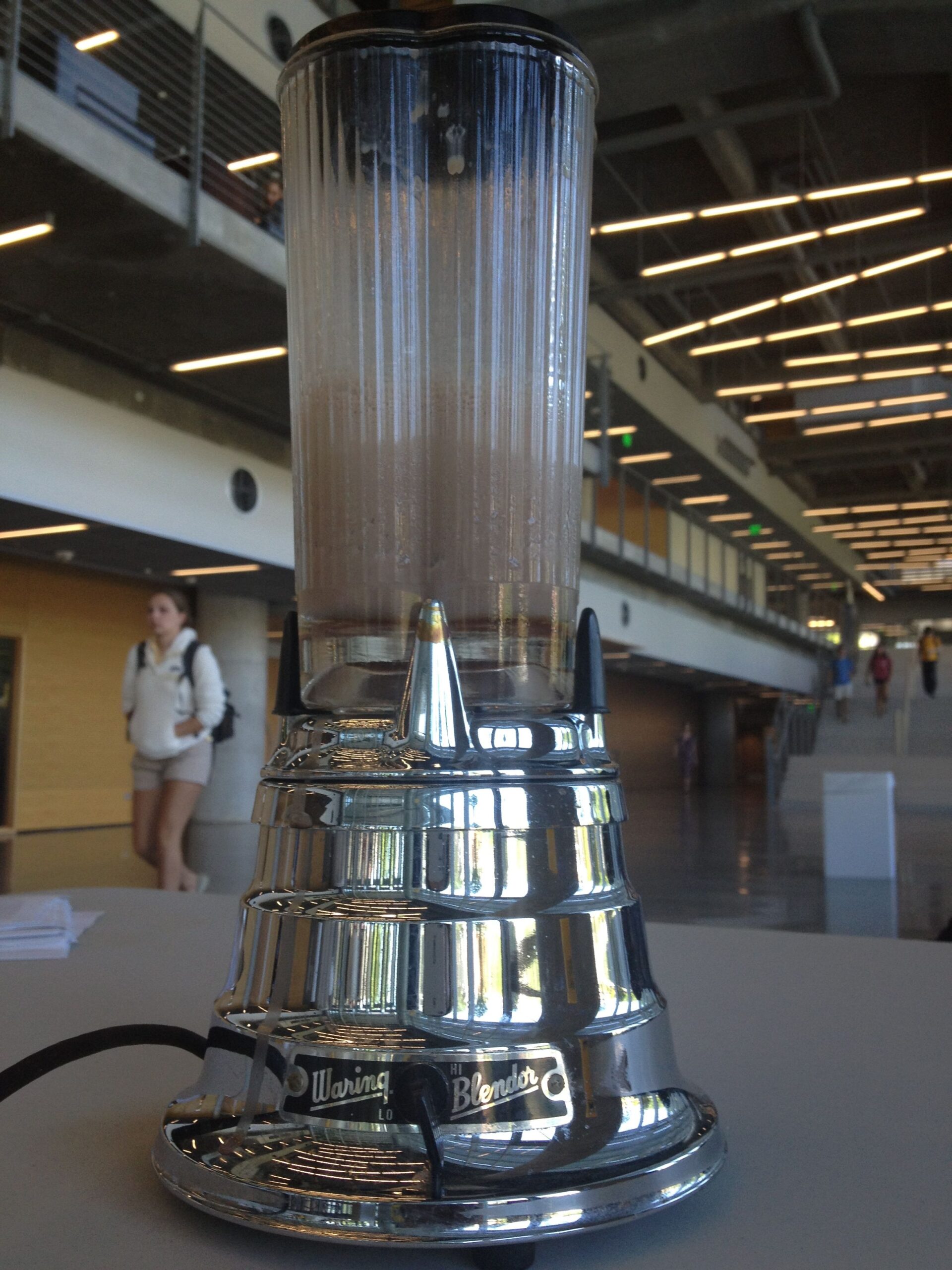
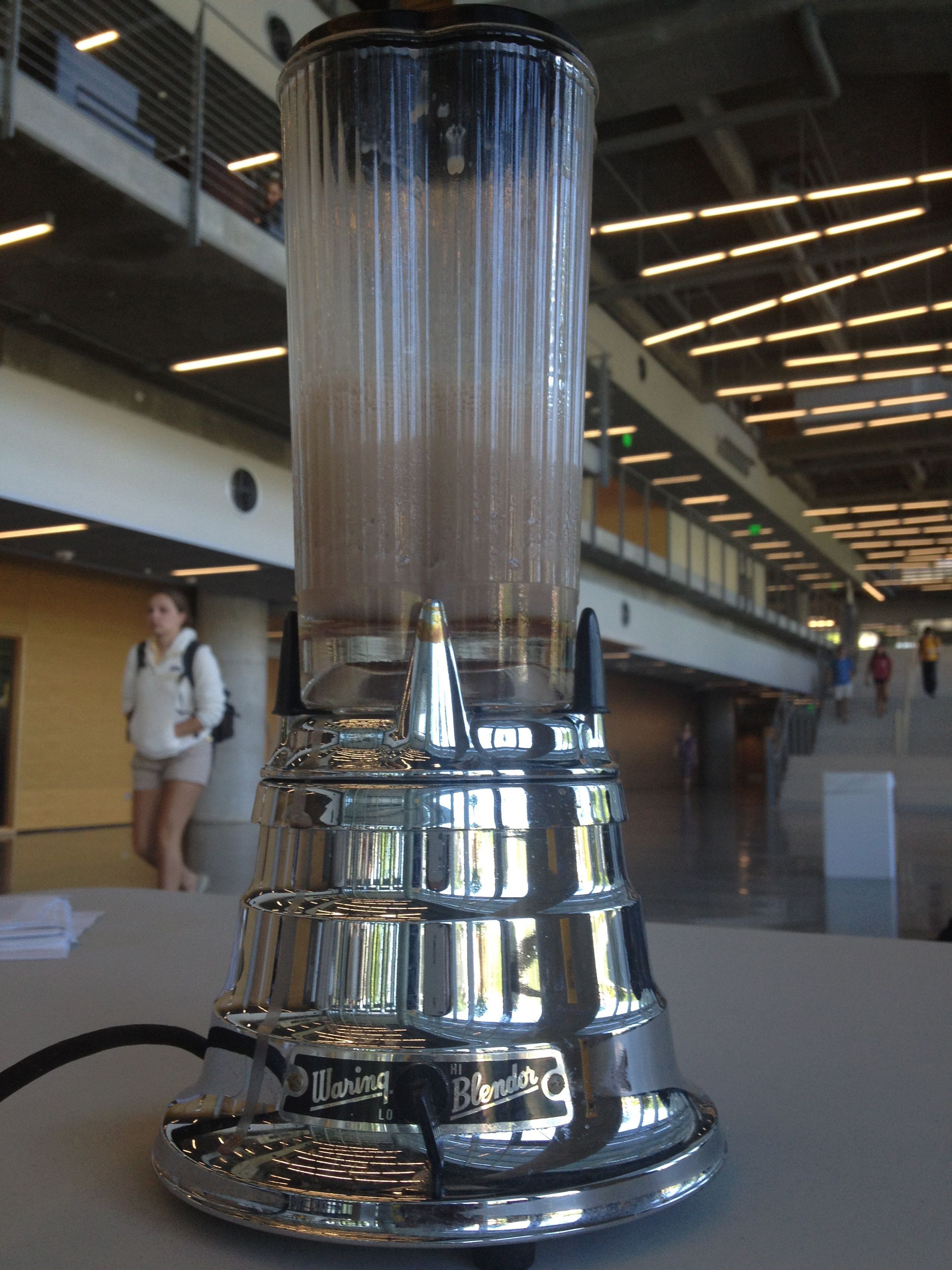
Now, 1952 was a prosperous time in America and while folks were makin’ babies, watching TV and buying $0.20/gallon gasoline to fuel their big, beautiful cars, Hershey and Chase were hanging out on Long Island at the Cold Spring Harbor Laboratory, mixin’ up phage (bacteriophage) and E. coli. Phage are viruses that infect bacteria and when they do that they bring genetic information along with them. Hershey and Chase had the genius idea that if they labeled the different parts of the phage with radioactivity and then tracked which parts went INTO the bacteria, they could figure out what genes were made of. So, they labeled the phage protein with radioactive sulfur or the phage DNA with radioactive phosphorous and added it to the bacteria for a little while. Then they used a blender (like the vintage Waring blender pictured here) to knock off any parts of the phage stuck to the outside of the bacteria and, lo and behold, the radioactive DNA was inside the cells carrying the genes and the radioactive protein got knocked off of the cells and floated away.
The results of the Hershey Chase experiment paved the way for the golden era of molecular biology and actually made people care about the big paper Watson and Crick put out the next year that proposed the structure of DNA.
So, HAPPY DNA DAY! Here’s how you can use YOUR blender to pay delicious tribute to these important scientists.
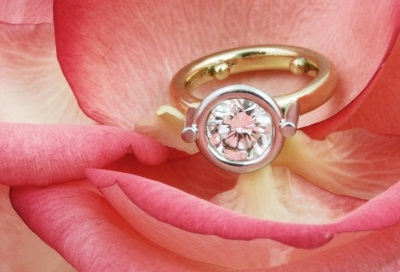
How long does a two million dollar engagement ring buy you with everyone’s favorite (well, mine anyways) Kardashian sister?
As Kris Humphries found out, about 72 days.
Sorry Kris, but at least you should take some comfort in the fact that the ring you gave Kim will sit as shiny as it is right now until it’s ready to win hearts and headlines once again. At least the platinum band will anyways. What I’m referring to as the simply staggering resistance of Platinum to oxidation, more commonly known as rust or tarnish. Platinum, along with gold and to a lesser extent silver are the only metals on the periodic table that enjoy this distinction. As a logical consequence, these metals were some of the first discovered by ancient peoples because they would have quite literally been found lying on the ground, super shiny. In fact, gold was the first metal discovered ever and goes back as far as the entire history of… well as far back as recorded history itself! I like to imagine when cavemen discovered gold they tried to eat it before proposing to cave ladies with chunks of the stuff. Given that these un-reactive metals are now relatively commonplace, the idea of a metal that doesn’t rust may not seem that cool but trust me, it is.
So why aren’t these magical metals applied to more commonplace items where rust is a concern? The obvious answer is their astronomical expense. Unfortunately the expense of platinum, gold and silver is not because they don’t rust but because they are super rare, representing some of the rarest elements found it the earths crust. Even if they were more common, each of these metals are extremely ductile and malleable allowing them to be easily fashioned through pulling and hammering into jewelry but preventing their use as structural metals. Gold’s softness is the origin of the quintessential gold rush miner biting into a dubious coin to ensure it’s authenticity. Thus even if you wanted to and were rich and crazy enough to do so, it would be unwise to make solid gold or platinum rims because they would buckle when popping over a curb.
The diamonds in Kim’s ring are another story. Formed from carbon under extreme conditions of huge temperatures and pressures, diamonds are chemically identical to pencil lead but differ in the way the atoms are arranged. Instead of being soft enough to smear onto a sheet of paper when pressed by hand, diamonds are the hardest naturally occurring substance on earth. Ironically, according to calculations using thermodynamics, a discipline used to determine the equilibrium structure for a given set of conditions and composition, diamonds should not even exist outside of the extreme conditions in which they are formed! Instead, thermodynamics predicts that diamonds should deteriorate to graphite (pencil lead) at the temperatures and pressures found around Kim Kardashian’s hand. Then why don’t they?
To answer that we can consider again our friends platinum and gold. It is not exactly correct to say that these metals can never oxidize, but more accurate to say that without a huge input of energy they never will. Meanwhile, metals like iron actually give off some energy when they rust. From the standpoint of iron, it is energetically favorable to rust than remain as elemental iron in the presence of oxygen. A good analogy to this kind of “favorable energetics” is a cart balanced at the top of a hill – the cart has potential energy that is converted to kinetic energy and then depleted when it rolls down the hill. An unfavorable energy case would be a cart in a deep valley. Even though the cart could reach the top of the hill, someone would have to push it up there. Maybe you could get those cavemen to do it by feeding them gold. To transform diamonds into graphite and oxidize platinum will take energy. Lots of energy. So unless Kim visits the National Ignition Facility, an active volcano or these guys, her ring is staying put. Just maybe not on her finger.
I had a chance to catch some of the Golden Globes the other night. By had a chance I mean, I elected to watch the Golden Globes. For a little bit. You know how it is, when you have a choice between watching celebrities clap or watching reruns of M*A*S*H you have to ask yourself, “When is the next time I can watch M*A*S*H?”
When I did stick around, it wasn’t just because I think Emma Stone is a stone cold fox (I do), or because I thought Ricky Gervais is particularly funny (I didn’t), and it’s not because I really care what the celebrities are wearing (I don’t). It was all the dang sequins.
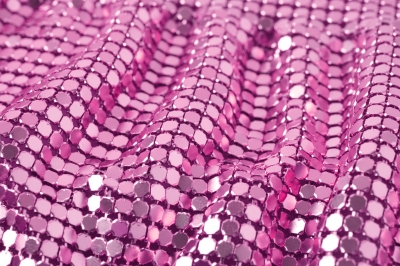
Maybe this is just from a fashion uninitiated, but there were a lot of sequins going on at the Golden Globes. But then I thought about it – why not? Sequins do a pretty good job of catching the eye, and that’s kind of the red carpet Modus operandi, right? Sequins’ secret lies in their ability as a reflector of incident light. Much like a signal mirror used to reflect the sun towards a rescue plane, sequins sewn onto a dress (or a pair of hideous shoes at DSW) reflect any light that hits their surface at an angle equal in magnitude to the incident angle reflected through a plane perpendicular to the reflecting surface. This is analogous to bouncing a ball off of a smooth surface. If the ball is dropped straight down the angle of incidence is 0° and so the ball bounces straight back up. Meanwhile, if the ball is bounced at an angle like a basketball being bounce-passed between two players, after striking the ground the ball will travel towards the second player at an angle identical to that thrown by the first player. This is called specular reflection (with light not basketballs). When considering this concept from the viewers perspective of a be-sequined dress, the dress appears to shimmer and flash. If the light-source comes from a single direction (like a spotlight) then the incident angle is fixed and the relative angles of the sequins change with the motion of the wearer. The result is flashes of light as individual sequins pass through an orientation which places the reflection angle directly towards your eyeballs!
Maybe that’s not that surprising to you, given that you have observed this phenomenon first hand dozens of times in mirrors. However consider this – not all light is made equal. Light can be described as wave traveling through space from the source. These waves have the shape of the trigonometric sine function when visualized in two dimensions, and have an associated wavelength that is related to the energy of different forms of light. To humans and many other species, our eyes detect this difference in wavelength as color, but only in a relatively narrow range of wavelengths. This is referred to as the “visible spectrum” , and the acronym ROYGBIV known by many a grade-schooler as the colors of the rainbow actually orders the visible spectrum correctly from longest to smallest wavelength!
Thus, while sequins are reflecting the crap of out the visible spectrum, light waves with appreciably longer or shorter wavelengths will have different interactions. For this reason, reflectors designed to reflect these different wavelengths can require drastically different shapes and materials. Some examples include a satellite dish whose curved edges reflect microwaves (these are of similar wavelength to the ones used in microwave ovens!) towards central antenna (the prong in the middle) increasing the signal, and metal coated Mylar (a type of flexible plastic) used in space blankets and on satellites (the ones in space, not the dish on your roof) to reflect infra-red radiation. In the case of space blankets, these reflect infra-red radiation (light waves with wavelengths just above the color red in the visible spectrum responsible radiative heat transfer – this is why heat lamps in restaurants are red!) emitted by the wearer back to their body. On satellites this wavelength is emitted by the sun and reflected away from heat sensitive electronics. In the case of metalized Mylar, the reflection is diffuse rather than specular, meaning the reflection takes place at many angles.
So we’ve learned that sequins are sparkly because they reflect light at discrete angles. If they operated with diffuse reflection, the entire dress would appear to glow rather than sparkle. Fingers crossed that the fashion community will one-up themselves at next years GGs. A simple experiment you can try at home can be done with a mirror, a yard stick, and a flashlight (or ideally a laser pointer). Measure one yard from a wall and place the mirror on the ground, then place yourself one yard away from the mirror facing the wall. Hold the flashlight at the top of the yardstick pointing towards the mirror. The reflected light should strike the wall at the exact height you are holding the flashlight! This is specular reflection in action!