Tag: health

  • Lament of a Musician’s Hearing

    Cover image was taken by the author and edited in Picsart.

    Sometimes, what is most important to us is what we take for granted. For a musician, that is their hearing, although most of us don’t take many steps to preserve it, often going to rehearsal or lessons without any form of hearing protection. For a school musician, this means going a few hours a week being exposed to loud noises without any way to block them, and for a professional, this duration is even longer. If we don’t want to lose our hearing to the piercing sound of a piccolo in our ears, it’s possible we might have to make some changes to the way we rehearse.

    Hearing Loss in Musicians Compared to Other Professions

    Some might question whether playing an instrument actually increases hearing loss or if there is a larger outside factor at play. To investigate this, a study was conducted comparing the hearing loss of people with a variety of different backgrounds and found that professional musicians were 3.51 times more likely to have noise induced hearing loss and 1.45 times more likely to have tinnitus (Schink et al., 2014), which suggests that the job that someone works in has a large impact on that person’s hearing. This makes sense considering the significant amount of time the average adult spends working. Musicians tend to get the short end of the stick here as a good portion of that time is spent listening to loud music, which oftentimes when playing is right in your ear.

    Source: taken by author and edited in Picsart.

    Reducing Ear Damage

    Since the consequences of continued exposure to loud noise can become severe over time, it is important to take steps in order to prevent excessive damage. First and foremost, musicians should be aware of the risks that long periods of practice can have on their hearing; they should be able to watch for warning signs and know what safe sound levels are (85 dB TWA (time-weighted average) for eight hours in one day, which is around the noise level of a food blender, heavy traffic, busy restaurant, or movie theater (How Loud Is 85 Decibels | What Does 85 DB Sound Like, 2021)). It is also beneficial to get an audiogram and have access to a sound-level meter to make sure you aren’t exceeding the safe sound levels (Chesky, 2008). Also, most students have some sort of hearing protection device or HPD (around 69% percent according to one study) that they can use during rehearsal to block some of the sound (Olson et al., 2016).

    Source: (Lowery, 2023)

    The Great Balance

    If the measures to be taken are seemingly so obvious and simple, why aren’t they more common? Even if the resources are readily available, it turns out that protecting one’s hearing still comes with its downsides. According to several music students, even though there are clear advantages to using things like HPDs, such as hearing preservation, reduction in noise exposure, and the ability to play longer without taking breaks, there are also significant disadvantages to consider like decreased auditory perception, issues with communication, less comfort, and many reported improved performance when not using HPDs (Olson et al., 2016). The goal of an ensemble is to make music that sounds good (well, and have fun, hopefully), so naturally, the musicians in an ensemble would not want to sacrifice their sound to protect their hearing, which is something they might not even be conscious of because damage happens gradually.

    So how do we balance the desire to play well with the desire not to go deaf before we get old? Perhaps this will be a question better answered in the future, maybe even by someone reading this article, and we’ll have a device that still lets us hear everything we need to without all of the damage. Maybe we’ll have a way to reverse hearing loss that’s as easy as drinking medicine to cure a cold. But for now, while maybe not during performances, we can just do what we can, however little it may seem, to protect one of our precious senses. We only have five, after all.

    References

    Chesky, K. (2008). Preventing Music-Induced Hearing Loss. Music Educators Journal, 94(3), 36–41. https://www.jstor.org/stable/4623689

    How Loud Is 85 Decibels | What Does 85 dB Sound Like. (2021, November 18). Decibel Meter App | Best Digital Sound Level Meter for Your Smartphone. https://decibelpro.app/blog/how-loud-is-85-decibels/

    Lowery, K. (2023). How to choose the best hearing protection [Online Image]. In audibel.com. https://www.audibel.com/preventative-care/the-best-hearing-protection/

    Olson, A. D., Gooding, L. F., Shikoh, F., & Graf, J. (2016). Hearing Health in College Instrumental Musicians and Prevention of Hearing Loss. Medical Problems of Performing Artists, 31(1), 29–36. JSTOR. https://www.jstor.org/stable/48714485

    Schink, T., Kreutz, G., Busch, V., Pigeot, I., & Ahrens, W. (2014). Incidence and relative risk of hearing disorders in professional musicians. Occupational and Environmental Medicine, 71(7), 472–476. JSTOR. https://www.jstor.org/stable/43869897


  • The science and history of the PB&J sandwich

    The PB&J sandwich is a humble combination of sweet, salty, and creamy. Where exactly did this classic sandwich originate, and what are the details behind its nutritional value?

    Before the invention of the PB&J, its three essential ingredients had to be born, beginning with the peanut butter. In 1895, Dr. John Harvey Kellogg patented a process for creating peanut butter, and marketed it as a protein-rich source for patients who couldn’t chew solid food very well. In 1903, Dr. Ambrose Straub patented a peanut-butter-making machine. Peanut butter made its debut at the 1904 St. Louis World Fair, where its popularity skyrocketed [1, 2]. 

    Peanut butter was considered a delicacy during this time, and the first PB&J sandwich recipe was published by Julia Davis Chandler in the Boston Cooking School Magazine of Culinary Science and Domestic Economics. However, this recipe was intended to be served as delicate finger sandwiches at parties and in tea rooms [2, 3].

    Next comes the jelly. Marmalade and jam had been around for a long time, but the familiar purple jelly component of the PB&J was created when Paul Welch patented a method for pureeing grapes into jelly in 1917, naming it Grapelade [2].

    The final piece of the puzzle: sliced bread. The bread slicer was invented in 1928 by Otto Frederick Rohwedder. The availability of pre-sliced bread and the commercialization of the peanut butter industry increased the accessibility of the PB&J ingredients and popularized the sandwich across the nation [2, 3].

    Now that we know its origin story, let’s move on to the science of the PB&J. The nutritional breakdown: a typical PB&J has 15 grams of protein, 13 grams of fat, and 12.5 grams of sugar [4]. While a lot of sugar is never a good idea, for an active individual it can provide a needed burst of energy, and the combination with protein and fat ensures one feels full and satisfied. 

    According to a 2021 study from the University of Michigan School of Public Health, eating a PB&J can add up to 33 minutes to your life span [5]. This study assigned a health nutritional index that measured the health effects from the consumption of over 5,800 different foods, quantifying the results in minutes of healthy life gained or lost. The authors mention that this apparent health benefit of the PB&J is driven by the nut content of the sandwich, which is the source of the protein and fat. Therefore, while the PB&J is not a superfood, it is a much better option than some other processed foods, like hot dogs, which scored notoriously low during the study.

    I can personally attest to the PB&J’s standing as great adventure fuel (all of the photos in this article are from the variety of lunchtime views I’ve shared with a PB&J). It is my go-to for hiking and backpacking trips for a number of reasons: it’s affordable, portable, and customizable. Purchasing the ingredients won’t break the bank, and it doesn’t need to be refrigerated (honestly, I think PB&Js taste even better when they’re a little bit squished…). Additionally, PB&J customization is endless. I personally like to toast the bread or add a layer of plain potato chips to up the crunch factor, but one can also make changes to boost health benefits. Using whole-grain bread, swapping jelly for real fruit slices (banana is particularly delicious), or using natural nut butter are all ways to make the PB&J a little bit healthier.

    Now you know a little bit about the history and science behind a PB&J sandwich, as well as ways to customize it to make it healthier or even more delicious. 


    References

    [1] National Peanut Board. (2023). Who invented peanut butter? Retrieved from https://nationalpeanutboard.org/news/who-invented-peanut-butter/

    [2] National Peanut Board. (2023). Who invented the peanut butter and jelly sandwich? Retrieved from https://nationalpeanutboard.org/news/who-invented-the-peanut-butter-and-jelly-sandwich/

    [3] Dean, S. (2013). History of the PB&J, from spa food to school lunch. Retrieved from https://www.bonappetit.com/entertaining-style/trends-news/article/history-of-the-pbj

    [4] National Peanut Board. (2023). 5 reasons PB&J is the best sandwich ever. Retrieved from https://nationalpeanutboard.org/news/5-reasons-pbj-is-best-sandwich-ever/#:~:text=A%20PB%26J%20has%2015%20grams,of%20energy%20that%20athletes%20need.

    [5] Stylianou, K. S., V. L. Fulgoni III, and O. Jolliet. (2021). Small targeted dietary changes can yield substantial gains for human health and the environment. Nature Food, 2, 616-627.

  • Kidneys: The Innocent Bystanders

    When we purchase over-the-counter medicines, there’s often an assumption of their relative safety and harmlessness. After all, most ‘dangerous’ compounds are protected behind a prescription, right? Surely, if the directions on the back of the box or bottle are followed, no long-term health risks are possible, right?

    Unfortunately, this is often not the case. Long term use of NSAIDs — a class of common anti-inflammatory drugs including aspirin and ibuprofen — is associated with an increased risk of acute kidney failure.[1] Previously healthy young people have developed kidney problems due to long-term NSAID use while being none the wiser; kidney injury thus represents a generally unknown side-effect of NSAID use. Indeed, this feeds into a much larger idea within the field of healthcare — the role of the kidney as an ‘innocent bystander’. Often, acute and even chronic kidney injury are iatrogenic — an unintended byproduct of treatments for other diseases or conditions. NSAIDs aren’t the only common treatment that can negatively impact kidney health; diuretics are associated with an increased risk of acute kidney injury and even surgical procedures like heart transplants have been linked to acute kidney failure.[2,3] The susceptibility of the kidneys to iatrogenic conditions is often attributed to the high rate of blood flow through them and the resulting increased exposure to potentially nephrotoxic drugs.[4] After all, the kidneys are the blood filtration system meant to remove waste from the body; it makes sense that the drugs that enter the bloodstream and are filtered out may put a strain on the kidneys. Not just treatments, but even diagnostic techniques can have an adverse effect on the kidneys. The iodinated contrast drugs often used in diagnostic imaging have also been linked to acute kidney injury, with few suitable alternatives available.[5]

    With all these harmful pitfalls, preserving kidney health may seem like an impossibility when tackling complex conditions and comorbidities. However, awareness is a crucial first step towards improving patient outcomes. The kidneys are often put on the back burner when managing other conditions; physicians may prescribe NSAIDs, diuretics, and similar drugs that harm the kidneys over time while treating other conditions, or order diagnostic imaging that utilizes contrast fluid that puts a strain on the kidneys. On their own, these small actions may not have a significant effect, but it’s critical to be mindful of how treatments and conditions may intersect to cause renal dysfunction. By spreading awareness of the susceptibility of the kidneys to damage in these ways, individuals at higher risk for developing renal issues may be mindful about their use of certain over-the-counter medications and can develop a better toolkit with which to advocate for themselves.

    References:

    1 Dixit, M., Doan, T., Kirschner, R., & Dixit, N. (2010). Significant Acute Kidney Injury Due to Non-steroidal Anti-inflammatory Drugs: Inpatient Setting. Pharmaceuticals (Basel, Switzerland), 3(4), 1279–1285. https://doi.org/10.3390/ph3041279

    2 Ejaz AA, Mohandas R. Are diuretics harmful in the management of acute kidney injury? Curr Opin Nephrol Hypertens. 2014 Mar;23(2):155-60. doi: 10.1097/01.mnh.0000441150.17202.be. PMID: 24389731.

    3 F. J. Romeo et al., Acute Kidney Injury After Cardiac Transplantation: Foe or Common Innocent Bystander? Transplantation Proceedings 50, 1489-1495 (2018).

    4 Davidman M, Olson P, Kohen J, Leither T, Kjellstrand C. latrogenic Renal Disease. Arch Intern Med. 1991;151(9):1809–1812. doi:10.1001/archinte.1991.00400090095017

    5 Andreucci, M., Faga, T., Serra, R., De Sarro, G., & Michael, A. (2017). Update on the renal toxicity of iodinated contrast drugs used in clinical medicine. Drug, healthcare and patient safety, 9, 25–37. https://doi.org/10.2147/DHPS.S122207

  • A Spotlight on Black Licorice and its Darker Side

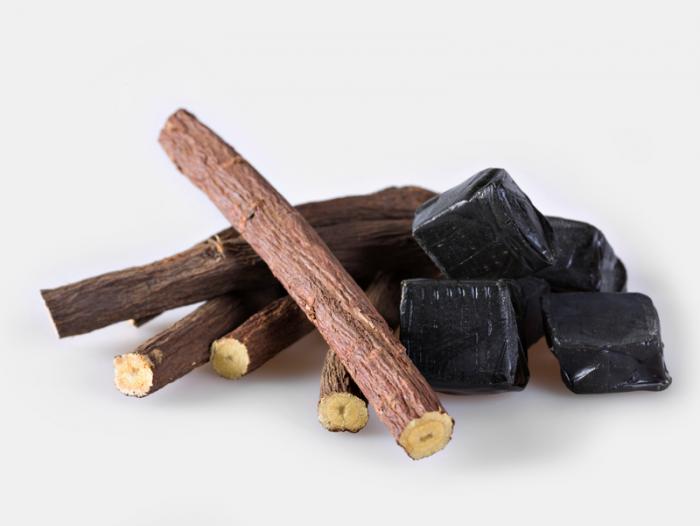
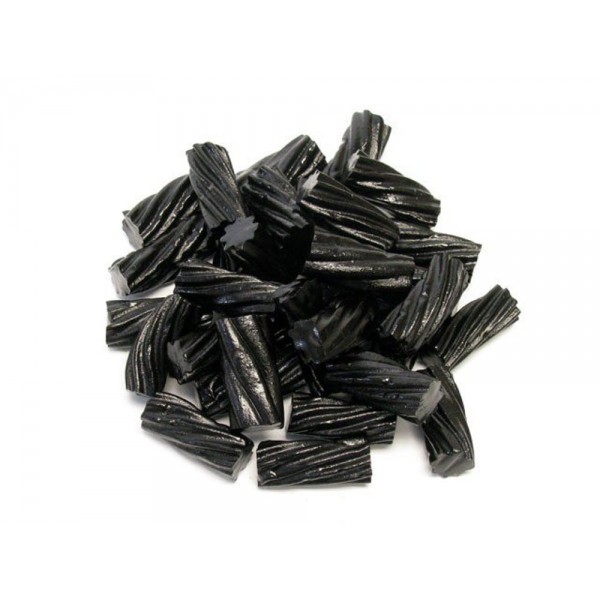
    Black licorice. You either love it or you hate it. Some delight in the intense spice flavor that comes with a bite of licorice and others find it repulsive and gag at the mere scent of it. As a divisive food and old-timey treat, black licorice has a long history of being a chewy confectionery and a popular flavor for drinks and tobacco in many parts of the globe. Licorice (scientifically referred to as Glycyrrhiza glabra) is a flowering plant that comes from the legume family. Its roots contain the flavor that we know as licorice and are commonly extracted for various uses. While it shares similar flavoring compounds, it is not related botanically to anise or fennel as some may think. (though sometimes they are used instead of licorice to evoke the same flavor profile)

    What makes black licorice so sweet?

    The iconic scent and flavor of licorice come from a mix of different compounds, but the one that gives it most of its sweetness is glycyrrhizin (a compound that is about 50 times sweeter than sugar!) This sweetness is different than regular sugar in that it more closely resembles sweeteners like Sweet ‘n’ Low which is comprised of saccharin. Some people vehemently dislike this type of sweetness which is also known to linger on the tastebuds for longer. Many people claim to dislike how “sickeningly sweet” it is and feel that it strongly dominates whatever you taste in your mouth for many minutes even after it is consumed. Others say that their aversion comes from the glycyrrhizin tasting more bitter than sweet.

    This bitterness can be attributed to herbal medicine, which licorice is also known to be useful for. There are many patented licorice-based medicines in China, where its extract is used in the treatment of bronchitis, colds, cough, and upper respiratory diseases. Glycyrrhizin, glycyrrhizinic acid, isoliquiritin, and glycyrrhizic acid are the most notable substances used for health benefits as they possess anti-cancer, anti-microbial, and anti-inflammatory properties. Excessive consumption that allows for the build-up of these compounds, however, may lead to serious adverse health effects.

    Consequences of Overconsumption

    Like most things in life, licorice is best enjoyed in moderation, but for more sinister reasons than you may think. Eating more than 57g of black licorice a day for at least 2 weeks could potentially cause serious health problems, such as an increase in blood pressure and an irregular heart rhythm (arrhythmia). This happens because of an excess of glycyrrhizic acid in the body. Normally your body is able to process glycyrrhizic acid into glycyrrhetinic acid, which is relatively harmless in small amounts, but when larger concentrations are present in the body, it can inhibit an enzyme that assists in converting active cortisol (the hormone that controls adrenaline) into inactive cortisone. You can imagine what too much active cortisol might do to your body, and this imbalance like this can wreak havoc on your body. 

    Cortisol is a hormone that plays a role in your fight-or-flight response and is similar chemically and structurally to aldosterone, which during a stressful event can signal to the body to hold on to water if you’re dehydrated. It does this by binding to structures in the kidneys that cause sodium to be pulled from urine in order to trigger osmosis and cause water to stay in your cells. Sodium has a +1 charge, however, and if it’s taken from the urine, then another +1 charge must replace it. This is done by potassium which can then replace the sodium in the urine and be excreted from the body. Now, when cortisol is present in concentrations that are dangerously high, it can be concluded that it would cause your body to pull more sodium from your urine, and you would lose more potassium right? 


    Cortisol (left) & Aldosterone (right)

    This leads to hypokalemia or low potassium presence in blood, which can be detrimental to the muscles of your body especially one of your most essential muscles, your heart. Potassium is an ion in your body that signals a relaxation of your muscles after a contraction. If there isn’t enough potassium present in your blood, then your muscles will stay contracted, which can be especially bad for your blood vessels and your heart. This is where the increased blood pressure and arrhythmia can restrict proper oxygen flow throughout your body and cause your organs to shut down.


    No Need to Panic

    Now, of course, the chances of this happening to the average black licorice fan are very slim as long as the treat is enjoyed in moderation. Since most people wouldn’t eat 57g of black licorice every day, I think it’s safe to say that fearing death by licorice overdose won’t be found in anyone’s nightmares. All in all, black licorice is a novel sweet with an interesting chemical makeup that is loved (or hated) by many across the globe.


    Sources:

    Pastorino G, Cornara L, Soares S, Rodrigues F, Oliveira MBPP. Liquorice (Glycyrrhiza glabra): A phytochemical and pharmacological review. Phytother Res. 2018 Dec;32(12):2323-2339. doi: 10.1002/ptr.6178. Epub 2018 Aug 17. PMID: 30117204; PMCID: PMC7167772.

    Wahab S, Annadurai S, Abullais SS, Das G, Ahmad W, Ahmad MF, Kandasamy G, Vasudevan R, Ali MS, Amir M. Glycyrrhiza glabra (Licorice): A Comprehensive Review on Its Phytochemistry, Biological Activities, Clinical Evidence and Toxicology. Plants (Basel). 2021 Dec 14;10(12):2751. doi: 10.3390/plants10122751. PMID: 34961221; PMCID: PMC8703329.

    https://www.healthline.com/nutrition/black-licorice-death

    https://www.youtube.com/watch?v=qg76qIZ4BQ8 

  • Racing Rats’ Impact on Mental Health

    A cartoon rat examines a rodent operated vehicle.Introduction

    The authors of “Enriched environment exposure accelerates rodent driving skills”, published in Behavioral Brain Research, conducted an experiment intended to study the impact of the environment on the efficacy of stress-releasing mental health treatments in lab rats. This study aimed to see how an enriched environment, both socially and intellectually, promotes stress relief while doing fun activities. The process for teaching the rats to drive the rodent operated vehicles (known as ROVs) also has implications for the importance of enrichment in how service dogs are trained.

    Study Summary

    There were two groups of rats that participated in this study. The control group of rats lived in a standard environment for laboratory rats, in standard laboratory cages, each with one other rat. The experimental group of rats lived in housing with an enriched environment. These rats got multiple rat friends, rat toys to keep them occupied, and multi-level housing.

    The study began with a “training period”, where rats in both groups were taught by operant conditioning how to drive the ROVs. While the authors of the study expected the rats living in standard housing to perform worse than the other rats, they were shocked at how much worse they performed. The authors noted that the control group rats failed to perform even “basic” tasks in driving the ROVs.

    After the training period (in which food rewards were used to encourage the rats to drive), both groups of rats continued to drive the ROVs even in the absence of rewards. However, rats living in enriched housing drove the ROVs without treats for a longer period of time than the rats living in standard housing. Throughout the study, the scientists measured the levels of hormones that were indicative of the rats’ ability to handle stress. Both groups showed an improved ability to handle stress as a result of ROV driving, but the enriched housing rats showed a significantly larger benefit than the standard housed rats.

    Conclusion

    This investigation shows that the environment of an animal has a significant impact on the effect of stress relieving interventions. The authors suspect that the enriched rats were more able to learn new behaviors (driving the ROVs) as a result of experiencing a wider variety of behaviors in their enriched home environments. The results of this study have interesting ramifications on the optimal conditions for other animals who will be undergoing rigorous training. Additionally, this study demonstrates how a good environment that has opportunities for social connection and mental challenges is beneficial in mental health treatment.

    References

    Crawford, L. E., Knouse, L. E., Kent, M., Vavra, D., Harding, O., LeServe, D., Fox, N., Hu, X., Li, P., Glory, C., & Lambert, K. G. (2020). Enriched environment exposure accelerates rodent driving skills. Behavioural Brain Research, 378, 112309. https://doi.org/10.1016/j.bbr.2019.112309

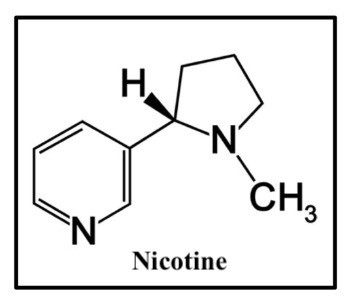
  • Nicotine is Dope: a poem on vaping and addiction

    What nice etiquette

    Not to be burning a cigarette.

    With flavors like Diet Coke

    Instead of plain old smoke.

    Youth claim to thrive

    On something that resembles a flash drive.

    But wait,

    Maybe we should take five.


    It seems vaping has strayed from its original intent.

    It is no longer used to prevent.

    And is now an addictive supplement.


    Without trying to overreact,

    Let me present some facts:

    With every juice pod that is drained,

    There are effects on the brain.

    Research shows detriments to the prefrontal cortex –

    An area so important for cognitive development…

    Especially during adolescence!


    This is what lower activity in this region can mean:

    Difficulty choosing between

    Or even troubles controlling the obscene…

    Things that, quite frankly, are already hard enough for teens.


    So make sure you look for the current research and stats.

    So next time one says it’s healthier than cigarettes,

    You can say, “Well maybe we should chat.”


    References:

    England L, Bunnell RF, Pechacek, et al. Nicotine and the developing human: A neglected element in the electronic cigarette debate. American Journal of Preventive Medicine. 2015;49(2): 286–293.

    Musso F, Bettermann F, Vucurevic G, et al. (2007). Smoking impacts on prefrontal attentional network function in young adult brains. Psychopharmacology. 2007;191(1): 159-169.

    Primack BA, Shensa A, Sidani JE, et al. Initiation of traditional cigarette smoking after electronic cigarette use among tobacco-naïve US young adults. The American Journal of Medicine. 2018;131(4): 443.e441-443.e449.

    Yuan M, Cross SJ, Loughlin SE, Leslie FM. Nicotine and the adolescent brain. Journal of Physiology. 2015;593(16):3397-412.


  • Health Shot: Vaccines


    I’m sure we can all remember that dreaded moment at the doctor’s office when they say “Time for some shots!”. Much crying later (maybe that’s just me) , we leave the office with a brightly colored band aid – and sometimes a sticker for the road. But what exactly goes on in these shots we receive from such a young age? What do these vaccinations do in our bodies? Moreover, what explains the origins of the the anti-vax movement?

    What happens when we get sick?

    When bacteria and viruses enter the body, immune cells called help fight off these invaders, which are called antigens. These antigens trigger the response by the body to fight them off with T Cells and B Cells. B Cells make antibodies, which are proteins produced by our immune system that help attack the antigens. Each antibody fits like a puzzle piece with a particular antigen and blocks off the antigen from communicating with other cells. This causes the antigen to die off. T Cells secrete chemical signals in the body that let other immune responses know to activate. Once the body has begun to eliminate the microbes faster than they reproduce, and the disease is eliminated, some of the T and B cells convert into memory cells can recognize the infectious microbe if it appears again and appropriately release antibodies. This offensive cycle of recognize, react, and remember allows our body to be very effective in responding to bacteria and viruses we interact with every day.

    How do vaccines help?

    Vaccines allow the body to be exposed to an illness and developed the memory cells, so that when we are exposed again to the microbe, we can quickly react. The vaccine contains a weakened form of the virus that does not cause the disease or reproduce very well – but this enough to get our bodies into action. Following the same cycle as above, the body fights off this weakened disease and is left with the memory T and B cells that cause future protection. Since the disease is in weakened form, many vaccines require more than one dose. In the case of the flu vaccine, the CDC recommends a vaccination every year since the vaccination is updated each year to include the strains that research suggests would be most pervasive that flu season.

    Where did the Autism-Vaccine link come from?

    In 1998, Andrew J Wakefield along with 12 co-authors published a study suggesting that from 12 cases, they found links between the MMR vaccination and autism in The Lancet. Though the paper could not support a causal relationship between the MMR vaccination and autism, in a video Wakefield suggested that the risk of autism was developing with the combined MMR vaccines. The press reaction to the publication and Wakefields statements were immediate, and parents in Britain and the United States began to delay vaccinations for their children.

    Ideas Debunked:

    In 2004, the editor of the Lancet revealed that the Wakefield has been paid by attorneys looking to file lawsuits against vaccine manufacturers, demonstrating a clear conflict of interest and ulterior motive. In 2010, after many of the co-authors had redacted their statements in the paper, The Lancet redacted the paper itself.

    In 2011, The British Medical Journal published a report by Brian Deer who investigated how Wakefield could have made the statements he did in the 1998 paper. Deer found that while the paper claimed eight children showed autism-like symptoms days after the vaccination, in fact only two showed symptoms that they had even before the vaccine was administered. With all this evidence, researchers agree that the original study should not have been published as the results could be categorized as research fraud.

    After the MMR-Autism hypothesis was no longer held, critics cited thimerosal, a preservative containing mercury as a possible cause for autism. In the late 1990’s concern for eating mercury present in a different form in fish heightened, and people turned their eyes to the mercury used in vaccines. A final report published in 2004 by the Institute of Medicine rejected an association between thimerosal and autism. However, today most childhood vaccines no longer contain thimerosal.

    Since autism rates have continued to increase since the onset of routine vaccination, critics continue to question vaccines. Research from the Autism Speaks associate reveals that autism is causes by both genetic and environmental factors. The exact reason why autism develops is still unclear, but vaccinations have been currently ruled out as a cause.

    The Anti-Vax Movement:

    In 2007, celebrity Jenny McCarthy’s son was diagnosed with Autism, and she blamed the diagnosis on the effect of vaccinations. This essentially kickstarted the recent anti-vax movement again, though the movement has been in existence since vaccines were widespread. The recent advent of Facebook and twitter has increased the spread of misinformation and has increased vaccines refusal across America. With the popularity of the anti-vax movement, the herd immunity of our population is threatened. For highly contagious diseases, herd immunity is achieved when 90-95% of the population is vaccinated. For less contagious diseases, like polio, 80-85% is enough. Herd immunity is precisely why anti-vax movement affect those who still choose to get immunized. Turning into a Tragedy of the Commons, one  misinformed individual can affect the health safety of their surrounding community. For this reason, staying informed with well established facts, rather than opinions, is important when dealing with medical issues.

    Sources:

    Vaccines Protect Your Community. (2017, December). Retrieved March 10, 19, from https://www.vaccines.gov/basics/work/protection

    How Do Vaccines Work? (2019, April 09). Retrieved from https://www.niaid.nih.gov/research/how-vaccines-work

    Understand how Vaccines work. (2018, July). Retrieved from https://www.cdc.gov/vaccines/hcp/conversations/downloads/vacsafe-understand-color-office.pdf

    Do Vaccines Cause Autism? (n.d.). Retrieved from https://www.historyofvaccines.org/content/articles/do-vaccines-cause-autism

    Wakefield, A. J. (1999). MMR vaccination and autism. The Lancet,354(9182), 949-950. doi:10.1016/s0140-6736(05)75696-8


  • Sleep Well: Your Psychological Health Depends On It


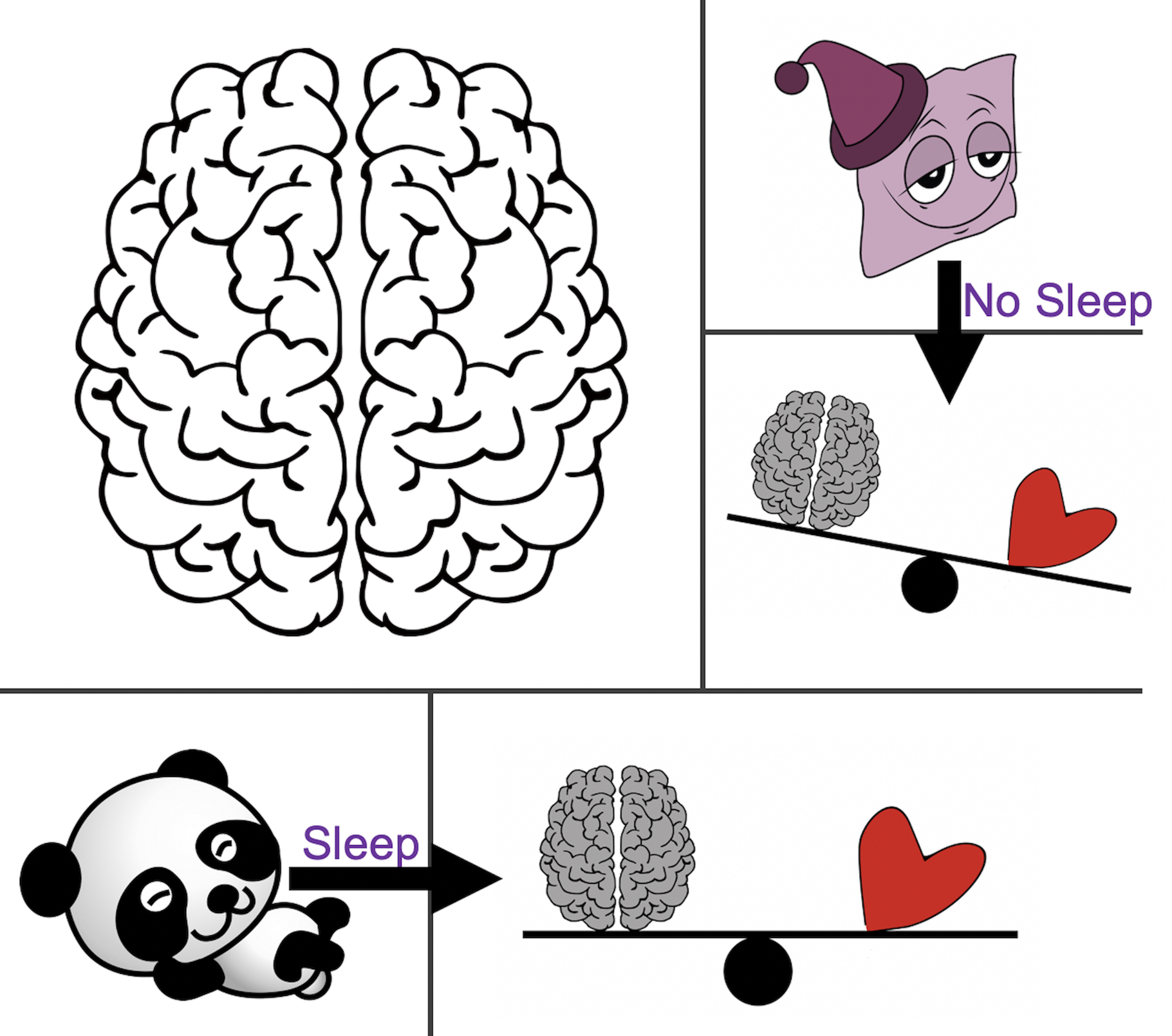
    There is some truth to the phrase “waking up on the wrong side of the bed.” When I don’t sleep very well, I will probably be much more affected by seemingly minor mistakes than other times. For example, I might be particularly self-critical of a research presentation, ruminating on the negative aspects and failing to acknowledge anything positive. The recurrent thought of poorly answering a question might leave me feeling disappointed. In contrast, I will probably fail to retrieve the memories about the questions that were answered well or the clarity of concepts explained. Cognitive neuroscientists have linked poor sleep to poor psychological health at the neural level, particularly involving a brain structure called the amygdala.

    The amygdala is an almond-shaped brain structure that modulates emotional reactivity. When sleep deprived, amygdala function is perturbed and becomes over-reactive during the waking day (1). In other words, sleep deprivation can lead to a heightened sensitivity of the amygdala. For example, your roommate’s incessant pencil tapping that normally seems bearable when not sleep deprived, may be particularly annoying after a night of little to no sleep.

    Sleep deprivation may reduce attentional focus on positive materials.

    Moreover, sleep deprivation may influence emotional memory. For example, researchers gave participants a series of positive, negative, and neutral words to study. They found that those who were sleep deprived remembered fewer positive words than those who were well-rested (1). This suggests that sleep deprivation may reduce attentional focus on positive materials. Furthermore, it has also been found that connectivity between the amygdala and control center of the brain, the prefrontal cortex, is reduced when sleep deprived (2). Reduced feedback from the prefrontal cortex may lead to amygdala overactivity when sleep deprived.

    Sleeping through the night or over several nights gradually reduces one’s response to feel upset when recalling a negative experience.

    Considering that sleep deprivation impairs the ability to remember positive information, it is closely linked with depression. It is thought that obtaining sufficient sleep causes reductions in the emotional response to negative memories by reducing the response of the amygdala. In other words, sleeping through the night or over several nights gradually reduces one’s response to feel upset when recalling a negative experience. For example, after sleeping, you may be able to remember when your first pet passed away, or when you scored poorly on an exam, without feeling emotionally crippled by the memory. Sleep reduces emotional reactivity to memories.

    Experimental research found that sleep deprivation caused a near 30% increase in anxiety symptoms.

    In addition to an increased susceptibility to negative emotion, sleep deprivation is closely linked with anxiety. Indeed, recent experimental research found that sleep deprivation caused a near 30% increase in anxiety symptoms (3). For example, suddenly hearing a loud noise, such as an alarm, leads to fear as an initial reaction. You may feel your heart pound through your chest; your pupils may dilate; and you might look around to locate the noise. However, once you realize that it is only a test for the warning alarm systems, you will quickly resume to your work. However, if you’re sleep deprived, this process may happen a bit more slowly. It may take longer for your brain to process the fact that it’s only a warning alarm. Your increase in heart rate may persist, and you may feel anxious for longer than someone who is not sleep deprived. Thus, anxious feelings will likely be intensified when you are in a sleep-deprived state.

    Failing to sleep intensifies emotional responses at the neural level. Brain structures involved in emotional processing and cognitive control, particularly the amygdala and prefrontal cortex, are functionally altered by sleep deprivation. Although the life of a student is a demanding one, sleep should be prioritized in order to thrive and function with peak psychological health. So if you’re feeling crappy, try getting a good night’s sleep.

    References

    1.Walker, M. P., & van der Helm, E. (2009). Overnight therapy? The role of sleep in

    emotional brain processing. Psychological Bulletin, 135(5), 731–748.

    https://doi.org/10.1037/a0016570

    2.Yoo, S., Gujar, N., Hu, P., Jolesz, F. A., & Walker, M. P. (2007). The human emotional

    brain without sleep – a prefrontal-amygdala disconnect. Current Biology, 17(20), 1–8.

    https://doi.org/10.1016/j.cub.2007.08.007

    3. Anwar, Yasmin. “Chronically anxious? Deep sleep may take the edge off.” Retrieved from: https://news.berkeley.edu/2018/11/06/chronically-anxious/

  • From Flaky to Fabulous

    Alpha hydroxy acids. Beta hydroxy acids. These sound like complicated and possibly dangerous chemical compounds you would learn about in high-level chemistry classes, right? Have no fear; these organic compounds will make you beautiful.

    Both alpha hydroxy acids and beta hydroxy acids are used in many skincare products as chemical exfoliants. Alpha hydroxy acids, or AHAs, when used in low concentrations, can be used to treat dry skin and keratosis pilaris. At higher concentrations, AHAs cause epidermolysis, which causes the top layer of skin to peel away, revealing new and healthy skin underneath. This can improve the appearance of photoaged skin by reducing wrinkles and lightening dark spots. Common AHAs include glycolic acid and lactic acid. Beta hydroxy acids, or BHAs, act as a peeling agent and can be used to treat acne, photoaging, and calluses. Common BHAs include salicylic acid, citric acid, and malic acid.

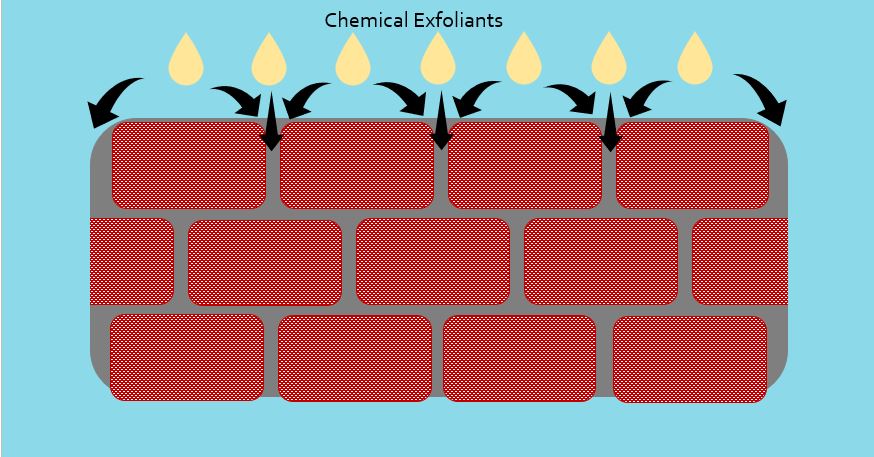
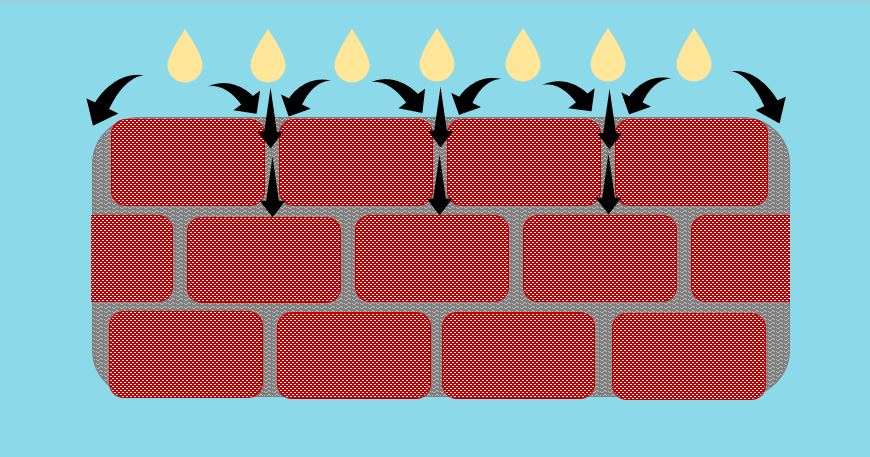
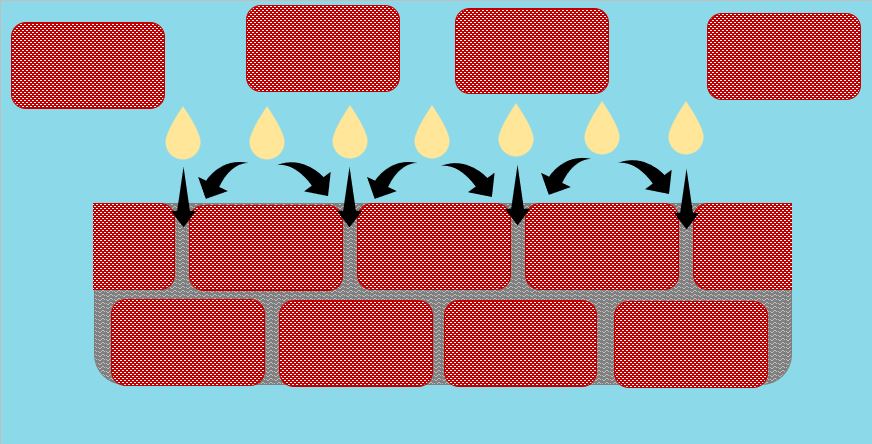
    These chemical exfoliants sound great, but how do these acids work? The top layer of your skin is called the epidermis. The very top layer of the epidermis is the stratum corneum. This layer consists of dead skin cells known as corneocytes that are ready to slough off with exfoliation. These corneocytes are held together by intracellular bonds. Chemical exfoliants such as AHAs and BHAs break these bonds and encourage desquamation, otherwise known as skin peeling. If the stratum corneum consisted of bricks stacked on each other and held together by cement, these acids would dissolve that cement and allow bricks to easily be removed.

    When used correctly, chemical exfoliants such as AHAs and BHAs cause very little irritation and have no lasting negative effects. When used incorrectly, however, chemical exfoliants might leave you worse off than you started. If an acid is too strong for your skin, it might penetrate too deep into lower layers of your skin, breaking too many intracellular bonds and causing healthy, living skin cells to slough off. You could be left with chemical burns and scars once your skin heals. Additionally, AHAs and BHAs can increase photosensitivity, causing sun damage to occur faster than usual. However, this effect can be mitigated by wearing sunscreen daily, and as a bonus, you can prevent the need for chemical exfoliants in the future because photoaging will decrease with the use of sunscreen.

    Scary-sounding chemical exfoliants like alpha hydroxy acids and beta hydroxy acids are nothing to be afraid of when you understand how they work and the effects they have. Do your research and you too can be beautiful!

    Sources:

    Alpha Hydroxy Acids. (n.d.). Retrieved October 2, 2018, from https://cosmeticsinfo.org/alpha-hydroxy-acids

    Chemical peel. (2018, May 24). Retrieved October 2, 2018, from https://www.mayoclinic.org/tests-procedures/chemical-peel/about/pac-20393473

    EJ, V. S., & RJ, Y. (n.d.). Alpha hydroxy acids: Procedures for use in clinical practice. Retrieved October 2, 2018, from https://europepmc.org/abstract/med/2523288

    Heathman, C. (n.d.). Skin Exfoliation. Retrieved October 2, 2018, from https://www.dermascope.com/exfoliation/skin-exfoliation

    Kornhauser, A., Coelho, S. G., & Hearing, V. J. (2010, November 24). Applications of hydroxy acids: Classification, mechanisms, and photoactivity. Retrieved October 2, 2018, from https://www.ncbi.nlm.nih.gov/pmc/articles/PMC3047947/

    Trench, B. L., & Nesvig, K. (2017, October 23). Your Guide to Alpha Hydroxy Acids (AHAs) and How They Work. Retrieved October 2, 2018, from https://www.allure.com/gallery/what-you-didnt-know-about-lactic-salicylic-citric-glycolic-acid-creams

    Van, E. J., & Yu, R. J. (1984, November). Hyperkeratinization, corneocyte cohesion, and alpha hydroxy acids. Retrieved October 2, 2018, from https://www.ncbi.nlm.nih.gov/pubmed/6096420

  • Meal Planning

    Like many other college students, eating a healthy meal is difficult to do when we are so consumed with our studies. In fact, results of the 1993 Survey of American Dietary Habits show that 82% of respondents evaluated nutrition as being modestly imperative, and only 27% of respondents considered themselves knowledgeable about dietary rules. To improve dietary consumption, consumers need to be informed on how developing good nutrition habits can be practical and simple. The Plate Model offers a simple approach to meal planning, and using the model decreases cholesterol and protein consumption.

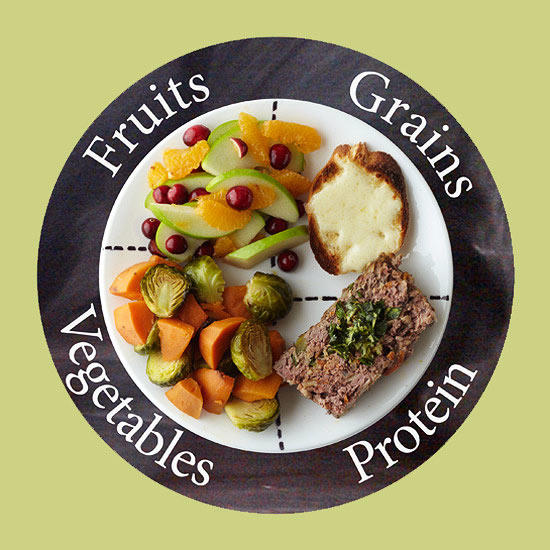
    MyPlate-Opening-Image

    The Plate Model fills is a visual technique for filling a dinner plate. Portions of foods and appropriate food choices can be depicted for meals and snacks in assorted forms. The Plate Model offers a meal planning approach that is straightforward and flexible. The Swedish Diabetic Association has depicted the model as a plate that is isolated into 3 segments with 25% of the plate secured by meat and fruits, and the rest of between grain items (egg, bread, rice, pasta, and potatoes) and vegetables.

    The underlying methodology is to show the divisions of the plate to be secured by specific nourishment. Many consumers need to decrease meat, fish, and poultry segments and increase vegetable intake. Although exact control of portion sizes may not be reflected in the model, improvements in proportions of foods relative to each other on the plate can correct major nutrient imbalances. People who retain the 3 segments of the dinner plate can apply this learning at home or at restaurants. For IMG_3034customers who aren’t knowledgeable about food portioning, visual portrayals compel them to consider portioning without fundamentally knowing about proper measurements.

    The United States is sensitive to a shared objective of building more beneficial American eating methodologies; individuals still need to figure out how to execute proper nutrition. The Plate Model can be used to aid in this improved execution. The model fills in as an as a plan for showing nutrition with straightforward approaches that result in healthy practices for diet. Many individuals believe that great nutrition takes excessive time. Such misguided judgments can keep them from accomplishing better diets. Even college students can improve their nutrition using the plate model in their on-campus cafeterias. Eating suggestions should be sure, handy, and noteworthy, and the plate model can help achieve this goal.


    Morreale, S. J., & Schwartz, N. E. (1995). Helping Americans eat right: developing practical and actionable public nutrition education messages based on the ADA Survey of American Dietary Habits. Journal of the Academy of Nutrition and Dietetics, 95(3), 305-308.

    Camelon, K. M., Hådell, K., T JÄMSÉN, P. Ä. I. V. I., Ketonen, K. J., Kohtamäki, H. M., MÄKIMATILLA, S., … & DAIS PROJECT GROUP. (1998). The Plate Model: a visual method of teaching meal planning. Journal of the American Dietetic Association, 98(10), 1155-1158.