Category: Field Notes

  • Children Response to Conflicting Information

    <Featuring image is drawn by the author>

    Ghost Tour Observation

    Recently, the STEMComm VIP team took part in the Atlanta Science Festival in March 2026. We presented the Ghost Tour, featuring scientists who have died because of their inventions, passion, or major founding respective to their science field. I was part of the Zenith hot air balloon tragedy team as a NPC ghost actor. If you are interested, you can look up the three main characters: engineer Joseph Crocé-Spinelli, navy officer Théodore Sivel, and Gaston Tissandier. Two of them died on their flight into the death zone (high altitude), while Gaston survived to tell the story with the price of being deaf. 

    Our team was assigned a big room. As guests come in from the door, they will be blocked by a big board sign of “death zone”, suggesting the death zone is ahead. The guide of the tour – Einstein, will lead them to the sign and leave them there. In the meantime, the NPC ghost will sneak in between the tour group, surprise the guests, and walk them past the sign, closer to the actual scene featuring the actors.

    <Picture is taken by the author>

    However, a small issue arised.There was a mix of reactions when the NPC ghost took the lead to walk over the Death Zone sign. Most people stayed still behind the sign, some hesitated to walk over, and very few actually followed the ghost.


    Mixed Behaviors to Conflicting Information

    Apparently, at first, the guide – Einstein, told the guests to not cross over the death zone. Then, the ghost NPC told them “follow me” as the ghost moved past the sign. Even with the actual dead scientists signaling and inviting the guests to come closer, it takes some time for them to actually move.

    • First information: Do not cross the death zone – Guide Einstein said
    • Second information: Follow me (crossing death zone) – NPC ghost moved
    • Third information: Come closer – Dead scientists in the death zone, with obvious hand signals to come closer

    There were different tour groups. The reactions are also mixed between these groups. Groups with more children tend to follow the NPC ghost at first, with young children being the first to move. In groups with more adults, the hesitation is very obvious. Even when children start walking over, they are stopped by the guardians. It takes the three actors’ effort to invite them over.


    How Children Reaction to Conflicting Sources

    Lili Ma and Patricia Ganea (2009) suggest that children often learn about the world through direct observation, but their knowledge can also be acquired through others’ testimony. This is validated as children often trust what they see, but they also recognize adults as trustworthy sources. Furthermore, some experiments suggest that children might accept false testimony that contradict their first-hand observation. This aligns with the classic Asch study where adults’ judgement was influenced by the social pressure and testimony of others, even though their visual perception suggests otherwise (Ma & Ganea, 2009). This explains why young children who were ready to walk over stopped along with their guardians. Parents are the more trustworthy source of information.

    In addition, the three studies done by Ma and Ganea (2009) confirms that children can outweigh one source of information more than another. This aligns with another study by Baer and others (2025), suggesting that children endorse confident informants over hesitant ones when faced with conflicting testimony. The intention of one ghost to walk over might not have been as clear compared to a group of familiar adults staying in place. On a side note, in the age of the Internet, even if the confident informants previously gave false testimony, it is unlikely they will lose credibility. This is true for both children and adults as they still follow Einstein the guide after the hot air balloon room (Guerrero et al., 2020). 

     Interestingly, studies also show that young children can accept both sources, even if there is a contradiction (Ma & Ganea, 2009). Over time, children learn to distinguish reliable sources over misleading testimony. This is crucial to their development of selective trust and skepticism. At one point, children can conclude new understanding of the situations based on contradiction sources. This might happen around the age of 8 (Baer et al., 2025). With the second piece of information contradicting the first (and their trustworthy informants), then the last information supporting the second, the young guests were able to resolve the tricky situation and take the lead to start the scene.


    Afterthought

    Adults tend to apply the situation in their thought process. Given it was a Ghost Tour, they might assume to not just listen to the wandering ghosts. In addition, did Einstein’s credibility as the guide play in his favor? Einstein was the original source of information for the guests.  Guests might assume the ghosts are just acting out the script. What would you do in their shoes?


    References:

    Baer, C., Engelmann, J. M., & Kidd, C. (2025). Children use the relative confidence of people with conflicting perspectives to form their own beliefs. Developmental Science, 28(4). https://doi.org/10.1111/desc.70027

    Guerrero, S., Sebastián-Enesco, C., Morales, I., Varea, E., & Enesco, I. (2020). (in)sensitivity to accuracy? children’s and adults’ decisions about who to trust: The teacher or the internet. Frontiers in Psychology, 11. https://doi.org/10.3389/fpsyg.2020.551131

    Ma, L., & Ganea, P. A. (2009). Dealing with conflicting information: Young Children’s reliance on what they see versus what they are told. Developmental Science, 13(1), 151–160. https://doi.org/10.1111/j.1467-7687.2009.00878.x 


  • How To Prove That You Are Psychic

    Throughout history, many people have claimed to be able to perform amazing feats that defy science and logic. Such claims continue today in many different flavors. There are claims of dowsing, psychic spoon bending, telekinesis, miracle healing, telepathy, x-ray vision, contacting the dead, electricity detection, cloud moving, and much, much more. When a person claims to have amazing abilities, usually one of two things happen. The person’s story is laughed off or ignored by the public, or they are seen as legitimate, gain a significant following, and make lots of money from public demonstrations of their powers. Both scenarios have an interesting common element: A deliberate exclusion of science. Many news reports that cover alleged psychics, for instance, maintain a skeptical tone but avoid mentioning the fact that psychic powers have not been proven to exist. On the opposite end of the public belief spectrum, people who fully believe in the reality of superpowers brush aside little things like the laws of physics and are always ready with an explanation of how their favorite psychic is not obligated to prove that their powers are real. This phenomenon of silence on the intersection of science and superpowers begs the question of how a person with superpowers could scientifically prove them to be real.

    Luckily, we don’t have to speculate about this topic. There is a clear pathway for an individual with psychic or paranormal powers to prove themselves and gain scientific acceptance of the existence of their abilities. If you are such an individual, read on for a list of dos and don’ts that will help you on your quest for scientific acceptance.

    Do work with experts to investigate your ability

    One of the harshest realities of proving the existence of superpowers is that public acceptance means nothing. Large numbers of people routinely fall for fake psychics, political propaganda, and Nigerian prince emails. The number of people who believe in your powers does not constitute strong evidence in your favor. What you actually need is the acceptance of experts who have education and experience in a field of study that is closely related to your claims. Willingness to have an expert test your powers will earn you goodwill with the scientific community, and participating in an experiment designed by someone with knowledge of the workings of science increases the likelihood of acceptance of your powers if you pass the test. If you are telekinetic or psychic, go find a physicist or psychologist and ask them about testing your powers. If you can alter the brightness of a lightbulb, approach an expert in electricity. If you have the power to make someone urinate with your mind (yes, a person has claimed to have this ability), ask a doctor or medical researcher. Expertise comes in many forms; professional magicians are a frequently overlooked group of experts on superpowers. Since magicians make their living by fooling people, they are experts in distraction, deception, and performing the seemingly impossible on command. If you can demonstrate an ability that a magician cannot replicate with magic tricks, it greatly lessens the likelihood of fraud on your part.

    Now, most individual scientists and magicians have busy schedules and may not be available to test your claims. However, there are a few professional groups that hold contests or challenges related to unusual abilities (Wikipedia Contributors 2025). Generally, the way the challenges work is that if someone is able to demonstrate superpowers under scientific testing conditions and passes both a preliminary demonstration and a final test, they will win scientific recognition of their ability and a monetary prize. One of the most prominent is held by the Center for Inquiry Investigations Group. The CFIIG’s Paranormal Challenge invites people with superpowers to participate in a two-part test of their abilities and offers a $500,000 prize to winners (Kreidler 2012). (A smaller $5,000 amount is also available to anyone who refers a winner to the CFIIG.) To accept the challenge, an applicant simply fills out an online application. Once the application is received, the CFIIG contacts the applicant to ask for further details and negotiate a testing protocol that both parties can agree on.

    Don’t refuse to be tested by skeptics

    The inverse of the first piece of advice is obvious, and yet it is frequently ignored. Don’t refuse tests of your powers! Science relies on repeated testing to prove the existence of any particular phenomenon, so anything that cannot be tested will not be accepted by science. This is a fact that most public psychic mediums choose to ignore. (James Randi, a famous magician, once offered a million-dollar prize to psychics who could prove their powers to him, but the most famous psychics of his day, including Uri Geller and Sylvia Browne, never took up the challenge [Higginbotham 2014].) Since a person who publicly claims to have amazing powers has nothing to lose and much to gain by getting tested, refusal makes one look suspicious at best and intentionally deceptive at worst.

    Here’s a quick primer on how an experiment works. The gold standard for many areas of science is replicable experiments that are both controlled and double blinded. A “control” in an experiment is a factor that is kept the same throughout the test; it helps establish that the test procedure is working properly. (You may remember the “C” bar on a COVID-19 at-home test, which signaled that the test was invalid if it did not appear.) In addition, the use of experimental controls helps reduce the effects of chance and any variables other than the one being tested. For example, in a test of the ability to move clouds across the sky, a participant would focus on a single cloud and move it to a certain part of the sky or near a particular landmark that had been decided on before the start of the test. The researchers could keep track of the wind speed and weather at the location of the cloud mover and schedule the test for a date when low winds and no significant changes in weather are forecasted.

    A double blinded experiment is one in which neither the participant nor the researcher knows crucial information about the condition or treatment that the participant receives until after the test ends. Blinding is very important in scientific research, as there are many areas of study in which the expectations of the people involved can bias results and reduce the accuracy of experiments, including paranormal research. For a person who claims to be able to predict future events, such as knowing the next playing card in a deck, an example of double blinding would be measures to keep the deck hidden and random. The researcher could replace old cards and shuffle the deck before each trial, then remove a new card from the deck and present it to the participant facedown on a table. The participant would then predict the card’s number and suit without having any information about it. Because the researcher would also be unable to see the card, they would not be able to accidentally give away any hints via body language, facial expressions, or other gestures. Furthermore, the constant replacement of cards and reshuffling of the deck would mean that the participant would not be able to make guesses that were informed by the knowledge of which cards had already appeared. In a scenario like this one, correct predictions are much more likely to be due to a genuine paranormal skill than in a situation in which, say, the cards weren’t replaced and the participant could have made accurate predictions via card counting.

    Finally, all established facts in science must be replicable. This criterion is simple: If an experiment produces certain results, and someone else later runs the same experiment with the same protocol, it should produce similar results to the original. Groups of studies are more reliable than single ones, since the effects of chance and poor experimental design become diluted as the topic is studied more. Moreover, the replication of results by people who are unconnected to the original researcher reduces the likelihood of experimenter bias. Replicability is why many paranormal contests ask participants to successfully complete two tests to win. If a participant is able to demonstrate a superpower multiple times on demand in well-designed experiments, researchers can be significantly more confident in deeming the results to be truly due to the claimed power and not a statistical fluke.

    Demonstrating a willingness to complete scientific tests includes not refusing controls, blinds, or repeats. The actions of one applicant to the CFIIG Paranormal Challenge, Toni M., provide an excellent example of what not to do when creating test protocol and performing demonstrations. Toni initially suggested that the CFIIG should simply take her at her word that she could perform miracle healings, exorcise demons, and speak to the dead. When informed that testimony was not sufficient and that she needed to be tested, she responded, “OK so this means no lol thank you i guess [errors in original text]” (Underdown 2022). Months later, after reapplying, negotiating, and receiving suggestions for test protocol, Toni reversed course and agreed to a demonstration in which she would determine the birth dates of eight dead people from photographs. All parties agreed that she only needed to determine months and days of birth, not years. However, she failed to show up for the preliminary demonstration three times, resulting in weeks of delays. When Toni finally attended, she told CFIIG personnel that she was confident in her abilities and would be able to correctly identify each birth date, but turned out to be incorrect on all eight people. If you are ever within reach of scientific acceptance of your powers, don’t reject rigorous testing or fail to keep your appointments. Such behavior will draw the suspicion of the people who are investigating your ability, make you look lazy and entitled, and give the impression that you want to be given scientific acceptance without having to put in the work to provide evidence.

    Do create a specific claim that can be tested in a practical manner

    A frequent problem relating to the scientific acceptance of unusual abilities is that the claim cannot be tested. There are a number of pitfalls that can make a claim untestable. Sometimes a person has a claim that is very vague. (“I can send thoughts to people.” Can you send words, images, or both? How lengthy or complex can they be? Do you need to sit close to a person, or can you send them thoughts from a distance?) Once in a while, a claim is unfalsifiable, meaning that it is so arbitrary and expansive that it can never be proven wrong under any circumstances. (“I am capable of remote viewing – describing a given location that I have never seen with my eyes.” In these cases, even the most vague and common details can count as a hit, such as the statement that one can see grass, trees, and fields of crops when challenged to describe a particular farm.) Occasionally, a claimed superpower is not tested because an experiment would be too dangerous for participants. (According to Jim Underdown, one of the main investigators for the CFIIG, a man once tried to enter the Paranormal Challenge with the claim that he could stop bullets with his mind. Underdown’s legal consultant immediately nixed the test [Center for Inquiry 2024].)

    To avoid these issues, work with researchers to craft a specific claim about a single ability. If you have more than one power, they can each be tested in separate experiments. Think about the questions that you might be asked. If you can predict the future, what kinds of events can you predict? If you can move objects with your mind, how far? If you can sense electricity, do you see, hear, feel, or smell it? Does your ability work under any circumstances, or do you need certain conditions to use it? How much time does it generally take for you to get results? Do you need particular items or other participants for a demonstration? Answering these questions can both help you learn more about your powers and aid in creating a test that you are sure is both fair and a good demonstration.

    Don’t ignore the realities of mental illness

    On the CFIIG’s Paranormal Challenge application webpage, there is a section labeled “Please Read Before Applying.” It includes a video and few paragraphs for people who apply to the challenge with the claim of telepathy. Here is the most important excerpt.

    “If your telepathic claim involves hearing voices that those around you don’t hear, reading other people’s thoughts, or believing others can hear your thoughts, please consider the following:

    What you are experiencing is consistent with recognized illnesses of the mind that are known to cause symptoms like what you are experiencing. Conditions like schizophrenia and other disorders are not paranormal ability, they are chemical imbalances in the brain, and there may be treatment available to help you.” (CFIIG 2012)

    This warning touches on an important issue that is relevant to the scientific testing of psychic abilities: mental health. Although the majority of paranormal believers and people who believe they have unusual powers are not mentally ill, there are specific alleged abilities that include symptoms of mental illness. If you (or someone you know who claims to have such abilities) experience these symptoms, it’s important to get checked by a licensed professional, even if only to check off an alternative explanation for your powers.

    The presence of mental illness also has significant implications for certain social dynamics in situations where unusual abilities are involved. There are cases where a person is both mentally ill and is encouraged in their belief of their powers by the people around them, raising the possibility of abuse and exploitation. The CFIIG once tested a young man named Phillip L. who claimed that he had clairaudience, the ability to hear sounds from very far away and even through soundproof barriers (Kreidler 2011). Phillip participated in a preliminary demonstration in which he attempted to listen in on words and phrases that were spoken by a person in a room a floor above him. After he proved unable to tell what they were saying, the CFIIG interviewed him and discovered that he had been diagnosed with schizophrenia, and that his parents and church had directed him to stop taking his medication. This scenario is extremely concerning. Instead of supporting him and encouraging him to stay in treatment, Phillip’s community likely misled or pressured him into the belief that he was clairaudient, which is unlikely to help him and could cause him significant harm. At best, this was a misguided attempt at using religion to erase a real and serious medical condition. At worst, Phillip’s parents were focused on earning monetary benefits from his “powers,” either by receiving the $5,000 referral award or by controlling the way Phillip spent his own prize money. If you are ever in such a situation, recognize the red flags and get out!

    Despite the problematic nature of mental illness in testing superpowers, the CFIIG has a rule that they will not refuse to test a person due to mental illness (or any altered state of mind, including intoxication)(Center for Inquiry 2024). After all, if psychic powers or paranormal abilities truly do exist, there is no reason why a person could not have a mental illness in addition to such an ability, and it is not the CFIIG’s place to give unsolicited diagnoses. Nonetheless, anyone who believes they have a superpower or knows someone who does should know the relevant facts and be prepared to rule out mental health as an explanation.

    Do remain open to scientific and alternative explanations for your powers

    Not every amazing power will turn out to be real. In fact, to this day, no one has ever successfully demonstrated such an ability under scientific testing conditions. Therefore, the odds of your particular power being a genuine paranormal ability are very low. This isn’t a bad thing, but it does mean that you should be willing to explore alternative hypotheses.

    Sometimes, a proposed superpower is actually an ordinary human ability or a byproduct of known physics. The CFIIG once received an application from a Jon G., who claimed to be able to “circumvent Newton’s Laws of Motion” (Underdown 2020). As evidence, Jon sent in a video showing a glass top that spins counterclockwise, then stops, turns clockwise, and then reverses again and spins counterclockwise once more. The video surprised CFIIG personnel, and they asked Jon to add controls and brainstormed various ways of cheating, but these measures did not affect the top’s motion in repeated experiments. Finally, they called in some physics experts, who told them that a slight tilt in the table and an irregular top shape would produce the effect. The CFIIG was able to create a top of their own and replicate the three turns, demonstrating that the effect that Jon observed was unlikely to be due to any superpowers on his part.

    Another possible explanation for many superpowers is the Dunning-Kruger Effect, a psychological phenomenon in which a person believes they are much more skilled or competent than they actually are (Wikipedia Contributors 2025). The amusing event that inspired the original research on this topic was a series of 1995 bank robberies. Two men named McArthur Wheeler and Clifton Johnson robbed two Pittsburgh banks at gunpoint, and for some reason, they didn’t seem to take any measures to hide their faces or disguise themselves. They were caught relatively quickly due to the fact that their faces were visible on security camera footage. When asked for an explanation for their apparent lack of precautions, the men claimed that they had covered their faces with lemon juice to make themselves invisible to cameras and were shocked when they saw photos of themselves that had been taken from the camera footage. Wheeler said that he had even tested their theory by putting lemon juice on his face and photographing himself and claimed that he hadn’t appeared in the resulting photo. (This result probably occurred due to bad film or user error.) The fact that the robbers were willing to bet their freedom on the paranormal properties of lemon juice demonstrates how easy it is to become overconfident in oneself, no matter how outlandish or nonsensical one’s ideas are.

    There are a host of other physics, psychological, and statistical nuances that produce results similar to many alleged psychic powers, too many to list here. However, they all demonstrate the same facts: That our perception, memory, and reasoning are flawed, and that it is entirely possible for ordinary people to believe that they have supernatural powers or have witnessed an unexplainable event when nothing out of the ordinary actually happened. These phenomena have fooled countless individuals, from Nobel Prize winners and powerful heads of state to average Joes. It’s perfectly plausible that you may have been tricked as well, and that doesn’t mean you are unintelligent or not observant; it just means that you are human.

    Don’t make excuses for failure

    One last piece of advice: If your abilities are tested and fail, don’t try to make excuses or ask for extra opportunities. Agreeing to a test means confirming that you believe you are capable of successfully completing the tasks involved. Success in a test provides evidence that your powers are real, and failure is evidence against their existence. If you refuse to admit this fact in the event of failure, your claims become unfalsifiable and you will not gain scientific acceptance.

    The case of Natasha Demkina illustrates this fact well. Hailed by believers as “the girl with X-ray eyes,” the 17-year-old claimed to be able to see inside peoples’ bodies well enough to identify organs and make medical diagnoses (Hyman 2005). She alleged that she could see through a person’s clothing (though not through cloth screens, for some reason) and diagnose via photographs as well as in person. There were plenty of people willing to offer anecdotal evidence in her favor, but she did not participate in any formal tests until the Discovery Channel became interested in making a program about her story.

    Natasha was tested in 2005 by the Center for Inquiry, the CFIIG’s parent organization, as part of the material for the television program. The issue in Natasha’s claim (and any claim involving medical diagnoses) was that it’s possible to know a person’s medical information via means other than X-ray vision. As a result, the test included measures to prevent the following phenomena:

    • Good Luck and the Texas Sharpshooter Fallacy: It’s easy to claim high accuracy when only your best results are reported. Natasha had given diagnoses for so many people by the time she agreed to be tested that she had a high probability of being surprisingly accurate in at least a few cases just by luck. Her supporters then argued that her powers were real by publicizing those “accurate” cases and downplaying or ignoring instances in which she turned out to be wrong. To prevent this fallacy from coming into play during the test, the CFI personnel simply kept track of all of her stated diagnoses, whether they were accurate or not.
    • Post Hoc Hypotheses: An experiment rarely yields relevant information if a specific hypothesis and test criteria aren’t constructed beforehand. A major issue in the testimony in favor of Natasha’s ability was that no one ever took the time to craft hard rules for what counted as “accurate” diagnoses and what counted as “inaccurate” ones. This failure meant that Natasha could make any reasonably likely diagnosis and clients and supporters would decide after the fact that everything she said was correct. If Natasha told a person that they had a health issue in an area of the body where they were suffering or that they had previously experienced difficulty with, they would claim that she successfully detected a problem that they knew all along was a significant health issue. If Natasha told them that they had a disease or injury in a part of the body that they had not had problems with, on the other hand, she would be credited with discovering a brand new health issue that had mysteriously escaped the notice of both the client and their doctor. The CFIIG’s test dodged this issue by settling on specific test criteria for clear-cut medical issues, and they enlisted test volunteers who had known internal medical conditions. Natasha agreed that she would view the volunteers and write down her diagnoses for the absence or alteration of organs, since such conditions were easy to verify. (The test was even made easier because the CFIIG gave her test papers asking for certain organs: Heart, skull, esophagus, lung, hip, appendix, and one control volunteer with no changes to any of these body parts. Each paper included an anatomical diagram in addition to a written prompt.) In addition, all parties agreed on the bar for success beforehand. If Natasha was able to successfully identify the organ status of five or more of the seven volunteers, the test would be considered evidence in favor of her claimed superpower.
    • Cueing and Reinforcing Feedback: When hearing about Natasha from her supporters, one can easily fall into the trap of assuming that her readings were made in a vacuum and that her accurate diagnoses “just can’t be explained” by anything other than a genuine psychic power. In reality, Natasha frequently interacted with her clients, and those interactions included both verbal exchanges and nonverbal communication such as eye movements, facial expressions, and body language. This context posed a major challenge, because any communication, no matter how subtle, could give Natasha clues about a person’s health. If they asked her to look at their heart, for example, she would easily be able to diagnose a heart problem by simply guessing common issues associated with that organ. Furthermore, a person’s appearance and the nonverbal information they communicated (unconscious on the part of the communicator and sometimes even the receiver) were also likely to make a difference in diagnosis. Limping, posture, breathing, and many other actions all hint at the state of a person’s health, and an interested expression or a nod would indicate that Natasha’s predictions were close. Even the situation would have given Natasha information; after all, most people who came to see her did so because they were already sick or injured. To eliminate the effect of cues and feedback, the volunteers were given opaque glasses to wear to obscure their eye movements. They were also instructed not to speak to Natasha and to stand still and keep their hands at their sides or in their pockets during the test. As a further control measure, the test was double blinded, so that the personnel who conducted the test were ignorant of each volunteer’s medical conditions and could not give any cues to Natasha or to her interpreters.

    Natasha seemed to do everything correctly. She and her supporters negotiated with the CFIIG and developed a test protocol that everyone agreed on. The CFIIG was satisfied with the scientific rigor of the test, Natasha confirmed that it was within her power to complete and pass it, and the Discovery channel was happy to get a scientific demonstration on video. On the day of the test, Natasha showed up early. She asked clarifying questions about the organs she was going to look for and spoke up for herself in an instance where she was uncomfortable with the testing environment. She took as much time as she needed to make predictions that she felt certain were accurate.

    Ultimately, she correctly identified the people with metal staples from a heart surgery, part of a lung removed, a hip replacement, and no medical conditions, but these four correct predictions fell below the test’s threshold of 5/7 accuracy. In addition, Natasha failed to correctly identify the people with a metal plate in their head, a shortened esophagus, and a missing appendix. All of those conditions should have been extremely obvious and easy to spot if she truly had the ability to see their organs. After learning that she had failed, she asked the test personnel for permission to diagnose them in the hopes of getting an extra chance to prove her powers (Skolnick 2005). When one tester, Andrew Skolnick, consented, she informed him that he had problems in an astonishing eleven different organs and body parts! Skolnick did not have any of these conditions, and amazingly, despite the massive number of his organs that Natasha claimed were diseased, she missed all seven of the medical issues that Skolnick truly had been diagnosed with.

    Despite the reasonable test measures, Natasha’s supporters immediately began complaining. The test had been too hard; the winning grade was too restrictive; the CFIIG had intentionally manipulated the protocol to discredit Natasha and prevent her from winning! Natasha herself claimed that four out of seven was close enough and that the test should have been declared a success. The CFIIG responded to these grievances by noting that Natasha and her supporters had co-written the test protocol and agreed that she was capable of passing the test under scientific conditions. Furthermore, since people were relying on Natasha’s diagnoses to make real-life medical decisions (and paying her their real-life money in the process), didn’t she have a responsibility to disclose to her clients the fact that her accuracy was barely higher than 50%? Incorrect medical diagnoses can cause serious harm; people may deal with unnecessary stress and fear, take superfluous medication with unwanted side effects, and undergo invasive tests and even surgeries that they don’t need to. Natasha’s publicly claimed accuracy rates were close to 100%, which no doubt attracted clients and led many people to believe in her powers. Those people had the right to know that her powers had not been proven and weren’t as accurate as they thought.

    The complaints also induced the CFIIG to take a closer look at the volunteers whose conditions had been correctly identified and at the test as a whole. On further inspection, the appearance of multiple volunteers whose status had been accurately predicted by Natasha could have served as clues as to their health status. The man with the staples in his heart was the oldest volunteer and looked the most ill out of everyone in the group. In contrast, the volunteer who Natasha correctly identified as having no medical issues was the youngest and looked the healthiest. Furthermore, Natasha and her interpreters and supporters had ignored protocol on multiple occasions during the test. As a result of their early arrival, they had been able to view two of the volunteers walking into the building via a flight of stairs, which could have given Natasha clues to whether either of those people had the hip replacement. Later, during the test, Natasha’s interpreter Svetlana Skarbo announced in front of the volunteers (in English) that Natasha was looking for the person with part of a lung removed. This act increased the possibility of that volunteer giving cues to Natasha, since they would now have known that Natasha was looking for them at that time. Finally, Skarbo broke the rules again by pulling out her cell phone and sending messages during the test despite the protocol’s ban on use of electronic devices in the testing room.

    The results of this second look at the test are devastating to the case for Natasha’s powers. The fact remains that Natasha did not pass the test, and now it seems that her accurate diagnoses were not made with the aid of any supernatural abilities. Furthermore, a person very close to Natasha may have tried to cheat by communicating with outside parties as Natasha was deciding on the diagnoses. If Natasha really had X-ray vision, she shouldn’t have needed clues from a person’s appearance or behavior to diagnose them, and would have given correct diagnoses for all seven volunteers. Her complete failure even when given an extra attempt under much looser conditions is the icing on the cake. The most likely conclusion, considering the evidence, is that Natasha either has no superpowers, or her powers are so weak that her diagnoses are no more accurate than a coin flip. In either case, it was disingenuous for her and her supporters to claim near-perfect accuracy with medical diagnoses, and makes the fact that she charged money for her readings look like an outright scam. The irony of all this is that the CFIIG wouldn’t have reexamined the test or allowed her to attempt to diagnose their people if Natasha and her supporters hadn’t tried to force acceptance of her claims despite her failure.

    Ultimately, scientific testing of psychic powers is a complicated venture, but a necessary one. Public claims of paranormal abilities currently encourage a wide variety of anti-scientific beliefs and discourage critical thinking and requests for solid evidence. This atmosphere allows people to be taken advantage of by paranormal scams, expensive “psychic” demonstrations, and medical misinformation. Scientific testing of such abilities helps clear the air and establish whether they truly work or not, while demonstrating the principles behind science and showing how facts are tested in the real world. It’s also possible, though not very likely, that there are a few people in the world with genuinely extraordinary abilities. Their existence would be extremely important for science, and experts from a wide variety of fields would be able to learn a lot by testing them and exploring how their powers worked. If this is the case, we can only hope that one of these individuals plucks up the courage to seek scientific acceptance. Will it be you?

    References:

    Center for Inquiry. (2024, August 9). Sci vs. Psi: Testing Superpowers | Jim Underdown on Skeptical Inquirer Presents. YouTube. https://www.youtube.com/watch?v=k0139t6nEvs

    Higginbotham, A. (2014, November 7). The Unbelievable Skepticism of the Amazing Randi. The New York Times. https://www.nytimes.com/2014/11/09/magazine/the-unbelievable-skepticism-of-the-amazing-randi.html

    Hyman, R. (2005, May). Testing Natasha. Skeptical Inquirer. https://skepticalinquirer.org/2005/05/testing-natasha/

    Kreidler, M. (2011, February). Phillip Lee | CFI Investigations Group. Cfiig.org. https://cfiig.org/phillip-lee/

    Kreidler, M. (2012, April 8). The CFIIG Paranormal Challenge | CFI Investigations Group. Cfiig.org. https://cfiig.org/paranormal-challenge/

    Underdown, J. (2022, August 26). Deciphering the Dead | CFI Investigations Group. Cfiig.org. https://cfiig.org/deciphering-the-dead/

    ‌Underdown, J. (2020, September 15). Top Physics | CFI Investigations Group. Cfiig.org. https://cfiig.org/top-physics/

    Wikipedia Contributors. (2025, August 17). 1995 Greater Pittsburgh bank robberies. Wikipedia; Wikimedia Foundation.

    Wikipedia Contributors. (2025, May 22). List of prizes for evidence of the paranormal. Wikipedia; Wikimedia Foundation.

  • Mind the Tentacles: How Octopuses Outsmart Scientists (and Aquariums)

    Mind the Tentacles: How Octopuses Outsmart Scientists (and Aquariums)

    When you first think of an octopus, you’re probably picturing an animal with 8 tentacles floating around in the ocean. As unseeming these creatures may seem, they are one of the smartest animals in the ocean! Octopuses have a nervous system, which controls their movements, thought processes, memory, and more (Carls-Diamante, 2022). Octopuses are said to have two brains – one in their head and a complex net of massive nerves in each of their tentacles (Carls-Diamante, 2022). About 2/3 of an octopus’ nerves are in their tentacles, and this allows each tentacle to act independently or jointly with the others (Shamilyan et al., 2021). Let’s explore the capabilities and intelligence of an octopus!


    Flexibility:

    Octopuses use their flexibility in the natural environment to escape and hide from predators by squeezing into very tight spaces. For example, scientists have put a small octopus in a jar with a closed screw-lid. The challenge for the octopus was to escape the jar from the inside, which the octopus managed to do using its incredible flexibility (Mather, 2021). Since octopuses are immensely flexible, some octopuses have managed to escape from aquarium tanks by opening the top lid! In addition to their amazing flexibility, they have several other surprising abilities to survive in the wild.


    Camouflage:

    Octopuses are known for their abilities to blend in with their surroundings by changing their color to match that of their surroundings (Young, 2023). This ability to camouflage into their surroundings is a key survival mechanism to prevent predators from spotting them. However, octopuses also use their color-changing abilities to communicate with each other (Young, 2023). An octopus’ color changes based upon its mood and can be used to warn other octopuses of potential danger (Carls-Diamante, 2022). Octopuses often go on hunting trips together, but how do they remember their way back home? That’s where their navigational memory comes in!


    Spatial and Navigational Memory:

    Octopuses make their homes in holes in the seabed or coral reefs. They go on long hunting trips for food, often for days or weeks at a time for long distances before returning back home. They frequently take different paths home each time they go hunting, indicating they have incredible spatial memory on how to return home (Carls-Diamante, 2022). In addition, some octopuses have been seen putting rocks near their home as an identifier, like how people put numbers outside their homes or apartments to identify which residence is theirs (Carls-Diamante, 2022). Octopuses are more like humans than we originally thought!


    In conclusion, octopuses are amazingly intelligent ocean creatures whose wit should not be underestimated. They are able to escape closed spaces using their flexibility, change colors at will to disguise themselves or communicate with other octopuses, and use spatial memory to identify where their homes are. Next time you go to an aquarium, check out the octopuses and see their tricks in action!


    Citations:

    Carls-Diamante, S. (2022). Where Is It Like to Be an Octopus? Frontiers in Systems Neuroscience, 16. https://doi.org/10.3389/fnsys.2022.840022

    Mather, J. (2021). Octopus Consciousness: The Role of Perceptual Richness. NeuroSci, 2(3), 276–290. https://doi.org/10.3390/neurosci2030020

    Shamilyan, O., Kabin, I., Dyka, Z., Kuba, M., & Langendoerfer, P. (2021, June 1). Octopuses: biological facts and technical solutions. IEEE Xplore. https://doi.org/10.1109/MECO52532.2021.9459727

    Young, N. (2023, December 27). Exploring Problem-Solving Skills through the Octopus Mind – West Coast Centre For Learning. West Coast Centre for Learning. https://www.wccl.ca/problem-solving-skills/

  • Navigating Transition in Higher Education – An Analysis of Transfer Students at Tech

    While often an overlooked and unrepresented population consisting of 1,252,418 students, or roughly 15% of the undergraduate student population at public 4-year institutions, transfer students now more than ever are now making up a larger percentage of student bodies across the country’s 4-year colleges and universities. Created to better help education leaders address policy centered around the enrollment impacts that transfer students can have on an educational institution, research published by the National Student Clearinghouse addresses enrollment demographic characteristics and transfer behaviors of over 11 million undergraduate transfer students from fall 2023 over a fixed panel of institutions that have committed to providing data integral to understanding the transfer rates. On top of that, the report published in February of 2024 also provides insight into why students choose to transfer.

    Up about 3% from years prior, overall undergraduate enrollment of transfer students saw a 5.4% increase, roughly a jump of 65,000 students, in 2023, with around 70% of these students transferring through Transfer Pathway Programs. Transfer Pathway Programs, such as the Georgia Tech Fine Arts & Sciences Transfer Pathway Program, are great ways for students who were not offered admittance to a college or university to still have a chance to later attend.

    Georgia Tech specifically admitted 1,440 transfer students out of the 6,052 total transfer applicants for the 2024 academic year. This transfer class profile pulled from a diverse background of students from 240 total colleges across 43 different states; with around 1125 of these students transferring into Georgia Tech through a transfer pathway program. The Institute in total enrolls over 20,000 undergraduate students in total, however, the school transfer admittance rate is still competitive to that of its standard admittance rate, of which 33% of in-state applicants are admitted and 10% of the institute’s out-of-state applicants are admitted in 2024. Therefore, an admittance of 33% for in-state transfer students and admitting 20% of its out-of-state transfer applicants in 2024 roughly mirrors first-year admittance for the school in general, and even slightly favors out-of-state students.

    Transferring in general also provides many benefits past having an educational background that is diverse from your peers. Using even more stats from Georgia Tech’s 2024 transfer class, the average transfer student transferred with over 40 credit hours of coursework already completed, which is roughly equal to 3 semester’s worth of course-work. Not only does this put transfer students significantly ahead of the curve regarding the overall completion of their degree, but it also possibly saves students thousands of dollars in tuition if the student transferred from a school that costs less, and with more than 40% of students in pursuit of a bachelor’s degree beginning their undergraduate education at a 2-year school or community college, the likely-hood of this being the case is very high (Zuckerman & Lo,  2021). A 2024 report from the Education Data Initiative indicates that the average cost of tuition is up 4.11% year-over-year; with the average tuition of an in-state student at a public 4-year institution being roughly $10,000, the average tuition of an out-of-state student at a public 4-year institution being more than $25,000, and the average cost of tuition for a student at a 2-year institution being less than $5,000 a semester. Therefore, an undergraduate student at a 2-year institution pays roughly 50-80% less than their counterpart at a public 4-year institution. All of this is to say that there is a high likelihood that those 3 semester’s worth of credit hours for an in-state student potentially costs $15,000 less for an in-state transfer student, and $60,000 for an out-of-state transfer student, both of which are no small sum.

    So with roughly 15% of the undergraduate student population at public 4-year institutions such as Georgia Tech now consisting of transfer students, now more than ever transfer students, an overlooked and unrepresented population of students, are on the rise. 


    References

    Georgia Institute of Technology . (n.d.). 2024 transfer class profile – undergraduate admission. 2024 TRANSFER CLASS PROFILE. https://admission.gatech.edu/images/pdf/2024TransferProfile.pdf

    Georgia Institute of Technology. (n.d.). Student demographics. Student Demographics |Institutional Research & Planning. https://irp.gatech.edu/disclosures/student-demographics

    Hanson, M., & Checked, F. (2024, May 28). Average cost of college [2024]: Yearly tuition + expenses. Average Cost of College & Tuition. https://educationdata.org/average-cost-of-college

    National Student Clearinghouse. (n.d.). Transfer and progress. National Student Clearinghouse Research Center. https://nscresearchcenter.org/transfer-and-progress/

    Zuckerman, A. L., & Lo, S. M. (2021, August 23). Transfer student experiences and identity navigation in STEM: Overlapping figured worlds of success. Transfer Student Experiences and Identity Navigation in STEM: Overlapping Figured Worlds of Success. https://www.lifescied.org/doi/10.1187/cbe.20-06-0121 

  • HackMITea: A Hackathon From the Eyes of a Physics Major

    Recently, I’ve had the opportunity to visit a friend up north and experience my first ever hackathon, hosted by none other than MIT. Every year, undergraduate students from all over the world gather to Cambridge to attend this student-run event. The goal of a hackathon is to get as far as possible in realizing an innovative project that aligns with an overall theme. For HackMIT, we had 24 hours to design a tech-based project focused one of four areas: sustainability, education, health and accessibility, and interactive media. In working on my project, I developed my coding skills a bit while getting to witness firsthand what life is like for both a CS major and an MIT student.

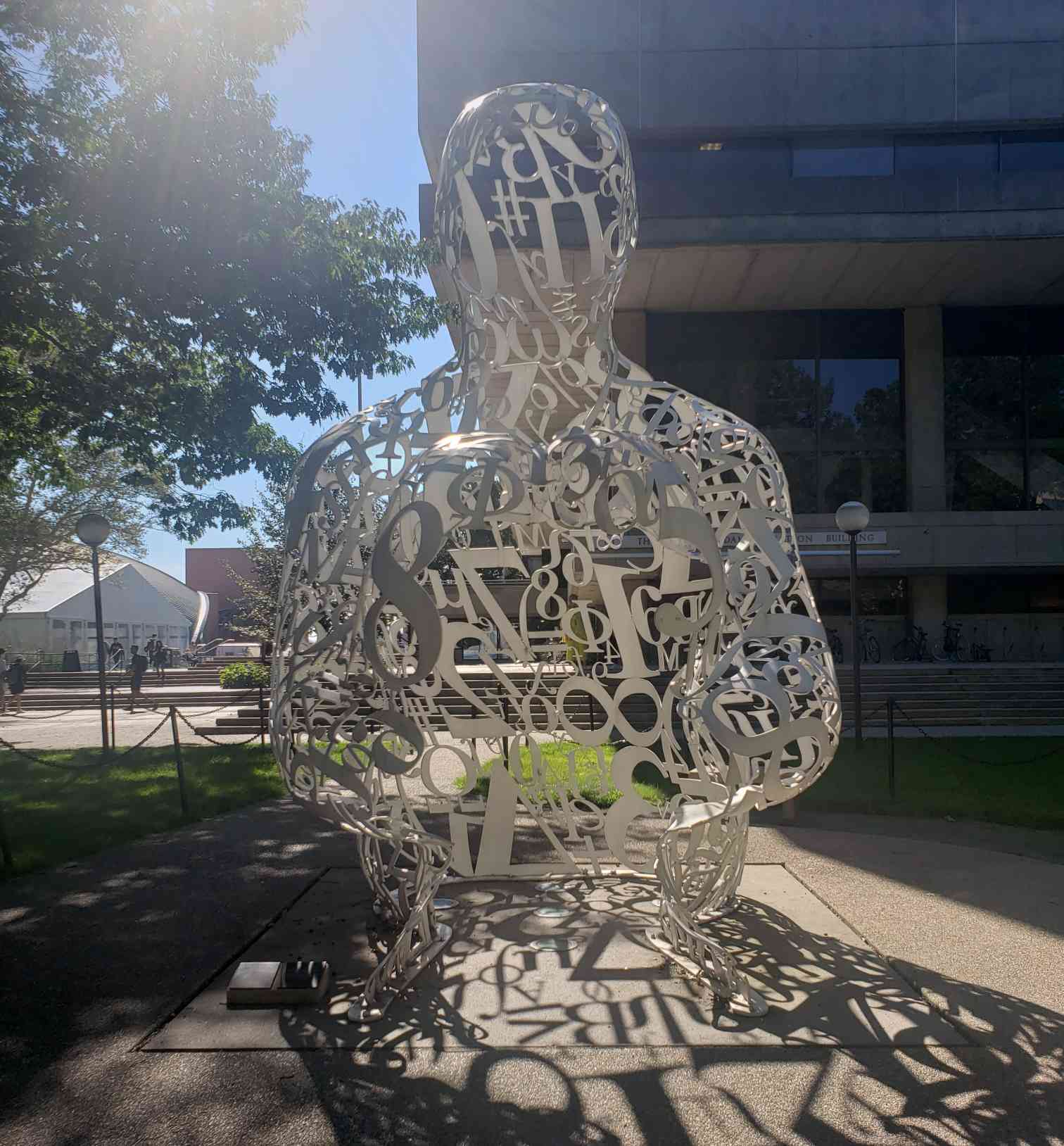
    This piece is called Alchemy, and it was my favorite statue at MIT

    The Opening Ceremony

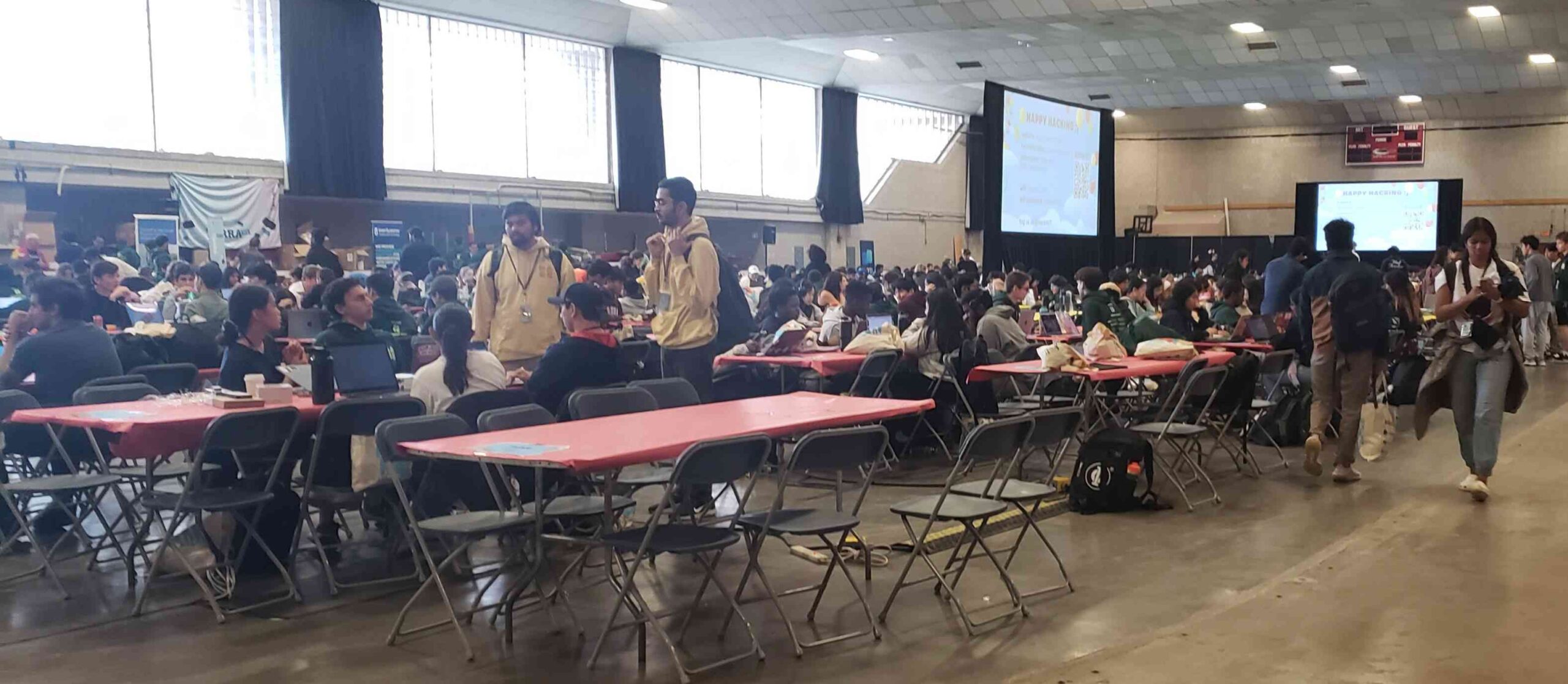
    On the day of the competition, we all gathered in a huge gymnasium for the opening ceremony. I was immediately blown away by the sheer number of competitors lining the bleachers in preparation for the our guest speaker, Ali Partovi, to kickoff the hackathon.

    Endless tables of competitors planning out their course of action for the next 24 hours.

    When the ceremony finally began, we were introduced to all the sponsors, and at this point, I gained my first piece of insight into the computer science community. All of the sponsors at the event appeared to be tech-based companies, with some of them, including Partovi, being representatives of mentorship programs designed to facilitate the innovation process for aspiring computer scientists. This along with sponsors ranging from cryptocurrency to health technology painted a picture for me of a community that fostered ambition in achieving goals teetering between wealth and altruism.

    After the sponsors were introduced, Partovi began his speech, which was, interestingly enough, one of the highlights of my time in Cambridge. Apparently an avid Matrix fan, Partovi attempted to kick off his talk by sharing several scenes and quotes from The Matrix, but he was met with technical difficulties, resulting in a few awkward yet entertaining minutes of Partovi adamantly trying to resolve the issues and share with us the masterpiece that is the 1999 original version of The Matrix. Eventually, he succeeded and we were rewarded with a geeky adoration of the classic film, with Partovi confessing that he even named his mentorship company Neo after the movie’s main character. Partovi highlights a conversation between two characters in the film that discusses the idea of not having to “dodge bullets.” And from this, he segues into his main discussion.

    The rest of the speech was centered around Partovi’s experience in the tech industry and about not being afraid of failure, which he calls “bullets.” Though outside of that primary purpose, there were some questionable decisions in his talk. He began by discussing a time when he failed to close a deal with Steve Jobs because he acted dishonestly, which appeared to be a valuable lesson on its own, but he then followed this discussion with a time he lost out on a deal for being too honest. I will leave it to the reader to decide the moral of this story. Afterwards, Partovi took the opportunity to promote his mentorship program Neo and in the process make a comment that later sparked a feud with another mentorship program sponsoring the event.

    The Project

    After the ceremony, my team took a moment to explore the MIT grounds before beginning our project. Within the gymnasium itself, there were sponsors hosting independent coding challenges and offering freebies. I recognized this as a so-called “networking opportunity” that I always hear CS majors talking about. There were also various workshops, including one on how to work with Hugging Face AI models, which was interesting, and one on how to mint NFT’s, which was less interesting.

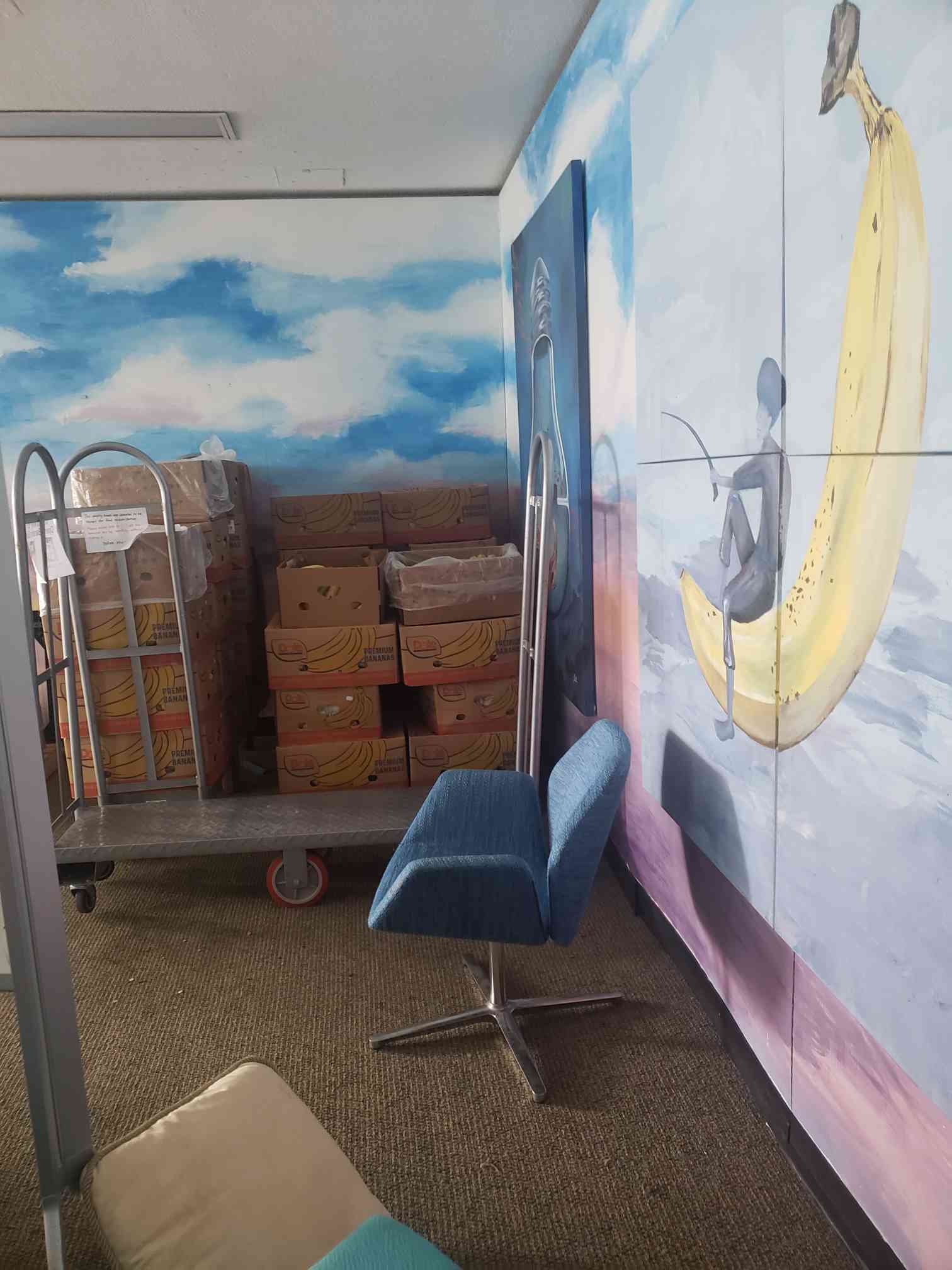
    Although many groups stayed in the gym, we decided to leave and find a more quiet place on campus to work instead. Our journey led us all throughout MIT, which had a very interesting layout. The entire campus was a vast network of buildings and hallways with an interconnected basement system. One hallway in Building 17 can lead you to Building 22. It was as if the entire school were its own small indoor city. This was not what I expected when I heard the rumor that MIT students don’t go outside. Eventually, our journey led us to the MIT banana room, a room that provides students with an endless supply of bananas as they slave away on their homework assignments or prepare for their next exam. We sat down on some brightly colored bean bags amidst a wall of banana paintings and got to work.

    The banana crates in MIT’s banana room, providing much needed potassium to the students of MIT.

    We chose to work in the interactive media category. Our initial goal was to design a game using a large language model. The premise of the game involves two parties, guessers and pretenders. The guessers would have to choose a prompt for the pretenders to answer, but among the pretenders is an AI that will also respond to the prompt. The goal of the guessers is deduce which response was AI generated, while the pretenders’ goal is to fool the guessers into choosing incorrectly. In challenging the guessers to distinguish an AI from real people, the game highlights how far AI has come in mimicking human speech and thought. On the other hand, pretenders are challenged to “act like an AI” in the sense of thinking on their feet and producing a seeming clear and cogent response according to various prompts.

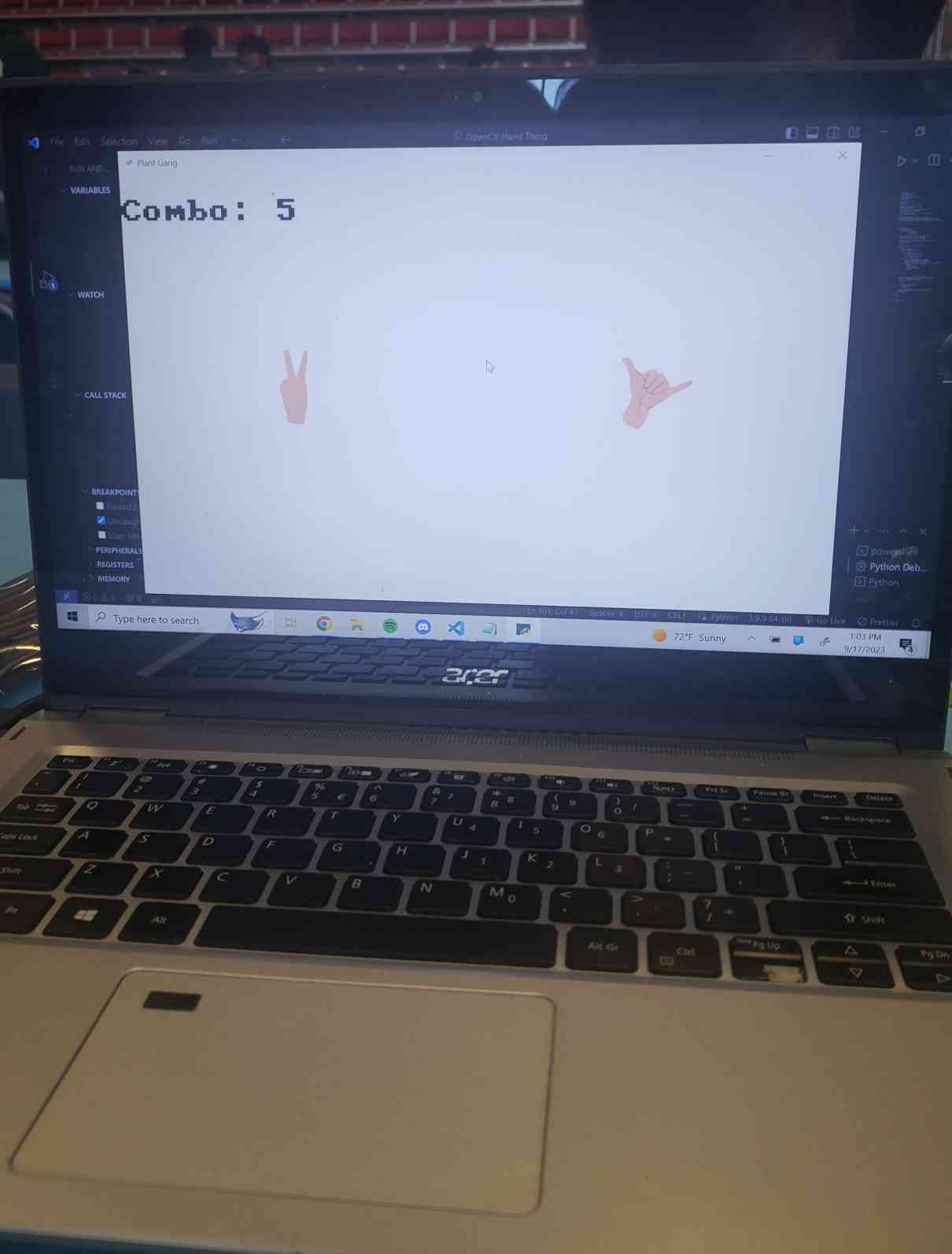
    Unfortunately, late into our project, we realized that we were too ambitious and would not be able to create a presentable program in time, so we decided to scrap the project in favor of a rhythm game involving hand gestures, aptly titled Hands Dance Revolution. By feeding data of different hand poses to a convolutional neural network, we were able to train the network to identify when those poses were being made on camera. We then used the Pygames library to create a basic game that kept a count of how many times the hand gestures were correctly matched in a given time limit. This game was a basic proof of concept of our actual idea, which would have been a game similar to a hybrid if Just Dance and Dance Dance Revolution in which hands would be positioned and posed to the beat of a song to score points.

    The Conclusion

    The creation of this project required several new skills. Although I had experience in Python with data science, using Python to make games was entirely new to me. My friend spent hours watching countless tutorials on convolutional neural networks. It was not until 6 in the morning that I went to bed for an hour, shortly before it was time to turn in our project. When the moment of truth came, we did not make as much progress as we had wanted, but we at least had a presentable project for the judges.

    The fruits of our labor, the interface of our project. It’s not much, but it’s honest work.

    After the window for projects closed, we had about an hour to prepare for our presentation on our project. During that time, we spoke with other teams, one of which had a project that I particularly liked. They designed an web extension that used an large language model trained on lecture transcripts in order to answer questions for students watching the lecture and redirect them to the appropriate timestamp in which relevant information is discussed.

    When it was time to present our project, I spoke enthusiastically about our game idea and the next steps for our program. However, the judges did not seem too interested in the video game angle. It was not until one of my group members improvised and discussed the potential that our project had in helping people learn sign language or recover motor functions that the judges began to get excited. What I had not realized was that it was not just the project that the judges were assessing but us and our ability to sell our project. Throughout the presenting period, we were given advice by the judges on how we could better market our project and make it seem more appealing to potential investors. Once again, I was reminded that CS majors were very externally motivated and ambitious people.

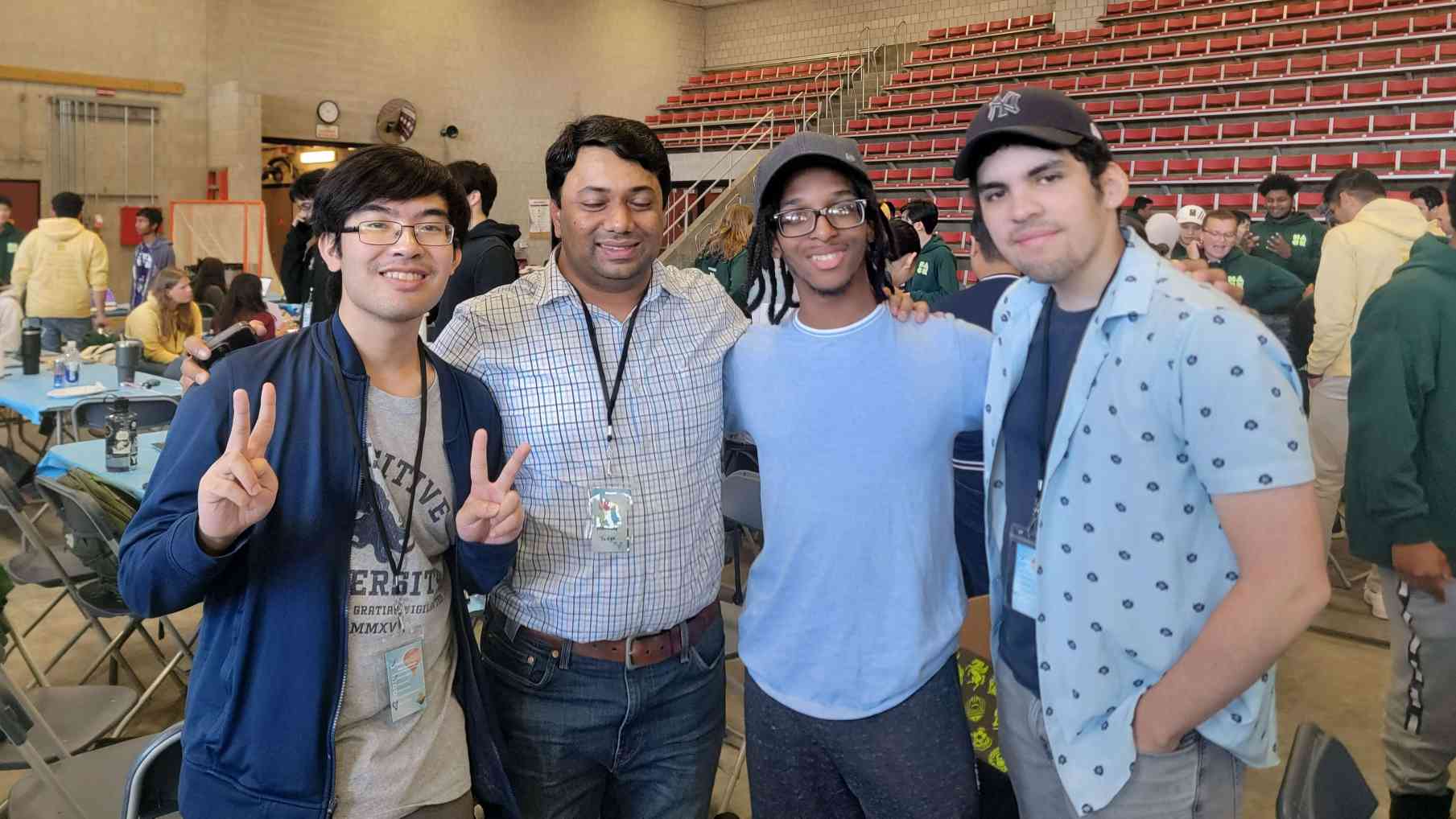
    A picture of my team with one of the judges. We turned something in, and that is all that matters.

    Unfortunately, we did not make it to the second round of presentations, but this experience is something that I will never forget. Overall, I had fun seeing the sights in Cambridge and immersing myself in something new, but as a physics major interested in becoming a researching professor, I could not match the energy of most of the other competitors, who were more interested in working for big companies and creating startups. However, because of my different interests, the stress of the project was not as bad for me as it seemed for many other people. As an avid seeker of new experiences, I would definitely recommend doing most things at least once. But in particular, attending HackMIT or another hackathon appears to be an excellent way of deciding if the atmosphere of the computer science world is right for you.

  • A day in the life of a field ecologist

    Details from my summer experience conducting fieldwork in the Colorado Rockies

    Photo caption: View of the Rocky Mountain Biological Laboratory, with Gothic Mountain towering above.

    4:30 AM: Good morning! To arrive at my research sites in time to start my bird species surveys by 6 AM, I often have to wake up long before the sun rises. I get dressed, refill my water bottles, collect the snacks and PB&J sandwiches I prepared the night before, and grab my pack. Inside my pack I have my binoculars, data collection sheets, a handheld GPS unit, and of course a first aid kit and extra warm layers. Field research requires that you always be prepared for the unexpected!

    This summer I am investigating how birds in the southern Rocky Mountains are responding to climate change. To do this, I am conducting a resurvey of bird species along an elevational gradient. I have six research sites ranging from 8,100-11,200ft in elevation, and I will visit each site three times throughout the season to conduct a point count survey of bird species. A point count survey involves standing in one spot for a specific amount of time and recording all bird species I observe by sight or sound. Another student conducted these surveys in 2011, so I am repeating their methods to be able to compare the data from 2011 and 2023 and examine how bird communities have changed over the 12-year period.

    6:00 AM: After biking 3 miles along a gravel road to the base of Snodgrass Mountain and hiking another 3 miles up the slope (including a break halfway to enjoy my PB&J for breakfast), I am ready to begin the point counts. I use the GPS unit to locate the coordinates of each survey point, and record all of the species that I hear and see during a five-minute period. These surveys require me to be very familiar with the songs and calls of bird species in the region, as the majority of my detections are auditory. I audio record all of my point counts so that I can go back and verify observations later if I am not certain about my real-time identification in the field. 

    8:00 AM: After I finish the point counts, I sit down to eat a snack and enjoy the beautiful views around me. I begin my bike ride down the mountain, whizzing through fields full of blooming wildflowers.

    Photo caption: Views of the sunrise and wildflowers from my trek up Snodgrass Mountain.

    9:30 AM: I make it back to my home for the summer: the Rocky Mountain Biological Laboratory (RMBL), a thriving community of almost 200 field biologists, each studying one component within the greater ecosystem of the southern Rocky Mountains, united with the goal of recording long-term ecosystem responses to climate change. I head to the dining hall to grab more snacks and refill my water—field work can be exhausting and it’s especially important to stay hydrated.

    10:00 AM: I head back to my cabin to enter my point count data from the morning. This involves transcribing my handwritten field notes on paper datasheets into a spreadsheet on my laptop. This is important for multiple reasons: it serves as a backup in case my paper datasheets are lost or damaged, and formatting an electronic file is the first step to performing statistical analyses to uncover trends and relationships in one’s data.

    11:00 AM: Now it’s naptime! With a wake-up call before sunrise, I almost always need a nap to recharge after morning fieldwork. 

    12:00 PM: I nap until lunchtime, and then I head down to the dining hall. RMBL has a great kitchen staff that makes sure the researchers are well fueled for their fieldwork, and the dining hall is a perfect place to meet other scientists and learn about all of the cool research taking place.

    1:00 PM: After lunch, I take some time to look over my research report draft and make some edits to the methods section because a couple of aspects have changed since I began my surveys out in the field. Keeping good records on the methods used for surveys and experiments is very important because it ensures future researchers will be able to reproduce the experiments.

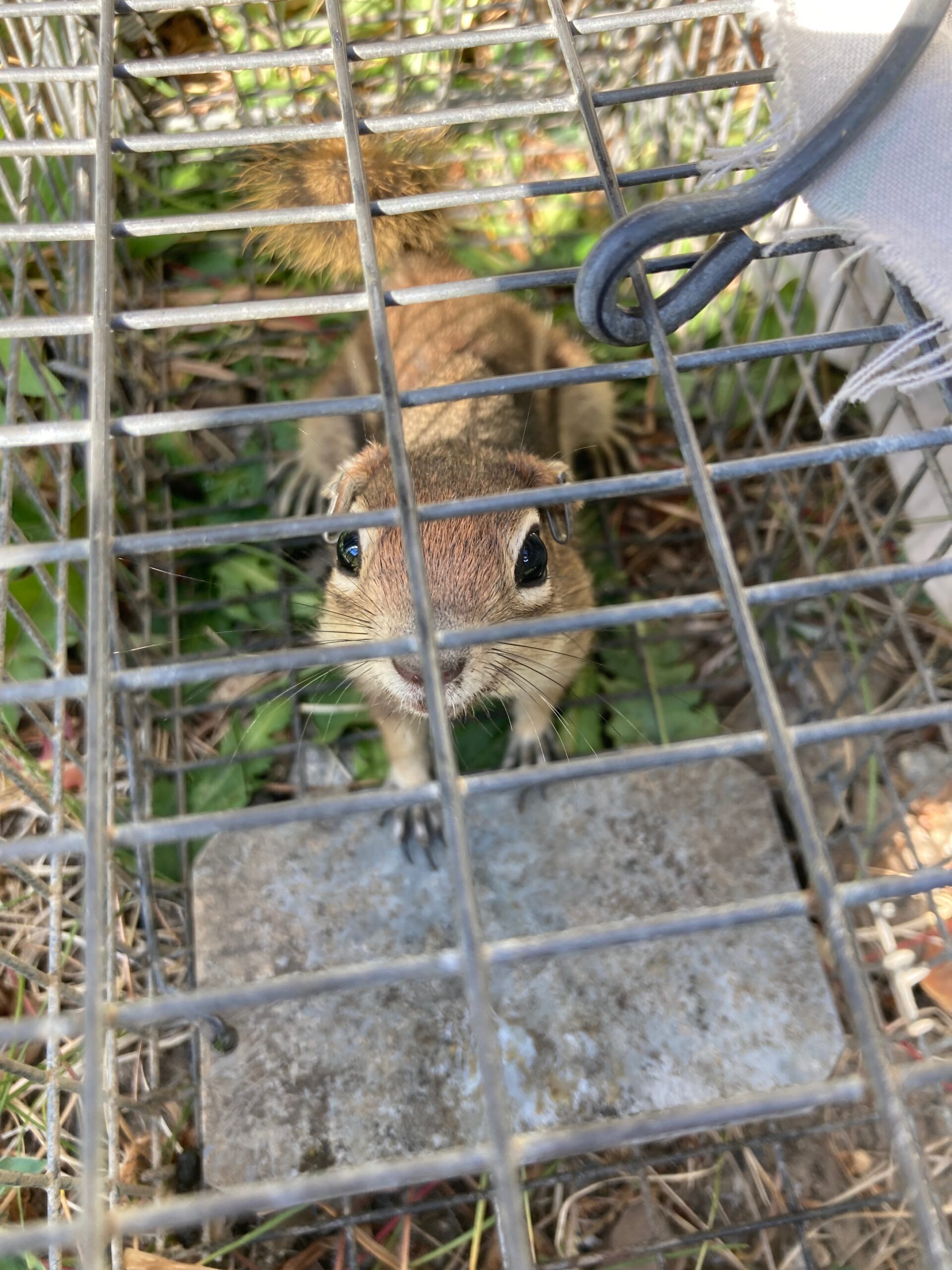
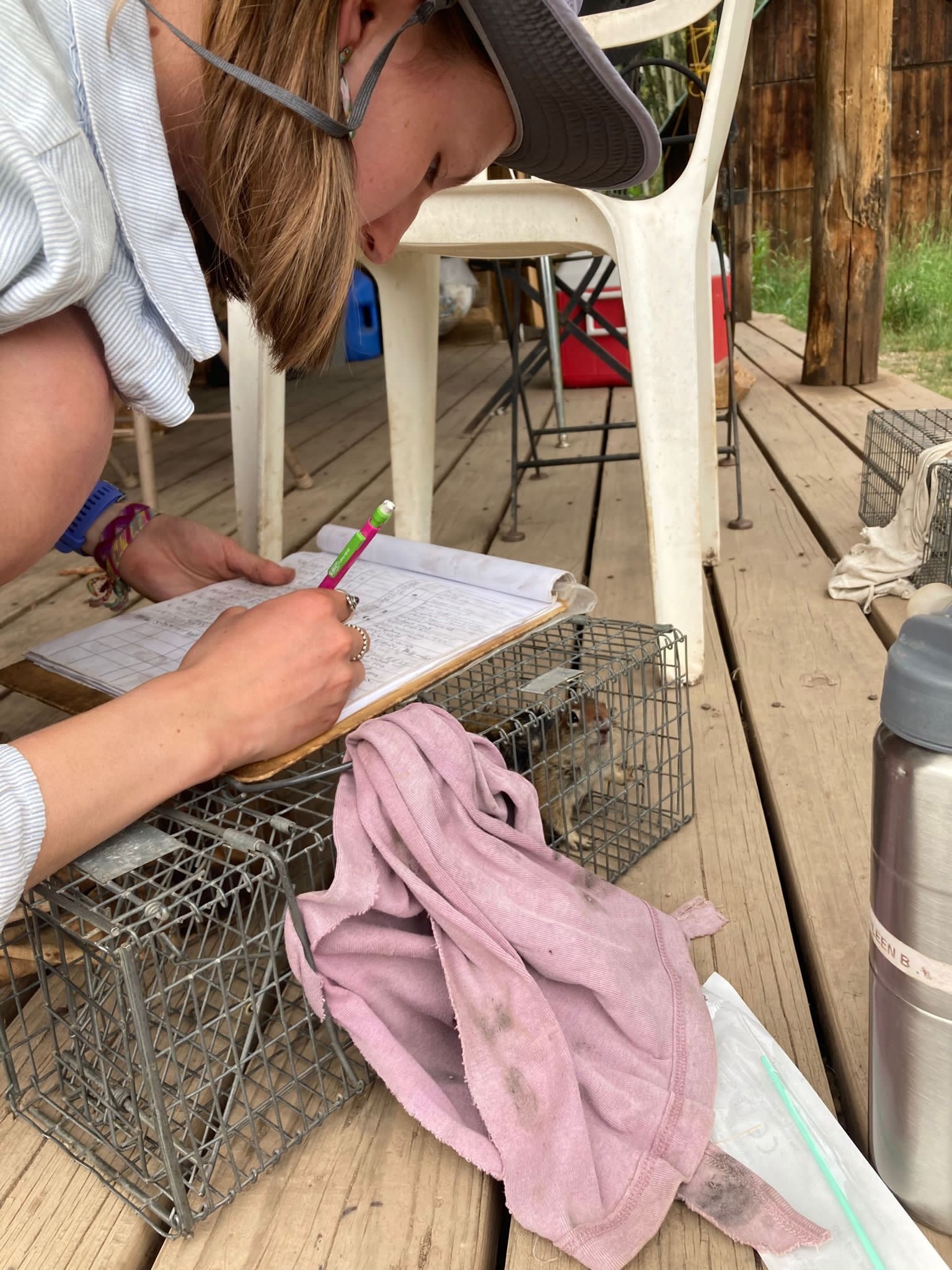
    2:00 PM: Most afternoons, I work as part of the golden-mantled ground squirrel (GMGS) team on a long-term behavioral and spatial ecology project. This involves making rounds around the RMBL townsite looking for squirrels and recording their behavior in 10-minute periods. GMGS resemble chipmunks, but they are larger and can run faster. Another big component of the squirrel project is live trapping, where we bait small wire traps with peanut butter and place them around known squirrel territories. When we capture a squirrel, we put them into a special canvas bag for safe handling and we record morphological measurements such as weight and take hair samples for genetic analysis. The most exciting time is mid-summer when the squirrel pups emerge from their burrows. We try to trap pups every couple of weeks to monitor their growth.

    From left to right: A GMGS inside a trap, data collection during GMGS trapping.

    5:00 PM: After my shift with the squirrel team, I head back to my cabin to rest and relax until dinner. I also must pack up my camping gear, because the site I am surveying tomorrow morning is several miles up the valley from the field station, and it requires an overnight backpacking trip to get there. I pack a sleeping bag, sleeping pad, small 2-person tent, extra layers, water filter, and my survey equipment in a backpacking pack. At the dining hall during dinner, I will grab extra snacks and make a couple of PB&Js to carry with me. 

    7:00PM: After dinner, myself and two of my fellow student researchers borrow a vehicle to drive to the beginning of the hiking trail that will take us to the research site. We park next to a beautiful alpine lake and begin the 3-mile hike. We will gain 1500 ft in elevation over the course of the hike, so the majority of the trail is unrelentlessly steep. The gorgeous views of the sunset over the mountains around us serve as a good distraction from the strenuous hike. Two miles into the hike, we reach a river crossing. We take off our hiking boots and socks and roll up our pants to wade through the ice-cold water. Once across the river, we know there’s only a mile left to climb, and the sunlight is fading fast so we push onwards to try and make it to the site before dark.

    Once we get to the site, which consists of a series of ponds located along a rocky mountain slope, we quickly set up our tents and get ready for bed. The stars are incredible here—we can even see the outline of the milky way.

    Left: View of Emerald Lake from trail above. Right: Sunset over the valley after the river crossing.

    Photo caption: View down into the river valley at twilight.

    9:30PM: Time for bed! After the sun sets, it gets very cold at this high elevation, and the most comfortable place to be is inside my warm sleeping bag. I set my alarm for 5:30AM and make sure all of my survey equipment is ready for the morning.

    This summer I learned a lot about how to effectively design and conduct a field ecology research study—especially how to be flexible and creative when problems arise. Field research is challenging but it is so refreshing to work outside in such beautiful places, and it’s especially rewarding to explore the trends in one’s data after a season of hard work. That’s how I’ll be spending the winter months, as do many field ecologists outside of field season—crunching the numbers in order to reveal the mechanisms of change in the ecosystems around us.

  • Collaboration is Key!

    As a senior in college, about to graduate with an engineering degree, I’ve come to actually appreciate the dreaded “group project” – and trust me, working with others can be very challenging. But on reflection, I can really see how they also build key skills in collaboration and communication, that are especially important in STEM fields believe it or not.

    In classes: working with different people, even if you all have the same major, can offer different perspectives, ideas, ways of thinking that you wouldn’t have thought up alone. The benefits of working in a group are not just division of labor – although that’s also important, as you quickly learn that one person can’t do everything without burning out – Group projects also teach the art of compromise (and it is a tough one to learn).

    One of my biggest projects in my undergrad has been my senior Capstone project: a more practical application of the things we’ve learned in our undergraduate classes. For me in particular, working in an interdisciplinary group and coming up with our own idea for a product, even with all my experience working in groups, it was a bit mind-opening to see what could be done with everyone offering different skills.

    It let me see how other majors approach the same sort of problem from different angles, with different concerns. It also opened my eyes to how you never really know where which skills will come into play, going into a project. Despite being an engineer myself, I learned to lean a lot more on my colleages who had deeper expertise or were more comfortable with actual manufacturing – instead, I found myself unexpectedly using a lot of my intersocial and organizational skills; understanding that this was an area that I excelled in, that my teammates in turn had less experience with.

    For our group in particular, our chosen project of making a new device and app that would potentially be brought to market required a large range of skills: some people were devoted to marketing and aesthetic design, some were focused on the coding of the app and device itself, some were focused on customer outreach and feedback, while others focused more on making the device itself.

    Everyone did their part, but communication was absolutely key to make sure the rest of the team was kept up to date on your own progress, as well as making sure your aspect’s concerns were known. For example, if someone on the coding team knows that it’d be practically impossible to code for some function, then it’s key that they communicate that to the marketing team before they claim that function is an important feature. Or if someone conducting interviews with customers learns that they absolutely won’t want a product that’s too heavy, it’s important that that gets passed along to the group members handling manufacturing so they know not to use heavy materials.

    Outside of normal class projects, like for this group, STEMComm and Charged Magazine, I’ve seen how through collaboration you can learn and be exposed to so much more than you would normally – from reading the articles on new topics from my teammates, to learning about the varied projects research labs completely removed from my field are making, and presenting that to the public.

    And even outside of a school environment, out in the real world, you can find some pretty nifty examples of science happening from collaboration.

    Take the ongoing “#BlueSoup” saga over on microbiology-Twitter, where a microbiologist shared her amazement at how some old soup she had in the back of the fridge had turned blue – then, through encouragement of her fellow scientists, decided to take a sample of the soup to take back to the lab, to find out just what bacteria or microbe caused the color change. And from there, other labs requested samples, different experiments were conducted, DNA is being sequenced, and now several researchers are involved and collaborating on this interesting little question – potentially even working towards publishing their findings in the future!

    Collaboration is so very important for many things in life, and especially in STEM fields – so for any aspiring scientists, try not to shy away from learning it!

  • 3 Free Applications for STEM Majors (That You’ll Actually Use)

    As STEM majors, if you look up helpful apps to help you while studying or writing papers, you’ll get a lot of listicles of apps that fall under a few categories:

    1. Costs money (or hidden costs)
    2. Does the same thing as a bunch of other apps. Most everyone already has a note-taking method, to do manager, or calendar that they already are comfortable using. Why use a new one?
    3. Way too technical and hard to understand

    Instead, I’ve compiled 3 apps that add value to your life in the following ways:

    1. Free
    2. Works as well/better than paid alternatives
    3. Takes less than 15 minutes to set up

    Let’s get it started!

    Anki

    How to learn anatomy with Anki: Flashcards, review | Kenhub
    An example of an Anki flashcard from kenhub.com

    I was team Quizlet since middle school, but the increased monetization has really driven me off the platform. This past year, I started using Anki, a free app that’s not only a good replacement, but an improvement.

    This app isn’t pretty–but if you look past its boring UI, you’ll find a gem of a tool. Here’s the highlights:

    • Basic UI + open-source software means it’s very customizable. With a few enabled settings, you can use it to study almost any kind of content: learning languages, doing physics practice problems, anatomy flashcards, and more. There are different mods you can add to your software to make it work better for you.
    • You can spread out studying over a longer period of time, so you retain info better!
      • Unlike Quizlet, Anki lets you set deadlines for cards depending on how well you know the content.
      • Naturally, you’ll end up studying the stuff you don’t know for much longer, saving you time!
    • So many stats: the app tells you which cards you’re better at, tracks the time you spend studying, and even notes which time of day you answer most accurately.

    Zotero

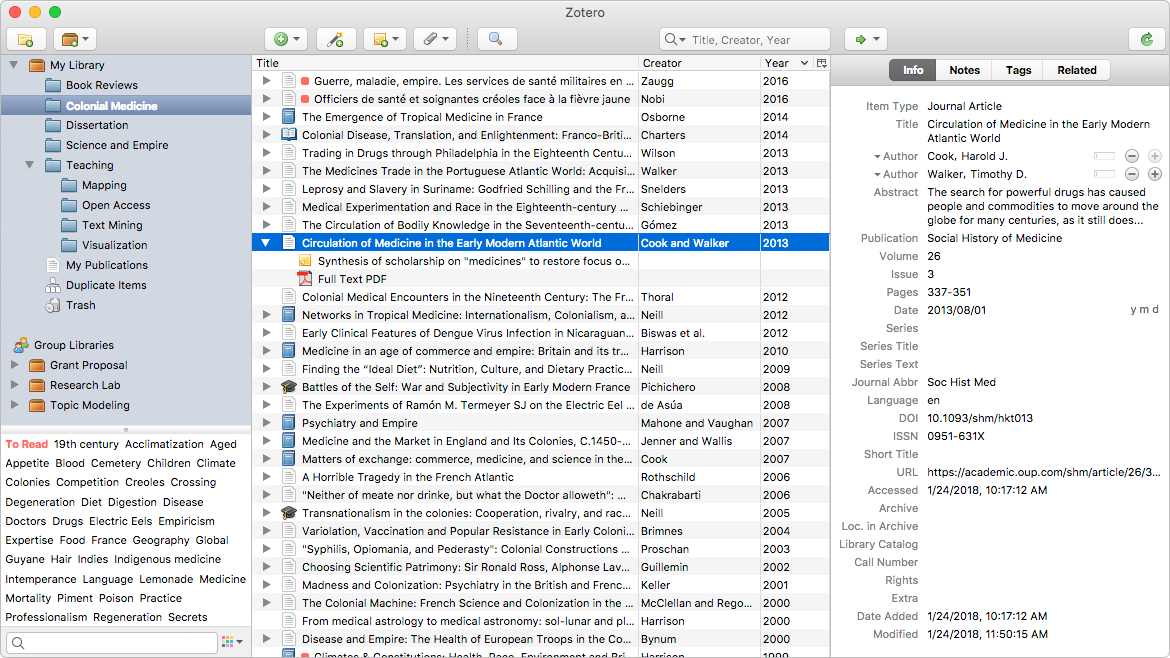
    Screenshot of the Zotero desktop application
    An example of a Zotero library from zotero.org

    No more keeping urls to your research sources in some random Word doc! Writing term papers and research essays has been one of my hardest struggles in college. It can be overwhelming to have to consume a bunch of research and analyze it in a meaningful way. Make it easier for yourself with Zotero, a “personal research assistant” that organizes sources for you. This tool is used by lots of people in academia, but not many undergrads know about it. Here’s what makes it great:

    • It’s easy to add sources! You can use the browser extension to add an entire source with just a click.
    • Once the source is added, all the information is downloaded: bibliographic information, tags associated with the work, a snapshot/pdf of the work
    • If there’s a pdf of the work, it’s saved locally to Zotero and you can take notes/highlight in the in-app pdf viewer!
    • Integrates with Google Docs and Word, where you can quickly add in text citations or a bibliography at the end of your writing

    ResearchRabbit

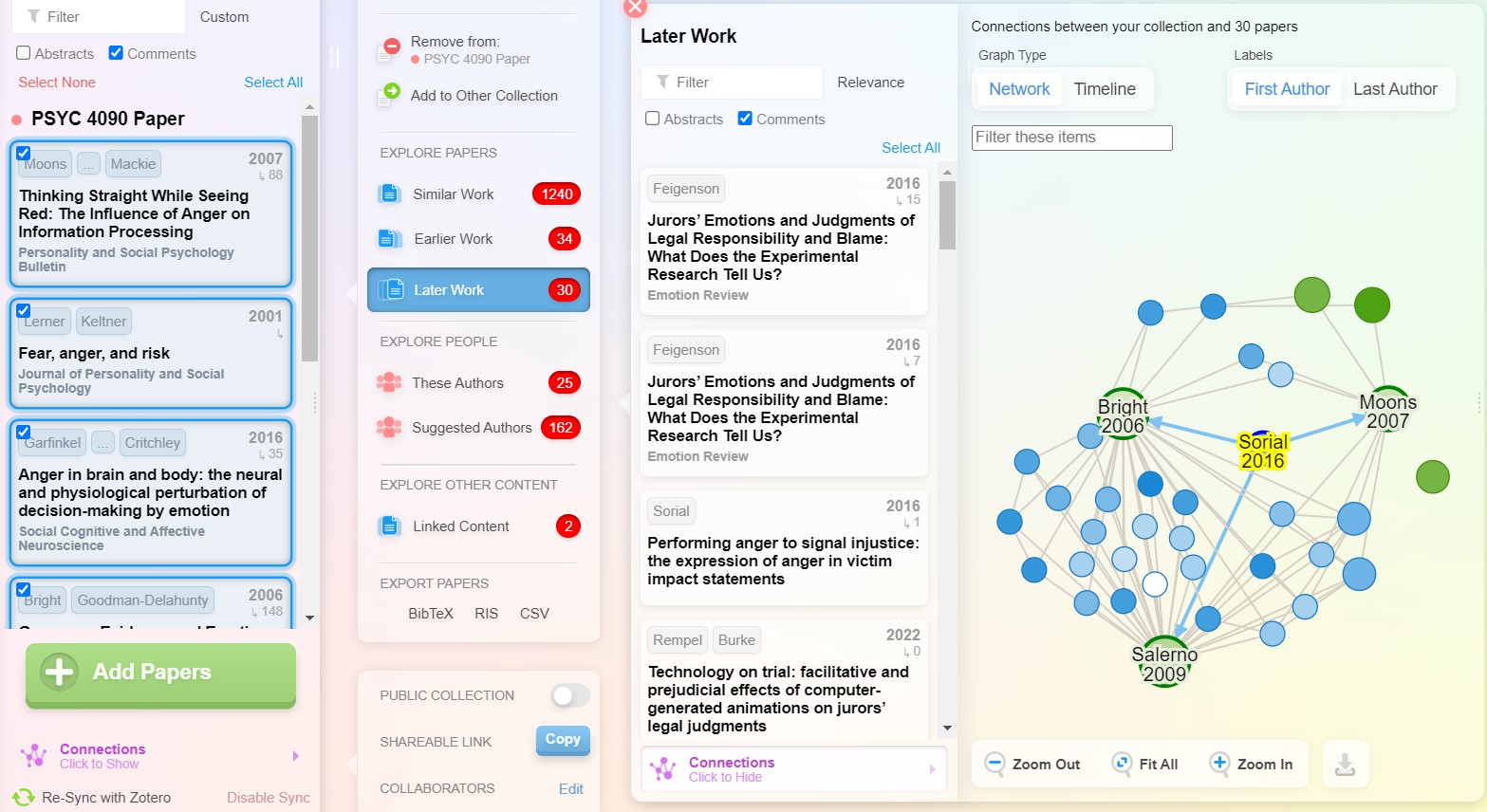
    A connection map that ResearchRabbit generated for one of my term papers.

    What does it mean to do a “thorough review of the literature”? That phrase can be daunting for undergrads. I don’t know about y’all, but when I’m usually starting a term paper, I don’t even know what I don’t know. Are these papers I’m using representative of the current research? This tool (researchrabbit.ai) gives you suggested papers, and it lets you see how popular your sources are in the field. Here’s my favorite features:

    • The coolest UI that makes it so easy to use
    • Visual maps help you “see” the impact of the sources you’re citing
    • The option to look at “similar work” and “related work” helps you find other sources, especially if you want to look at the current state of the literature


    These tools have been really helpful for me this year, and I hope they can help y’all too! Give these a go to help you work smarter, not harder. Good luck!

  • Mechanical Keyboards and the Psychology of ASMR

    What are your hobbies? Do you participate in a sport, or do yoga, or grab a paintbrush and make some art? How about something that literally sounds amazing – mechanical keyboards, anyone?

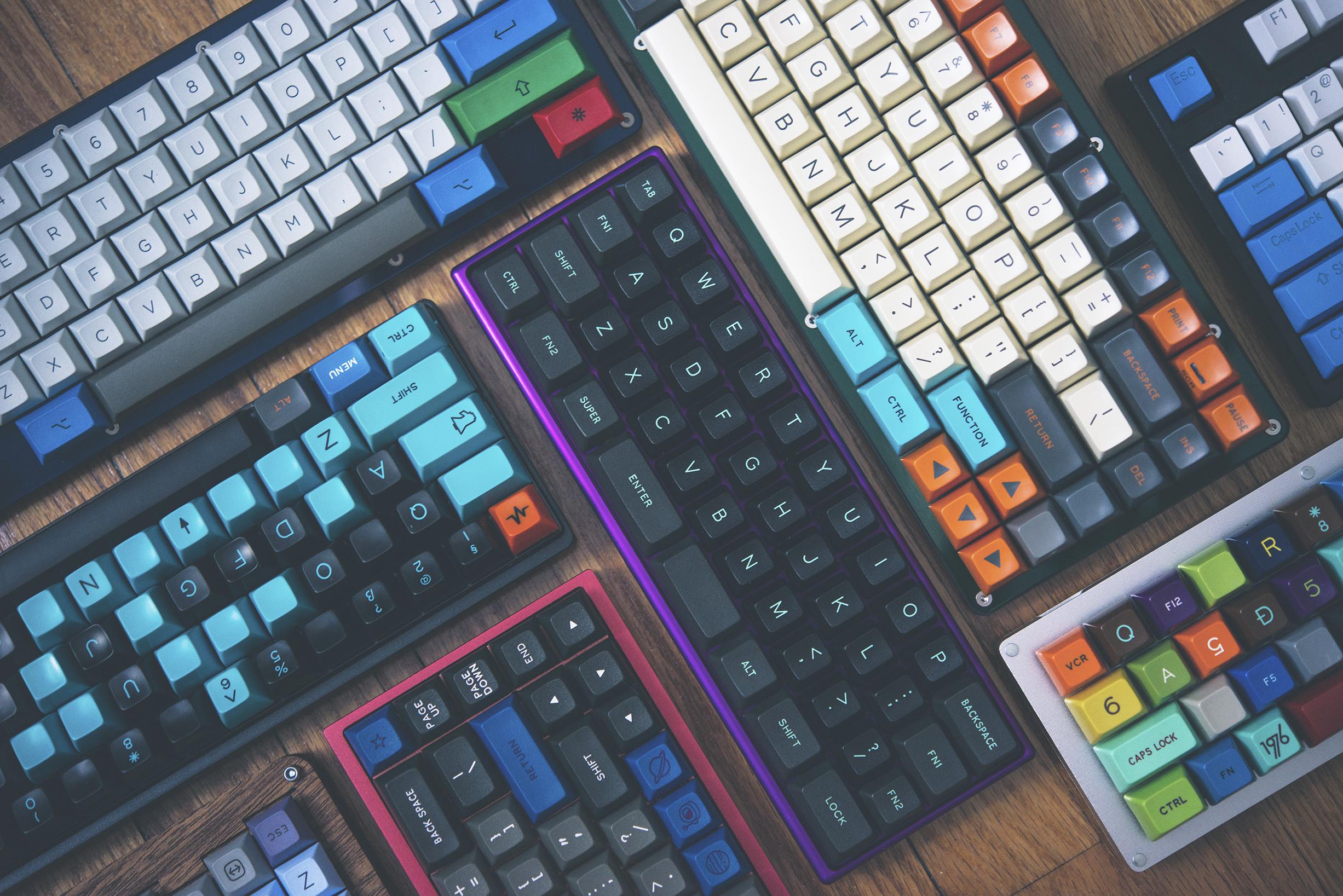
    An image showing muliple mechanical keyboards in different sizes, colors, etc.

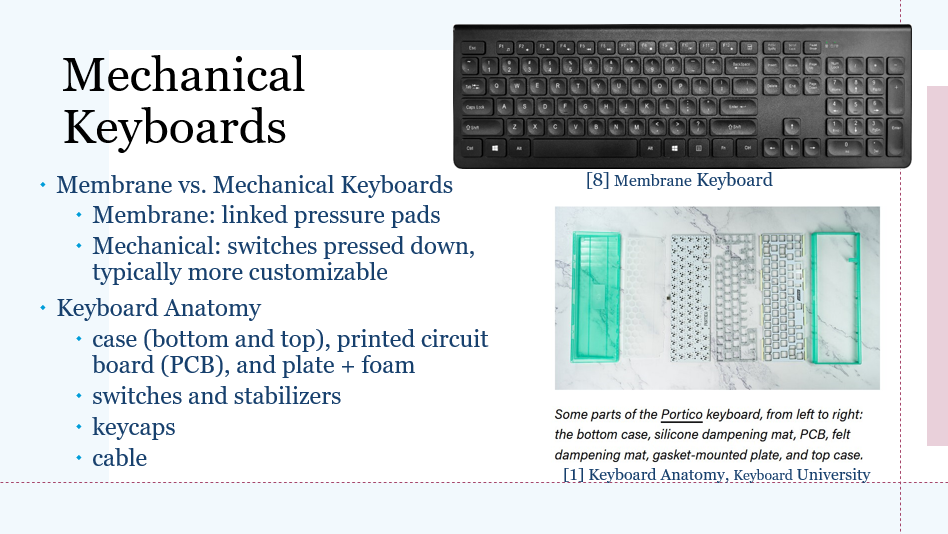
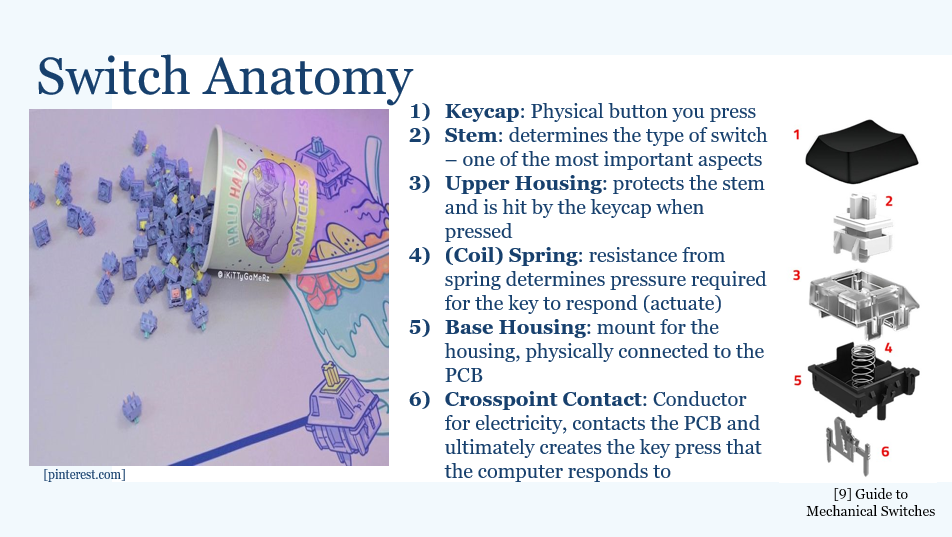
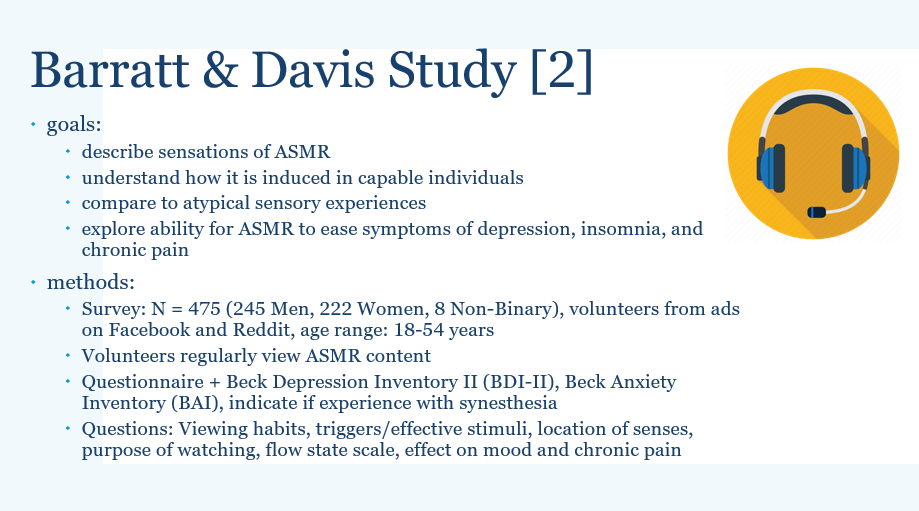
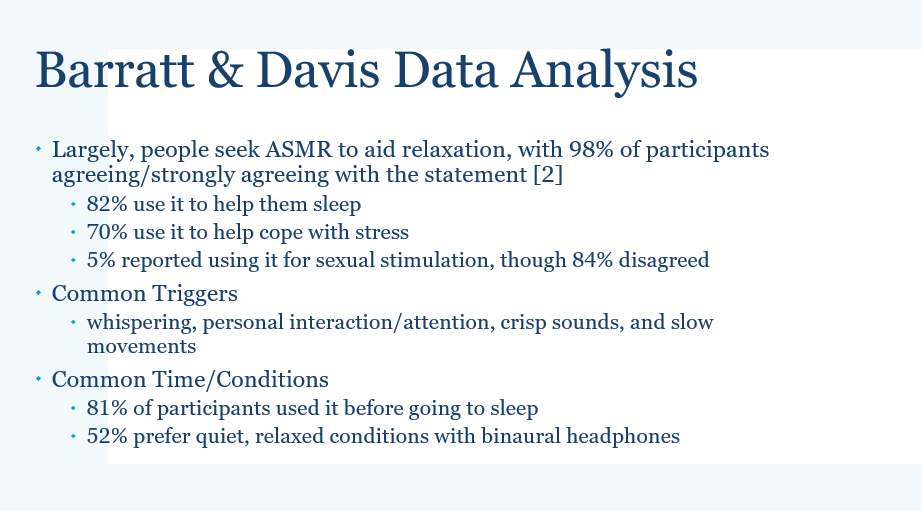
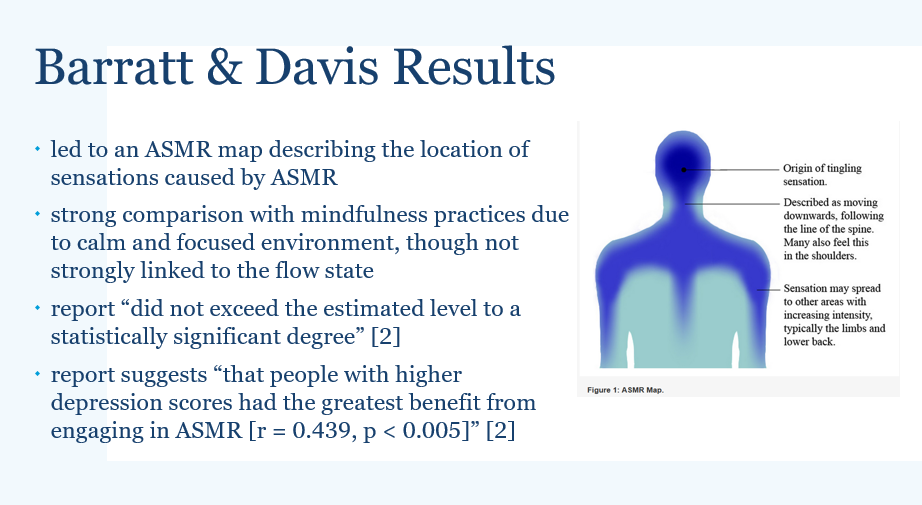
    You’ll have to trust me, psychology will be incorporated soon, but first – for those unaware of the magic of mechanical keyboards – let me explain my newest hobby, pictured above,  adapted from one of my presentations. Throughout the slides, you’ll see slides I used for the presentation to allow you to experience it as well!

    To start, you are likely using what is known as a “membrane” keyboard. A membrane keyboard, such as those on laptops or the keyboards you’ll see waiting at the computers in a library, use linked pressure pads that result in the key press to allow you to type. A mechanical keyboard utilizes switches, which are connected to a printed circuit board (PCB) that allow the key press to be registered and result in the typed character. There are thousands of switches, each that provide unique sensory responses, sound characterizations, and aesthetic options. Soon, we’ll delve into the intricate engineering of this important aspect of the mechanical keyboard.

    Focusing on the mechanical keyboard, though there are many modifications and options to add, there are a few basics to create the mechanical keyboard. The keyboard encases a printed circuit board, a plate to mount the switches upon, and typically some foam to help dampen the sounds of the keyboard. With these layers, the switches and stabilizers (used for longer keys, such as the space-bar and shift keys) connect to the PCB, and then are topped with key caps. The top case is put on, plug in the cable, and if all goes well, you have a working mechanical keyboard!

    Given how defining the switches are, it is important to discuss their general anatomy as well. The keyboard switches are made of 6 main parts, with small changes that can be made to create a customizable experience.

    Most commonly, you’ll see switches in three main categories: linear, tactile, and clicky. The differences between these three are mostly noise levels and the smoothness of the switch. The stem of the switch largely affects this as the switches stem can be made to a certain actuation and travel distance, affecting how much force is needed to complete a key press and how quickly the key press can happen. This not only affects the feeling of smoothness or lack thereof, but is often an important aspect for those in eSports or the gaming community due to the need for lightning fast responses. For this group, linear switches tend to be the most ideal to use.

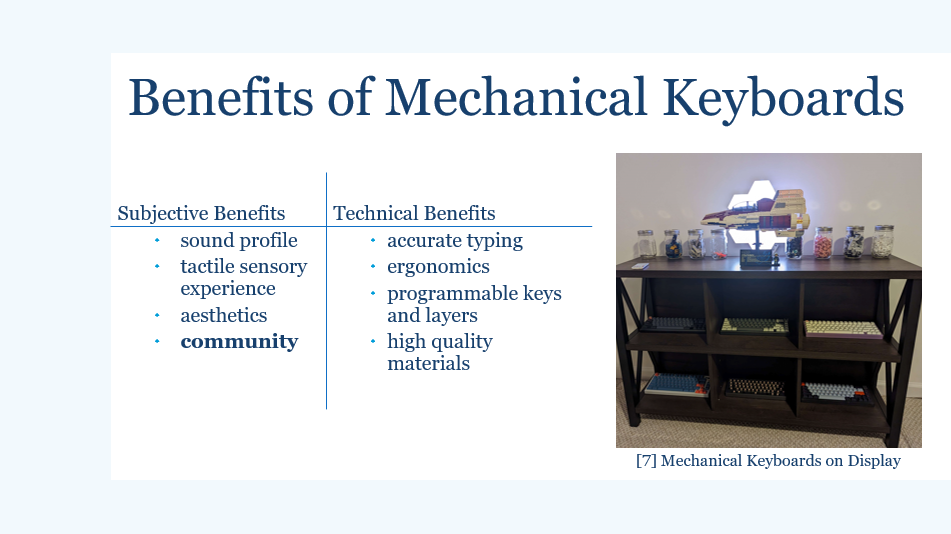
    So, why do people want to make or buy these mechanical keyboards? The customization may be nice, but this can be quite the expensive hobby. According to Switch and Click, a popular website and YouTube channel centered on mechanical keyboards), “the average cost comes out to be around $200 – 600 per board,” [5]. And yet, despite how expensive this can be and how silly it may sound to have multiple keyboards, it is quite common for people in this hobby to build multiple anyway. With this in mind, I generally split the reasoning of why into two main categories: subjective and technical.

    Slide on the Benefits of Mechanical Keyboards

    The community aspect in the mechanical keyboard sphere is unbelievable. With the amount of trial and error that may come with building a personalized keyboard, there are plenty of people that want to help others and share what they have created. In fact, even here at Georgia Tech we have a student-run Mechanical Keyboard Club for people to share their builds and enjoy the hobby together! I have no doubt that the expensive aspect actually brings about more community, as people search for such a wide variety of builds to get an idea of what they enjoy the most in terms of sound and looks before shelling out some Benjamins for their ideal keyboard. The previously mentioned Switch and Click YouTube, as of late April 2023, supports 701K subscribers, which has increased about 15K subscribers since I last checked almost two months ago. The community is huge, and only continues to grow as it reaches more people.

    So, how do people typically first find the mechanical keyboard community? The ‘First Contact’ is not necessarily through someone you know showing off their keyboard. In fact, I think one of the most common ways to venture into the hobby is first by seeing Keyboard ASMR. For those that enjoy or who have never heard of it, I encourage you to watch at least a minute of this 1 hour ASMR video from “The Way ASMR” channel – who may be referred to as an ‘ASMRtist’.

    https://youtu.be/xAVoQx2hUpk

    Now, as I have promised, we delve into the realm of psychology.

    What is ASMR? ASMR stands for Autonomous Sensory Meridian Response. According to Psychology Today, ASMR is “[the] name given to a tingling sensation, typically on the scalp, neck, or back, that some people report feeling in response to certain visual or auditory stimuli,” [3].

    For the reader, I have a question. Have you experienced ASMR? I encourage you to submit your answer in the poll below, and see what others have said!

    https://strawpoll.com/polls/eNg69l8EAnA

    ASMR is a relatively new psychological phenomena, with few peer-reviewed articles on the subject, and even fewer that employ empirical data to analyze. Not to worry, I have dug through all the academic tunnels to find a few for this article. From a psychological perspective, many psychologists and researchers may be curious to answer questions on ASMR, such as: ‘is this a common experience?’, ‘how do we define ASMR?’, ‘who is helped by ASMR content the most?’.

    In one article, from authors Dr. Barratt and Dr. Davis, I have outlined their goals and methods on their research of the ASMR experience.

    IMPORTANT NOTE: This study discusses ASMR, occasionally in the context of mental health issues such as depression, and chronic illness. The analysis or results of this study is not meant to provide any diagnosis, cure, or medical advice, and is only meant to identify any patterns or gather data on perceived helpfulness from study participants. If you or anyone else you know is struggling with chronic pain or mental health issues, please reach out to licensed professionals for help in coping and health management.

    The methods employed in this study aim to yield a mix of both qualitative and quantitative results. Additionally, the study wanted to draw comparisons with other sensory disorders and states such as synesthesia and a ‘flow’ state – which you may have experienced while studying. Small spoiler alert, there wasn’t a strong connection of ASMR with either synesthesia experiences nor the flow state, indicating that ASMR is its own psycho-neurological experience.

    Ultimately, ASMR is something comforting and relaxing to watch and listen to for those that experience the sensations associated with ASMR. People enjoying the customization of their keyboard may find satisfaction in their work and the ability to almost create their own ASMR by utilizing the keyboard they have made. Though we understand that ASMR can be as a temporary way to boost mood and relaxation, especially those experiencing depression, more research is needed to fully understand how ASMR works in individuals. Without a significant connection to other known sensory disorders, other than effects of mindfulness, the neural underpinnings of ASMR and the extent of the selection of people that can experience ASMR are still a mystery.


    Citations:

    [1] Keyboard University, url:  https://www.keyboard.university/100-courses/intro-to-mechanical-keyboards-p6brj

    [2] Barratt EL, Davis NJ. 2015. Autonomous Sensory Meridian Response (ASMR): a flow-like mental state. PeerJ3:e851. https://doi.org/10.7717/peerj.851

    [3] Psychology Today, url: https://www.psychologytoday.com/us/basics/asmr

    [4] Stephen D. Smith, Beverly Katherine Fredbord & Jennifer Kornelsen (2017). An examination of the default mode network in individuals with autonomous sensory meridian response (ASMR), Social Neuroscience, 12:4, 361-365, DOI: 10.1080/17470919.2016.1188851

    [5] Switch and Click. Article. Url: https://switchandclick.com/what-is-the-average-cost-for-a-custom-mechanical-keyboard/

    [6] The Way ASMR. “Cozy ASMR Typing for 1 HOUR / No Talking / Mechanical Keyboard Sounds / Gateron Red Switches”. Online Video (YouTube). Url: https://www.youtube.com/watch?v=xAVoQx2hUpk

    [7] kane#6661. Image from Discord. ‘mechanical keyboard display station example’.

    [8] Image of Membrane Keyboard. Url: https://www.bestbuy.com/site/best-buy-essentials-be-pkrfkb-full-size-wireless-membrane-switch-keyboard-black/6460659.p?skuId=6460659

    [9] Ultimate Guide to Mechanical Keyboard Switches for 2020, Dygma, url: https://dygma.com/blogs/stories/the-ultimate-guide-to-mechanical-keyboard-switches-for-2020


  • Here’s why you should learn to code on a potato [Rant]

    Okay, okay, let me be clear: I’m not talking about the delicious, versatile, edible, literal potato. I’m talking about the metaphorical potato – which is a term sometimes used to describe low-end computer hardware.

    Now why, you may ask, should you learn computer science on dingy, old, slow, and underpowered hardware? Shouldn’t you strive for the most powerful piece of silicon you can get your grubby little fingers on? See, I beg to differ – I personally think that being limited by your hardware can make you a better programmer.

    So what’s led me to this observation? The answer is CS 2261 at Georgia Tech. CS 2261, officially titled “Media Device Architecture”, is a course essentially dedicated to learning about the intricacies and programming games for the Game Boy Advance (GBA). The GBA is, affectionately speaking, a potato. It wasn’t particularly powerful when it released in 2001, and over two decades of technological advancements since then have not done it any favors. That’s not to say the GBA is bad hardware by any means – it was remarkable when it was released, balancing good performancem, low cost, and excellent battery life. However, the single-core ARM7TDMI clocked at 16.78 MHz is ancient by today’s standards.

    Programming games for the GBA, however, has made me an immensely better programmer. Working around the limitations of the old clunky machine (via an emulator) has taught me a lot about making code more optimized and efficient. When you’re working with hardware that stutters and chugs when you draw one extra rectangle, you really start to pay attention to just how inefficient code can be.

    I feel that as hardware gets faster and faster, software developers tend to care less and less about making code refined. Especially in the age of iterative development and Agile, it seems that more and more emphasis is being placed on just getting working code out into production and implementing as many features as a team can cobble together. It’s not such a big deal, as the hardware is powerful enough to make inefficiencies unnoticeable.

    I think this way of thinking is born from an unfortunate combination of human laziness (I certainly am) and industry expectations. The innate human desire to seek out the shortest path to completion and the industry’s insatiable thirst for more and more features combines and compounds to create absolute monstrosities. However, I fear that this way of doing things is unsustainable.

    At the end of the day, computers are magical little boxes that uses electricity to turn inputs into outputs. However, we live in an age where humanity heavily relies on computation, and in an age where energy usage is becoming an increasing concern. One line of poorly optimized code might be insignificant, but an overall bloated software base probably contributes to a whole lot of energy waste.

    Not to mention, making games for an iconic console is pretty cool too.