In my childhood, I always imagined the picture of me talking to myself. As I grow up, I first saw the introduction of 3-D printing on TV. 3-D printing makes me believe the possibility of creating another me.
3-D printing also called Additive Manufacturing(AM) refers to any process of printing 3-dimensional objects. Under the control of a computer, the raw material is piled on top of another.
To better understand the principle of 3-D printing, let’s first focus on the traditional way of printing—2-D printing. Traditional printing works on the pictures on a plane. Digital pictures consist of pixel plots with pure colors. It can be seen as every coordinate plot stores one color. Transmission is completed by synchronous orbits.
Instead of paper and paintings, the raw material for 3-D printing is normally thermal plastic which turns soft when heated. Nowadays the most common material for 3-D printing is ABS. PLA is also called Polylactic Acid. It has a very low melting point of below 185 Celsius. Therefore, it is used broadly in 3-D printing. It appears as wire rod just like wool, so it is not easy to stuck the painter.
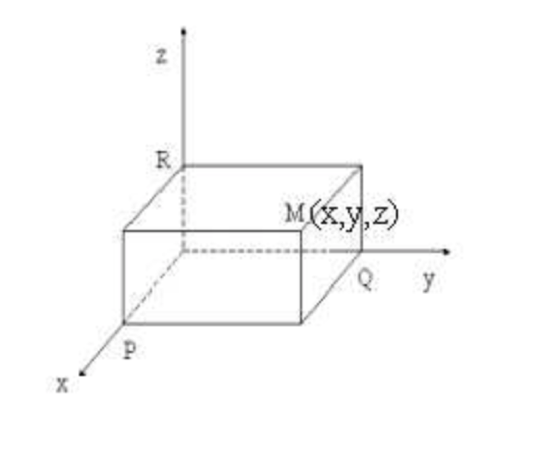
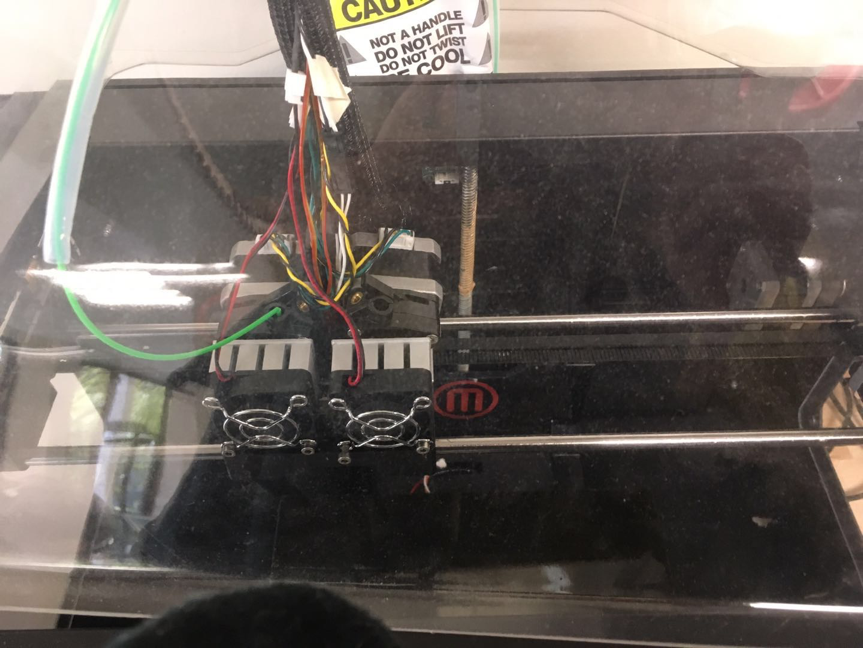
Now that we know the material of 3-D printing, let’s see how the printer works. For x-axis and y-axis, we use a small steel plate on synchronous orbits. For z-axis, we use a thick rod appearing like a screw. And that is the basic construction of a 3-D printer. It is not as complicated as I originally thought. Basically, we just need to make a sprinkler head that can move in a three axis. Then, use silk thread to create planes and pile up the planes into a three-dimensional object.
We only need a JPG formed picture to print a picture. However, what kind of form do we need to complete a 3-D printing? In industrial design and architecture, rhino and solid work are really popular software. Almost all software in the world have the same basic function—squeeze. The form of a model for 3-D printing is STL..
Now let’s discover the technology of 3-D printers.
FDM(Fused Decomposition Modeling)
The key to FDM is to keep the temperature 1 Celsius above the melting point of the raw material. The sprinkler head is controlled by CAD tier data to make the raw material squeezed out and solidify as thin layers. The layers pile up to form a model.
name
FDM
material
ABS,PC,PLA
precision
0.025-0.762mm
The principle of construction of the system and operation are very easy. Maintenance cost is low. System operates safely. It can be used in lost wax casting and forming parts of any complexity. It does not need chemical cleaning.
SLA(Stereo Lithography Apparatus)
SLA uses photosensitive resin as raw material and scans UV laser controlled by a computer so that the scanned area of the resin layser has photopolymerization reaction and form a layer of the component. Through continuously bonding the previous layer, the whole object is created.
name
SLA
material
Photosensitive resin
precision
0.1-0.2mm
This method has a high degree of molding process, a high precision of sizes and great quality. It uses CAD data model to lower the cost of repairing. It can work on objects with complicated structures.
SLS(Selected Laser Sintering)
It uses CO2 laser as energy source and powder material as raw materials. First, put a thin layer of powder on the working table; Then, the laser beam is selectively sintered under the control of the computer according to the layered outline of the part. After the layer is completed, the next layer is sintered. Next, remove all excess powder after sintering, grind and dry the other treatments. Nowadays, wax, plastic powder and metal powder are broadly used.
name
SLS
material
Nylon, ABS
It can be used to make metal products with easy procedures. It does not need supporting structure. The utilization of material is high.
Ployjet
Sliding back and forth along the x-axis, an ultrathin photosensitive resin is spread over the molding chamber. After each paving, the UV light bulb on the edge of the sprinkler head and immediately emits UV light to rapidly cure each layer of light-sensitive resin. After each print, the molded chassis inside the machine sinks, while the sprinkler head continues to work layer by layer until the prototype is completed.
name
Ployjet
material
Photosensitive resin polymeric material
precision
0.1mm
It can print 3-D model with high quality, great details and shorten the designing period. The range of choosing material is broad.
(https://www.zhihu.com/question/20382142)
Nowadays, 3-D printing has got some breakthroughs in many areas. Cornell creating machine lab states that Hydrocolloid Printing’s 3-D printing can custom food production. It is possible to print candy, chocolate and pasta now. Industrial 3D printers have existed since the early 1980s and have widely used for research purposes. Fashion designers also use the 3D printed bikini swimmer, shoed and dresses for generating ideas. Nike took advantage of 3-D printing technology in the modeling and production of Vapor Laser designed for American Players in 2012. 3-D printing has also been used in production of transplant organs, equipment and other medical fields. There are currently successful cases of a titanium pelvis transplanted by a British patient and a titanium mandibular transplanted by a Belgian patient.
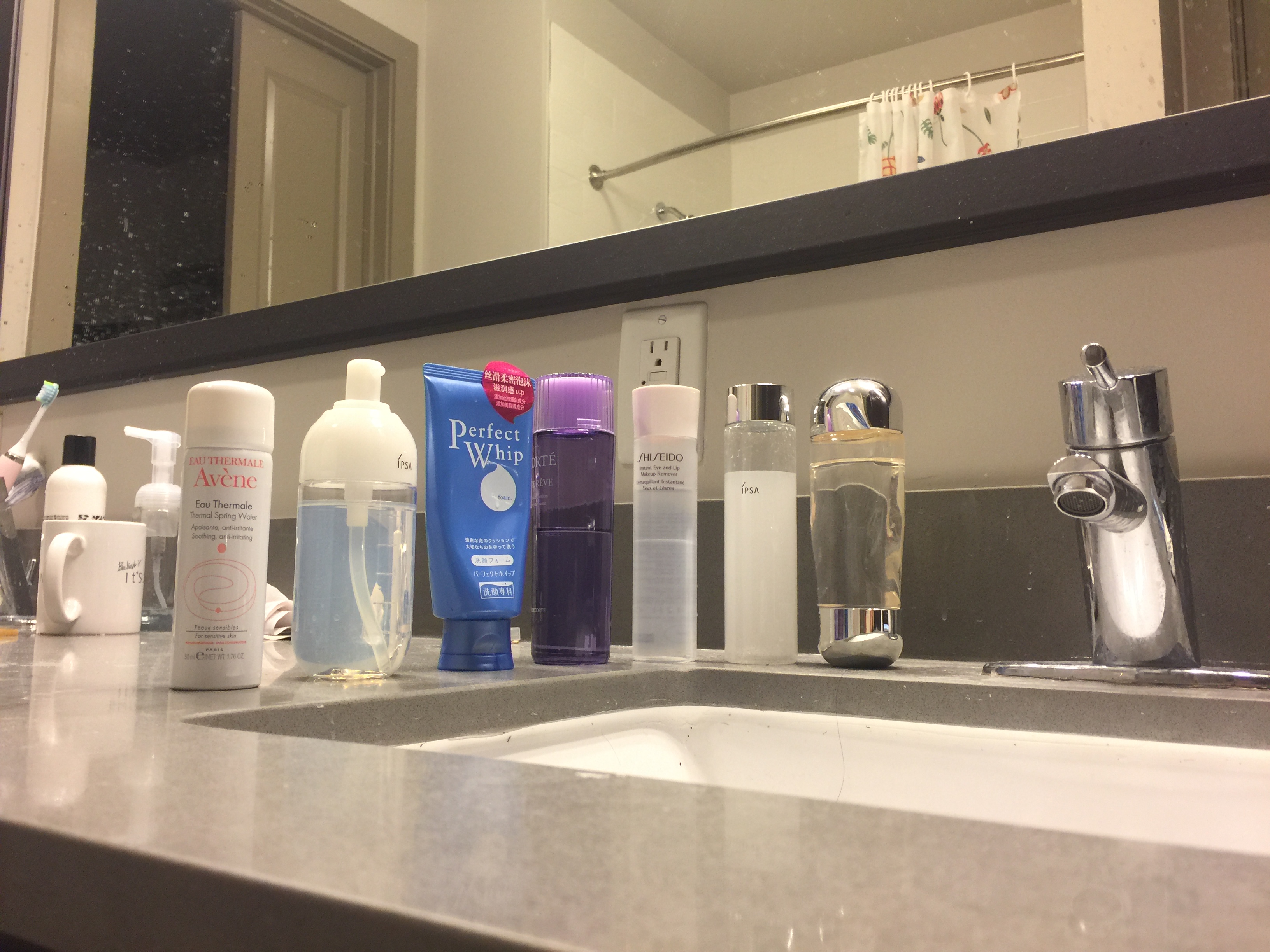
There is a saying that everyone can be a beauty and it seems true more than ever in today’s world. Nowadays, both boys and girls are taking skin care more seriously to make their skin smooth and to look young and pretty. A recent study showed that skin texture plays a significant role in the judgment of female facial beauty. [1] Thus, it is not surprising that a girl can accumulate tons of bottles of skin-care products on her dressing table. Even boys at least have one facial cleanser. In my own experience, I use a various of skin-care products because my face gets oily and grow pimples and acne easily. I need to be extra careful since my skin is so sensitive that if I don’t choose the right products, it turns red and itchy. I do worry about if there are some side-effects and whether these countless skin-care products that come from different regions all over the planet are useful or not.
Let’s look at our skin structure first. There are three layers called the epidermis, the dermis and hypodermics in our skin. The layer skin-care products contact most is the epidermis, which it the outermost layer of skin, providing a waterproof barrier and creating our skin tone. What’s more, there are two layers of epidermis, the living basal layer, which is next to the external stratum corneum, or horny layer, which is composed of dead, keratin-filled cells that have migrated outward from the basal layer. Most of the exfoliators and cleanse products are dealing with the stratum corneum layer.
Thus what skin care products actually can do is basic moisturizing, which is a totally physical function rather than chemical. Looking at the ingredients of moisturizing products, it is not hard to find mineral oils, synthetic oils, plant oils in order to soften and moisten skin. Glycerine and propylene glycol are used for moisture absorption. These ingredients help skin to stay smooth by preventing the loss of water and oxidization.
Another important skin product is sunscreen and cream for isolating the UV and atmosphere pollution or dust. Krysta Biniek, a researcher in Stanford University wrote that “Although the ubiquitous presence of solar UV radiation in human life is essential for vitamin D production, it leads to skin photoaging, damage, and malignancies solar UV radiation poses a double threat to skin by both increasing the biomechanical driving force for damage while simultaneously decreasing the skin’s natural ability to resist, compromising the critical barrier function of the skin”[2] .
Products like skin whiteners have some serious side-effects. There is one study that showed that skin-lightening creams contained higher concentration of the studied metals than the moisturizing creams. Also, people who use skin-lightening creams are potentially exposed to higher concentration of metals. Last but not least, chromium was found at concentrations that can induce allergenic contact dermatitis in pre-sensitized individuals.[3] Based on this finding, the ingredient of skin whitening products become extremely crucial. So next time when you go shopping, remember to take a look at ingredient list. Natural sources aremuch better than chemicals. There is also a scientific analysis that discusses advantages of natural sources. It says that “Although a number of hypopigmenting products have been developed, those from natural sources are preferred and will predominate in the cosmetics market. More active compounds such as phenols, flavonoids, coumarins and other derivatives have been identified from natural sources. This article summarized natural skin whitening products involving tyrosinase blockers like phenols and polyphenols, and non-tyrosinase blockers like α-MSH, melanosome transferase and cytokine inhibitors.”[4] All in all,don’t forget to take a look at ingredients of skin whitening products when you are shopping.
Generally if you want to have a glowing skin, the easiest way is try to get a nice DNA at the very beginning of your life. Just kidding! Don’t be fooled by flowery words in advertisements and stay away from those products which have impossible crazy functions. You can surely earn a great skin by choosing suitable skin product and clean, moist and put sun cream everyday. So I guess the magic to have a nice skin is your perseverance.
[1]Fink, Bernhard, Karl Grammer, and Randy Thornhill. “Human (Homo sapiens) facial attractiveness in relation to skin texture and color.” Journal of Comparative Psychology 115.1 (2001): 92.
[2]Biniek, Krysta, Kemal Levi, and Reinhold H. Dauskardt. “Solar UV radiation reduces the barrier function of human skin.” Proceedings of the National Academy of Sciences 109.42 (2012): 17111-17116.
[3]Iwegbue, Chukwujindu MA, et al. “Safety evaluation of metal exposure from commonly used moisturizing and skin-lightening creams in Nigeria.” Regulatory Toxicology and Pharmacology 71.3 (2015): 484-490.
Mastering science concepts for many students can be difficult. Great instructors, learning resources, and even video games can all be ways to help students comprehend difficult information. For college students and some high schoolers, quantum mechanics is a topic that many have a hard time understanding. Researchers Johnston, Crawford and Fletcher at the University of Sydney focus on better approaches to teaching quantum mechanics concepts. Their research is driven by answering two questions: 1) How do we define the most important concepts to learn quantum mechanics and 2) How do students conceptualize the ideas of quantum mechanics (pg 428). Researchers and students at Georgia Institute of Technology have developed a quantum mechanics game for students. I recently had a chance to interview one of the students working on the project, Aditya Anupam a 2nd year PhD student in Digital Media.
Aditya Anupam working on project
How long have you been working on the project? Why did you join?
I started working on the project in 2016. I have a master’s degree in electrical engineering and was frustrated with how science was being taught.
Why teach quantum mechanics through video games? Its immersive and easily accessible to students and teachers in and outside the classroom.
What is the quantum mechanics game about?
The core concept for the game(which is named: Particle in a Box) was to help undergraduate students challenge their preconceptions about quantum mechanics (which are often rooted in classical mechanics). Quantum mechanics is hard because people don’t get the opportunity to engage actively with the quantum phenomena or experiment with quantum systems. The game provides a scientifically accurate, yet fun, environment to do this.
Why is science important?
There are four reasons why I think science is important:
Jobs: most jobs require at least a basic understanding of science.
Personal use: for example, choosing the right food, fixing things in your house
Public discourse: It helps us become more informed so that we can support the right policy that will impact science.
It’s beautiful: It helps us understand the world and our place in it
Is Particle in a Box being used in the classroom? And where can we play it?
We tested the game on undergraduate electrical engineering students at Georgia Institute of Technology and received generally favourable results. Who is the audience for the game? The game is primarily for undergraduate students enrolled in courses involving introductory quantum mechanics, but it may also be of interested to high schoolers. Where can we play game? You can visit: learnqm.gatech.edu and please feel free to share feedback if you have suggestions on how we can improve the game.
What’s the next project you’ll be working on?
I plan to continue working on the field of digital media and science education. We are currently in the process of redesigning the game based on our research results. We are interested in making a multiplayer version of the game to encourage a more collaborative learning atmosphere in the classroom. Other than the game, I am also interested in the public understanding of science and how depictions of science in the media affect that understanding.
If you get a chance, please play the quantum physics game at learnqm.gatech.edu. And let’s work on making sure more students are given the resources to succeed in the field of science!
Notes: What is Particle in a Box?
So you maybe wondering, how does the game work? The game design is very similar to Donkey Kong and Mario in the appearance and layout. Once you begin the game, there is a small textbox on the left bottom corner. The textbox has information on how to play the game and explains principles of quantum mechanics. The user plays a small blue character that has to pick up certain materials when prompted.
As college student, we have all had that one class that is required for graduation that we aren’t the most interested in. Most of us have a hard time retaining information for that particular subject. So, what would you consider the most effective way to retain the information you need to be successful throughout the course? There have been many research studies conducted on study habits and the effects a study habit has on the student’s ability to retain the information. Perhaps, the worst study habit a student can partake in is highlighting, and the best would be studying information in intervals along with adequate rest. But are these practices beneficial for a Georgia Tech Yellow Jacket? I decided to find out.
Many students at GT are seen in class highlighting or using a bullet point method when taking notes, but which is the most beneficial and how do they affect the student’s ability to retain information if they are not interested in the subject matter? I’m sure any student at GT would agree that lectures are 50 to 75 minutes of information overload that result in sleepless nights to complete homework assignments. What if the reason we can’t retain the information is because of the way we organize the important aspects of the information given?
I gave two GT students the same packet of information to learn over the course of two days. One student was instructed to highlight all the important information within the packet, and the other student was instructed to use the bullet point method. Exactly one week later, the two students were given an additional packet with new information to learn using their same methods of organizing the important information. At the end of week 2, the students were asked to provide as many facts as they could from packet one. Both students could recall a great sum of information, but the student who used a highlighter could only summarize. The student who used the bullet point method could recall more detailed information. When asked why he thought this may be the case, he said it was more repetition. He claimed that using the bullet point method allowed him to read, recite, determine what was important to remember, and write the information, and that made the information stick with him. Clearly, my two person study needs to be replicated, but in the meantime my advice to kick the highlighter to the curb and use the bullet point method.
Dunlosky, J., Rawson, K. A., Marsh, E. J., Nathan, M. J., & Willingham, D. T. (2013). Improving students’ learning with effective learning techniques: Promising directions from cognitive and educational psychology. Psychological Science in the Public Interest, 14(1), 4-58.
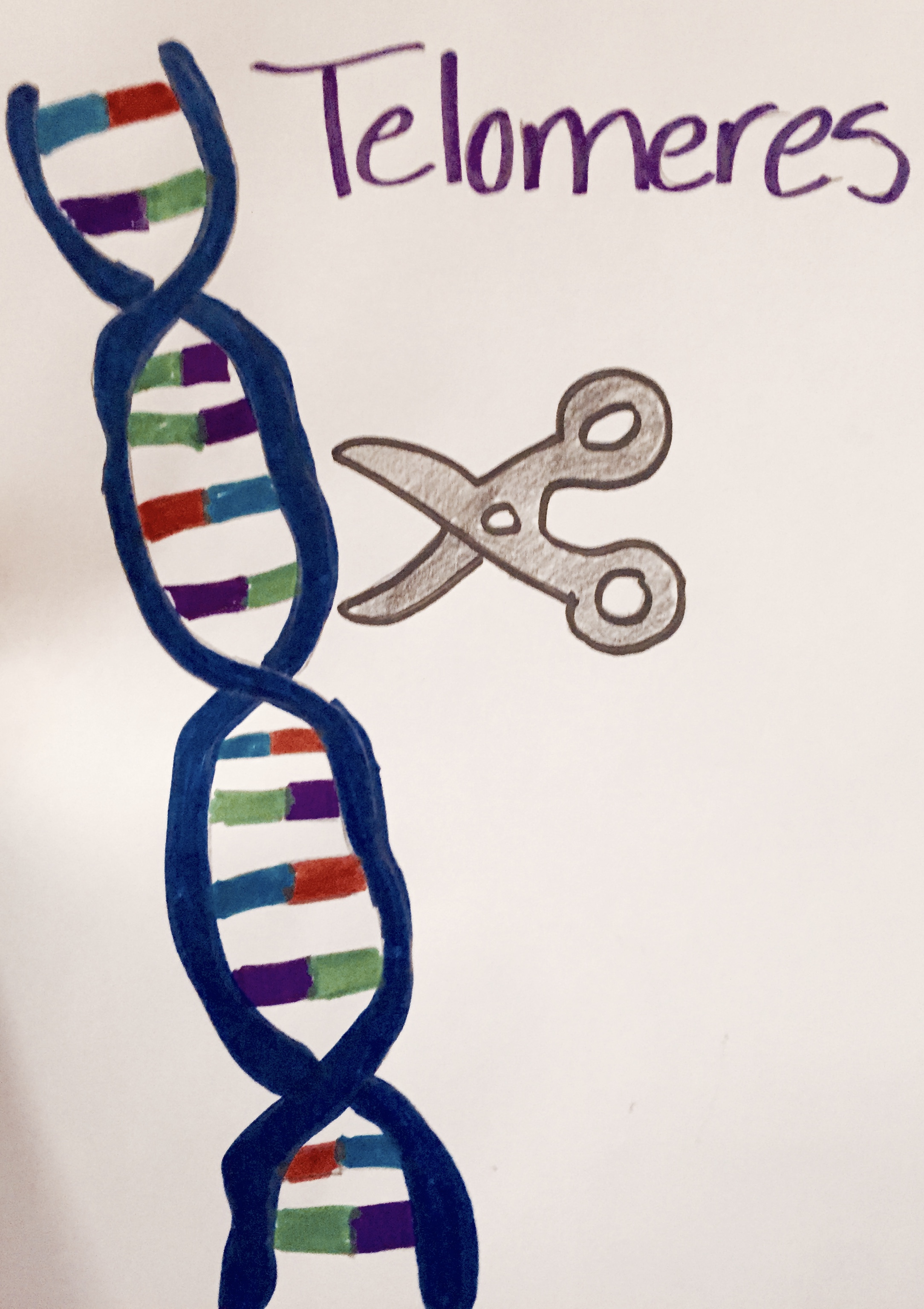
Many people are shocked when they find out that the concept of aging can be explained by genetics through telomeres. Telomeres are 8000-10000 nucleotide protective caps on the ends of strands of DNA. They protect the genome from degradation, repair and unnecessary recombination. In normal cellular processes, telomeres shorten with each cell division, but when the length reaches a critical limit, the cell stops dividing and most likely dies. Therefore, many scientists think that telomere length acts as an “internal clock” to determine the lifespan of a cell and organism.
Does this mean that if you prevent shortening of telomeres, cells won’t die?
In fact, research shows that this is what allows cancer cells to continuously divide and survive. Cancer cells contain human telomerase genes that code for an enzyme called telomerase. Telomerase regulates telomere length. This is a function that normal, non-cancerous cells lack.
Telomere research has been increasing in the past few years, along with research about cancer and aging. People are finding that the life span of cells can be increased experimentally by increasing telomere lengths, but are also connecting lifestyle choices with telomere lengths.
Scientists at the Stanford University School of Medicine have found a way to lengthen telomeres by as much as 1,000 nucleotides by using modified messenger RNA, that contains a coding sequence for the active component of telomerase. The scientists found that cells with lengthened telomeres were able to divide up to 40 times more than untreated cells. A professor of microbiology and immunology even said that this is a way to “[turn] back the internal clock in these cells by the equivalent of many years of human life.”
Outside of these methods to increase telomere length, research has also been done in how lifestyles with obesity, smoking, and stress affect telomere shortening. A researcher, Masood, has shown that obesity is associated with oxidative stress, due to the deregulated production of products by adipose tissue, that can further induce DNA damage and expedite telomere shortening. Another study in the medical journal Preventive Medicine, finds that people who have high levels of physical activity have significantly longer telomeres than those with sedentary lifestyles. Although the exact mechanism of this is unknown, it is predicted to also be tied with inflammation and oxidative stress over time.
Research in this area is ongoing, and it is believed that telomeres will provide significant breakthroughs in the areas of cancer treatments but also preventing aging.
References:
Shammas, Masood A. “Telomeres, Lifestyle, Cancer, and Aging.” Current Opinion in Clinical Nutrition and Metabolic Care 14.1 (2011): 28–34. PMC. Web. 26 Sept. 2017.
Jafri, Mohammad A. et al. “Roles of Telomeres and Telomerase in Cancer, and Advances in Telomerase-Targeted Therapies.” Genome Medicine 8 (2016): 69. PMC. Web. 26 Sept. 2017.
Brigham Young University. “High levels of exercise linked to nine years of less aging at the cellular level: New research shows a major advantage for those who are highly active.” ScienceDaily. ScienceDaily, 10 May 2017. <www.sciencedaily.com/releases/2017/05/170510115211.htm>.
Studies at the forefront of treating an array of neurological disorders are beginning to utilize an interesting choice of drugs as treatments: psychedelics. Researchers use a technique called microdosing with hallucinogenic drugs such as psilocybin, mescaline, and LSD to achieve desired responses for a variety of different disorders.
In people with depression, anxiety, or a combination of the two, experimental studies have been performed by administering psilocybin in a controlled setting, in effort to help the patient feel more connected to themselves and the world around them. Given that recreational users of psilocybin report having spiritual experiences and feeling connected to a higher power, it would stand to reason that, if the trip was a positive experience for medical users, there would be a greater level of connection to external stimuli and a decreased level of depression and anxiety– which was exactly what happened in a significant number of the trials.
“Your Brain on LSD.” (get it? it’s a pun)
In a different realm, LSD has been used as controversial “treatment” for people with schizophrenia who experience visual or auditory hallucinations. Almost counterintuitive, right? Think of it in comparison to how Adderall or Ritalin works to help people with ADHD. When a person experiences a lack of focus due to intermittent hyperactivity, they are prescribed a stimulant– yes, a stimulant– that raises the dopamine levels in the brain to a consistent level, thereby omitting the ups and downs that cause attention problems. This is similar to the effects of microdosing LSD to a person with schizophrenia: by elevating their dopamine levels to a consistent level so the brain doesn’t “panic” in a sense, and spontaneously leap into hallucinations when it receives a massive influx of dopamine in its synapses. While the credibility of the experiment is limited, it is believed that the leveling of neurotransmitter can help to silence the excess noise in the brain caused by hallucinations.
Perhaps the most controversial trials for using hallucinogenics is in people with autism. Behavioral psychologists have previously taken to viewing autism as a disorder of self: people on the autism spectrum have some degree of difficulty connecting emotions to personal or interpersonal relationships, thus making it harder to comprehend others’ experiences. Because of the properties of psilocybin, LSD and mescaline that allow a person to make connections they traditionally do not make. The drugs simulate the neurological condition called synesthesia (where the brain has “crossed wires,” causing people to, for example, see colored shapes with certain noises, or taste colors associated with different foods) and thus introduces the ability of the brain to make connections that it previously may not have been able to comprehend. Between the development of neural connections and the feeling of oneness with the world, researchers hope to pioneer trials using these hallucinogenics as part of therapy treatments for people with autism.
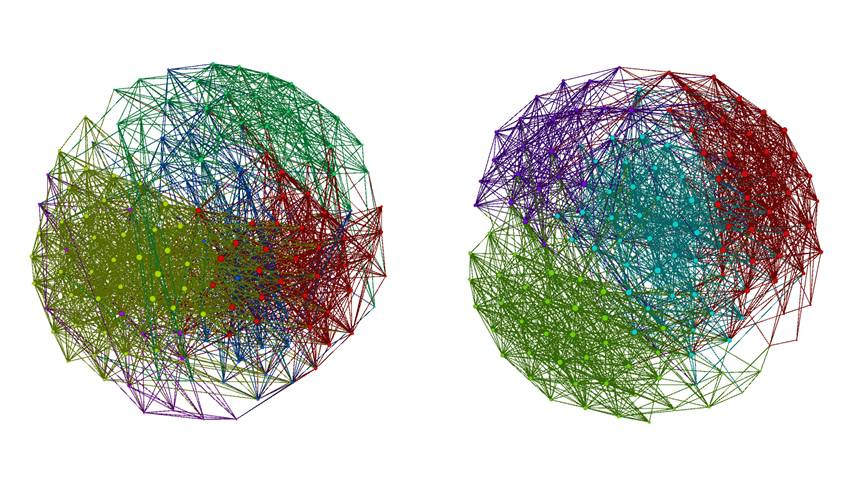
Brain network. Researchers use maps like these to illustrate connections within a healthy and “normal” human brain.
Obviously all the trials that have been done thus far have been limited in participants and resources, given that psychedelics and hallucinogenics are illegal in the United States and therefore very difficult to obtain clearance to run trials. However, the limited results seem promising. Several studies have had success in patients with depression, opiate addiction, alcoholism, and schizophrenia. Assuming that further testing can be performed in the foreseeable future, it is possible that we will have a new drug therapy option for some of the most challenging and prevalent neurological disorders.
References:
Ananthaswamy, Anil. The Man Who Wasn’t There. Penguin Random House, 2015.
Andrew, Danielle. “Psychedelics Could Be The Cutting-Edge Treatment We’ve Been Ignoring For Half A Century.” IFLScience, IFLScience, 13 Sept. 2017, www.iflscience.com/health-and-medicine/psychedelics-could-be-the-cuttingedge-treatment-weve-been-ignoring-for-half-a-century/.
Costandi, Moheb. “Psychedelic Drugs Return as Potential Treatments for Mental Illness | Moheb Costandi.” The Guardian, Guardian News and Media, 1 Sept. 2010, www.theguardian.com/science/blog/2010/sep/01/psychedelic-drugs-mental-illness.
Fisher, Gary. “Successful Outcome of a Single LSD Treatment in a Chronically Dysfunctional Man.” Successful Outcome of a Single LSD Treatment in a Chronically Dysfunctional Man, Bulletin of the Multidisciplinary Association for Psychedelic Studies, www.maps.org/news-letters/v09n2/09211fis.html.
Nye, Catrin. “Microdosing: The People Taking LSD with Their Breakfast.” BBC News, BBC, 10 Apr. 2017, www.bbc.com/news/health-39516345.
“Rapid and Sustained Symptom Reduction Following Psilocybin Treatment for Anxiety and Depression in Patients with Life-Threatening Cancer: a Randomized Controlled Trial.” Journal of Psychopharmacology, journals.sagepub.com/doi/full/10.1177/0269881116675512.
One month ago, my boyfriend and I went to Savannah for a visit. I’ve always heard there are a lot of nice little stores down pedestrian streets there. As a girl who has no resistance to delicate handicrafts, I couldn’t miss this great opportunity to buy something. Just when I was totally lost in those beautiful pictures and objects, my boyfriend dragged me to the corner of the shop with a mysterious smile. “Look!” He said while pointing to a sculpture. When I glanced at that direction, I couldn’t help exclaiming under my breath. It was a small sculpture of a child’s head. But “he” was so vivid that I almost believed that the two glass beads that made blue eyes on his face were real! Even my boyfriend refused to touch the sculpture because he was so terrified by its similarity to real person.
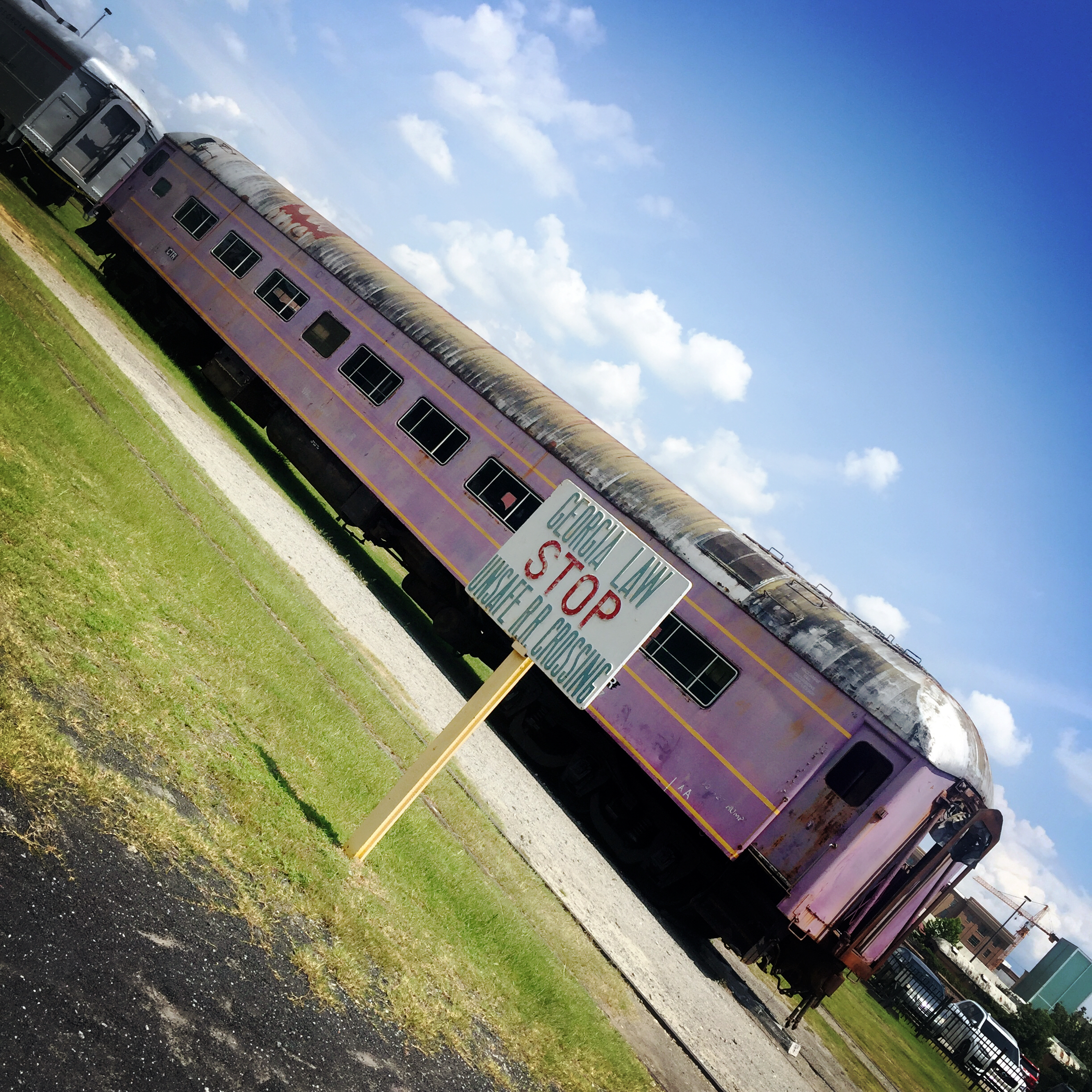
Savannah Railroad Museum
After learning about this hypothesis, I finally understand my fear of those creepy dolls, which are one of the most popular characters in scary movies. Also, this is why I don’t like mannequins and there are a lot of ghost stories about them, too. As a result,A lot of shops use mannequins that only have body or an abstract oval “head” without face features to make sure that customers will feel comfortable. It may explain why a lot of people have fear for clowns and why toy factories seldom design dolls that are totally the same as real people.
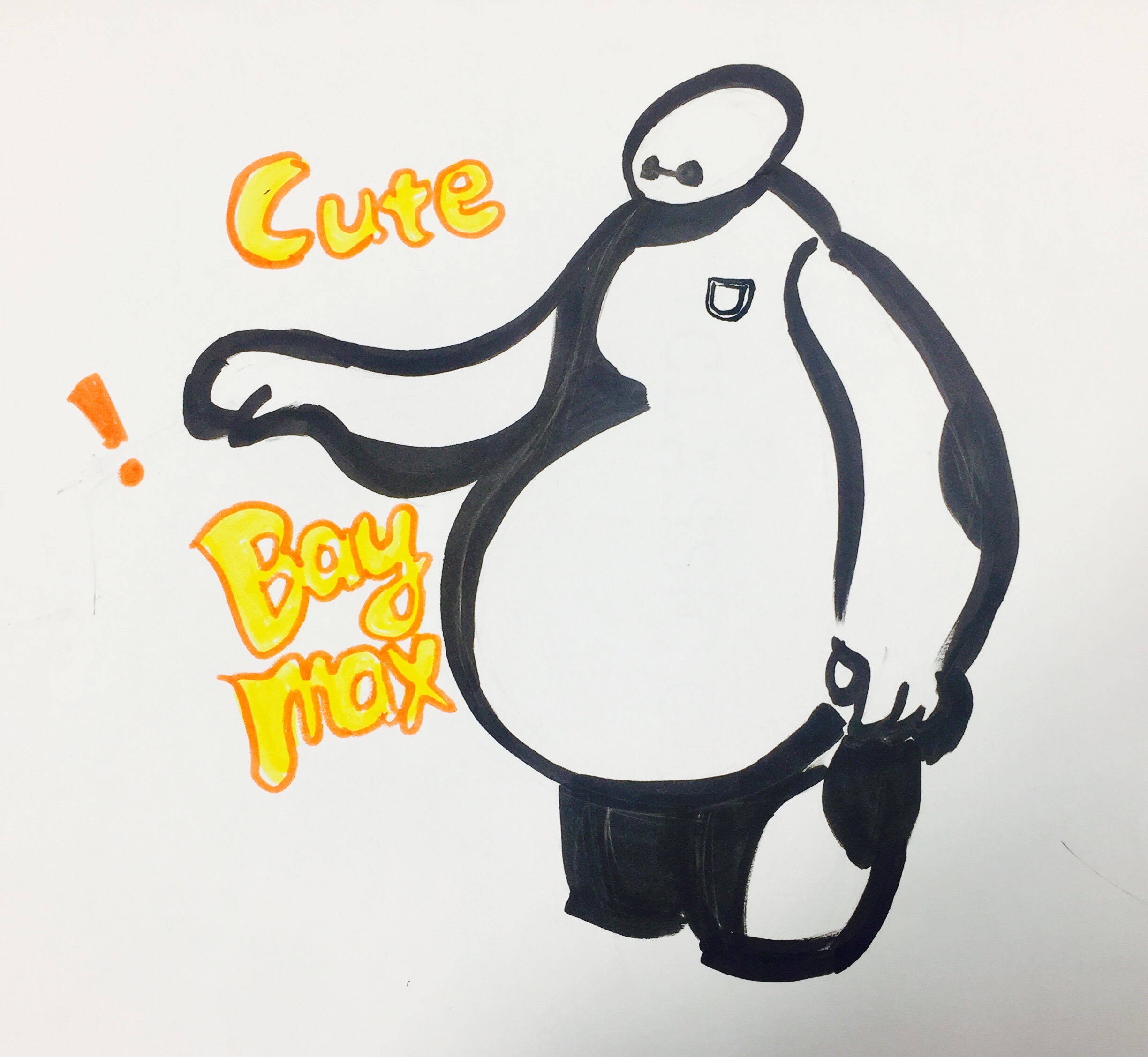
One classic example of avoiding uncanny valley is Disney cartoon movies. Disney has created many lovable cartoon characters like Pinocchio, Cinderella, and Snow White. Looking at these cartoon characters, we donot feel any revulsion, we actually have affinity for them. What’s more, most audiences were crazy about robot characters like Baymax, WALL-E and EVE. Their huge success also proves the importance of applying uncanny valley hypothesis. Because when the appearance of a robot is made more human, obervers’ emotional responses to the robot become increasingly positive and empathetic, until it reaches a point beyond which the response quickly becomes strong revulsion.
However, some people may still have questions. Why do we love those humanlike robots in TV series West World then? This is because the hypothesis also says as the robot’s appearance continues to become less distinguishable from a human being, the emotional response becomes positive once again and approaches human-to-human empathy levels. So the uncanny valley is actually a range between a “barely human” and “fully human” entity.
And according to research, reducing consistency in human realism increases the uncanny valley effect. What’s more, this effect was stronger when realism in the eyes, eyelashes, and mouth was low, just like the example in this picture.[2] people in second column have extreme big eyes, which elicit the strongest eerie and revulsion (or uncanniness) feelings in viewers among three columns.
There are a lot of hypotheses to explain the existence of uncanny valley. Some people believe that uncanny valley is the outcome of long-term evolution and is a typical emotional response of stranger avoidance theory. Avoiding unusual individuals is a way to protect ourselves. Humans sense and avoid those who look not normal because they seem unhealthy or might have a hereditary disease. As a result, when an object makes us feel it is neither human nor a typical robots we instinctively have feelings of aversion and fear.
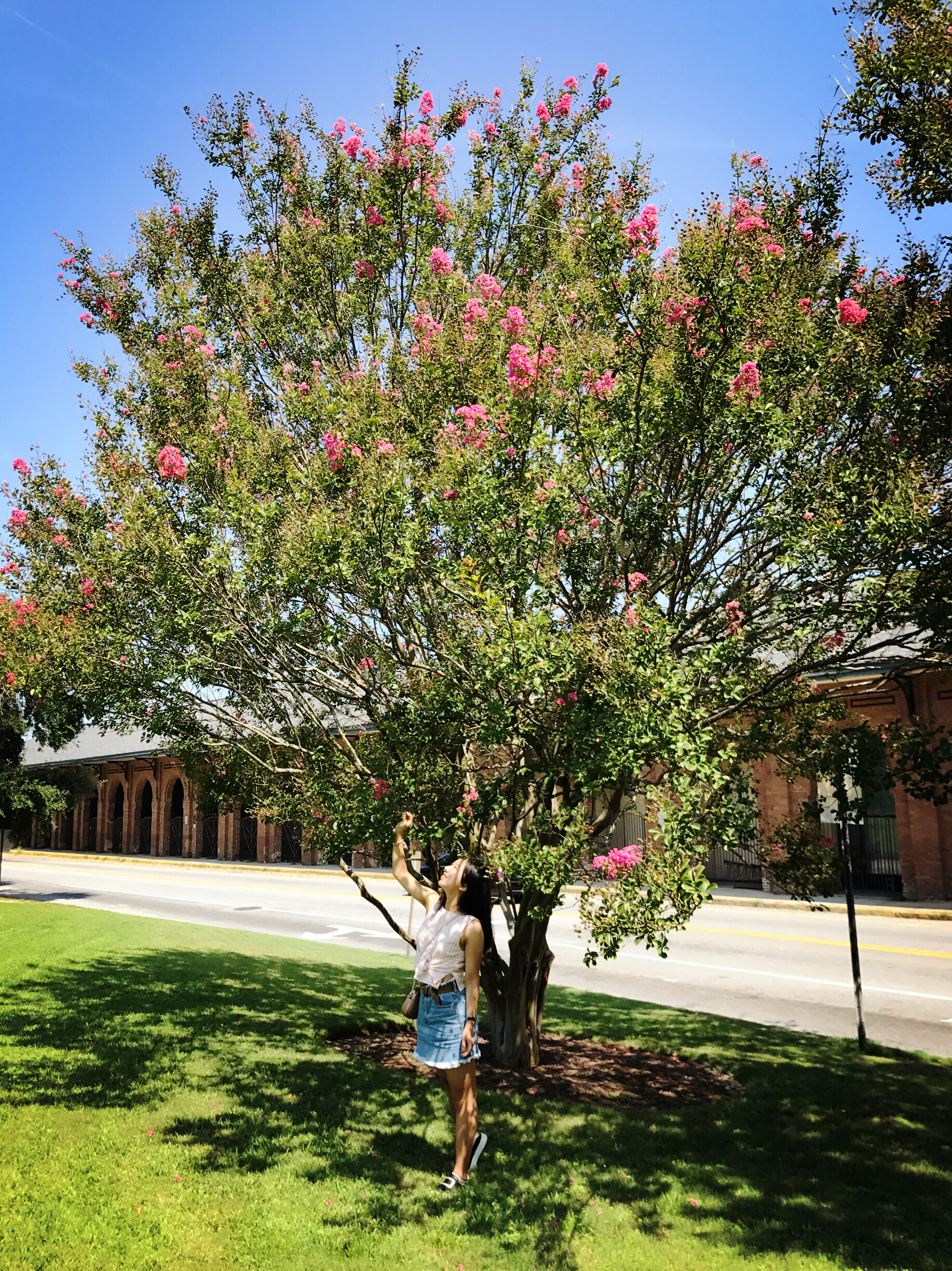
Park in Savannah
But based on the evidence of other researchers, it seems that realism inconsistency theory is the best way to explain uncanny valley. Because this theory explains cold, eerie feelings elicited by transitions between instances of two different, mutually exclusive categories, given that at least one category is anthropomorphic: Cold, eerie feelings are caused by prediction error from perceiving some features as features of the first category and other features as features of the second category. What’s more, in principle, it can explain not only negative evaluations of transitions between real and computer modeled humans but also between different vertebrate species.[3]
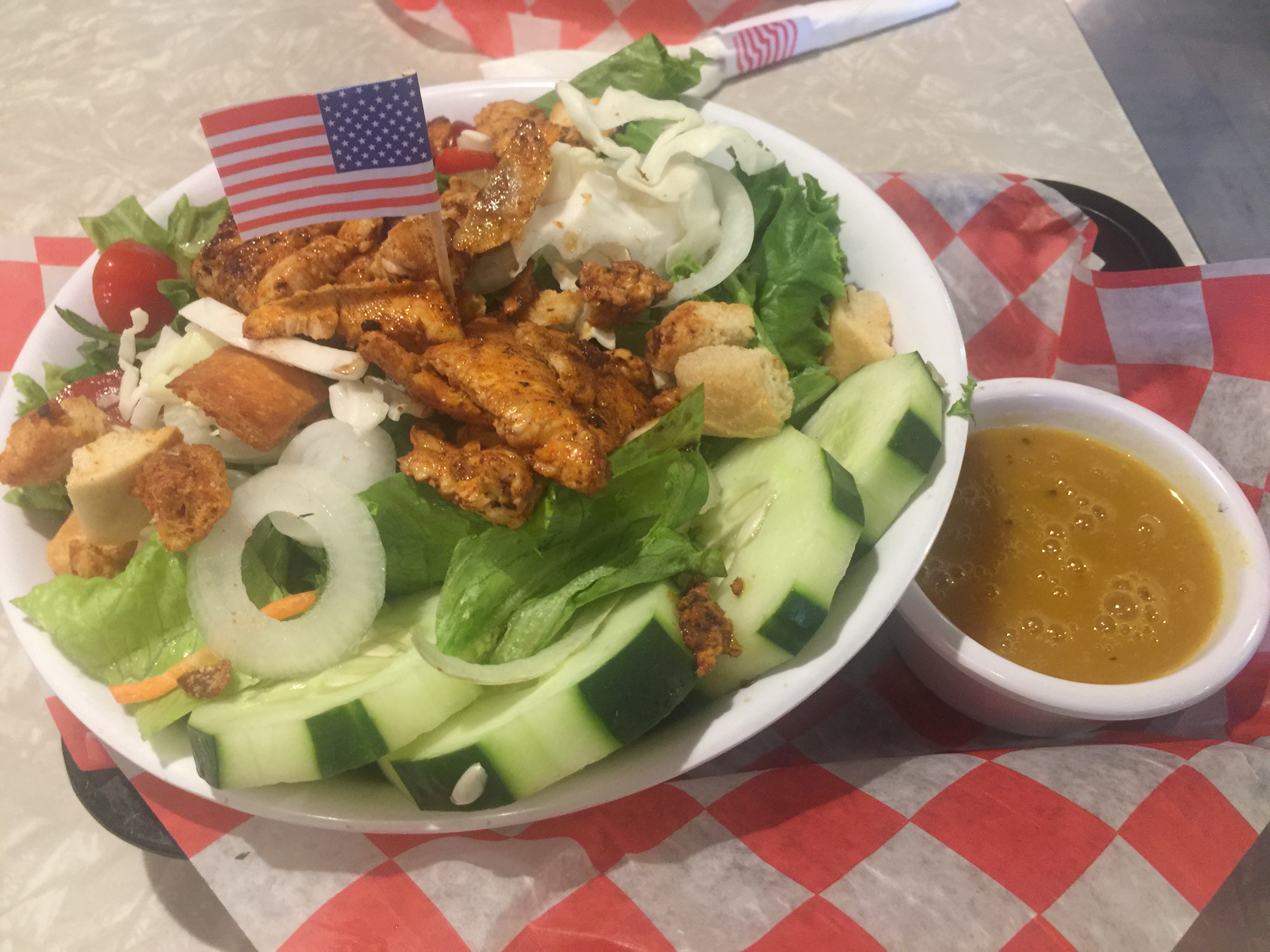
Savannah Local Food
No matter which theory is right, we now understand that our uncomfortable feelings for nonliving things that seem human are a result of the uncanny valley. So if you are frightened by scary creepy doll movies or clown masks in the future, just tell yourself, it is all because of uncanny valley, totally science, no big deal and you will be fine.
Savannah trip
Work Cited
Ho, Chin-Chang, and Karl F. MacDorman. “Measuring the Uncanny Valley Effect.” International Journal of Social Robotics 9.1 (2017): 129-139.
MacDorman, Karl F., and Debaleena Chattopadhyay. “Reducing consistency in human realism increases the uncanny valley effect; increasing category uncertainty does not.” Cognition 146 (2016): 190-205.
MacDorman, Karl F., and Debaleena Chattopadhyay. “Categorization-based stranger avoidance does not explain the uncanny valley effect.” Cognition 161 (2017): 132-135.
“A repo man’s job is always intense” movie Repo Man (1984)
Field biologists get themselves into situations that other normal people, including other scientists, just do not encounter, when you are up close and personal with Mother Nature, Gaia, Pachamama, or whatever you wish to call her from your cultural perspective. This is where I live. It is hard to tell my stories at parties, because (before I developed a filter) I would blurt them out, but typically everyone is too horrified by the details to see the funny part. Or, I would come across as a “one-upper” because, nearly always I have a story that is far more extreme, gross, or scary than the average person. I’m guessing they teach you, somewhere in medical school, that surgery or EMT anecdotes are not funny outside your inner circle. I’ve noticed that those people generally don’t tell their work stories at parties. Biology departments—those with field programs, anyway—don’t seem to have that ethos. They are a constant one-up contest for whomever returns from a field trip with the most vile, uncomfortable, or dangerous story. My colleagues love these stories and think they are funny, especially if someone gets really sick, hurt, terrified, humiliated, or just plain grossed-out. In fact, everyone is disappointed if a field crew returns with no outlandish stories. Grizzly bear wakes up early from sedation? The bot fly was where?! How many ticks can fit on a human body? Roadkill—need I say more? So, I decided a few years ago to just stop telling most of my stories. Returning from a fun party one night, my wife said “Where is the bottom of your well of stories?” I was mortified, and asked if I had commandeered the party conversations with my own stories? My wife said “No, not at all, I just can’t figure out how I’ve been with you for 20 years and you continually pull from a seemingly endless list of insanely scary or gross stories from your fieldwork!” Ok. I have too many stories, so here are some of them. Previous entries in the Ballad of Gringo Perdido series here in Charged have centered on human-related and otherwise social or cultural malfunctions that one experiences in the field. Here I will focus on the interface of the biologist and the natural world and, more specifically, where the rubber hits the road……or flesh. It often ain’t pretty.
One of my unofficial duties as a biologist has been to scour any nation’s highways and backroads for road-killed animals that are of biological value, and so deserve a permanent resting place among the preserved research collections in a natural history museum. These specimens can be of significant value to researchers, as they can complement our knowledge of a species’ geographic distribution, habitat use, and seasonality. If they are not too mangled, they also can be dissected to examine stomach contents, reproductive condition or basic anatomy. In any case, the roadside tragedies are valuable and otherwise completely wasted if left to rot. I mean, it’s not like the vultures need more to eat out there, is it? We’ll get back to vultures in a bit.
So, somebody has to scrape up all of these mashed nuggets of knowledge—to salvage them for eternal knowledge in the museums of life—and I elected myself to be one of those people. This does not endear one to others. My family still shudders when I arrive to Thanksgiving with whatever goodies I collected en-route to the holiday. My long-suffering mother once defrosted a large Red-diamond Rattlesnake (Crotalus ruber) that I had placed in the freezer next to the rump roast she intended for dinner. My college roommates nearly cut me from our lease when I decided to put a Spotted Skunk (Spilogale gracile) in our apartment freezer, rather than take it directly to the museum late one night. A California Highway Patrol officer once took exception to my duties and when I politely offered to show him my state wildlife salvage permit, that allowed me to possess the dead Badger (Taxidea taxus) in my hand. He informed me that “Permits are not the point here, son. Disgusting is the point, and the problem.” I eventually did get to keep my badger. On the way to a summer barbecue party once in grad school, I saw the car in front of me run over the head—just the head—of a large Common Snapping Turtle (Chelydra serpentina). Of course, I had to collect it, but afterwards realized that my institutional museum at that time was brimming with preserved snapping turtles from the local area and really did not need yet another. So, I brought the poor turtle to the barbecue as my contribution to the meal. Not everyone saw the obvious logic and thriftiness in this decision. It tasted great, marinated in olive oil and garlic and grilled as kabobs with onions and peppers. No wonder so many turtle species are endangered.
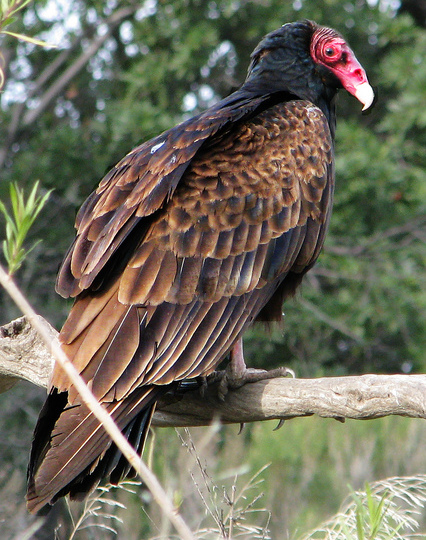
Carthartes aura
In southeastern Arizona, I was on one of those impossibly long, straight and lonesome desert highways Far ahead, I saw a Turkey Vulture (Cathartes aura) alight on the right shoulder of the road. I slowed to see what scientific morsel it had found. It was a freshly hit Gila Monster (Heloderma suspectum)—a gorgeously colored, somewhat uncommon species of venomous lizard. This had to go to a museum, for sure. I pulled over and was walking back to collect my prize and expecting the vulture to fly off. It did not fly off, eyeing my approach and pecking at its find. Now I was in facing a hungry vulture who now had a foot solidly on my lizard, crouching, flaring its wings, and hissing at me. My “shoo” motions and noises were to no avail. This was a stand-off, and I was determined to claim victory. So, I did the unthinkable. Using my sandaled foot I kicked a bird, and I liked it. I got my dead Gila Monster. Don’t worry, all is fair in the world as another vulture, on another day, got the best of me.
Sometimes even Gringo Perdido has his limits of acceptability. I found a road-killed porcupine once, and pulled over to retrieve my prize. The animal looked to be in fairly decent condition. The skull was not crushed; that is a plus in my profession. But it did smell absolutely awful. In the beam of my flashlight, I could not determine neither why, nor how, the dead porcupine could be rotating his signature quills in little wiggly circles. I poked the carcass with a stick. The quills wiggled more vigorously. I tried to roll the carcass over with my stick, purely for scientific inquiry. The carcass apparently was adhered to the asphalt, but the skin and quill matrix flipped over to reveal a football-sized porcupine-shaped ovoid of wriggling maggots. There was no porcupine here to be salvaged for science, just a porcupine-shaped ghost of maggots. Altogether just plain unpleasant. That one stayed on the side of the road.
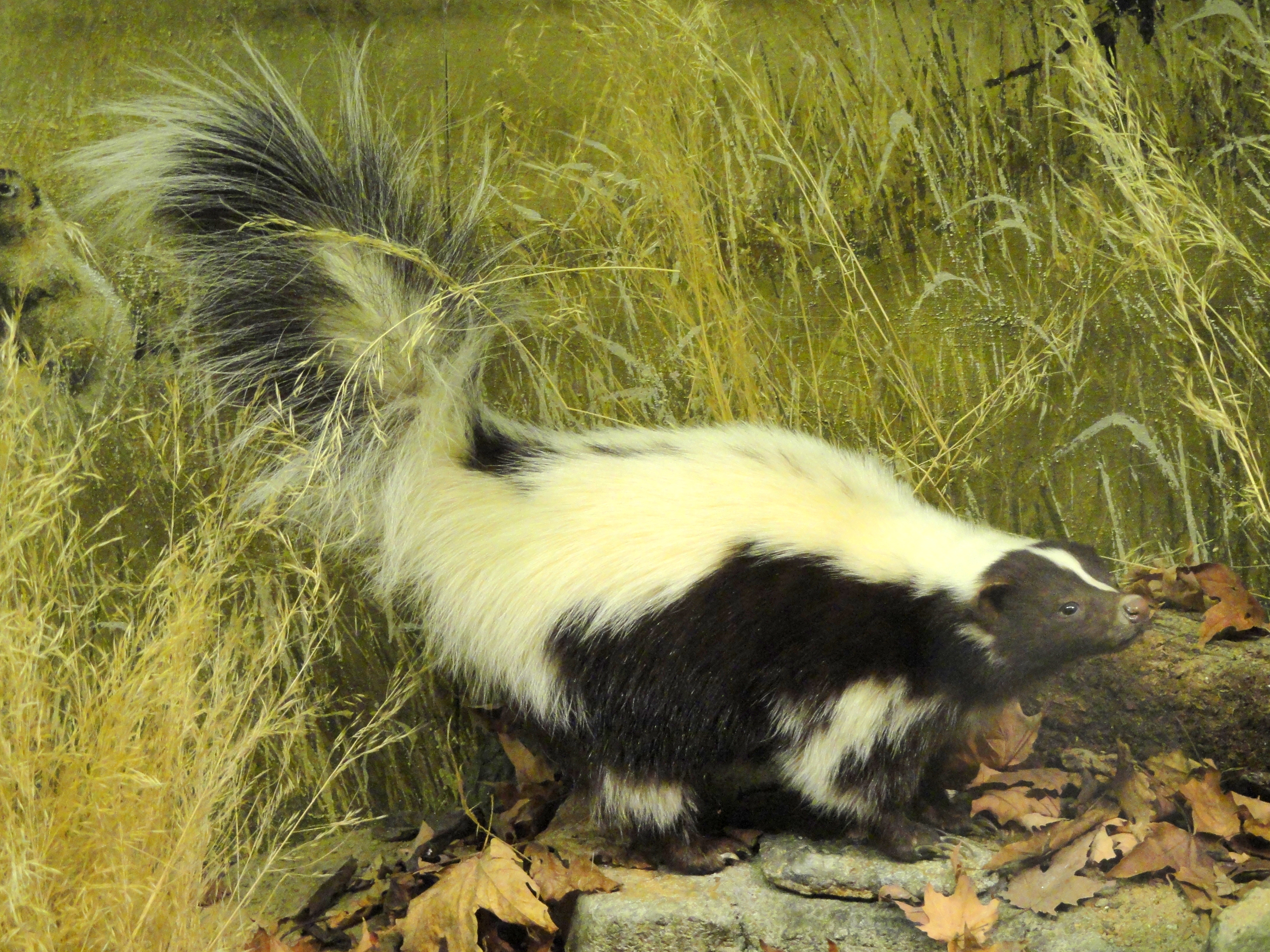
Mephitis mephitis
A lot of animals are most active at night, so my collecting activities often are nocturnal. Cumulative years of my life have been spent as late nights driving down lonely backroads, scraping up the dead stuff, and then later nights logging the specimens into my field journal and transferring them into freezers or preserving them in formaldehyde. I once spent a summer as an intern at the Southwestern Research Station, near Portal, Arizona. I was out every night conducting a transect study of snake populations, and salvaging hundreds of specimens from US Highway 80. It is staggering how many animals get killed by vehicles every day. About 2am one morning, back at the station, I was preserving a pile of mangled snakes at a table I had set up in an outdoor breezeway by the lab. While carefully filling the body cavity of each snake with preservative and positioning them in my specimen trays, I felt something warm and delightful on my leg. I was wearing my usual uniform: shirtless, cut-off shorts and field boots. I looked down and realized that a very large Striped Skunk (Mephitis mephitis) was rubbing its head and neck against my calf. I recognized that skunk. He lived on the grounds of the station, regularly seen raiding food scraps from the compost station. He was a massive beast of a skunk. The staff had named him “Elvis.” It was nuzzling me like a large, friendly, aposematic cat. It was soft, gentle, beautiful, and terrifying. I recall that it was purring, but I don’t know if I just imagined that part. In any case, I really did not want to be bitten. I did not want rabies and I also I really did not want to get sprayed. An eternal few seconds passed, and it walked away bored with me or realizing that the dead snakes on my workbench were unavailable.
On a diurnal drive through the Chihuahuan Desert of northern Mexico one day, I rounded a corner on a dirt road a bit too quickly,and found a road-killed Mule Deer (Odocoileus hemionus) in the middle of the dirt road. I hit the brakes and veered, to avoid wrapping the carcass around my front axle. The local Black Vultures (Coragyps atratus) had found it before me. I was fine with this, as I did not have the capacity to salvage and preserve an adult deer. Despite my disinterest in the deer, I nevertheless encountered a volatile problem. Vultures are not agile pilots. They cannot dart under the wheels of a moving car to grab a morsel, as a pigeon in any city can do. They do not launch quickly. They do nothing quickly, actually. Even when suddenly spooked, vultures need a long, straight getaway flight path to get their hefty bodies aloft. They also have an enormous crop and stomach, so they can capitalize maximally on any carcass they find, to be digested later on a quiet cliff or tree somewhere. Jet pilots, in dire situations, will jettison fuel or bombs to lighten their load as they handle an emergency situation. Vultures do the same. They jettison the contents of their crop, in order to lighten their load for an emergency lift-off. Rounding that remote corner in Mexico that day, I created an emergency for about six vultures. Following common-sense avionics safety protocols, they jettisoned their excess baggage. About 10 pounds of decomposed deer flesh was barfed upon the hood and windshield of my truck as vultures frantically and clumsily tried to avoid a collision. The windshield wiper and fluid only made the viscous red slurry even more opaque. I drove for many, many miles to the nearest source of water, all the while with my head hanging out the driver’s door window so I could see to drive. I retched. I retched a lot, and I did not like it.
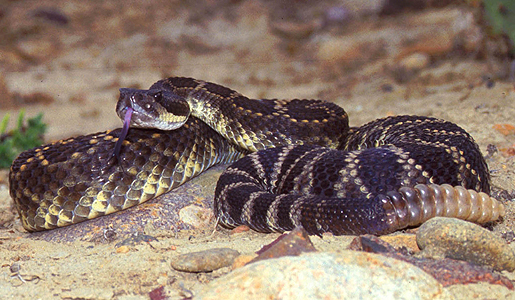
Crotalus helleri
Backroad adventures sometimes are beyond just disgusting, or socially awkward, to include the terrifying. Road-killed snakes are, as I discovered, not always definitively dead. My usual protocol with a dead specimen is to put in a plastic bag with a field number, log it in my journal, and toss it into a cooler full of ice. But, sometimes I drive upon an unexpected treasure. For example, once when I was driving to a cousin’s wedding in California, I happened upon an unlucky Southern Pacific Rattlesnake (Crotalus helleri), dead on the highway. Lacking my usual cooler, ice, etc., and well over-dressed for the role of dead-animal-highway-cleanup, I simply tossed the snake into the jump seat of my Toyota truck, jotted down the coordinates on a scrap of paper, and proceeded to the wedding. Many hours later, driving back and thinking about nothing other than the fun I had with my family, I felt something moving across my ankles. Looking down, I saw a perfectly alive 3-foot long rattlesnake draped across my ankles. A calm head prevailed, and a fortuitously nearby rest stop got me off the 101 Freeway. I waited until the snake crawled off of my feet, I got out, and managed to get it into a KFC bucket from the rest-stop trash, using with a piece of cardboard “for safety.” Unfortunately, the snake did die of its injuries, and remains for perpetuity in a natural history museum collection. As for me, disaster averted, and a lesson learned. I never travel without a cooler anymore.
Dead animals are stinky, messy, and such, but not dangerous or scary per se. Of course, as a field biologist, I know the potential dangers of my chosen field of work. But, the search for dead animals sometimes involves the living, as the wedding rattlesnake taught me. It was actually on the same day as the barfing-vulture episode that I found myself on that same lonely road, in the middle of the night looking for snakes and toads. I, was in my usual shirtless, shorts, boots uniform driving slowly along looking for my prizes. A local bat was my sentinel, having adopted the beam of my headlights as an attractant to moths and such. It was a rather beautiful scene, if artificial, and I was enamored of the bat’s agility while I scanned the road for death. Then, the bat made a mistake. It flew above my high-beams and backwards straight into my windshield. Fortunately, I was driving very slowly so the bat was not evidently hurt. It grabbed onto my windshield wiper with the little claws on its wings and screeched furiously at me through the windshield. Not sure what to do, I decided to bump the windshield wipers to encourage it to just fly away. It worked! And it flew around the corner and directly into the cab of my truck (windows down, hot desert night, no air conditioning) and latched onto my belly with those same little claws. Now completely terrified and infuriated, the bat began a slow crawl up onto my bare chest, still screeching. In my experience, no mammal is scary unless it is within biting range of my body. Like the friendly skunk in Arizona, this bat was within dental range. Pain. Terror. Rabies. I had ideas, but squishing a bat like a gigantic mosquito on my chest just did not seem acceptable. So, I awkwardly tried to position my bat-afflicted chest out of the driver-side window and flick the creature off of me. This would have been easier, perhaps, if I had stopped driving. But I did not, for some reason. I finally managed to wipe the screaming beastie off of me and watched if fly away into the night. I think the bat and I both lost in that particular encounter. But I can tell you of another, where the beastie most definitely won.
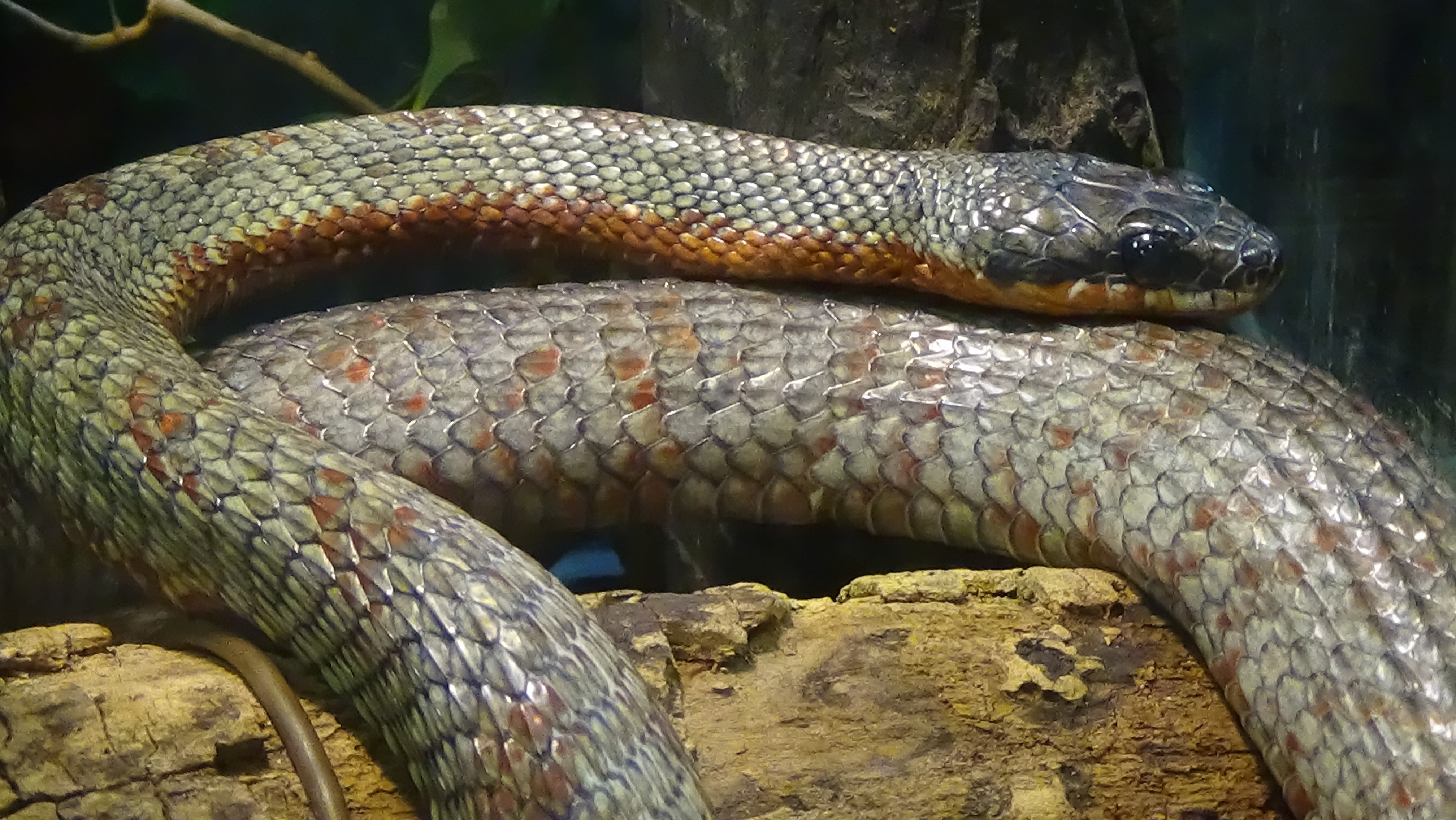
Pseustes poecilonotus
There is a large, nasty, unattractive, but non-venomous snake called Pseustes poecilonotus that ranges from Mexico southward, deep into South America. They are rather common in places like Costa Rica, but strangely uncommon in Mexico. I was with a team, driving one day in the State of Oaxaca, Mexico. Our crew had, collectively, spent a lot of time in that area. Of course, as professional biologists, we always have our eyes peeled for animals, dead or alive, on the roadway even if, on this dull afternoon, we were just travelling to a new field site. I think everyone except the driver and myself, in the front passenger seat, was asleep. Then, there is it was. Four feet of drab green-brown serpent right in the middle of the road. “Holy shit……Pseustes!” yelled the driver and, following a century of herpetological tradition, the shotgun seat is the launch pad for the procurement of any and all road-prizes. Brakes slammed, back-seat sleepers mashed forward, and I leapt into action. These are fast snakes and it saw me coming. It shot off the road into some tall roadside grass. I chased it through the grass, staring straight down and catching just one brief glimpse of the snake. Then, it was all over. I remember a tumbling sensation, disorientation, and finally opening my eyes to see my boots pointed straight toward the blue sky. And, I hurt all over. I seemed to be in tree. Upside down, suspended in a tree. As I tried to get oriented and determine what had just happened to me, I saw my colleague’s face appear over the edge of the cliff above the tree in which I was suspended. He said, simply “Dude! Where did you go?! It looked like you just ran right off this f…g cliff!” That helped me realize that this is exactly what had happened. Staring straight downward into the tall roadside grass for this snake, I had run myself right off of the cliff that was the roadcut for the highway switchback below. Fortunately, a tree caught me. And then he said it: “Dude?! Did you get the snake?” No. I did not get the snake. Everything from my skeleton to my ego was badly bruised, and I was reminded of my foible for an entire field season by my colleagues.
Finally, let’s bring it back home, so to speak. I love dogs, more than I love almost anything or anyone. I miss my dogs immensely when I leave on long trips afield. We all know that dogs get killed by cars as well, and it is just devastating for me to see their bodies as I scan for my other treasures. On the Pan-American Highway, in Panama, my colleagues and I stopped at a roadside joint for lunch. We were simply driving to Panama City in order to catch our return flight the next day, so “work” was essentially over at this point of the trip. Walking toward the restaurant, I heard a screech of tires, and a horrible yelping sound. I turned and saw Mama Dog herding three puppies off of the highway, leaving behind a fourth that was now squealing and convulsing in the southbound lane. “No lunch, folks, we have to get this pup to a vet in the city!” I screamed. I dodged traffic, scooped up the little guy and we headed off, at top speed, toward the city. En route, I cradled the broken puppy and he and I shared many things. I had heard that ectoparasites will abandon a sinking ship, and it was true as I watched many dozens of ticks and fleas leave the puppy and move onto my body-ship. And, I did what everyone knows not to do with strangers—I came in contact with body fluids. Out of every orifice of the poor puppy came fluids of all constitutions and colors. The posteriormost semi-fluids also bore hundreds of squiggling parasitic worms. In honor of this adorable, suffering puppy I somehow managed to keep it together, keep cradling the poor guy to deliver him to a proper veterinarian. We were leaving the country, so I simply left the puppy at the vet with a stack of funds hopefully sufficient to get him through recovery. I have no idea what became of my little beige friend, but I did learn a lot about zoonotic diseases, Leptospirosis, in particular. You contract it through contact with body fluids from an infected animal, it is very common in Panama, and it is fiendishly difficult to medically diagnose because it flares up and recedes in random bouts. So, I had random flare-up and recessions of undiagnosed Leptospirosis for two full years. In literal terms, this means mattress-soaking night sweats almost every night, chronic diarrhea, and then the actual flare-ups that are two- or three-day bouts of malaria-like shaking tremors and chills, with abundant hallucinations.