Category: today i learned (til)

  • 1984 in 2020

    BN-QU301_1114CC_P_20161114105826
    Signs Promoting Sincerity on a road China 5

    The Chinese government has recently decided that the Chinese people are in need of some form of formalized credit system for the purpose of evaluating individual trustworthiness. This in and of itself is not terribly noteworthy. Many countries already have such a system. The united states has a credit system which keeps track of how reliably individuals pay their bills and loan repayments. The Chinese government intends to take this system a little bit further.

    A large percent of the Chinese population has never taken out a loan or used a credit card making a traditional system of credit very difficult to implement. The solution? China has decided that instead of using a traditional fiscal based system of credit it will create “social credit.” The idea is to use large scale data collection methods to analyze a person’s trustworthiness based off of many different aspects of their life. The specifics of the government’s intention at this point are somewhat unclear. How exactly they plan to collect and analyse the data and what factors they intend to consider has not been explicitly stated. What is clear is that the government intends to take a wide range of information from its citizens to “encourage sincerity and punish insincerity.”1

    While the government is working on their social credit system, which will be implemented and become mandatory in 2020, it has permitted several companies to develop private versions of a similar system.2 These systems are currently optional and the most popular one is called Sesame credit. This system assigns each user a credit score based off of several factors then rewards users that have higher social credit scores. Employers are using credit scores to assess people for jobs, hotels are renting out rooms to people with higher scores without the need for a deposit, airports are providing expedited check in to people with high credit, people with high scores have access to Visas without certain paperwork, and certain dating sites are even encouraging users to post their score to evaluate the trustworthiness of potential partners.2,3,4

    Though it is not certain the exact algorithm the company uses to calculate an individual’s credit score there are five things that are known to impact it. Firstly, the system keeps track of your fiscal credit history, whether you pay your bills and settle your debts.3 It also tracks the extent to which you fulfill your contractual obligations.3 Then it determines the accuracy of your personal online information.3 So far most of these are fairly innocuous but it is the last two that really start to get potentially insidious. The credit system takes into account not just how much you buy online and weather you settle your online debts but it tracks what you and factors that into your credit score.3 People who buy lots of video games are considered idle and probably less responsible while people that buy diapers are characterized as parents and assumed to be more responsible.2 Finally the system keeps track of your friends and monitors your interactions with them.3

    Another system, separate from the Sesame credit system, in a neighborhood in Shanghai is already gathering information into a database about citizens behaviors from reports written by “residential committees” which monitor the behavior and a local office provides a weekly “red list of exemplary residents.”5 Meaning that your score is based off of how “good a citizen you are.

    As long as this system remains optional and mostly in the hands of private companies the it remains mostly harmless, however, in 2020 when the program becomes mandatory the implications will be quite serious. If left unchecked the Chinese government will in a very real sense have the power to influence their population in a terrifying way. The level the surveillance that the government is capable of now is beyond precedent. What you buy, what you post online, who you associate with, how much you agree with the party line, all these things can be taken into account when determining a citizen’s social credit, and a citizen’s social credit can have real impact on their lives. If having a low score means it’s harder to rent hotels or get a visa or a loan or to even get a date then one is going to work hard to make sure that their score is as high as possible. It also means that if associating with people who have low scores might harm your social standing or make it harder for you to have nice things then you might stop associating with those people.

    The social credit score has the potential to be a terrifyingly sinister and subtle means of controlling a population. While it is yet unclear what exactly the Chinese government will include in their social credit score system the potential for abuse is very high. If the means and criteria already being used by the private social credit score providers are any indication then this new program will be something to be feared, and it is certainly not beyond the scope of possibility that the government will chose to implement such criteria if not to go even further. Hopefully this Orwellian nightmare will never come to fruition, however, it seems likely that it may.

    References:

    [1] “Planning Outline for the Construction of a Social Credit System (2014-2020),” China Copyright and Media, 2015. [Online]. Available: https://chinacopyrightandmedia.wordpress.com/2014/06/14/planning-outline-for-the-construction-of-a-social-credit-system-2014-2020/. [Accessed: 07-Mar-2017].

    [2] C. Hatton, “China ‘social credit’: Beijing sets up huge system,” BBC News, Beijing, 2015. [Online]. Available: http://www.bbc.com/news/world-asia-china-34592186. [Accessed: 09-Mar-2017].

    [3] B. Christie and T. Li, “Ant Financial Unveils China’s First Credit-Scoring System Using Online Data – ProQuest,” Business Wire, 2015. [Online]. Available: http://search.proquest.com.prx.library.gatech.edu/docview/1648436715?rfr_id=info%3Axri%2Fsid%3Aprimo. [Accessed: 09-Mar-2017].

    [4] C. Hua, “Mainland credit-rating network takes shape,” China Daily, 2015. [Online]. Available: http://www.chinadailyasia.com/business/2015-06/09/content_15274221.html. [Accessed: 07-Mar-2017].

    [5] “China’s ‘Social Credit’ System: Turning Big Data Into Mass Surveillance,” The Wall Street Journal, 2016. [Online]. Available: http://blogs.wsj.com/chinarealtime/2016/12/21/chinas-social-credit-system-turning-big-data-into-mass-surveillance/. [Accessed: 09-Mar-2017].
  • How Corals Changed My Life

    I’m a fifth year undergraduate at the Georgia Institute of Technology studying industrial and systems engineering, and I plan to attend graduate school this Fall–but not for anything related to industrial and systems engineering. I plan to pursue a PhD in geoscience, with a focus on paleoclimate. How did I end up here? What even is paleoclimate? I spent five years diligently studying stochastic systems, designing simulations, and developing optimization models. I even spent an entire year training to be an industrial engineer at a manufacturing plant. What made me decide to dedicate the next five years of my life to paleoclimate? Why does paleoclimate even matter? It all began when I was introduced to the endless wonders and wealth of information that corals can provide.

    I started studying corals when I took a class by Dr. Kim Cobb, a professor in the school of Earth and Atmospheric Sciences at Georgia Tech. She was teaching a course on sustainability that I happened to be enrolled in to fulfill some breadth requirement for my degree. Although I enrolled in the course thinking it would be an easy-A class, I quickly became more and more enthralled by Dr. Cobb’s inspiring lectures on climate science, one of the most discussed topics concerning the sustainability of our beloved planet. Her passion for the subject was evident and it reminded me of how much I love and care for the Earth. It’s something that has always been a great interest of mine but has gotten lost in the midst of my time-consuming engineering studies. One day after class she announced that she was seeking an undergraduate research assistant for her climate lab. Having never been involved in research at an R1 research university (the highest research activity classification) and also wanting to experience ways to further pursue my long-lost passion for the Earth, I decided to join Dr. Cobb’s paleoclimate lab.

    Paleoclimatology is the study of past climate. Why do we need to study past climate? If it is so important, how do we study past climate from times before we had thermometers? Instrumental climate data only extends to the mid 1800s (1), at best, and a century of climate data on a planet that has existed for over 4.5 billion years (2) is simply insufficient when trying to understand long term climate trends. This is particularly critical when trying to distinguish natural climate change from anthropogenic climate change. How do we know what the temperature was on Earth thousands or even millions of years ago? Luckily for us, the Earth is home to an archive of past environmental information. We can use geochemical proxies, which allow us to reconstruct past environmental conditions to understand atmospheric dynamics, oceanic circulation, hydrological properties, and so much more. The potential from these proxies is endless. These proxies, which are found in geological archives such as corals, tree rings, ice cores, and sediments, are covering the Earth. A wealth of knowledge is sitting at our fingertips, waiting to tell the stories of the conditions in which they have survived. My research in the Cobb lab involves geochemical proxies in corals, or more specifically, oxygen isotopes in the corals.

    Because corals are so sensitive to changes in the condition of the waters they live in, their carbonate skeletons can be chemically analyzed along their growth axes to understand how the conditions of water have changed over time. These conditions include sea surface temperature (SST), salinity, and pH, which in turn tell us temperature in the area the corals are from, rainfall patterns, and intensity of ocean acidification (3). For instance, the coral oxygen isotopes are particularly sensitive to SST, with some influence from salinity. Thus, when we measure the coral oxygen isotopes of the coral from the surface all the way to the base of the coral, we can reconstruct the temperatures in which the coral grew. This is because warmer conditions cause coral oxygen isotope abundances to become depleted, whereas cooler conditions produce an enrichment of these isotopes in the coral skeleton. The reliability of this proxy has been vastly and rapidly improving through replication and, when available, comparison with instrumental SST records.

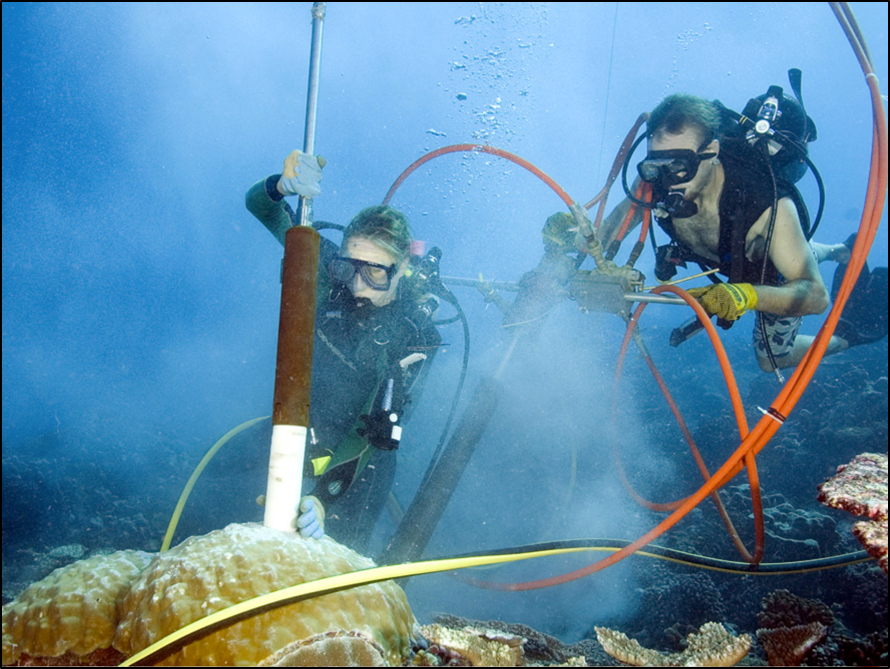
    Dr. Cobb extracting a coral core from our research site at Kiritimati Island in the central Tropical Pacific
    Dr. Cobb extracting a coral core from our research site at Kiritimati Island in the central Tropical Pacific

    My undergraduate research project involves the paleoclimate reconstruction of corals in the central tropical Pacific during the massive El Niño event of 2015, which is the largest event on record as shown by some instrumental records. El Niño events are natural climate phenomena that occur every 2-7 years and bring climate extremes to various regions of the world, including heavy rainfall and severe droughts. For instance, if you are a resident of Georgia, you have noticed that this past winter has been unseasonably warm and dry. This is because we are currently experiencing a very strong La Niña event, which often brings climate extremes opposite those of an El Niño event (these strong La Niña events often occur for one or two years following a very strong El Niño event). In my research on this 2015 El Niño event, I have reconstructed SST by analyzing the coral oxygen isotopes in several cores from Kiritimati Island in the central tropical Pacific, in the heart of the El Niño region. I have several research goals in my project, but some of the major ones include: understanding the magnitude of the event by analyzing coral oxygen isotopes in an ensemble of corals from the central tropical Pacific, comparing that magnitude to instrumental records to understand how the signals differ, and comparing the magnitude to past coral oxygen isotopic records to understand the variability of El Niño events over time. Some findings suggest that these events are intensifying over time and becoming more variable, so this is an active area of research. Understanding these events in both the natural and anthropogenically-forced sense is critical when trying to understand human impact on the environment and trying to predict the occurrences of these events.

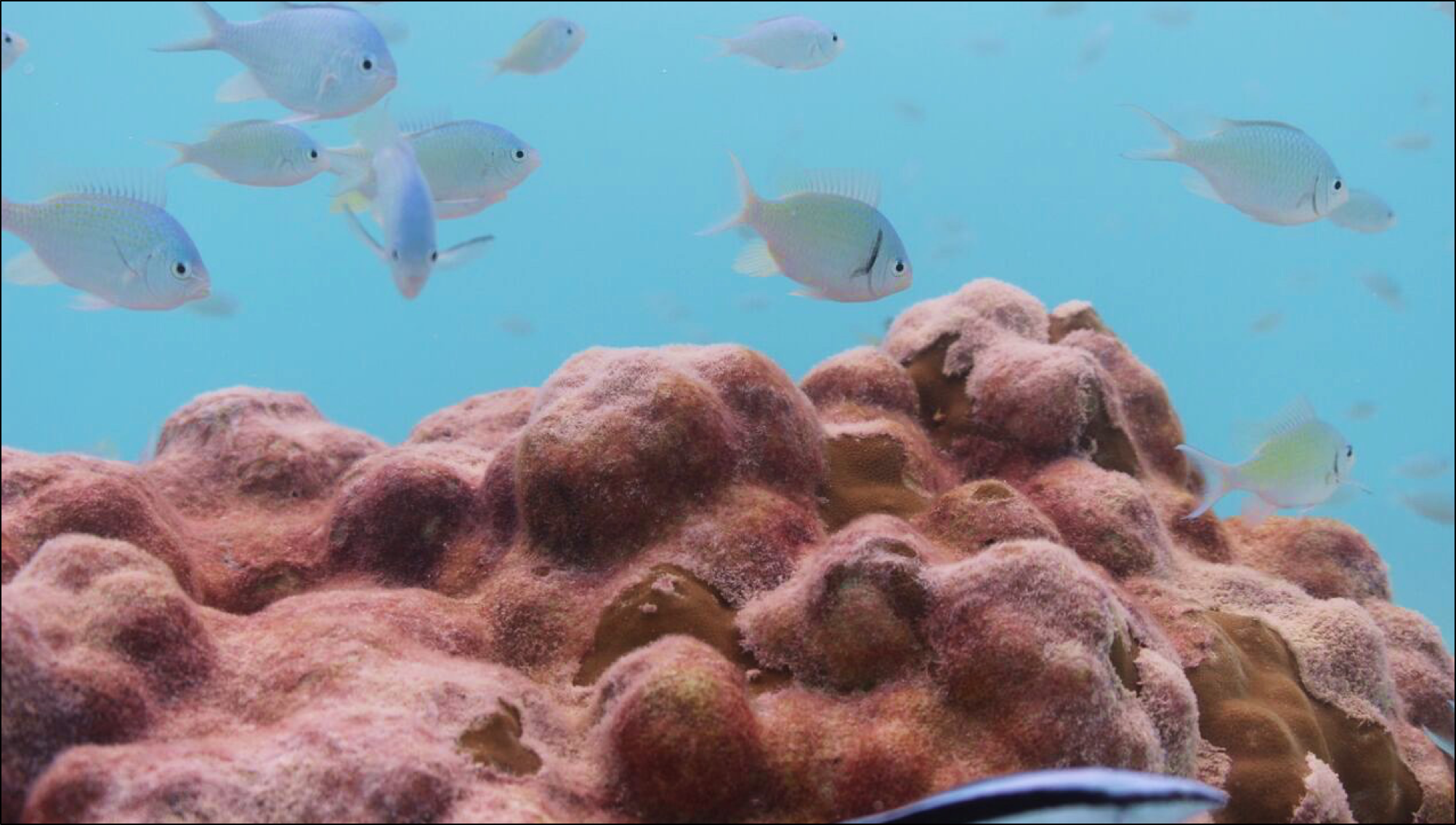
    An algae-covered coral I’m studying. It died from the extreme ocean warming during the massive 2015 El Niño event
    An algae-covered coral I’m studying. It died from the extreme ocean warming during the massive 2015 El Niño event

    So how did these corals change my life? My research on corals has exposed me to a whole new world of science that I never knew I would be so passionate about. In about one year of undergraduate research I took on this independent project, learned how to use a mass spectrometer, did field work on Kiritimati Island, gave a talk at the world’s largest Earth Science conference in the world, and have been accepted to four graduate schools to pursue a PhD in paleoclimate. I also just found out today that I was awarded the National Science Foundation’s Graduate Research Fellowship, which provides me with funding to attend any graduate school for the next three years. If I hadn’t taken Dr. Cobb’s class and fallen in love with her coral climate science research, my life trajectory would be worlds different right now. I never imagined I would be in my fifth year of undergraduate studies and be so eager to spend another five years in school. However, I have been exposed to the world of geochemical proxies and I don’t ever want to leave. It took me two majors, one year of co-oping, one year of research, and five years of school to find my passion, but I wouldn’t change a thing about my undergraduate choices because they led me here. As for my next steps, my list of options for graduate research studies include water isotopes in ice cores, clumped isotopes in sediments, cosmogenic nuclides in subglacial bedrock, and maybe even more corals. I never thought this would be my life path but I’m excited to work on science no one has ever done before and answer questions about the universe that have never been answered. Speaking from experience, it doesn’t matter if you’re already going down one path in life. If you’re not sure if you’re making the right choices, try other things and see if you find something that would bring you more happiness.

    Sources
    Cobb, Kim. “Why Study Paleoclimate?”. http://shadow.eas.gatech.edu/~kcobb/
    “How old is the Earth”. https://image.gsfc.nasa.gov/poetry/venus/q1152.html
    “Picture Climate: How We Can Learn From Corals”. https://www.ncdc.noaa.gov/news/picture-climate-how-we-can-learn-corals

  • 5 Alternative Facts on Climate Change Disproved

    Government officials are making several claims about one of today’s hottest topics, climate change, yet are lacking some scientific proof…

    1. Global Warming is a hoax.

    Twitter 1

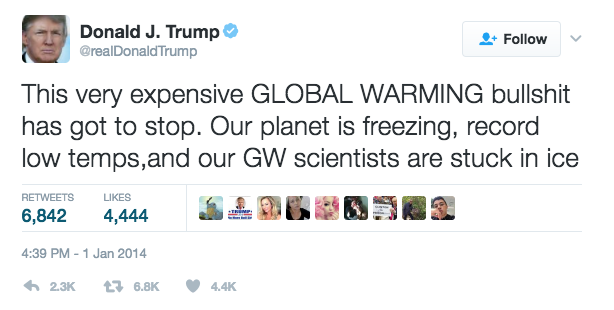
    An overwhelming majority of the scientific community agrees that global warming is a real crisis, not a hoax created by the Chinese. According to the Intergovernmental Panel on Climate Change (IPCC), “it is extremely likely (95–100%) that human influence has been the dominant cause of the observed warming since the mid-20th century.”[1] Human actions have been largely attributed to snow and ice melt, changes in the hydrological cycle, and sea level rise. Also stated by the IPCC, “Human influence has been detected in warming of the atmosphere and the ocean, in changes in the global water cycle, in reductions in snow and ice, in global mean sea level rise, and in changes in some climate extremes. It is extremely likely that human influence has been the dominant cause of the observed warming since the mid-20th century.”1 Evidence for climate change due to anthropogenic forcing has been recognized by scientists across the world, with the primary driver being the measured increase in atmospheric carbon dioxide from environmentally harmful processes including fossil fuel combustion.

    2. The Keystone XL Pipeline will not harm the environment.

    Screenshot 2017-02-01 21.32.44

    The Keystone Pipeline, an oil pipeline system running between Canada and the United States, has just been approved by President Trump to advance the construction of an extended line called the Keystone XL. Barack Obama rejected the project last November, due to extensive proof that the disadvantages far outweigh the potential benefits. The Keystone XL would have harmful environmental impacts including a projected generation of over 22 billion tons of carbon pollution, which has been proven to exacerbate climate change (2). In addition to the emissions that will be caused by the pipeline extension Canada will be losing 54,000 square miles of untouched wilderness, which will cause significant loss of habitat, increase erosion, and reduce the amount of trees available to absorb atmospheric carbon (3).

    3. NASA’s Earth Science division’s environmental monitoring efforts are “politically correct”. –Robert Walker

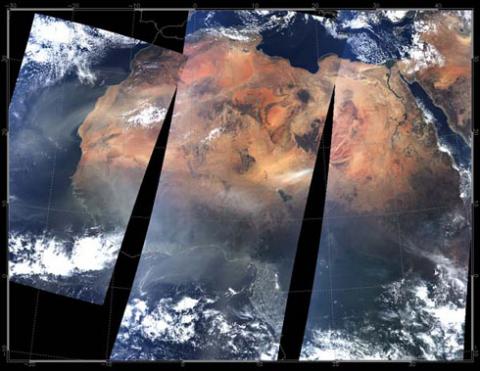
    NASA's Earth monitoring satellites greatly assist with tracking and predicting major climate events, such as this dust storm blowing across Northern Africa. (2)
    NASA’s Earth monitoring satellites greatly assist with tracking and predicting major climate events, such as this dust storm blowing across Northern Africa. (2)

    Walker, a senior adviser for President Trump, also stated that “over half the climatologists in the world doubt the influence of human activity on climate change”5. The latter statement has already been proven to be factually incorrect in the first scientifically disproven alternative fact, demonstrating Walker’s lack of credibility on the matter. NASA’s Earth satellites have consistently proven to be an invaluable resource to humankind. They have repeatedly proven the reality of the climate change issue at stake with evidence of rising global temperatures, sea level, and greenhouse gas emissions. Removing the ability to track these environmental trends with human activity would also remove the ability to show the global harm caused by increased greenhouse gas emissions from projects such as the Keystone XL Pipeline. With Trump’s plan to reassign some Earth monitoring efforts to NOAA (National Oceanic and Atmospheric Administration) and NSF (National Science Foundation), who both have significantly smaller budgets, the performance of these critical satellites will diminish extensively. NOAA and NSF would not have the time, money, and resources to take on these extra duties to sufficiently track essential environmental changes that are rapidly occurring daily. By shutting down NASA’s Earth Science division, a wealth of environmental data that is currently being used to generate predictive models and identify long-term climate trends will greatly diminish. Even if Earth satellites launch in the future, under a different administration, the gap in data will be a severe setback for climate science with long-term impacts that can take decades to recover from.

    4. Record temperature lows are a sign that climate change isn’t real.

    Screenshot 2017-02-01 22.46.56

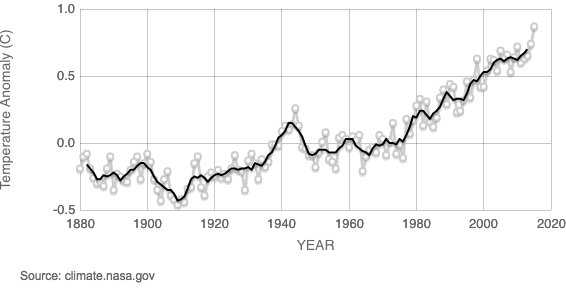
    Rising global temperatures cannot be sensed by a human from day to day life. According to NASA, global mean temperatures have increased by 1.4° Fahrenheit since 1880, with most of this warming (2/3 of it) occurring since 19756. Temperatures fluctuate significantly due to natural cycles such as winter and the El Niño Southern Oscillation (ENSO), which drive temperature extremes to various parts of the world. Despite occurrences of cold weather, the global mean temperature is still rising at a nonlinear rate, as shown below. Additionally, the climate change crisis is not solely about warmer temperatures. Human activity has been related to changes in the hydrological cycle, atmospheric composition, frequency and intensity of climate phenomena such as ENSO and monsoons, and other key earth systems that impact global communities and ecosystems (1).

    Global Surface Temperature since 1884, with the 10 warmest years occurring since 2000 (3).
    Global Surface Temperature since 1884, with the 10 warmest years occurring since 2000 (3).

    5. We cannot conclusively say how much human activity is interfering with the climate.

    “The climate is changing and human activity impacts our changing climate in some manner. The ability to measure with precision the degree and extent of that impact, and what to do about it, are subject to continuing debate and dialogue.” –Scott Pruitt (7)

    With only 5% of climate scientists denying the existence of sufficient proof to link human activity as the primary cause of climate change, Pruitt’s statement of the debate behind climate change is misleading. The overwhelming majority of climate experts are not debating this issue. However, since Pruitt’s argument is based on the fact that 100% of climate scientists are not in agreement over the extent of human activity on the climate, he is emphasizing the need for further research on the topic to be conducted in order to produce more conclusive findings. If the 95% of climate scientists who agree that climate change is a real global crisis, then conclusive findings are necessary to protect the homes and health of both our generation and the next. Climate change has significant potential to threaten future existence of coastal communities, stability of ecosystems all over the world, and the health of the 7.5 billion people inhabiting the planet.

    References

    1. “IPCC, 2013: Summary for Policymakers. In: Climate Change 2013: The Physical Science Basis. Contribution of Working Group I to the Fifth Assessment Report of the Intergovernmental Panel on Climate Change”. [Stocker,T.F., D. Qin, G.-K. Plattner, M. Tignor, S.K. Allen, J. Boschung, A. Nauels, Y. Xia, V. Bex and P.M. Midgley (eds.)]. Cambridge University Press, Cambridge, United Kingdom and New York, NY, USA. http://www.ipcc.ch/pdf/assessment-report/ar5/wg1/WG1AR5_SPM_FINAL.pdf>

    2. Biello, David. “How much tar sands add to global warming”. Business Insider. Jan 2013. http://www.businessinsider.com/how-much-tar-sands-add-to-global-warming-2013-1

    3. “Final Supplemental Environmental Impact Statement for the Keystone XL Project Executive Summary”. Jan 2014. United States Department of State Bureau of Oceans and International Environmental and Scientific Affairs https://keystonepipeline-xl.state.gov/documents/organization/221135.pdf

    4. “Trump to scrap NASA climate research in crackdown on politicized science”. The Guardian. 2017. https://www.theguardian.com/environment/2016/nov/22/nasa-earth-donald-trump-eliminate-climate-change-research

    5. Norianne, Elli. “Climate denial is the official stance of the Trump administration”. Daily KOS. Nov 2016. http://www.dailykos.com/story/2016/11/28/1605040/-Climate-Denial-is-the-official-stance-of-the-Trump-administration

    6. Carlowicz, Eric. “Global Temperatures”. NASA Earth Observatory. http://earthobservatory.nasa.gov/Features/WorldOfChange/decadaltemp.php

    7. “Questions for the Record for the Honorable E. Scott Pruitt”. Environment and Public Works Committee. Jan 2017. http://www.epw.senate.gov/public/_cache/files/6d95005c-bd1a-4779-af7e-be831db6866a/scott-pruitt-qfr-responses-01.18.2017.pdf

    Photo Sources

    1. “Donald J. Trump on Twitter”. Twitter. https://twitter.com/realDonaldTrump/status/265895292191248385

    2. “Global Climate Change: Vital Signs of the Planet”.NASA. http://climate.nasa.gov/vital-signs/global-temperature/

  • Deadly Minerals

    It’s easy to forget that some of the minerals found in the Earth can be extremely dangerous, despite the beautiful forms they can take.  These minerals can prove to be toxic and potentially deadly if mishandled. So I present to you seven minerals toxic minerals, so you can identify them if you ever (have the misfortune to) come across them:

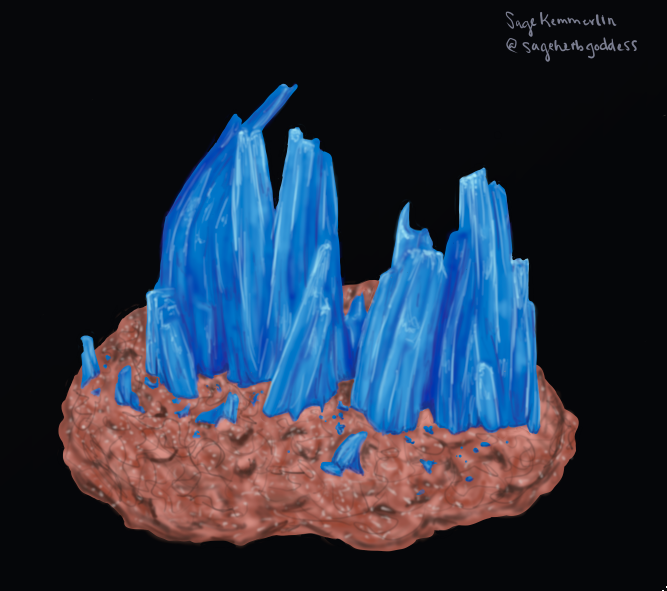
    Chalcanthite (CuSO4 • 5H2O):

    screen-shot-2016-11-02-at-5-58-06-pm

    Image Credit: Sage Kemmerlin

                The stunningly blue mineral is a natural, water-soluble copper sulfate. It is commonly found in copper deposits in arid regions. If chalcanthite touches water it easily dissolves and become hazardous because of the copper it contains. If copper is ingested, the effects of this poisoning are gastrointestinal distress, destruction of red blood cells and liver damage (sounds fun right?). If the copper poisoning is severe, these symptoms can lead to death. Chalcanthite should never be taste tested or placed in natural waters. [1][2]

    Hutchinsonite (TIPbAs5S9):

    screen-shot-2016-11-03-at-1-09-51-pm

    Image Credit: Sage Kemmerlin

                Hutchinsonite is commonly found in ore deposits in the mountainous regions of Europe. Hutchinsonite is a mineral formed with a deadly mixture of arsenic, lead, and thallium; all three elements are toxic to humans. Thallium salts have been used in rat poison and insecticides so that alone should tell you not to mess with this mineral. If poisoned with thallium, you only have 72 hours to start treatment to avoid risk of permanent neurological damage. So maybe don’t lick it. [3]

    Orpiment (As2S3):

    screen-shot-2016-11-14-at-5-11-54-pm

    Image Credit: Sage Kemmerlin

                This orange-yellow, glistening mineral is made up of arsenic and sulfur and commonly grow near hydrothermal vents, fumaroles, and hot springs. If allowed to oxidize, the arsenic powder can be deadly to humans due to its neurotoxic and carcinogenic properties. Orpiment has a powerful garlic scent due to the arsenic. If you see a pretty orange mineral that smells like garlic, make like a vampire, and get out of there. [4]

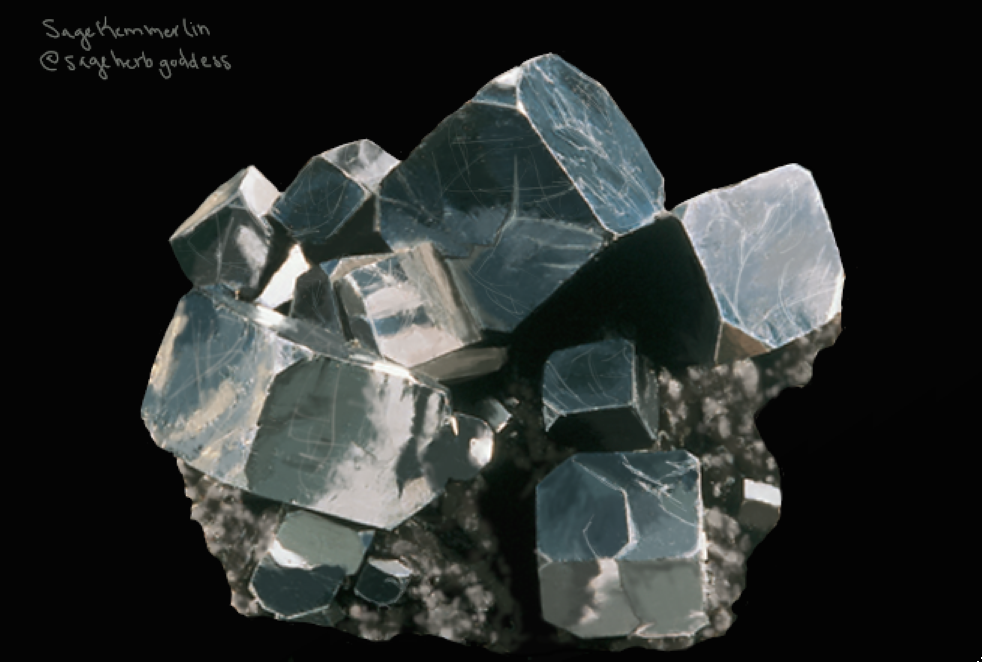
    Galena (PbS):

    screen-shot-2016-11-20-at-12-36-12-pm

    Image Credit: Sage Kemmerlin

                Galena is the primary ore mineral of lead with a signature cubic structure. Any inhalation or ingestion of Galena’s dust will likely result in lead poisoning.  Lead can effect every organ system in the human body, but the nervous system is most sensitive to lead’s toxicity sometimes causing ataxia, comas, convulsions, even death. So if you want to avoid maladies such as ataxia and death, it’s best to not lick Galena or inhale any of its dust. [5][6]

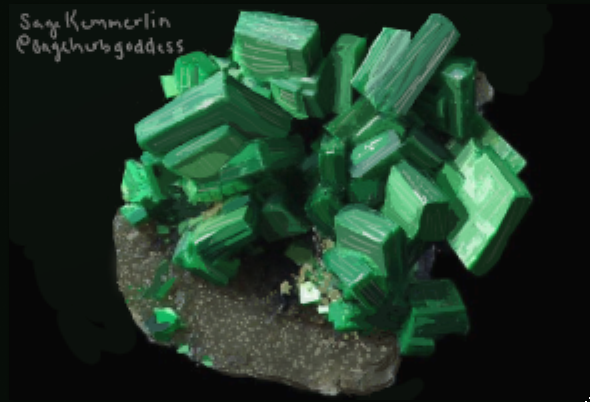
    Tobernite (Cu(UO2)2(PO4)2•12H2O):

    screen-shot-2016-11-18-at-1-36-40-pm

    Image Credit: Sage Kemmerlin        

        Tobernite is a stunningly green prism shaped mineral, found in granitic rocks. Oh and just as a side note, torbernite is radioactive due to the uranium it contains. So if you prefer not to get cancer, avoid prolonged exposure and never ever ingest or inhale it. [7]

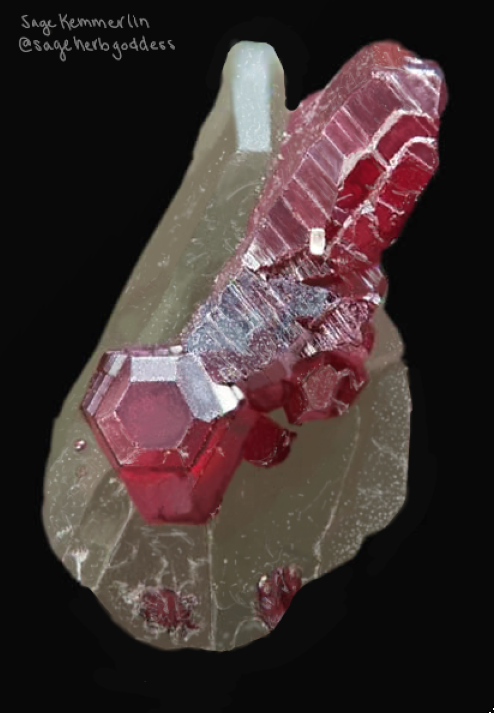
    Cinnabar (HgS):

    screen-shot-2016-11-20-at-2-04-24-pm

    Image Credit: Sage Kemmerlin

                This brilliantly red mineral is the main ore of mercury. It forms near volcanoes and sulfur deposits. It has historically been used as a coloring agent. Mercury is toxic to humans and mercury poisoning can cause tremors, muscle atrophy, and in extreme cases, respiratory failure and death. As before, don’t ingest or inhale any cinnabar. Don’t heat it in an unventilated environment, because it will emit toxic fumes.  So maybe don’t color your pottery with cinnabar (it’s not a good idea). [8][9]

    References:

    1. http://www.mindat.org/min-959.html
    2. http://des.nh.gov/organization/commissioner/pip/factsheets/ard/documents/ard-ehp-9.pdf
    3. http://www.mindat.org/min-1954.html
    4. http://www.mindat.org/min-3021.html
    5. http://www.mindat.org/min-1641.html
    6. https://www.atsdr.cdc.gov/csem/csem.asp?csem=7&po=10
    7. http://www.mindat.org/min-3997.html
    8. http://www.mindat.org/min-1052.html
    9. http://www.medicinenet.com/mercury_poisoning/article.htm
  • Volcanoes: Quick and Easy

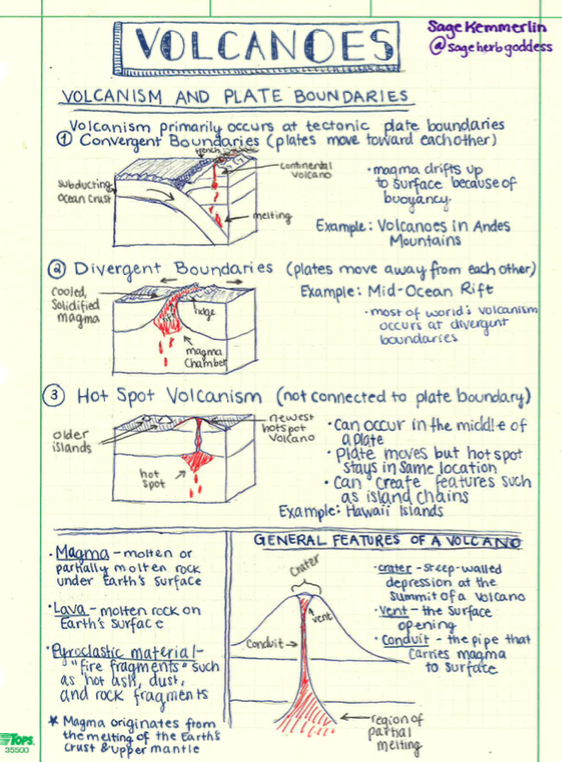
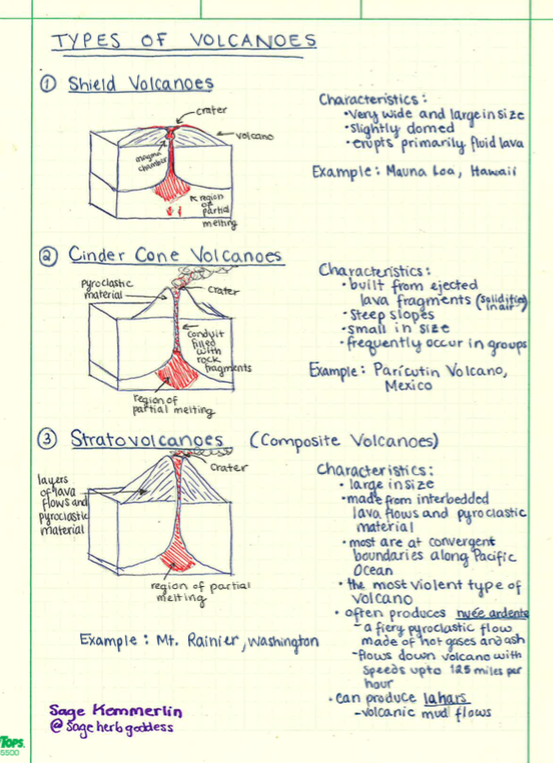
    I present to you my two page cheat sheet on volcanoes since they are one of the most fascinating and awe-inspiring features of the earth:

     screen-shot-2016-10-07-at-1-25-03-pm

    screen-shot-2016-10-07-at-1-25-49-pm

  • To Zoo or Not to Zoo: a Story of Harambe

    harambe2

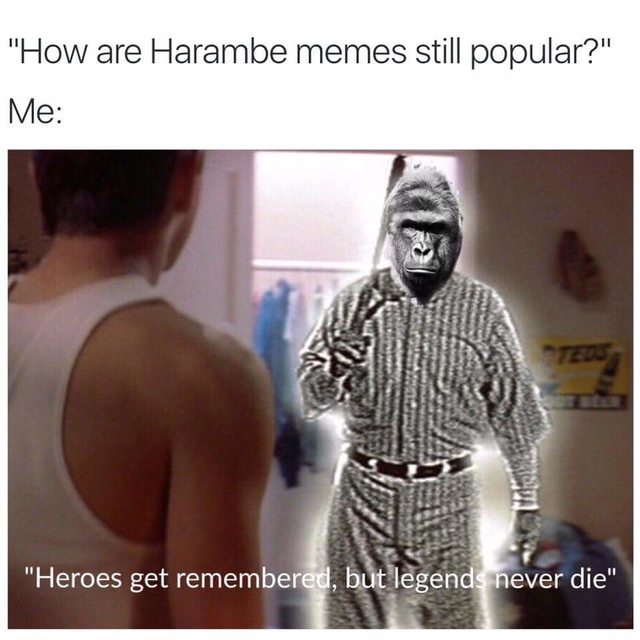
    If you have been online at all the past couple of months, you have probably ran into Harambe–the latest meme hot off of the internet presses (wherever that is). Like, really, he is everywhere. It is kind of scary.

    With many of these memes you will find a lot to the effect of #RIPHarambe or #neverForget. And yeah, it is kind of hilarious and kind of ridiculous and kind of sad at the same time. The majority of stuff you find online is probably not authentic, but as a great scholar once said, “At the heart of every meme there is a grain of truth.” Or something like that, I don’t know.

    harambe3For the uninformed, Harambe was a gorilla at the Cincinnati Zoo and Botanical Garden. On May 28th, 2016, a young child climbed (or fell) into the enclosure. Harambe claimed the child as his own and raised him as part of the troop. Frightened, the child begins to cry as the adult male gorilla approaches. I mean shit, I would probably cry too. This stresses out Harambe, and he begins to drag the child around the enclosure. It is honestly terrifying, and shows just how effortlessly this gorilla could kill a small child. If you haven’t seen the recording of the encounter, you really need to check it out.

    After about ten minutes of this, the zookeepers decided to shoot and kill Harambe. In my opinion, this is both a simple and complicated issue. Simple in that a kid’s life was in danger. I mean, damn, look at that video. I am sure that many of people placed in that situation would make the same choice, but what about the alternatives? Why not tranquilize Harambe, then remove the child when the endangered Western lowland gorilla is out cold? According to zookeepers and primatologists responding to the incident, that would of just pissed the ape off before any effects took place. So that means Harambe had to be shot. This is where the problem becomes a bit more complex. Who do we blame for this?

    Surely there is some pitchfork that can be grabbed–someone needs to take responsibility. Do we blame the child for wandering into the pit? Do we blame the gorilla for acting like a gorilla? Do we blame the mother for negligence? Maybe. I think Donald Trump actually (and shockingly, I know) summed this up quite eloquently.

    Or, we could think about the zoo itself. Many people disagree with zoos. Whether it is for treating the animals poorly, being unnatural, or commercializing nature itself, zoos often take the hotseat when discussing eco-conservation. For transparency, I am not one of those people.

    I love zoos, but I understand and empathize with many of those points. I believe, that in a perfect world, there would be no zoos in the concrete jungle, and that profit would always take a back seat to conservation. I agree that zoos must be kept under constant supervision in regard to the treatment of their animals. And I think the most important item on the docket is restoring natural habitats–Yes. All of that is important. But I also believe that how zoos support communities, and how zoos support conservation are also important.

    One of my favorite memories from my childhood is visiting the Atlanta Zoo. I had the pleasure of seeing its famous silverback gorilla, Willie B., just before he passed away. My mom bought me a silver necklace of Willie B., and I thought it was the coolest thing in the world. My name is William Bradley Martin. My mom would call me Willie B., and now I got to see this awesome animal that had the same name! How cool is that? I still have the necklace to this day.

    That memory is so important to me, because it was the first time in my life I found myself interested in science. I wanted to know more about it, no matter what shape it took. I read Zoo Books, watched Animal Planet, I would draw chimpanzees in a sketchbook I had. My young mind was on overload. Though this interest in science has grown and changed a bit over the years, I can trace it back to that specific moment. All because of a zoo. It makes me wonder, how many other people that now work in wildlife conservation were at one point inspired by some zoo or garden, aquarium, or museum? Zoos have been around for hundreds of years, surely some other sparks must of been lit besides mine.

    So when I think of the Cincinnati Zoo and of Harambe and of the tragedy that happened, I am saddened. Yes, he had to be shot. But I believe that the blame is put on society instead of any one individual. Zoos can be a wonderful and enlightening experience – an opportunity to learn about a world that naturally we would most likely never come in contact with. But the moment the zoo is simply an amusement park, with horseplay (no pun intended) and spilt popcorn and kids running around like animals, someone – or something – is bound to get hurt.

    Sources:

    Downes, Azzedine. “Jane Goodall, Azzedine Downes Together Offer Thoughts on Tragic Harambe Killing.” IFAW. N.p., 19 June 2016. Web. 09 Sept. 2016. <http://www.ifaw.org/united-states/news/jane-goodall-azzedine-downes-together-offer-thoughts-tragic-harambe-killing>.

    Ohlheiser, Abby. “The Internet Won’t Let Harambe Rest in Peace.”Washington Post. The Washington Post, 27 July 2016. Web. 09 Sept. 2016. <https://www.washingtonpost.com/news/the-intersect/wp/2016/07/27/the-internet-wont-let-harambe-rest-in-peace/>.

    Also, I highly recommend reading Life of Pi, by Yann Martel, for a beautiful and passionate defense of zoos.

  • Could Aliens be Living in Our Solar System?

    Image Credit: NASA/JPL-Caltech

    http://www.jpl.nasa.gov/visions-of-the-future/

    Water: the ultimate resource. We depend on it to survive, but Earth is not the only place with a substantial amount of water. Buckle up, because I want to tell you about my favorite moon, Europa.

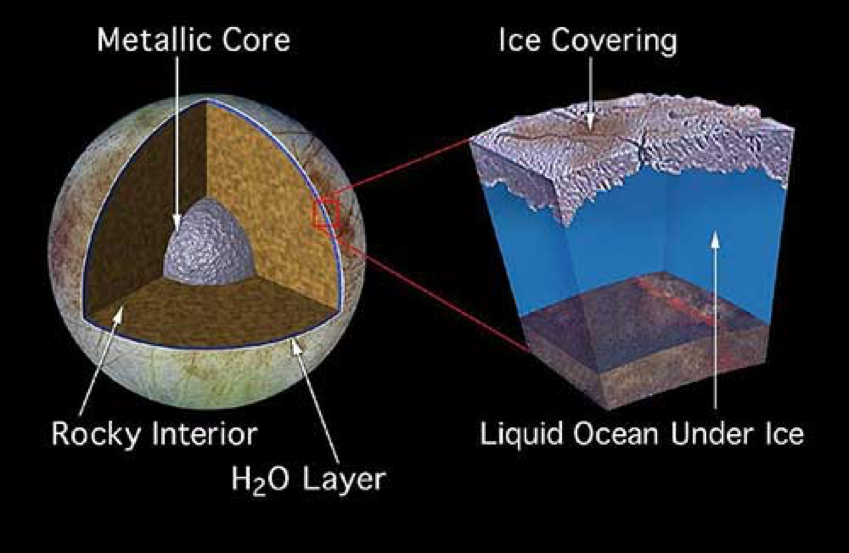
    Europa is one of the moons of Jupiter. It is approximately 4.5 billion years old (about the same age as Jupiter) and is about 485 million miles from the sun. It is the smallest of the Galilean moons with a diameter of 1900 miles (smaller than Earth’s moon but larger than Pluto). Europa looks like a dead, frozen, wasteland covered in large cracks and fractures in the ice, but it is exactly for this reason why it is so cool (literally and figuratively). These cracks are likely caused by tides in an ocean that lies buried underneath Europa’s icy surface. Europa’s tide is the result of host planet Jupiter. Jupiter’s gravity lifts and lowers the sea level causing cracking in the ice. Below the ice and ocean is a rocky interior and inside that is an iron core [1].

    pia20707_fig1_thumb

    Image Credit: NASA/JPL-Caltech/SwRI/MSSS

    http://photojournal.jpl.nasa.gov/catalog/PIA20707

    picture3

    Image Credit: NASA

    http://spaceplace.nasa.gov/europa/en/

    Ok, so you might be thinking, “that’s kinda cool, a frozen moon. Why do I care?” Well, you should care because Europa’s subsurface ocean hosts the possibility of life. That makes Europa a possibly habitable location for us humans (in the future though, cause we are no where near that yet), which is awesome.

    The ocean beneath the surface is widely believed to be salty liquid water which is a big deal (but not yet known for certain since we haven’t sent any missions directly to Europa  thus-far). In a recent study done by NASA’s Jet Propulsion Laboratory (Vance et al., Geophysical controls of chemical disequilibria in Europa), the researchers calculated the potential amount of hydrogen that could be produced from interactions of seawater with the rock below it.This process of interaction is called serpentinization. NASA also looked into oxidants in Europa’s ocean. Jupiter, being the massive gas giant that it is, bathes Europa in radiation from it magnetosphere (Earth actually has this type of radiation too called the Van Allen belts, although they are about a thousand times weaker than Jupiter’s).  This radiation can split apart water ice molecules and create oxidants. One of the lead authors of NASA’s study, Steve Vance, said, “If the rock is cold, it’s easier to fracture. This allows for a huge amount of hydrogen to be produced by serpentinization that would balance the oxidants in a ratio comparable to that in Earth’s oceans”. The balance between hydrogen and oxidants is an indicator to the energy available for life [2]. However since no spacecrafts have been sent to Europa to investigate this, it is currently unknown if serpentinization occurs (several spacecrafts have done flybys such as Pioneer 10 and 11, Voyager 1 and 2, and Galileo [1] ).

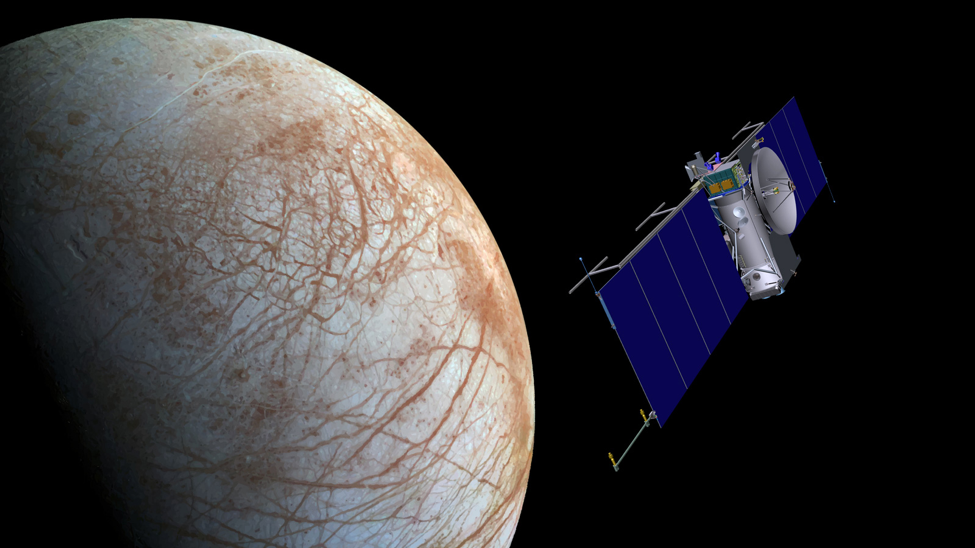
    NASA is planning an orbital reconnaissance mission of Europa called the Europa Clipper with the main goal of investigating the habitability of Europa. The Clipper will have 45 low-altitude flybys over the course of 3.5 years. The clipper will have three main objectives [3] : (1) to investigate the ice shell and ocean, (2) investigate the composition, and (3) investigate the geology of Europa. Essentially, NASA wants to confirm what they think they know about the structure and composition of Europa and how it’s layers interact (like the rocky interior, the ocean, and the icy shell) both mechanically and chemically, and determine the effect Jupiter’s radiation has on Europa. This will give insight to the habitability of Europa. There will be nine scientific instruments aboard to try meet these scientific objectives.

    picture5

    Image Credit: NASA/JPL-Caltech

    http://www.jpl.nasa.gov/news/news.php?feature=4627

    The Europa Clipper’s launch date is not yet determined, but it is likely to be in the early 2020s and would arrive 6-9 years later depending on the launch vehicle [4]. There is still A LOT of work needed to be done on the mission planning, but I’m very optimistic that it will yield in fascinating results, maybe even giving us significant insight to if we are alone in the solar system.

    Here is a NASA/JPL-Caltech video about the Clipper:

    References:

    1. Howell, E. Europa: Facts about Jupiter’s icy moon and its ocean. Retrieved September 4, 2016, from http://www.space.com/15498-europa-sdcmp.html
    2. Greicius, T. (2016, May 16). Europa’s ocean may have an Earthlike chemical balance. Retrieved September 4, 2016, from https://www.nasa.gov/feature/jpl/europas-ocean-may-have-an-earthlike-chemical-balance
    3. The Europa Clipper. (2013, June ). Retrieved September 4, 2016, from http://www.lpi.usra.edu/opag/jul2013/presentations/Clipper_Summary.pdf
    4. Europa Clipper Update. (2015, February 19). Retrieved September 4, 2016, from http://www.lpi.usra.edu/opag/feb2015/presentations/04_Clipper%20OPAG%20Feb%202015.pdf


  • When Citrus Gets Lethal

     So, the other day I got a new prescription, and as I skimmed through the 300 pages of side effect warnings (okay… maybe it was only 3 pages, but the font was ridiculously tiny), I noticed a warning about consuming grapefruit and/or grapefruit juice. “Whaaat? Why grapefruit specifically?”

    The warning is written as follows:

    “Eating grapefruit or drinking grapefruit juice while you are taking this medicine may increase the amount of this medicine in your blood, which may increase your risk for side effects. Talk with your doctor before including grapefruit or grapefruit juice in your diet.”

    I figured this warning was probably specific to drugs similar to the one I’m taking (combination hormone birth control), so I just brushed it off and made a mental note to never drink grapefruit juice again. That is until I was watching TV a few hours later and a commercial for another prescription– one for bi-polar depression– had the same warning. “Seriously! What is up with freaking grapefruit?!?” The scientist in me was intrigued, so I decided to do some digging.

    Apparently there are many drugs (85 that are known of so far) that have warnings against grapefruit consumption, including statins (for high cholesterol), anti-arrhythmics (for an irregular heartbeat), and Viagra® (sorry, fellas).

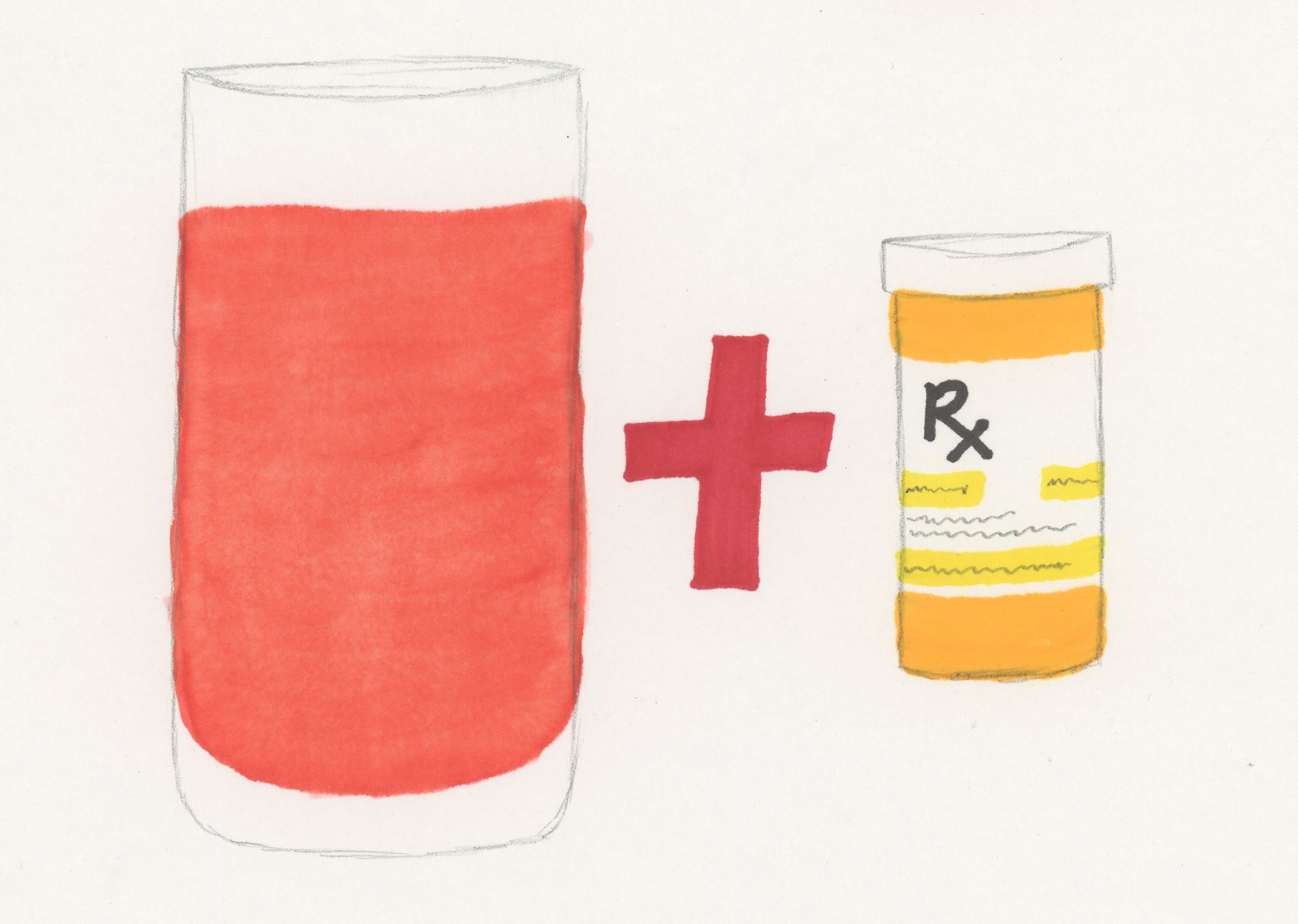
    Grapefruit juice most commonly interacts with drugs by inhibiting the metabolism of the drug by the enzyme cytochrome P450 (specifically the CYP3A4 isoform). Normally, medications are broken down in the liver and/or the small intestine and then excreted from the body, but since grapefruit juice contains compounds called furanocoumarins which inhibit the drug from being broken down in the small intestine, the drug doesn’t leave the body and is instead reabsorbed into the bloodstream. This leads to increased amounts of the drug in the bloodstream and thus an amplified risk for developing side effects.

    The more sensitive the dosing of the drug is (the lower the therapeutic index), the greater the risk of consuming grapefruit juice will be. In other words, if a slight change in the concentration of the drug in the bloodstream has a high impact on the drug’s potency, then consuming grapefruit juice will have a much greater negative impact on the person taking that drug than would be the case if the potency of the drug in question was less affected by slight changes in the drug dosage.

    The effects from grapefruit juice can last up to 24 hours, and it only takes one glass of juice for the drug metabolism of some drugs to be fully inhibited (Lilja, Neuvonen, and Neuvonen). Drinking grapefruit juice before, during, or after taking your medication can cause adverse effects. For medications taken daily, like birth control, it is recommended to minimize ingesting grapefruit/grapefruit juice during the entire duration of time the medication is being taken.

    Sources:

    Web MD

    Wikipedia

    FDA

    Lilja, J. J., Neuvonen, M. and Neuvonen, P. J. (2004), Effects of regular consumption of grapefruit juice on the pharmacokinetics of simvastatin. British Journal of Clinical Pharmacology, 58: 56–60. doi: 10.1111/j.1365-2125.2004.02095.x