Category: today i learned (til)

  • Fabrican: Taking a Piece of Chemistry onto the Catwalk

    One of the most valuable experiences for any designer or innovator is the process of mastering new fields of knowledge to better guide and inform creative decisions. Almost every new problem or project requires designers to think of new ways to approach their solution or design. Manel Torres is the perfect example of this approach as he had to immerse himself in chemistry to develop what is now known as spray-on clothing. His work demonstrates how expanding beyond traditional design boundaries can lead to groundbreaking results with multiple applications! Torres’s invention really highlights how impactive ideas often emerge when disciplines intersect.

    During Paris Fashion week in 2022 at the Coperni runway, Bella Hadid made a stunning performance as she stood there practically naked, while being sprayed with some white liquid material. Well, this material so happened to originate from the works of Manel Torres’ Fabrican. Inspired by silly string spray cans, Torres wanted to create a spray-on T-shirt from an aerosol can during his doctoral years at the Royal School of Art in London. With the help of Professor Paul Luckham from Imperial College’s department of Chemical Engineering and Chemical Technology, Torres was able to create the right formulation to produce something that can spray thin fabric onto a model (Melton, 2023). A featured article years back on the home page of the Guardian Newspaper, highlights the work of fashion designer Dr. Manel Torres who invented a spray that “forms a seamless fabric on contact with the body” (Amato, 2011). Along with the article was a video, showing Torres in a lab coat demonstrating his new innovation by spraying the torso of a male model with a liquid mix of fibers and polymers that instantly dried and solidified upon contact with the skin. The results came out to be a skintight t-shirt!

    (source: drawn by An Truong)

    So how is it possible for a liquid material to become something that you can actually wear? 

    Torres’ invention consists of a liquid mixture of short fibers that are suspended in a solvent that evaporates when exposed in the air, so that the spray turns into a solid non-woven non-knit material upon contact (Melton, 2023). It was made to be applied using an aerosol can or a spray gun that would be sprayed directly onto a person or onto a mannequin or mold, forming a fabric layer that can be thickened and strengthened by applying multiple layers. With this, you would be able to style, peel off, and shape the fabric as needed. The fibers themselves are biopolymers created from natural or synthetic sources such as corn starch, wool or mohair based keratin, hemp, or even collagen (Amato, 2023). Torres also experimented with various other kinds of fabrics and textures such as a paper-like texture, fleece, rubber, and lace. These fabrics and textures were able to be embossed, molded, and essentially patterned in any ways a designer wishes. 
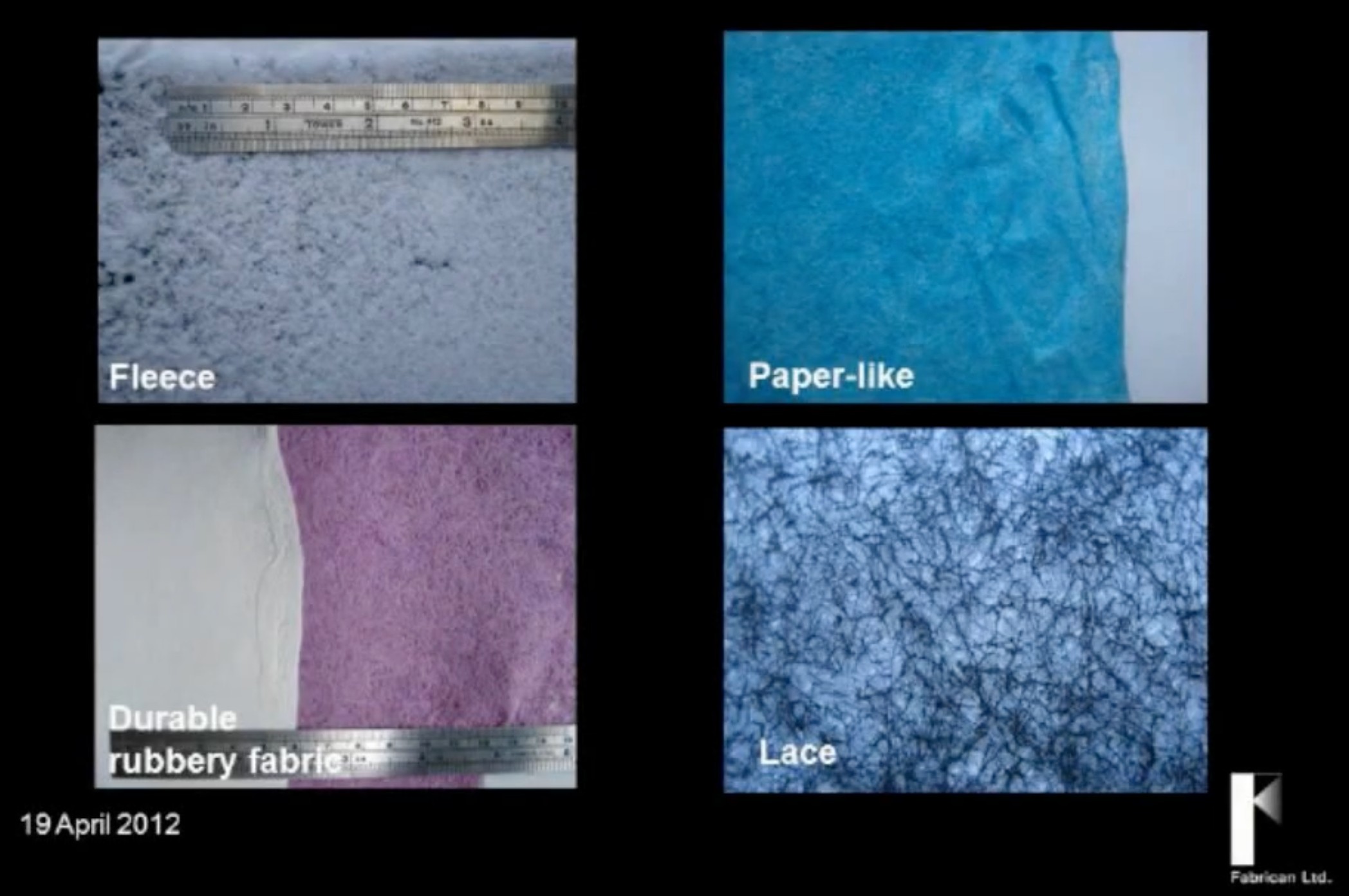
    (source: TEDxTalk)

    Further Application

    Torres believes that his invention should be and can be used to create a wide range of products, including fashion, automotive components such as dashboards and interior fabrics, and for medical application such as bandages, instant sterile dressings, or drug delivery patches. 

    As any great designer and innovator would do, Manel Torres continues developing and improving his own works. In a TED TALK Torres gave in 2012, he mentions how he wants to push Fabrican to be fully reusable and sustainable as well as incorporate some kind of smart technology in the future. This is a great practice for designers and innovators alike as they should all reflect on their designs and continue to improve them even after its final outcome is presented.

    Conclusion

    Manel Torres’s work with Fabrican shows how innovation in design is truly never finished. It should evolve alongside new ideas, technologies, and needs. By continuing to refine his spray-on fabric with goals of sustainability, material and cost efficiency, and integration of smart technology, Torres sets a perfect example for future designers and innovators that creativity should not end at just the final invention or outcome, it instead continues to grow through constant iteration. Manel Torres’ process demonstrates how science and design can merge to create materials that are functional and adaptable. As Fabrican develops, it has great potential to reshape industries starting from fashion and expanding to fields such as medicine. Ultimately, Torres’s process and work encourages designers to think beyond traditional materials and to embrace experimentation and iteration. His brilliant vision for the future of clothing and textiles challenges the next generation to design with both imagination, experimentation, and research!

    Citations:

    Amato, Sarah. (2011). Fit to a T: Spray-On Clothing, Craft, Commodity Fetishism, and the Agency of Objects. Utopian Studies, 22(2), 285–302. https://doi.org/10.5325/utopianstudies.22.2.0285

    Coperni. (2023, September 14). The making of a dress [Video]. YouTube. https://www.youtube.com/watch?v=YxObP6-ovdk

    Melton, Lisa. The instant spray-on dress. Nat Biotechnol 41, 743 (2023). https://doi.org/10.1038/s41587-023-01829-1

    TEDx Talks. (2012, April 26). Spray-On Fabric: Manel Torres at TEDxImperialCollege [Video]. YouTube. https://www.youtube.com/watch?v=EW6Gv-IoErw
     

  • All Work and No Play

    The cover image was sourced from https://doi.org/10.1016/j.cub.2014.09.020.

    If you’ve ever fallen down the easily addictive, low-stress rabbit hole that is the world of wonderfully awesome animal videos, you might have come across this video of a crow in Russia, sliding down a snow-covered roof while perching on a jar lid.

    While it’s easy to think that this crow went sledding purely for their own enjoyment, scientists aren’t content with that conclusion – thinking in such an anthropomorphic way projects our own human thoughts and feelings onto animals who, while exhibiting familiar behaviors, may not be doing it for the same reasons we do (Emery & Clayton, 2015).

    But, regardless of what we may think, birds do play! What does that look like? Well, most forms of play are divided into one of several categories: the first broad category being locomotor play, which includes all kinds of flight-related play – hanging from surfaces, flying upside down (Emery & Clayton, 2015), and even sledding down a snowy roof in Russia!

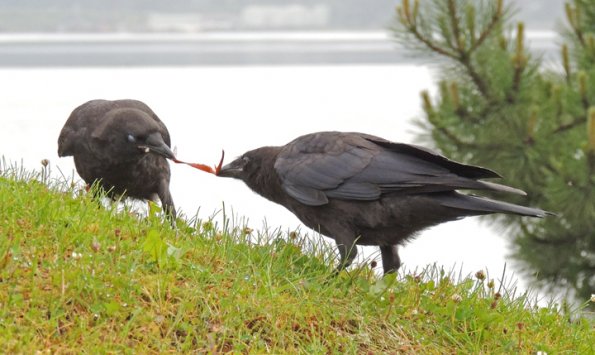
    Social play involves interactions between birds – there’s play chasing, where one bird follows another, whether on the ground or through the air. We also have play fighting, where two birds engage in actions adopted from antagonistic behaviors. There’s also play invitation, where two birds engage in actions that occur primarily before play. Finally, we have social object play, where two birds engage with one or more objects in their environment (Bond & Diamond, 2003).

    While we briefly touched on it, object play itself can be considered another major category of play – involving exploration, curiosity, object manipulation, where birds learn about the structure of objects, if they’re edible or not, and how they might work (Emery & Clayton, 2015).

    Figure 2 Source: https://corvidresearch.blog/wp-content/uploads/2015/03/northwestern-crow-youngsters-playing-tug-of-war_595.jpg

    The problem with researching play is that birds don’t necessarily need a reason to play – even when considering the anthropomorphic projection we cast onto them from our human perspectives, it can be as simple as having fun!

    “Fun”, at least, in the context of the brain, involves taking part in something rewarding that provides a sense of pleasure. You may have heard of the neurotransmitter dopamine… it plays an important role in the reward-seeking system, controlling the search for reward-inducing stimuli for almost all creatures (Emery & Clayton, 2015).

    When people come across phenomena like this in the wild, the answer that tends to come to mind often lies on the justifying end of the spectrum; in our attempt to be objective, we may implicitly assign a “value” to that act of play. Perhaps birds play fight to practice hunting, perhaps birds engage in social play to form strong, interconnected networks, and perhaps that crow slid down that roof to learn how to use that lid!

    Studies done on the potential concrete benefits of play – such as relative brain size, for instance – ultimately find that there is little to no predictive value between the complexity of play with those benefits. As such, it is hard to say whether or not the act of play is utilitarian in nature (Bond & Diamond, 2003).

    Does that mean that play is inherently fun? Once again, it’s hard to say! Humans, after all, may be the only species that have the luxury of leisure time. The time we spend solely pursuing pleasure: games, hobbies, activities we may find fun, are all a product of modern developments. We no longer have to hunt or grow our own food, we no longer have to worry about predators, we no longer have to worry about forming civilized societies – but birds, and by extension, all other animals, do (Emery & Clayton, 2015)!

    Perhaps that is the underlying reason why we believe play has to have a purpose. Wild animals have a limited time to find food, find water, avoid predators, find a mate, raise offspring, all in the name of the cycle of life. Why, then, would a bird waste its time playing for the sake of playing? Why, then, do we have examples of crows sledding through the snow?

    All of these questions are interesting to ponder, and I personally don’t have all the answers. The realm of neuroscience is far out of my understanding, but I hope I’ve done a good job setting the stage for this interesting question.

    I’ll leave things here with a plan of action to you, the reader – whenever you see a cute animal video in the future, think to yourself: why could this be happening? Is it play, or is it intentional? Most importantly, though… why is it so gosh darn adorable?!

    Reference List

    Bond, A., & Diamond, J. (2003). A Comparative Analysis of Social Play in Birds. Behaviour, 140(8-9), 1091–1115. https://doi.org/10.1163/156853903322589650

    Emery, N., & Clayton, N. (2015). Do birds have the capacity for fun? Current Biology, 25(1), R16–R20. https://doi.org/10.1016/j.cub.2014.09.020

  • Digging for Dungs: the Dinosaur Digest

    Every parent that’s watched their children play with dinosaurs have all had the same thought at one time or another: thank God dinosaurs are extinct. While the idea of dinosaurs seems mythical to some, paleontologists have determined their existence through fossils since the 1820’s. As technology advances, and paleontologists uncover more dinosaur fossils, the science world is realizing how crucial dinosaurs were to their ecological environment. To better understand what dinosaurs ate, paleontologists are transitioning from observing tooth structures to something most individuals may find repulsive or uncanny: fossilized feces, otherwise known as coprolites.

    More specifically, paleontologists are currently studying a 26.5 inch coprolite- the largest recorded fossilized dung- of a Tyrannosaurus rex (T.Rex) to uncover what kind of organisms they preyed upon. The reason paleontologists are so keen on examining coprolites compared to other fossils is because dung structures provide an in-depth look into their diet. Karen Chin, a paleo-ecologist and professor at the University of Colorado describes the coprolite search to be fascinating, “…they’re basically like receipts of transactions of carbon resources that are traveling through an ecosystem” (Scott et.al, 2023). Dr. Chin’s analogy breaks down the concept of coprolites and gently nudges at the importance of the molecular structure within coprolites, which allows researchers like Dr. Chin to identify likely organisms part of the food web. 

    Firstly, what does a coprolite consist of? In terms of their chemical composition, coprolites are mainly composed of calcium phosphate, a compound that allows the structure to be preserved (as they have been for millions of years). Externally, coprolites do not have a universal look- some are coiled or cylindrical while others have defined features that create an unwieldy look. Color wise, coprolites look…well one doesn’t need a description for that. As paleontologists continue studying the internal components of coprolites, a major breakthrough emerges. While analyzing coprolites of carnivorous dinosaurs, like the T.Rex and Spinosaurous, they discover intact bone fragments. This suggests that carnivorous dinosaurs ingested bones and that their digestive systems adapted to this lifestyle, as seen in the coprolites. Furthermore, coprolites are aiding scientific advancements in understanding the types of living organisms that lived during the Triassic to Cretaceous periods. Bone remnants have the potential to revolutionize how we comprehend dinosaur digestion in relation to their ecosystem.

    The future implications of dinosaur coprolites are unimaginable; paired with the technology scientists develop for paleontologists to utilize, novel discoveries are on the up and coming. One of the many technological devices paleontologists are focusing on is the synchrotron microtomography, an X-ray machine that analyzes biological specimens (Sena et.al, 2022). These images provide paleontologists with a micro-analysis of the coprolites and make the process of tracking dietary habits easier. Not only can paleontologists identify the type of prey (animal or plant) but are able to answer the biggest question regarding dinosaurs: how did these creatures become the top predator of their food chain? 

    The search for possible solutions led paleontologists to discover herbivores and their reign among the food chain. They’ve discovered that dinosaurs who acquired plant-based diets were surviving, reproducing, and growing in size. Essentially, as carnivorous dinosaurs converted to herbivores and made their palate diverse, by the Triassic period, they could adapt to any type of environment. Coprolites played a major role in revealing this fact by displaying trace fossils of the animals herbivores hunted. (Pattison 2024). Herbivore coprolites are proving to be indispensable in the paleontologist world- who knows what other mysteries could be solved as more coprolites emerge. For years paleontologists have observed fossilized dinosaur teeth and even vomit as the primary methods of identifying dietary patterns. Now, they utilize dinosaur coprolites, or dung, with the help of innovative technology that is paving the way for thorough research like never before.

    References

    Scott, A., McCoy, B., & Ramirez, R. (2023, November 24). What fossilized poop can teach us about dinosaurs. NPR. https://www.npr.org/2023/11/24/1198908684/dinosaurs-fossilized-poop-utah-dung-beetles-jurassic-park 

    Brumfiel, G. (2024, November 27). Over 500 fossilized poops show how dinosaurs came to rule the Earth. NPR. https://www.npr.org/2024/11/26/nx-s1-5206634/fossilized-poops-show-how-dinosaurs-came-rule-earth#:~:text=A%20few%20years%20ago%2C%20he,were%20eating%20lots%20of%20stuff 

    Sena G, Fidalgo G, Paiva K, Barcelos R, Nogueira LP, Colaço MV, Gonzalez MS, Azambuja P, Colaço G, da Silva HR, de Moura Meneses AA, Barroso RC. Synchrotron X-ray biosample imaging: opportunities and challenges. Biophys Rev. 2022 Jun 2;14(3):625-633. doi: 10.1007/s12551-022-00964-4. PMID: 35791381; PMCID: PMC9250583.

    Pattison, K. (2024, November). Dino droppings reveal how the Giant Beasts came to dominate Earth | science | AAAS. Science. https://www.science.org/content/article/dino-droppings-reveal-how-giant-beasts-came-dominate-earth 

  • What makes a figure interpretable?

    Science communication is an often-overlooked but very important part of furthering the scientific process, and both researchers and publishers often use graphical means to display experimental results and data through figures, as presenting data this way is considered standard within reporting results and finding as it is easily interpretable for a vast array of audiences. However, as a neuroscience student, both involved with research in a computational cognition and neuroAI lab and involved with STEM communication as a communications assistant for an institutional research institute, an interesting nuance to researchers’ use of graphs and figures to portray their results, both statistically, as the results of an experimental analysis, and methodologically, which shows their experimental process, is that while we think that we know what cognitive mechanisms people are using while interpreting these figures, in reality, the neural mechanisms are, for the most part, completely unexplored.

    Inherently, almost anyone that you ask would believe that graph and figure comprehension is a visual task; however, research as recent as 2023 published by the National Eye Institute has shown that this might not be as true a heuristic – a mental shortcut or “cheat” that makes solving a problem easier – as initially thought. The National Eye Institute’s research showed that connections to the first region of the brain where visual information is processed, the primary visual cortex (V1), are rather small, accounting for between only 2 and 10 percent of neural connections that would be thought to inform us as to what we are perceiving. This is really interesting from a systems perspective in neuroscience, as this implies that what we are seeing only accounts for a relatively small portion of what we perceive. Therefore, in terms of graph and figure comprehension, the vast majority of neural connections are from other, non-visual,  regions of the brain, leading us to believe that our cognitive processing of graphs is largely a top-down process; a process where our understanding is heavily biased by prior experience and not what we are seeing in the moment.

    From our understanding of the cognitive processes of how we interpret graphs and figures, many different brain regions could theoretically be responsible for this task; until neuroimaging research is done, we will never know for certain. However, one region of the brain that is non-visual and could be responsible for and contribute to our ability to understand information embedded within graphs is the language network and its associated regions. The language network is a portion of the brain made up of many distinct regions, such as Broca’s and Wernicke’s areas, which are commonly known to be involved with speech generation and understanding, respectively, that neuroscientists know contribute to our linguistic abilities. This region of the brain, along with other associated regions such as the cerebral cortex, suggested by some recent research in the context of semantics (Ivanova et. al., 2025), might play a large role in our ability to understand and interpret graphs and figures.

    Additionally, research that has looked at large language models (LLMs), a form of artificial neural networks loosely modeled after how researchers understand the nervous system to process language, has interestingly shown that while really bad at processing graphs and figures, LLMs do technically use language to interpret and draw conclusions as to what they are looking at and pull from prior experience and reinforcement learning (Wang 2025).

    Overall, because of this, I believe that our ability to process and understand graphs and figures would rely on another cognitive mechanism, such as language or semantics, for example, where we can “think through” and connect what we are observing in a figure to information that we already know – so this inherent visual task, may not be as much about seeing, as it is about knowing. In general, rephrasing this question to What is the neural basis of data visualization comprehension? to explore The Semantics of Data Visualization is a really interesting idea that sits at the intersection of computational cognition, neuroAI, and STEM communication.  


    References

    Ivanova, A. A., Kauf, C., Gao, R., She, J. S., Kean, H. H., Goldhaber, T., Nieto-Castañón, A., Varley, R., Kanwisher, N., & Fedorenko, E. (2025). Semantic reasoning takes place largely outside the language network (Version 1) [Preprint]. bioRxiv. https://doi.org/10.64898/2025.12.07.692873

    National Eye Institute. (2023). Sparse, small, but diverse neural connections help make perception reliable, efficient. U.S. Department of Health and Human Services, National Institutes of Health. 

    Wang, H. W., Wang, Z., Xu, Y., Chen, Z., Wu, Y., Qu, H., & Hullman, J. (2025). How aligned are human chart takeaways and LLM-generated insights? IEEE Transactions on Visualization and Computer Graphics. https://doi.org/10.1109/TVCG.2024.10681139


  • What is Delusional Infestation?

    What’s the weirdest psychiatric condition you’ve ever heard of? Odds are, this one is infinitely stranger. Delusional Infestation (DI) is a condition in which a person falsely believes that their skin is infested with parasites, insects, bacteria, fungi, or other harmful items (Campbell et al. 2019). They often experience symptoms such as itchy or tingling sensations, or even feel something crawling on or under their skin, which further convinces them that the infestation is real. They may bring “specimens” of the parasites to show their doctors and remain unconvinced when told that the specimens are harmless objects or that medical tests have found nothing physically wrong with their skin.

    The condition is also known as Delusional Parasitosis (DP), given that many people who have the condition attribute it to parasites. However, the terminology is changing in response to the fact that a wide variety of both living organisms and inanimate objects are blamed for symptoms (Bewley 2010).

    Once it has been established that the person is not actually infested, they may be diagnosed with Delusional Infestation if:

    • They have had the delusion for at least a month
    • Aside from the delusion, their lives are mostly unimpaired
    • Any mood episodes (mania or depression) that have occurred are brief compared to the duration of the delusion
    • Their symptoms are not better explained by another physical or mental illness, including schizophrenia, or by substance use* (Campbell et al. 2019)

    *If the case is primary DI; more on this in the next section

    Causes

    The cause of Delusional Infestation depends on the type of DI. Cases where DI is the only condition present are called primary DI. However, a person may also experience DI as a symptom of a different illness or due to the effects of certain drugs. In these situations, they are diagnosed with secondary DI because it is not the primary condition (Wikipedia Contributors 2019).

    The cause of primary DI is currently unknown, though it may have something to do with the neurotransmitter dopamine. The presence of unusually high amounts of dopamine in certain brain regions can create formication, the skin-crawling sensation experienced by many people with DI, and faulty dopamine activity has also been implicated in other psychotic disorders like schizophrenia. However, research on this topic is still developing, making it impossible to draw conclusions at this time (Wikipedia Contributors 2019).

    Secondary DI has quite a few potential causes. A vast range of physical medical conditions, from AIDS and hepatitis to traumatic brain injury and vitamin B12 deficiency, may cause delusions or crawling sensations (Reich et al. 2019, Wikipedia Contributors 2019). Consuming certain drugs, both legal and illegal, can also create similar effects. The side effects of some prescription drugs include DI, along with alcohol, cocaine, amphetamines, and cannabis (Campbell et al. 2019, Reich et al. 2019). Finally, other, more common mental conditions such as schizophrenia and depression may have symptoms that include DI.

    Treatment

    Thankfully, we know far more about treating DI than we do about its causes. Symptoms often respond well to antipsychotic medications, and in the case of secondary DI, they may vanish entirely when the person receives treatment for their primary condition (Campbell et al. 2019).

    Unfortunately, treatment of Delusional Infestation is often difficult, as by definition, people with DI believe that they have a physical illness, not a mental one. DI cases most often begin in the offices of dermatologists, parasitologists, and entomologists instead of psychiatrists. Upon being shown evidence that their condition is not physical (such as negative test results or proof that a specimen is ordinary detritus), a person may simply leave and go to a different doctor in an attempt to get the diagnosis they want. Recent discussions of DI among researchers and health care professionals have emphasized the importance of collaboration between a person’s doctors and maintaining a positive relationship with patients (Reich et al. 2019, Campbell et al. 2019). These measures can persuade some people with DI to agree to psychiatric treatment, but others may refuse to accept it no matter what.

    Potential Harms

    Many friends, relatives, and doctors who have seen the effects of Delusional Infestation become frustrated by their inability to persuade the affected person of the reality of their illness. At the same time, it is important to encourage DI patients to accept treatment, as the condition is not harmless. The most obvious problem caused by DI is the stress and mental suffering caused by the symptoms themselves – no one enjoys feeling like they have bugs inside their body! People with DI sometimes scratch or pick at their skin, potentially causing more issues. The symptoms and delusions may also cause problems at work and in social relationships. In rare cases, people with DI may harm themselves, other people, or pets in the course of attempts to get rid of the “infestation” (Shelomi 2026).

    A further danger exists in the form of people and organizations who, despite the seriousness of this condition, take advantage of vulnerable people with DI in order to gain money from them. There are multiple pseudoscientific diagnoses promoted in low-quality research and on the Internet that emphasize DI symptoms but cruelly encourage the delusion that the condition has a physical cause. Scary-sounding terms like “Morgellons Disease” and “Neurocutaneous Syndrome” are marketed to the public in order to promote the services of a sketchy doctor or sell a miracle cure (Shelomi 2026). Belief in these false diseases can prevent a person from getting real treatment or unnecessarily prolong their suffering by prompting them to chase after false cures for lengthy periods of time when they could have received help right away.

    Overall, Delusional Infestation is an interesting condition that exposes a number of phenomena related to the current state of science and medicine in our society. The need for more effective communication regarding rare conditions, the importance of trust between patients and doctors, and the prevalence of scammers that prey on vulnerable demographics are all important issues that deserve greater examination. DI demonstrates a complicated and strange relationship between our brains and bodies and exposes gaps in our knowledge of medicine and psychiatry. Hopefully in the future, it will get the attention it deserves in the form of more research into its causes and more effective treatments for those who suffer from its symptoms.


    Sources:

    Bewley, A.P., et al. “Delusional Parasitosis: Time to Call It Delusional Infestation.” British Journal of Dermatology, vol. 163, no. 1, 22 Feb. 2010, pp. 1–2, https://doi.org/10.1111/j.1365-2133.2010.09841.x

    Campbell, Elliott H., et al. “Diagnosis and Management of Delusional Parasitosis.” Journal of the American Academy of Dermatology, vol. 80, no. 5, May 2019, pp. 1428–1434, www.sciencedirect.com/science/article/pii/S0190962218330548, https://doi.org/10.1016/j.jaad.2018.12.012

    Reich, Adam, et al. “Delusions of Parasitosis: An Update.” Dermatology and Therapy, vol. 9, no. 4, 13 Sept. 2019, pp. 631–638, www.ncbi.nlm.nih.gov/pmc/articles/PMC6828902/, https://doi.org/10.1007/s13555-019-00324-3

    Shelomi, Matan. “Delusion or Dentistry: The Pseudoscientific Diagnosis of Neurocutaneous Syndrome | Skeptical Inquirer.” Skepticalinquirer.org, 4 Mar. 2026, skepticalinquirer.org/exclusive/delusion-or-dentistry-the-pseudoscientific-diagnosis-of-neurocutaneous-syndrome/

    Wikipedia Contributors. “Delusional Parasitosis.” Wikipedia, Wikimedia Foundation, 16 July 2019, en.wikipedia.org/wiki/Delusional_parasitosis

  • Children Response to Conflicting Information

    <Featuring image is drawn by the author>

    Ghost Tour Observation

    Recently, the STEMComm VIP team took part in the Atlanta Science Festival in March 2026. We presented the Ghost Tour, featuring scientists who have died because of their inventions, passion, or major founding respective to their science field. I was part of the Zenith hot air balloon tragedy team as a NPC ghost actor. If you are interested, you can look up the three main characters: engineer Joseph Crocé-Spinelli, navy officer Théodore Sivel, and Gaston Tissandier. Two of them died on their flight into the death zone (high altitude), while Gaston survived to tell the story with the price of being deaf. 

    Our team was assigned a big room. As guests come in from the door, they will be blocked by a big board sign of “death zone”, suggesting the death zone is ahead. The guide of the tour – Einstein, will lead them to the sign and leave them there. In the meantime, the NPC ghost will sneak in between the tour group, surprise the guests, and walk them past the sign, closer to the actual scene featuring the actors.

    <Picture is taken by the author>

    However, a small issue arised.There was a mix of reactions when the NPC ghost took the lead to walk over the Death Zone sign. Most people stayed still behind the sign, some hesitated to walk over, and very few actually followed the ghost.


    Mixed Behaviors to Conflicting Information

    Apparently, at first, the guide – Einstein, told the guests to not cross over the death zone. Then, the ghost NPC told them “follow me” as the ghost moved past the sign. Even with the actual dead scientists signaling and inviting the guests to come closer, it takes some time for them to actually move.

    • First information: Do not cross the death zone – Guide Einstein said
    • Second information: Follow me (crossing death zone) – NPC ghost moved
    • Third information: Come closer – Dead scientists in the death zone, with obvious hand signals to come closer

    There were different tour groups. The reactions are also mixed between these groups. Groups with more children tend to follow the NPC ghost at first, with young children being the first to move. In groups with more adults, the hesitation is very obvious. Even when children start walking over, they are stopped by the guardians. It takes the three actors’ effort to invite them over.


    How Children Reaction to Conflicting Sources

    Lili Ma and Patricia Ganea (2009) suggest that children often learn about the world through direct observation, but their knowledge can also be acquired through others’ testimony. This is validated as children often trust what they see, but they also recognize adults as trustworthy sources. Furthermore, some experiments suggest that children might accept false testimony that contradict their first-hand observation. This aligns with the classic Asch study where adults’ judgement was influenced by the social pressure and testimony of others, even though their visual perception suggests otherwise (Ma & Ganea, 2009). This explains why young children who were ready to walk over stopped along with their guardians. Parents are the more trustworthy source of information.

    In addition, the three studies done by Ma and Ganea (2009) confirms that children can outweigh one source of information more than another. This aligns with another study by Baer and others (2025), suggesting that children endorse confident informants over hesitant ones when faced with conflicting testimony. The intention of one ghost to walk over might not have been as clear compared to a group of familiar adults staying in place. On a side note, in the age of the Internet, even if the confident informants previously gave false testimony, it is unlikely they will lose credibility. This is true for both children and adults as they still follow Einstein the guide after the hot air balloon room (Guerrero et al., 2020). 

     Interestingly, studies also show that young children can accept both sources, even if there is a contradiction (Ma & Ganea, 2009). Over time, children learn to distinguish reliable sources over misleading testimony. This is crucial to their development of selective trust and skepticism. At one point, children can conclude new understanding of the situations based on contradiction sources. This might happen around the age of 8 (Baer et al., 2025). With the second piece of information contradicting the first (and their trustworthy informants), then the last information supporting the second, the young guests were able to resolve the tricky situation and take the lead to start the scene.


    Afterthought

    Adults tend to apply the situation in their thought process. Given it was a Ghost Tour, they might assume to not just listen to the wandering ghosts. In addition, did Einstein’s credibility as the guide play in his favor? Einstein was the original source of information for the guests.  Guests might assume the ghosts are just acting out the script. What would you do in their shoes?


    References:

    Baer, C., Engelmann, J. M., & Kidd, C. (2025). Children use the relative confidence of people with conflicting perspectives to form their own beliefs. Developmental Science, 28(4). https://doi.org/10.1111/desc.70027

    Guerrero, S., Sebastián-Enesco, C., Morales, I., Varea, E., & Enesco, I. (2020). (in)sensitivity to accuracy? children’s and adults’ decisions about who to trust: The teacher or the internet. Frontiers in Psychology, 11. https://doi.org/10.3389/fpsyg.2020.551131

    Ma, L., & Ganea, P. A. (2009). Dealing with conflicting information: Young Children’s reliance on what they see versus what they are told. Developmental Science, 13(1), 151–160. https://doi.org/10.1111/j.1467-7687.2009.00878.x 


  • Tech is in Bloom for Spring!

    It’s currently spring at Georgia Tech, which means tons of flowers are in bloom. Around the end of March and beginning of April, students, staff, and visitors can all take a walk around campus to take in the natural beauty of Georgia Tech. 

    Here are some of the plants that they may run into:

    Piedmont Azaleas: 

    One of the first few flowers that one might notice around Tech are the Piedmont Azaleas, which often grow in bushes on the walkway up to the Howey Physics building.

    The Piedmont Azalea, also known as Rhododendron canescens, is a flower native to Georgia. These azaleas bloom early in the spring, from mid-February through March (Wade, Braman, & Woodward, 2022).

    They tend to grow in the earlier parts of spring and produce a sweet, musky scent in the air. (Yadav et al., 2019). These flowers often attract a number of pollinators, including butterflies, bees, and hummingbirds. 


    Flowering Dogwood:

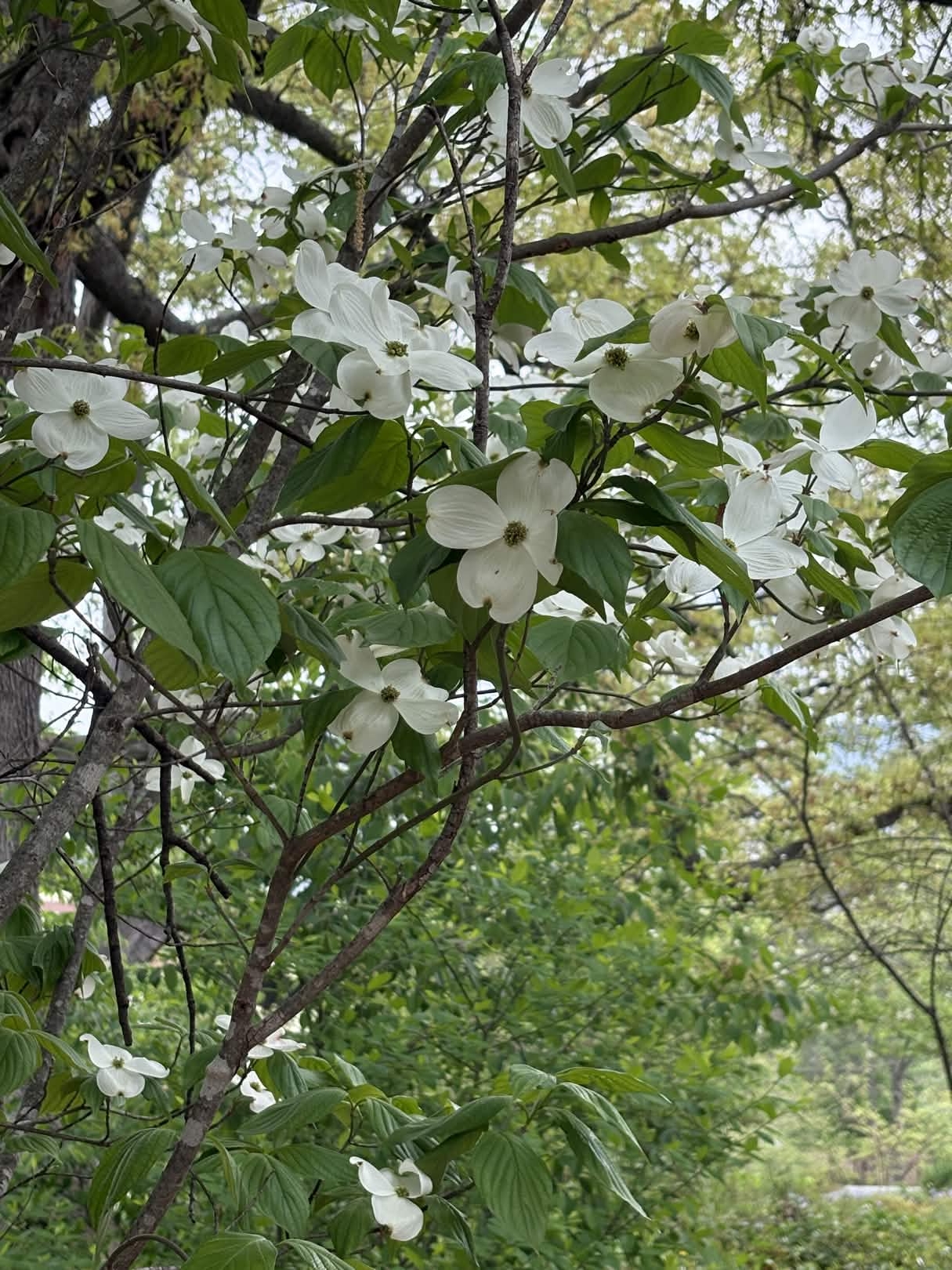
    Outside the Kendeda building also lies flowering Dogwood trees, which are known as the Cornus florida.

    These trees are often planted throughout Georgia as ornamental trees. This means that the trees are mainly planted for display rather than a more practical function. 

    However, the species can be extremely beneficial to the environment. Dogwood trees produce leaf litter that decomposes rather quickly, which can improve the soil quality (USDA). Additionally, the plant is an extremely important part of calcium cycling. Plants need calcium to survive, as it is extremely important to the structure of cell walls and plasma membranes. Flowering dogwood trees draw calcium from the soil, cycling it into a more usable form for other plants. (Borer, Sapp, & Hutchinson, 2013).


    Philadelphia Fleabane:

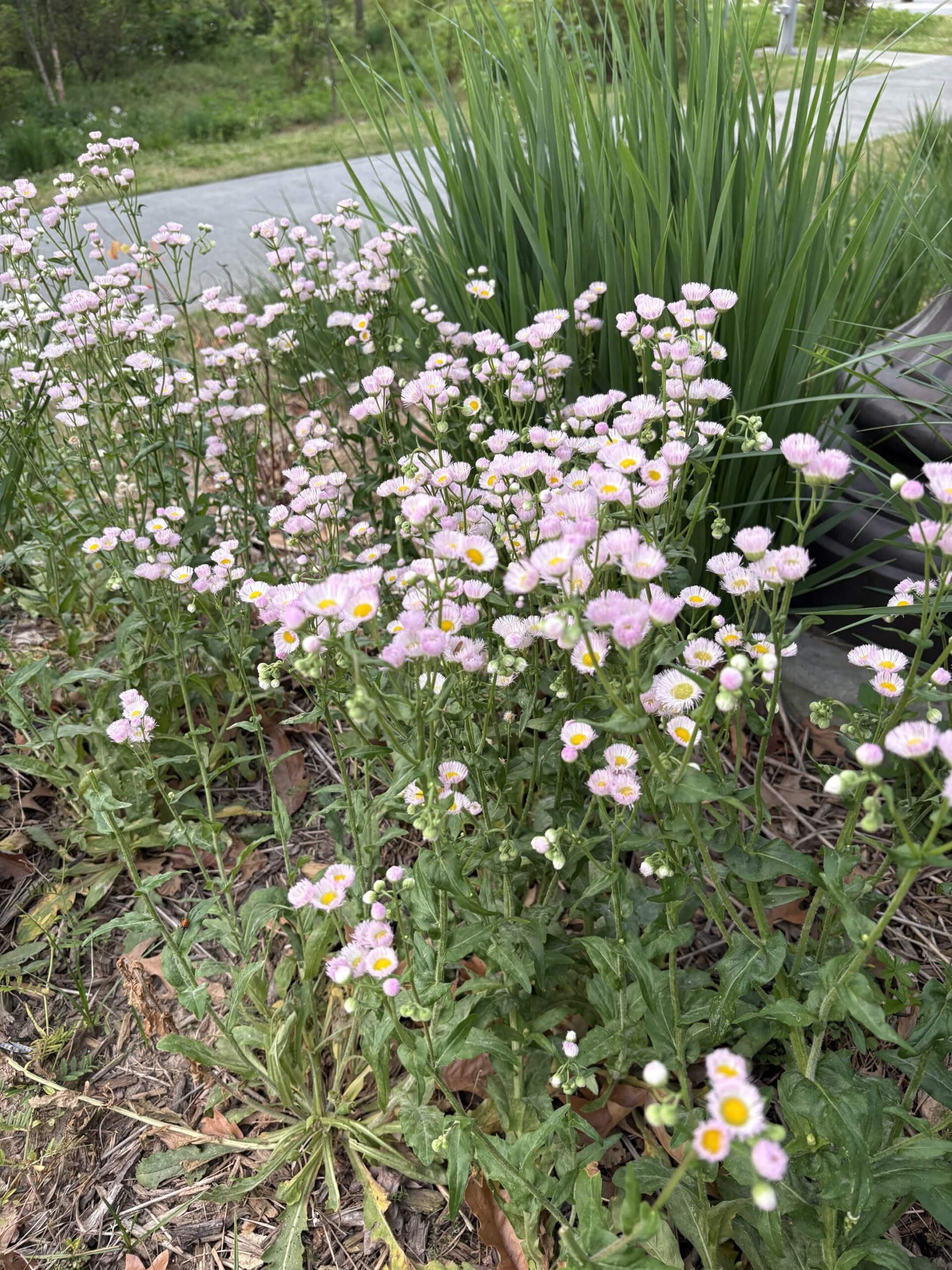
    Around the Center Street South apartments are the Philadelphia Fleabane, which are also known as the Erigeron philadelphicus.

    These are common wildflowers that grow in moist regions of the United States. They are often considered as weeds if they are not managed properly. This does not mean that they are invasive, but rather that the plant can grow in unwanted spaces if they are not managed properly. 

    They most commonly bloom during the spring. The flowers will remain open throughout the day time and close back up during the night.

    Throughout history, these flowers have had a number of uses, especially in Native American populations. The Philadelphia Fleabane has been made into tea, burned as incense, or simply chewed to treat the common cold in the past (USDA). 


    Oakleaf Hydrangea:

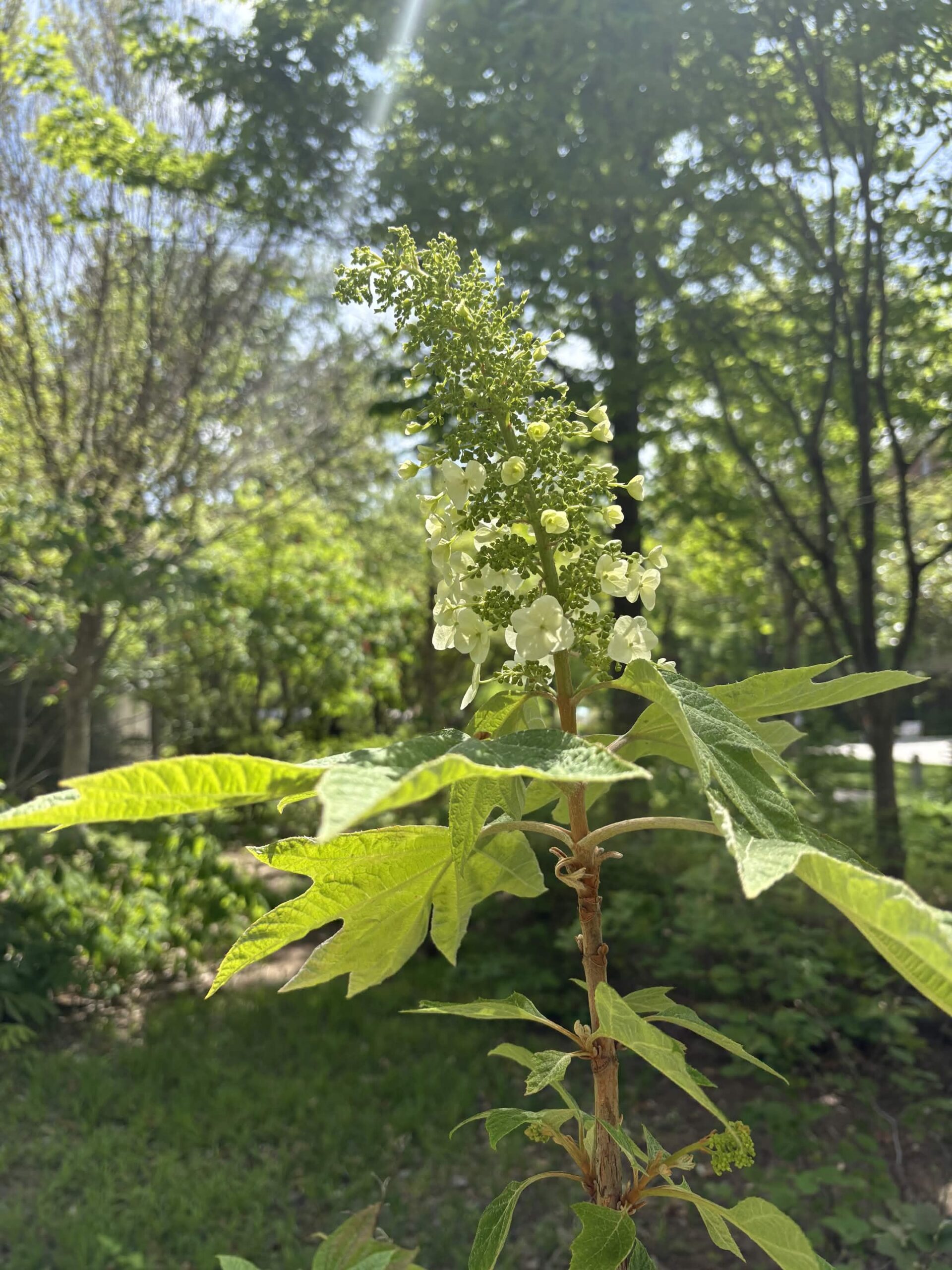
    Finally, we have the Oakleaf hydrangeas, which are generally grown in shrubs near the Klaus and Van Leer buildings towards late spring or early summer. These are also known as Hydrangea quercifolia, and they can be found blooming throughout campus. The flowers are native to the southeastern parts of the United States, where they begin to bloom in the early parts of summer.

    The plants grow in shrubs, with many cone-like structures that eventually bloom with cream-colored flowers. They are more known to be planted for ornamental purposes.

    Although the hydrangea pictured is native to Georgia, there are other species of Oakleaf hydrangeas that were specifically bred for their looks. For example, universities from multiple states in the southeast came together to cultivate the Ruby Slipper Oakleaf. It is a hybrid that starts off white just like the flower pictured and later turns a deep red color as it ages (Reed, 2010).


    Works Cited:

    Borer, C.H., Sapp, S.G. & Hutchinson, L.H. (2013). Flowering dogwood (Cornus florida L.) as mediator of calcium cycling: new insights are revealed by analysis of foliar partitioning. Trees 27, 841–849 https://doi.org/10.1007/s00468-012-0838-9 

    Georgia Native Plant Society. (n.d.). Piedmont Azalea (rhododendron canescens). GNPS https://gnps.org/plant/piedmont-azalea-rhododendron-canescens-2/ 

    Reed, S. M. (2010). ‘Ruby Slippers’ and ‘Munchkin’ Oakleaf Hydrangeas. HortScience, 45(12), 1908–1909. https://doi.org/10.21273/HORTSCI.45.12.1908 

    United States Department of Agriculture National Resources Conservation Service, USDA. (n.d.). PHILADDELPHIA FLEABANE Erigeron philadelphicus L.. https://plants.sc.egov.usda.gov/DocumentLibrary/plantguide/pdf/cs_erph.pdf 

    United States Department of Agriculture National Resources Conservation Service, USDA. (n.d.). FLOWERING DOGWOOD Cornus Florida L. https://plants.sc.egov.usda.gov/DocumentLibrary/plantguide/pdf/pg_cofl2.pdf 

    Wade, G. L., Braman, K., Woodward, J. W., (2022) Selecting and Growing Azaleas. UGA Cooperative Extension Bulletin 670. https://fieldreport.caes.uga.edu/wp-content/uploads/2025/08/B-670_6.pdf 

    Yadav, L. K., McAssey, E. V., & Wilde, H. D. (2019). Genetic Diversity and Population Structure of Rhododendron canescens, a Native Azalea for Urban Landscaping. HortScience, 54(4), 647–651. https://doi.org/10.21273/HORTSCI13840-18 


  • Mandai Bird Paradise: Asia’s Biggest Aviary Sanctuary

    The Mandai Bird Paradise is the biggest bird conservatory in Asia, inaugurated back in May 2023. As one of the six pillars of the Mandai Wildlife Reserve, the incredible sanctuary covers over 42 acres of land on Mandai Island in Singapore. The reserve houses around 3,500 birds encompassing over 400 different species. Mandai Nature is the conservation arm of the Mandai Wildlife Group, which is dedicated to providing a haven for all these species through the Mandai Bird Paradise and to preserving Southeast Asia’s incredible biodiversity through conservation efforts, with a focus on averting species extinction (Temasek Trust, 2024). 

    Such a variety poses a rather obvious question: How? In order to answer this question, we must chart our way through the science behind conservation, biodiversity and rehabilitation!

    Conservation

    Conservation, as defined by the Merriam-Webster dictionary, is to carefully preserve and protect something. In a wildlife context, it is orchestrated management of natural resources to prevent exploitation, destruction, or neglect. Conservation efforts to preserve biodiversity are not just about protecting animals in isolation, but in our context, it is about the creation of an entire ecosystem where species can thrive naturally.

    At Mandai Bird Paradise, conservation takes an approach similar to this article on biodiversity conservation by diversity (Ramón et al., 2020). In-situ conservation focuses on protecting species in their natural habitats, whereas, ex-situ conservation, which is practiced at Mandai, provides controlled environments where vulnerable or endangered species can be bred, monitored, and protected from immediate threats such as habitat loss or poaching.

    The sanctuary also participates in international breeding programs and collaborates with global conservation organizations to ensure genetic diversity is maintained among species. This is critical because reduced genetic diversity due to issues such as environmental changes from global warming can make populations more susceptible to disease. Through these coordinated efforts, Mandai Bird Paradise becomes more than just a sanctuary, but a cornerstone in the Mandai Wildlife Group’s stand as an active contributor to global conservation science.


    Biodiversity

    Biodiversity refers to the variety of life in a particular habitat or ecosystem, encompassing differences in species, genetics, and ecological roles. The presence of over 400 bird species at Mandai Bird Paradise highlights not only the richness of different avian life present but also the complexity of maintaining such diversity within a single environment. This maintenance is done by separating the 42-acre land into around 10 unique habitats that each suit a certain group.

    Each species then gets to play its unique role in its ecosystem, from seed dispersal to pollination and pest control. By housing a wide array of species, the sanctuary effectively simulates interconnected ecological networks, allowing researchers and conservationists to better understand how these systems function.

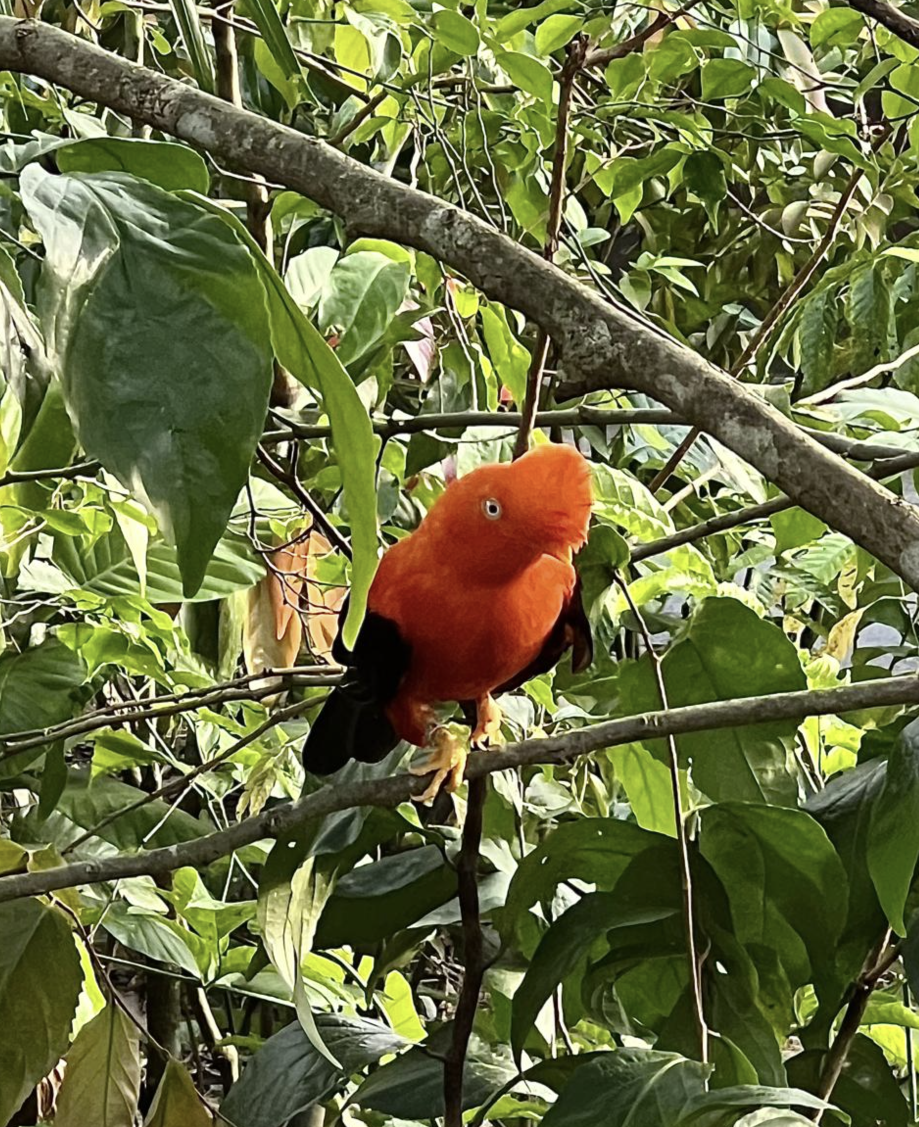
    Maintaining biodiversity in a controlled setting requires careful planning. Factors such as diet, climate conditions, nesting environments, and social groupings must all be tailored to meet the needs of different species. For instance, tropical birds such as the Andean cock-of-the-rock (yes, you read that right) require high humidity and dense vegetation, while others may need open spaces or specific nesting structures. This level of detail ensures that the birds are not only surviving but thriving in conditions that closely resemble their natural habitats.

    Andean cock-of-the-rock


    Rehabilitation

    Rehabilitation is another crucial component that involves the care and recovery of injured, displaced, or trafficked birds with the goal of reintroducing them into the wild whenever possible.

    Birds that arrive at rehabilitation centers often suffer from injuries caused by habitat destruction, illegal wildlife trade, or human interference. At Mandai, veterinary teams and specialists provide medical treatment, nutritional support, and behavioral conditioning to help these birds regain their strength and natural instincts.

    One of the key challenges in rehabilitation is ensuring that birds do not become overly dependent on human care. To address this, caretakers minimize human interaction and design enclosures that encourage natural behaviors such as foraging and flight. Only when a bird demonstrates sufficient recovery and independence is it considered for release. Even when release is not possible, rehabilitation still plays an important role. These birds may become part of educational programs, helping to raise awareness about conservation issues and inspiring visitors to take action in protecting wildlife.


    Mandai Bird Paradise – Sanctuary & Conservation Magic

    Mandai Bird Paradise is more than the visually stunning attraction you see through my lens, it is a living example of how science, conservation, and education can come together to protect our planet’s biodiversity. By integrating conservation strategies, maintaining diverse ecosystems, and supporting rehabilitation efforts, this sanctuary embodies what modern wildlife preservation should look like. In doing so, Mandai Bird Paradise not only safeguards thousands of birds but also inspires future generations like yours and mine to value and preserve the delicate balance of life on Earth.

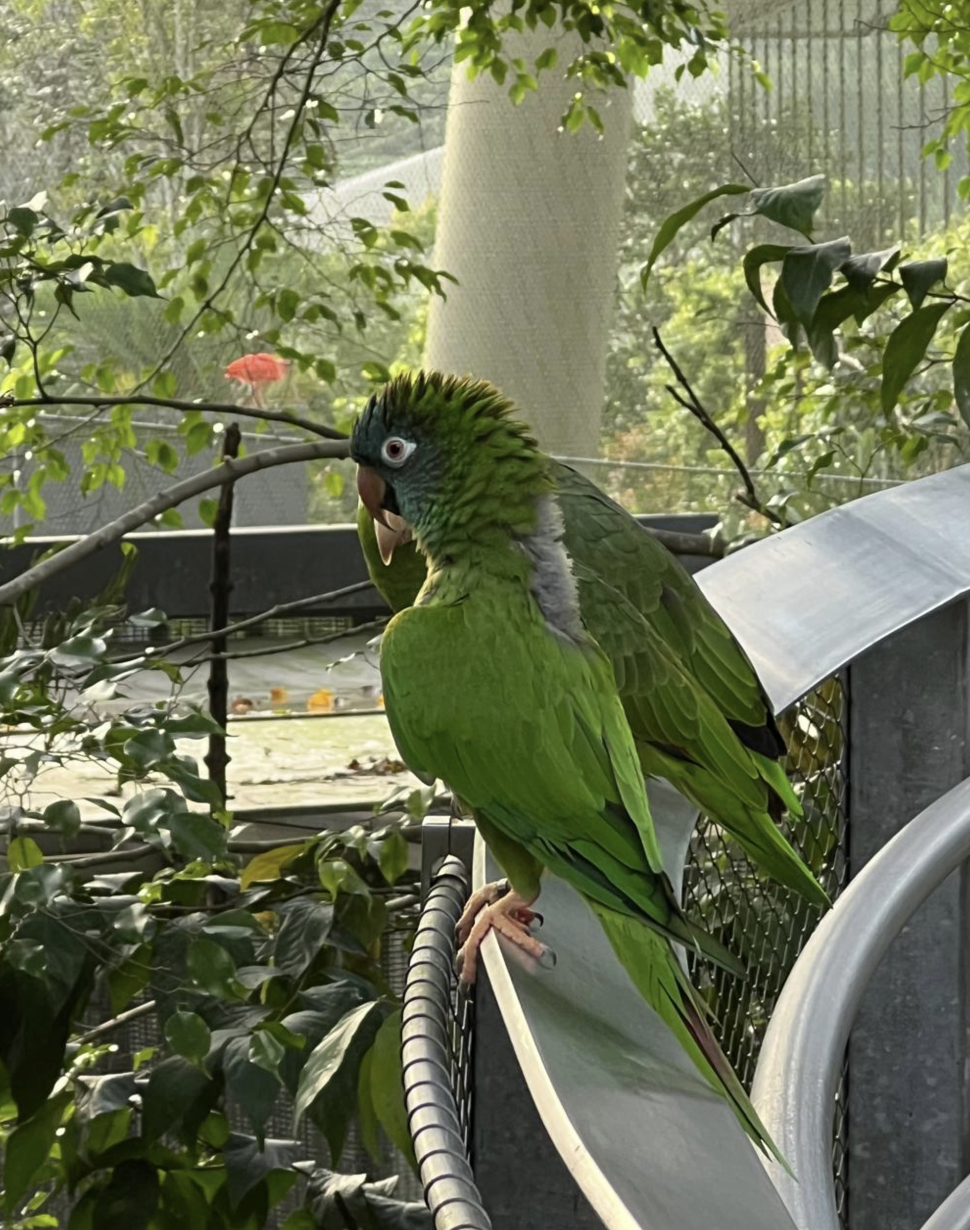
    Blue-crowned Parakeet

    Bits of My Time

    This reserve is one of the most beautiful places on Earth! Walking out into the Crimson Wetlands zone of the park felt like a scene straight out of a movie. There were colorful macaws soaring overhead, bright American flamingos dancing by the pond, Scarlet ibis carefully balancing on the hand rails and so much more. My exploration of the Mandai Reserve taught me so many fun facts about birds and this experience rekindled my love for all things nature. It truly gave me a fond memory to recall for the rest of my lifetime.

    References

    All Photography/Illustrations by Kristina Sarah Siju

    Mestanza-Ramón, C., Henkanaththegedara, S. M., Vásconez Duchicela, P., Vargas Tierras, Y., Sánchez Capa, M., Constante Mejía, D., Jimenez Gutierrez, M., Charco Guamán, M., & Mestanza Ramón, P. (2020). In-Situ and Ex-Situ Biodiversity Conservation in Ecuador: A Review of Policies, Actions and Challenges. Diversity, 12(8), 315. https://doi.org/10.3390/d12080315 

    Protecting Wildlife, Preserving The Future. (2023). Temasek Trust Revamp. https://www.temasektrust.org.sg/what-we-do/impact-hub/article-details/mandai-nature-impact-report-2023-2024

    Speiran S. I. M. (2025). The ‘Sanctuary Gap’: Reviewing the Research on Captive Wildlife Sanctuary Tourism. Animals : an open access journal from MDPI, 15(4), 496. https://doi.org/10.3390/ani15040496

  • Why Is Math So Hated?

    “What’s your favorite subject?”

    “I’m not sure… just definitely not math. What’s yours?”

    “Oh, funny story…”

    Ah yes, math, the subject notorious for being one of the hardest subjects in school, with “math anxiety” being the term coined for the fear of math. If you’re reading this, you’ve most likely been through the agony of a difficult math class or teacher that just didn’t understand you. As a math major and someone who loved math as a child (but also had their share of math difficulties), I sought out to understand why math is so hated, and if there is anything we can do to change that. After all, I was able to see firsthand how cool math is and my hope is that more and more people will be able to as well.

    How Math is Taught in School

    Many students point to the difficulty of math when asked why they dislike it, as shown from this table, where math being hard was listed as a reason almost twice as much as it being boring (Stodolsky et al., 1991). Therefore, we should look to how math is taught in school to see why students are struggling so much. In general, many math educators teach in a more computationally-focused way, prioritizing students’ abilities to memorize concepts and algorithms to be able to complete a problem set, rather than letting them discover the math on their own or letting the students know the “why” behind what they are doing (Stodolsky et al., 1991). This was certainly my experience in some of my classes, where when asked why something works the teacher would just say “don’t worry about it.” This can cause students to be confused on how to follow the steps given to them to solve a problem or give them difficulty when trying to memorize them for a test. If students knew all of the derivations to the formulas they were using, I think they would be more likely to remember it and boost their problem-solving skills than if they regurgitate a step-by-step process given to them.

    Gender Stereotypes Regarding Math Ability

    If you’re a girl, you may have heard it at least once in your life: “You’re a girl? You can’t possibly be good at math or science, you belong in humanities (or the kitchen).” Or perhaps, you’ll be the only girl, or one of a few, in some advanced STEM class. One study was held testing children in a few different categories: math performance, math anxiety, and test anxiety, collecting data over different grades for boys versus girls. The study found that higher math anxiety had more of a negative effect on girls than for boys (Erturan & Jansen, 2015). This is likely due to the aforementioned  stereotypes that boys are better than girls at STEM related subjects such as math, putting more pressure on girls when testing. Even if they might know the content, these stereotypes can put doubt into girls’ minds about whether or not they are capable of doing well in math.

    Intergenerational Effects on Math Anxiety

    Math anxiety has existed for a long time, not just in this generation, but in those of our parents and grandparents as well. As a result, it makes sense to consider the possibility that it gets passed down from generation to generation, not necessarily through genetics, but through parents’ attitudes towards math rubbing off on their children. Another study on math anxiety investigated the role that parents played pertaining to their children’s levels of math anxiety, by testing students’ reading and math performance and giving parents questionnaires to determine their levels of math anxiety. The study revealed that there was a negative correlation between a parent’s math anxiety and their child’s performance, but only when the parent was significantly involved with helping the child with their homework (Maloney et al., 2015). It is speculated that the cause of this is the parents letting out their own negativity towards the subject to the child, expressing their frustration which caused their children to also have higher levels of math anxiety and do poorer on their tests.

    What To Do?

    It is clear there are many outside factors that can cause a child to dislike math, so  how do we combat this? Even if we don’t like math that much ourselves, we can try our best not to project that mindset onto young minds and instead, encourage students to develop a growth mindset (Mendoza, 2025). With some work, it would also be beneficial to make a few changes to the way math is taught in school by making learning more interactive and prioritizing understanding over memorization. And hopefully, maybe one day, math will not be considered the “hated” subject but simply just a subject that more people enjoy.


    References

    Erturan, S., & Jansen, B. (2015). An investigation of boys’ and girls’ emotional experience of math, their math performance, and the relation between these variables. European Journal of Psychology of Education, 30(4), 421–435. https://www.jstor.org/stable/24763249

    Maloney, E. A., Ramirez, G., Gunderson, E. A., Levine, S. C., & Beilock, S. L. (2015). Intergenerational Effects of Parents’ Math Anxiety on Children’s Math Achievement and Anxiety. Psychological Science, 26(9), 1480–1488. https://www.jstor.org/stable/24544088

    Mendoza, K. (2025, February 28). 9 Strategies to Help Students Love Math – Oxford Learning. Oxford Learning. https://oxfordlearning.com/9-strategies-to-help-students-love-math/

    Stodolsky, S. S., Salk, S., & Glaessner, B. (1991). Student Views about Learning Math and Social Studies. American Educational Research Journal, 28(1), 89. https://doi.org/10.2307/1162880