Category: today i learned (til)

  • Filling in the Gaps: Biases and Pareidolia

    Our brains are amazing, allowing us to do so much. Even so, they aren’t perfect. Do you remember during COVID, you would meet people for the first time wearing masks? Then, when you finally saw their whole face, you were surprised. And it’s not like you had purposefully thought about what the bottom half of their face looked like, but it was still somehow different than expected.

    Facial Recognition & Pareidolia

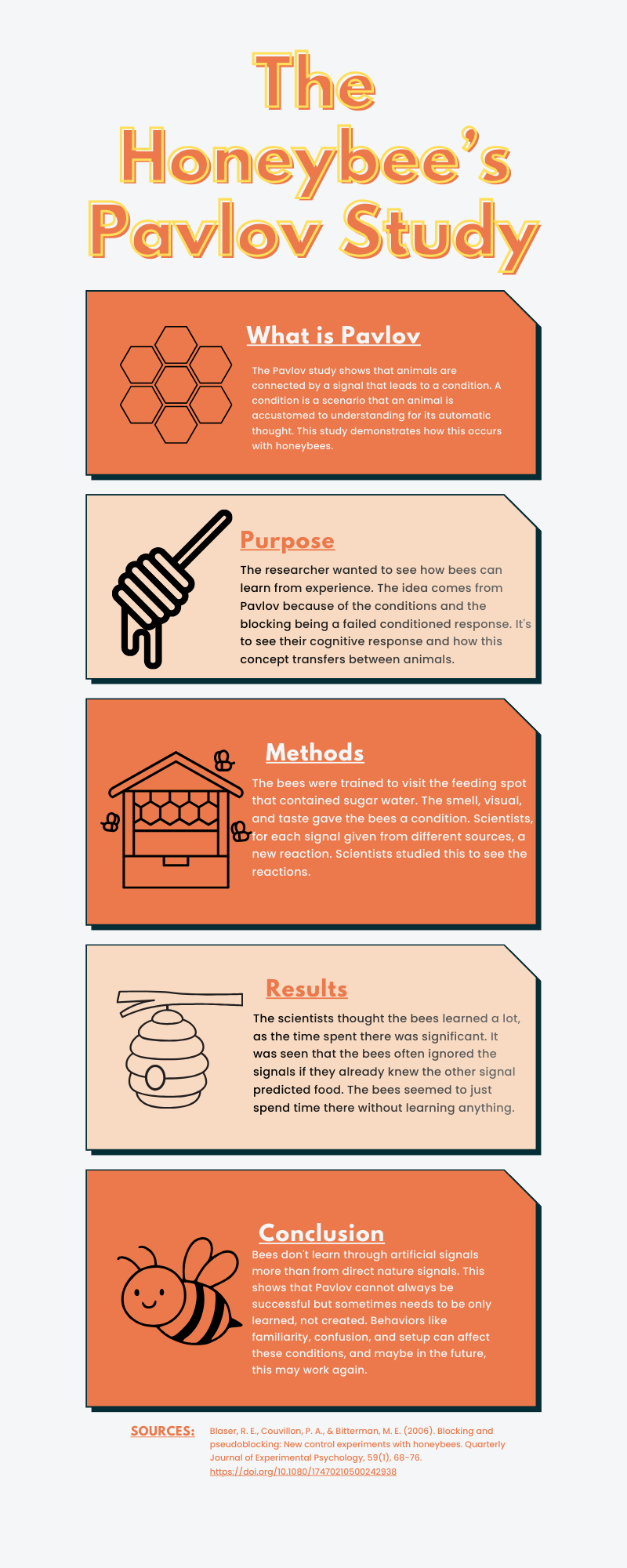
    This may be due in part to the fact that humans are wired to recognize faces. This is such a strong skill that we even recognize “faces” in inanimate objects: the front of cars, electrical outlets, even clouds or rocks. This phenomenon is called pareidolia, a human tendency to recognize meaningful patterns, especially faces. This is thought to evolve from the need to quickly recognize facial expressions for threats or social cues. We even have an entire region of the brain responsible: the face fusiform area (FFA) (Zhou & Meng, 2020). Studies have shown that even infants can recognize face-like patterns as faces (Kato & Megitani, 2015). Infants as young as seven months were able to recognize faces in Arcimboldo’s paintings (Kobayashi et al., 2012). These paintings were of inanimate objects, such as vegetables, arranged to resemble a portrait of a human. They are honestly a bit creepy, but feel free to give it a google!

    Obviously we can all recognize a face, even under a mask, but a study using an artificial face recognition system gave us some evidence for why. A system called deep convolutional neural networks, or DCNN, determined the most important facial feature for facial recognition to be the eyebrows. This was followed by the eyes, mouth, then nose (Zhang et al., 2024). This makes sense with facial recognition under a mask, as the two most important features are still visible. Why the eyebrows are the most important isn’t clear. It could be that eyebrows are important for facial expressions, or that they are important for individual recognition due to their large diversity in color, shape, and placement.

    Cognitive Dissonance & Bias

    I found the science behind facial recognition fascinating, but it still doesn’t quite explain why we subconsciously fill in the bottom half of someone’s face. As it turns out, recognizing parts of a meaningful pattern, such as the face, but missing key parts of it, creates cognitive dissonance. Cognitive dissonance is when there is discrepancy between what your brain expects or believes and the information it is gathering. In the case of a mask, your brain is expecting to see all the important components of a face, so when the mouth and nose are missing, it creates a sort of tension. To relieve this tension, your brain uses what it knows about the face to fill in the gaps. This way, the pattern fits in with the categories we already have.

    Significance

    Pattern recognition, especially facial recognition, is super important, allowing us to recognize slight changes in facial expression or obstructed faces, like under a mask. But this can also lead to something not so great. Amy E. Herman said in her book “Visual Intelligence” that humans see through the brain, not the eyes. All your sensory organs collect signals and send them to the brain for processing. The signals don’t mean anything on their own, whether that is light through the eyes or smell through the nose. It is the processing that allows us to process these signals into something meaningful. This information is then tried to fit in with our prior knowledge, reducing cognitive dissonance. But in the process of fitting in new information, it can get twisted. Filling in what a face looks like under a mask, for example, is the brain twisting information to fit it in with what it already knows. This phenomenon happens all the time and is the science behind confirmation bias.

    Human brains are extremely susceptible to confirmation bias, even going so far as to discard or ignore information that contradicts our beliefs (The science of stereotyping, 2022). The Smithsonian has a super cool interactive article about the science of bias if you are interested in learning more!

    All of this to be said, our brains are amazing things, but they are not perfect. It is important to know that sometimes they take the easy path, twisting information to fit what we already know, from what someone looks like under a mask, to knowing a face-shaped rock is not a person.


    References

    Zhou, L.-F., & Meng, M. (2020). Do you see the “face”? Individual differences in face pareidolia. Journal of Pacific Rim Psychology, 14, e2. https://doi.org/10.1017/prp.2019.27

    Kato, M., & Mugitani, R. (2015). Pareidolia in infants. PLOS ONE, 10(2), e0118539. https://doi.org/10.1371/journal.pone.0118539 

    Kobayashi, M. et al. (2012). Do infants recognize the Arcimboldo images as faces? Behavioral and near-infrared spectroscopic study. Journal of Experimental Child Psychology, 111(1), 22-36. https://doi.org/10.1016/j.jecp.2011.07.008. 

    Zhang, Q. et al. (2024). Understanding of facial features in face perception: insights from deep convolutional neural networks. Frontiers in Computational Neuroscienc, 18 https://doi.org/10.3389/fncom.2024.1209082 

    University of Wisconsin–Madison Department of Psychology. (2022). The science of stereotyping. https://psych.wisc.edu/news/the-science-of-stereotyping/

    Smithsonian Institution. (2021). The science of bias. https://biasinsideus.si.edu/online-exhibition/the-science-of-bias

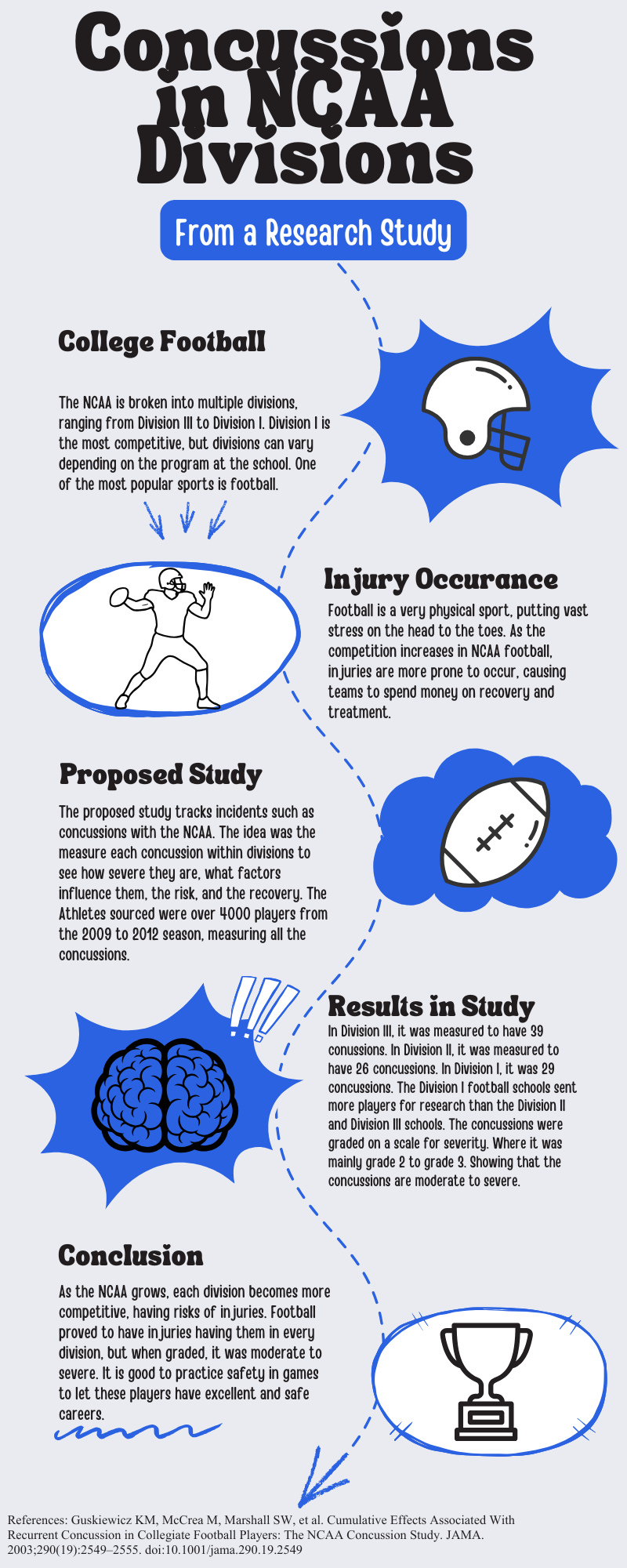
  • Why You Shouldn’t Go To Bed at 4 AM

    Why You Shouldn’t Go To Bed at 4 AM

    Imagine the following scenario – it’s 2:15 am and you’re furiously typing away a final paper that is due before your 8 AM class tomorrow. With dark circles under your eyes, you take another sip of your iced Americano and promise yourself that you will go to bed soon. You don’t and end up staying up til 4 AM. The next day, you walk around campus with just three hours of sleep – you have bloodshot eyes, are unable to think properly, and just feel like passing out. 

    Under the pressure of school, work, or whatever it may be, we all have been tempted to compromise our sleep. In the face of such situations, sleep seems like something that can wait, or worse, be ignored completely. However, that is a large and even dangerous misconception because sleep is incredibly important for the functioning of our bodies. One of its crucial goals is to be restorative for many physiological, cognitive, and psychological processes. Without the restorative effects of sleep, the body can begin to experience issues in various areas of health. In extreme cases with chronic sleep deprivation, there can be serious consequences, which can include even a shortened lifespan. 

    What is sleep?

    Sleep is described as a state that is easily reversible and also characterized by changes in consciousness and decreased responses to sensory stimuli. In other words, you are able to relatively easily enter a state of sleep and vice versa, come out of that sleep, which is known as wakefulness. In addition, you are not actively tuned into your environment during sleep, which explains why you do not use much of your senses (e.g., vision, hearing, touch, etc.) while you sleep.   

    In addition, sleep is regulated and controlled by our bodies, specifically the brain, by “biological clocks” called circadian rhythms. The specific part of the brain that is responsible is called the suprachiasmatic nucleus (SCN) and helps control sleep as a 24 hour cycle, which includes wakefulness. Moreover, sleep is divided into four primary stages: N1, N2, N3, and REM sleep (Baranwal et al., 2023). Specifically, the N1 stage is responsible for light sleep while the N2 stage is when our heart rate and body temperature decrease (Baranwal et al., 2023). The N3 stage, also known as slow wave sleep, is characterized as deep sleep and is believed to be when body repair/restoration occurs (Baranwal et al., 2023). Lastly, REM sleep or the N4 stage is when dreaming occurs (Baranwal et al., 2023). 

    Impact of Sleep on the Body

    As it was previously emphasized, sleep is restorative in many ways – for instance, physiological processes, such as regulation of homeostasis and secretion of growth hormone, work more efficiently during sleep (Irwin, 2015). Specifically, homeostasis can be described as how the body maintains a balanced internal environment. Disruptions in homeostasis due to sleep deprivation can negatively impact the body, such as causing a weakened immune system (Baranwal et al., 2023). In addition, research has shown secretion of growth hormone increases during slow-wave sleep, or the N3 stage of sleep (Baranwal et al., 2023). As a result, not sleeping well, especially for children and teenagers, can have negative effects on growth. 

    Its importance is not limited to just physiological processes, but also cognitive processes such as learning, memory, executive functioning, and regulation of emotions (Hyndych et al., 2025). It is already well known in the scientific field that sleep is crucial for learning and memory in which sleep deprivation can cause serious disruptions. Hence, it seems ironic – especially from a student’s perspective – because the purpose of pulling all nighters is to cram information and speed up the learning process – however, its effects are actually the very opposite. 

    Research continues to be ongoing and has linked sleep deprivation to many health issues in many areas such as metabolic, cardiovascular, etc. For example, it is associated with impairment in muscle repair (metabolic), hypertension (cardiac), increased stress levels, and reduced production levels of antibodies (immune), etc (Baranwal et al., 2023). As you can see, sleep is vital to our daily functioning and health overall!

    So what?

    So, the next time you feel tempted to stay up to finish work or pull an all-nighter – just don’t. Sleep is not something we “just do” but plays a crucial role in that it restores your body and mind, helping to reset you for the next day. Missing out on hours of sleep can cause dysfunction and leave you feeling worse than better. In the long run, sleep deprivation can cause serious health issues and a few all-nighters are simply not worth that. 

    References

    Baranwal, N., Yu, P. K., & Siegel, N. S. (2023). Sleep physiology, pathophysiology, and sleep hygiene. Progress in Cardiovascular Diseases, 77(1), 59–69. https://doi.org/10.1016/j.pcad.2023.02.005

    Dang-Vu, T. T., Schabus, M., Desseilles, M., Sterpenich, V., Bonjean, M., & Maquet, P. (2010). Functional Neuroimaging Insights into the Physiology of Human Sleep. Sleep, 33(12), 1589–1603. https://doi.org/10.1093/sleep/33.12.1589

    Harvard Medical School. (2021, October 1). Science of Sleep: What is Sleep? Harvard.edu. https://sleep.hms.harvard.edu/education-training/public-education/sleep-and-health-education-program/sleep-health-education-47

    Hyndych, A., El-Abassi, R., & Mader, E. C. (2025). The Role of Sleep and the Effects of Sleep Loss on Cognitive, Affective, and Behavioral Processes. Cureus, 17(5). https://doi.org/10.7759/cureus.84232

    Irwin, M. R. (2015). Why Sleep Is Important for Health: A Psychoneuroimmunology Perspective. Annual Review of Psychology, 66(1), 143–172. https://doi.org/10.1146/annurev-psych-010213-115205

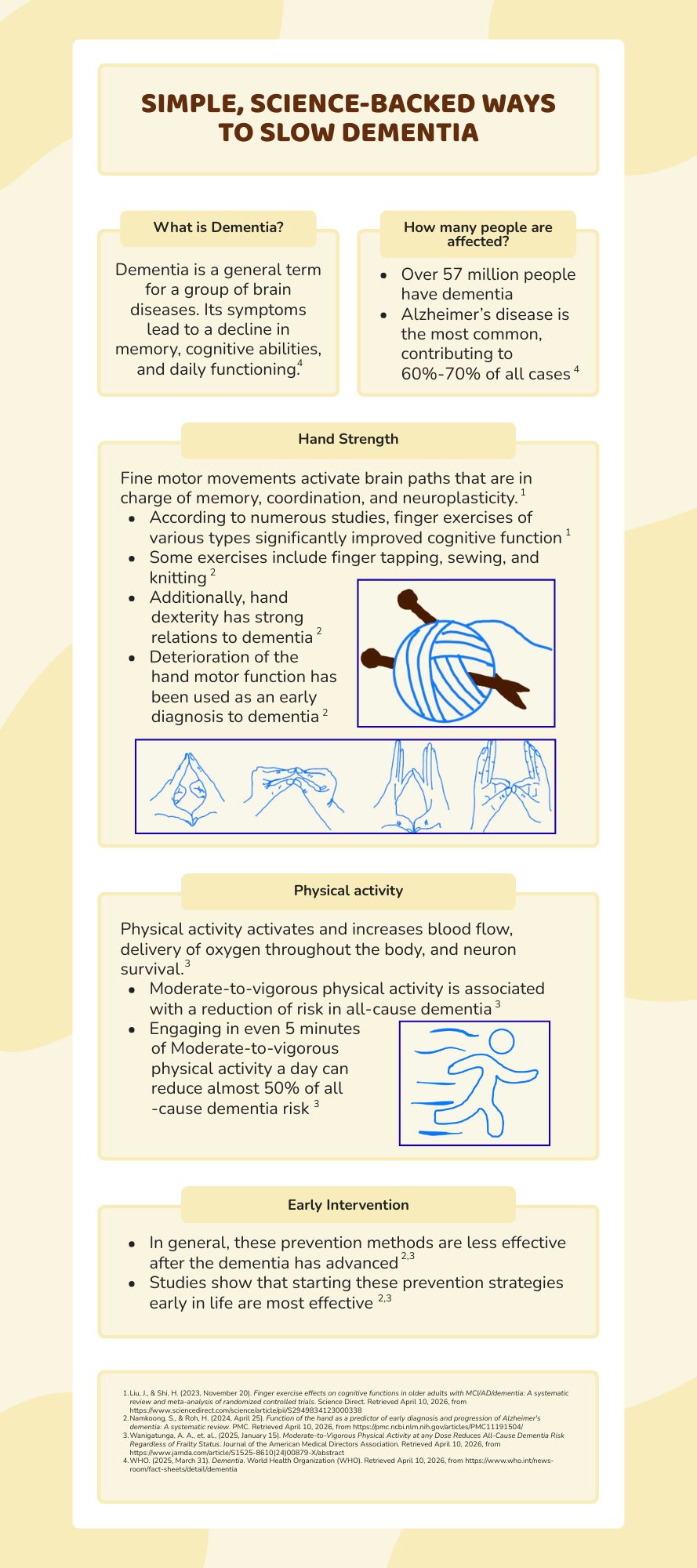
  • Simple, Science-backed Ways to Slow Dementia


    What is Dementia?

    Dementia is a general term for a group of brain diseases. Its symptoms lead to a decline in memory, cognitive abilities, and daily functioning.

    How many people are affected?

    • Over 57 million people have dementia.
    • Alzheimer’s disease is the most common, contributing to 60%-70% of all cases.

    Hand Strength

    Fine motor movements activate brain paths that are in charge of memory, coordination, and neuroplasticity.

    • According to numerous studies, finger exercises of various types significantly improved cognitive function.
    • Some exercises include finger tapping, sewing, and knitting.
    • Additionally, hand dexterity has strong relations to dementia.
    • Deterioration of the hand motor function has been used as an early diagnosis to dementia.

    Physical activity

    Physical activity activates and increases blood flow, delivery of oxygen throughout the body, and neuron survival.

    • Moderate-to-vigorous physical activity is associated with a reduction of risk in all-cause dementia.
    • Engaging in even 5 minutes of Moderate-to-vigorous physical activity a day can reduce almost 50% of all-cause dementia risk.

    Early Intervention

    • In general, these prevention methods are less effective after the dementia has advanced.
    • Studies show that starting these prevention strategies early in life are most effective.

    References:

    Liu, J., & Shi, H. (2023, November 20). Finger exercise effects on cognitive functions in older adults with MCI/AD/dementia: A systematic review and meta-analysis of randomized controlled trials. Science Direct. Retrieved April 10, 2026, from https://www.sciencedirect.com/science/article/pii/S2949834123000338

    Namkoong, S., & Roh, H. (2024, April 25). Function of the hand as a predictor of early diagnosis and progression of Alzheimer’s dementia: A systematic review. PMC. Retrieved April 10, 2026, from https://pmc.ncbi.nlm.nih.gov/articles/PMC11191504/

    Wanigatunga, A. A., et. al., (2025, January 15). Moderate-to-Vigorous Physical Activity at any Dose Reduces All-Cause Dementia Risk Regardless of Frailty Status. Journal of the American Medical Directors Association. Retrieved April 10, 2026, from https://www.jamda.com/article/S1525-8610(24)00879-X/abstract

    WHO. (2025, March 31). Dementia. World Health Organization (WHO). Retrieved April 10, 2026, from https://www.who.int/news-room/fact-sheets/detail/dementia


  • The Artificial Turf Epidemic

    Introduction:

    Over the years, a growing trend in sports has emerged with schools, professional teams, families, and even city parks switching from real grass to artificial turf. In my life alone, I have seen my friends’ families remove beautiful grass lawns, and my high school get rid of grass fields in favor of more expensive artificial turf. 

    History:

    First installed in 1966 at Houston’s Astrodome, artificial turf originally consisted of nylon carpet over compacted soil, and the trend of replacing natural grass with so-called AstroTurf continued due to its durability and low maintenance requirements (Cumberbatch et al., 2025). Even back then, many shared concerns about the grass, as, for the first time in human history, people ran on a human-made version of a natural surface. These issues have laid the foundation for modern discourse around playing surfaces, whether we should prioritize convenience or player opinions. 

    Current Use:

    Now, artificial turf uses synthetic polymers, with the top layer consisting of polymers attached to a textile with latex backing, and the infill made of recycled tires (Cheng et al., 2014). To emulate the shock absorption of real grass, artificial grass makers use sand laid over a shock pad made of materials such as rubber. These moves have increased its energy and water costs; however, they remain lower than those of maintaining a real grass field. 

    The new turf only needs water to cool it down at times due to its material’s high heat absorption and the lack of evaporation seen in normal grass (Cumberbatch et al., 2025). The new turf also excels in durability, with strong polymers preventing the grass from tearing and avoiding the dirt spots and rough patches characteristic of a normal grass field.

    While the new turf clearly excels in many areas, the areas it does not excel in have become the greatest sources of conversation, with its impervious surface limiting water infiltration and the synthetic grass having lower permeability to water (Cheng et al., 2014). Normal grass serves as a runoff area; as anyone who has played sports remembers, practice gets canceled because of heavy rainstorms. Furthermore, plastic pollution also becomes a major issue with artificial turf as microplastics, which do not biodegrade, linger in the environment and account for 15% of plastic debris in aquatic environments (Cumberbatch et al., 2025). Artificial turf also produces significantly more greenhouse gases than natural grass, and maintaining the grass increases the use of pesticides and cleaning solvents. Suppose you thought that you should just get rid of the synthetic grass and replace it with natural grass; even more issues emerge, as we do not have proper recycling facilities for artificial turf. 

    Health Risks:

    Health-wise, synthetic grass also raises serious concerns, as high surface temperatures increase the risk of dehydration and heat stroke (Reiad et al., 2025). The high presence of forever chemicals in artificial turf can also cause developmental issues, liver damage, and an increased risk of cancer (Reiad et al., 2025). Furthermore, athletes dislike the grass because of the increased risk of injury. In a study by John Powell, he linked artificial turf surfaces to increased knee injuries in professional football, and just from the top of my head, I can think of 10 bad lower extremity injuries from artificial turf, like Aaron Rodgers tearing his Achilles on his debut with the Jets and Dre Greenlaw doing the same in the Super Bowl. The NFL even conducted a poll in which 92% of athletes said they preferred natural to synthetic grass (The Associated Press, 2024). However, some studies have seen a greater concussion risk associated with natural grass, so you cannot simply say x is better than y in terms of injury risk. 

    Hopefully, this article has guided you to my research question: Why would anyone ever use synthetic grass? The NFL has proven, through this year’s World Cup, that it can switch fields quite easily. In Europe, nearly all professional soccer teams use grass, so why would baseball and football team owners use hated synthetic grass fields over nostalgic, beloved grass fields? The answer to your question is likely effort and money. 

    Appeal of Turf:

    When you walk on a field of grass, you may not realize the effort it took to avoid rolling your ankle on a divot or accidentally stepping on an ant hill, but maintaining a proper grass field requires continuous, multifaceted effort. It requires seasonal reseeding, watering, mowing and cutting, fertilization, and changing costs based on weather conditions. The costs behind these actions tend to add up, leading to high and even unpredictable costs at times, which has led organizations and teams to stray away from grass in favor of turf. To maintain a turf field, all you might need to do is brush the surface of artificial grass to make it stand up straight or remove any debris or stains on the field, but other than that, and maybe a light watering for cooling, the cost associated with cleaning and maintaining turf remains relatively steady. Turf withstands heavy use and weather better than grass, making it ideal for the US’s multipurpose stadium venues. Artificial turf appeals to owners because of its low-cost marketing, consistent playability, and stable costs, which allow them to more easily manage the tight budgets they deal with. Europe, in contrast, has a more holistic approach to sports, where the fans and players come first, prioritizing tradition over costs, making real grass a cultural priority in sports infrastructure.

    Conclusion:

    The grass vs. turf debate underscores the broader theme of convenience versus quality. While turf saves money and lasts longer, artificial grass can cause adverse health effects, may increase lower-body injuries, and sacrifice the traditional, beloved feeling of grass. In debating grass vs. turf, we are asking what we should prioritize. As technology advances, we must ensure our answer to the question not only makes budgeting easier but also maintains the quality that players love.

    References:

    Cheng, Hefa, et al. “Environmental and Health Impacts of Artificial Turf: A Review.” Environmental Science & Technology, vol. 48, no. 4, 2014, pp. 2114–2129. American Chemical Society, https://doi.org/10.1021/es4044193.

    Cumberbatch, Iman S., et al. “Artificial Turf Versus Natural Grass: A Case Study of Environmental Effects, Health Risks, Safety, and Cost.” Sustainability, vol. 17, no. 14, 2025, article 6292. https://doi.org/10.3390/su17146292.

    Macy. (2025). Artificial turf vs. natural grass football fields: The complete difference. Mighty Grass. https://www.mightygrass.com/artificial-turf-vs-natural-grass-football-fields/

    Reiad, Timothy A et al. “Comparing Sports-Related Orthopedic Injury Trends on Artificial Turf and Natural Grass: A 20-Year Nationwide Analysis of the NEISS Database.” Rhode Island medical journal (2013) vol. 108,7 41-47. 1 Jul. 2025

    The Associated Press. (2024, February 8). NFLPA head says 92% of players prefer playing on grass. FOX Sports. https://www.foxsports.com/stories/nfl/nflpa-head-says-92-percent-of-players-prefer-playing-on-grass 

  • Is My Nail Kit Causing an Allergic Reaction?

    Introduction

    DIY nail-art kits have skyrocketed in popularity since the Covid-19 pandemic, but what happens when your beloved nails and hobby turn into an allergy? Nail artists and people doing their nails for fun have started noticing their fingers becoming dry, red, and itchy after continuous use of gel-nail polish. Gel-nail polish, especially when left undercured, can lead to contact dermatitis, an allergic reaction causing itchy skin and a rash (Contact Dermatitis – Symptoms and Causes, 2024). Recent studies have shown that the materials used in gel-nail polish, specifically acrylates, have led to an uptick in contact dermatitis.

    What is in my nail kit?

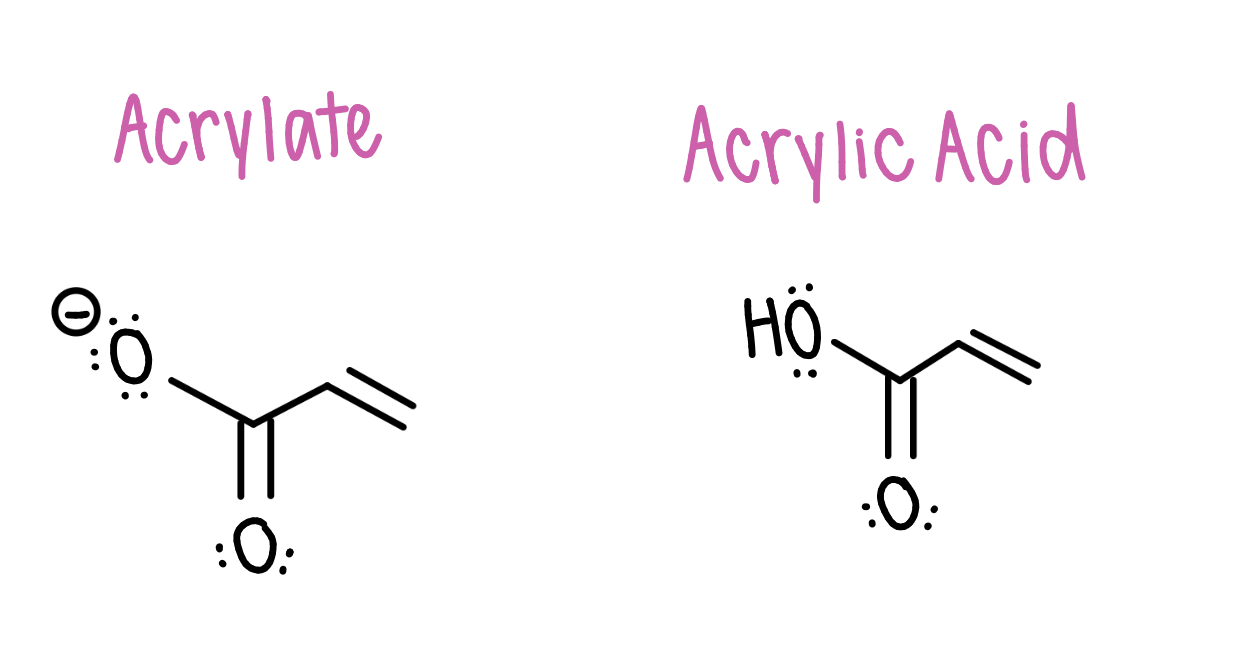
    Gel nail-polish is a thin polish that is applied to the nail and then cured under UV-light. The main materials in gel-nail polish are acrylates (Baek & Adler, 2024). Acrylates are the salt form of acrylic acid, which is a type of carboxylic acid with a conjugated pi system, meaning there are alternating double bonds within the molecule (Acrylates, n.d.).

    Acrylates are known to cause allergic reactions when left uncured, partially uncured, and over multiple uses even if cured (Home of Nail Organization, n.d.). However, cases of contact dermatitis resulting from gel-nail polish use typically involve polishes that include isobornyl acrylate (IBOA) (Baek & Adler, 2024). Despite being present in just 1.5% of gel-nail polish, many polishes don’t list IBOA as an ingredient despite studies proving IBOA is in the polish (Baek & Adler, 2024). As stated previously, acrylates in general are known to cause allergic reactions, but the prevalence of allergic reactions to gel-nail polishes containing IBOA and the lack of proper ingredient reporting may be causing more people to develop contact dermatitis (Baek & Adler, 2024).

    What is the solution?

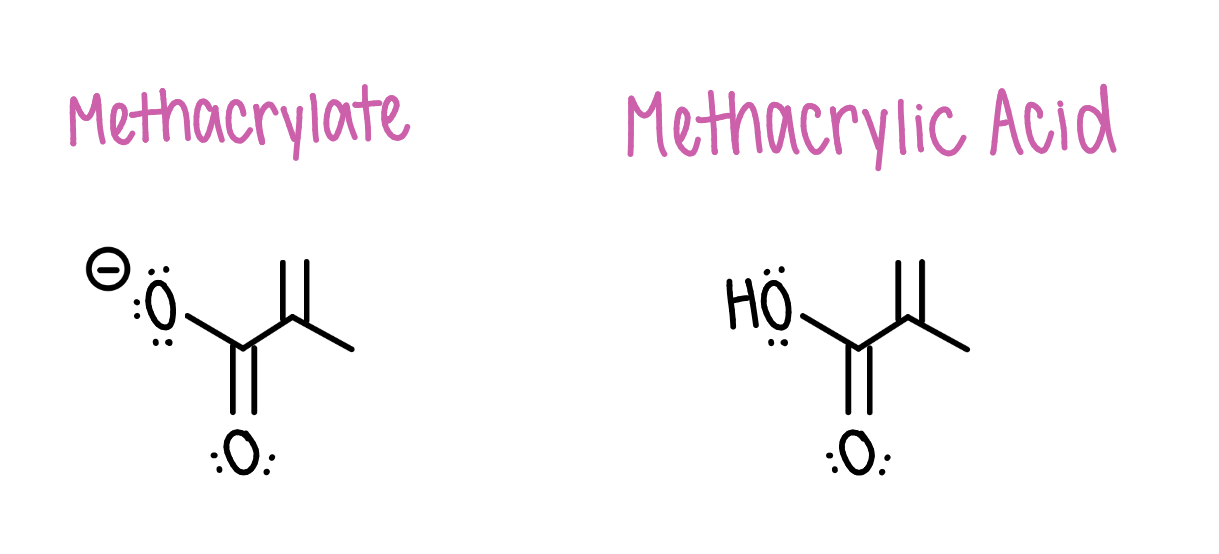
    There may be another solution to avoiding this allergy other than giving up on gel-polish. Methacrylates, which is the salt form of methacrylic acid, are similar to acrylates except for the additional methanol group in place of a hydrogen (Acrylates, n.d.). 

    Although methacrylate-base gel-polish cures more slowly, it causes less allergic reactions, and is being used in more polishes as an alternative to acrylates (Home of Nail Organization, n.d.). A dermatological study from Sweden has shown that gel-polishes made with methacrylates led to less positive patch tests than gel-polishes made from acrylates (Dahlin et al., 2016). A patch-test is a test for a skin-based allergic reaction. A patch with a small amount of a potential allergen is applied to the skin for a period of time and then removed to see if the patch contained an allergen (Patch Testing for Skin Allergies: Procedure & Results, 2025). 

    There were still cases of contact dermatitis occurring from methacrylate-based gel-nail polish. While some of these cases were tied to small methacrylates, many of them were caused by polymerized methacrylates, which is a larger chain of methacrylates, specifically di-hydroxyethylmethacrylates (HEMA). Despite these cases, acrylates may still be the culprit to contact dermatitis in gel-olish as the study did not investigate the purity of these polishes, especially for the containment of acrylates in the polish (Dahlin et al., 2016). 

    Conclusion:

    Gel-nail polish usage has caused contact dermatitis in nail artists and non-professionals alike. Acrylates and methacrylates can both cause these unwanted allergic reactions, but research has shown a stronger correlation between acrylates and contact dermatitis. Additionally, specific acrylates, ones known to cause higher rates of contact dermatitis, have been left unreported by manufacturers. Manufacturers don’t report the purity of the ingredients used in home-nail kits either, making you wonder what’s really in your nail polish and how you can protect your skin from allergies. 

    References:

    Acrylates. (n.d.). Safe Cosmetics. Retrieved April 10, 2026, from https://www.safecosmetics.org/chemicals/acrylates/

    Baek, P., & Adler, B. L. (2024, July). Allergic contact dermatitis to isobornyl acrylate in a home nail glue. Contact Dermitis, 91(1), 64-66. https://doi.org/10.1111/cod.14541

    Contact dermatitis – Symptoms and causes. (2024, May 2). Mayo Clinic. Retrieved April 9, 2026, from https://www.mayoclinic.org/diseases-conditions/contact-dermatitis/symptoms-causes/syc-20352742

    Dahlin, J., Berne, B., Duner, K., Hosseiny, S., Matura, M., Nyman, G., Tammela, M., & Isaksson, M. (2016, September). Several cases of undesirable effects caused by methacrylate ultraviolet-curing nail polish for non-professional use. Contact Dermatitis, 75(3), 151-156. https://doi.org/10.1111/cod.12608

    Home of Nail Organization. (n.d.). The Difference Between Acrylates & Methacrylates in the Nail Formulas. Home of Nail Organization. https://www.homeofnailart.com/blogs/knowledge-hub/understanding-acrylates-and-methacrylates-in-the-nail-industry-more-than-just-a-name?srsltid=AfmBOoq1e_vC7XlGEZpMAGF27cLzBMSHEsosthYFAWRRzrgMu6EICJS0

    Patch Testing for Skin Allergies: Procedure & Results. (2025, April 21). Cleveland Clinic. Retrieved April 10, 2026, from https://my.clevelandclinic.org/health/diagnostics/patch-test

  • What Canon Captures CoCo?

    On March 13, 2026, the Georgia Tech Center of Excellence in Computational Cognition (CoCo) held its sesquiannual Computational Cognition Conference (CoCo Con) – an event where researchers from Georgia Tech and other Atlanta area universities working at the intersection of the mind and advanced computing to gain insights into both human cognition and artificial intelligence could come together and collaborate. Attending both as a student who is studying CoCo and someone who was documenting the event for the Institute, the conference itself was very interesting, as over 100 researchers from various disciplines, such as neuroscience, psychology, computing, mathematics, and physics, came together to share surprisingly similar research spanning across all disciplines— from exploration and avoidance in anxiety, what makes music memorable, the theory of mind in humans and machines, dynamic drift diffusion modeling, and the structure of memory for narratives – there was no shortage of interesting and insightful discussion on the inner mechanism of the mind. However, what stood out the most was how the conference ended. Ending with a panel of interdisciplinary researchers trying to define CoCo was arguably the most interesting conversation of the day, especially as a student studying and doing research within this field. This section was particularly interesting because while all of these people claimed that what they do is computational cognition, they all did distinctly different things and, therefore, none of them could similarly define computational cognition, further complicating the panel’s theme of attempting to define a clear CoCo canon.

    Typically, especially in the case of STEM disciplines, researchers often don’t take into consideration that their fields arise through a defined canon, or set of literature and ideas that fundamentally define and drive their field (Easterling, Patricia E, 2015). For example, a piece of canon from a STEM field that many should be familiar with, from chemistry, for example, is the relationship between a chemist and the periodic table. Any chemist you talk to should know the periodic table, and to some extent, whether directly or indirectly, and work with it in some capacity pretty much daily. However, In the case of CoCo, a canon is much harder to define, as stated by a panelist at CoCo Con 2026, CoCo is “an interdisciplinary space trying to become a disciplinary space,” and this is what makes it challenging to articulate set boundaries or literature that define what is CoCo and what is in the same sense that the period table serves as an integral component that allows us to articulate what chemistry is.

    The easiest place to start in all of this is arguably Google, as even professionals, such as the director of the GT CoCo Center of Excellence, will rely on Google sometimes – for example, to help articulate CoCo Cons’ occurrence; “sesquiannual is the word the AI gave.” As defined by Google, “computational cognition is the scientific study of the mind and its processes—such as learning, reasoning, and perception—using mathematical modeling, computer simulations, and behavioral experiments.” While this definition works, especially in the case of the research I am involved with, which is language cognition and intelligence research in a computational cognition and neuroAI lab, this definition fails to capture the full extent of what everyone at CoCo Con 2026 studies. 

    For example, a talk that stood out to me was from a researcher looking at the overall impact of how researchers are preparing for the ethical, social, and practical challenges that studying brain data brings – this includes the common practice of following proper IRB participant confidentiality guidelines, and open-sourcing brain data. While open-sourcing isn’t inherently a negative thing, in the case of brain data, an inherent clause arises in essentially protecting participants’ thoughts, as, while from our current knowledge, there’s no way to read inherent thoughts from neural data, as often neural data is some result of system dynamics rather than direct neural signals, there’s no telling what we could do in the future leading to an interesting predicament that is inarguably a CoCo problem. 

    Additionally, a possible literature base for CoCo was discussed; however, following a similar trend as in trying to define what CoCo even is, this also proved challenging due to many interesting caveats. For example, as a neuroscientist, I am familiar with and have even read some literature, such as Donald Hebb’s highly influential and fundamental 1949 book The Organization of Behavior, and while I would argue that this is a fundamental article for what I do, which is arguably CoCo, a physicist who also claims to do CoCo would most likely have little to no reason to read a book that argues the for fundamental concept in another discipline that simply states that “neurons that wire together, fire together.” Ultimately, to a physicist, the dynamics of why would matter more than the concept, so while I may consider this as canon-defining literature in regards to what I do, why should a physicist care? This idea then further brings to light the idea that while CoCo is defined as a discipline, defining what CoCo is depends on perspective and implementation rather than a coherent disciplinary problem.

    Overall, while it may be challenging to define a domain such as CoCo, as articulated by a conference attendee, “in recent years, it has become very apparent to us that we have new ways to study the brain.” Whether this be through using mathematical modeling, computer simulation, or behavioral experiments, this disciplinary space is inherently interdisciplinary. Ultimately, I feel that while it would be convenient to define a canon for CoCo from a communications perspective, it might be better not to define a set canon for CoCo and let the field continue to flourish as an interdisciplinary, disciplinary space that brings together specialists from a vast array of domains to study the mind and its processes.

    If you would like to read more about the event, read about it here: https://neuro.gatech.edu/computational-cognition-conference-showcases-georgia-techs-advancements-research-related-mind

    References 

    Easterling, Patricia E, ‘canon’ (30 July 2015), in Lucy Grig (ed.), Oxford Classical Dictionary (New York, NY, online edn, Oxford Academic, 15 July 2015 – ), https://doi.org/10.1093/acrefore/9780199381135.013.1342, accessed 3 Apr. 2026.

    Hebb, D. O. (1949). The organization of behavior: A neuropsychological theory. Wiley. 

  • Has Plastoline made gasoline renewable and free?

    Has Plastoline made gasoline renewable and free?

    @naturejab is a content creator who’s claimed to be able to recycle plastic into a fuel dubbed “plastoline” using solar-powered microwave pyrolysis for free. Having amassed over 76 million views on his flagship TikTok video1(that is, the one pinned to the top of his account), Julian Brown has his share of both fervent supporters who claim he’s revolutionizing the fuel industry and needs to hide from the government(see comment section), and skeptics who claim he’s “selling snake oil”.2

    @naturejab

    Making Gasoline for Free by Using Plastic and Solar Energy 🤙⛽️

    ♬ original sound – Julian Brown

    Being a chemist, I’m not the type to take him for his word, that is, without the presence of reproducible analytical data confirming that he’s actually made what he says he’s made (which is nowhere to be found on any of his social media or on his personal website). But with plastic waste harming the ocean and planet at levels prompting international collaboration,3 part of me really wanted to believe that he had found a novel solution. 

    This article jabs into the nature of Brown’s venture by analyzing this pinned video in comparison with the literature surrounding the science: both what is promising about his project, and where his promises fail. And we get to learn some organic chemistry along the way!  

    So where does gas typically come from?

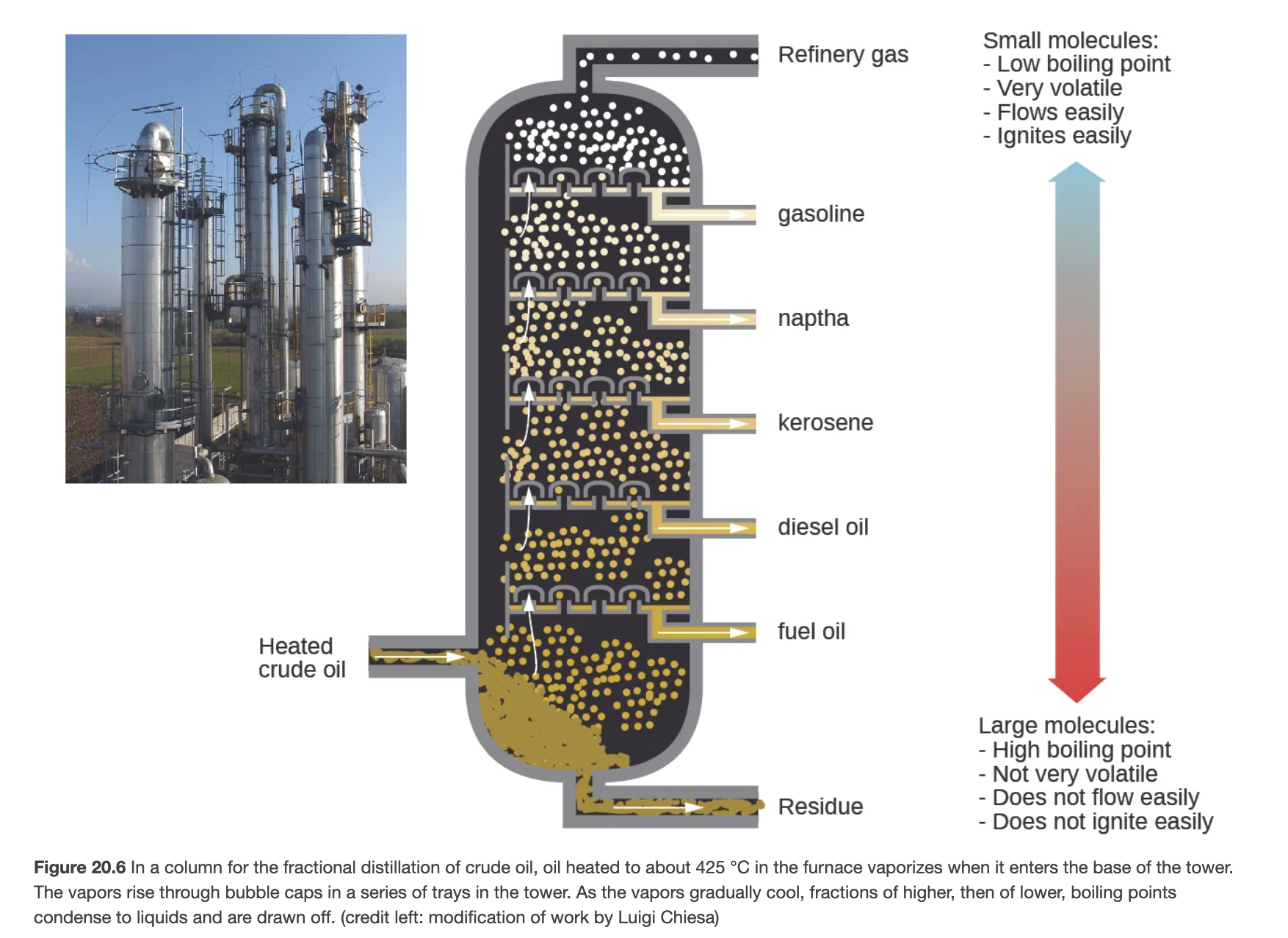
    Gasoline and other fuels are derived from distillation, the process of heating a mixture in order to separate compounds based on molecular weight, of natural gas and crude oil (the gas and oil that comes straight out of the ground). Natural gas and crude oil are mixtures of molecules primarily comprised of carbon and hydrogen (aptly referred to as hydrocarbons). Heating crude oil until vaporization in a specialized distillation apparatus (like the one shown below), allows it to cool and condense into its constituent parts, more specialized hydrocarbon mixtures.5 For example, gasoline is one of these mixtures, consisting of hydrocarbons between 4 and 12 carbons in length.4

    Diagram of a fractional distillation column from chemistry textbook
    Fractional Distillation Column, sourced from OpenStax Chemistry5

    What does this have to do with plastic?

    Many of the molecular mixtures separated out of crude oil can be (almost) used as fuel in various contexts. However, much of the mixture is separated into something that, well, can’t. Chemists probably worked day and night to try to turn this waste product into something profitable for their companies, but it wasn’t until 1951, when two chemists from Phillips Petroleum discovered a relatively easy way to transform propene into polypropylene, that the material plastic was born.6

    The (basic) chemistry of plastics

    We can describe plastic as a kind of molecule called a polymer (from the Greek poly-, meaning many, and –mer, meaning part). In the case of polypropylene, the “-mers” or as we say in chemistry, monomers (mono meaning one, and -mer also meaning parts) are propene, derived from a petroleum waste product: the gas propane.

    Basic reaction scheme describing how propane transforms into polypropylene

    Using some chemical sorcery beyond the scope of this article (but definitely worth looking into if you’re interested), we can prompt these monomer subunits to link together to form massive polymers—in our case, chains of hydrocarbon monomers from 50-1000 monomers long, creating the class of materials we know as plastics. 

    Many chemistry careers later, we have a wide variety of molecules derived from these original hydrocarbon chains that are used as materials in clothes, food packaging, cars, toys, electronics—you name it! And in context, this is seemingly awesome. We now have a material that can be used in both durable and delicate creations, one that won’t succumb to the elements, one that can last for hundreds of years7…. wait a second…

    The Problem with Plastics

    Millions of tons of plastic have been created, and the millions that have been discarded following industrial and consumer use are not readily biodegradable. This has unfortunately led to harming of both aquatic and terrestrial life, including, as scientists have discovered, humans.8

    So how do we get rid of them?

    To avoid killing the planet and everything on it, scientists got to work developing methods to break down these persistent polymers.9 Remember how when we originally created this plastic, we created chains of hundreds to thousands of monomers? Well, what if we took the plastic polymer, and heated it enough to vaporize and break down into smaller chains, made of only a few carbons? 

    This is the idea behind 

    Pyrolysis

     A synthesis of the Greek prefix “pyr-” meaning heat or fire, and “-lysis” meaning “loosening”. 10 And in our case, we’d be “loosening” some of the bonds in this polymer by applying energy to them through heat, creating smaller hydrocarbon chains. So simply burning the plastics already dumped into landfills seems like it could be a solution to combat waste. Unfortunately, this has been shown to create persistent, toxic, products adding to the environmental harm of plastic.11

    But under a vacuum, harnessing and carefully distilling crude hydrocarbon mixtures (like we did to the crude oil earlier) created by pyrolysis has been shown to yield fuel-like compounds  (4-12 carbon hydrocarbons).12

    And although the technology has not been applied on an industrial scale as of yet, using a continuous reactor setup using microwave radiation instead of traditional heating methods has been shown to be a less energy-intensive (and thus better for the environment) way to break down a variety of plastic polymers in this way.13 And funnily enough, continuous microwave reactor pyrolysis is the technique Julian Brown uses to create Plastoline– his plastic-derived fuel. 

    The Plastoline Process

    Upon inspection, Brown’s process appears to be legitimate– that is, it appears to align with continuous microwave pyrolysis reactors shown in scientific literature13.

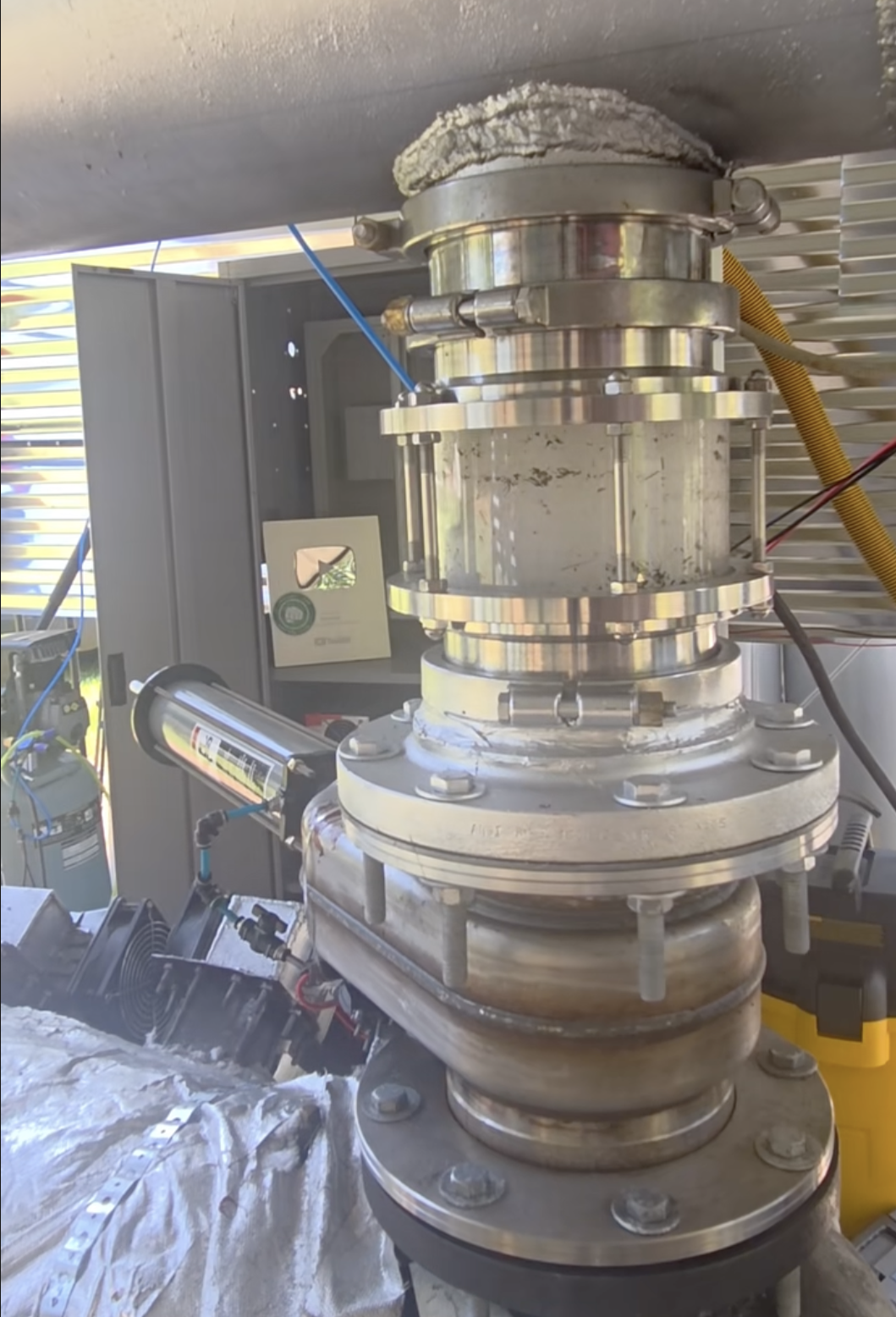
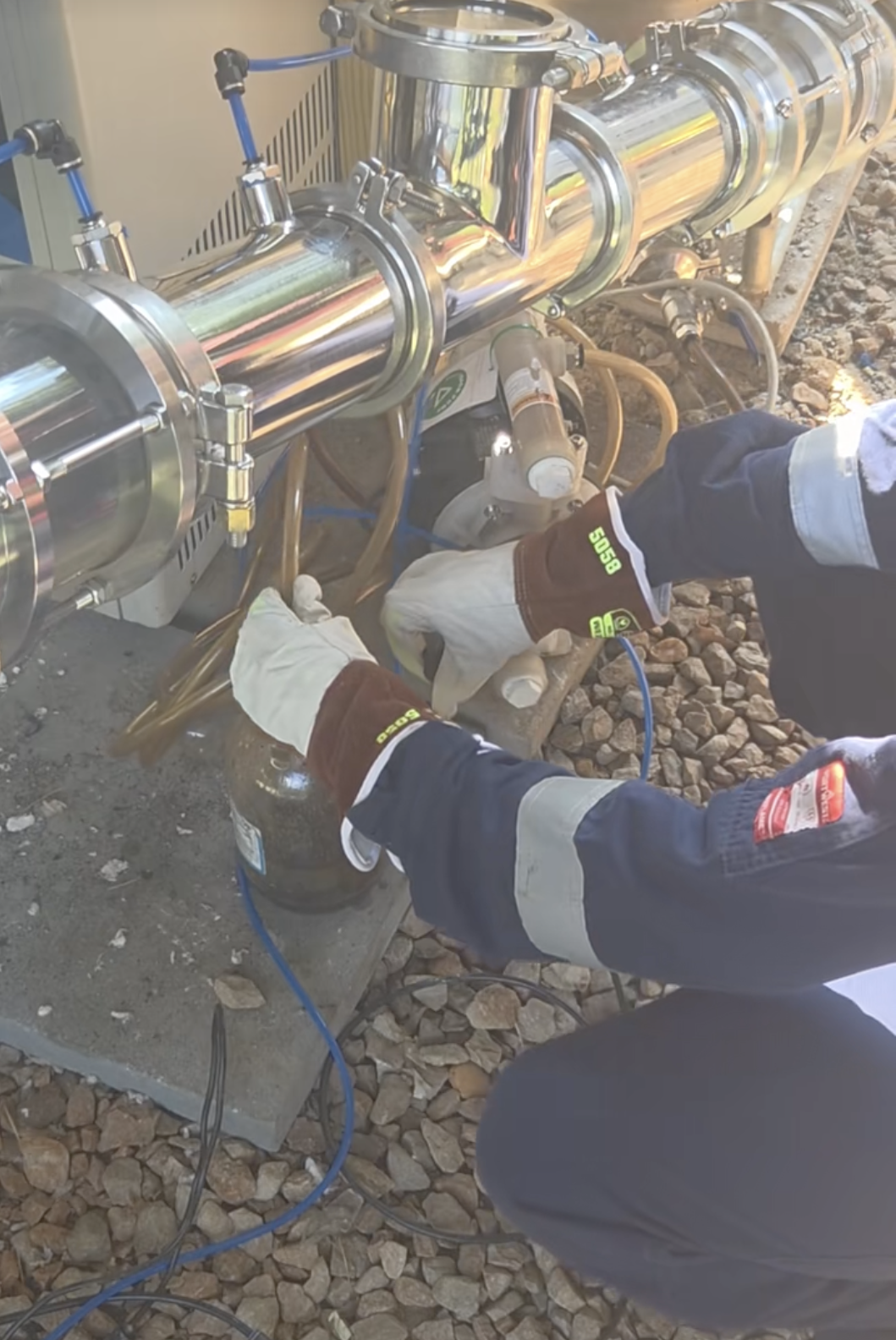
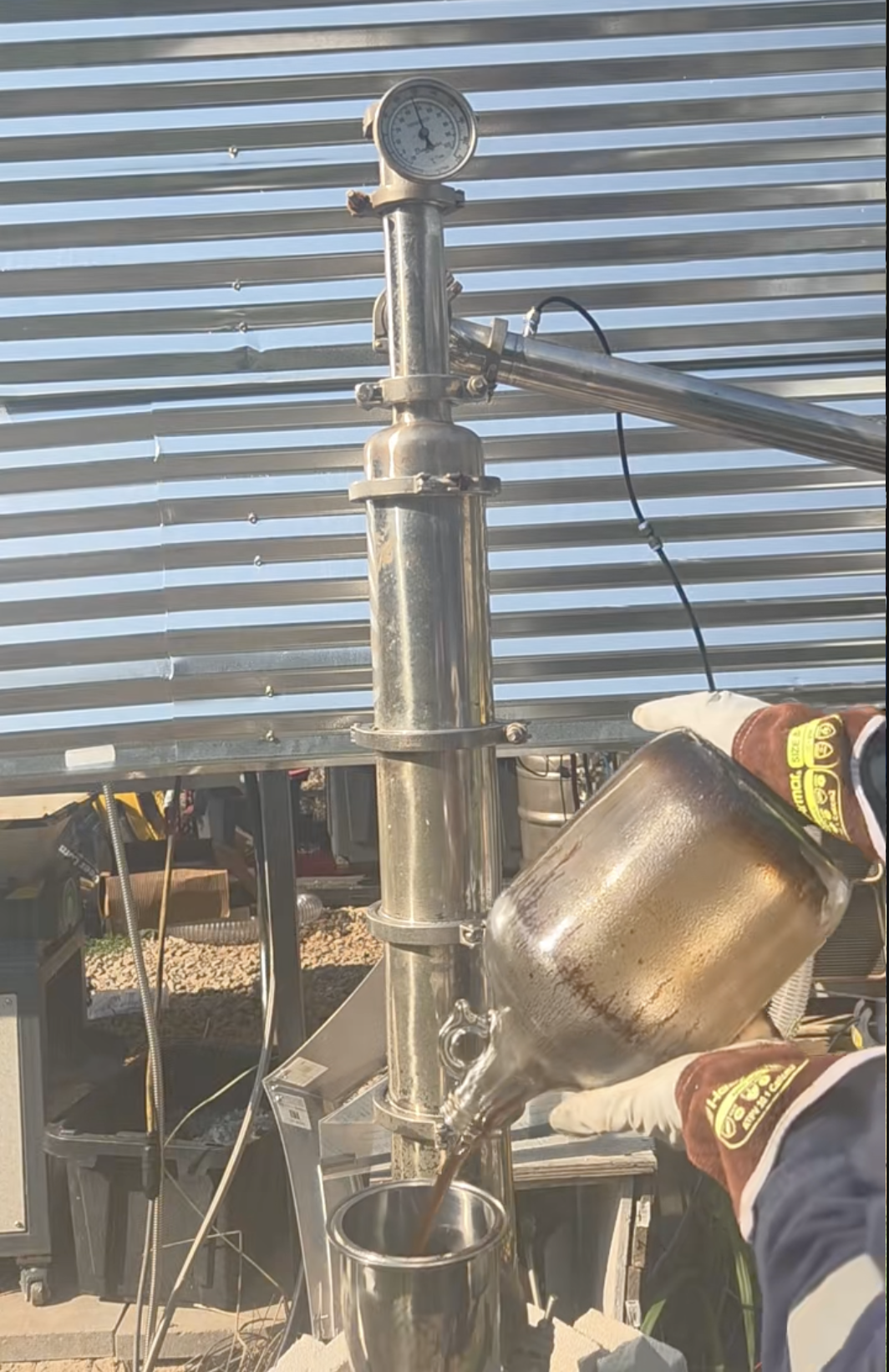
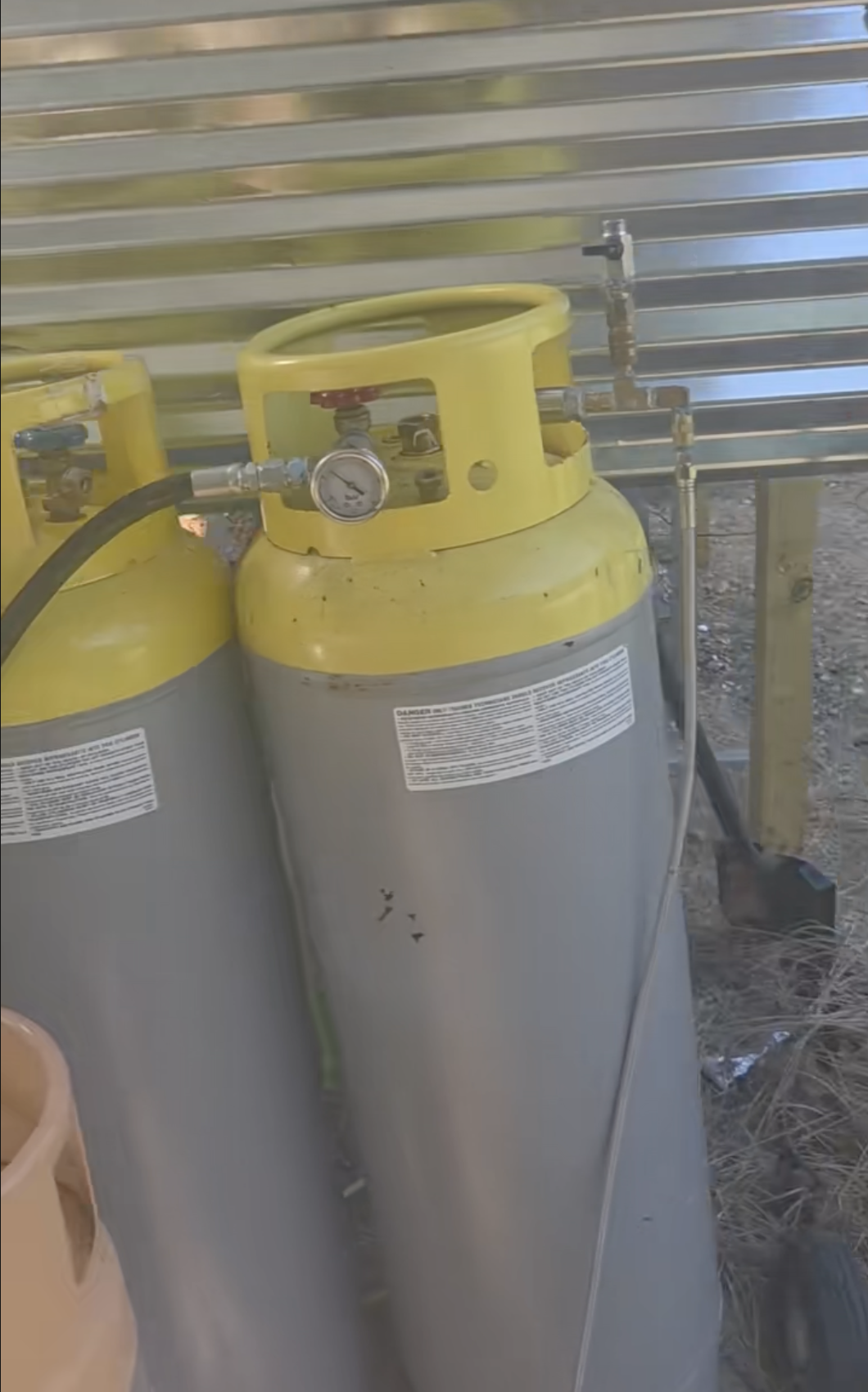
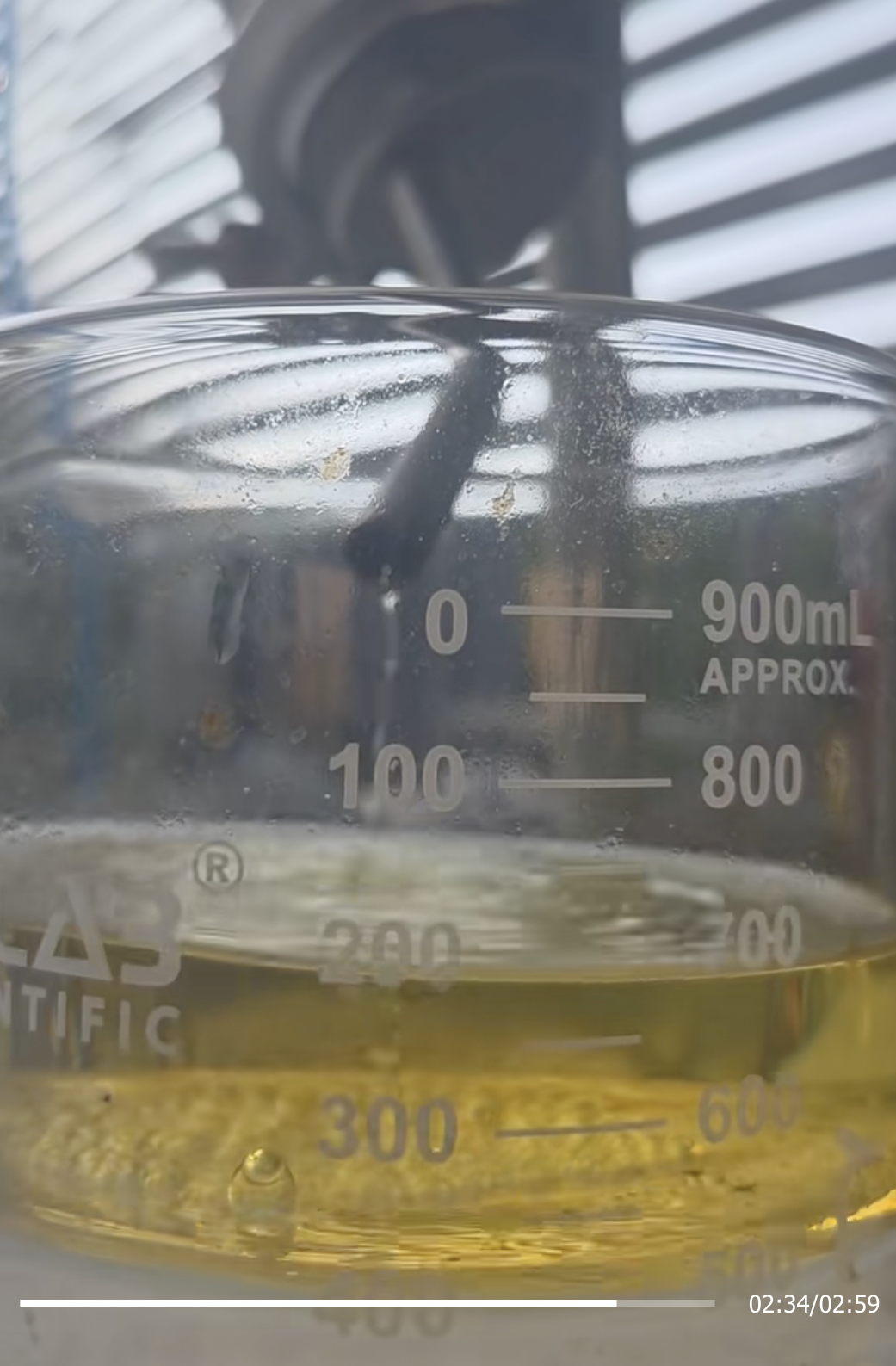
    From left to right, these frames I grabbed from the video1 illustrate:

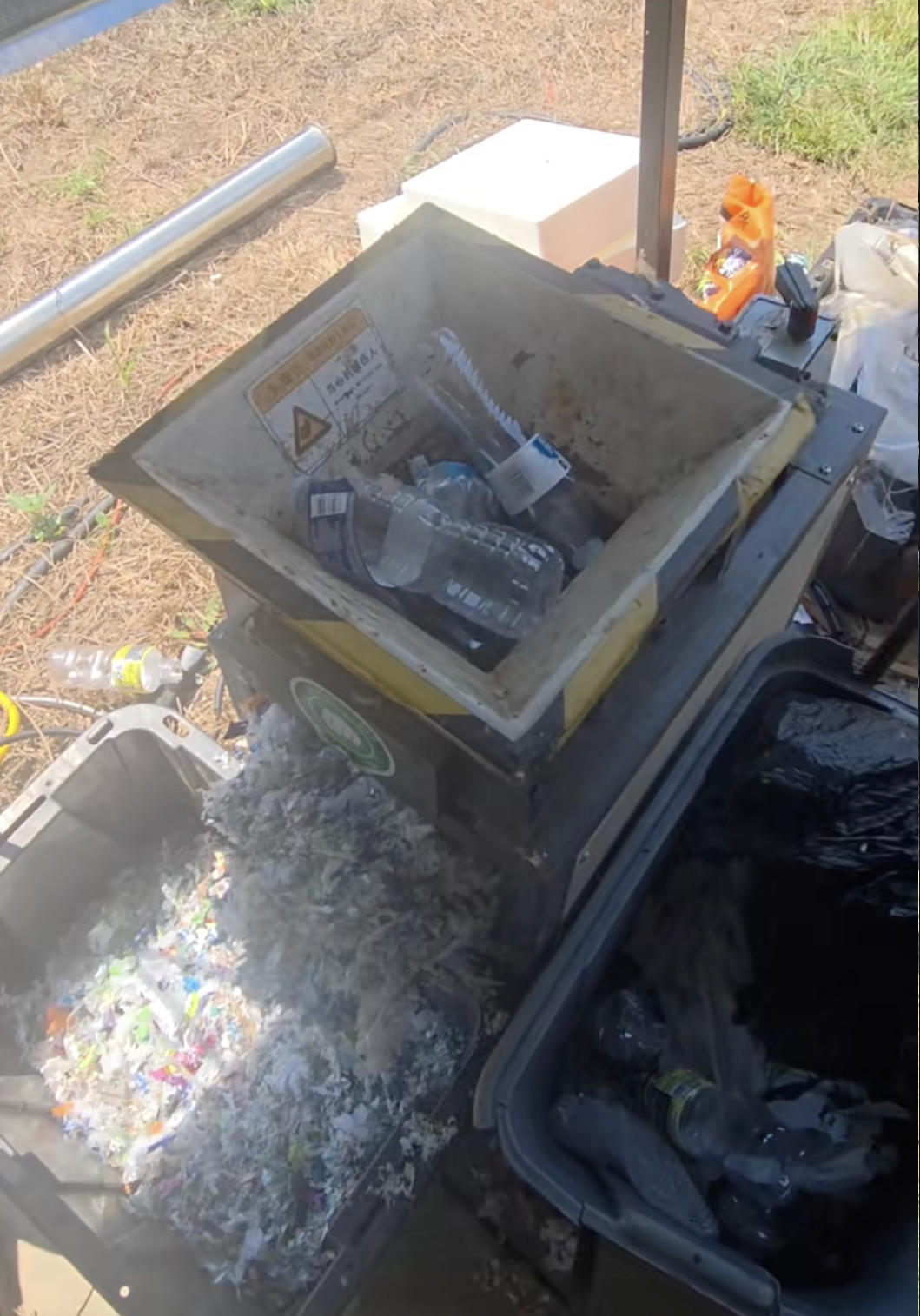
    1. the manual breakdown of a variety of plastic  materials
    2. their addition to the reactor and subsequent vaporization
    3. collection of crude material from under vacuum (the pump is displayed beneath his right hand)
    4. distillation of crude material
    5. using propane(??)(non-renewable natural gas, -1 environmentally friendly points)
    6. and distilling some liquid over (at an unknown and unshown temperature)

    What is the quality like?

    When tested with an ‘octane rater’ on camera, with a model I found on Amazon14 (with zero reviews), the product receives an octane rating of 110. Assuming then, that this is in fact gasoline, that’s pretty great. Octane rating is a given fuel’s resistance to spontaneous combustion under high temperature and pressure, where a higher rating means a fuel is less likely to spontaneously combust and can thus be used in nicer, more powerful engines.15

    Plastoline? Or Plastolies?

    So is Brown’s Plastoline the future of fuel? To be honest, I don’t think so, at least not yet. While his setup appears promising and aligns at least physically with those appearing in the scientific literature, the lack of analysis of the resulting product means he could just be lying, as much as I personally don’t want to believe that. Apart from that, we are missing a lot of data that could tell us about the energy and chemical efficiency of this project, i.e. if it’s a viable solution for refining fuel from plastic in an environmentally-friendly manner. For example, we don’t know how much plastic-burnt waste product is being leaked into the atmosphere around his setup.

    The gasoline you put in your car also contains many additives meant to increase the lifespan of your engine and help it run more smoothly4, which Plastoline, as a purported refined hydrocarbon mixture, does not contain (but possibly could in the future, with some modifications).

    As a human being, I’m excited by the work that Brown is doing (along with millions of others), and I think it’s super cool that he’s created this whole setup, including welding his own reactor together, entirely in his parents’ backyard. More recent work of his shows him modifying minivans with jet engines to get a vehicle to supposedly run off of Plastoline, which is at the very least, really entertaining. But as a scientist, until I see some legit analysis come out of this project, I have to remain skeptical. 

    Citations

    1. naturejab. (2023, June 7). TikTok video [Video]. TikTok. https://www.tiktok.com/@naturejab/video/7548988444844870942?is_from_webapp=1&sender_device=pc&web_id=7519262020723688973
    2. Reddit. (2013, March 15). Is naturejab on YT real? Reddit. https://www.reddit.com/r/chemistry/comments/1d4jf3c/is_naturejab_on_yt_real/
    3. United Nations Environment Programme. (n.d.). Plastic pollution. https://www.unep.org/plastic-pollution
    4. National Center for Biotechnology Information. (n.d.). Gasoline hydrocarbons. In Chemistry, manufacturing, and use of gasoline. https://www.ncbi.nlm.nih.gov/books/NBK594140/#:~:text=The%20typical%20composition%20of%20gasoline%20hydrocarbons%20is:,*%20Upper%2Dcylinder%20lubricants%20*%20Detergents%20*%20Dyes
    5. OpenStax. (n.d.). 20.1 Hydrocarbons. In Chemistry 2e. https://openstax.org/books/chemistry-2e/pages/20-1-hydrocarbons
    6. American Chemical Society. (n.d.). Polypropylene: A landmark in chemistry. https://www.acs.org/education/whatischemistry/landmarks/polypropylene.html
    7. American Chemistry Council. (2010, March 17). History of plastics [Archived page]. https://web.archive.org/web/20100317004747/http://www.americanchemistry.com/s_plastics/doc.asp?CID=1571&DID=5972
    8. Welden, N. A. (2020). The environmental impacts of plastic pollution. In M. J. Castaldi (Ed.), Plastic waste and recycling: Environmental impact, societal issues, prevention, and solutions (pp. 195–222). Academic Press. https://doi.org/10.1016/B978-0-12-817880-5.00008-6
    9. Ellis, R. J., & El-Shall, M. S. (2020). Pyrolysis of polymers: Mechanisms and products. In M. J. Castaldi (Ed.), Polymer pyrolysis: Fundamentals and applications (pp. 123–145). Elsevier. href=”https://www.sciencedirect.com/science/chapter/edited-volume/pii/B9780128178805000086″>https://www.sciencedirect.com/science/chapter/edited-volume/pii/B9780128178805000086
    10. Zhang, H., & Wang, X. (2019). Catalytic thermal degradation of plastics. In Y. Sun & T. Wang (Eds.), Advanced polymer recycling (pp. 201–225). Elsevier. https://www.sciencedirect.com/science/chapter/edited-volume/pii/B9780128131404000133
    11. Online Etymology Dictionary. (n.d.). Pyrolysis. https://www.etymonline.com/word/pyrolysis
    12. Nature Catalysis. (2025). Sustainable chemical recycling of plastics. Nature Catalysis, 8(2), 101–110. https://www.nature.com/articles/s44407-025-00015-8
    13. Nature Scientific Reports. (2024). Plastic waste conversion via catalytic pyrolysis. Scientific Reports, 14, Article 71958. https://www.nature.com/articles/s41598-024-71958-3
    14. Oktis. (n.d.). Oktis portable analyzer: Instructions and product info. Amazon. https://www.amazon.com/%D0%BE%D0%BA%D1%82%D0%B8%D1%81-Oktis-Portable-Analyzer-Instructions/dp/B0FJ6DV2PF
    15. Kolb, D. (2010). Polymer recycling techniques. JSTOR, 27(2), 45–63. https://www.jstor.org/stable/44468563?seq=3