Category: today i learned (til)

  • Coloring Space Green

    “It appears a colonization of the moon could become a reality,” state Cornell University researchers R. W. Langhans and D. R. Dreesen hopefully in 1988 – and it would only be a “true colony [if] food could be produced” (Langhans and Dreesen, 1988).

    The quest for interplanetary travel and colonization is one that, in the modern day, remains far-fetched and distant. While governments and research organizations have landed robots on Mars and mapped much of the Moon, the dream of a permanent, or at least self-sustaining, Moon base is still far off in the distance. One of the largest barriers to that dream is the challenge of growing food in space.
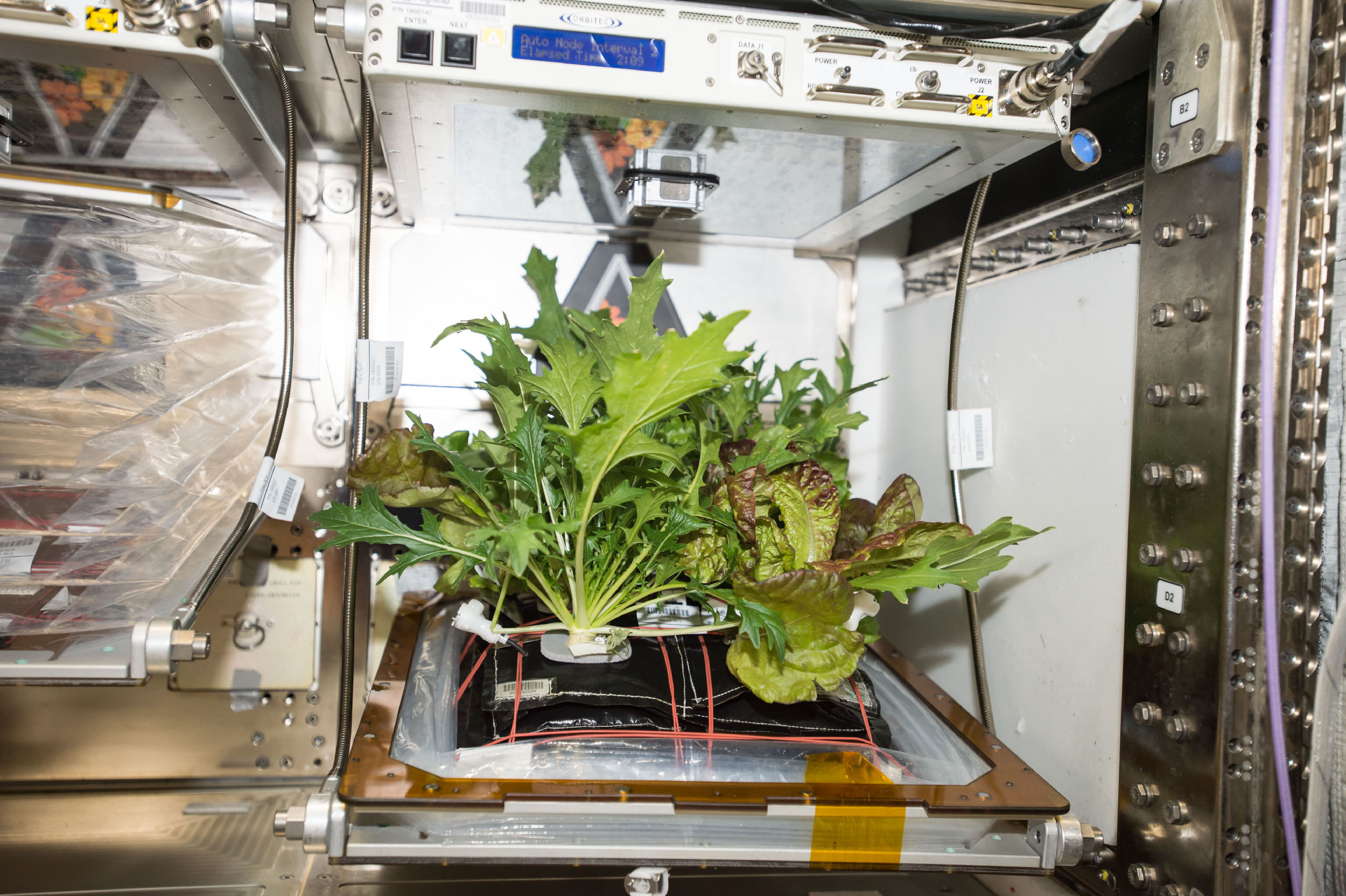
    Plants grown in space through NASA's Veggie system.

    Image Credit: NASA/ISS

    “The opportunities are exciting and almost unlimited in scope” (Langhans and Dreesen, 1988)


    Plant growth in space is challenging for a number of reasons due not only to the harsh conditions of space, but also the harsh design and engineering conditions of the spacecraft. Plants in space need to be able to survive radiation, microgravity, and low-light conditions, while also being physically compact, non-disruptive to the spacecraft’s oxygen and carbon-dioxide levels, and unable to produce excess waste, toxins, and dangerous microbes (Musgrave, 2008; Langhans and Dreesen, 1988; Reed and Vanden Bosch, 2023). Beyond those requirements, these compact space-grown plants must provide all the essential nutrients required for a human diet in the absence of animal products and larger plant products like large fruits (Langhans and Dreesen, 1988).

    While difficult, growing plants in space is extremely rewarding. NASA has determined that only eight species of plants – wheat, rice, white potato, sweet potato, soy bean, peanut, lettuce, and sugar beet – contain all the essential elements, carbohydrates, oils, and amino acids for a balanced human diet (Langhans and Dreesen, 1988). Vitamins, while not fully covered by these eight species of plants, can be supplemented for shorter missions, although they break down when prepackaged for longer ones (Langhans and Dreesen, 1988; and NASA, 2023). In addition, plants have been shown to be positively correlated with psychological well-being on Earth and in space (NASA, 2023). Plants then, are not only beneficial for the astronauts physical health, but their mental health too.

    Currently, NASA employs two growth habitats: the Vegetable Production System (nicknamed Veggie) and the Advanced Plant Habitat (APH) (NASA, 2023). Both Veggie and the APH use enclosed microbiomes with simulated radiance from LED lights and carefully controlled gas content, temperature, and moisture levels (NASA, 2023). While not all eight of the ideal plants identified in 1988 have been successfully grown, the advancements of Veggie, APH and other new technologies shine a light on a hopeful future of plant-filled space exploration.


    Credits

    Langhans, R. W., & Dreesen, D. R. (1988). Challenges to plant growing in space. HortScience, 23(2), 286-293.

    Musgrave, M. E. (2008). Growing plants in space. CABI Reviews. https://doi.org/10.1079/pavsnnr20072065

    NASA. (2023, December 8). Growing plants in space. NASA. https://www.nasa.gov/exploration-research-and-technology/growing-plants-in-space/

    Reed, D. W., & Vanden Bosch, C. A. (2023). Engineering perspectives of growing plants in space. Journal of the Indian Institute of Science, 103(3), 797–805. https://doi.org/10.1007/s41745-023-00369-6

  • All About the April 2024 Eclipse

    Eclipses are captivating astronomical phenomena that occur when the alignment of celestial bodies results in one object obscuring another, either partially or entirely. This article explores the two main types of eclipses – lunar and solar – and delves into the scientific principles behind them. It also examines the recent eclipse event in April, highlighting its unique characteristics compared to past occurences.

    What is an Eclipse?

    NASA considers an eclipse to be when a heavenly body, such as a planet, star, or nebula, moves into the shadow of another. There are two types of eclipses: lunar and solar. A lunar eclipse occurs when the Earth is between the Moon and the Sun. The Moon blocks light from the Sun and casts a shadow on Earth. Lunar eclipses can either be Total or Partial. On the other hand, a solar eclipse occurs when the Moon is between the Earth and the Sun. Solar eclipses can either be Total, Partial, or even Annular. 


    The 2024 Solar Eclipse

    The total eclipse in April serves as a recent example of this celestial phenomenon. This eclipse offered some unique characteristics compared to previous events.

    Wider Path of Totality

    The path of totality, the region of Earth where the Moon entirely covers the Sun, was significantly wider in 2024 compared to the 2017 eclipse, encompassing a larger geographical area.

    Increased Visibility

    The wider path resulted in the eclipse being observable by a larger population, with an estimated 31.6 million residents residing within the path of totality ocmpared to 12 million in 2017.

    Extended Totality Duration

    The 2024 eclipse offered a longer period of totality, lasting approximately 4 minutes and 28 seconds, compared to 2 minutes and 42 seconds in 2017.

    Heightened Solar Activity

    The 2024 eclipse coincided with a period of heightened solar activity, with the Sun approaching solar maximum. This potentially increased the visibility of solar prominences and coronal streamers during totality.


    What was the perspective from Atlanta, Georgia?

    Atlanta experienced ~82% of the eclipse’s totality with the peak viewing time at 3:04 PM.

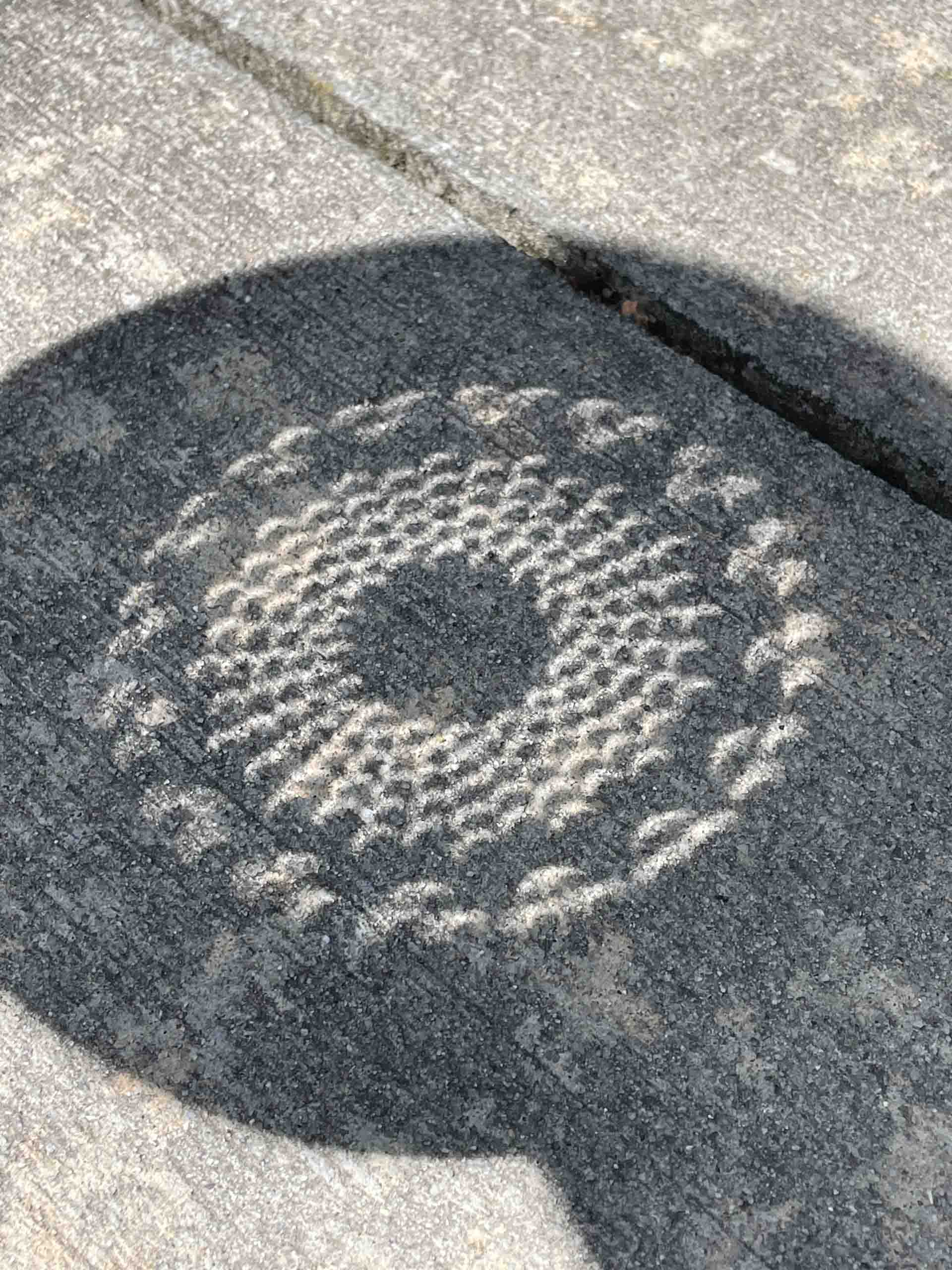
    Many Georgia Tech students were outside to view the solar eclipse (including myself). Not many people had access to eclipse glasses, but those who did shared them with people around them. Some students also used a colander to view the eclipse indirectly.

    We had students travel to see the eclipse as well. 50 of GT’s Astronomy Club traveled to Ozarks, Missouri on April 7 – 9 to see the eclipse in the path of totality.

    Viewing the Eclilpse Safely

    You can’t look directly at an eclipse because the concentrated solar rays will burn through any other filter (camera lens, telescope, binoculars) and cause serious eye energy. Your pupils are more dilated as the eclipse occurs, allowing more harmful rays to enter your eyes than on a normal sunny day.

    If you decide to view an eclipse without safety gear, you risk the following:

    1. Acute solar retinopathy (eye retina is severly damaged by looking straight at the Sun)
    2. Blurry Vision
    3. Headache
    4. Blind Spot
    5. Increased Sensitivity to Light
    6. Distorted Vision
    7. Dyschromatopsia

    If you would like to view the eclipse safely, use safe solar viewing glasses or safe handheld solar viewers. To verify that you have the appropriate safety gear, make sure it complays with the ISO 1231202 international standard.


    When’s the next eclipse?

    The next total solar eclipse is on August 23, 2044. The next total lunar eclipse will be on Marh 14, 2025. Remember, make sure you keep your eyes safe when you’re looking at these amazing scientific phenomenons!


    References

    “Eye Safety During a Total Solar Eclipse.” NASA, n.d., https://science.nasa.gov/eclipses/future-eclipses/eclipse-2024/safety/

    “What is an eclipse?” The European Space Agency, n.d., https://www.esa.int/Science_Exploration/Space_Science/What_is_an_eclipse

    “Why is a solar eclipse dangerous to look at without proper eyewear? What to know.” NBC Chicago, April 8, 2024, https://www.nbcchicago.com/news/local/why-is-a-solar-eclipse-dangerous-to-look-at-without-proper-eyewear-what-to-know/3404331/

    Bressler, Neil M. “Safely Viewing a Solar Eclipse.” JAMA Ophthalmology, 2024, https://doi.org/10.1001/jamaophthalmol.2024.0401.

    Fulco, Charles. “Eclipses and Eye Safety: Dispelling Myths about Viewing Eclipses.” Science and Children, vol. 54, no. 7, 2017, pp. 58–61.

    Interrante, Abbey. “How the 2024 Total Solar Eclipse Is Different than the 2017 Eclipse.” NASA, Jan 30, 2024, https://science.nasa.gov/solar-system/skywatching/how-is-the-2024-total-solar-eclipse-different-than-the-2017-eclipse/

  • What’s Up (Literally) With Cloud Seeding?

    Dubai, one of the richest and driest cities in the world, is flooding. Many have been quick to blame cloud seeding, a climate-engineering strategy the city uses to wrench every drop of moisture it can from its dry air.

    Is cloud seeding really to blame? And regardless of if it is… what even is it?


    What is Cloud Seeding?

    Clouds form around nuclei, small particles that cool the area around them, causing water to condense and form the early wisps of clouds. These clouds then grow and take shape as more water condenses in the atmosphere, forming larger clouds. Eventually, clouds break, giving way to a deluge of rain.

    It stands to reason then, that if there were more of these small particles in the atmosphere, more clouds would form and there would be more rain. Governments in dry areas, like state governments of the American Southwest and city, state, and national governments in the Middle East and South Asia have been quick to turn to cloud seeding as an opportunity to increase rainfall and bring more moisture down from the atmosphere. Specifically, governmental cloud seeding programs tend to use planes and cannons to seed clouds with dry ice and liquid iodine, creating more cloud nuclei and thus more and denser clouds (Borenstein and Peterson, 2024).

    While the practice makes sense in theory, weather scientists disagree on whether or not it actually works (Al Hosari et al., 2021). In particular, the difficulty of proving anything weather related due to the complexity of cloud formation processes and shifting climatic patterns has made cloud seeding a difficult to test subject (Bruintjes, 1999).

    Some studies, like this one by the United Arab Emirates’ National Center for Meteorology, argue in favor of cloud seeding, highlighting results that prove an average increase in annual rainfall by 23% over seeded areas (Al Hosari et al., 2021). The center reports that cloud seeding practices have increased storm volume by over 150%, area cover by just over 70% and lifetime by roughly 65% (Al Hosari et al., 2021). Surely such explosive results are significant?

    And yet, many scientists still cast doubt. A study by the American Meteorological Association argues against cloud seeding, stating that the variation in “precipitation formation mechanisms” between locations and at a location given shifting climatic patterns weaken the scientific credibility of cloud seeding’s reported progress (Bruintjes, 1999). As AP News reports, “cloud seeding, although decades old… has been hard to prove [to do] very much” (Borenstein and Peterson, 2024).


    Did Cloud Seeding Cause Dubai’s Floods?

    The resounding consensus: no.

    According to AP News, while many blame cloud seeding, it certainly is not the cause of Dubai’s recent floods. The record breaking storm was “forecast days in advance” and more or less expected by climate scientists (Borenstein and Peterson, 2024). Cloud seeding, while potentially effective, can not create water out of moisture-less air, and to state that cloud seeding could cause the deluge is “akin to [believing in] perpetual motion technology” (Borenstein and Peterson, 2024). At its best, cloud seeding can bring more water from the atmosphere down to the ground, but it cannot create moisture where there wasn’t any before. Regardless of whether cloud seeding works – the storm must’ve gotten moisture from somewhere.

    Where did that moisture come from? Scientists blame climate change. As the climate warms, so does the atmosphere, and warmer air can hold more moisture (Borenstein and Peterson, 2024). The strangely large concentrations of moisture in an otherwise dry region are likely due to a warming global climate, one that allows for larger build-ups of moisture and stronger storms. These storms, termed “whopper storms” have been predicted (with statistical significance) to increase over the southeastern Arabian Peninsula, forewarning of more storms to come (Borenstein and Peterson, 2024).

    At the end of the day, cloud seeding did not cause Dubai’s record-breaking storm. Climate change did.


    Citations

    Al Hosari, T., Al Mandous, A., Wehbe, Y., Shalaby, A., Al Shamsi, N., Al Naqbi, H., Al Yazeedi, O., Al Mazroui, A., & Farrah, S. (2021). The UAE Cloud Seeding Program: A statistical and physical evaluation. Atmosphere, 12(8), 1013. https://doi.org/10.3390/atmos12081013

    Borenstein, S., & Peterson, B. (2024, April 18). Here’s why experts don’t think cloud seeding played a role in Dubai’s downpour. AP News. https://apnews.com/article/dubai-united-arab-emirates-oman-flooding-cloud-seeding-2f8c12854017e11ac7438579646b3758

    Bruintjes, R. T. (1999).  A Review of Cloud Seeding Experiments to Enhance Precipitation and Some New Prospects. Bulletin of the American Meteorological Society, 80(5), 805–820. https://doi.org/10.1175/1520-0477(1999)080<0805:AROCSE>2.0.CO;2

  • Growing Red Gold

    Saffron is the world’s most expensive spice. Its rich red stigmas and the difficulty in growing and harvesting it lend it the name of “red gold.”

    Nowadays, saffron’s biggest use is as a spice for flavoring. Historically, saffron has been used as a medicinal plant, treating a plethora of ailments. Today we’ll take a look at the process it takes to grow and harvest saffron, and its medicinal uses– both historical and contemporary.

    —

    Saffron comes from the flower crocus sativus. The spice itself is made up of the bright red threads known as stigmas that grow as the flower blooms. I’ll be using the term saffron interchangeably with the flower from now on– but know that it isn’t the entire flower that produces spice.

    undefined

    Saffron corms are planted in late summer. You often use a tool known as a dibber to make a hole in the ground for the corm to rest. Corms look a lot like bulbs but aren’t the same. Although both are energy storage for plants, bulbs are a layered base from which a plant stem grows; whereas corms are solid, and are where the flower stem grows from.

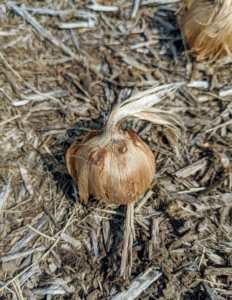
    Here is a closer look at one of the corms. The compact corms are small, brown globules that can measure as large as two-inches in diameter, have a flat base, and are shrouded in a dense mat of parallel fibers referred to as the “corm tunic”. Do you know the difference between a corm and a bulb? Both corms and bulbs are parts of the plant that store food to help it grow and bloom. A bulb is a plant stem and leaf that grows underground in layers. A tiny version of the flower is at the center of the bulb. Tulips, lilies, iris, daffodils and onions are examples of bulbs. A corm is an underground stem that serves as the base for the flower stem and is solid, not layered.

    By early October, saffron sprouts become visible. Saffron has thin, blade-like leaves that splay out once flowers bloom. The flowers themselves are a rich lilac color, and bloom for about three weeks. As the flowers begin to bloom, they can be picked and you can start to harvest saffron. Three stigmas grow in each bloom, and are best harvested in the middle of the morning on a sunny day, right when the flowers are open and fresh.

    Pretty much as soon as the flowers are picked, you need to process it to remove the stigma. Waiting longer than a day will cause it to crumble, making it a time-sensitive process. Harvest season lasts around two to three weeks, and means all hands on deck for saffron farmers. It takes about 250,000 flowers for a single pound of saffron.

    Once the strands are picked, they have to be dried. The spice is heated over a small fire. Heating it preserves both its color and aroma, but also shrinks its down to a fifth of its original weight. Once they’ve been processed and stored in the dark, saffron keeps for several years with no problems.

    Because of how delicate the flower is, every part of the process is a manual task. The sheer number of blooms it takes for a usable amount of spice means an intense amount of labor.

    —

    So what have people used saffron for?

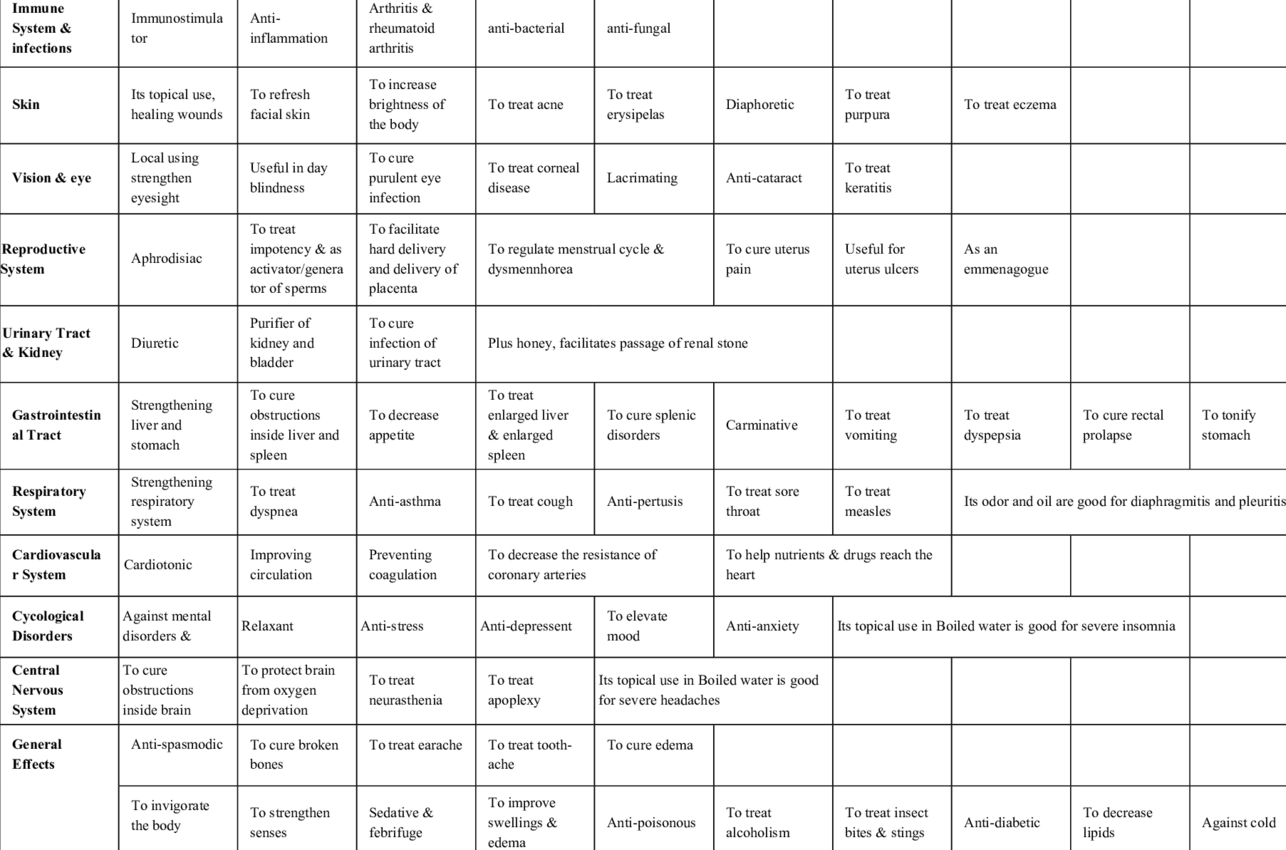
    Saffron has been used by several nations as a spice, a dye, and perfume. Across the past four millennia, it has had the most number of applications across all medicinal plants, and has been used in the treatment of over 90 different conditions. The table below shows a list of several historical treatments involving saffron.

    A table listing common medicinal applications of saffron

    As you can see, the spice can help aid a plethora of conditions. How does it actually achieve this?

    Let’s take a look at its chemical structure to find out. A chemical composition of saffron reveals over 150 individual components in the stigmas, but there are three dominant ones- crocetin esters, picrocrocin, and safranal. These are responsible for its color, taste, and aroma respectively, and all are contributors to its medical effects.

    Crocetin esters have been shown to aid the gastrointestinal, cardiovascular, endocrine, reproductive and immune systems. It’s believed this is due to its properties relieving oxidative stress, which occurs due to an imbalance between free radicals and antioxidants in your system. Free radicals are oxygenated molecules with an uneven amount of electrons, which allows them to react easily with other molecules in your body. This propensity can set off large, potentially harmful oxidation reactions.

    Oxidative stress can be a cause of several degenerative diseases such as diabetes, cardiovascular diseases, epilepsy, and cancer. Antioxidants are able to neutralize free radicals, and safranal and crocin are incredibly effective ones.

    —

    Although medicinal usage of saffron has dropped off recently due to the advent of newer medicines, there’s been a recent resurgence in research about its medicinal effects. As scientists find more novel uses for the spice, however, climate change is rapidly reducing the viability of saffron farming.

    Declining rainfall and a lack of irrigation networks has drastically reduced the amount of viable harvest. Take a look at Kashmir, where changing climate conditions have reduced harvest down to 13-15 pounds per year. For reference, forty to fifty years ago, the harvest from the same area was 90-110 pounds.

    Saffron is more than just a spice to the people who grow them, it’s also their economy and culture. Over 19,000 families in Pampore, Kashmir are dependent on the spice. It’s integrated into cultural food and drink, and harvesting the stigmas is a family activity. It was once unimaginable for a saffron farmer to have any jobs outside of farming. But the reality of shifting weather patterns means that the labor-intensive practice of growing the spice is simply unsustainable.

    Saffron is a rich and varied spice, with medicinal applications still being discovered. But if we don’t take better care of our planet, it’ll soon be impossible to continue growing.


    Works Cited

    Bashir, Aliya. “The World’s Finest Saffron Is in Danger of Disappearing.” _Saveur_, 4 June 2019, www.saveur.com/worlds-finest-saffron-is-in-danger-disappearing/.

    Dai, Rong-Chen; Nabil, Wan Najbah Nik; Xu, Hong-Xi. The History of Saffron in China: From Its Origin to Applications. Chinese Medicine and Culture 4(4):p 228-234, Oct–Dec 2021. | DOI: 10.4103/CMAC.CMAC_38_21

    “Growing and Harvesting Saffron at My Farm – the Martha Stewart Blog.” _The Martha Stewart Blog | It’s a Blog about Martha Stewart and Her Daily Adventures._, 17 Nov. 2022, www.themarthablog.com/2022/11/growing-and-harvesting-saffron-at-my-farm.html.

    José Bagur, María et al. “Saffron: An Old Medicinal Plant and a Potential Novel Functional Food.” _Molecules (Basel, Switzerland)_ vol. 23,1 30. 23 Dec. 2017, doi:10.3390/molecules23010030

    Khazdair, Mohammad Reza et al. “The effects of Crocus sativus (saffron) and its constituents on nervous system: A review.” _Avicenna journal of phytomedicine_ vol. 5,5 (2015): 376-91.

    Nanda, Sanju, and Kumud Madan. “The role of Safranal and saffron stigma extracts in oxidative stress, diseases and photoaging: A systematic review.” _Heliyon_ vol. 7,2 e06117. 10 Feb. 2021, doi:10.1016/j.heliyon.2021.e06117

    Mousavi SZ, Bathaie SZ. Historical uses of saffron: Identifying potential new avenues for modern research. Avicenna J. Phytomed 2011;1:57-66

  • Beats to Cellularly Divide To

    When it comes to learning key biological concepts, it can be helpful to connect new material to something you’re familiar with or passionate about. In this vein, I chose to put together a short playlist that draws parallels between popular songs and the phases of mitosis by assigning each phase of mitosis to a song on the playlist. Linking this biological process with music can serve as a learning tool to help deepen a student’s understanding and memory of the cellular division process. With that said, here is my list of “Beats to Cellularly Divide To”:

    1. Prophase: Pompeii by Bastille

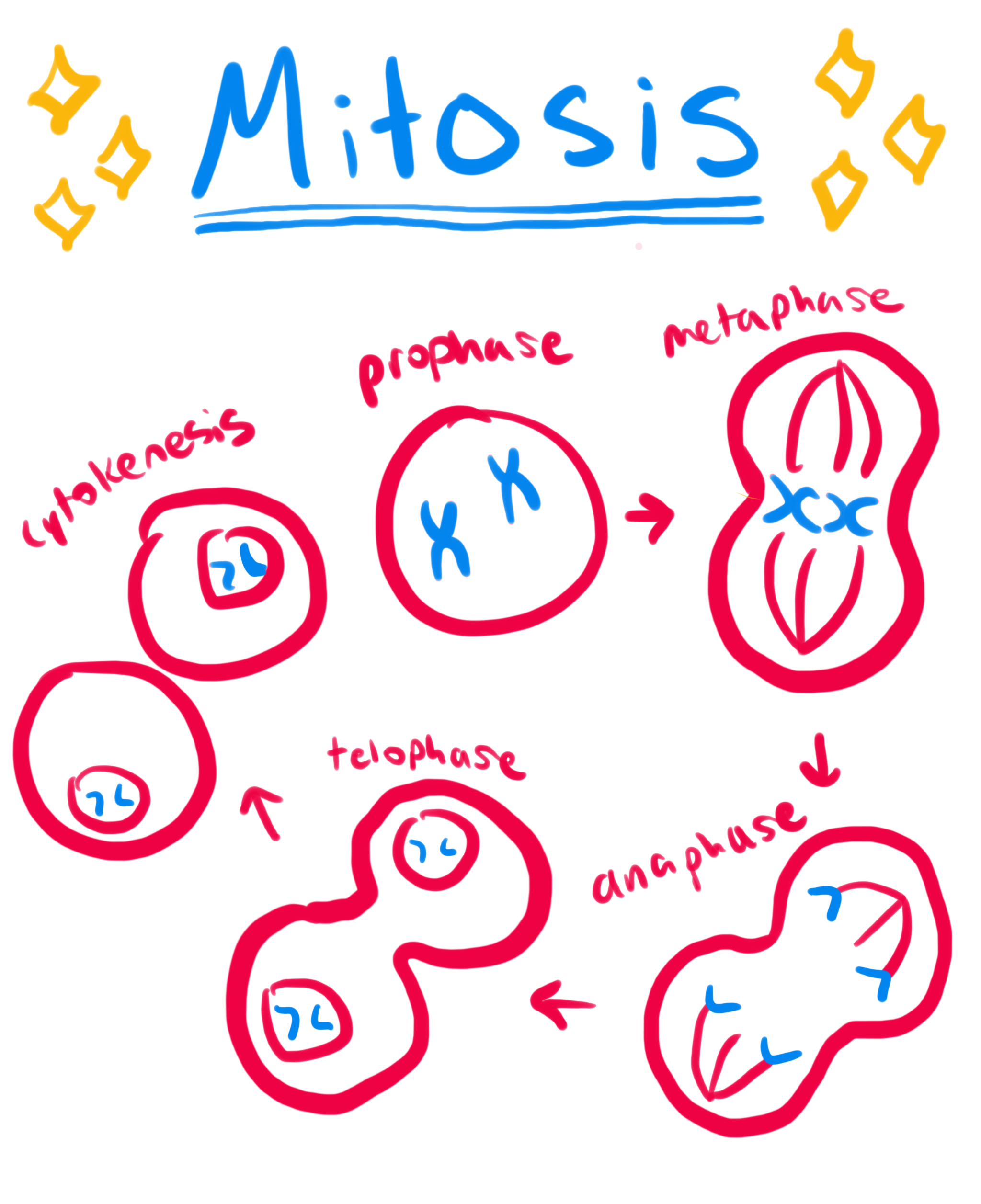
    This alternative song conjures a vivid image in the listener’s mind of the disruption caused to civilization by the volcanic eruption at Pompeii. Indeed, prophase can be thought of in a similar vein: it begins the resource-intensive process of mitosis, which will ultimately result in two daughter cells. The lyric “And the walls kept tumbling down in the city that we love” is particularly on the nose, as the nuclear envelope (analogous to the “walls” described in this lyric) disappears during prophase, as cellular division begins.  

    1. Metaphase: The Middle by Grey, Maren Morris, and Zedd

    This classic pop tune reiterates the phrase “why don’t you just meet me in the middle?”, the same sentiment reflected by the second phase of mitosis: metaphase. During this part of mitosis, the chromosomes align at the metaphase plate near the center of the cell, forming a line. Just like the song describes how you may want a friend to ‘meet you in the middle’ during a time of conflict, the chromosomes similarly meet in the middle during the second phase of mitosis. 

    1. Anaphase: Drift Away by Uncle Cracker

    “Drift Away” is a rock song which describes the feeling of enjoying a piece of music so much you seem to get lost in it, or ‘drift away’ from reality. In a similar manner, anaphase involves the separation of sister chromatids as they are pulled apart by kinetochore fibers, ‘drifting away’ from each other to opposite sides of the cell. 

    1. Telophase: We Are Never Ever Getting Back Together by Taylor Swift

    This Taylor Swift song describes a break-up, boldly declaring “We are never, evеr, ever gettin’ back togеther”. This aligns with the aims of telophase, as this stage of mitosis involves the cell permanently splitting into two new daughter cells. Reformation of the nuclear membrane takes place, and nucleoli reappear and remain in each of the two new cells. Both cells now contain a complete copy of the original cell’s genome. Thus, they are completely separate and ready to exist apart, similar to the speaker in the song “We Are Never Ever Getting Back Together” post-breakup. 

    This concludes my “Beats to Cellularly Divide To”. My hope is that this playlist can serve as a learning tool to help would-be students comprehend and remember the phases of mitosis and the process of cellular division. It also serves as a fun way to musically engage with the sciences. The full playlist can be found on Spotify at this link: https://spotify.link/0NoUZST4JIb. Happy listening!

  • What Even Is Cuteness?

    Have you ever seen something so cute you want to squeeze it? Maybe it was a puppy or kitten, or perhaps a teddy bear or doll. You may wonder why you feel this way – after all, it seems rather strange to mimic violence against something endearing. What makes cute things just so emotionally powerful, and what makes them cute in the first place?


    Cuteness as Affect

    In an article by the University of Oxford, Associate Professor Morten Kringelbach explains that cute things draw in our senses, attract our attention and spark rapid brain activity in the orbitofrontal cortex – a region associated with emotion in pleasure. In fact, the presence of something cute (in the case of this research article, a baby’s face) can activate the orbitofrontal cortex in 140 ms, or just under a seventh of a second (Kringelbach, 2016). Cuteness overloads the emotional state of the brain, drawing in mental attention and the five senses.

    The feeling of cuteness, what researchers call its “affect,” has very interesting roots. From a biological perspective, an emotional response to cuteness may be derived from an evolutionary need to protect babies from harm. As Dr. Kringelbach explains, the evolved instinct to protect and care for babies may drive our wider perceptions of cuteness. Humans tend to express affection not only for babies and small children, but also for animals with baby-like features, and even dolls, teddy-bears, and miniature objects. These animals and objects trigger similar evolutionary protective desires – as well as a drawing in of attention and a general increase in emotional pleasure.

    If cuteness is an evolutionary instinct to care and protect, why do we feel “cuteness aggression” – the “urge to squeeze or bite cute things” without causing harm (Alba and Stavropoulos, 2018)? Researchers at the University of California, Riverside, took on this challenge and made some interesting findings. Summarizing greatly, cuteness aggression was found to be an evolutionary response to the overwhelming emotions of experiencing cuteness (Alba and Stavropoulos, 2018). Evolutionarily, it would be less than ideal if early humans were “incapacitated” with emotion (as the researchers put it) in the presence of cuteness, and thus experienced a counter-emotion (scientifically called a “dimorphous expression” – when human action expresses the opposite feeling as to what they feel, like laughing when you cry). In the case of overwhelming cuteness, this dimorphous expression of playful harm held an evolutionary role to stop early humans from being too affected by cuteness.


    Cuteness as Aesthetic

    While this simple definition of cuteness – an evolutionary instinct to care for and be emotionally attached to babies (and by extension, baby-like animals and objects) – contains an incomplete and shallow understanding of how cuteness exists as a concept in society. As Joshua Paul Dale writes in his academic publication, The Aesthetics and Affects of Cuteness, “cuteness occupies both the aesthetic and affective realms” – and the modern extent of research places extensive focus on the affective side and avoids discussing the aesthetic. Note that in this usage, Dale does not mean aesthetic to mean cottage-core or punk – instead, the word is used within its sociological background, to understand how cuteness exists in the modern world.

    Dale writes that the emotional response of cuteness is “manipulated for a variety of purposes” – including commercial, artistic, and social (Dale, 2016). The feeling of cuteness is emotionally powerful, and for that reason, is manipulated (malevolently and selfishly at times, yes, but also largely in acts of self-expression) to produce action. As Dr. Kringelbach discovered in her article for the University of Oxford, cuteness invites such powerful emotions that it drives the subject to action, causing them to put in work to continue to be able to receive and engage with the source (Kringelbach, 2016). Socially, cuteness has further effect than its core, biological and evolutionary response. In the modern world, cuteness causes the subject “catharsis” (as Dale writes) that fosters a need to protect a vulnerable object from harm (Dale, 2016). This effect of cuteness links it to vulnerability, a link that Dale dives into (in more depth than is relevant for this article) to understand the connections between violence and cuteness. Remember that cute thing you wanted to squeeze? The association between cuteness and vulnerability may be why. As Dale writes, cuteness is disarming and tender, but also “involves a cognitive reaction in which the power differential between subject and object comes into play” (Dale, 2016). Cuteness is, in many ways, an expression of a power dynamic.

    So… what is cuteness? There’s the affective component: baby-like things trigger a biological response that draws attention and fosters feelings of care, and there’s the aesthetic component: cuteness is linked with vulnerability, intensity of emotion, and power dynamics, defining its socially constructed half. Together, these components create the feeling of cuteness that we understand today. It’s youthful, tender, disarming, attention-grabbing, and (in large part, but not entirely) biological.


    References

    Dale, J. P. (2016). The Appeal of the Cute Object: Desire, Domestication, and Agency. In The Aesthetics and Affects of Cuteness (1st ed., pp. 35–55). essay, Taylor & Francis Group.

    Kringelbach, M. L. (2016). How cute things hijack our brains and drive behaviour University of Oxford. How cute things hijack our brains and drive behaviour. https://www.ox.ac.uk/research/how-cute-things-hijack-our-brains-and-drive-behaviour

    Stavropoulos, K. K., & Alba, L. A. (2018). “It’s so cute I could crush it!”: Understanding neural mechanisms of cute aggression. Frontiers in Behavioral Neuroscience, 12. https://doi.org/10.3389/fnbeh.2018.00300

  • Tactile Trivia: A Innovative Activity to Engage People with the Sciences

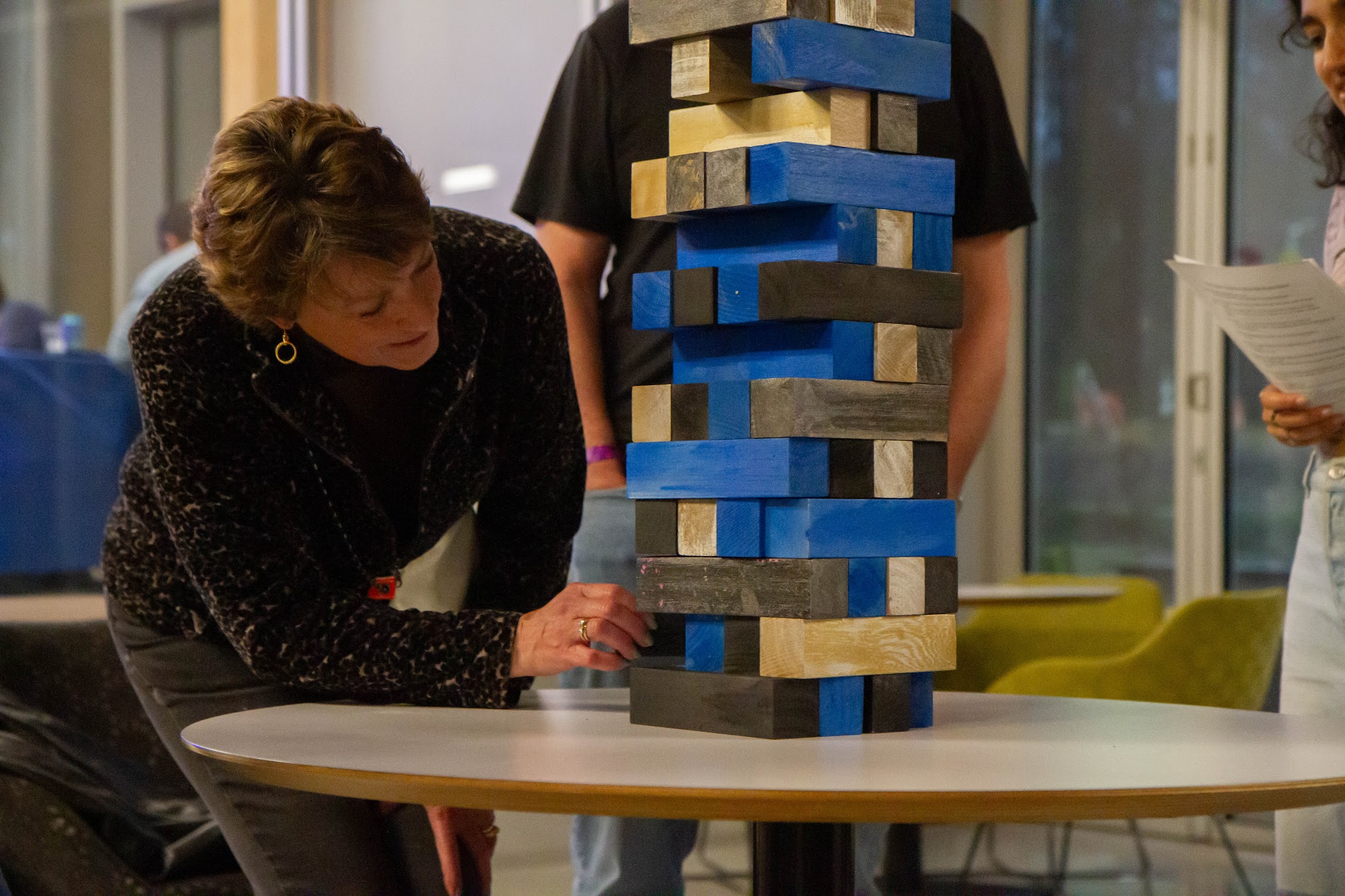
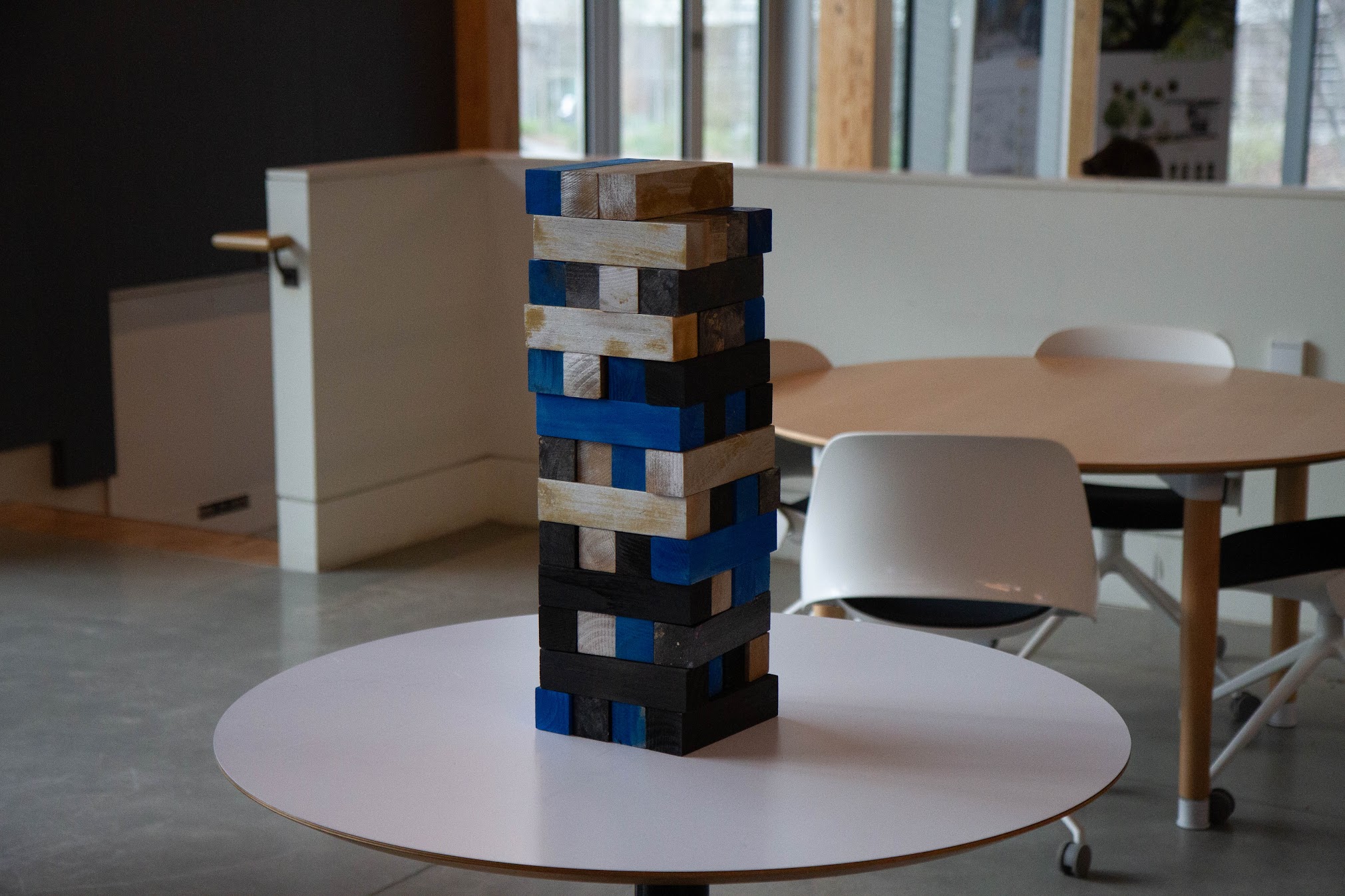
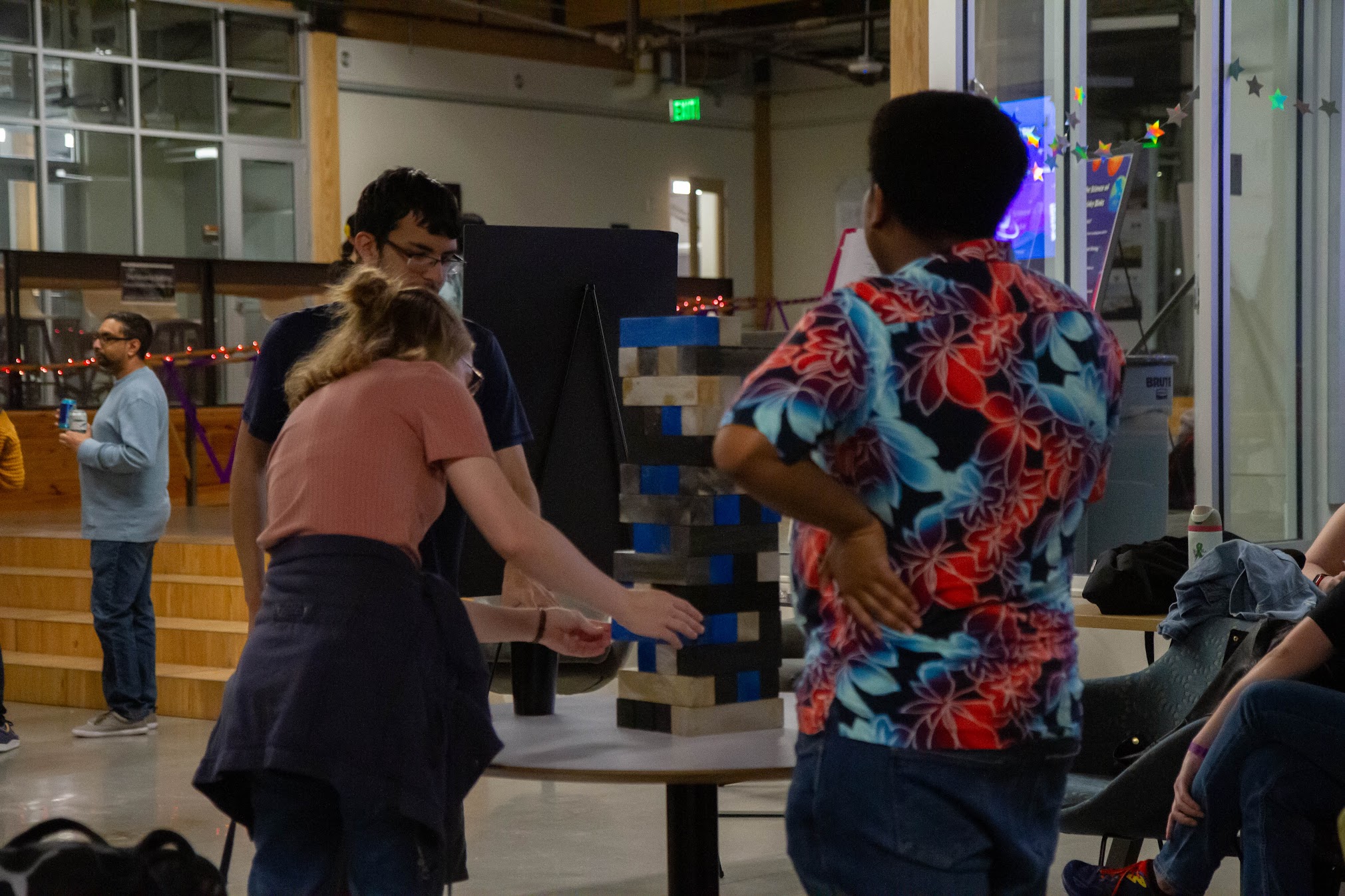
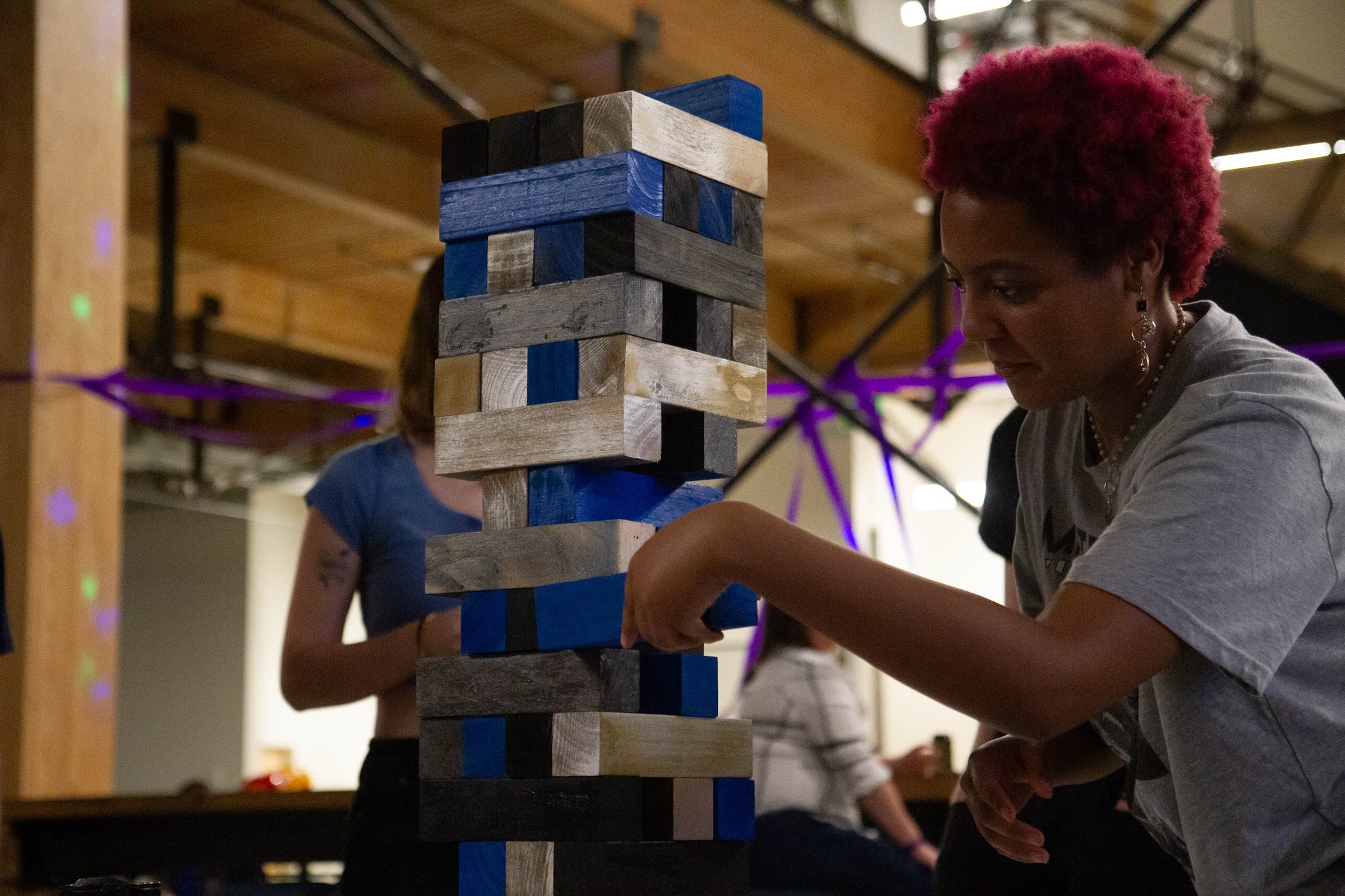
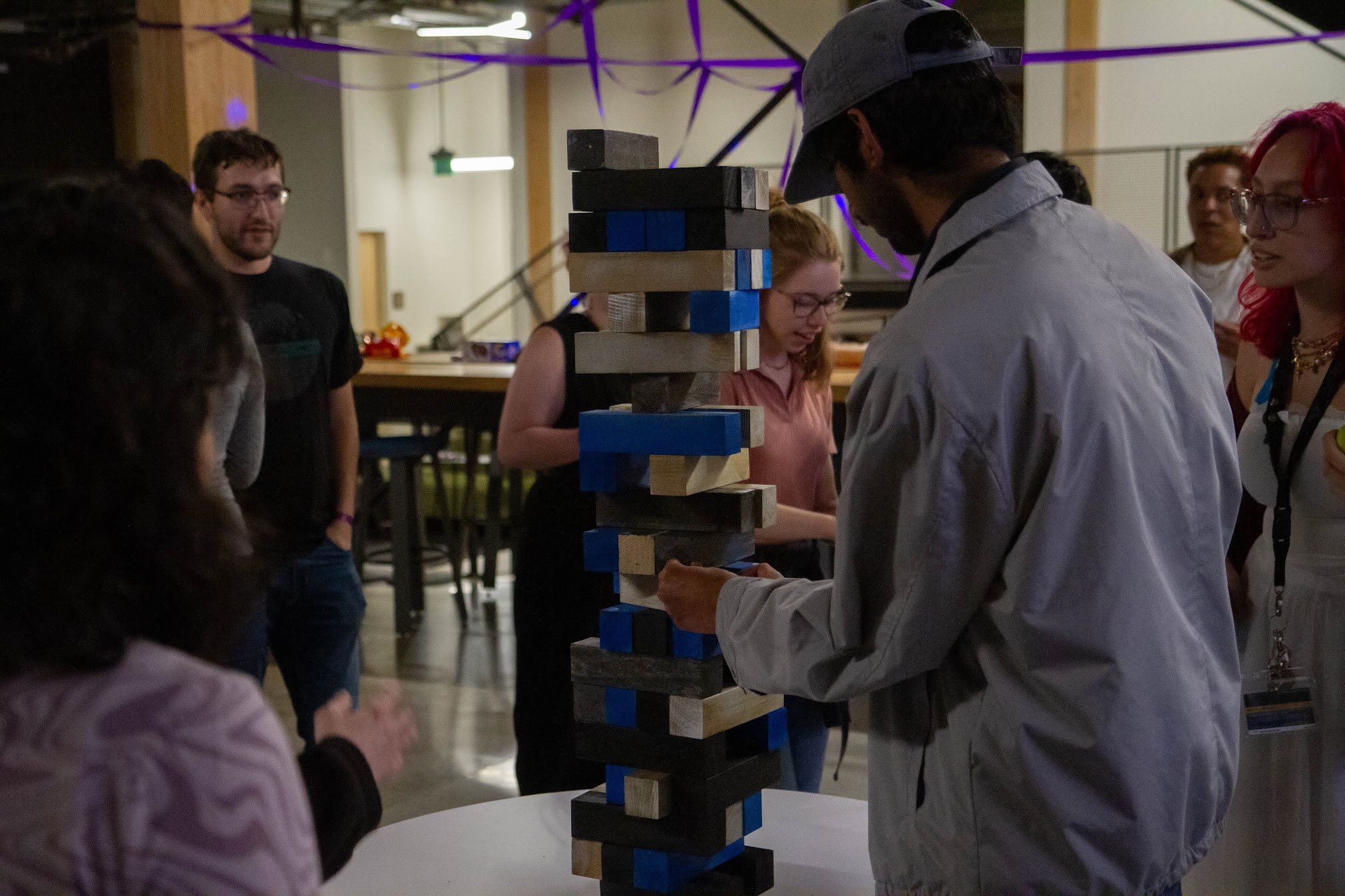
    Our team hosted a science-themed Jenga activity at the Atlanta Science Festival After-Party. The game served as an engaging activity to teach festival-goers about contemporary topics in astrobiology, astronomy, and other space-related science topics. Our team started by brainstorming different activities that could be used to engage people with scientific concepts. In the end, we decided that combining Jenga and Trivia would be an effective way to engage participants while retaining the space-theme of the Atlanta Science Festival. We drew on our class and research-related experiences to come up with fun trivia questions. One of my questions referenced phenolphthalein — the type of indicator used in my final titration for one of my lab classes — among other fun scientific tools and concepts. 

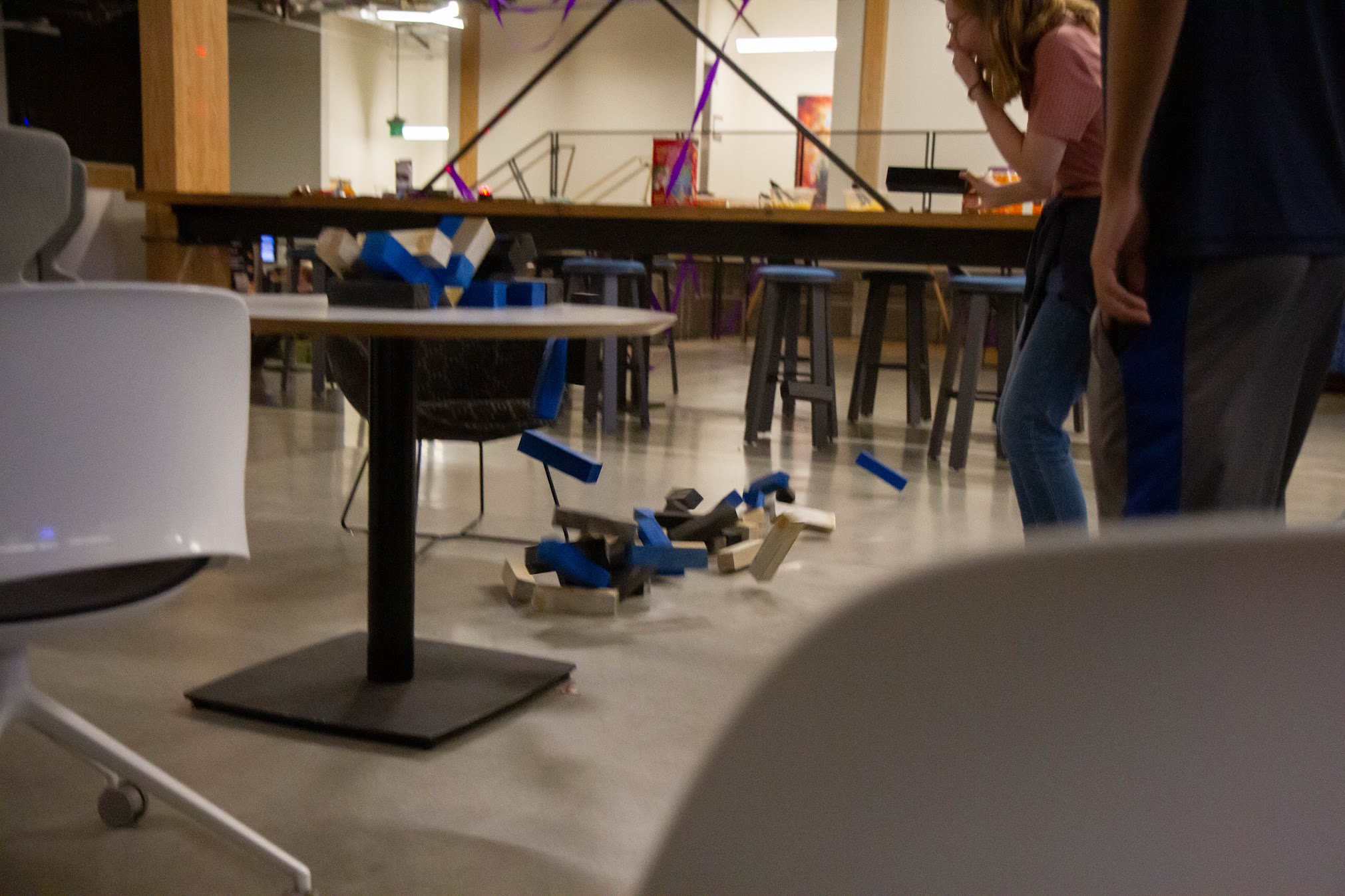
    First, a Jenga set was obtained from one of our members and the blocks were divided into three categories: “Dark Matter” (Chemistry and Astronomy), “Physics and Math”, and “Astrobiology”. Blocks corresponding to each category were painted a unique color (black, blue, and gold/silver respectively). Execution of the game itself involved first setting up the Jenga tower while ensuring that each layer contained a mix of blocks from multiple categories. Once setup was complete, players then took turns selecting a category of question to answer. If their answer was correct, it would be the next player’s turn. If their answer was incorrect, they would have to pull out a block of the color corresponding to their chosen trivia category. In typical Jenga fashion, the first player to knock over the tower was considered to have lost the game. 

    In this way, the unique mechanics of Jenga were utilized in a manner complimentary to the trivia format. If a player didn’t answer a question correctly, their penalty was to remove a block from the Jenga tower which matched the color of the category they had selected. This increased engagement with the game by adding another avenue of strategy for players; they would need to select what category of question to answer based not only on their personal knowledge base, but also based on which color block would be easiest to remove if they got the question wrong. This mechanic encouraged players to ‘switch up’ which category of questions they selected as they were incentivized to pick colors whose removal wouldn’t impact the structural integrity of the Jenga tower. 

    We also had to be mindful of the difficulty of the Trivia Questions we chose to ask participants. It took several rounds of revisions to get to our final question bank. In the end, it was key to make sure the difficulty of questions was appropriately balanced to our target audience. After all, our party attendees could be expected to have an above-average exposure to science, however questions would need to be easy enough that they could reasonably be answered by someone outside of that scientific specialty. I think we hit the right balance in the end, as partygoers were challenged by most questions, but were able to get enough right that they felt motivated to continue playing. 

    Overall, our activity seemed extremely effective when it came to engaging participants with scientific concepts. Afterwards, one participant made a comment that they felt “like [they] learned a lot” by participating in the game. Some expansions/improvements to consider making in future could include a larger question bank to help avoid repeats, or an automated system that would select questions for participants so that the game-master doesn’t have to keep track of which questions have already been asked. I look forward to expanding upon this activity in future science-outreach related events. 

  • Mann V. Ford: Colorful Contamination

    There are a variety of car brands you see on the street as you walk around Atlanta. From Acura to Telsa, you can find every make and model of just about every car you can imagine. However, one all-American car brand stands out: Ford. The Model T was one of the first cars that was accessible for the common man to purchase. However, the Ford Motor Company has a dark history as well. Some of this history is outlined in the documentary Mann V. Ford, which was released in 2011. The documentary works to outline the improper waste management of the Ford Motor Company and the lasting impact it has had on the land and the health of the nearby Ramapough Natives. This review of the documentary will hopefully convince you to watch it and hear directly from the people impacted by the unethical behavior of Ford. 

    Chief Dwayne C. Perry of the Ramapough Nation

    The Ramapough Natives are a group of indigenous Americans who live in the New York-New Jersey area of the United States. A major community of these natives live in Ringwood, New Jersey, which is also where a major landfill was located. From 1967 to 1974, Ford dumped discarded car parts, solvents, and paint into this landfill (Campbell, 2005). Much of this paint and waste contained hazardous materials such as lead and arsenic, which are incredibly toxic to humans. In fact, exposure to lead has been shown to cause damage in almost every system in the body, but most specifically the central nervous system, the kidneys, and the blood (Tong et al., 2000). These health complications were very common among the Ramapough People as a result of the negligence of Ford Motor Company. There is an increased prevalence of lung and reproductive cancer among the Ramapough people who grew up in the area around The Ringwood Landfill (Meltzer et al., 2020). 

    Image of warning outside of the Ringwood Superfund Site warning people of exposure to hazardous materials

    Now that the surrounding circumstances have been laid out, it is important to discuss the reason why the documentary is called Mann V. Ford. In 2005, Wayne Mann, a member of the Ramapough Nation, represented the people of his community in a lawsuit against the Ford Motor Company, which is where the name was born. I won’t go into enough details to spoil the outcome, but I will say that the Ramapough People are still struggling with the aftermath of their land being poisoned. Despite the EPA classifying the site as a Superfund, the land is still under surveillance for things such as heavy metals. I cannot speak on behalf of the native people, which is why I implore you to watch the documentary and listen to their lived experiences. This case is a fantastic representation of the inequality that is associated with environmental health and safety. Although it may not impact you directly, it is important to be aware of the plight thousands of people face on a daily basis. 


    Sources

    Campbell, M. B. M. (2005). Ringwood, Passaic County Ringwood Mines/Landfill Former Superfund Site Petition March 24, 2005.

    Meltzer, G., Avenbuan, O., Wu, F., Shah, K., Chen, Y., Mann, V., & Zelikoff, J. T. (2020). The Ramapough Lunaape Nation: Facing Health Impacts Associated with Proximity to a Superfund Site. Journal of Community Health, 45(6), 1196-1204. https://doi.org/10.1007/s10900-020-00848-2

    Tong, S., Schirnding, Y. E. v., & Prapamontol, T. (2000). Environmental lead exposure: a public health problem of global dimensions. Bulletin of the world health organization, 78(9), 1068-1077.

  • Fast Fashion and Greek Life: Overconsumption in Style

    As I walk around Georgia Tech’s campus, I cannot help but notice the student body’s diverse range of outfits. Many, like myself, opt for sweatpants or jeans coupled with a sweater for chillier days. The more fashionable may choose a statement piece, such as bright pants or a bold shoe. But one consistent theme I have seen is the consistency of Greek Life merchandise. A shirt bearing the phrases Alpha Delta Pi or Sigma Chi can be seen on almost every street corner. There is nothing inherently different about these stylish t-shirts until you begin to recognize how many you see. There are roughly ten variations of the exact same t-shirt from the same sorority only differing by theme. As the community becomes more aware of the plight of fast fashion, it is easier to recognize fast fashion in everyday life. This article will aim to break down the impacts of fast fashion as a whole, and how students at Georgia Tech can change our behavior patterns to limit our consumption of fast fashion.


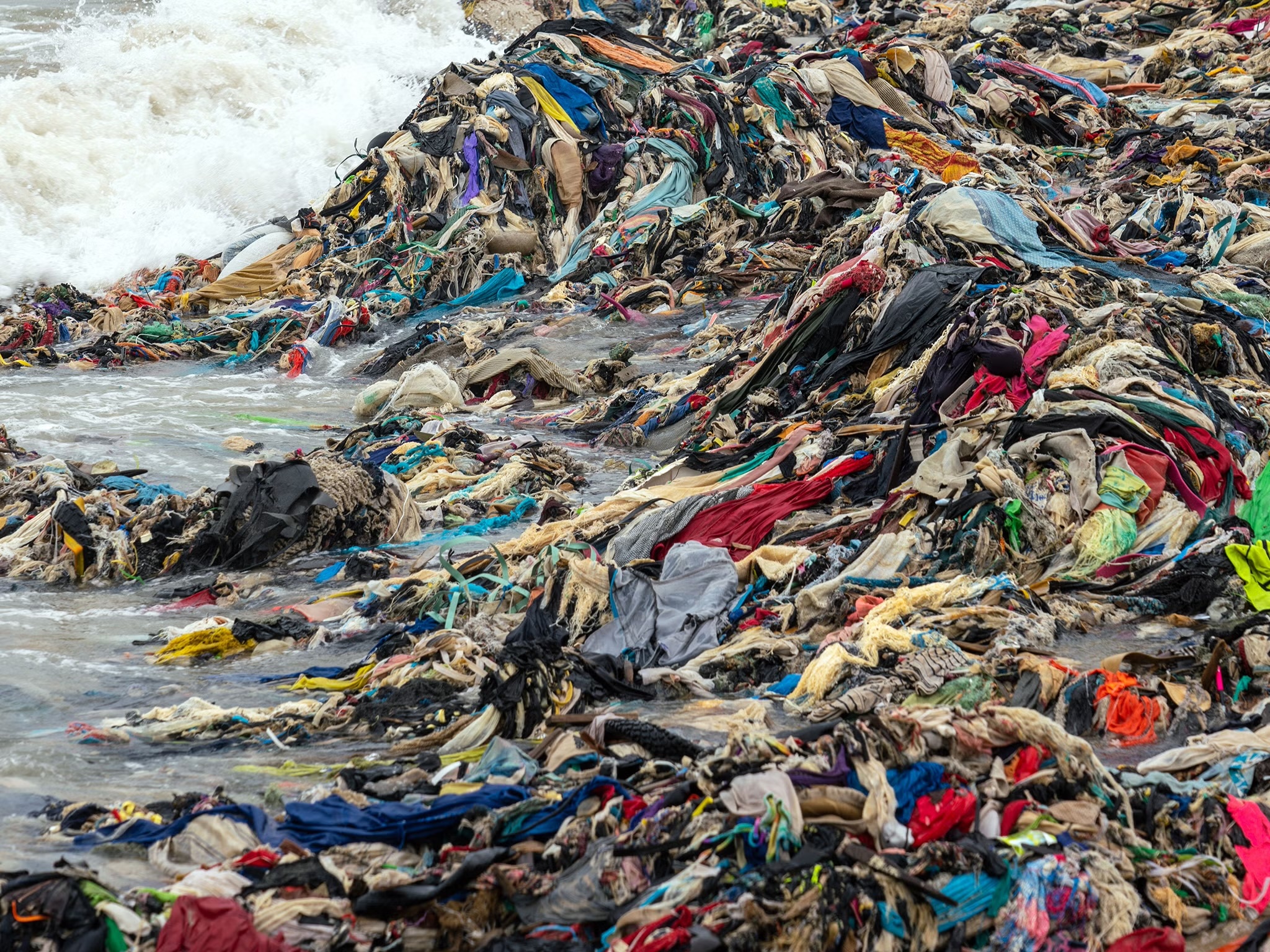
    Fast fashion as an industry has grown exponentially in recent years. Fast fashion is the business of producing low-quality and cost garments at a rapid pace in order to generate profit as trends appear. From brands such as Shein and Zara, there is a large variety of quality and prices that are classified as fast fashion. However, one theme remains consistent with fast fashion: waste. Much of the clothing purchased through fast fashion is donated or thrown in a landfill. Of the clothing donated, only about one-fifth is resold (Claudio, 2007). This means the rest of the pieces end up in the garbage further polluting the Earth. Fashion and textiles are the second most polluting industries, contributing roughly 20% of global water waste (Bailey et al., 2022). This mass amount of waste contributes heavily to the pollution of our earth and the changing climate that we experience. Additionally, the quality of fabrics has significantly decreased over time. Polyester is a very commonly used material to make clothes because it is cheap and can be mass-produced. However, polyester is made of microplastics, meaning it will not break down as easily as natural fibers (Weber et al., 2017). All of these factors contribute to the growing piles of discarded clothing in our landfills. However, fast fashion seems unavoidable in our society, as exemplified by merchandising in Greek life. 

    Fast fashion dumping site in Accra, Ghana

    I interviewed the Director of Merchandise for Alpha Omega Epsilon to collect information about consumption in Greek Life on Georgia Tech’s Campus. She says thus far this academic year she has received five t-shirts from the sorority, as well as a multitude of other merchandise, including a crewneck, a pair of sweatpants, a hoodie, and a keychain among other items. However, she also explained to me the ways that Alpha Omega Epsilon attempts to mitigate any waste they create if they order extra t-shirts or merchandise. She says that all extra merchandise is kept and offered to new members in the following years. It is great to see that these organizations have solutions to excess consumption. However, Greek life still creates a significant amount of excess waste, which as stated previously contributes significantly to the pollution of our Earth.


    Although this article focuses mostly on Greek life, it is up to us to limit our own consumption patterns in an attempt to make a difference. We are constantly given free t-shirts by the university, which inevitably end up in landfills. Every person consumes more than they need to, as it is almost impossible for an individual to remain carbon neutral. It is important to ask yourself as you purchase items: Do I need this? Do I have something similar to this? Can I purchase something like this second-hand? All of these questions may assist consumers in making smart decisions that could save them money and help save the planet.


    Sources

    Bailey, K., Basu, A., & Sharma, S. (2022). The Environmental Impacts of Fast Fashion on Water Quality: A Systematic Review. Water, 14(7), 1073.

    Claudio, L.. (2007). Waste Couture: Environmental Impact of the Clothing Industry. Environmental Health Perspectives, 115(9), A449–A454. https://doi.org/10.1289/ehp.115-a449

    Weber, S., Lynes, J., & Young, S. B.. (2017). Fashion interest as a driver for consumer textile waste management: reuse, recycle or disposal. International Journal of Consumer Studies, 41(2), 207–215. https://doi.org/10.1111/ijcs.12328

  • GaTech Taking Steps to Improve Mental Health!

    As of this semester, Georgia Tech has become a JED Campus! This is a designation given to universities that put systems and programs in place with the goal of protecting student mental health. “JED Campus” is the signature program of The JED Foundation designed to develop customized support for student mental health, substance use, and suicide prevention efforts.  Currently, JED programs have impacted 1078 colleges and high schools across the US.


    Being a student at Tech can be quite challenging with many stressors such as assignments, midterms, and job search. Research shows that first year students especially suffer from emotional problems, some associated with adjustment issues as they transition from high school to college. This difficulty in adjustment can result in poor academic performance and increased dropout rates. In one study, it was shown that more than 86% of students who sought counseling services decided to continue their enrollment for at least another semester. In another study, it was found that counseling centers have started to receive more severe concerns, some of which included suicide, substance abuse, depression, and sexual abuse (Kitzrow, 2003). For these reasons, the demand and need for counseling services in universities has grown substantially.


    Some consequences of poor mental health are low energy, difficulty sleeping, and eating problems, and interest in normal activities. These physical health implications can cause a decline in academic performance which in turn causes a continuous cycle of mental and physical burnout. Counseling serves as a way to minimize these impacts. Fortunately, Tech offers a range of services to help students manage their life in college. I asked fellow Tech students about their favorite resource and how it has helped them manage their stress.

    “I think it’s a really nice break from my normal schedule to stop by and meet the dogs. Even for a few minutes, they’re so friendly and cute it makes my day better. I wish there was also a version with cats, but I’m glad we have these events.” (Sheila)

    Check out this clip of pups on Tech Green from the @gatechlife instagram page!

    “I really enjoy the mental health workshops hosted by the Center of Mental Heath and Services. My favorite one was probably yoga! It was a great way to relax and meet new people”  (Christy)

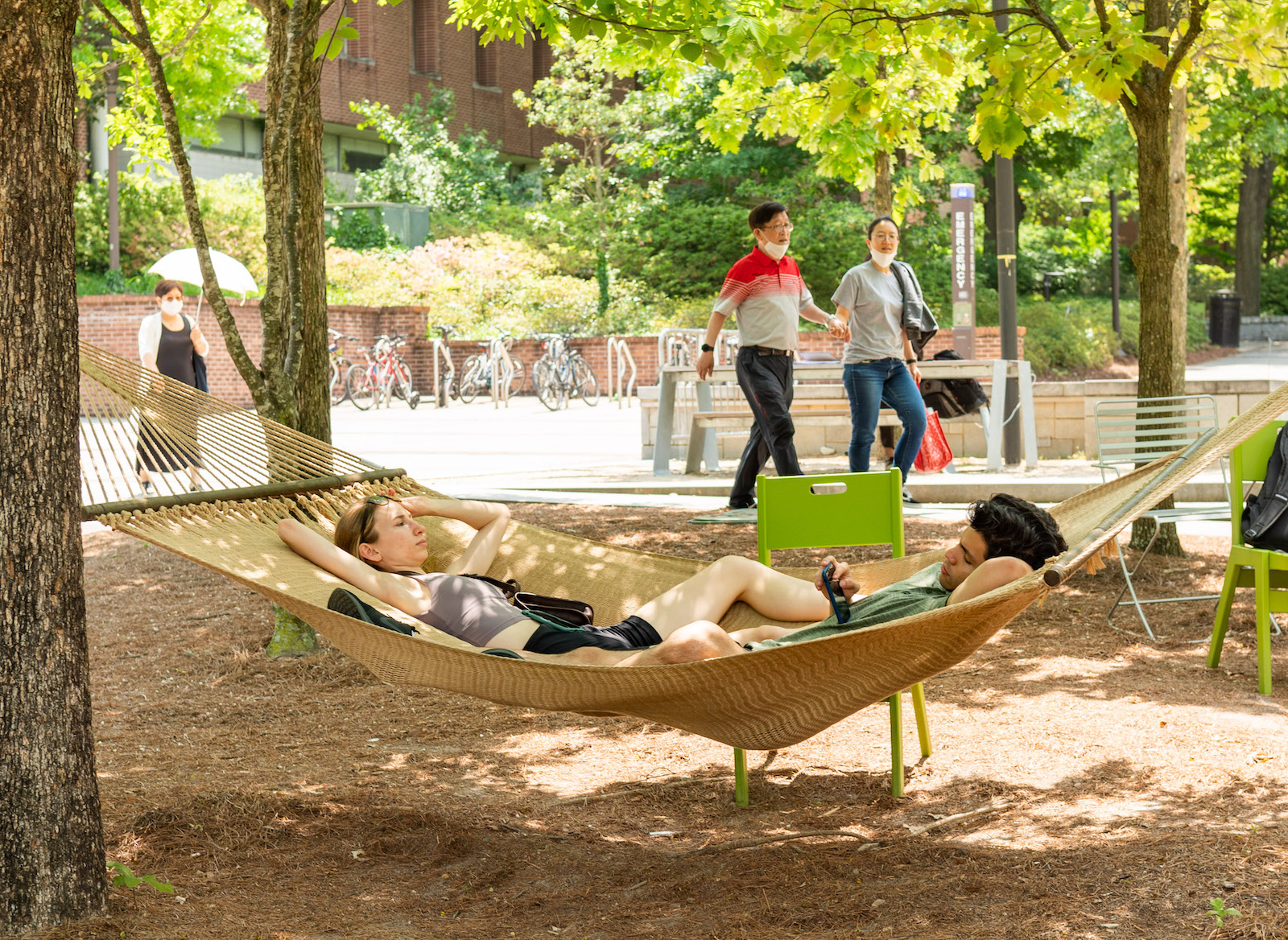
    “I love to relax on the hammocks especially now that the weather is getting better. After a long day, it helps me destress to just lay there and look up at the sky. Sometimes I read a book or listen to music.” (Tim)

    Take It Outside | News Center

    The Center for Mental Health Care & Resources offers a number of programs for students.


    Some of which include individual/group counseling, couple counseling, and mental health workshops. Short-term individual counseling involves ongoing individual meetings with a counselor, often on a weekly or bi-weekly basis. There is also an option for short-term group counseling which supports students in making positive changes in their lives, as well as group sessions based on specific issues or student identities Couples counseling sessions are geared towards resolving tension and miscommunication between partners. Mental health workshops are hosted monthly to deliver useful tips for coping, stress management, and relationships.


    These services are aimed at helping students reach their academic and personal goals. They have benefited many students on campus and the wellness center is continually striving to better serve the Tech population. And the best part of all is that these services are confidential and completely free!


    Sources

    Kitzrow, M. (2003). The mental health needs of today’s college students. https://ccvillage.buffalo.edu/wp-content/uploads/sites/74/2017/06/NASPA-Mental-Health-Needs-of-College-Students.pdf

    Roggers, V. (n.d.). Take it outside. News Center. https://news.gatech.edu/features/2022/05/take-it-outside

    Services. Center for Mental Health Care & Resources.

    https://mentalhealth.gatech.edu/clinical-services/services

    The story of jed. The Jed Foundation. (2024, February 13).

    https://jedfoundation.org/the-story-of-jed/