Category: today i learned (til)

  • Maximizing Sleep Cycles for Optimal Well-Being: The Key 90 Minutes

    Given its critical importance to our health and well-being, sleep is an essential and fundamental aspect of our lives. Our heart, immune system, metabolism, respiratory system, and circulatory system are all impacted by sleep. Understanding the concept of sleep cycles can significantly impact the quality of our rest. Sleep cycles, consisting of various stages, play a crucial role in physical and mental rejuvenation. This article aims to explore the different stages of sleep and provide tips on how to maximize your sleep cycles for a more restorative night’s sleep.
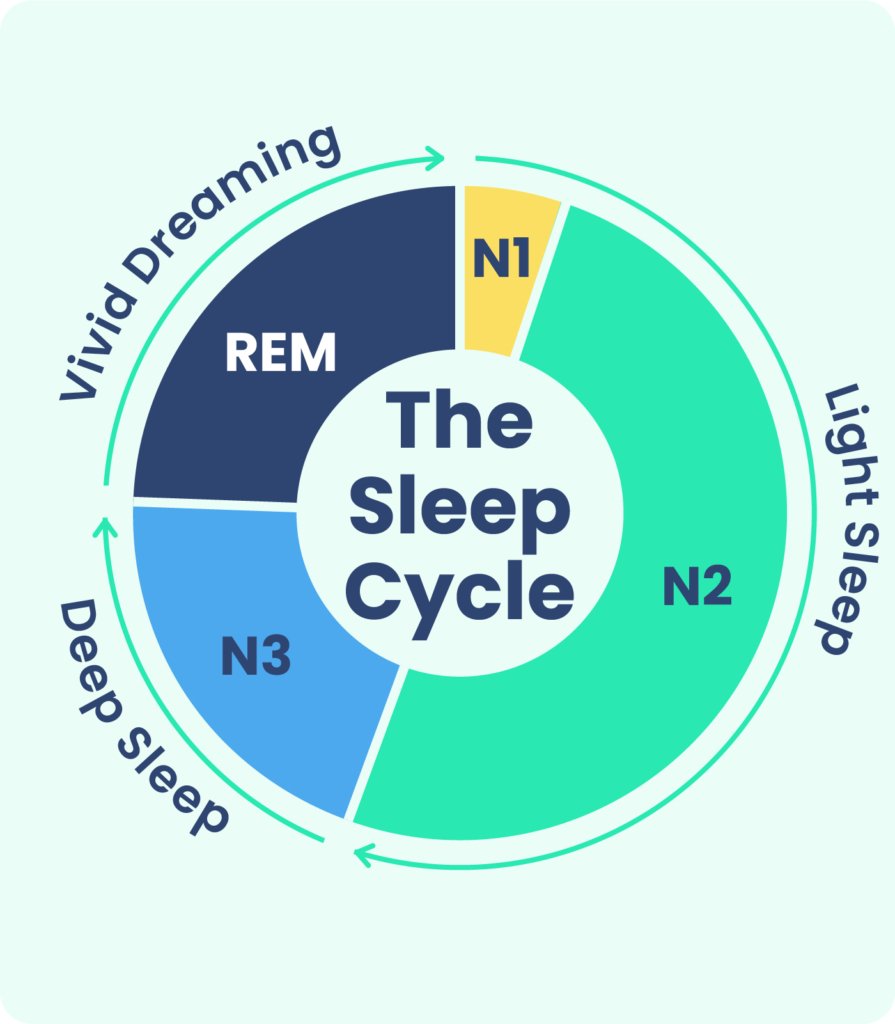
    “The Sleep Cycle with the Phases” Image Credit: Sleep Foundation

    The Sleep Cycle 

    Sleep cycles are intricately structured patterns that govern the various stages of sleep, each contributing uniquely to the overall restoration and well-being of the body and mind. There are four distinct stages in the sleep cycle: REM (rapid eye movement), NREM1, NREM2, and NREM3 (deep sleep or slow-wave sleep). NREM1 marks the transitional phase from wakefulness to sleep, lasting only a few minutes, and sets the foundation for the deeper stages that follow. NREM2 represents true sleep, which is characterized by decreased muscle activity, decreased body temperature, and a slowing heart rate and lasts about 10–25 minutes.  This stage of sleep plays a vital role in memory consolidation and learning. NREM3, a deep sleep stage characterized by delta brain waves, is essential for the body’s physical recuperation or restoration because it stimulates the release of growth hormones, the immune system, and muscle repair. The last phase of sleep, known as REM sleep, is characterized by vivid dreams, fast eye movements, and brain activity similar to that of wakefulness. This stage is essential for memory consolidation, emotional regulation, and cognitive function. The sleep cycle is not something that happens once per night. On most nights, a person goes to 5 to 6 sleep cycles. A balanced distribution of the different stages of sleep is ensured by the cyclical nature of sleep, which is essential to its effectiveness. It is important to note that the length and distribution of each stage can change during the course of the night, with REM sleep lasting longer in the morning and deep sleep mostly happening in the earlier cycles.

    The Key 90 Minutes 

    The concept of 90-minute sleep cycles is rooted in the understanding of the human sleep architecture, characterized by distinct stages that repeat in a cyclical pattern throughout the night. Each complete sleep cycle, which typically lasts about 90 to 110 minutes, is crucial for overall health and well-being. Understanding the importance of these cycles sheds light on the significance of maintaining a consistent and adequate sleep duration.

    Optimizing the distribution of sleep stages is a crucial feature of the 90-minute sleep cycle. The NREM1 and NREM2 lighter stages, NREM3 deeper slow-wave sleep, and the REM (rapid eye movement) stage comprise a full cycle. Each stage serves a unique purpose in physical and mental restoration. While REM sleep is necessary for emotional regulation and cognitive function, NREM1 and NREM2 aid in early relaxation and memory consolidation, and NREM3 is necessary for physical recovery. People can benefit from a balanced distribution of these stages throughout the night by following 90-minute sleep cycles. Sleep cycles guarantee a thorough and all-encompassing restorative experience for the body and mind, addressing the mental and physical dimensions of health. Achieving multiple complete cycles maximizes the body’s ability to repair, heal, and consolidate memories by allowing for a thorough exploration of the various stages of sleep.

    The 90-minute sleep cycle also corresponds with the natural ultradian rhythms that control our physiological functions. These rhythms operate in cycles of approximately 90 minutes, influencing factors such as alertness, focus, and productivity. People who sleep in accordance with these innate cycles may discover that they wake up more easily and feel more rested because their sleep is in harmony with their body’s internal clock. Maintaining regular sleep cycles is also essential for controlling the circadian rhythm. The circadian rhythm, also known as the internal body clock, is triggered by light and dark in the environment. Consistent sleep habits aid in regulating the circadian rhythm, fostering a more robust and consistent sleep-wake cycle.

    In summary, the significance of 90-minute sleep cycles lies in their capacity to facilitate a comprehensive and balanced restorative process. People can improve their physical and mental recovery, sharpen their cognitive abilities, and promote their general health and well-being by honoring their body’s natural sleep cycle. Cultivating a healthy sleep routine begins with making consistent and adequate sleep a priority in line with these cycles. This optimization entails establishing restful surroundings and embracing healthy sleeping practices. Maximizing the benefits of each sleep stage requires a consistent sleep schedule, a calming bedtime ritual, and a sleep-conducive environment that includes elements like darkness and a cool temperature. Knowing the mechanics of sleep cycles enables people to prioritize good sleep hygiene, which improves sleep quality and promotes general health and vitality. So, next time, whenever you are going to bed or taking a nap, remember to take them in 90-minute intervals for well-rested sleep.

    Sources:

    Cherry, Kendra. “The 4 Stages of Sleep (NREM and REM Sleep Cycles).” Verywell Health, Verywell Health, 11 May 2023, www.verywellhealth.com/the-four-stages-of-sleep-2795920. 

    Eugene, Andy R, and Jolanta Masiak. “The Neuroprotective Aspects of Sleep.” MEDtube Science, U.S. National Library of Medicine, Mar. 2015, www.ncbi.nlm.nih.gov/pmc/articles/PMC4651462/. 

    “Stages of Sleep: What Happens in a Sleep Cycle.” Sleep Foundation, 8 Dec. 2023, www.sleepfoundation.org/stages-of-sleep. 

    “What Happens during Sleep.” Sleep Doctor, 19 July 2023, sleepdoctor.com/sleep-faqs/what-happens-when-you-sleep/. 

    “Why Is Sleep Important?” National Heart Lung and Blood Institute, U.S. Department of Health and Human Services, www.nhlbi.nih.gov/health/sleep/why-sleep-important.

  • Navigating the Cosmic Currents: The Great Attractor

    Astronomers and astrophysicists are fascinated by the deep mysteries that lie beneath the cosmic tapestry, which is made up of galaxies, clusters, and the vast emptiness of intergalactic space. The Great Attractor stands out among these celestial mysteries as a cosmic giant, a massive object with a gravitational pull that is located outside the observable boundaries of our universe. This massive mass concentration exerts a force that defies universal expansion, inviting scientists to explore its mysteries and reshape our understanding of the universe.

    Astronomers first became aware of the Great Attractor in the late 1970s when they observed an unexpected, massive galaxy movement toward a particular area of the sky. There were far more gravitational anomalies at work than could be accounted for by the local observable matter. This unusual gravitational pull led astronomers to search for the source of this cosmic pull, which ultimately resulted in the discovery of the Great Attractor.

    “The Great Attractor” Image Credit: Tully, R. B., Courtois, H., Hoffman, Y, Pomarède


    The Great Attractor is a gravitationally dominant object, but its precise location is obscured by a cosmic gas and dust mist. When looking through this cosmic mist, conventional optical telescopes are rendered useless. However, astronomers have turned to alternative observational techniques, such as radio telescopes and infrared imaging, to penetrate the cosmic shroud and gain insights into the nature of this mysterious gravitational focal point.

    The Great Attractor is a massive mass concentration equal to tens of thousands of galaxies, not just a gravitational anomaly. Its enormous size and gravitational pull span hundreds of millions of light-years, which puts our basic notion of the universe’s size to the test. On an unprecedented scale, the very existence of such a massive structure raises questions about the formation and evolution of cosmic structures. A cosmic paradox—the universe’s unrelenting expansion against the concentrated gravitational pull of this enormous structure—lies at the core of the Great Attractor mystery. While galaxy separation is the general trend in the universe, the Great Attractor creates a gravitational dance that pulls galaxies, clusters, and even our own Milky Way toward its enigmatic core. Scientific understanding of the underlying forces forming the universe is being called into question as a result of this cosmic tug-of-war with established cosmological models.

    At the heart of the Great Attractor mystery lies a cosmic paradox: the universe’s relentless expansion versus the concentrated gravitational pull of this colossal structure. While the general trend in the cosmos is the gradual separation of galaxies, the Great Attractor orchestrates a gravitational dance, drawing galaxies, clusters, and even our Milky Way toward its mysterious core. This cosmic tug-of-war challenges established cosmological models and forces scientists to reconsider our understanding of the fundamental forces shaping the universe.

    Worldwide astronomers and researchers are working together to study the Great Attractor in this collaborative effort. This cosmic giant is using advanced technologies, such as powerful computational models and sophisticated telescopes, to unravel the gravitational web that it has woven. The Great Attractor may reveal more of its secrets as technology and observational capabilities develop, providing a deeper understanding of the underlying forces that shape the cosmic architecture.

    Sources: 

    Alderson, E. “The Powerful and Mysterious Great Attractor.” Medium, Predict, 18 Feb. 2020, medium.com/predict/the-powerful-and-mysterious-great-attractor-710f353e809f.

    “The Great Attractor: Uncovering the Mystery of The Invisible Force.” Space Mesmerise, spacemesmerise.com/en-us/blogs/astronomy/the-great-attractor-uncovering-the-mystery-of-the-invisible-force. 

    Siegel, Ethan. “Ask Ethan: Will the ‘great Attractor’ Defeat Dark Energy?” Forbes, Forbes Magazine, 23 July 2016, www.forbes.com/sites/startswithabang/2016/07/23/ask-ethan-will-the-great-attractor-defeat-dark-energy/?sh=67a899aa7b77.

    Staveley-Smith, Lister, and University Of Western Australia. “Explainer: What Is the Great Attractor and Its Pull on the Milky Way?” Phys.Org, Phys.org, 31 May 2016, phys.org/news/2016-05-great-attractor-milky.html.

    “What Is the Great Attractor, and Will It Destroy Us?” Big Think, 19 Apr. 2022, bigthink.com/surprising-science/what-is-the-great-attractor-and-will-it-destroy-us/. 


  • Real or CGI? How Technology is Used in Netflix’s Life on Our Planet


    Life On Our Planet. Cr. Courtesy of Netflix © 2023

          The image above features two Cave Lions, beautifully captured looking out over the icy foothills of Madagascar. The lions look pristine, and the photo would fit right in inside the latest edition of National Geographic. Except for the fact that this picture isn’t real, and Cave Lions have been extinct for around 14,000 years. This photograph is screen captured from an episode of Netflix’s Life on Our Planet, and the Cave Lions are completely computer generated.

          Now, maybe you guessed that these animals were made with CGI. The fur looks a little but too soft and perfect, and their expressions look just a smidge too human. There are certain tells that can give away whether something is real or computer generated, and human eyes are great at spotting them, usually.

         The other day, I was watching an episode of Life on Our Planet, and I found myself completely unable to distinguish between real and computerized animals. Even prehistoric animals, which I knew were long extinct, looked and moved so realistically that I thought the producers could have filmed some real, unique and unknown creature, and edited the scale and colors to make it look like something new. The way the animals moved, the way they interacted with their environments- my brain could not comprehend the notion that these animals were simply rendered and animated computer models. This coupled with the fact that the real wildlife shots from Life on Our Planet are so beautiful, detailed, and crisp, that even the real animals appear fake at times, had me questioning the authenticity of every scene that I saw.

         Most of the animals depicted in this docuseries are completely real, and breathtaking videos are produced from the tireless work of on-site videographers, who can spend months on location just to get that perfect shot. It is only when depicting dinosaurs and other prehistoric creatures, that the production team relies on CGI.

         It was shocking to me how realistic CGI models have become. One way to see how this technology has improved is to compare the CGI rendering of dinosaurs from Jurassic Park, created in 1993, and Life on our Planet, created in 2023.

          Watching these two clips makes the differences over 30 years even more clear. The contrast in texture, movement, and overall quality has gotten remarkably better since the days where CGI was still in its experimental stages. CGI was not truly integrated into movies until the early 70s. Jurassic Park was a trailblazer in CGI, and considering how early it was made, the computer-generated dinosaurs look pretty good. Jurassic Park utilized RenderMan technology, the same program that was adopted by Pixar and used to create Toy Story and Avatar. Since then, RenderMan has evolved with technology, maintaining its position as one of the most advanced rendering technologies by adopting features like raytracing, which could light animated scenes better than ever before by simulating the behavior of actual light. 

         Life on Our Planet works with a variety of technologies to create their hyper realistic, 3D animations. Their process is primarily done through Industrial Light and Magic, or ILM, a visual effects company founded by George Lucas in 1975 to create effects for the original Star Wars film. ILM utilizes the 3D modeling program, Autodesk Maya, and renders with RenderMan.

        The process for creating these hyper-realistic, CGI creatures for Life on Our Planet is quite extensive. As is documented in behind-the-scenes content for the series, it begins with filming the scenery. Taking beautiful shots of nature is no longer enough. The film crew has to plan every detail of the final scene before they even start filming. Where will the animal stand? What path will it move in? Every twig and leaf in its path must be removed or otherwise accounted for in order to produce a believable animation 

         But animals don’t simply glide over the ground; they affect their environment. How can film-makers create the illusion that an animal is interacting with its environment without it even being there? In cases where the animal is making drastic, visual changes to the environment, like a dinosaur eating a branch off a tree, filmmakers will greenscreen (or more accurately, “bluescreen”) themselves into the scene, modifying the environment with a visible hand that will be edited out later. Smaller and less noticeable environmental interactions can be completely done in post-production, but before we can understand that, it’s important to know how the environment is rendered with this type of CGI.

         In Life on Our Planet, the first step of post production takes place within the Layout Department, and it involves baking in images taken on site into a digital environment in which the animation will take place. With CGI this advanced, the entire environment must be rendered before a character can be placed in it. Simply editing an animation into raw footage would not be able to produce the environmental interactions that are needed to make a character truly seem part of a scene. The animal will need a physical terrain to move across. It will need to be placed behind objects in the foreground. The best method to achieving this is a complete environmental rendering, which, as can be seen in the docuseries, is completely indistinguishable from regular footage.

         Once the digital environment is formed, animators can create believable environmental interactions. Slightly adjusting the terrain can give the appearance of a footprint. An animal can scratch a tree, turn up some foliage, or unearth dirt.

         The process for creating CGI animations is complex, and it varies across studios, production companies, and type of work. Life on Our Planet provides us with a view into the potential of CGI so create true to life animations and visuals, and believable environmental interactions. By melding the real world with the computerized, this series has created some of the most realistic and beautiful animations we have seen yet. Considering the fact that CGI has only been meaningfully used in film for around 50 years, it is exciting to imagine the possibilities as technologies advance even further.


    Works Cited

    Life on Our Planet | Filming Dinosaurs in The Real World | Netflix. (2023, November 3). Www.youtube.com. https://www.youtube.com/watch?v=nKRP2Zc6udA

    Nast, C. (2019, April 10). “Our Planet” filming locations: where was the Netflix series shot? CN Traveller. https://www.cntraveller.com/gallery/our-planet-filming-locations

    Petychakis, M. (2020, June 29). How Technology Evolutions changed Animation. APILama. https://apilama.com/2020/06/29/how-technology-evolutions-changed-animation/

    Schrodt, P. (2023, November 9). What Did Dinosaurs Really Look Like? “Life on Our Planet” Filmmakers Explain. Netflix Tudum. https://www.netflix.com/tudum/articles/life-on-our-planet-what-did-dinosaurs-look-like

    Tyson, J. (2000, November 14). How Industrial Light and Magic Works. HowStuffWorks. https://entertainment.howstuffworks.com/perfect-storm.htm


  • Agriculture Overseas- An Examination of Floating Sea Farms

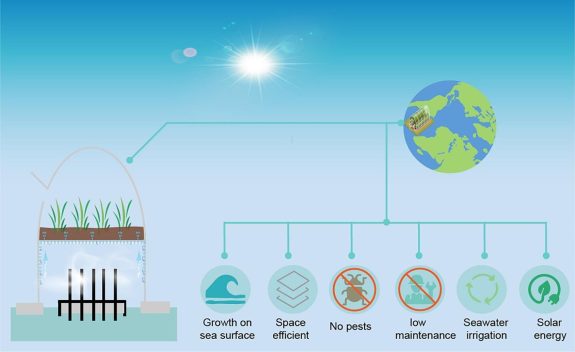
          There is a new technology on the horizon that claims to have the potential to solve two of the biggest global issues: world hunger and freshwater supply. These two problems are, of course, inextricably tied together, as 70% of the world’s freshwater withdrawals are used for agriculture. Professor Haolan Xu and Dr. Gary Owens have developed a design for a “floating sea farm” which would address this problem by producing agriculture without the use of freshwater. In short, the farms sit on top of the ocean, collecting and evaporating seawater that is then used to water crops. The entire system is powered by solar energy, and can potentially be self-sustaining, requiring little to no intervention during crop growth.

         The ability to grow crops over the ocean unlocks a vast potential of usable agricultural space, as oceans make up 70% of the Earth. Moving agriculture overseas could immensely relieve the pressure we are putting our land under and allow us to designate agricultural areas to other purposes. Additionally, these stable systems would reduce farming labor, and drastically reduce global freshwater usage.

         So how exactly do these floating sea farms work? The current model of the double-layered vertical solar sea farm (or DVSSF) is divided into three subsystems: the bottommost solar evaporation chamber, a water condensation and transfer system, and a greenhouse-like plant cultivation chamber on top of the structure. The solar evaporation chamber consists of photothermal evaporators which convert sunlight into heat energy, powering the evaporation of sea water. These devices are partially submerged under the surface of the sea and are supported by floating polystyrene foam. Condensed water vapor is then absorbed by vertically-oriented strips of bamboo paper and transported upwards to the upper soil chamber, where plant irrigation will occur.

         Floating sea farms sound like a utopian dream, but how feasible are all of these promises? Floating sea farms are still in their early stages, and it will likely be years until we see this technology implemented on a large scale. In May 2022, large, open-air experiments were conducted using lettuce, broccoli, and Pak Choi. The growth of all of these plants was successful, demonstrating a real potential of the technology, but also highlighting areas in need of improvement. For instance, these experiments revealed that a surplus of clean water was being produced, and efforts are now being made to design a system that will store this water and use it for other applications. Additionally, the current prototype has only been tested with these three common crops, and much more testing would need to be done to integrate the diversity of agriculture that would be necessary to truly make an impact on global food production. As of right now, the DVSSF has a strong proof of concept, but is still in the experimentation stages. As more work is done improving the prototype and scaling up the project over the next few years, it is certainly possible that this technology could lead to a complete shift in agricultural production as we know it.

    References:

    Floating sea farms: A solution to feed the world and ensure fresh water by 2050. (2023,      September 11). ScienceDaily.                      https://www.sciencedaily.com/releases/2023/09/230911141045.htm

    Pan, W., Wu, X., Yu, H., Zhao, J., Wang, Y., Pi, K., Owens, G., & Xu, H. (2023). An interfacial     solar evaporation enabled autonomous double-layered vertical floating solar sea farm. Chemical Engineering Journal, 473, 145452–145452. https://doi.org/10.1016/j.cej.2023.145452

    The AIM Network. (2023, September 11). Floating sea farms: An ingenious solution to feed the world and ensure freshwater by 2050. https://theaimn.com/floating-sea-farms-an-ingenious-solution-to-feed-the-world-and-ensure-freshwater-by-2050/

  • The Art of Cheese-Making

    Cheese represents a blend of artistry and scientific precision. Behind every delectable wedge lies a complex world of microbial alchemy, enzymatic processes, and carefully curated environmental conditions. In this exploration, we unravel the intricate science that transforms milk into the myriad of flavors and textures we savor in cheeses. 

    Crafting Curds and Draining Whey

    The journey begins with the artful coagulation of milk proteins. Whether through the addition of rennet or the work of lactic acid bacteria, proteins, primarily casein, clump together to form curds. The subsequent drainage of whey is a crucial step, determining the cheese’s texture and moisture content.

    Microbial Ecosystem

    Beyond the visible curds and whey, cheese carries a microbial terroir, a unique microbial fingerprint influenced by the local environment. From the caves of Roquefort to the fields of Brie, distinct microbial communities contribute to the regional flavors that define each cheese.

    Aging and Maturation

    As the cheese embarks on its aging journey, a symphony of biochemical changes unfolds. Proteins undergo proteolysis, breaking down into savory peptides and amino acids, while fats experience lipolysis, contributing to the rich mouthfeel. Factors like temperature and humidity orchestrate these reactions, shaping the final flavor and texture.

    Cheese Varieties and Microorganisms

    Cheese varieties boast their own microbial entourage. Bacterial cultures like Lactococcus and Streptococcus contribute to the tanginess, while mold strains such as Penicillium create the characteristic veins in blue cheeses. Each microbe plays a vital role in the complexities of fermentation and maturation.

    Enzymes

    Enzymes take center stage in the development of cheese. Proteolysis and lipolysis, the breakdown of proteins and fats, are enzymatic processes that give rise to the myriad flavors and textures found in aged cheeses. The by-products of these processes contribute to the nuanced and complex profiles cherished by cheese enthusiasts.

    Final Thoughts

    The making of cheese is a fascinating journey where science and art intertwine. From the initial coagulation of milk to the carefully orchestration of microbes and enzymes during aging, each step contributes to a diverse and delightful world of cheeses. As we peer into the future, the science of cheese promises to unfold new chapters, ensuring that this ancient craft continues to captivate our taste buds and scientific curiosity alike.

  • Exploring the Scientific Credibility of Personality Tests and Astrology

    What Harry Potter house are you? What’s your mbti? What’s your zodiac? What kind of fruit are you? What are your big three? 

    I’ve asked and been asked these questions time and time again. I’ve always enjoyed categorizing myself and compartmentalizing aspects of my personality to fit into aesthetic groups. I’m personally a Hufflepuff, an INFP, and a Taurus. I’ve never thought about whether or not there was any real science behind these types of classifications. Is there any scientific or data-driven backing for these? Why do we spend so much time thinking about what our MBTI is or what kind of personality type we have? 

    Let’s first dive into the history and of some of these. 

    History of MBTI or Myers-Briggs Type Indicator

    Briggs and Myers, a mother-daughter team, aspired to delve into the intricacies of diverse personality types by integrating Carl Jung’s concepts into their own framework. Myers held the conviction that through their assessment, individuals could enhance their comprehension of one another’s personalities, fostering improved collaboration and minimizing conflicts.

    What stands out prominently is that neither Briggs nor Myers possessed formal training in psychology. Briggs, with a keen interest in children’s psychology, aimed to develop a tool for early childhood education and specialization. Her daughter, Myers, adopted this perspective and envisioned using the indicator as a means to assist individuals in finding happiness.

    History of Astrology

    Prior to astrology, divination held sway, involving the interpretation of the influence exerted by stars and planets on earthly matters and human destinies. The roots of astrology can be traced back to Mesopotamia, traversing through India, Greece, China, Islamic culture, and Arabic learning.

    According to Greek tradition, the heavens are delineated by the 12 constellations of the zodiac, each believed to possess a spiritual influence on human affairs. Astrology has permeated various cultures, and many contemporary individuals adhere to the notion that horoscopes wield control or significant influence over our lives.

    Now, we confront a pivotal question: is there any scientific substantiation for these beliefs? Can they be deemed reliable in any capacity?

    Fact or Fiction: MBTI

    As previously noted, the foundation of MBTI is rooted in Carl Jung’s theoretical exploration of psychological types, focusing on different states of consciousness rather than distinctly defined personality types. 

    For a personality assessment to be considered a meaningful measurement tool, it must exhibit both reliability and validity—qualities notably absent in MBTI. Many individuals experience inconsistent outcomes when taking the test multiple times, raising questions about the assessment’s significance. Clearly, the answer is in the negative.

    Despite its lack of credibility, MBTI remains widely embraced, primarily due to the Barnum or Forer effect. This phenomenon reflects people’s tendency to readily accept vague and generic personality descriptions as personally insightful. While the scientific evidence supporting this personality test is limited, it may still be enjoyed for amusement purposes.

    Fact or Fiction: Astrology

    Starting with the foundation, astrology relies on celestial bodies such as the sun, moon, planets, and constellations. It utilizes the positions and movements of these heavenly bodies to formulate predictions and explanations for various aspects of human life, events, and personality traits.

    Similar to the MBTI, astrology encounters comparable challenges, notably in the tendency to generate overly broad expectations, allowing interpretations that can apply to almost any outcome. Consequently, astrology lacks testability, and the available evidence fails to substantiate the validity of its concepts. In the scientific realm, ideas undergo modification based on compelling evidence, a principle not embraced by astrology, which remains unchanged despite contradictory evidence.

    Furthermore, astrology faces criticism within the scientific community regarding the dissemination of research. Typically, published astrological articles lack the scrutiny of peer review, a fundamental practice in scientific inquiry. Additionally, there is an absence of documented instances where astrology has contributed to significant scientific discoveries.

    Final Thoughts

    In conclusion, while personality frameworks like MBTI and astrological concepts such as horoscopes and zodiacs have garnered widespread popularity and cultural significance, their scientific foundations remain highly debated and often contested. The lack of empirical evidence, inconsistent test-retest reliability, and the tendency for generalized statements to resonate with a broad audience raise skepticism about the validity of these systems from a scientific standpoint. While these frameworks may provide personal insights or entertainment for some, it’s essential to approach them with a critical mindset and acknowledge their limitations in terms of scientific rigor and empirical support. As our understanding of psychology and the universe continues to evolve, a cautious and discerning approach is advisable when considering the scientific legitimacy of such personality assessments and astrological beliefs.

  • The Science of Yawning

    We’ve all experienced that urge to open our mouths wide, take a deep breath, and stretch our facial muscles. But why do we yawn, and what explains the phenomenon of contagious yawning?

    Scientifically, yawning is the synchronized motion of the thoracic muscles in the chest, the diaphragm, the larynx in the throat, and the palate in the mouth. This act helps to distribute surfactant, a wetting agent, to cover the alveoli, which are tiny air sacs in the lungs [3]. The brain, particularly the hypothalamus, plays a central role in triggering and regulating yawning. This seemingly simple action, however, sets off a cascade of changes within the body. Yawning increases heart rate, facilitates blood flow, and enhances oxygen intake.

    The precise reason for why we yawn is still researched and debated by doctors and scientists. However, the most common explanations revolve around yawning being used as a way to keep us as alert. Yawning is considered a brain cooling mechanism which leads to an increase in peripheral and cerebral blood flow. The rhythmic contraction and relaxation of facial muscles during a yawn enhance blood flow in the face, leading to the dissipation of heat through emissary veins connecting the surface of the head with the internal blood vessels. Furthermore, the act of gaping the mouth and inhaling cool air during a yawn influences the temperature of the blood traveling from the lungs to the brain through convection [2].

    Another explanation is drowsiness being a common stimulant for yawning, with boredom leading to drowsiness as the primary source of stimulation diminishes. Studies  demonstrate a significant increase in physiological arousal after yawning, shown in increased heart rate and skin conductance levels. This arousal response is likened to the effects observed with caffeine intake, supporting the idea that yawning plays a role in the brain’s arousal reflex. Additionally, the frequency of yawning is noted to be associated with viewing uninteresting stimuli and activities requiring minimal interaction, reinforcing the idea that yawning subserves arousal and higher brain activation [2].

    What is known is that yawning is undeniably contagious, with a single person’s yawn capable of inducing yawning in an entire group. People with higher empathy levels are believed to be more susceptible to yawning in response to others as brain imaging studies have revealed that observing someone yawn activates brain areas associated with social functions. Interestingly enough, this phenomenon extends beyond humans, as dogs also yawn when witnessing their owners or strangers yawn, and similar contagious yawning has been observed in various animals [4].

    Moreover, when members of a group yawn together, it could help align their mental states, making them more synchronized. This synchronization is believed to serve as a form of collective alertness, helping the group become more aware of external threats more rapidly than if each individual were to respond independently. As a result, the spread of yawning in a group is thought to be a way for individuals to share a collective state of readiness and awareness [4].

    Recent research has shed light on the influence of breathing methods and forehead temperature on the contagious nature of yawning. A study exploring these factors found that nasal breathing acted as an antagonist to contagious yawning, significantly reducing its incidence. Participants engaging in other breathing conditions, however, yawned approximately 48% of the time. Moreover, applying a cold pack to the forehead greatly diminishing contagious yawning, while warm and room temperature packs showed no such impact. The combined conditions thought to promote brain cooling, involving nasal breathing and forehead cooling, virtually eliminated contagious yawning, since only one out of 22 participants experienced yawning. These findings highlight the connection between physiological factors, particularly breathing patterns and thermoregulation, and the occurrence of contagious yawning [1].

    As research on the science of yawning advances, we can continue to discover more about this seemingly simple act. So the next time you feel that familiar yawn coming on, remember that you’re engaging in a fascinating scientific phenomenon!

    References:

    1. Gallup, A. C., & Gallup, G. G. (2007). Yawning as a brain cooling mechanism: Nasal breathing and forehead cooling diminish the incidence of contagious yawning. Evolutionary Psychology, 5(1), 147470490700500. https://doi.org/10.1177/147470490700500109
    2. Gupta, S., & Mittal, S. (2013). Yawning and its physiological significance. International Journal of Applied and Basic Medical Research, 3(1), 11–15. https://doi.org/10.4103/2229-516x.112230
    3. Science Reference Section, Library of Congress. (2019, November 19). Why do we yawn?. The Library of Congress. https://www.loc.gov/everyday-mysteries/biology-and-human-anatomy/item/why-do-we-yawn/#:~:text=A%20yawn%20is%20a%20coordinated,we%20cannot%20yawn%20on%20command.
    4. Rabin, R. C. (2019, February 22). Why do we yawn?. The New York Times. https://www.nytimes.com/2019/02/22/well/live/why-do-we-yawn.html
  • Scary or Social? The Secret Lives of Creepy Creatures

    If I asked you to think of some “scary” or “creepy” animals, what sorts of creatures would you think of? From tiny bats to massive sharks, there are plenty of animals considered by most people to be “creepy” or even somewhat monstrous. Why do we consider these particular creatures to be the scary ones, though? When we spot an animal with sharp teeth or an ominous color palette, it can sometimes be tempting to assume the worst; however, these creatures are often mischaracterized. Many of them are fascinating to study and express some complex social behaviors. While it would be incorrect to say that animals experience relationships or social lives in the same way we do, you might still find some ways to relate to these creepy creatures if you dare to look a little deeper. Let’s take a peek at a few of those animals and some behaviors of theirs that might make them a little less scary.

    Vampire bats might just be the most iconic animals associated with scary stories and Halloween- how could they not be with a name like “vampire bat” and a diet of blood? They’re not cruel creatures, though; in fact, vampire bats are known to form strong social bonds with one another and do “favors” for each other. Female vampire bats are known to share food with other females, including both non-relatives and family (Carter and Wilkinson). Humans often share out of companionship or politeness, but bats do so for a somewhat different reason. Most adaptations in organisms occur in order to increase the organism’s fitness, or likelihood of passing down their genetic code to the next generation. If a bat shares food with a family member, who likely shares much of its genetic code, that family member is more likely to survive and pass genetic material it shares with the initial bat onto offspring (Carter and Wilkinson). But, how does sharing food with other bats that may have very few genetic similarities to an initial bat increase fitness? According to a 2015 study, when a female shares food with another, the receiving bat will often share food with the initial food-donating bat in turn when it is in need (Carter and Wilkinson). In this way, vampire bats can increase the chance that they will survive through a shortage of food or other emergency to pass their genes onto their offspring.

    Bat social bonds also become stronger over time, much like our own. According to a 2020 study, when forming a new social bond with another bat, vampire bats will start by grooming the other bat. This is much less risky than sharing food since the bat loses far less resources from it. If the other bat returns the grooming, the two bats will begin to groom each other more frequently until eventually becoming sufficiently able to trust that the other will return favors. From this point, the bats will begin to share food with each other, sure enough that their sacrifice of resources will someday be returned in kind (Carter et al.). Vampire bat social bonds even extend to hunting. A 2021 study showed that vampire bats that spend a lot of time together in their roost will interact with each other more frequently than with other bats while they hunt and may even work together to find food (Ripperger and Carter).

    Sharks are widely feared and often depicted as monsters in pieces of popular media like Jaws and The Meg. While sharks are highly effective predators and occasionally attack humans, they’re not mindless monsters; in fact, many types of sharks are fairly social and can even learn from each other. According to National Aquarium museum exhibit curator Jay Bradley in a National Geographic article, whitetip reef sharks, like many other fish, don’t sleep the same way we do, instead resting while still awake (qtd. in Gibbens) in areas of water with a powerful current, which helps them to breathe, and with protection from their own predators (Gibbens). Additionally, according to Birch Aquarium spokesperson Caitlin Scully in the same article, while they don’t interact directly with or cooperate much with each other, these sharks do gather in large groups both to rest and hunt (qtd. in Gibbens). When they rest together, it often looks like they’re cuddling! Additionally, certain sharks are able to learn information and behaviors from each other, a phenomenon called social learning. A 2013 study tasked young lemon sharks with touching a target in order to obtain food. Sharks who had not yet performed the task were more capable of performing it successfully when they were allowed to watch experienced sharks touch the target and obtain food from it (Guttridge et al.). Although not all sharks are social creatures in the traditional sense, they’re certainly more social than their reputation as horrible and often solitary monsters would have you think.

    Ravens, crows, and other darker-colored members of the family Corvidae (corvids) are often considered omens of bad things to come in horror stories. In the biological community, however, corvids are considered to be some of the most intelligent members of the animal kingdom, and demonstrate some very intriguing social behaviors. According to a 2012, study, captive ravens can begin to form social connections with one another when they aren’t even a year old yet, with the strongest relationships and least fighting occurring between closely related ravens, or kin. Additionally, as young ravens grow older, they tend to take the side of family members in fights between other ravens rather than defaulting to the side of whichever raven started the fight like very young ravens and even some other social species like hyenas. The study also indicated that ravens may favor ravens that they have social bonds with, but are not biologically related to, in fights, but this was not completely confirmed (Loretto et al.). Ravens also sometimes make up with other ravens whom they are close to after fighting with them and are less likely to fight again after reconciling. This is likely because ravens gain many benefits from social relationships with each other, many of which are similar to what vampire bats get out of their relationships (being groomed, sharing food, and even additional fitness in the case of direct relatives). Reconciling with friends they have fought with ensures that neither raven loses those valuable benefits over a simple fight (Fraser and Bugnyar). Finally, ravens can learn certain behaviors by watching other ravens perform them, a phenomenon called social learning. Ravens are particularly good at social learning, however, when they watch their siblings perform a task (Schwab et al.). These “omens of death” don’t just have deep social lives- they’re no bird-brains, either!

    So, what did you think? Does knowing that vampire bats share with each other, that sharks “cuddle” with each other, and that ravens can “forgive” each other after a conflict make them all a bit less scary and a lot more fascinating? There’s often a lot more to animals than what meets the eye, or what popular culture likes to portray them as. Don’t get me wrong- I love a good shark horror movie- but the true secret lives of our world’s “creepiest” creatures can be just as interesting.

    Works Cited

    Carter, Gerald G., et al. “Development of New Food-Sharing Relationships in Vampire Bats.” Current Biology, vol. 30, no. 7, Apr. 2020, pp. 1275-1279.e3. DOI.org (Crossref), https://doi.org/10.1016/j.cub.2020.01.055.

    Carter, Gerald G., and Gerald S. Wilkinson. “Social Benefits of Non-Kin Food Sharing by Female Vampire Bats.” Proceedings of the Royal Society B: Biological Sciences, vol. 282, no. 1819, Nov. 2015, p. 20152524. DOI.org (Crossref), https://doi.org/10.1098/rspb.2015.2524.

    Fraser, Orlaith N., and Thomas Bugnyar. “Ravens Reconcile after Aggressive Conflicts with Valuable Partners.” PLOS ONE, vol. 6, no. 3, Mar. 2011, p. e18118. PLoS Journals, https://doi.org/10.1371/journal.pone.0018118.

    Gibbens, Sarah. “Video Shows How Sharks ‘Sleep’ in Large Groups.” National Geographic, National Geographic Partners, LLC, Aug. 2017, https://www.nationalgeographic.com/animals/article/whitetip-reef-sharks-sleeping-mexico-video-spd?rnd=1697795254296&loggedin=true. Accessed 5 April 2023.

    Guttridge, Tristan L., et al. “Social Learning in Juvenile Lemon Sharks, Negaprion Brevirostris.” Animal Cognition, vol. 16, no. 1, Jan. 2013, pp. 55–64. Springer Link, https://doi.org/10.1007/s10071-012-0550-6.

    Loretto, Matthias-Claudio, et al. “Ontogeny of Social Relations and Coalition Formation in Common Ravens (Corvus Corax).” International Journal of Comparative Psychology, vol. 25, no. 3, 2012. DOI.org (Crossref), https://doi.org/10.46867/IJCP.2012.25.03.05.

    Ripperger, Simon P., and Gerald G. Carter. “Social Foraging in Vampire Bats Is Predicted by Long-Term Cooperative Relationships.” PLOS Biology, vol. 19, no. 9, Sept. 2021, p. e3001366. PLoS Journals, https://doi.org/10.1371/journal.pbio.3001366.

    Schwab, Christine, et al. “Enhanced Social Learning between Siblings in Common Ravens, Corvus Corax.” Animal Behaviour, vol. 75, no. 2, Feb. 2008, pp. 501–08. ScienceDirect, https://doi.org/10.1016/j.anbehav.2007.06.006.

  • A Future of Painless Tattoos

    Introduction: A Breakthrough in Tattooing

    In a groundbreaking scientific advancement, researchers at the Georgia Tech have introduced painless and bloodless tattoos using microneedle patch technology. This innovative approach aims to make medical tattoos more accessible and create new possibilities for cosmetic tattoos, all while eliminating the pain associated with traditional tattooing methods.

    Microneedle Technology (Prausnitz et al., 2023)

    Microneedle Patch Tattoos

    Traditional tattoos involve large needles and painful, time-consuming processes. The Georgia Tech team has redefined tattooing with microneedles smaller than a grain of sand, made of tattoo ink encased in a dissolvable matrix. These microneedles are designed to efficiently deposit ink in the skin, eliminating the need for repeated punctures and offering a painless tattooing experience.

    Tattooing Technique

    Microneedle patch tattoos employ a unique technique, imprinting designs using microneedles arranged in specific patterns. Acting like pixels, each microneedle contributes to creating intricate tattoo images. The process involves applying a patch containing tattoo ink-filled microneedles to the skin for a few minutes, after which the microneedles dissolve, leaving the ink embedded in the skin without bleeding.

    From Medicine to Cosmetics

    Medical Tattoos

    Microneedle patch tattoos have diverse applications in the medical field, from covering scars and guiding radiation treatments to serving as medical alerts for conditions like diabetes and epilepsy. The technology not only improves accessibility to medical tattoos but also offers a potential avenue for physiological monitoring and encoding complex health information.

    Pain-Free Aesthetics

    The painless nature of microneedle patch tattoos opens new doors for cosmetic applications. Beyond medical use, these tattoos can be self-administered for cosmetic purposes, providing an easy and painless alternative to traditional tattooing. The technology even includes privacy features, such as tattoos visible only under ultraviolet light, enhancing personal choices.

    A Painless Tattoo Revolution

    Long-lasting and Permanent

    Research indicates that microneedle patch tattoos can last for at least a year, offering a permanent option for those seeking aesthetic tattoos without the associated risks. The technology provides a canvas for creativity while minimizing infection risks and discomfort.

    Encoded Information and Animal Identification

    Microneedle patch tattoos aren’t limited to humans; they can be used to encode information in the skin of animals, offering a painless and discreet alternative to traditional identification methods. This development has implications for sterilization status indications in pets and could revolutionize how we care for our animal companions.

    Conclusion

    The science behind microneedle patch tattoos represents a fusion of technology and creativity, offering painless and accessible alternatives for medical and cosmetic purposes. While respecting the artistry of traditional tattoos, this scientific innovation opens new opportunities for patients, pets, and individuals seeking a pain-free tattooing experience.

    References

    Georgia Institute of Technology. (2022, September 14). Researchers develop painless tattoos that can be self-administered. ScienceDaily. https://www.sciencedaily.com/releases/2022/09/220914141006.htm

    Li, S., Kim, Y., Lee, J. W., & Prausnitz, M. R. (2022). Microneedle Patch tattoos. iScience, 25(10), 105014. https://doi.org/10.1016/j.isci.2022.105014

  • AI’s Attempt at New Yorker Cartoons

    Artificial Intelligence (AI) has made remarkable strides in generating jokes, but the burning question remains: Can AI truly comprehend humor? In this exploration, we delve into the scientific challenges posed to AI models through tasks derived from the New Yorker Cartoon Caption Contest, aiming to uncover the depth of AI’s understanding of humor.

    The Experiment: Testing AI’s Wit

    Task 1: Matching Jokes to Cartoons

    The first challenge involved matching jokes to cartoons, a task requiring a grasp of the intricate relationships between visual elements and textual humor. The study included both multimodal models, which directly analyzed cartoon images, and language-only models, which relied on descriptions of visual scenes to simulate human-level visual understanding.

    Task 2: Identifying Winning Captions

    The second task tasked AI models and human participants with identifying winning captions from a pool of entries. Humans consistently outperformed AI across these tasks.

    Task 3: Explaining the Humor

    The pinnacle of the experiment was explaining why a winning caption was funny. Here, they explored the depth of understanding required to decipher the often indirect and playful allusions to human experience and culture present in New Yorker cartoons.

    Results: AI’s Struggle with the Punchline

    Findings revealed that both multimodal and language-only models struggled across all three tasks. Even the best multimodal models lagged 30 accuracy points behind human performance in matching jokes to cartoons. Moreover, when provided with ground-truth visual scene descriptors, human-authored explanations consistently outshone the best machine-authored ones, showcasing the existing gap in humor comprehension.

    Implications and Future Possibilities: The Role of AI in Humor Creation

    While machines may not fully “understand” humor, they display impressive capabilities. The question of true understanding remains debatable, but AI’s proficiency in these tasks is undeniable. The study opens doors to the potential use of AI as a collaborative tool for humorists, offering a fresh perspective on ideation and creativity in the realm of humor.

    References

    Cornell University. (2023, July 31). That’s funny — but AI models don’t get the joke. ScienceDaily. https://www.sciencedaily.com/releases/2023/07/230731122233.htm

    Hessel, J., Marasovic, A., Hwang, J. D., Lee, L., Da, J., Zellers, R., Mankoff, R., & Choi, Y. (2023). Do androids laugh at Electric Sheep? humor “understanding” benchmarks from the New Yorker Caption Contest. Proceedings of the 61st Annual Meeting of the Association for Computational Linguistics (Volume 1: Long Papers). https://doi.org/10.18653/v1/2023.acl-long.41